
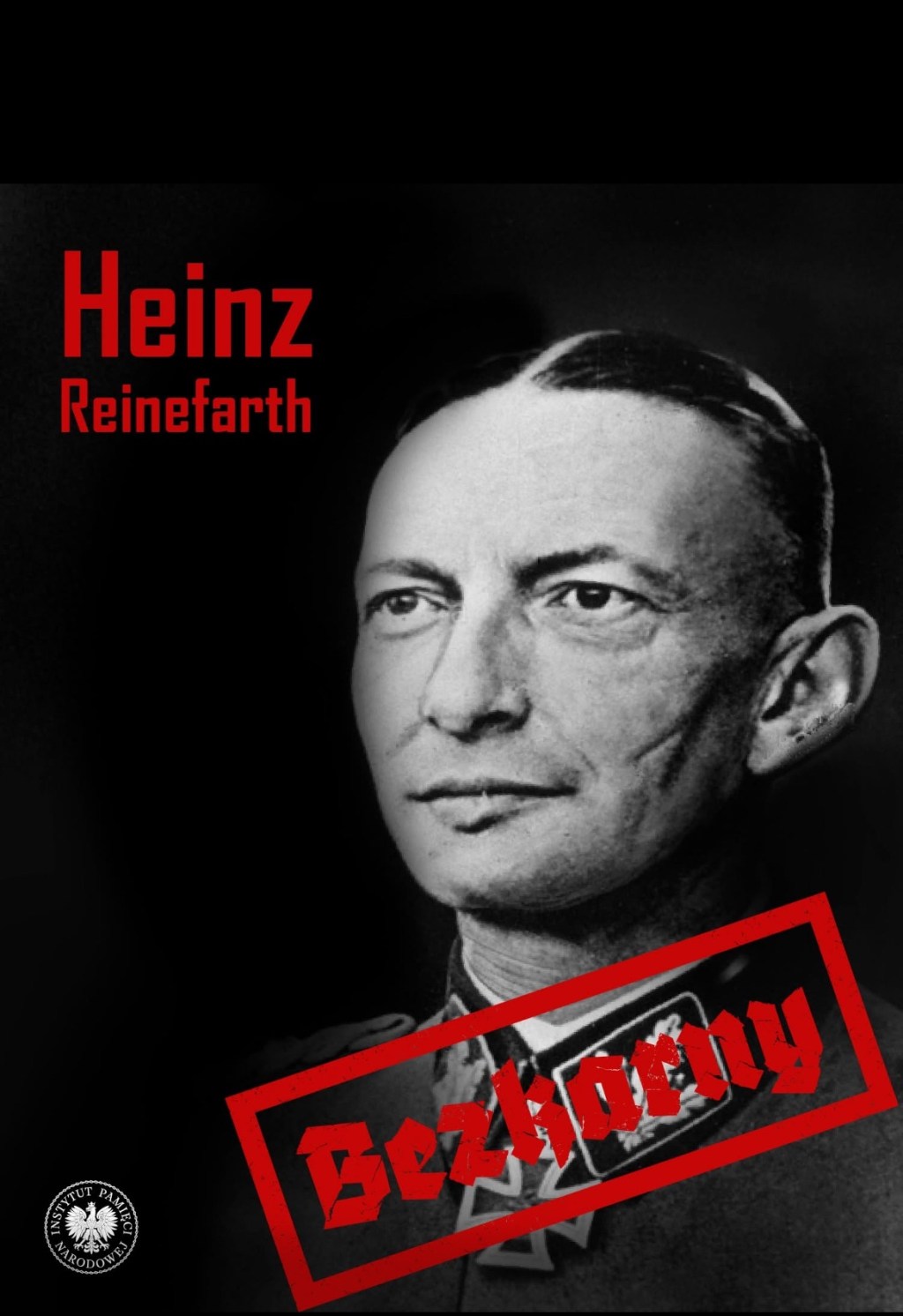
Heinz Reinefarth, one of the main German commanders responsible for the massacre of Polish civilians during the Warsaw Uprising, not only escaped punishment after the war but built a successful political and professional career in the Federal Republic of Germany.
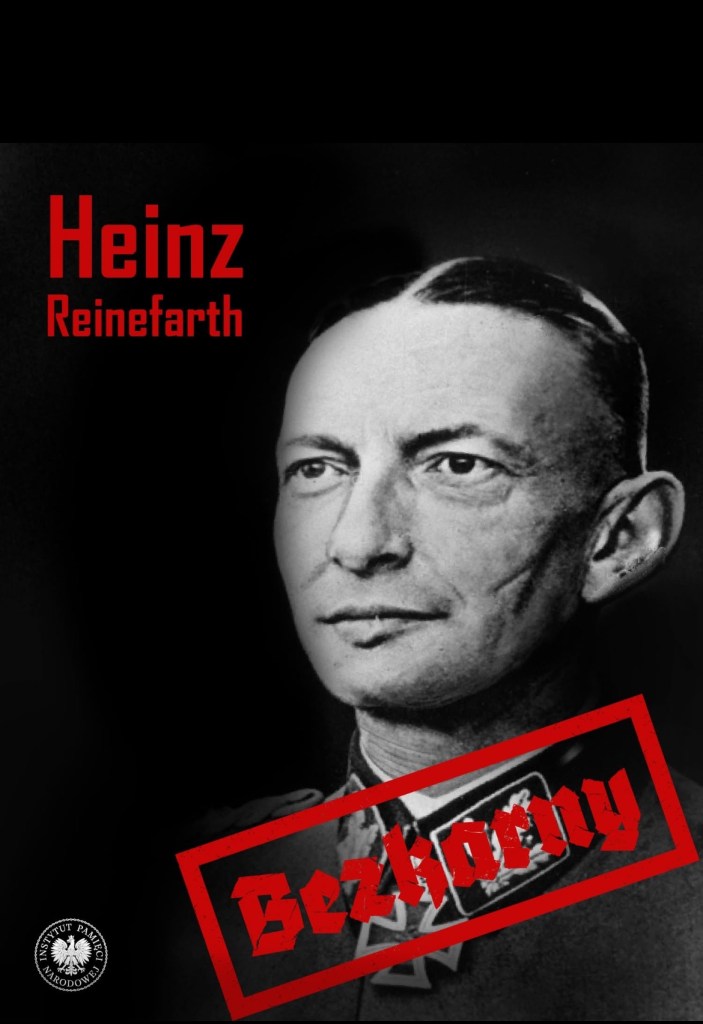
His fate is emblematic of a broader problem – the lack of full accountability for German crimes and the failure to pay war reparations to Poland.
The Wola Massacre: The Largest Single Execution of Civilians During World War II
On August 5, 1944, SS and police units, commanded by Heinz Reinefarth and Oskar Dirlewanger, began the brutal pacification of the Wola district of Warsaw. The massacre began immediately after the Germans repelled the first insurgent units.
It is estimated that approximately 20,000 civilians were murdered in just one day, and the number of victims at least doubled in the following days.
Entire families, hospital patients, the elderly, and children were shot.
Reinefarth reported to his superiors:
“I have more prisoners than ammunition.”
These words, uttered without emotion, reflect the brutal manner in which his units conducted their operations.
A Criminal Awarded by Hitler
Instead of punishment, Reinefarth received a commendation. For his “effectiveness” in suppressing the uprising, Hitler awarded him the Oak Leaves to the Knight’s Cross – one of the most prestigious orders of the Third Reich.
His units also participated in mass murders in Powiśle, Czerniaków, and the Old Town, as well as in the executions of staff and patients in Warsaw hospitals.

Avoiding Responsibility and Postwar Career
After the war, Reinefarth was detained by Allied forces, but the German justice system refused to extradite him to Poland. The allegations of mass murder were deemed “insufficiently proven,” despite numerous testimonies and documents.
In the 1950s and 1960s, Reinefarth enjoyed the status of a respected citizen of the Federal Republic of Germany.
He served as mayor of Westerland, sat in the Schleswig-Holstein state parliament, practiced law, and at the end of his life received a generous general’s pension.
He died in 1979. He was never held accountable for the crimes historians call genocide.
Germany and the issue of reparations: the bill remains unpaid
Reinefarth’s fate, however, is not an isolated case. After the war, many SS, Gestapo, and Wehrmacht officers escaped punishment, and thousands worked in the courts, administration, and police of the Federal Republic of Germany.
At the same time, Germany never paid Poland full war reparations, even though Polish cities, villages, and infrastructure were almost completely destroyed, and Poland lost over 6 million citizens.
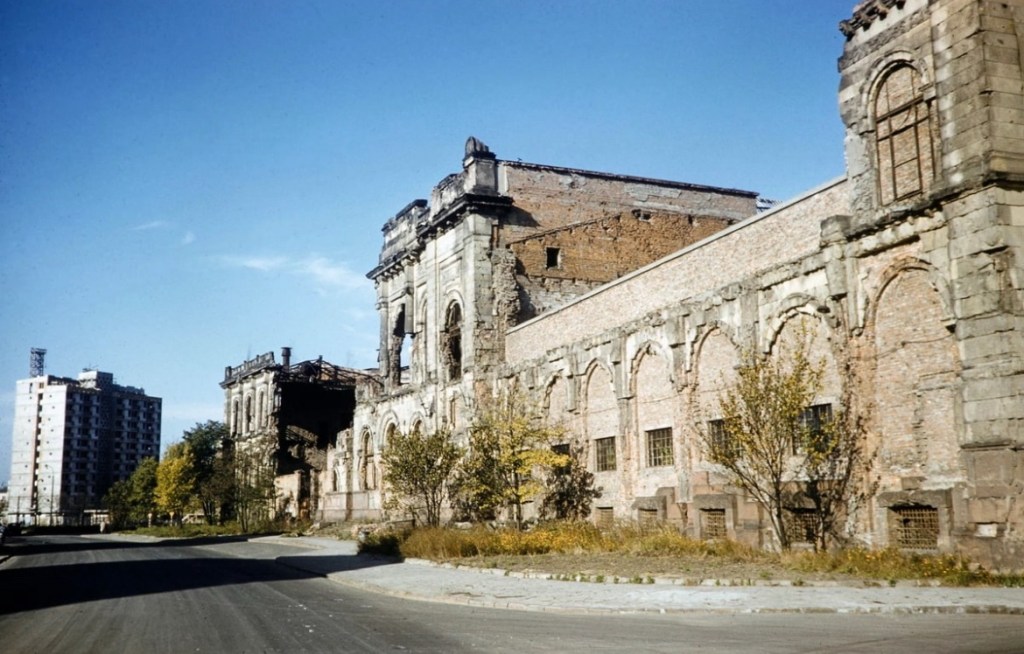
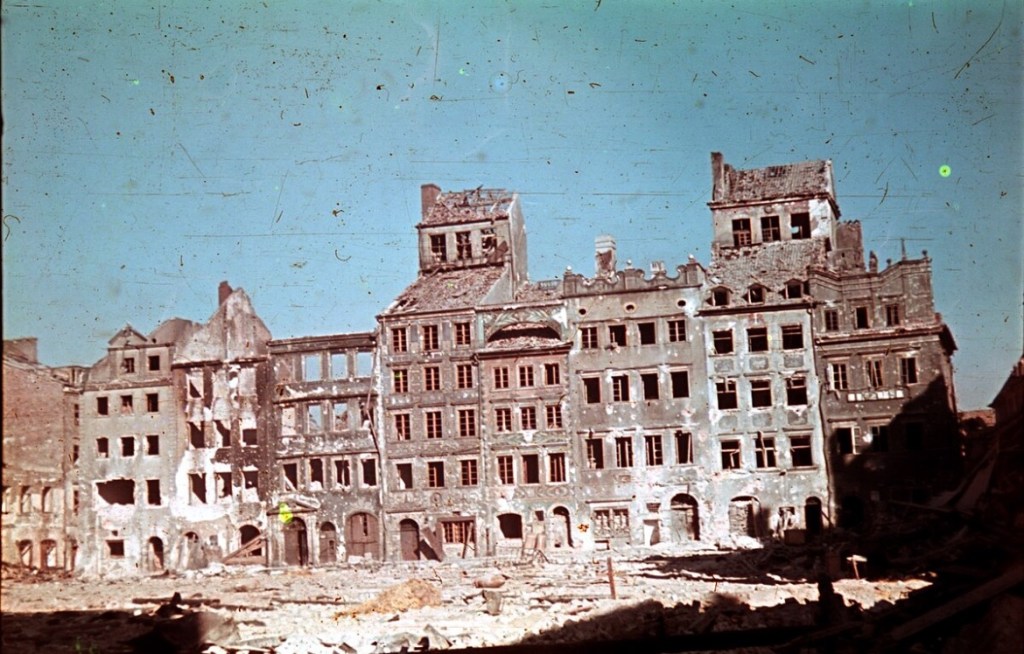
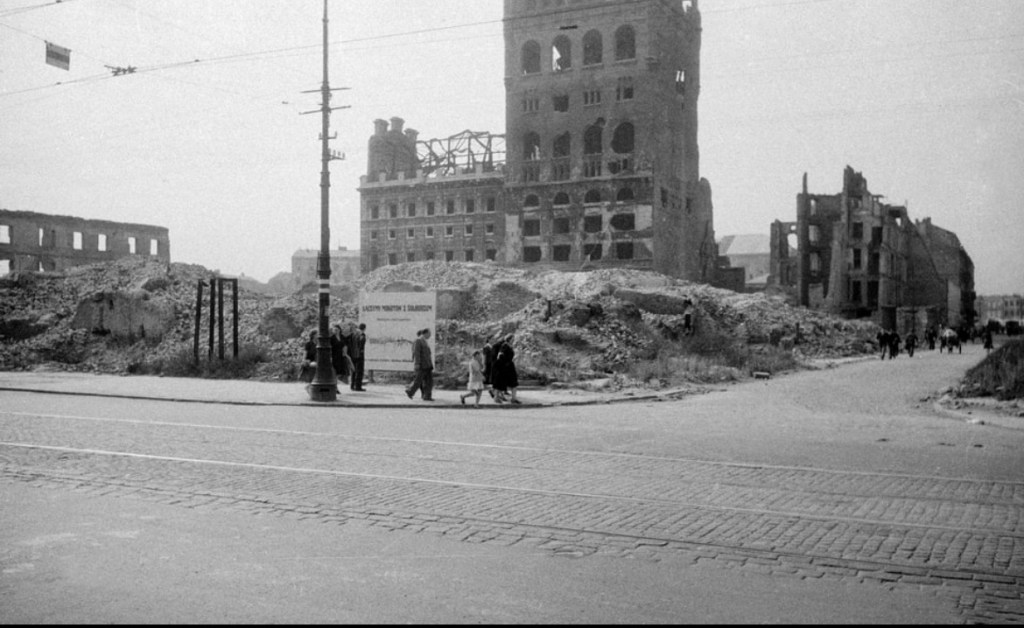
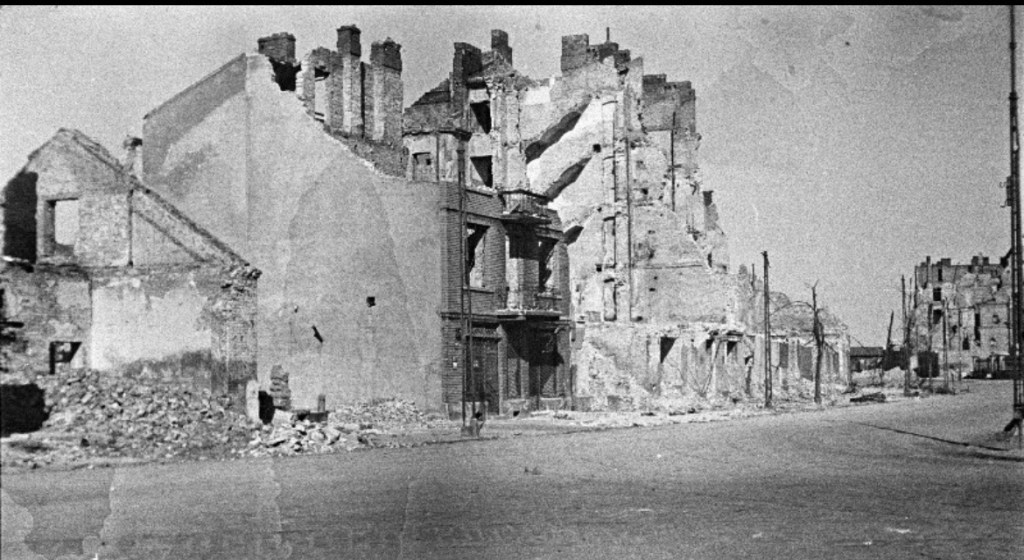
Warsaw – the city Reinefarth was supposed to “extinguish like a candle” – was over 80 percent destroyed. The plunder of property, the looting of historical monuments, the destruction of infrastructure, and the planned destruction of elites remain without full redress to this day.
In this context, Reinefarth’s impunity becomes a symbol of a broader phenomenon: Germany was rebuilt, strengthened, and accepted into the Western community, while Polish losses were never fully compensated.
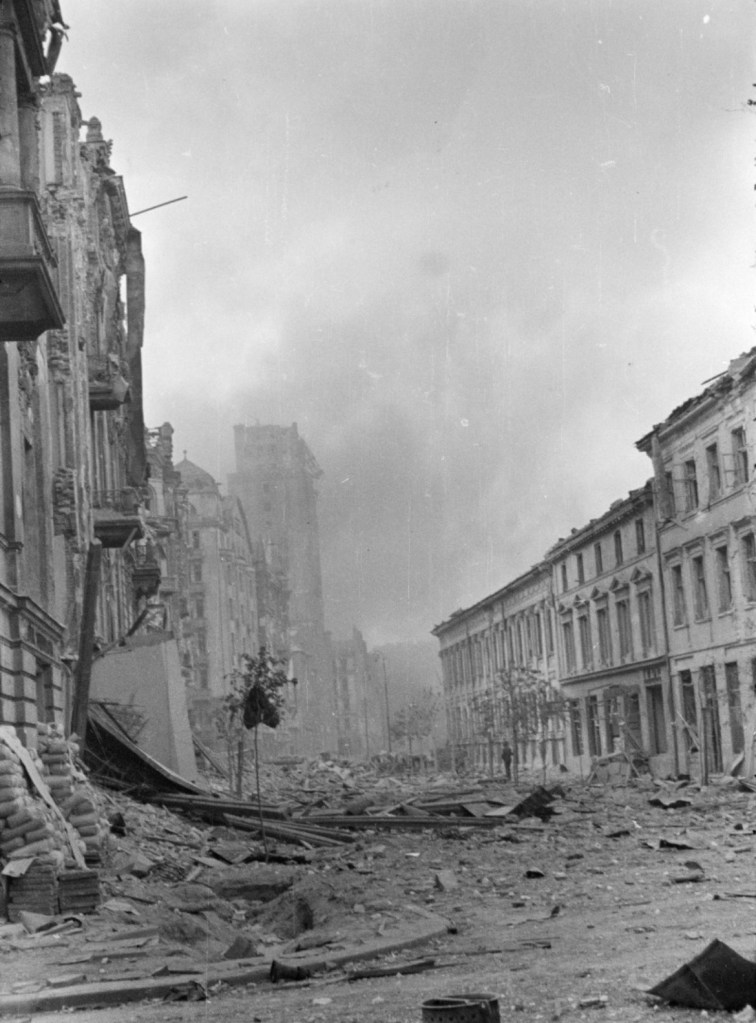
Why does this story still matter?
Reinefarth’s case is not only an example of gross injustice but also a reminder that the issue of war reparations remains an open question for Poland.
It demonstrates how conveniently postwar Europe forgot about Polish victims while simultaneously enabling thousands of German officers to build new careers, often in the shadow of the memory of mass atrocities.
Until this account is settled and the victims’ memories are fully redressed, the story of Heinz Reinefarth will recur as a symbol of unresolved wrongs and postwar impunity.
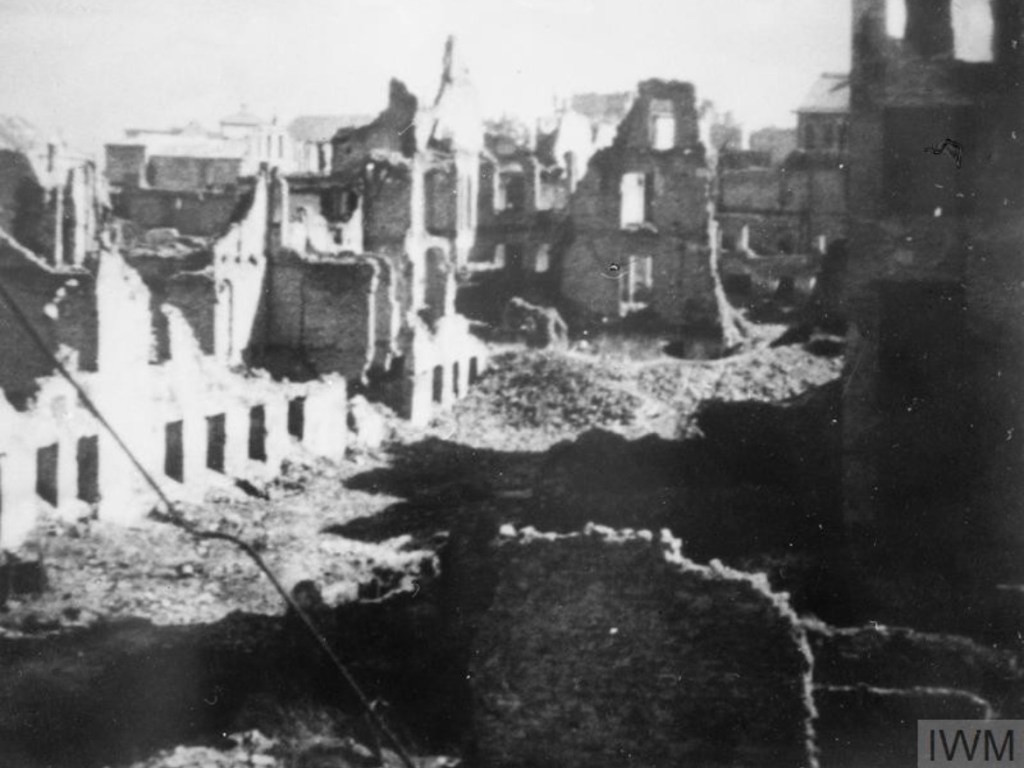
More details about the ways in which Reinefarth avoided responsibility can be found in the interview at the following link:
Source: INSTITUTE OF NATIONAL REMEMBRANCE
Text: Polish Sue
Photos: IPN ARCHIVES, Wikipedia, Muzeum Powstania Warszawskiego
PL.
Rzeźnik Warszawy wciąż bezkarny. Historia Heinza Reinefartha i niezapłaconego rachunku Niemiec wobec Polski
Heinz Reinefarth, jeden z głównych niemieckich dowódców odpowiedzialnych za masakrę polskiej ludności cywilnej podczas Powstania Warszawskiego, po wojnie nie tylko uniknął kary, ale zbudował w Republice Federalnej Niemiec udaną karierę polityczną i zawodową.

Jego losy są symbolem szerszego problemu – braku pełnego rozliczenia z niemieckimi zbrodniami i braku wypłaty reparacji wojennych Polsce.
Masakra Woli: największa jednorazowa egzekucja cywilów w czasie II wojny światowej
5 sierpnia 1944 roku oddziały SS i policji, dowodzone przez Heinza Reinefartha oraz Oskara Dirlewangera, przystąpiły do brutalnej pacyfikacji warszawskiej Woli. Masakra rozpoczęła się natychmiast po odparciu przez Niemców pierwszych oddziałów powstańczych.
Szacuje się, że w ciągu zaledwie jednego dnia zamordowano około 20 tysięcy cywilów, a liczba ofiar w kolejnych dniach wzrosła co najmniej dwukrotnie. Rozstrzeliwano całe rodziny, pacjentów szpitali, osoby starsze i dzieci.
Reinefarth raportował swoim przełożonym:
„Mam więcej jeńców niż amunicji”.
Słowa te, wypowiedziane bez emocji, oddają brutalny sposób prowadzenia działań przez jego jednostki.
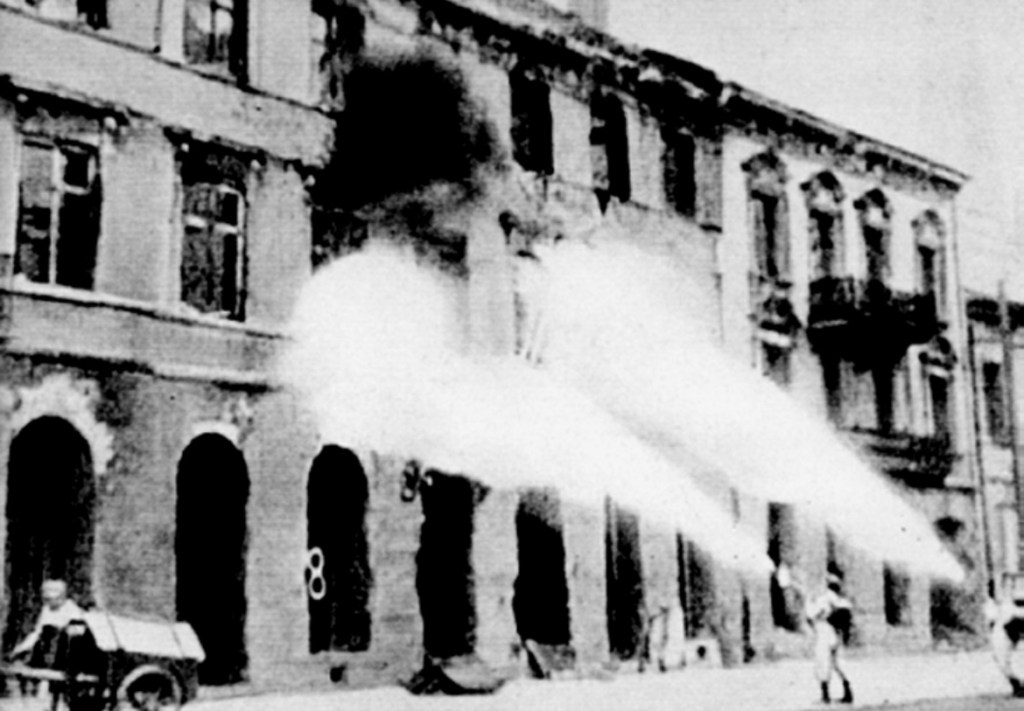
Zbrodniarz nagrodzony przez Hitlera
Zamiast kary, Reinefarth otrzymał wyróżnienie. Za „skuteczność” podczas tłumienia powstania Hitler odznaczył go Liśćmi Dębowymi do Krzyża Rycerskiego – jednym z najbardziej prestiżowych orderów III Rzeszy.
Jego oddziały uczestniczyły również w masowych mordach na Powiślu, Czerniakowie i Starym Mieście oraz w egzekucjach personelu i pacjentów warszawskich szpitali.
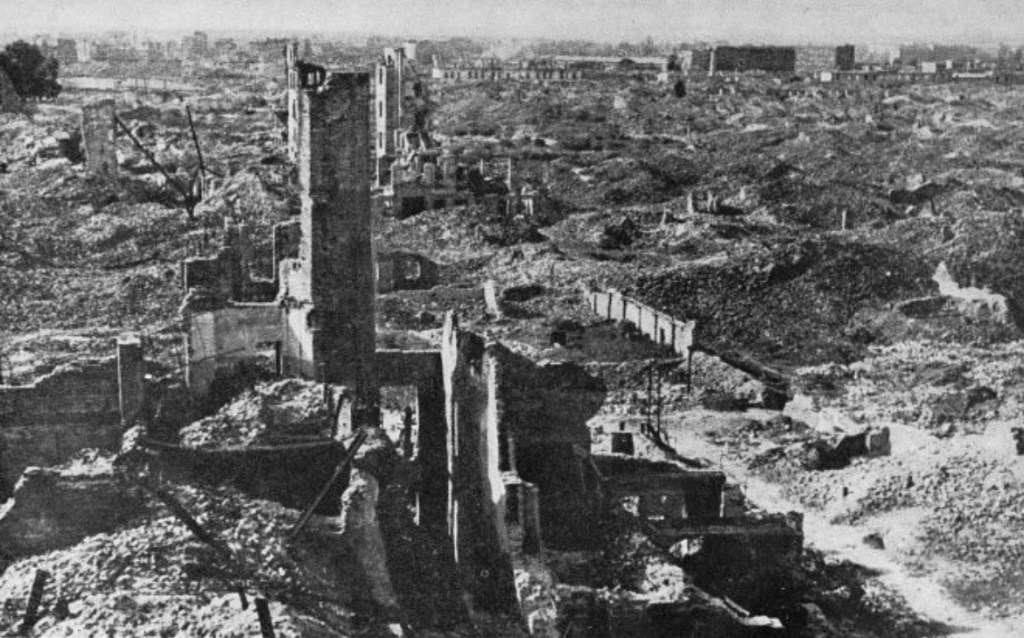
Uniknięcie odpowiedzialności i powojenna kariera
Po wojnie Reinefarth został zatrzymany przez wojska alianckie, jednak niemiecki wymiar sprawiedliwości odmówił jego ekstradycji do Polski. Zarzuty dotyczące masowych mordów uznano za „niewystarczająco udowodnione”, mimo licznych świadectw i dokumentów.
W latach 50. i 60. Reinefarth cieszył się statusem szanowanego obywatela RFN. Sprawował funkcję burmistrza Westerlandu, zasiadał w landtagu Szlezwiku-Holsztynu, prowadził praktykę prawniczą, a na koniec życia pobierał wysoką generalską emeryturę.
Zmarł w 1979 roku. Nigdy nie poniósł odpowiedzialności za zbrodnie, które historycy określają mianem ludobójstwa.
Niemcy a kwestia reparacji: rachunek pozostaje niezapłacony
Losy Reinefartha nie są jednak przypadkiem odosobnionym. Po wojnie wielu funkcjonariuszy SS, Gestapo i Wehrmachtu uniknęło kary, a tysiące z nich pracowało w sądach, administracji i policji RFN.
Jednocześnie Niemcy nigdy nie wypłaciły Polsce pełnych reparacji wojennych, mimo że to polskie miasta, wsie i infrastruktura zostały niemal doszczętnie zniszczone, a Polska straciła ponad 6 milionów obywateli.
Warszawa – miasto, które Reinefarth miał „zgasić jak świecę” – została zniszczona w ponad 80 procentach. Rabunek mienia, grabież zabytków, dewastacja infrastruktury i planowe wyniszczenie elit pozostają do dziś bez pełnego zadośćuczynienia.
W tym kontekście bezkarność Reinefartha staje się symbolem szerszego zjawiska: Niemcy zostały odbudowane, wzmocnione, przyjęte do wspólnoty zachodniej, podczas gdy polskie straty nigdy nie zostały w pełni zrekompensowane.
Dlaczego ta historia nadal ma znaczenie?
Przypadek Reinefartha jest nie tylko przykładem rażącej niesprawiedliwości, ale również przypomnieniem, że kwestia reparacji wojennych pozostaje dla Polski sprawą otwartą.
Pokazuje, jak wygodnie powojenna Europa zapominała o polskich ofiarach, jednocześnie umożliwiając tysiącom niemieckich funkcjonariuszy budowanie nowych karier, często w cieniu pamięci o masowych zbrodniach.
Dopóki rachunek ten nie zostanie uregulowany, a pamięć ofiar nie otrzyma pełnego zadośćuczynienia, historia Heinza Reinefartha będzie powracać jako symbol niewyjaśnionych krzywd i powojennej bezkarności.
Więcej szczegółów o sposobach, w jakie Reinefarth unikał odpowiedzialności, można znaleźć w wywiadzie pod linkiem:
Źródło: INSTYTUT PAMIĘCI NARODOWEJ
Tekst: Polish Sue
Fotos: IPN ARCHIVES, Wikipedia, Warsaw Uprising Museum
 Polish Sue
Leave a comment