From devastation to remembrance — honouring the past, strengthening historic ties.
Clydebank Blitz remains the most devastating air raid ever inflicted on Scotland.
Eighty-five years later, the town of Clydebank once again gathered in solemn reflection — not only to remember those who perished, but to honour the enduring bonds forged in wartime between Scotland and Poland.
Over the nights of 13 and 14 March 1941, German Luftwaffe bombers unleashed unprecedented destruction.
More than 1,000 people were killed, thousands injured, and over 35,000 left homeless. Of the town’s 12,000 homes, only eight remained untouched.
A Ceremony of Remembrance and International Significance
This year’s commemorations brought together civic leaders, representatives of the Polish state, and members of the Polish diaspora — reflecting Clydebank’s continuing importance in shared European memory.
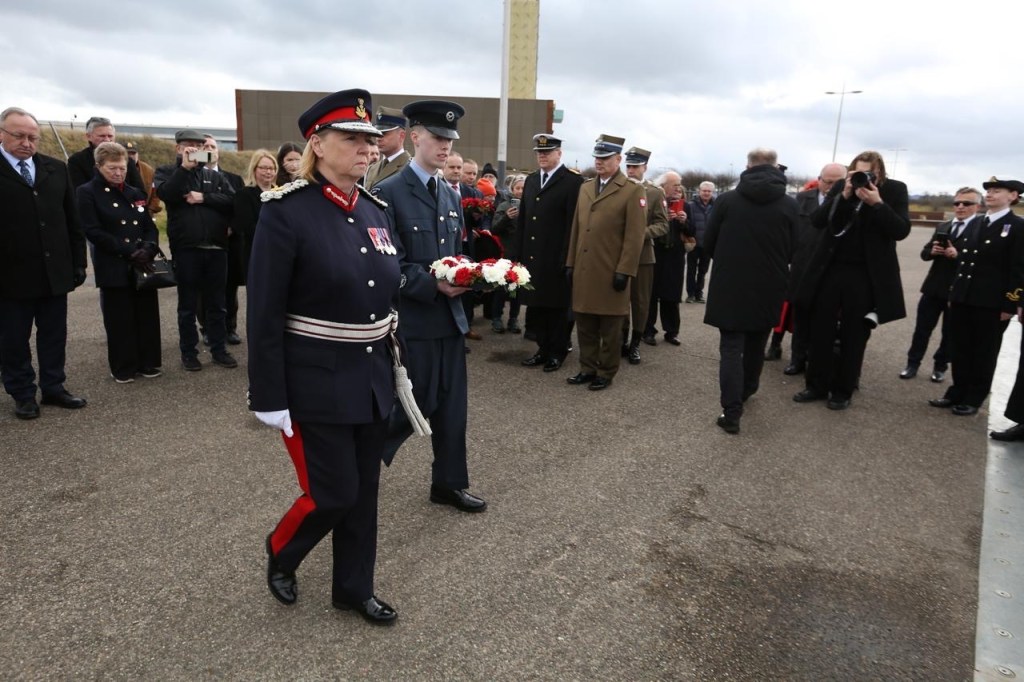
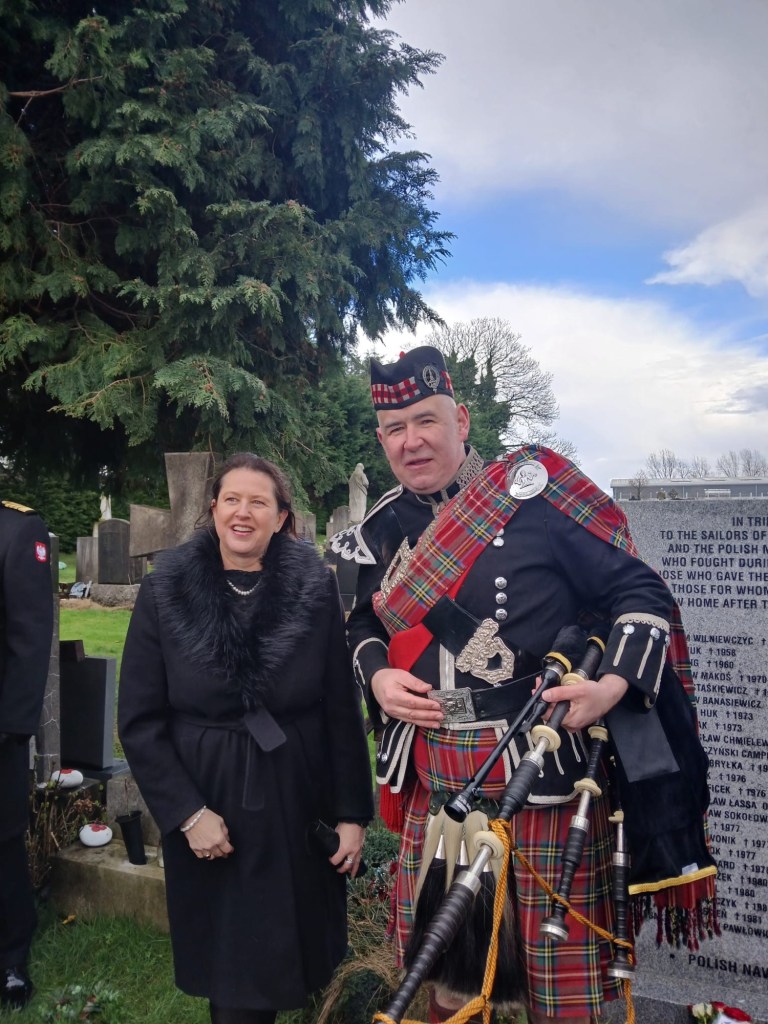
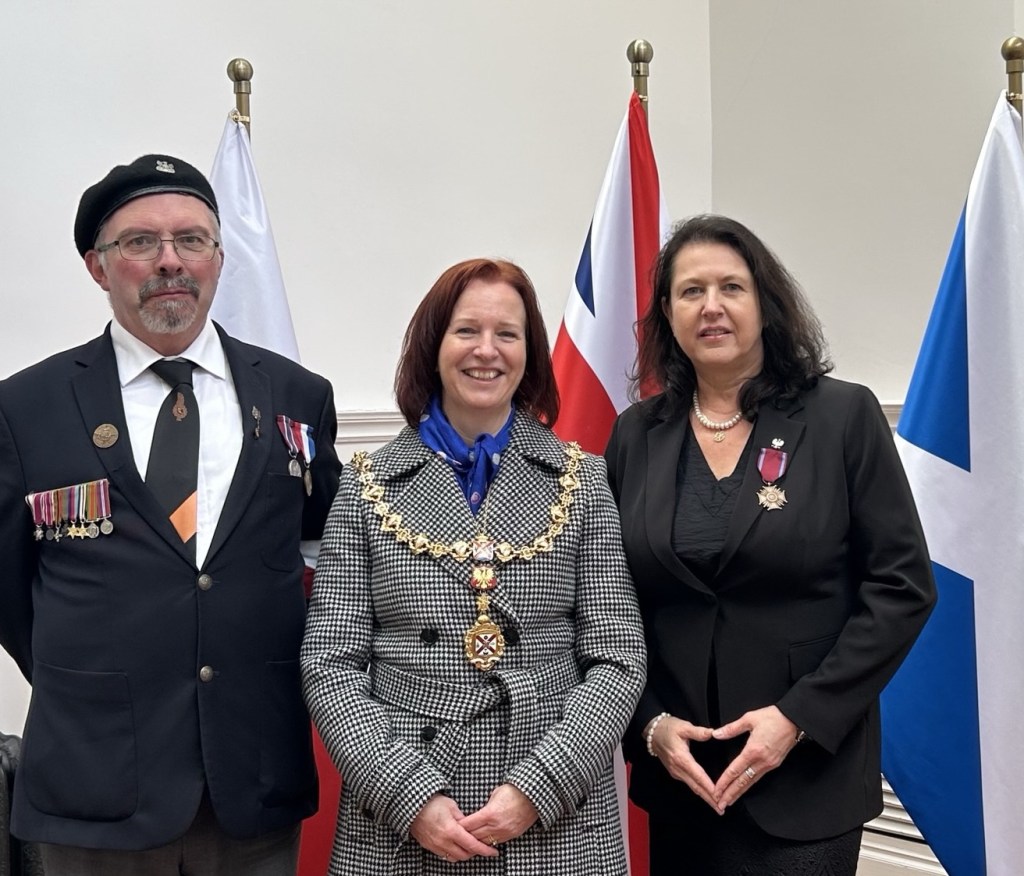
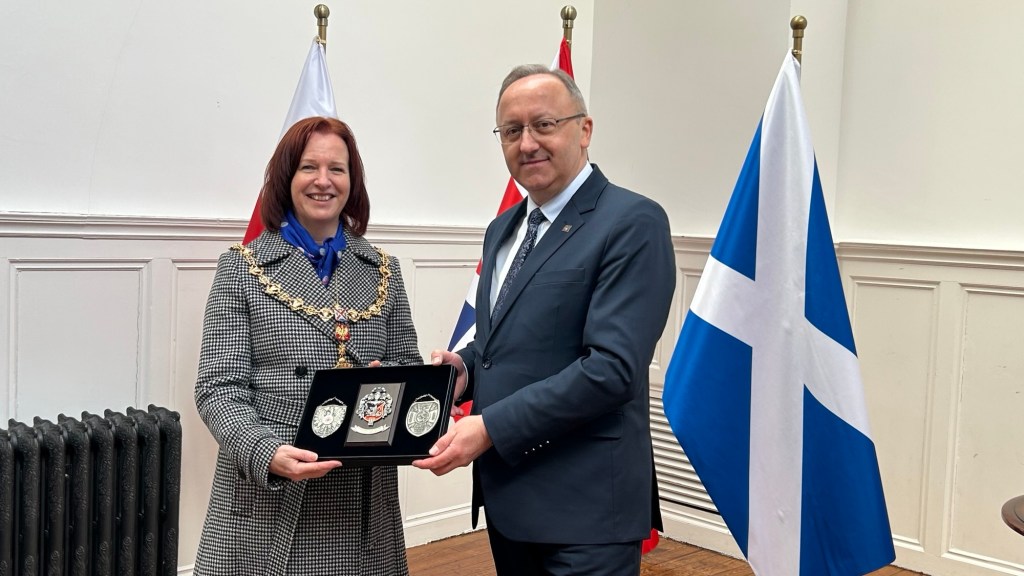
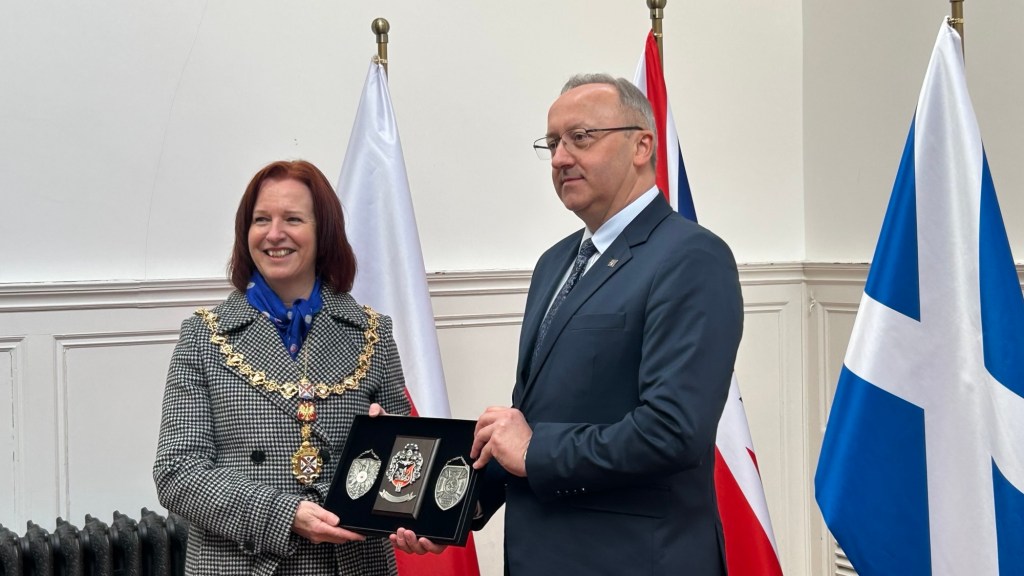
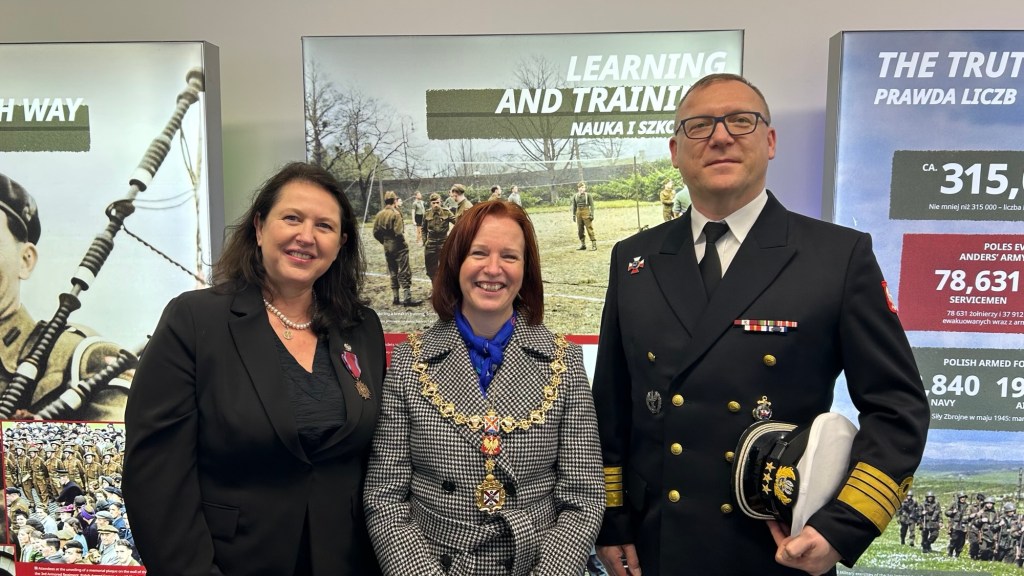
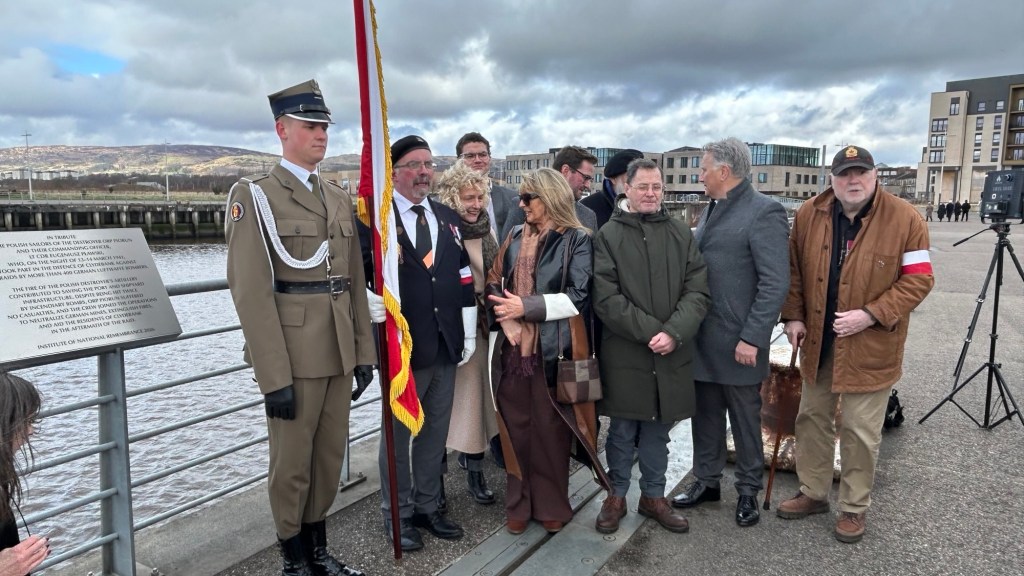
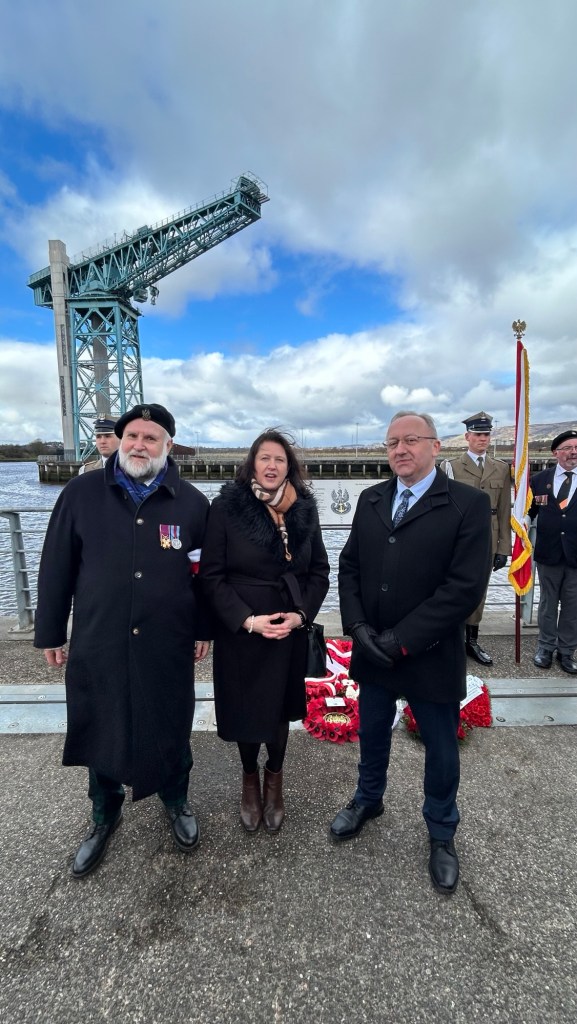
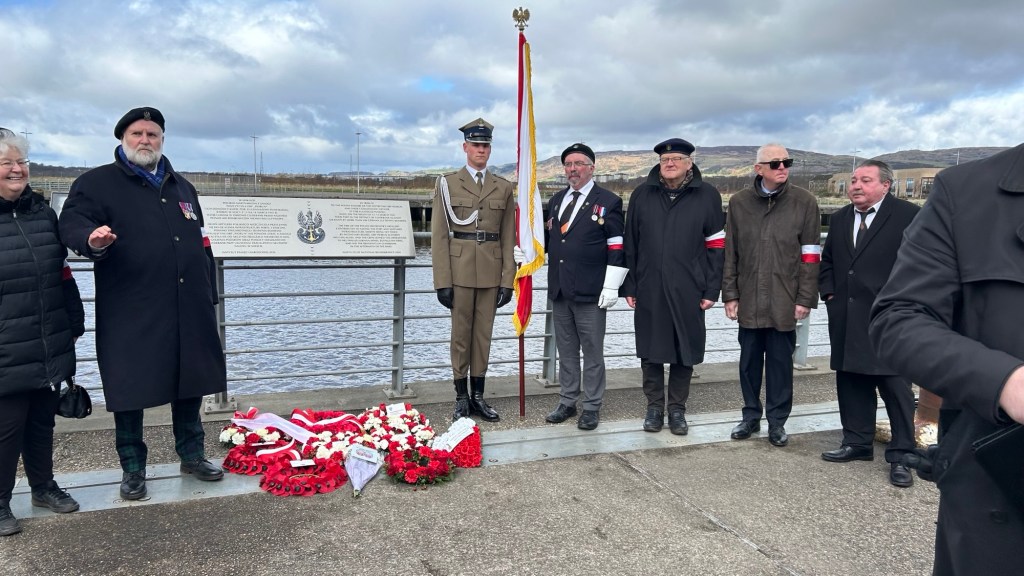
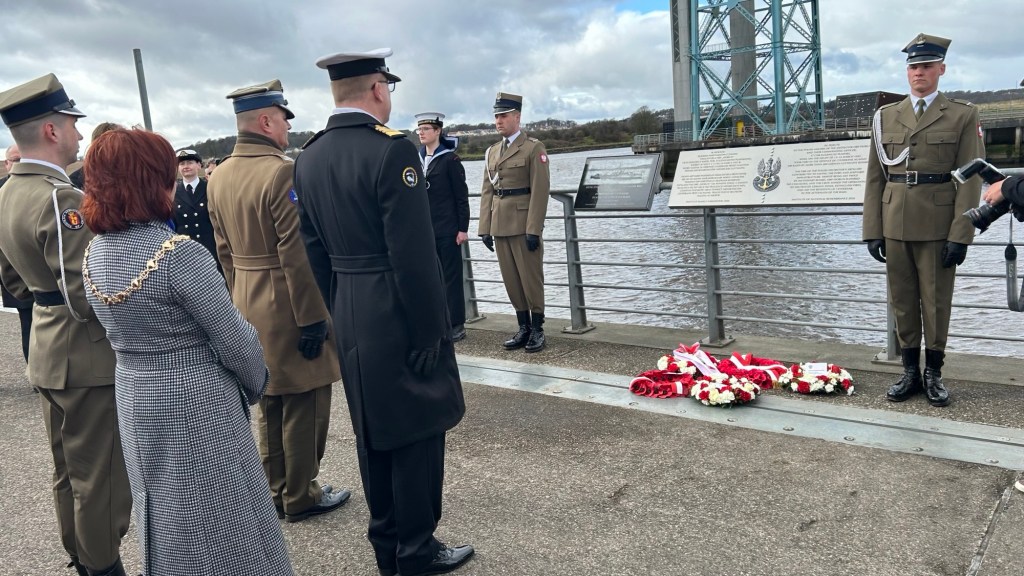
Among those present were: Provost Karen Murray Conaghan, Lord-Lieutenant Jill Young, MBE Chief Executive Peter Hessett, Representatives of the Institute of National Remembrance, IPN Vice President Karol Polejowski, Minister Agnieszka Jędrzak, representing the President of the Republic of Poland, Members of the Polish Sue Association and representatives of Polish diaspora in Scotland.
A particularly poignant element of the ceremony was the presence of families of veterans, including members of The Combatants Memorial Group.
Among them were John Lassa and Kazimierz Wróblewski — descendants of Polish servicemen who were stationed in Scotland during the Second World War.
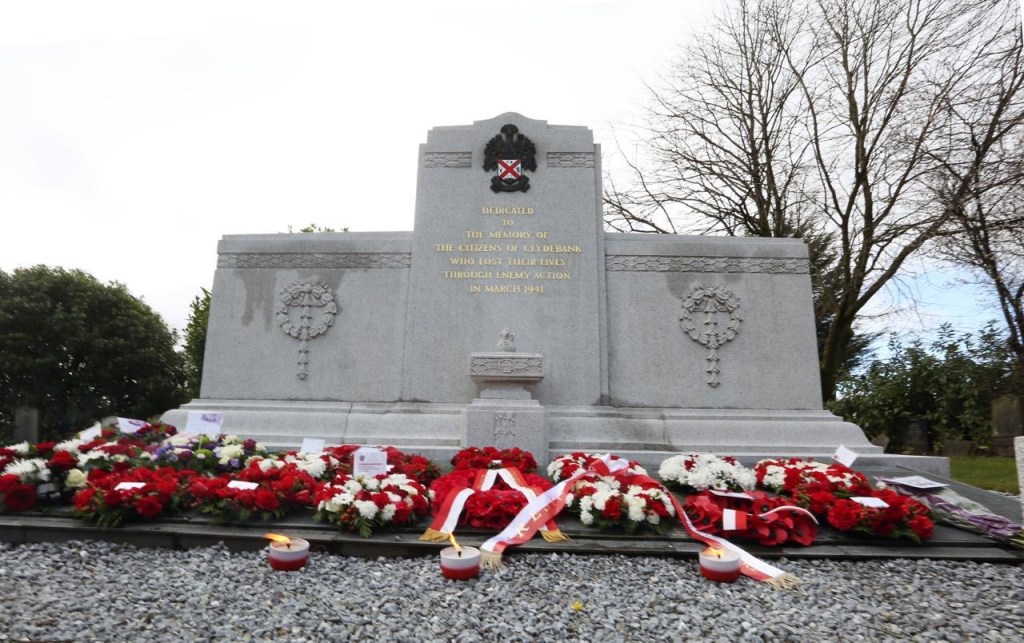
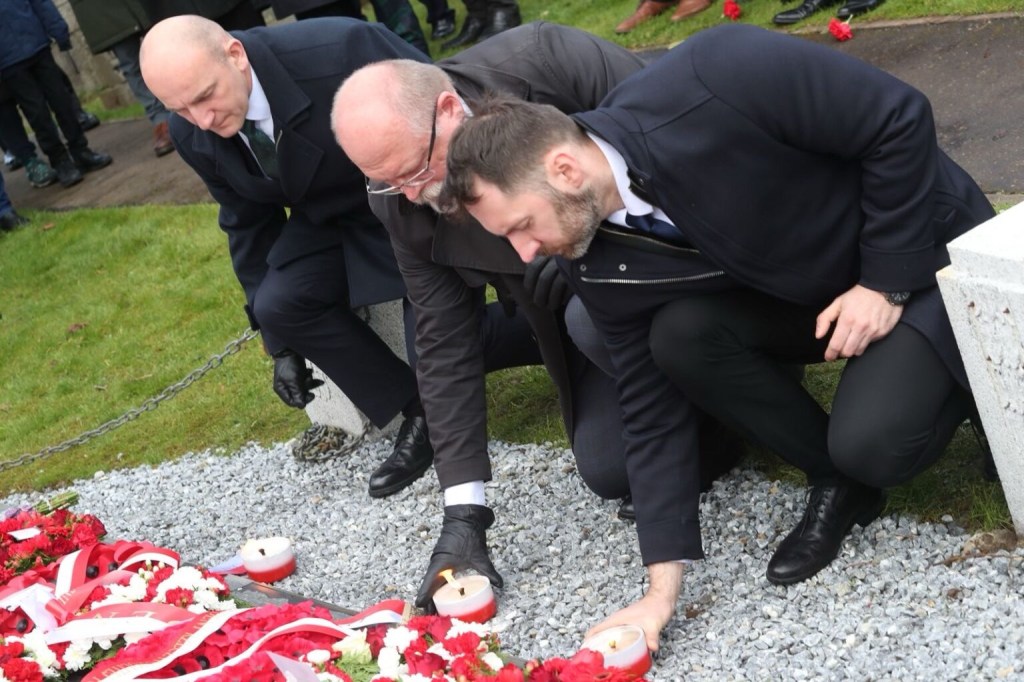
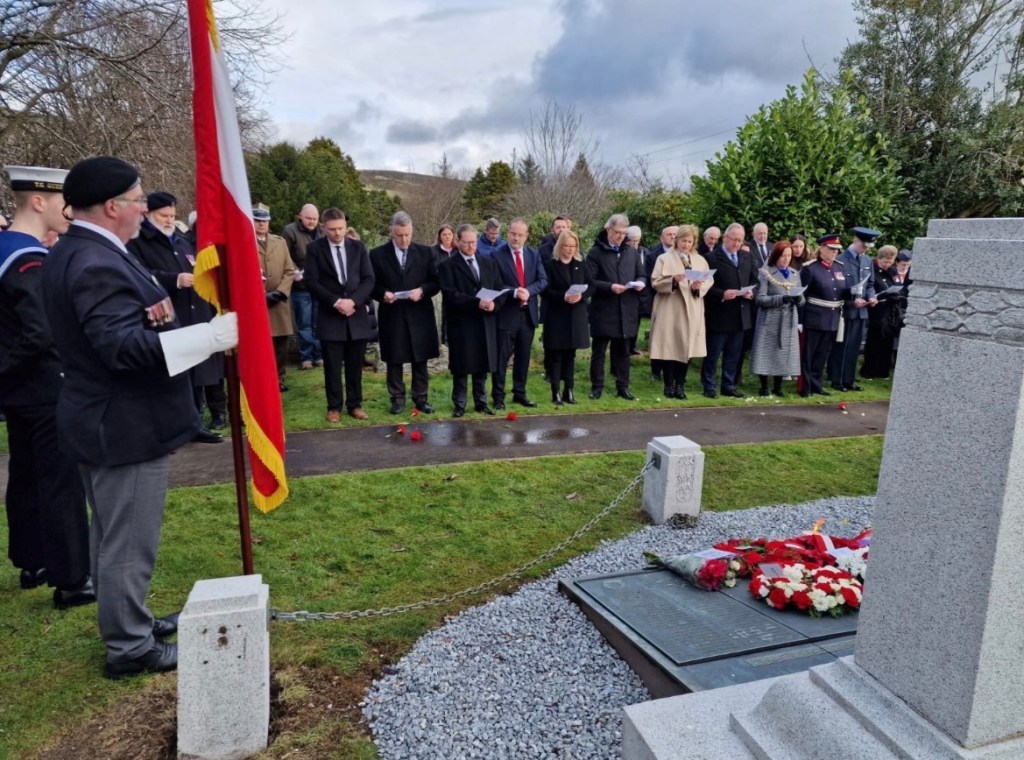
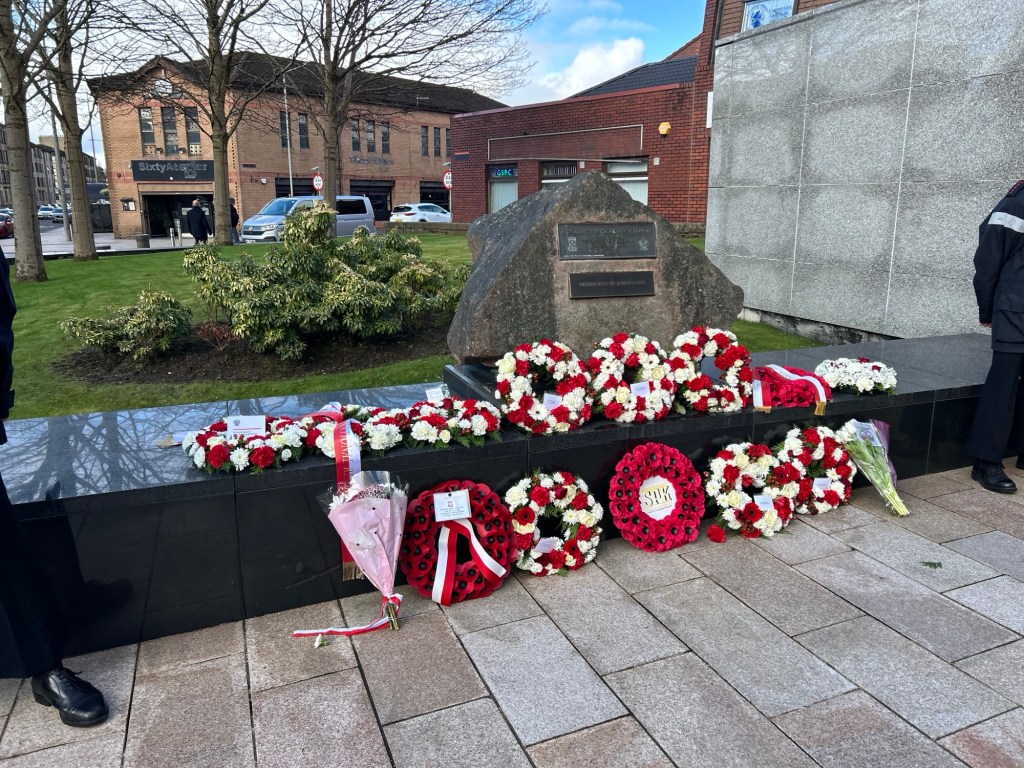
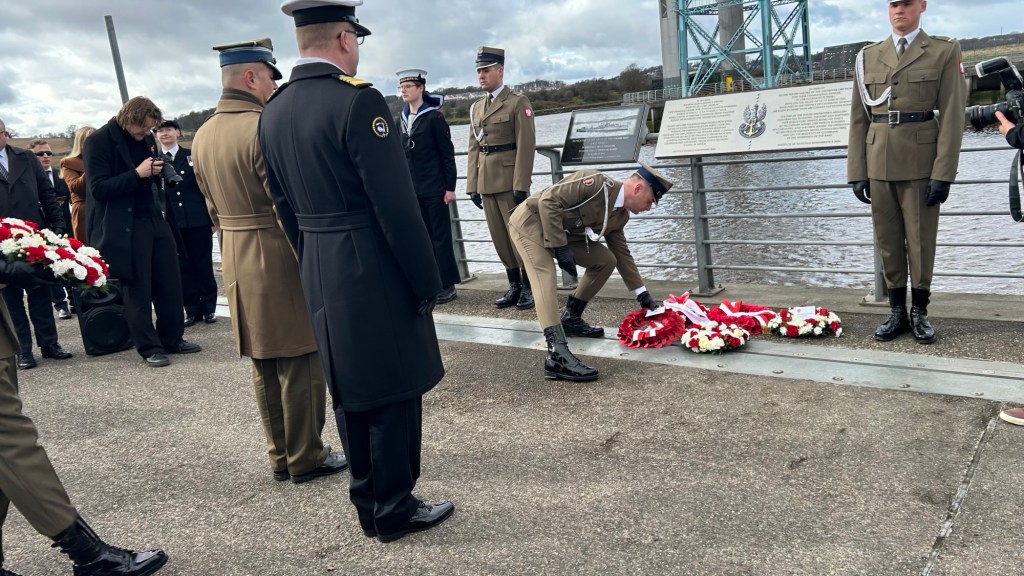
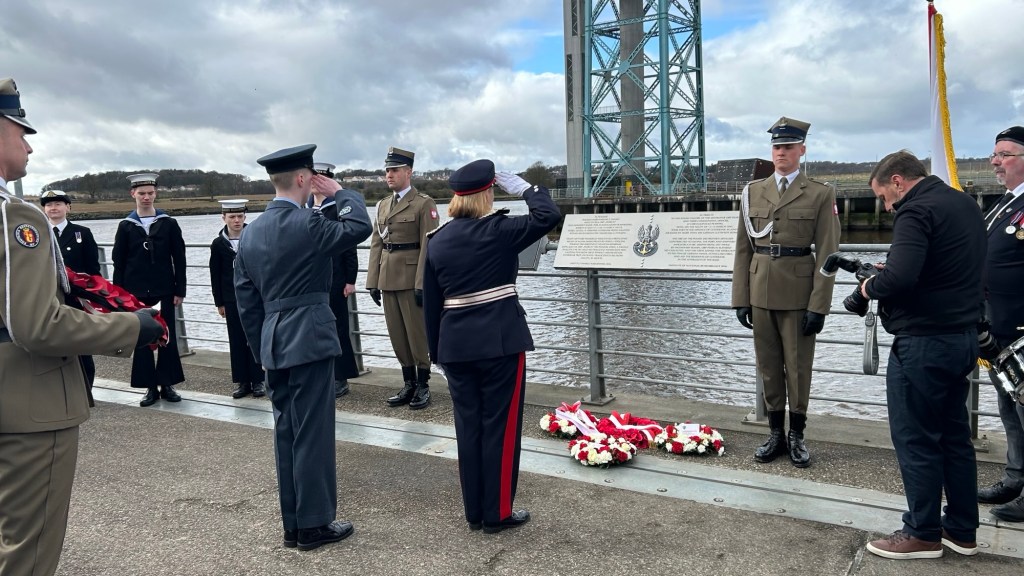
The commemorations began at Old Duntocher Cemetery, where wreaths were laid at the communal grave of those who lost their lives in the bombing.
ORP Piorun: A Polish Ship in Defence of Scotland
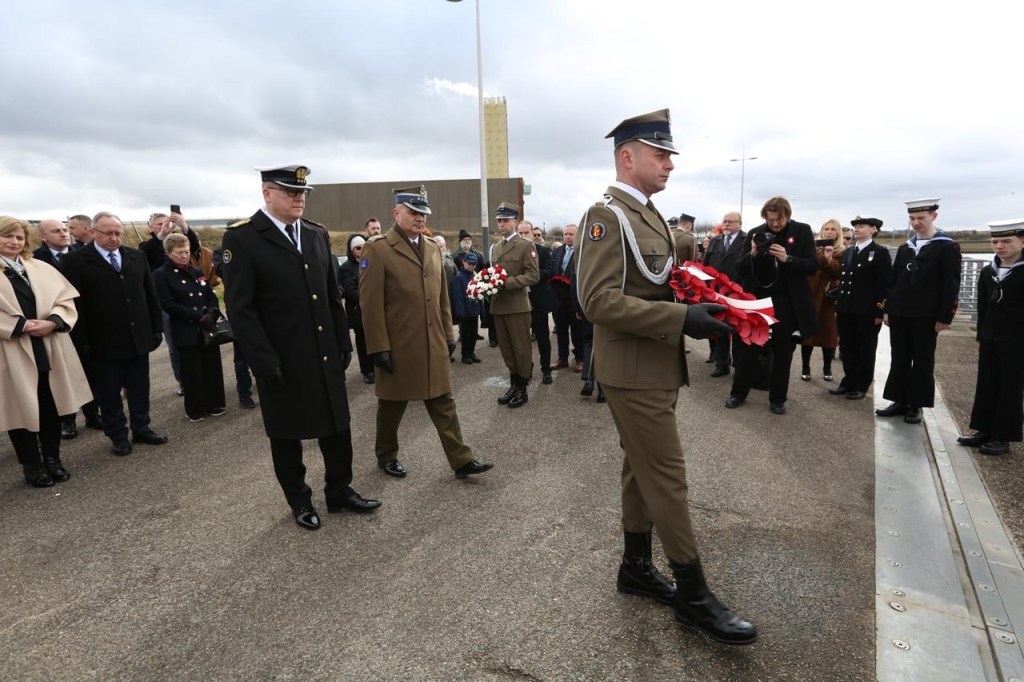
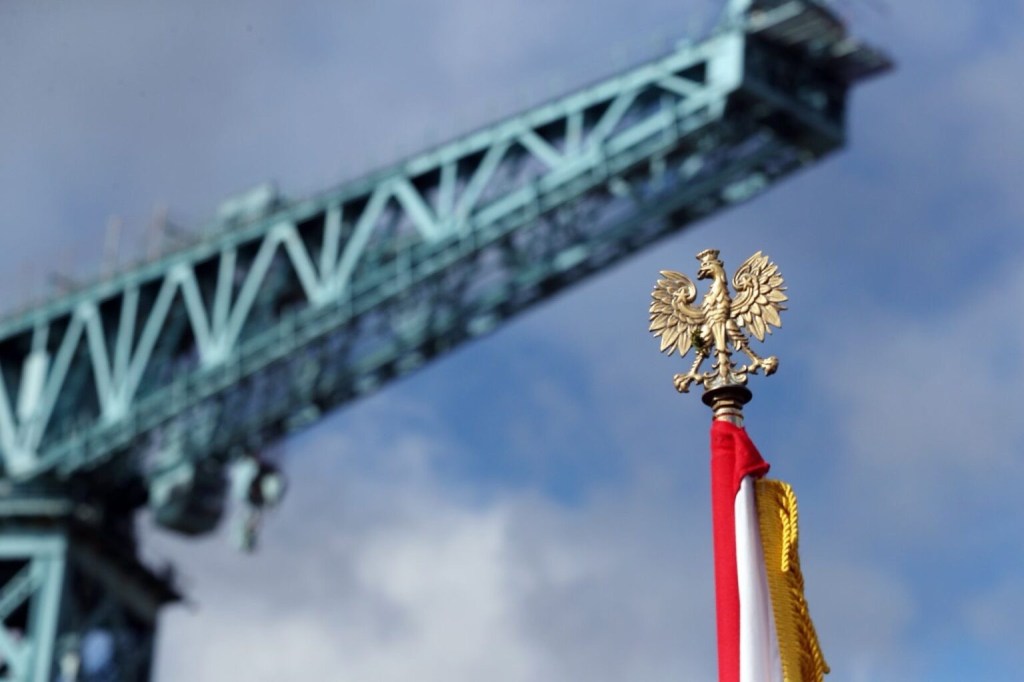
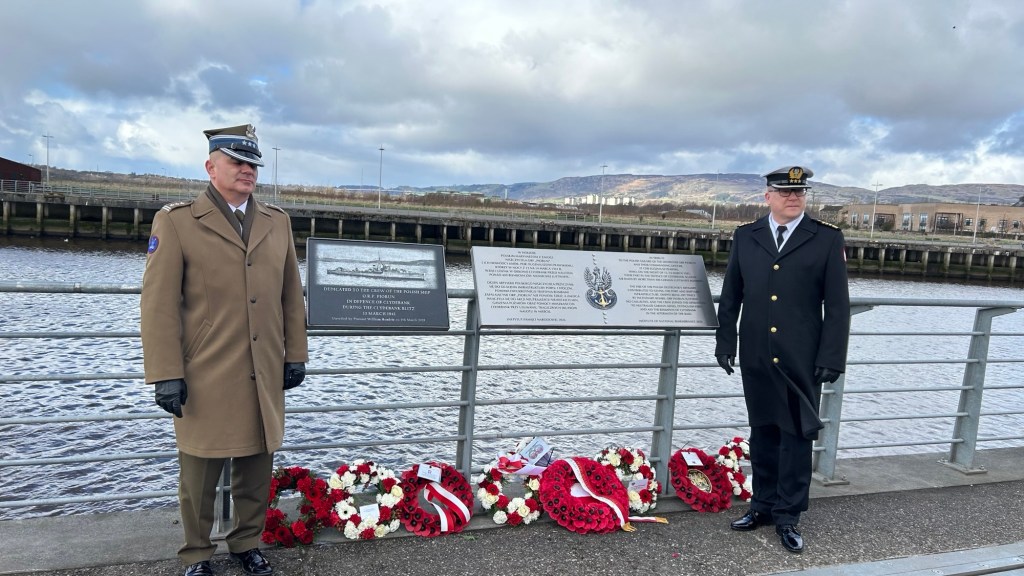
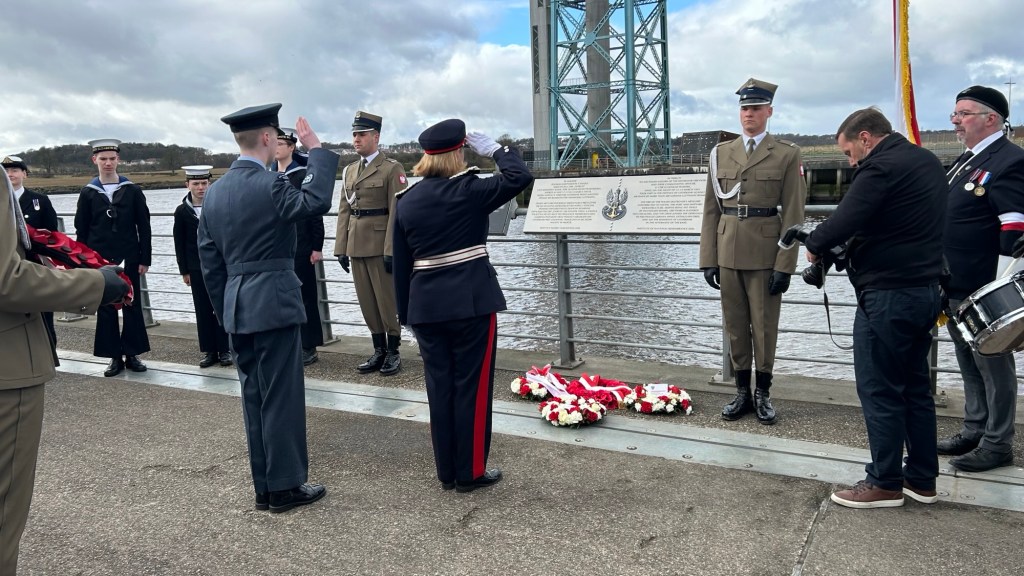
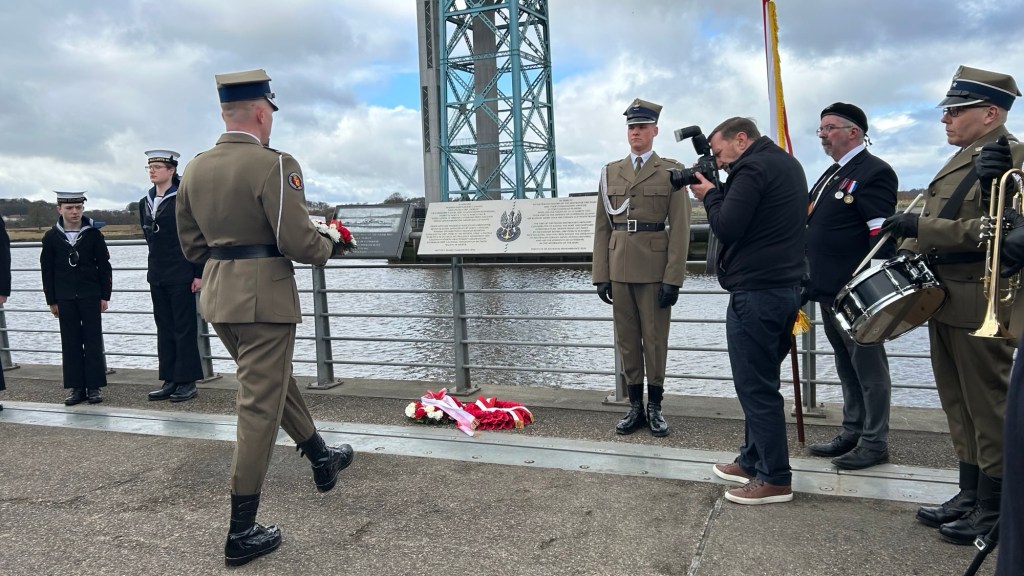
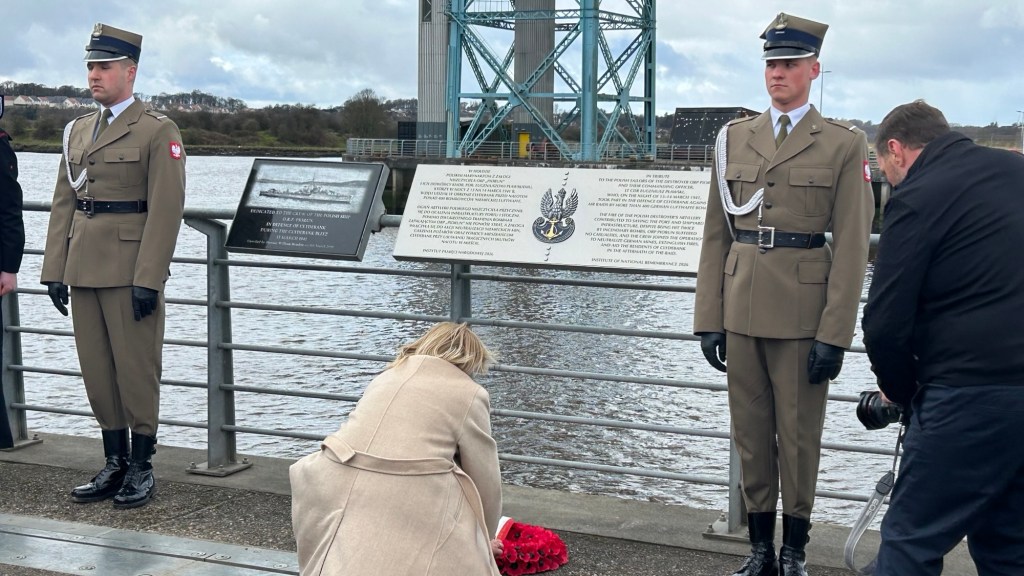
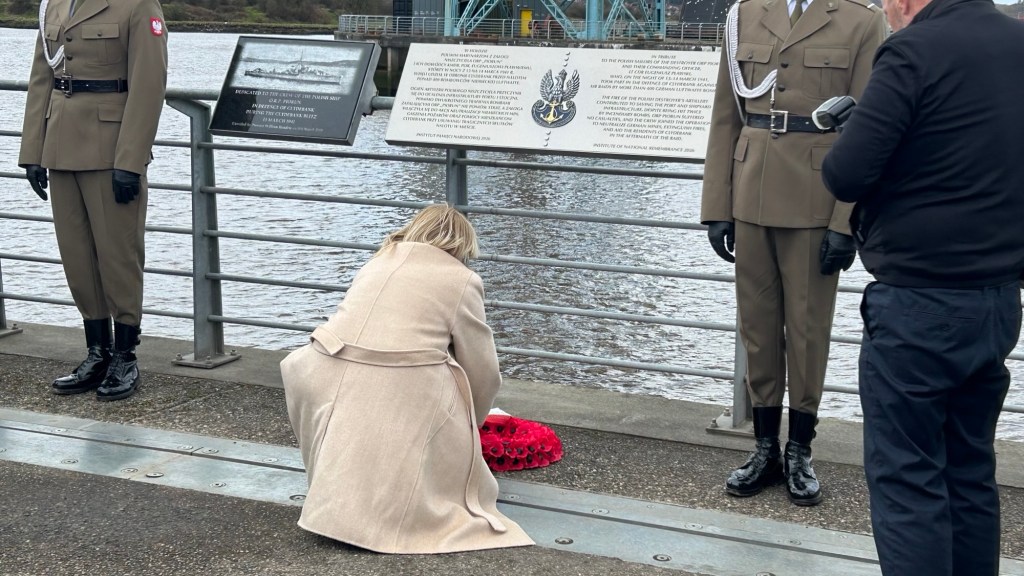
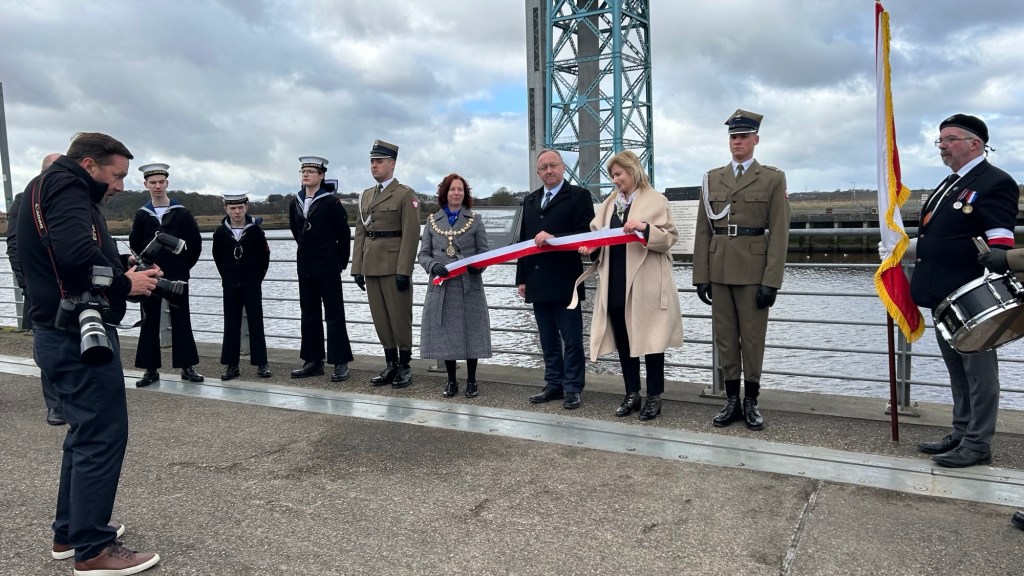
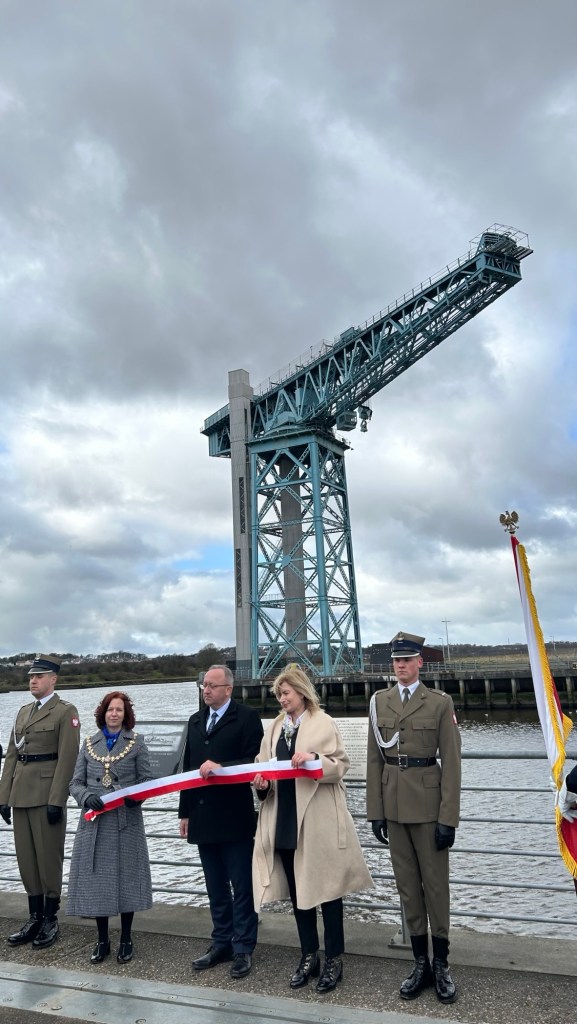
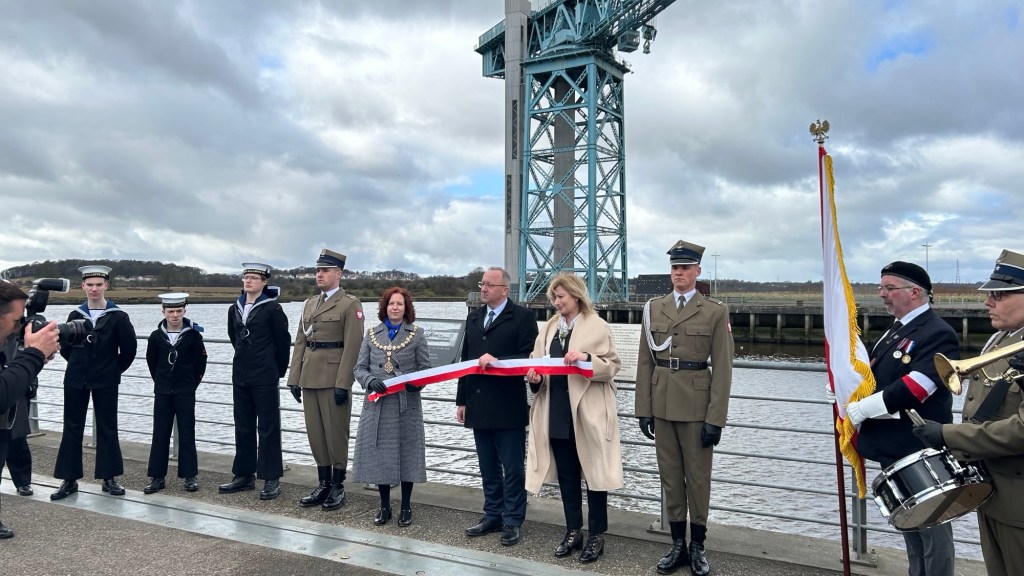
A defining moment of the commemorations was the unveiling of a new memorial plaque honouring ORP Piorun.
Installed along the River Clyde, near the site where the ship was moored during the raid, the plaque commemorates the role of Polish sailors in defending the town.
Transferred to Poland by the Royal Navy in November 1940, ORP Piorun was quickly deployed in convoy escort and defensive operations around British waters.
During the Clydebank Blitz the crew, under Commander Eugeniusz Pławski, engaged German aircraft with anti-aircraft fire despite overwhelming Luftwaffe forces, their actions disrupted the effectiveness of the raid.
The ship became a symbol of Allied cooperation — Polish sailors defending a Scottish town.
Just two months later, Piorun would play a dramatic role in the pursuit of the German battleship Bismarck, making visual contact and engaging the enemy while signalling its position to the Royal Navy.
Why Clydebank Was Targeted
Clydebank’s destruction was no accident. The town was a vital hub of British wartime industry, home to John Brown & Company shipyard, The Royal Ordnance Factory at Dalmuir and The Singer manufacturing plant.
These facilities made Clydebank a strategic target for German forces aiming to cripple Britain’s war production.
Across two nights over 1,650 incendiary devices were dropped 272 tonnes of bombs were deployed, tens of thousands were displaced.
The scale of devastation made the Clydebank Blitz the most severe civilian disaster in wartime Scotland.
Memory, Heritage and Contemporary Relevance
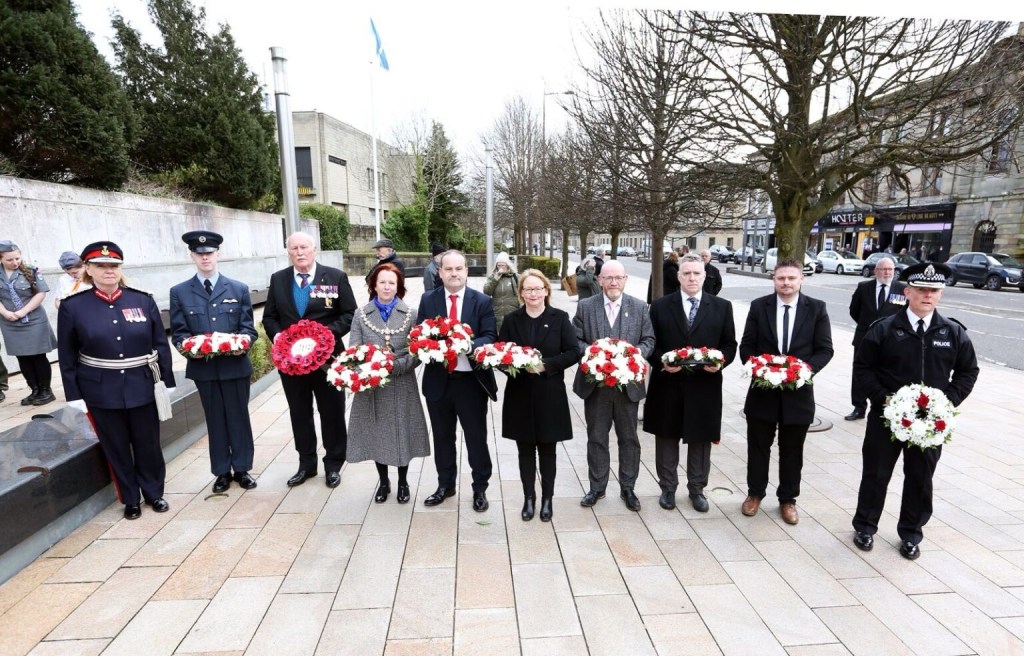
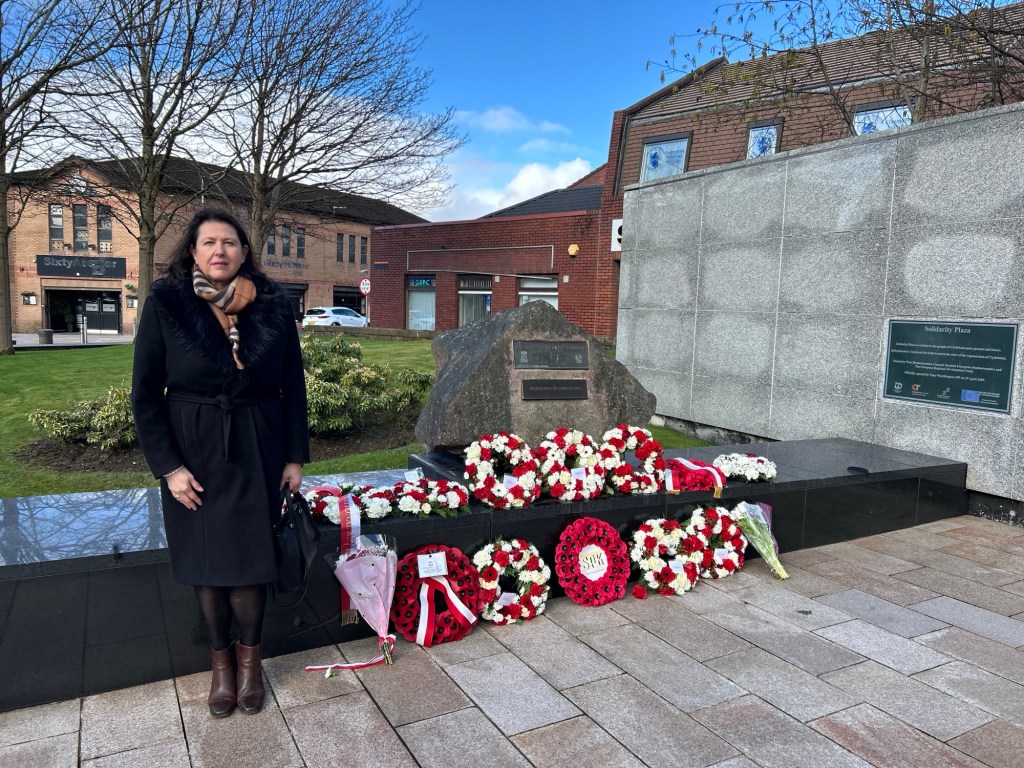
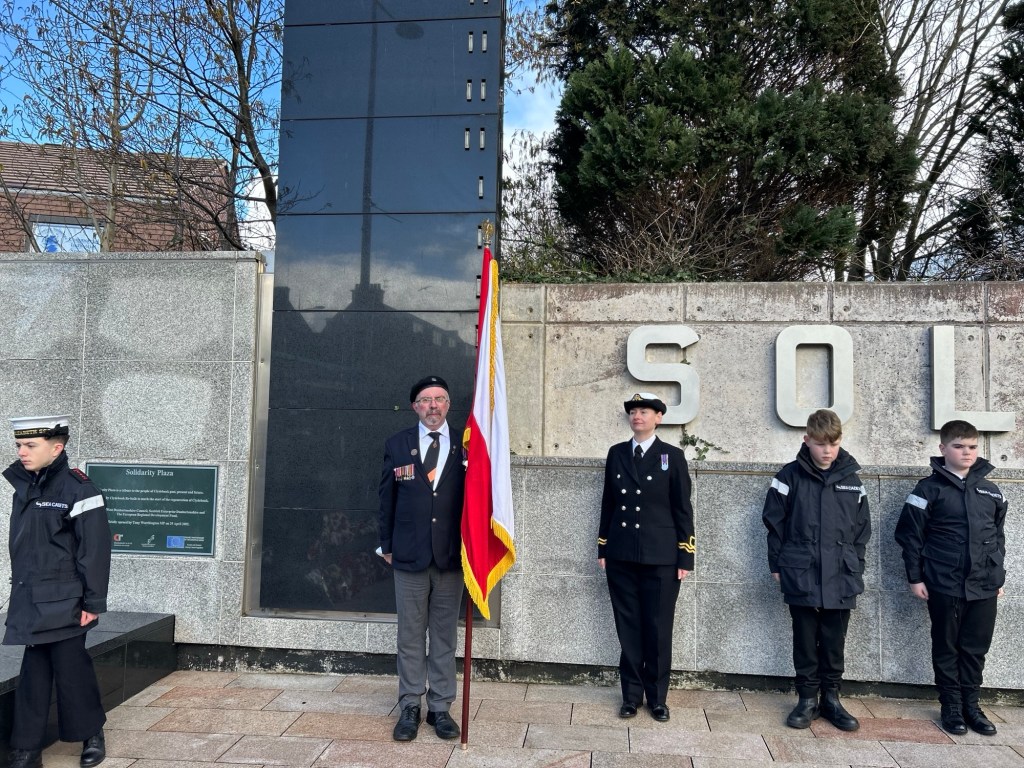
The commemorations concluded at Solidarity Plaza, where further tributes were paid — symbolising not only remembrance, but unity.
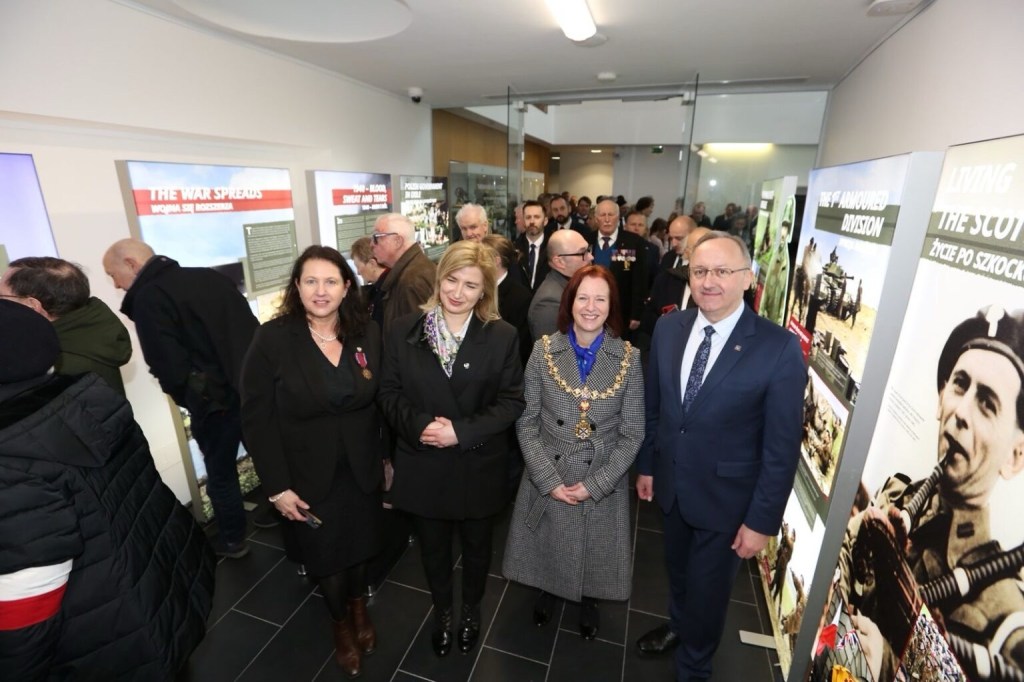
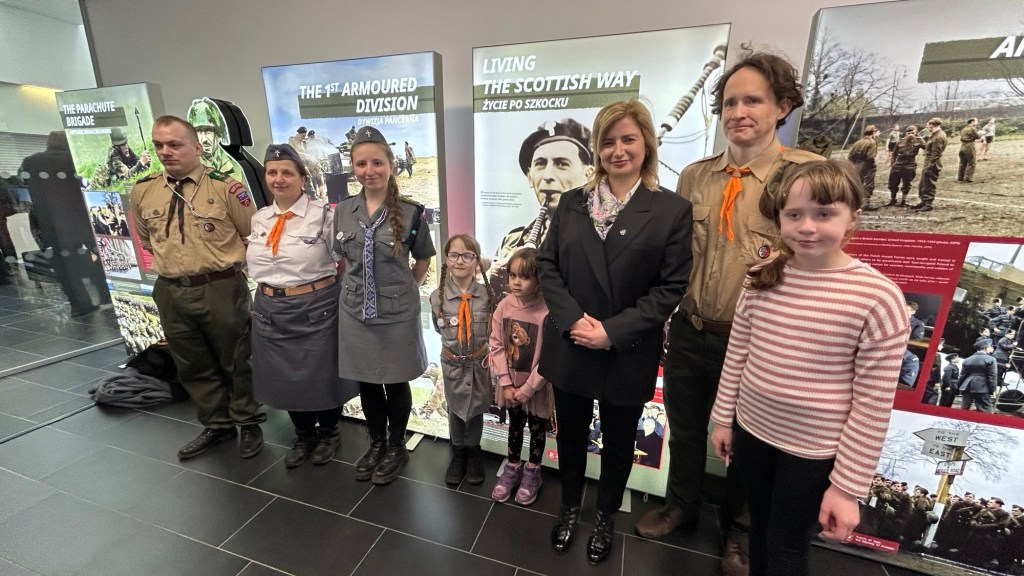
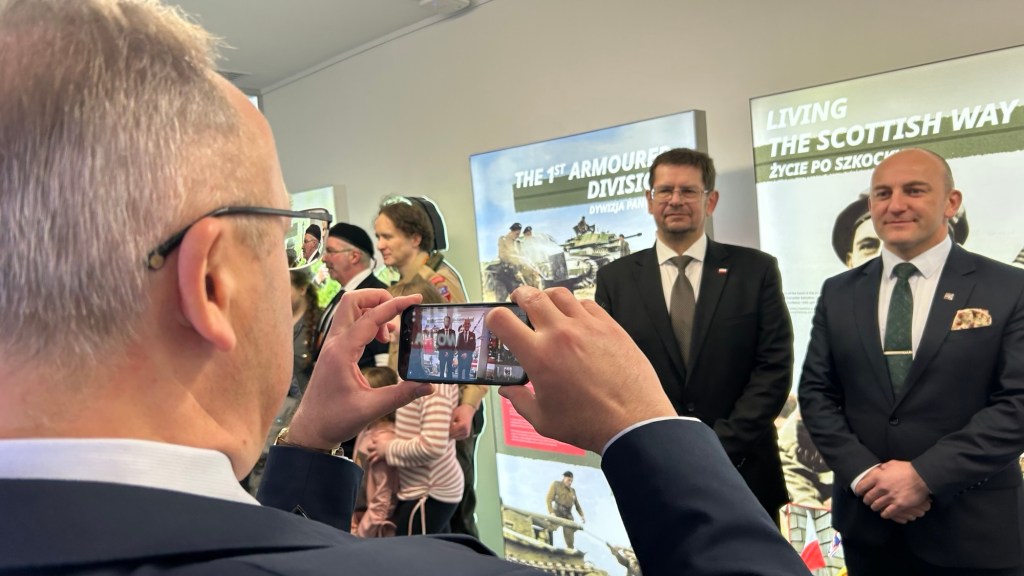
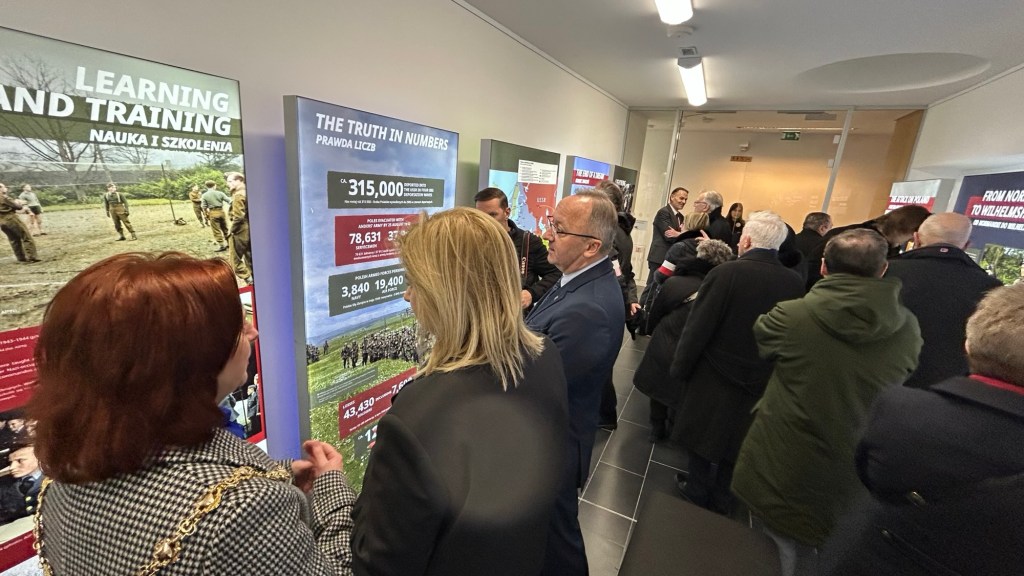
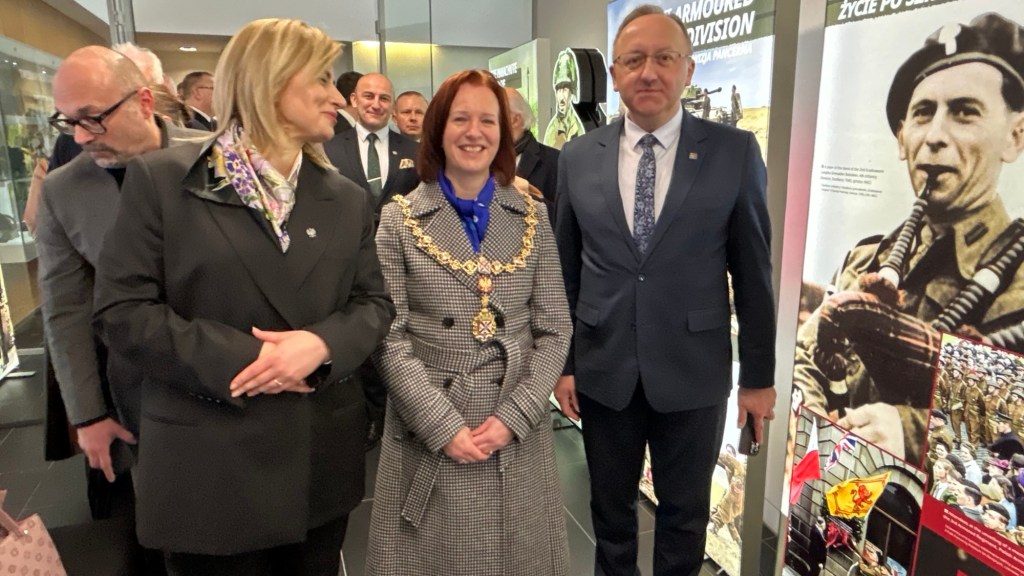
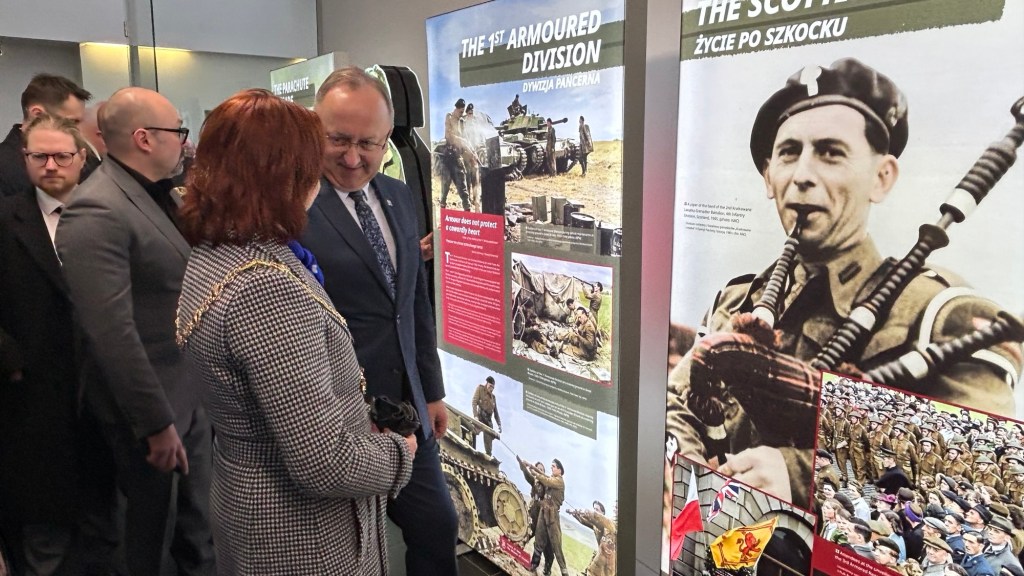
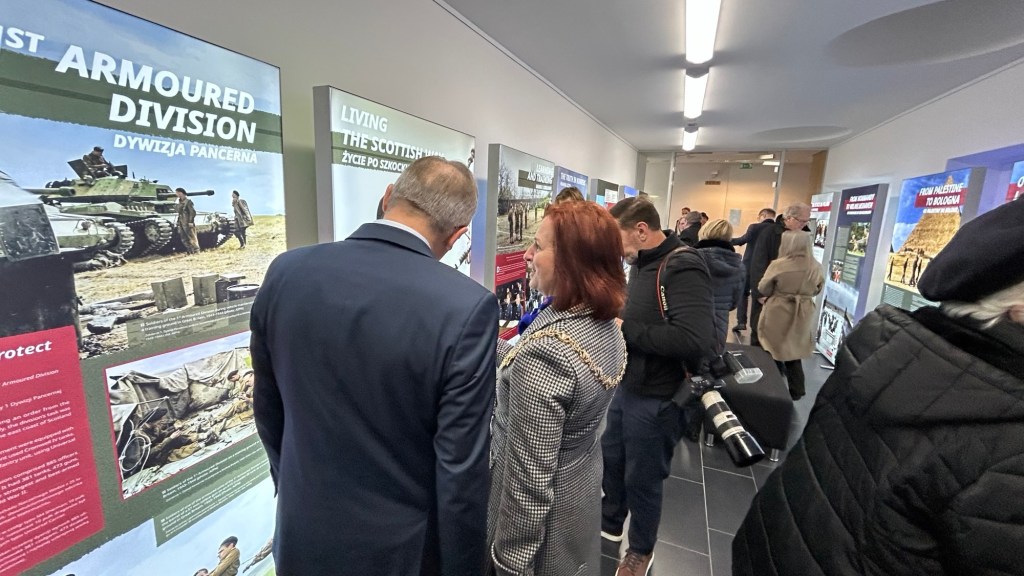
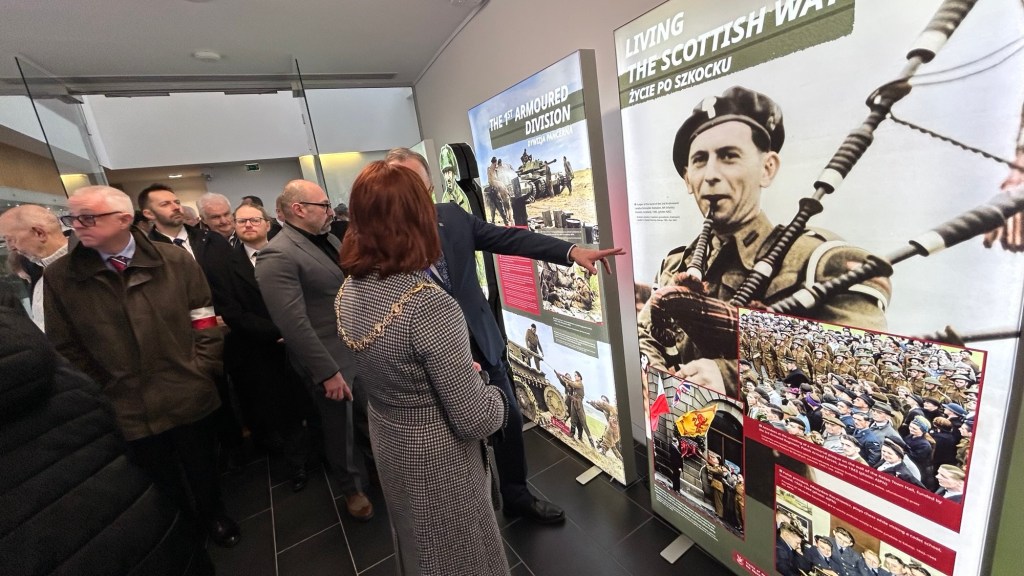
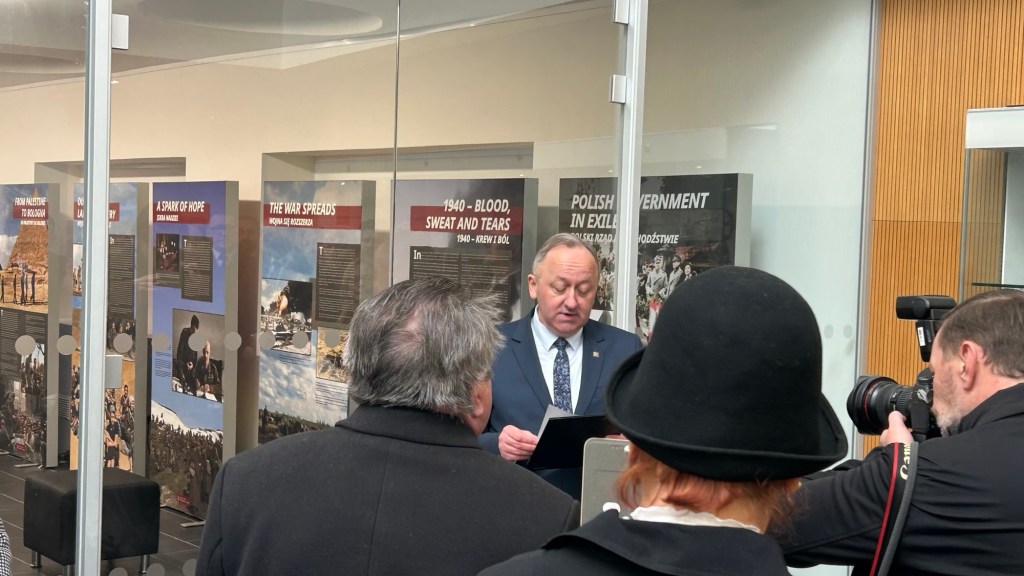
The day also marked the official opening of the exhibition:
“Trails of Hope: The Odyssey of Freedom”,
presented by the Institute of National Remembrance in cooperation with the Polish Sue Association at Clydebank Town Hall.
The exhibition highlights the broader story of Polish wartime displacement, military contribution, and enduring ties with the United Kingdom.

A Shared Responsibility to Remember
Eighty-five years on, Clydebank stands not only as a site of tragedy, but as a testament to resilience — and to international solidarity.
The commemorations serve as a reminder that Polish forces played a vital role in Britain’s defence Scotland became a crucial base for Polish servicemen during the war The legacy of that alliance continues to shape relations today.
“Those who lose their memory lose their future.”
In Clydebank, memory endures.
It lives in the graves, in the names, and in the stories passed down through generations — including those of Polish sailors aboard ORP Piorun, who stood in defence of this town in its darkest hour.
Because remembrance is not only about the past.
It is a responsibility.
A responsibility to tell the story. To connect generations and to preserve the bonds between nations — forged in war, and sustained in peace.
Text : Polish Sue
Photos: Polish Sue, IPN.
Pl.
Clydebank pamięta. 85. rocznica Blitz i hołd dla ORP „Piorun”. Miasto, które przetrwało. Pamięć, która łączy narody.
Clydebank Blitz pozostaje jednym z najbardziej tragicznych wydarzeń w historii Szkocji podczas II wojny światowej.
Po 85 latach Clydebank ponownie zatrzymało się w refleksji — oddając hołd ofiarom, ocalałym oraz tym, którzy stanęli w obronie miasta.
W ciągu dwóch nocy — 13 i 14 marca 1941 roku — zginęło ponad 1000 osób. Dziesiątki tysięcy mieszkańców straciło dach nad głową. Spośród 12 tysięcy domów tylko osiem pozostało nienaruszonych.
Wspólna pamięć – obecność władz, Polonii i rodzin weteranów
W uroczystościach wzięli udział przedstawiciele władz lokalnych, państwa polskiego oraz środowisk polonijnych. Obecni byli m.in.:
Provost West Dunbartonshire Karen Murray Conaghan Lord Lieutenant Dunbartonshire Jill Young MBE Chief Executive Peter Hessett Delegacja Instytut Pamięci Narodowej, Wiceprezes IPN Karol Polejowski Minister Agnieszka Jędrzak, reprezentująca Prezydenta RP, Przedstawiciele Polish Sue Association i inne organizacje polonijne.
Szczególną obecnością podczas obchodów były również rodziny weteranów, które pielęgnują pamięć o polskich żołnierzach służących w Szkocji podczas II wojny światowej. W wydarzeniach uczestniczyli przedstawiciele The Combatants Memorial Group, w tym John Lassa oraz Kazimierz Wróblewski — potomkowie polskich żołnierzy, którzy w czasie wojny znaleźli się na szkockiej ziemi i współtworzyli historię alianckiego wysiłku.
Uroczystości rozpoczęły się na cmentarzu Old Duntocher Cemetery, gdzie złożono wieńce przy zbiorowej mogile ofiar nalotu.
ORP „Piorun” – polski okręt w obronie Szkocji.
Jednym z najważniejszych momentów obchodów było odsłonięcie nowej tablicy upamiętniającej polski niszczyciel ORP Piorun.
Tablica została umieszczona nad rzeką Clyde — w miejscu, gdzie okręt był zacumowany podczas nalotu.
Przekazany Polsce przez Royal Navy w listopadzie 1940 roku, „Piorun” szybko stał się aktywną częścią obrony Wysp Brytyjskich.
W czasie nalotu na Clydebank załoga pod dowództwem komandora Eugeniusza Pławskiego otworzyła ogień do niemieckich samolotów mimo przewagi Luftwaffe, działania okrętu utrudniły skuteczność ataku polscy marynarze bronili szkockiego miasta — stając się symbolem alianckiej solidarności.
Zaledwie dwa miesiące później „Piorun” zapisał się w historii podczas pościgu za niemieckim pancernikiem Bismarck, jako pierwszy nawiązał kontakt bojowy i przekazał jego pozycję flocie brytyjskiej.
Dlaczego Clydebank stało się celem
Clydebank było jednym z kluczowych ośrodków przemysłowych Wielkiej Brytanii stocznia John Browna, fabryka uzbrojenia w Dalmuir i zakłady Singer.
To właśnie tutaj powstawał sprzęt niezbędny dla wysiłku wojennego.
W ciągu dwóch nocy zrzucono tu ponad 1650 bomb zapalających użyto 272 ton bomb ponad 35 000 osób straciło domy.
Skala zniszczeń uczyniła Clydebank najbardziej dotkniętym nalotem miastem w Szkocji podczas wojny.
Pamięć, solidarność, wspólna historia
Uroczystości zakończyły się na Solidarity Plaza, gdzie ponownie oddano hołd ofiarom — w miejscu symbolicznym dla współczesnych relacji polsko-szkockich.
Tego samego dnia odbyło się również otwarcie wystawy: „Szlaki Nadziei. Odyseja Wolności” – przygotowanej przez Instytut Pamięci Narodowej we współpracy z Polish Sue Association w Clydebank Town Hall.
Wspólna odpowiedzialność za pamięć
Obchody rocznicy Clydebank Blitz to nie tylko upamiętnienie przeszłości — to także zobowiązanie wobec przyszłości.
Przypominają, że polscy marynarze bronili brytyjskich miast Szkocja była domem dla polskich żołnierzy wspólna historia buduje trwałe relacje między narodami.
Dziś ta pamięć trwa — w działaniach instytucji, organizacji polonijnych i ludzi, którzy dbają o to, by historia nie została zapomniana.
„Narody, które tracą pamięć, tracą przyszłość.”
Słowa te wybrzmiewają dziś szczególnie mocno nad Clydebank — miastem, które pamięta.
Pamięta swoich poległych. Pamięta zniszczenie. Ale pamięta też tych, którzy stanęli w jego obronie — w tym polskich marynarzy z ORP Piorun.
Bo pamięć to nie tylko historia. To zobowiązanie. Zobowiązanie, by opowiadać dalej.
By łączyć pokolenia.
By budować mosty między narodami — tak jak 85 lat temu uczynili to Polacy i Szkoci, stojąc ramię w ramię wobec wspólnego zagrożenia.
Dziś ten most wciąż istnieje.
I to od nas zależy, czy przetrwa kolejne pokolenia.
Tekst: Polish Sue
Foto: Polish Sue, IPN
 Polish Sue
Leave a comment