The exhibition of the Institute of National Remembrance (IPN) entitled “Trails of Hope. Odyssey of Freedom” has opened in the British Parliament.
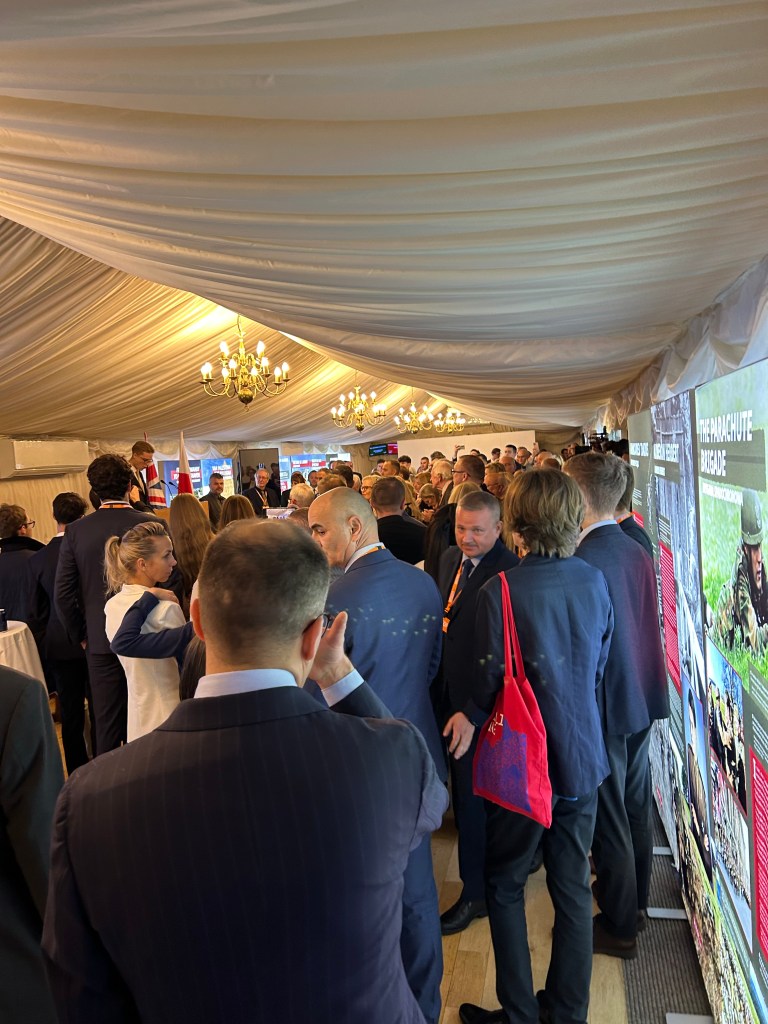
Yesterday, on 7 October 2024, the PRESIDENT of the Institute of National Remembrance, dr. KAROL NAWROCKI, opened this exhibition in the Palace of Westminster – in the political heart of London and the whole of Great Britain. The exhibition aims to recall the history of Polish soldiers and civilians who travelled thousands of kilometres during World War II to fight for the freedom of Poland and Europe. This exhibition is part of the international project of the Institute of National Remembrance, which aims to commemorate the efforts of Poles fighting on various fronts and to bring their extraordinary journey closer to the general public.
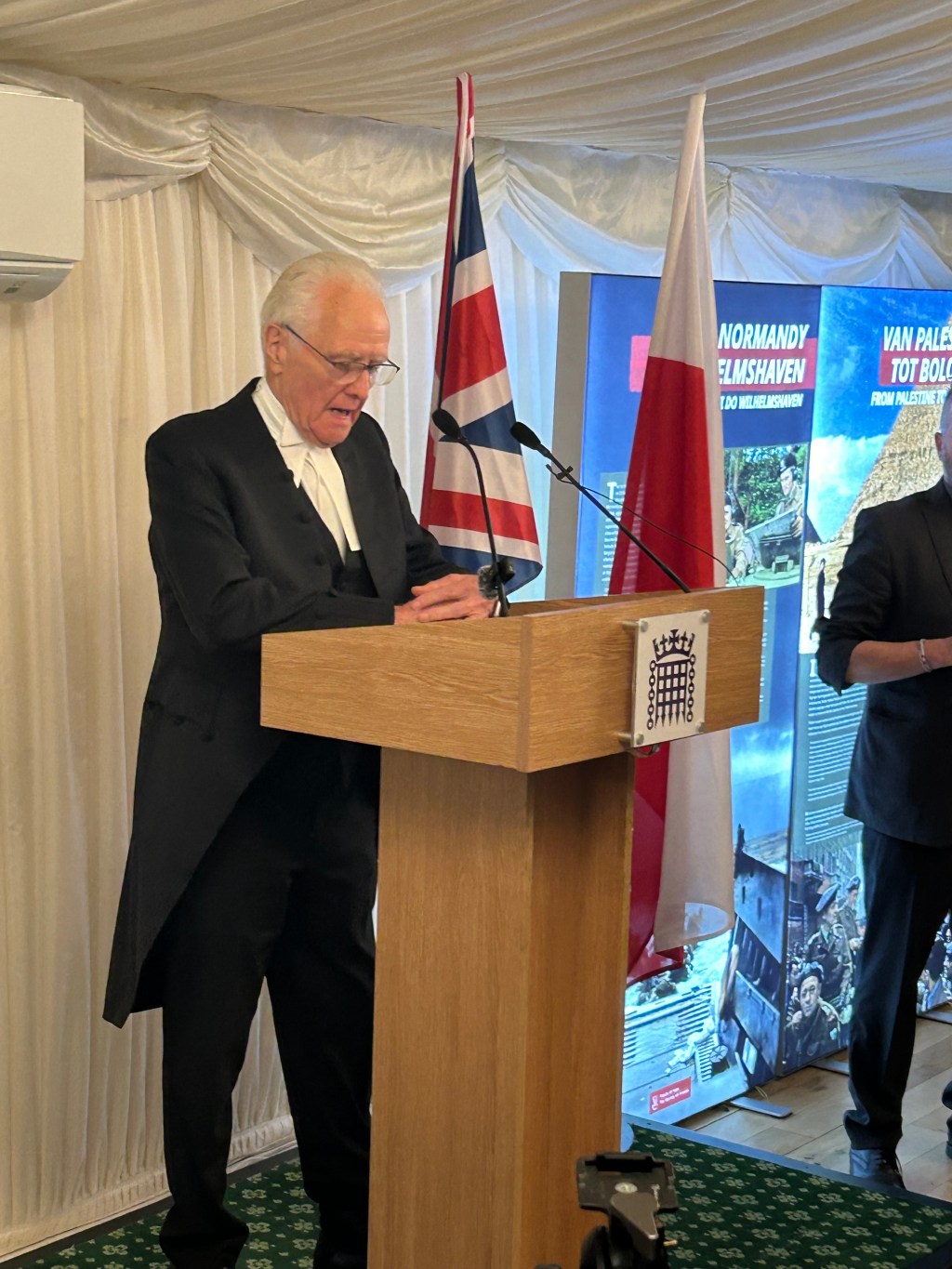
The organizers of the ceremony were: the President of the Institute, Dr Karol Nawrocki, and the Member of the Parliament of the United Kingdom and co-chair of the cross-party parliamentary group for Poland, Martin John Vickers.
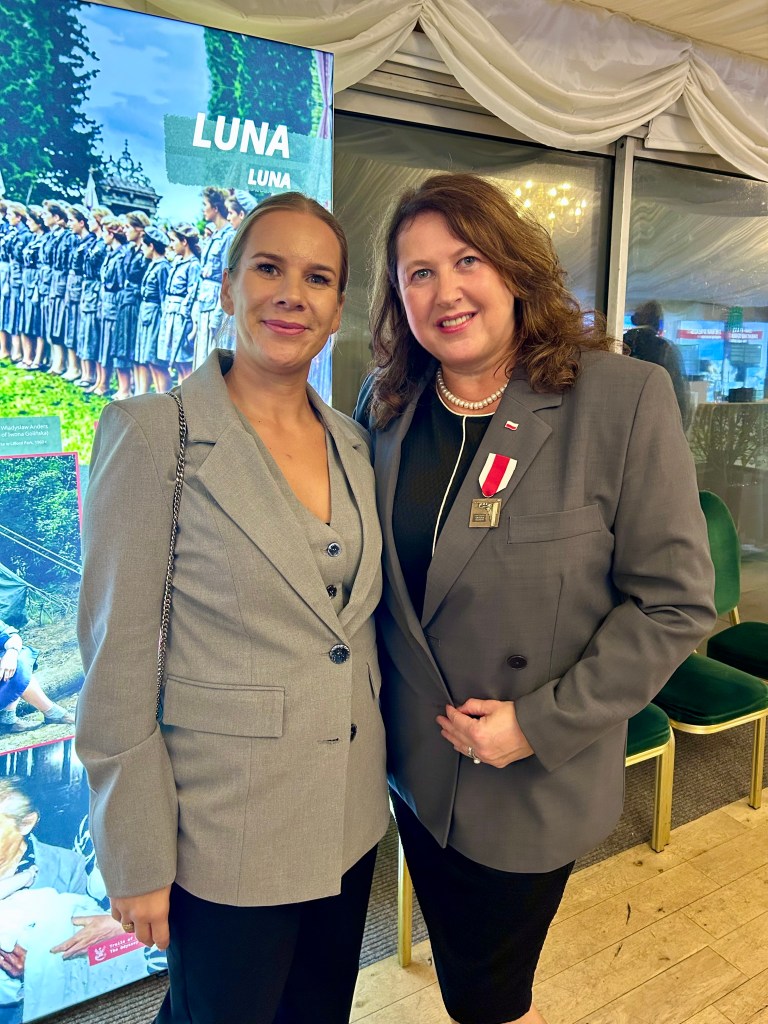
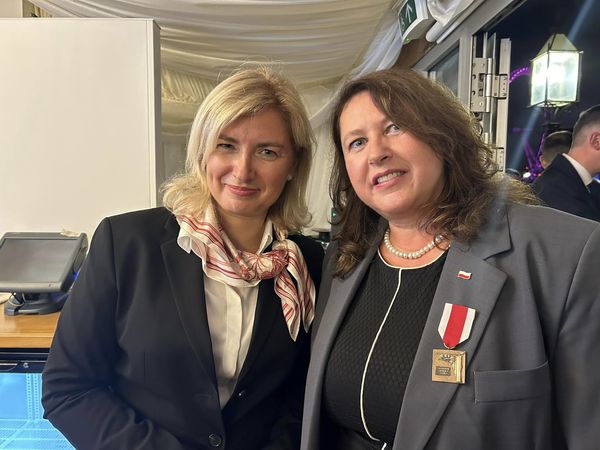
We are extremely pleased to announce that the President of the Polish Sue Association in Great Britain, Iwona Golińska, received the title of “Ambassador of Polish History” during the opening of the IPN exhibition: “Trails of Hope. Odyssey of Freedom in London”.
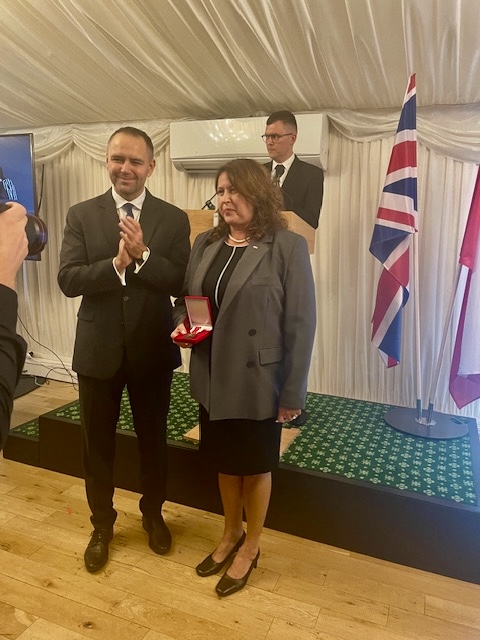
These awards are given to people who contribute to the promotion of Polish history abroad, especially in the context of World War II. Ambassadors of history are people who, through their activities, popularize knowledge about Poland and its contribution to world history.
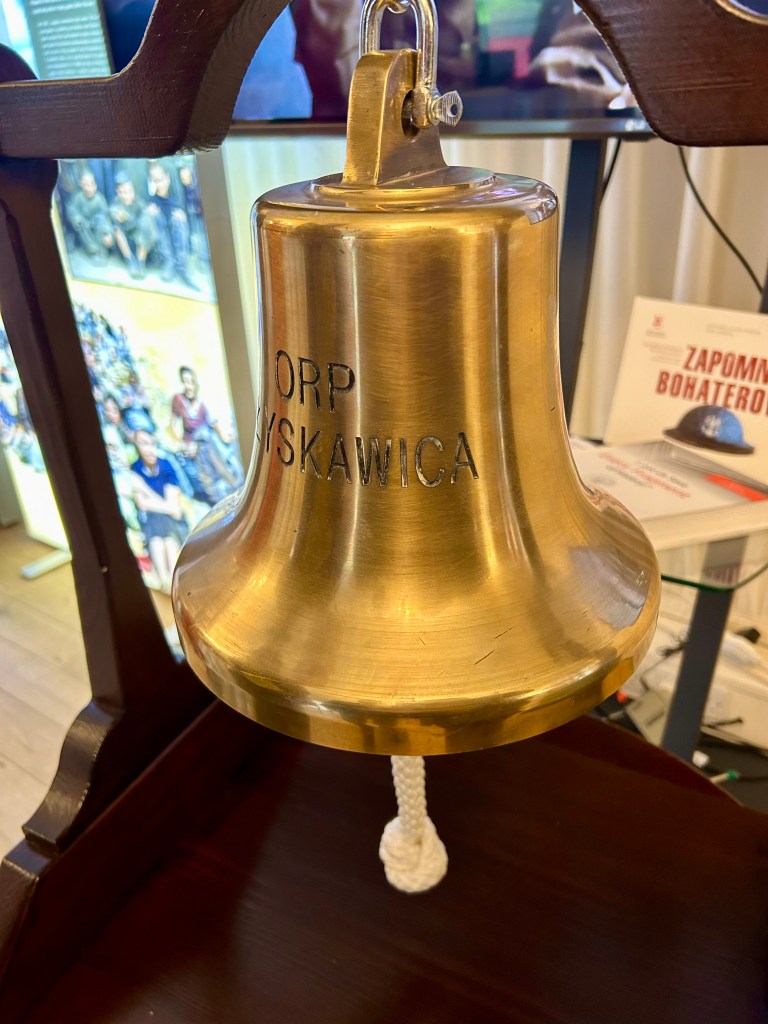
Iwona Golińska cultivates historical memory, including the role of ORP Błyskawica in the defense of the British coast during World War II – in the initiative ORP BŁYSKAWICA DAYS. A special highlight of the event in the British Parliament was the presentation of a bell from this distinguished Polish destroyer.
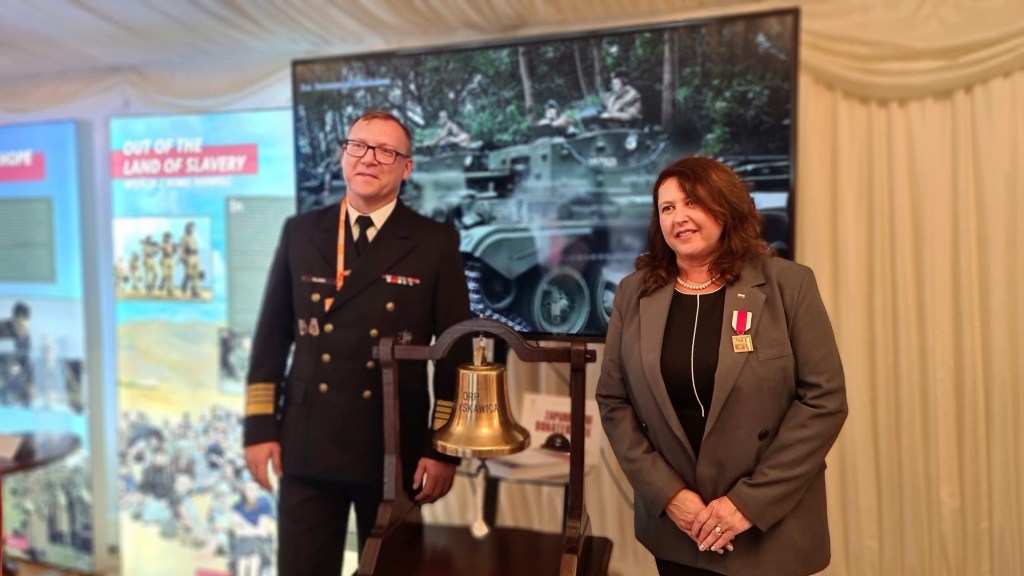
The Trails of Hope exhibition focuses on the efforts of the Polish armed forces during World War II, highlighting the experiences of civilians and military personnel who were evacuated from the Soviet Union with General Władysław Anders’ army. The exhibition in London included stories such as the Polish ship ORP Błyskawica, General Sosabowski and people such as Łucja “Luna” Golińska, who survived the war, was exiled to Siberia and later settled in the UK.
Polish Sue was a partner of the IPN in organizing this wonderful exhibition.
The exhibition was met with great interest from both Polish and international audiences. Among the VIP guests were the Lord Speaker of the House of Lords of the British Parliament John Francis McFall, Baron McFall of Alcluith, and the great-grandson of General Stanisław Sosabowski, Prof. Hal Sosabowski, Conservative MP and member of the cross-party parliamentary group on Poland Andrew Rosindell, British historian and author of publications on World War II Helen Fry, and representatives of parliament, diplomacy and military from Austria, Australia, the Czech Republic, Croatia, Finland, France, Greece, Iceland, Luxembourg, Mongolia, Poland, Romania, Ukraine and the UK.
The exhibition “Trails of Hope. Odyssey of Freedom” presents several key events and places related to the fate of Poles during World War II, including: The Trail of the Anders Army – During deportations to Siberia, Poles found themselves in Soviet gulags. After the Sikorski-Mayski Agreement and an amnesty for prisoners, General Władysław Anders organised an army that passed through the Middle East and took part in fighting on the Italian front, including the Battle of Monte Cassino.
Battle of Monte Cassino – A key moment for the Poles, the fight ended with the capture of the monastery by the Polish 2nd Corps. It was a symbolic success that contributed to the Allied victory in Italy
Evacuation of Poles from Siberia – One of the most dramatic moments when hundreds of thousands of Polish citizens, both military and civilian, passed through Iran, Iraq and Palestine towards Western Europe to fight alongside the Allies
Poland in the international arena – The exhibition also shows how Poles, despite not having their own state, maintained diplomatic contacts with their allies, emphasizing their contribution to the victory over fascism.
Pl
Wystawa Instytutu Pamięci Narodowej (IPN) zatytułowana „Szlaki Nadziei. Odyseja Wolności” została otwarta w Brytyjskim Parlamencie! Wczoraj, 7-go października 2024r PREZES IPN KAROL NAWROCKI otworzył te wystawę w Pałacu Westminsterskim – w politycznym sercu Londynu i całej Wielkiej Brytanii. Wystawa ma na celu przypomnienie historii polskich żołnierzy i cywilów, którzy podczas II wojny światowej przemierzyli tysiące kilometrów, by walczyć o wolność Polski i Europy. Ekspozycja ta jest częścią międzynarodowego projektu IPN, który ma na celu upamiętnienie wysiłków Polaków walczących na różnych frontach oraz przybliżenie szerokiej publiczności ich niezwykłej drogi.
Organizatorami uroczystości byli: prezes Instytutu dr Karol Nawrocki oraz członek Parlamentu Wielkiej Brytanii i współprzewodniczący ponadpartyjnej grupy parlamentarnej ds. Polski Martin John Vickers.
Jest nam niezwykle miło zawiadomić że Prezes Polish Sue Association w Wielkiej Brytanii , Iwona Golińska otrzymała tytuł „Ambasadora Polskiej Historii” podczas otwarcia wystawy IPN : “Szlaki Nadziei. Odyseja Wolności w Londynie.
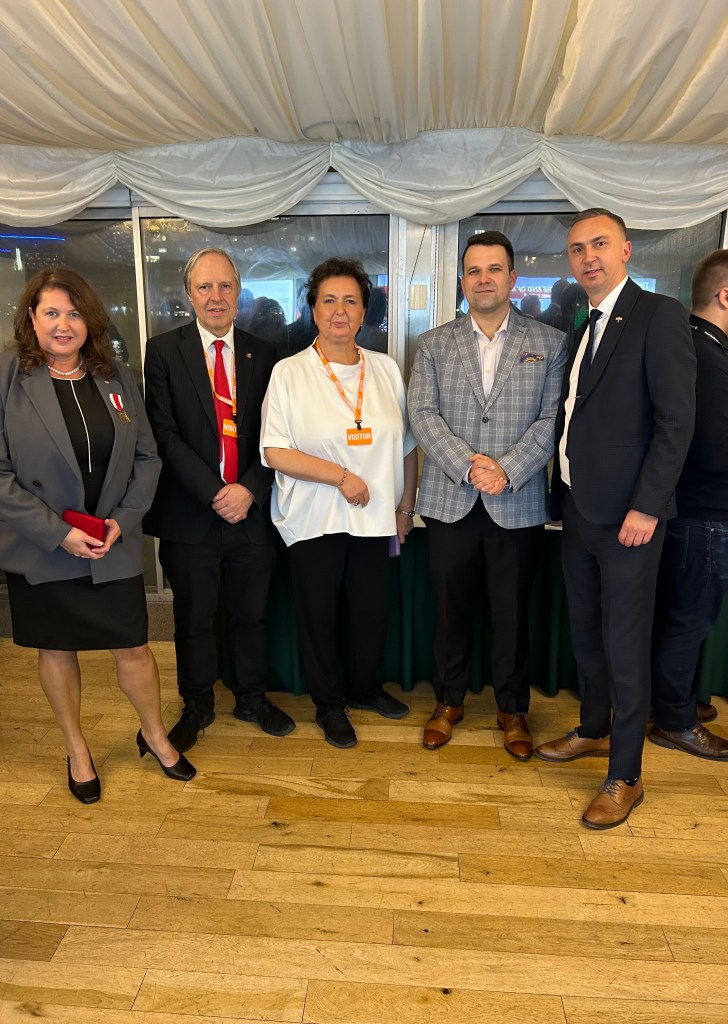
Nagrody te są przyznawane osobom, które przyczyniają się do promowania polskiej historii za granicą, zwłaszcza w kontekście II wojny światowej. Ambasadorzy historii to ludzie, którzy swoją działalnością popularyzują wiedzę o Polsce i jej wkładzie w światowe dzieje.
Iwona Golińska kultywuje pamięć historyczną, między innymi o roli ORP Błyskawicy w obronie brytyjskiego wybrzeża w czasie II wojny światowej – w inicjatywie DNI ORP BŁYSKAWICA, Wyjątkowym akcentem wydarzenia w Parlamencie Brytyjskim była prezentacja dzwonu, pochodzącego z tego zasłużonego polskiego niszczciela.
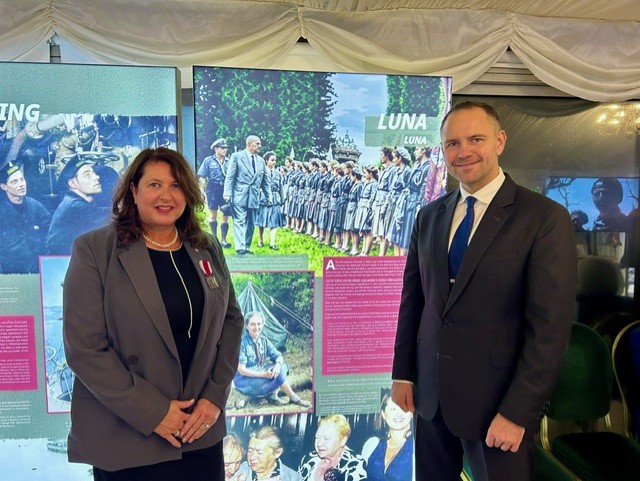
Wystawa Szlaki Nadziei koncentruje się na wysiłkach polskich sił zbrojnych podczas II wojny światowej, podkreślając doświadczenia cywilów i personelu wojskowego, którzy zostali ewakuowani z terytorium Związku Radzieckiego wraz z armią generała Władysława Andersa. Wystawa w Londynie zawierała historie takie jak historia polskiego okrętu ORP Błyskawica, generała Sosabowskiego i osób takich jak Łucja „Luna” Golińska, która ocalała z wojny, była zesłana na Syberię, a która później osiedliła się w Wielkiej Brytanii.
Polish Sue była partnerem IPN przy organizacji tej wspaniałej wystawy.
Wystawa spotkała się z bardzo dużym zainteresowaniem zarówno ze strony polskiej, jak i międzynarodowej publiczności. Wśród gosci VIP obecni byli Lord Speaker Izby Lordów brytyjskiego parlamentu John Francis McFall, Baron McFall of Alcluith, Na spotkaniu obecni byli również m.in. prawnuk generała Stanisława Sosabowskiego, prof. Hal Sosabowski, poseł Partii Konserwatywnej i członek ponadpartyjnej grupy parlamentarnej ds. Polski Andrew Rosindell, brytyjska historyk i autorka publikacji na temat II wojny światowej Helen Fry, a także przedstawiciele parlamentu, dyplomacji oraz wojska z Austrii, Australii, Czech, Chorwacji, Finlandii, Francji, Grecji, Islandii, Luksemburgu, Mongolii, Polski, Rumunii, Ukrainy i Wielkiej Brytanii
Wystawa „Szlaki Nadziei. Odyseja Wolności” prezentuje kilka kluczowych wydarzeń i miejsc związanych z losami Polaków podczas II wojny światowej, m.in.: Szlak Armii Andersa – Podczas deportacji na Syberię, Polacy znaleźli się w łagrach sowieckich. Po układzie Sikorski-Majski i amnestii dla więźniów, gen. Władysław Anders zorganizował armię, która przeszła przez Bliski Wschód i uczestniczyła w walkach na froncie włoskim, w tym w bitwie o Monte Cassino.
Bitwa o Monte Cassino – Kluczowy moment dla Polaków, walka zakończyła się zdobyciem klasztoru przez 2. Korpus Polski. Był to symboliczny sukces, który przyczynił się do alianckiego zwycięstwa we Włoszech
Ewakuacja Polaków z Syberii – Jeden z dramatyczniejszych momentów, kiedy setki tysięcy polskich obywateli, zarówno wojskowych, jak i cywilnych, przeszło przez Iran, Irak i Palestynę w kierunku Europy Zachodniej, by walczyć u boku aliantów
Polska na arenie międzynarodowej – Wystawa pokazuje także, jak Polacy, mimo braku własnego państwa, utrzymywali kontakty dyplomatyczne z sojusznikami, podkreślając swój wkład w zwycięstwo nad faszyzmem.
Photos: Iwona Golińska , Polish Sue
Zobacz statystyki
Promuj post
Wszystkie reakcje:
20Ty i 19 innych użytkowników




Leave a Reply