
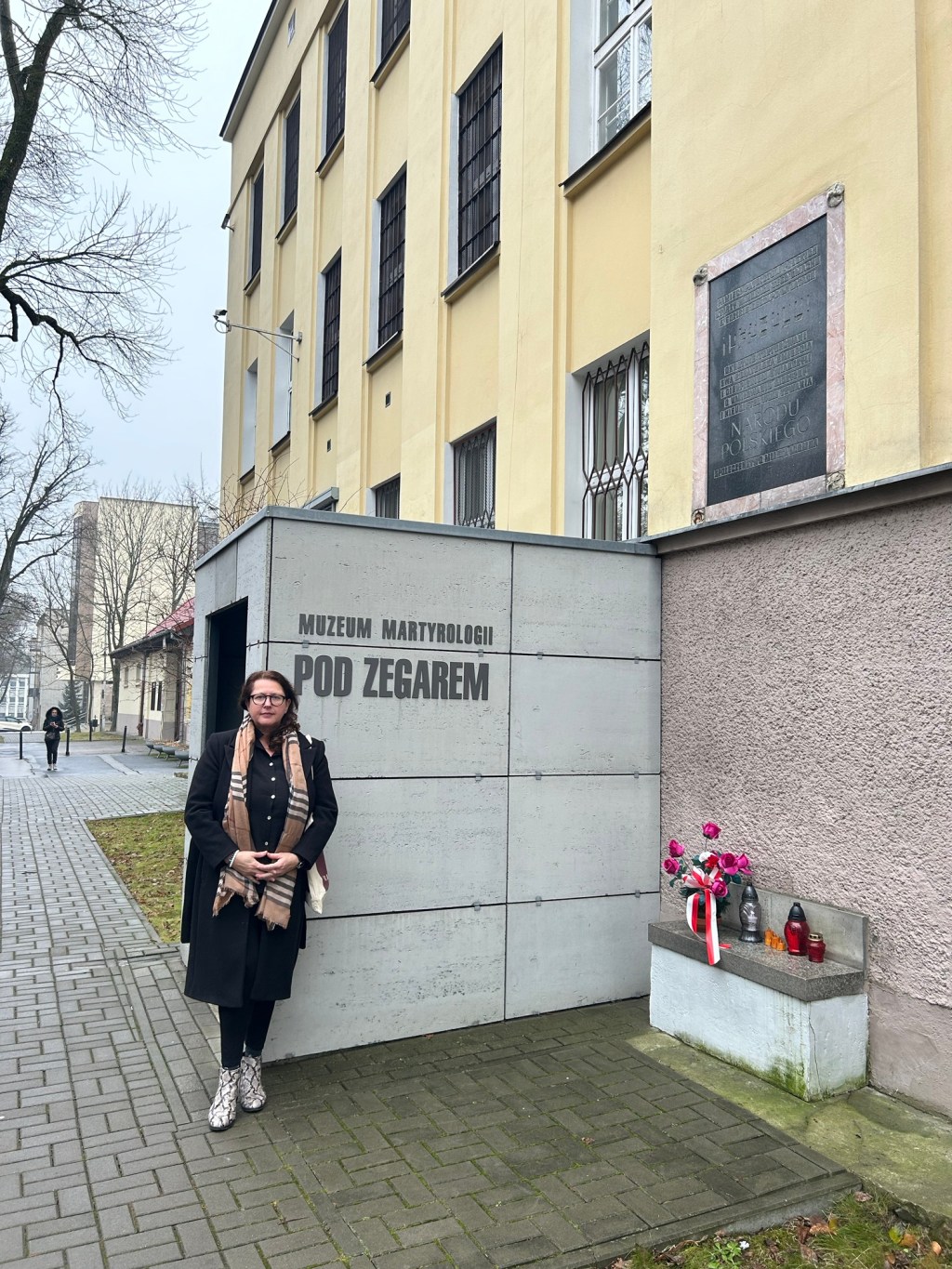
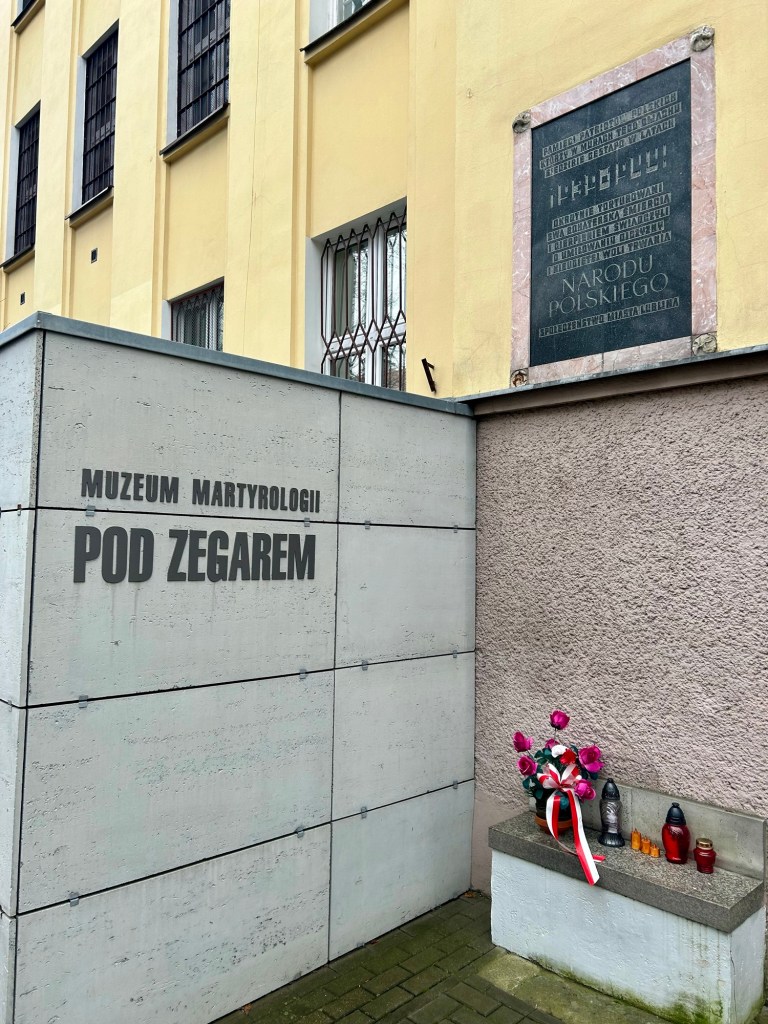
Odwiedziliśmy Muzeum Martyrologii “Pod Zegarem” w Lublinie, jedną z filii Muzeum Narodowego w Lublinie. To miejsce o szczególnym znaczeniu historycznym, ponieważ upamiętnia losy osób więzionych i torturowanych przez gestapo w czasie II wojny światowej.

Budynek, w którym mieści się muzeum, znajdował się na terenie dawnego gestapo, mieszczącego się w kamienicy przy ulicy Uniwersyteckiej 1. W latach okupacji niemieckiej (1939–1944) działał tam areszt gestapo, gdzie przetrzymywano i przesłuchiwano polskich patriotów, członków ruchu oporu niepodległościowego oraz cywilów oskarżonych o działalność przeciwko okupantom niemieckim.
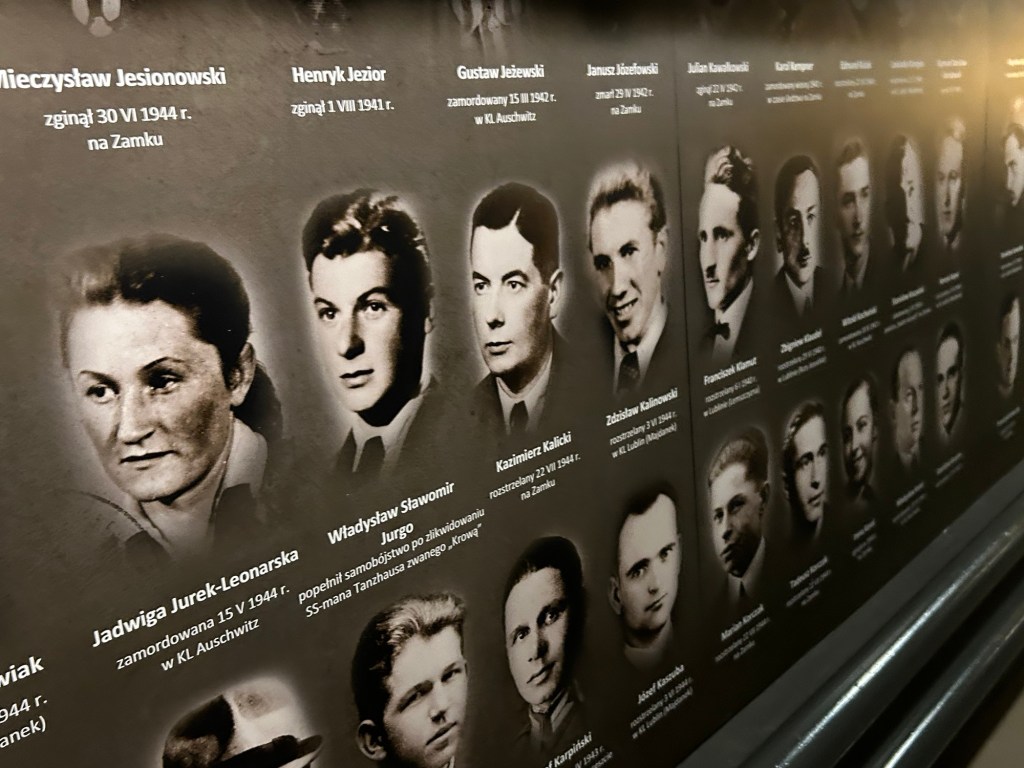
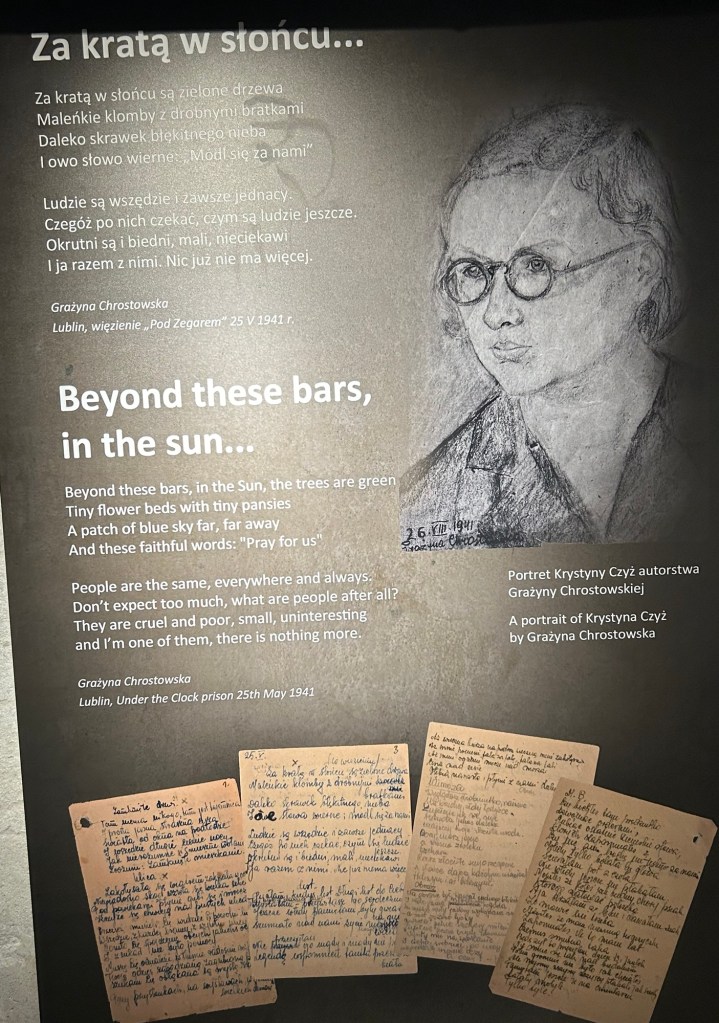
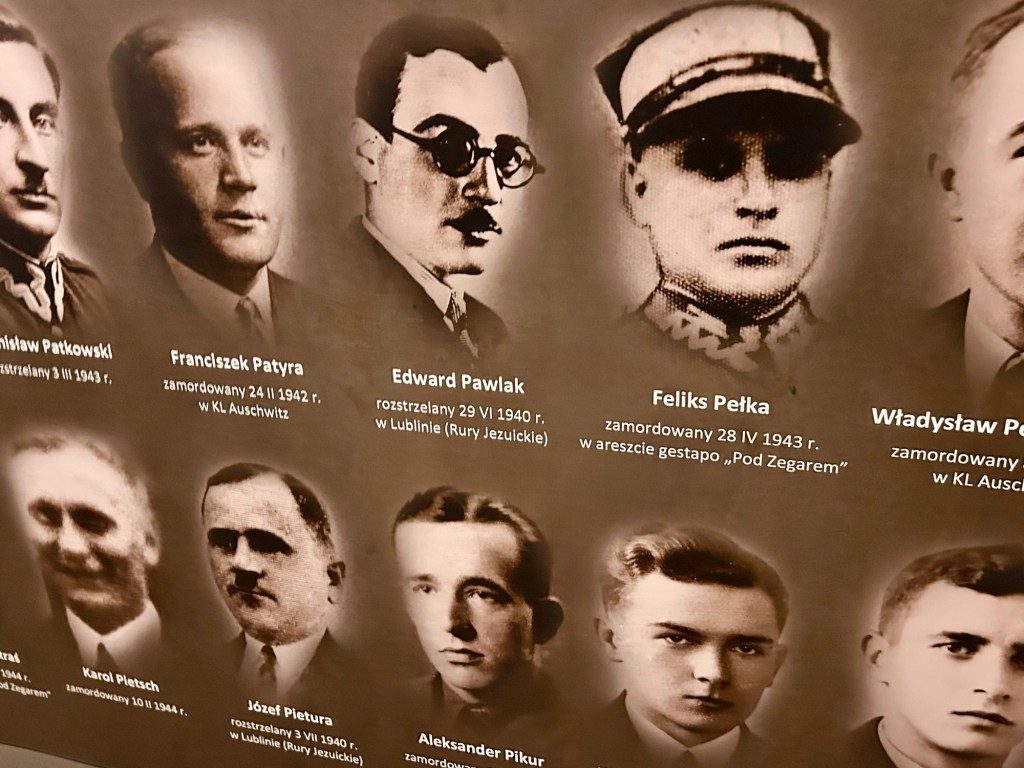
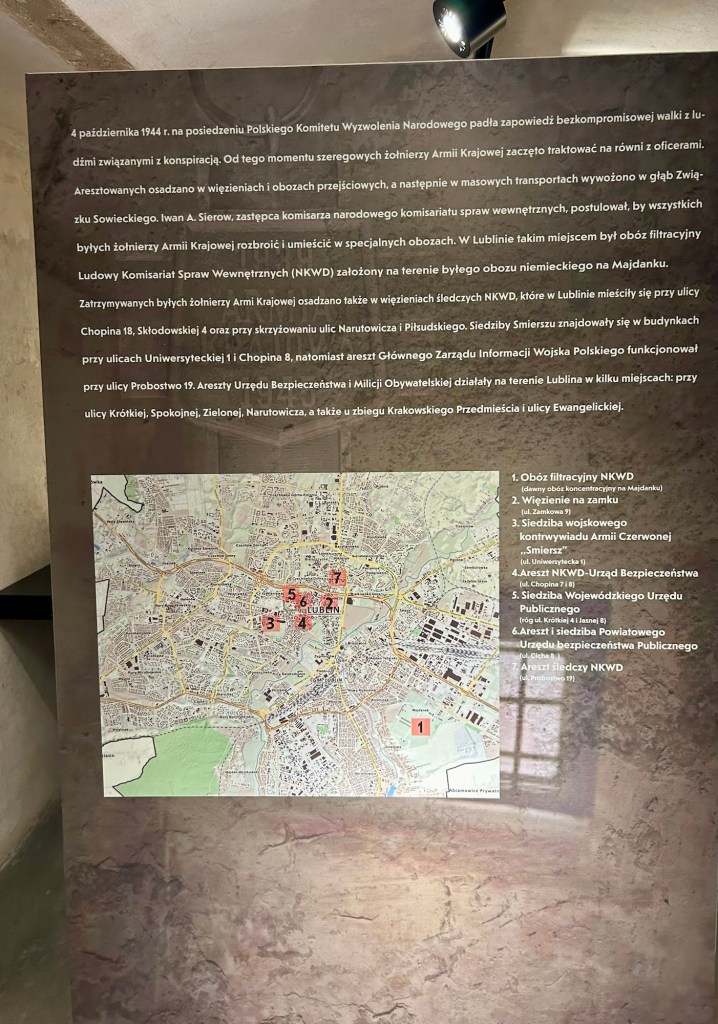
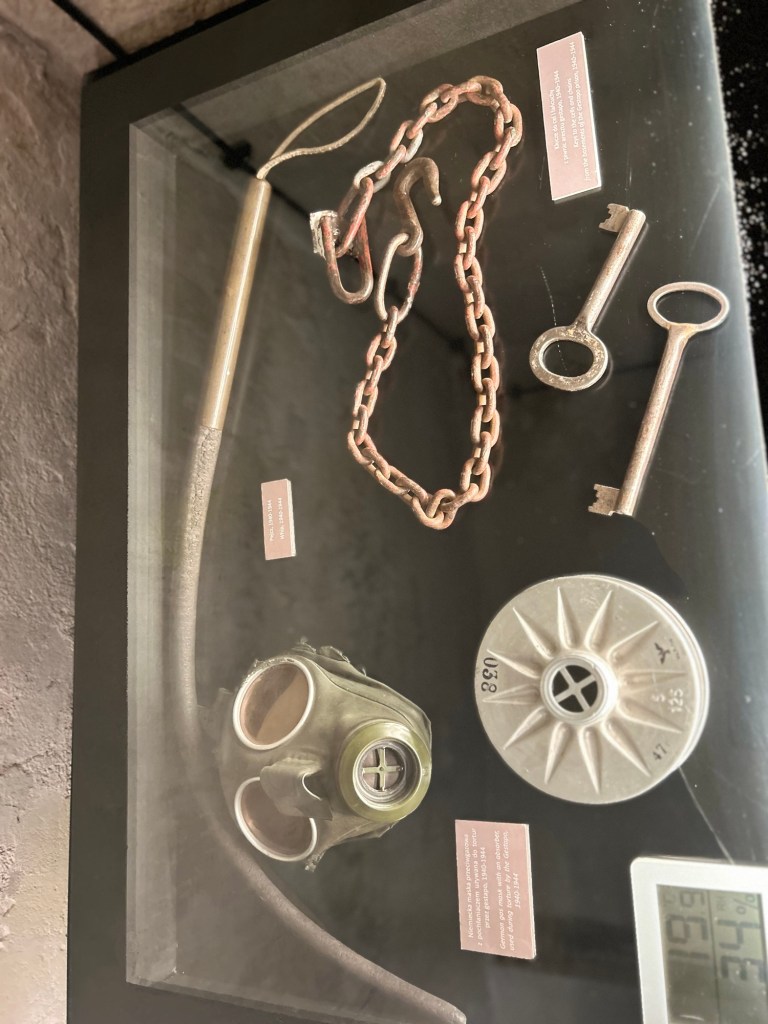
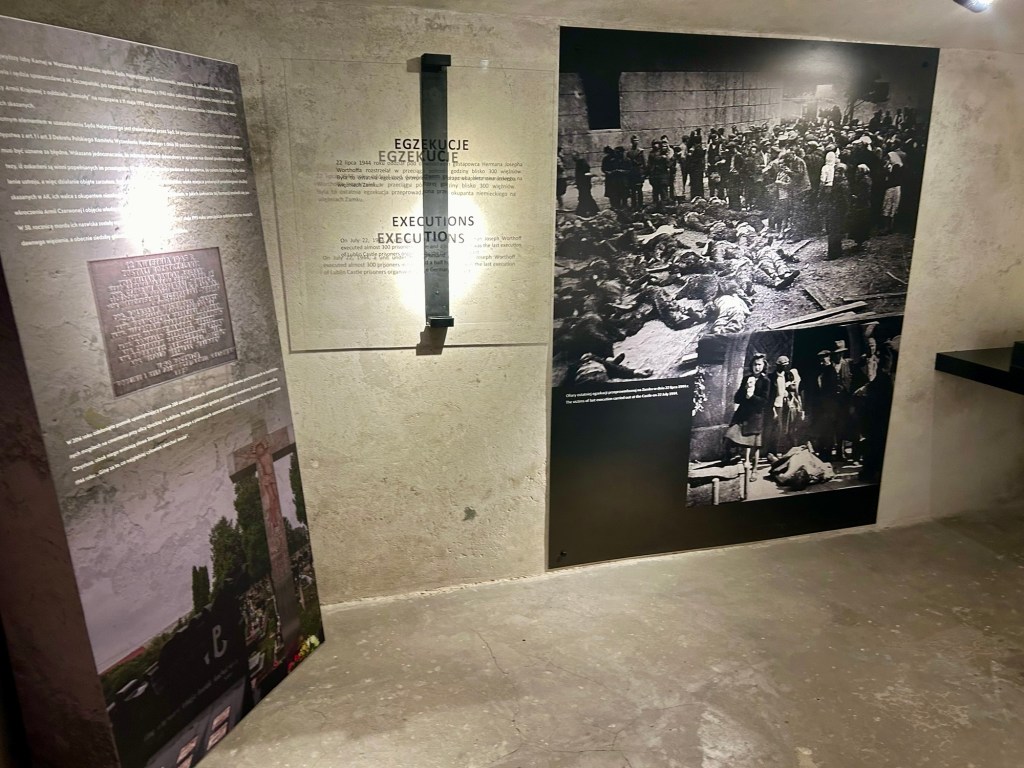
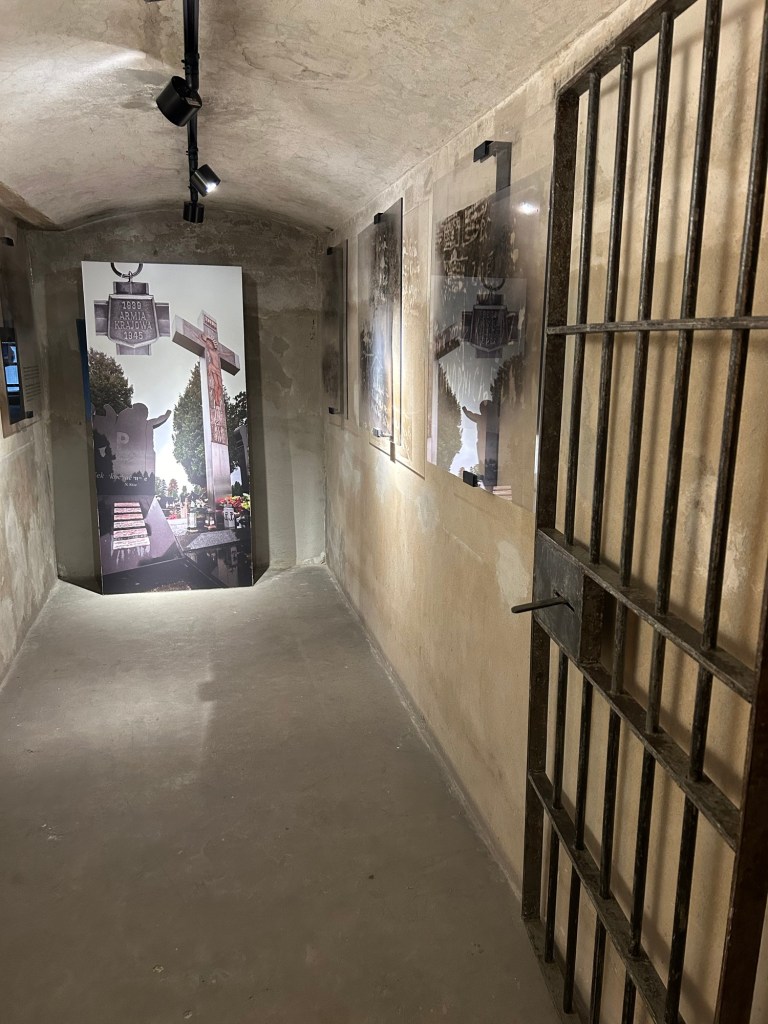
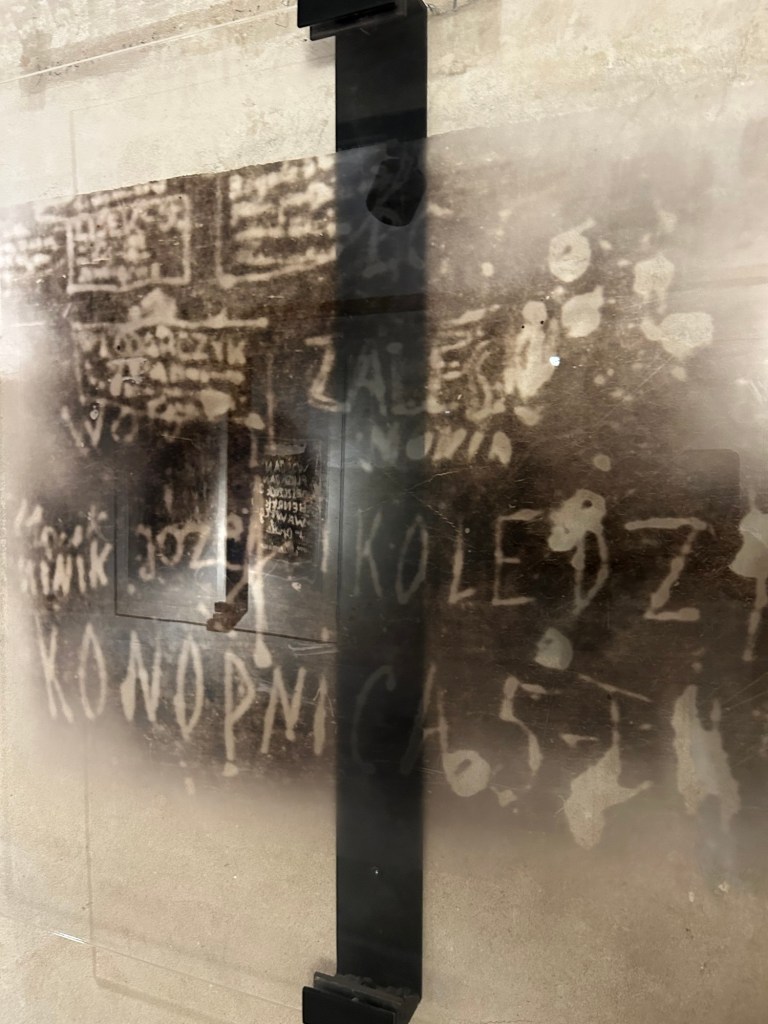
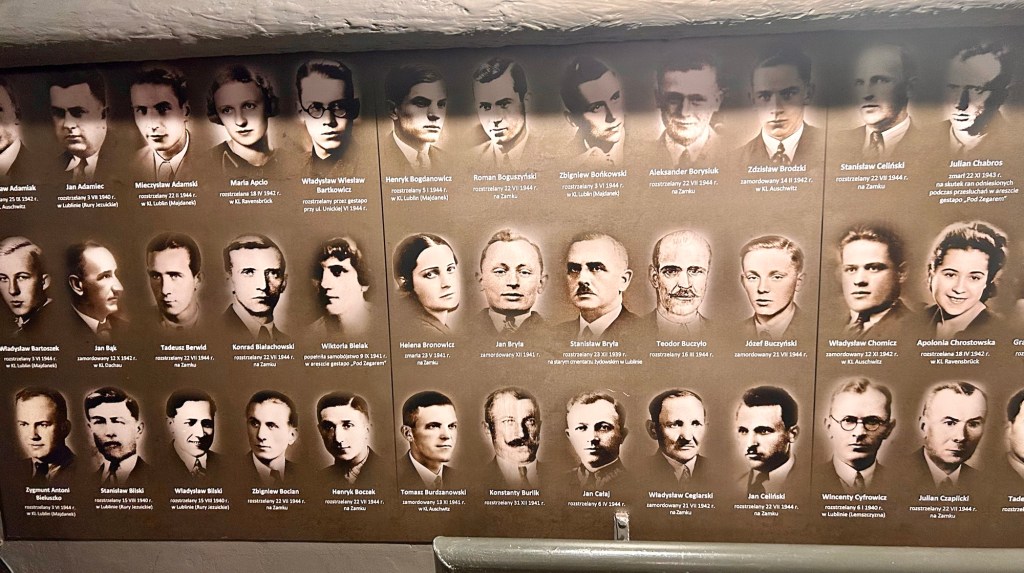
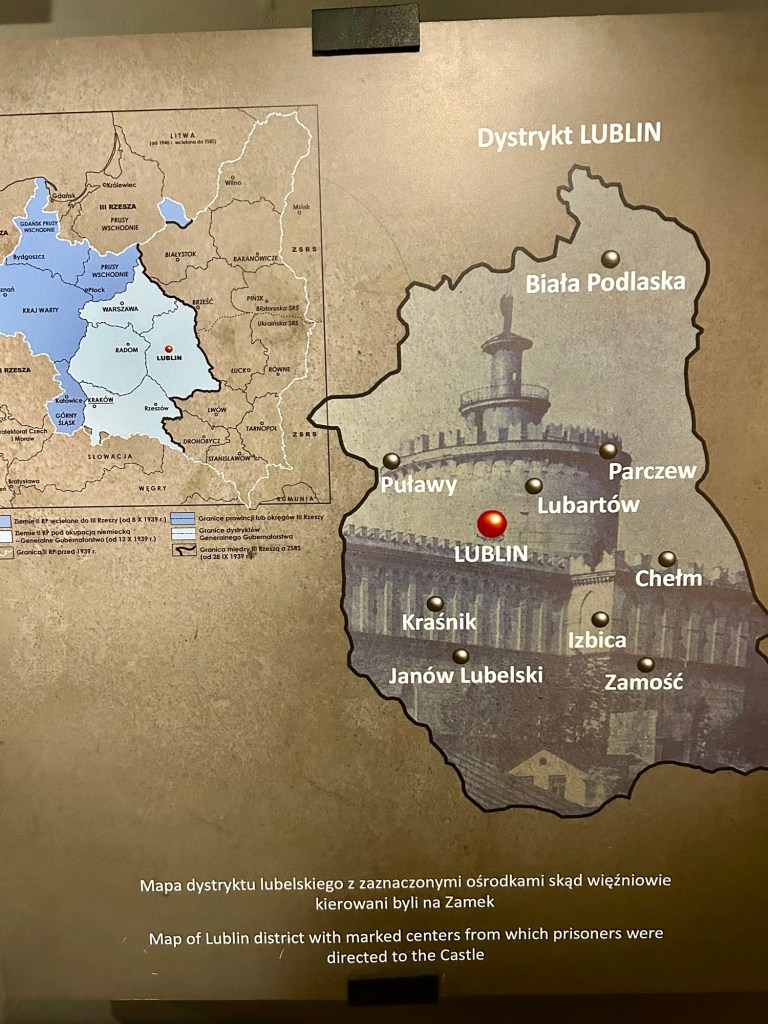
Muzeum “Pod Zegarem” prezentuje przede wszystkim wystawy poświęcone: martyrologii więźniów, ze szczególnym uwzględnieniem osób przynależących do ruchu oporu, w tym członków Armii Krajowej, Batalionów Chłopskich i innych organizacji oraz historii więzienia i metod stosowanych przez gestapo, takich jak brutalne przesłuchania i tortury, Muzeum opowiada również o życiu codziennemu więźniów, ukazując ich listy, fotografie oraz przedmioty osobiste.
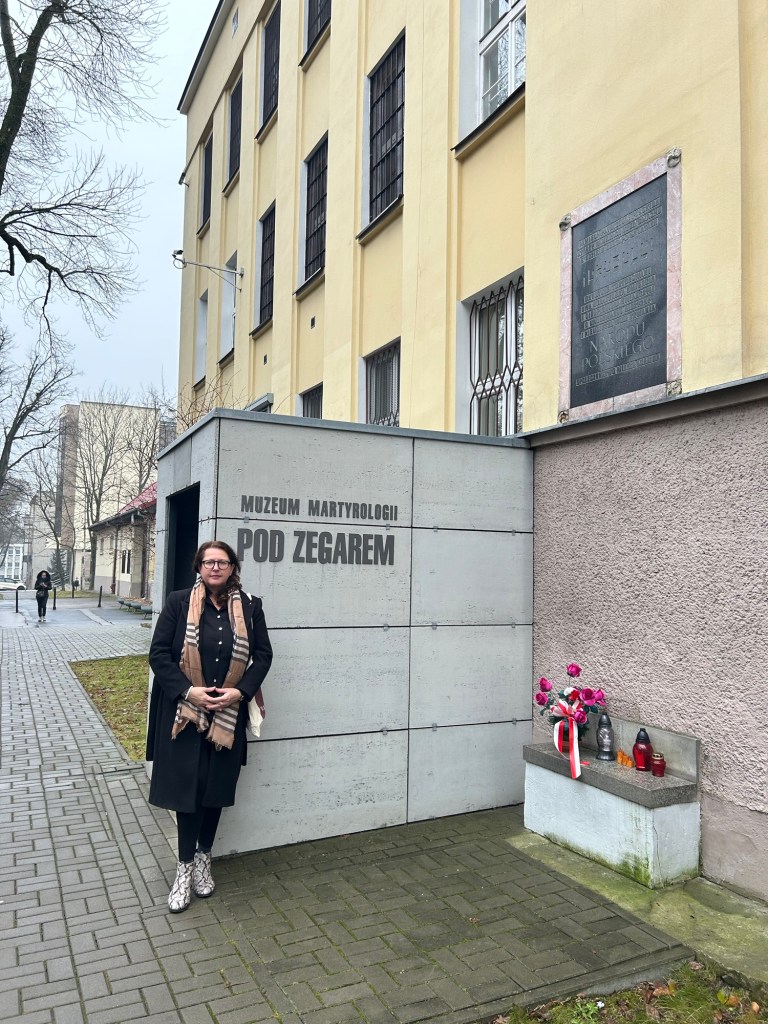
Nazwa muzeum nawiązuje do charakterystycznego zegara na fasadzie budynku, który jest nie tylko elementem architektonicznym, ale również symbolem czasu zatrzymanego w okresie mrocznych wydarzeń wojennych.
Muzeum pełni ważną rolę edukacyjną, organizując warsztaty i lekcje historyczne dla młodzieży, spotkania z kombatantami, projekcje filmowe oraz wykłady na temat II wojny światowej i działalności konspiracyjnej.
Muzeum “Pod Zegarem” jest wyjątkowym miejscem pamięci, które zachowuje wspomnienia o ludziach walczących o wolność Polski. To miejsce cichej refleksji i hołdu dla ofiar totalitaryzmu.
Jest to miejsce pełne przejmujących pamiątek, które opowiadają o tragedii Polaków torturowanych i więzionych przez Niemców w tym budynku w czasie II wojny światowej.
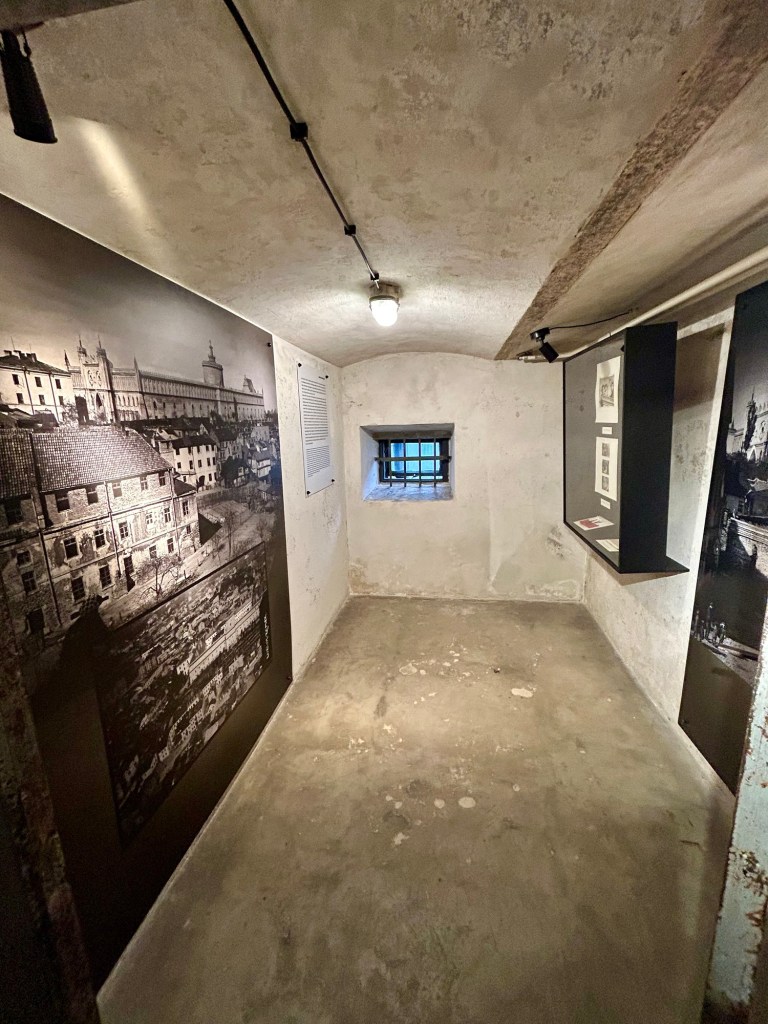
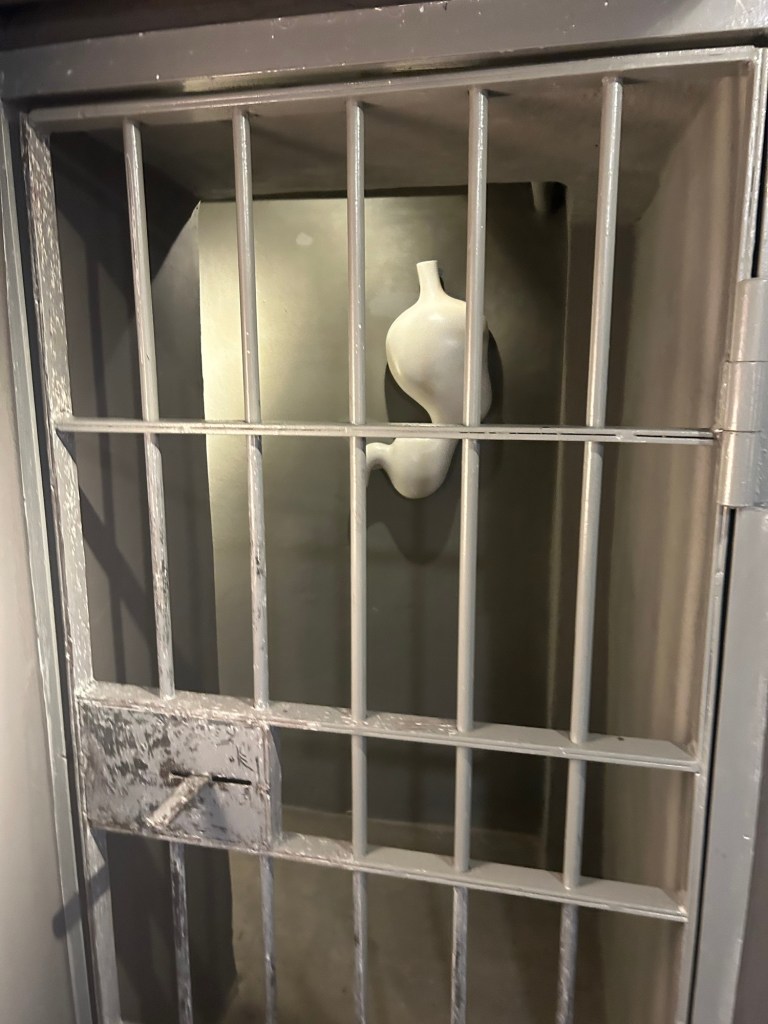
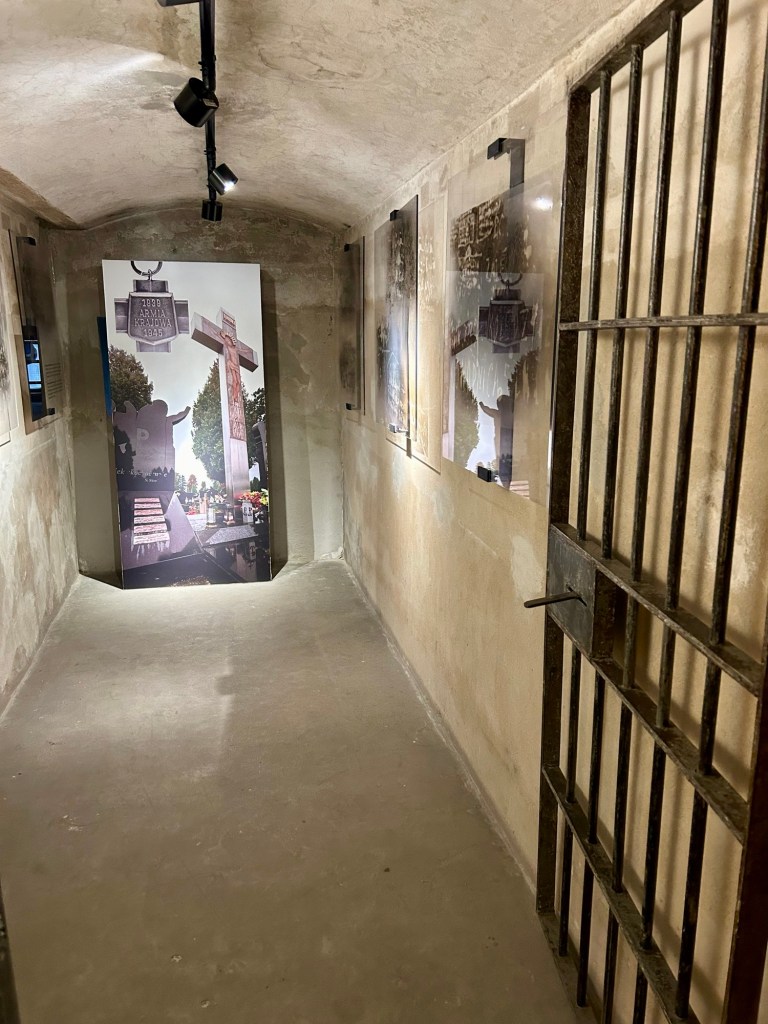
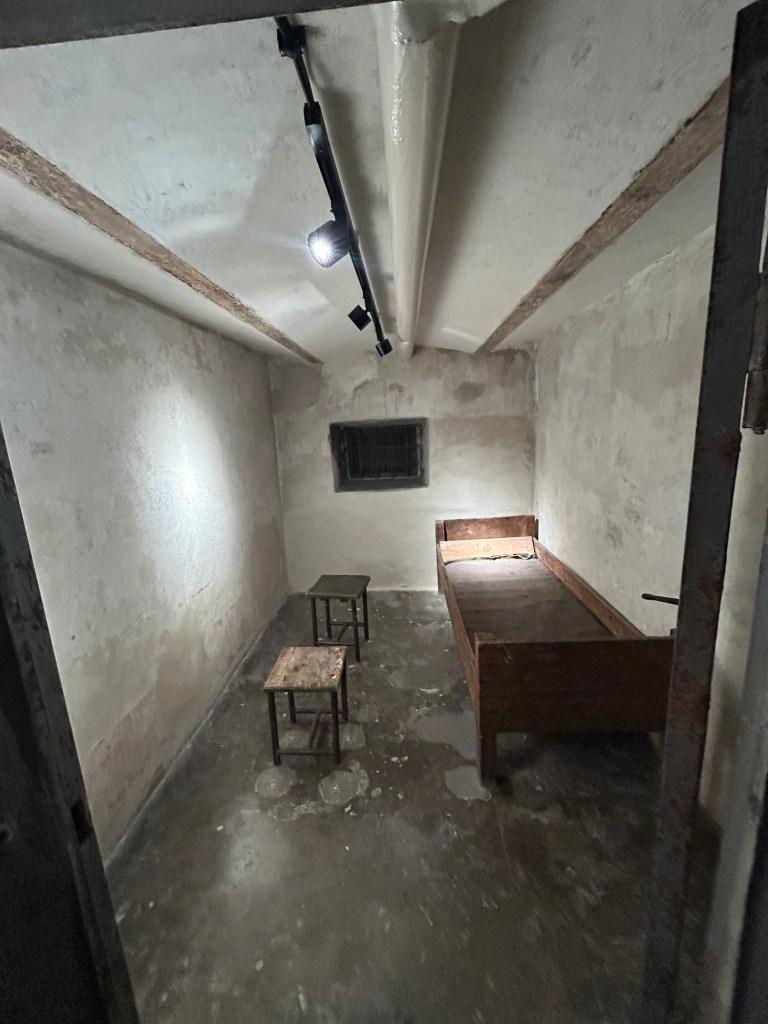
Między innymi obejrzeliśmy tam zrekonstruowaną celę z oryginalnymi elementami wyposażenia, w której przetrzymywano więźniów. To surowe pomieszczenie pozwala poczuć atmosferę strachu i cierpienia, jakiego doświadczali uwięzieni polscy patrioci.
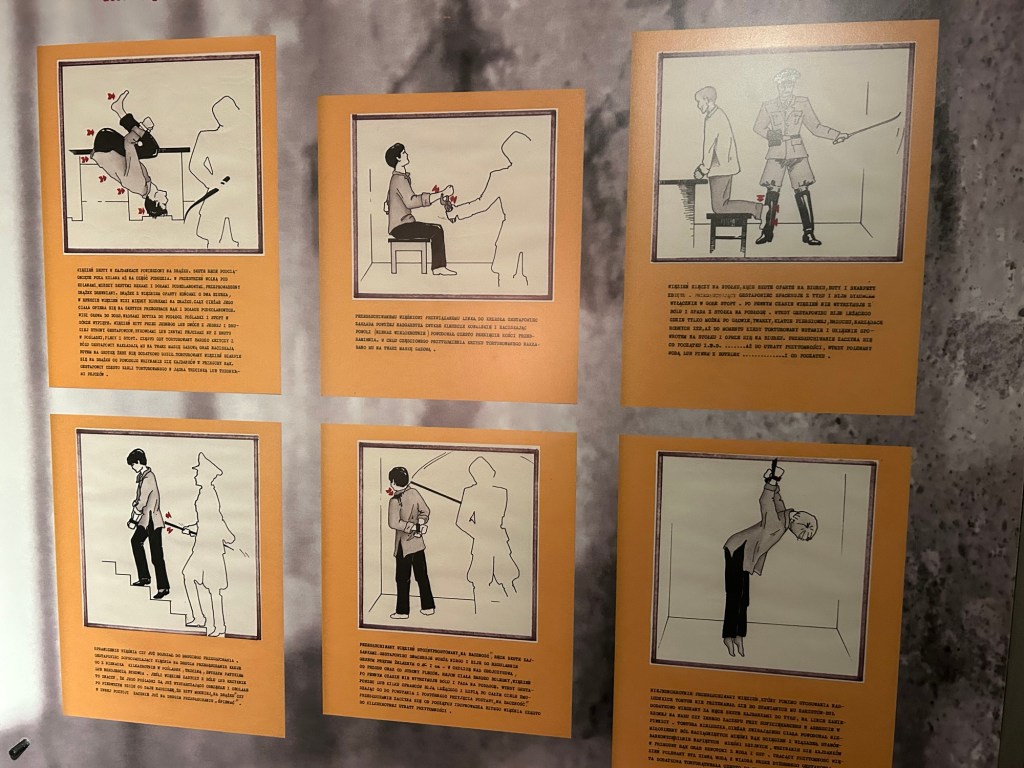
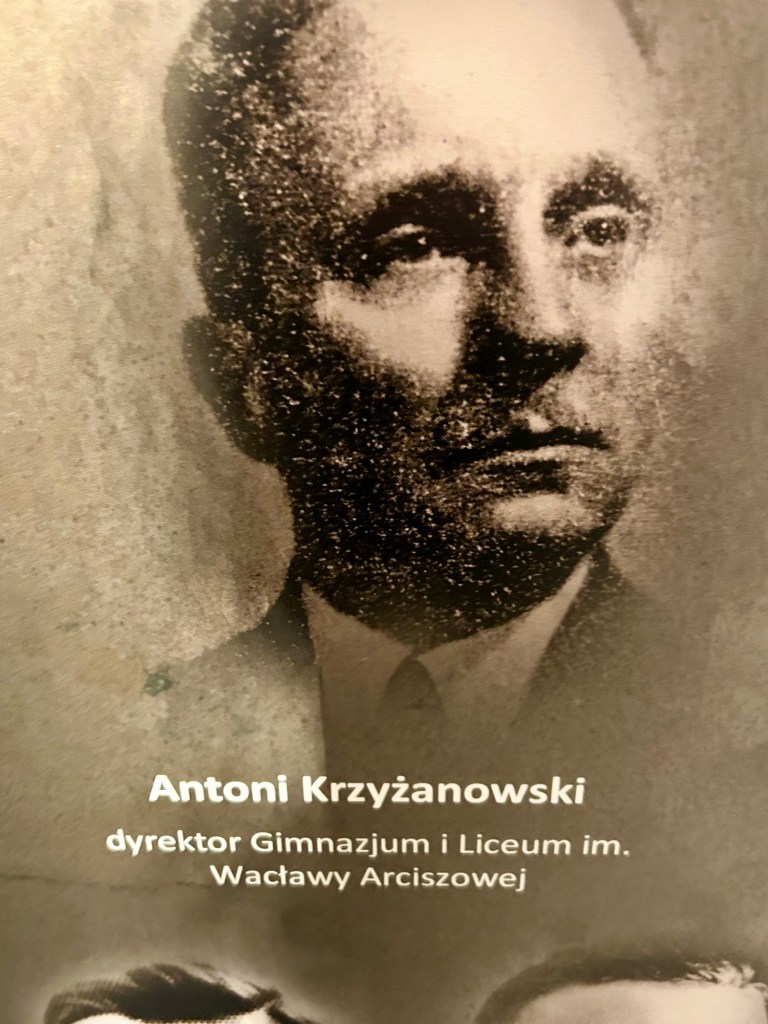
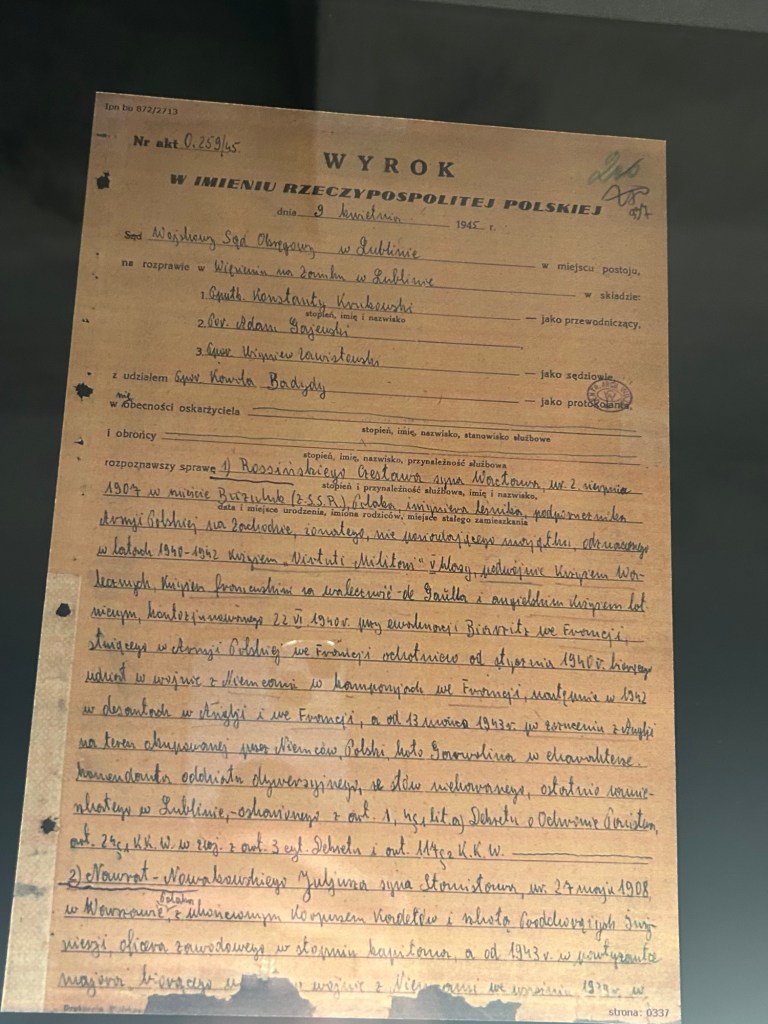
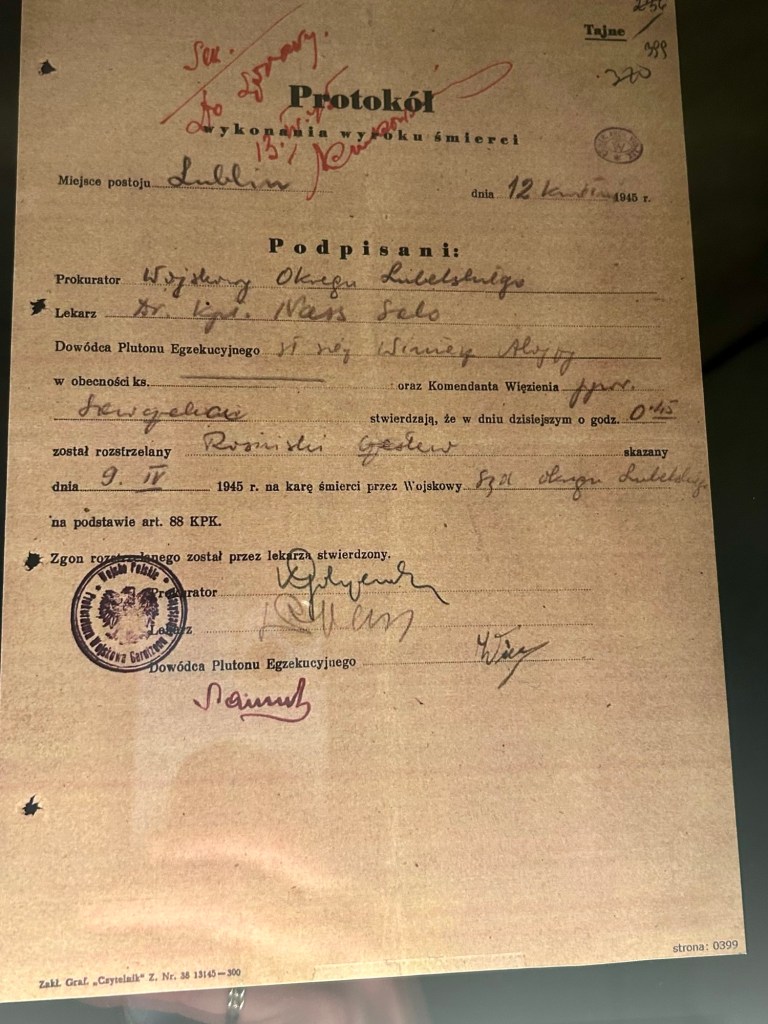
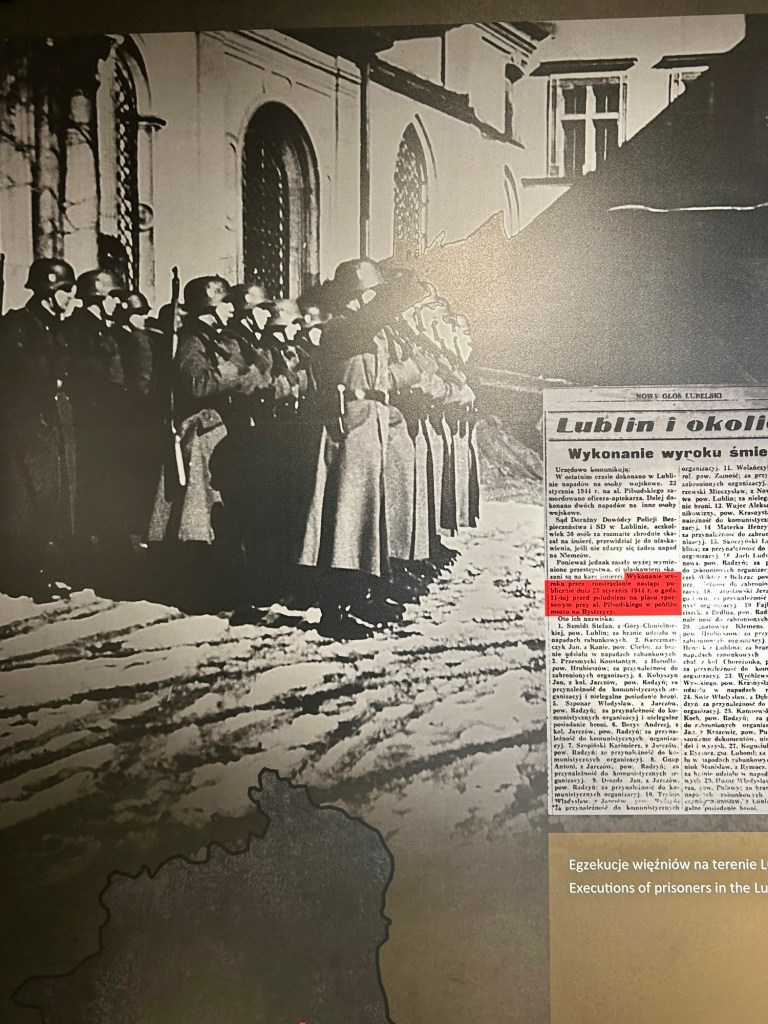
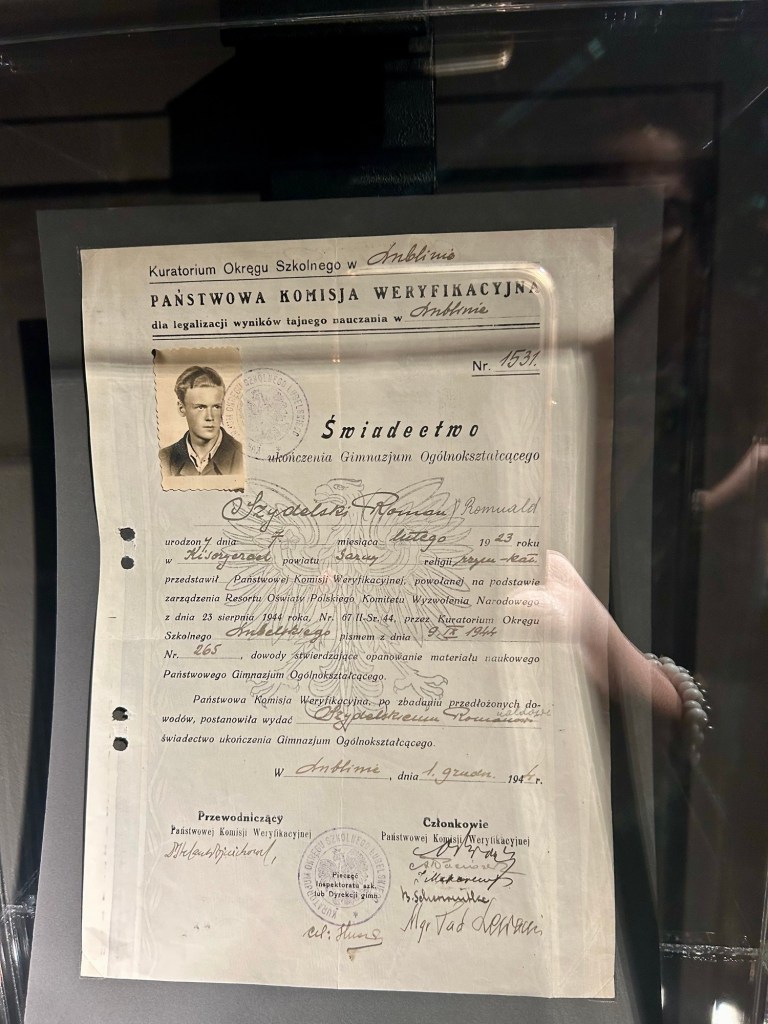
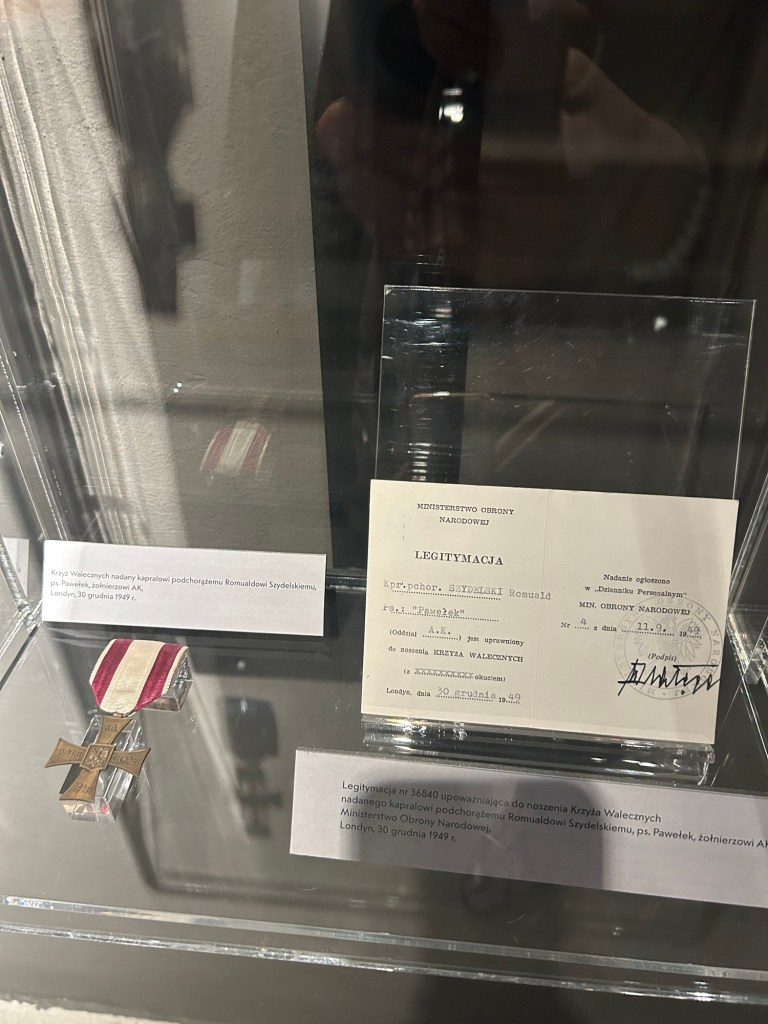
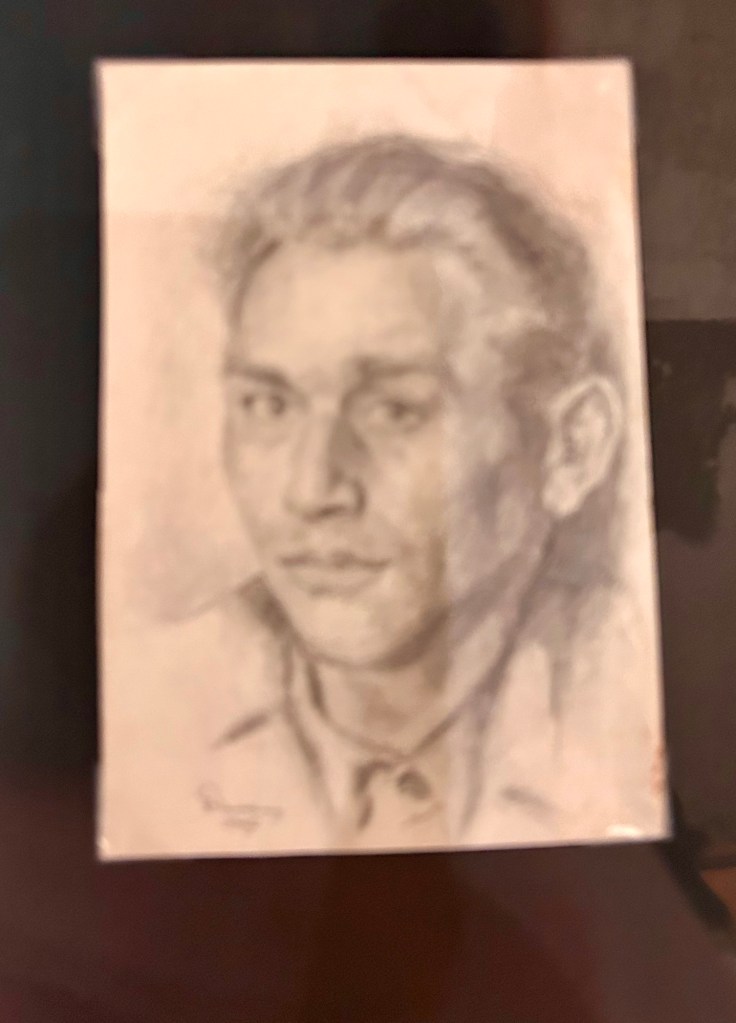
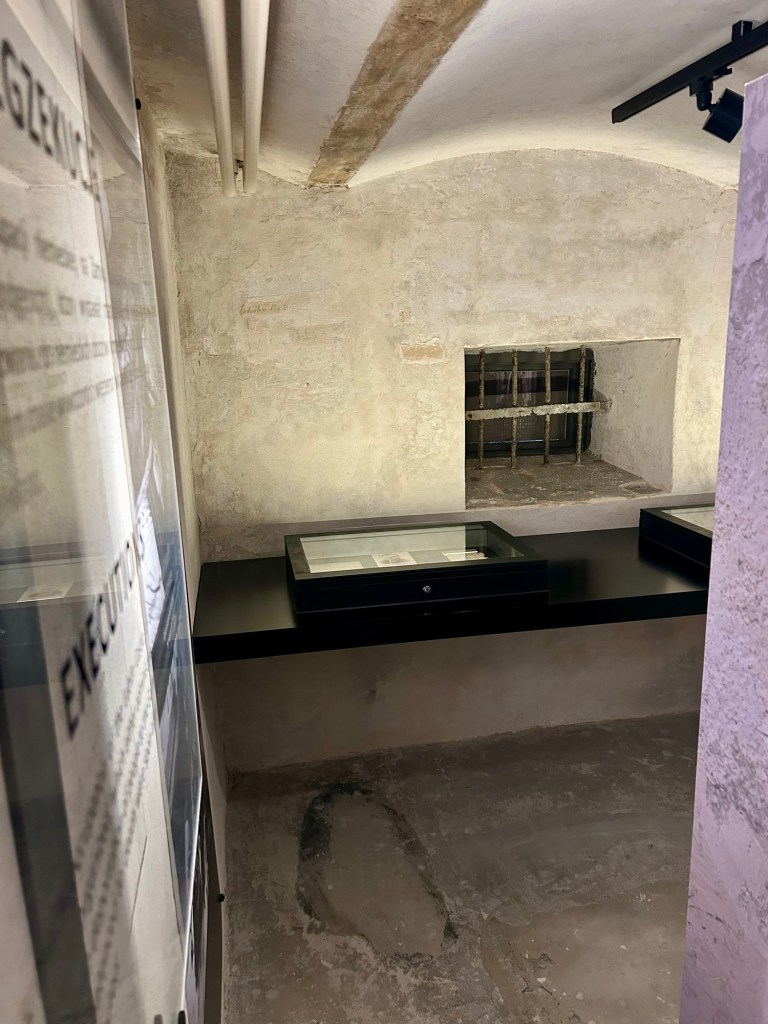
Wśród eksponatów znajdują się zdjęcia, dokumenty, listy więźniów, a także przedmioty codziennego użytku, które ukazują dramatyczne losy Polaków walczących z okupantem.
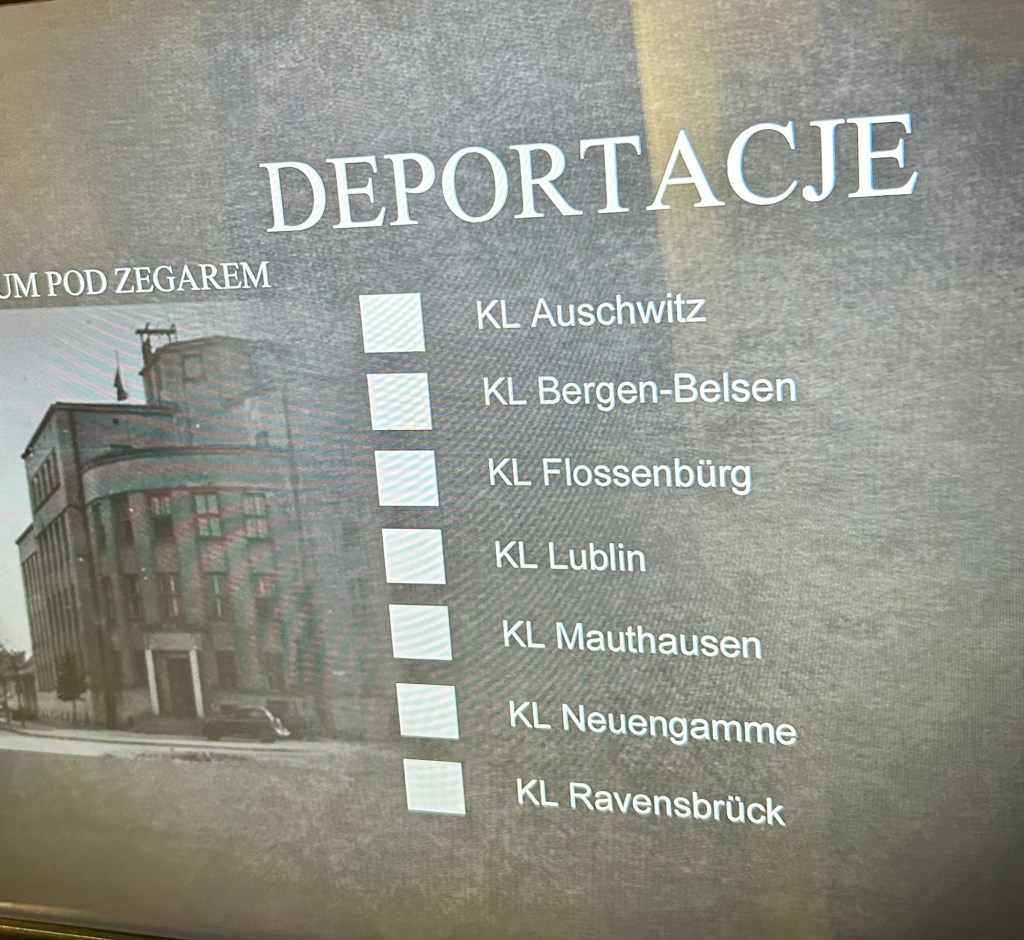
Wystawa obejmuje nagrania audio i wideo, na których osoby ocalałe opowiadają o swoich przeżyciach w areszcie gestapo. Te relacje są poruszającym świadectwem okrucieństw wojny. Do najbardziej przejmujących należy świadectwo dr. Wandy Półtawskiej – patriotki i działaczki podziemia w lubelskim, na której Niemcy dokonywali okrutnych doświadczeń związanych ze szczepieniami w więzieniu kobiecym w Ravensbruck.
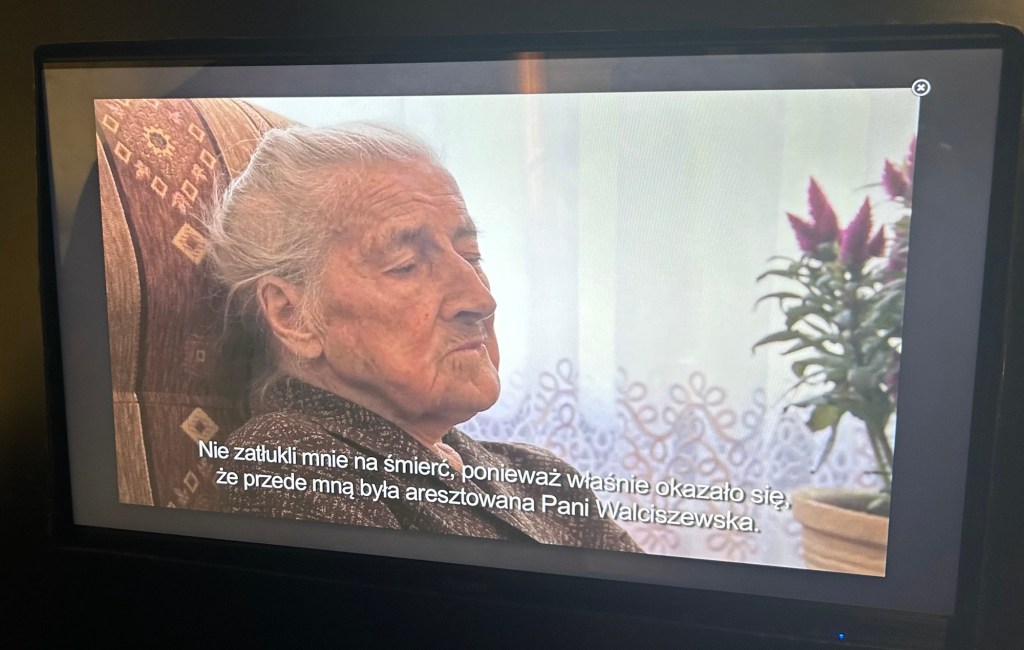
Więcej o niemieckich doświadczeniach na więźniach można dowiedzieć się z wywiadu z dr. Wandą Półtawską w relacji przygotowanej przez Instytut Pamięci Narodowej – na linku:
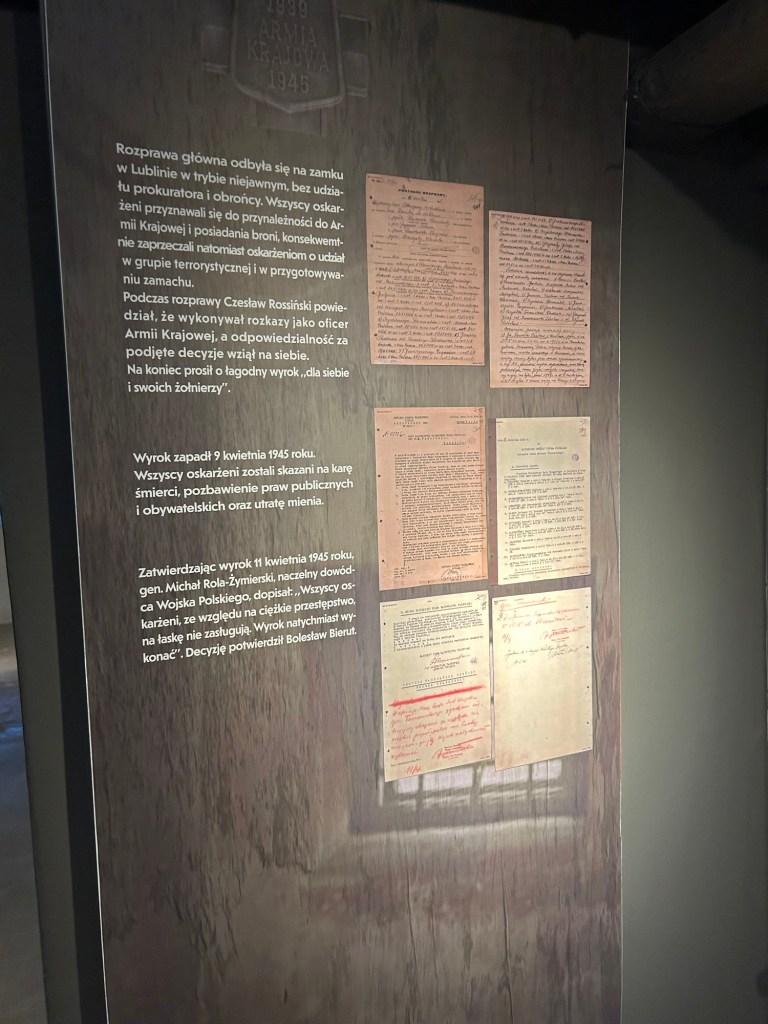
W Muzeum zobaczyć też można dokumenty gestapo, plany budynku, listy więźniów i zapisy przesłuchań, które ukazują metody działania okupanta niemieckiego.
Interaktywne stanowiska pozwalają zwiedzającym prześledzić historie konkretnych osób lub dowiedzieć się więcej o organizacjach ruchu oporu w Lublinie.
Muzeum prowadzi szeroką działalność edukacyjną w tym lekcje muzealne i warsztaty, zajęcia dla młodzieży i dorosłych, które przybliżają historię Lublina w czasie wojny oraz działalność konspiracyjną. Są również tam organizowane spotkania z kombatantami i wydarzenia, podczas których można posłuchać wspomnień świadków historii i projekcje filmowe – w tym pokazy dokumentów historycznych i filmów poświęconych II wojnie światowej.
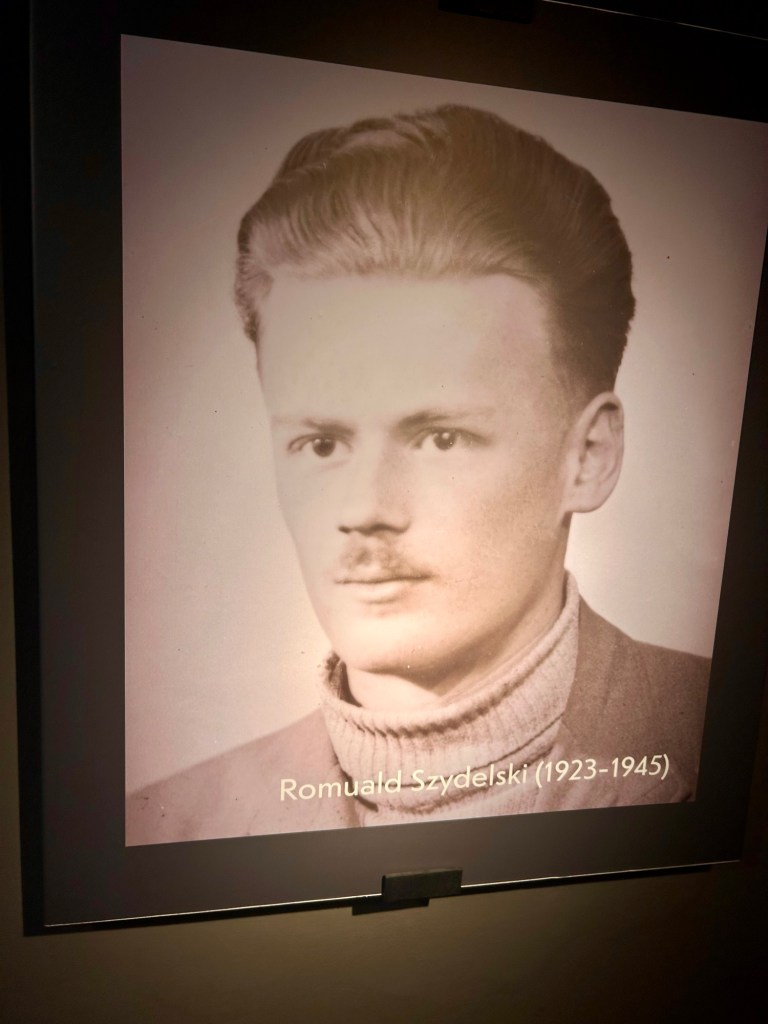
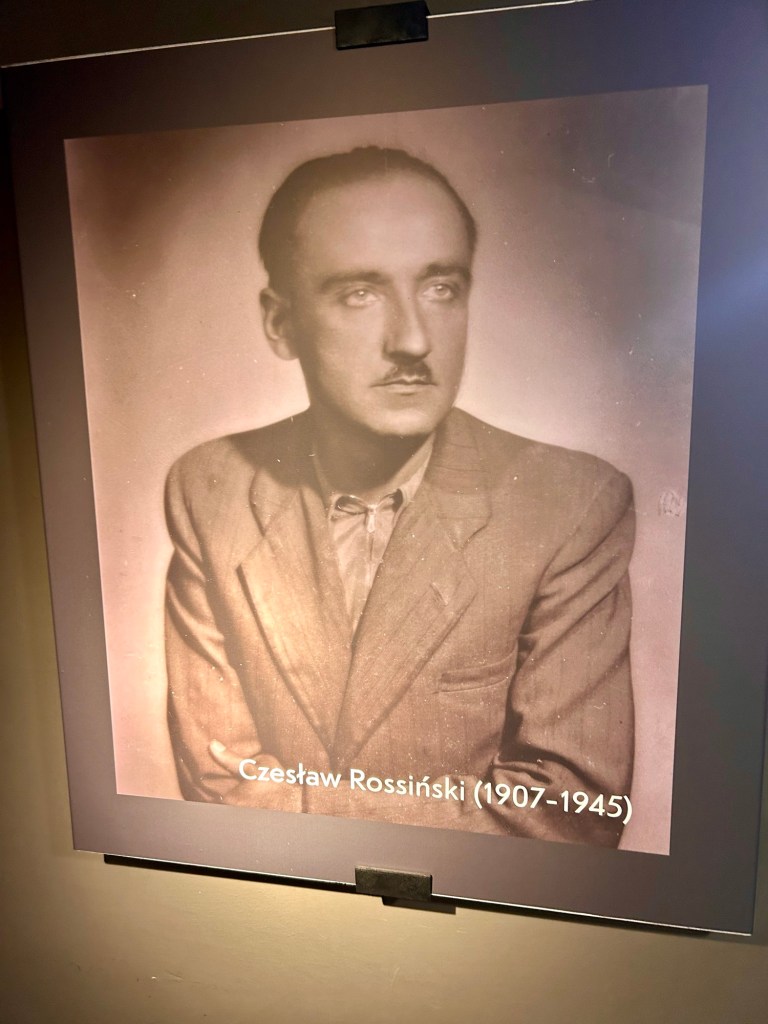
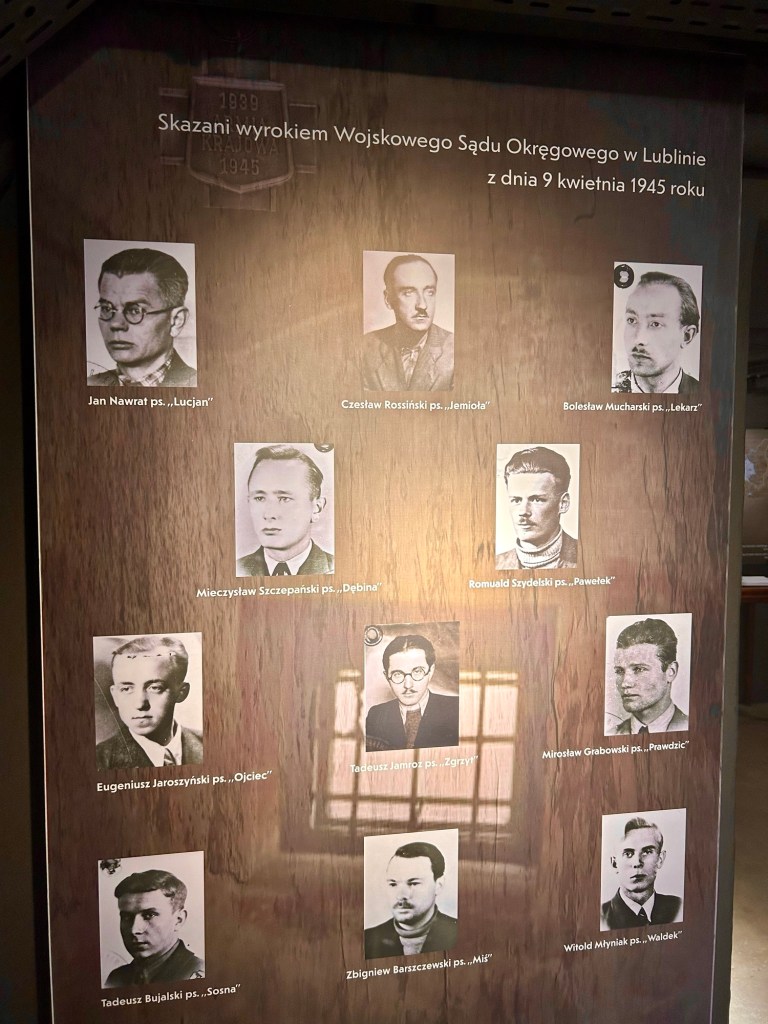

Muzeum organizuje uroczystości związane z ważnymi datami, takimi jak rocznice wybuchu wojny, wyzwolenia Lublina czy działalności Armii Krajowej.
Muzeum “Pod Zegarem” jest jednym z najważniejszych miejsc pamięci w Lublinie, odwiedzanym przez osoby chcące uczcić pamięć ofiar wojny. Każdy eksponat i element wystawy przypomina o tym, jak cenna jest wolność i jak wielką ofiarę poniosły poprzednie pokolenia Polaków , by ją odzyskać.
Dziękujemy kustosz muzeum za oprowadzenie nas.
Polecamy również odwiedzenie Muzeum i zapoznanie się z historią II wojny światowej.
Tekst i zdjęcia: Iwona Golińska.
En.
We visited the Museum of Martyrdom “Pod Zegarem” in Lublin, one of the branches of the National Museum in Lublin. This is a place of special historical significance, as it commemorates the fate of the Polish people imprisoned and tortured by German secret police – Gestapo during World War II.
The building in which the museum is located is on the grounds of the former Gestapo, tenement house at 1 Uniwersytecka Street. During the German occupation (1939–1944), a Gestapo prison operated there. It was where the Polish patriots, members of the independence resistance movement and civilians accused of activities against the German occupiers were detained and interrogated.
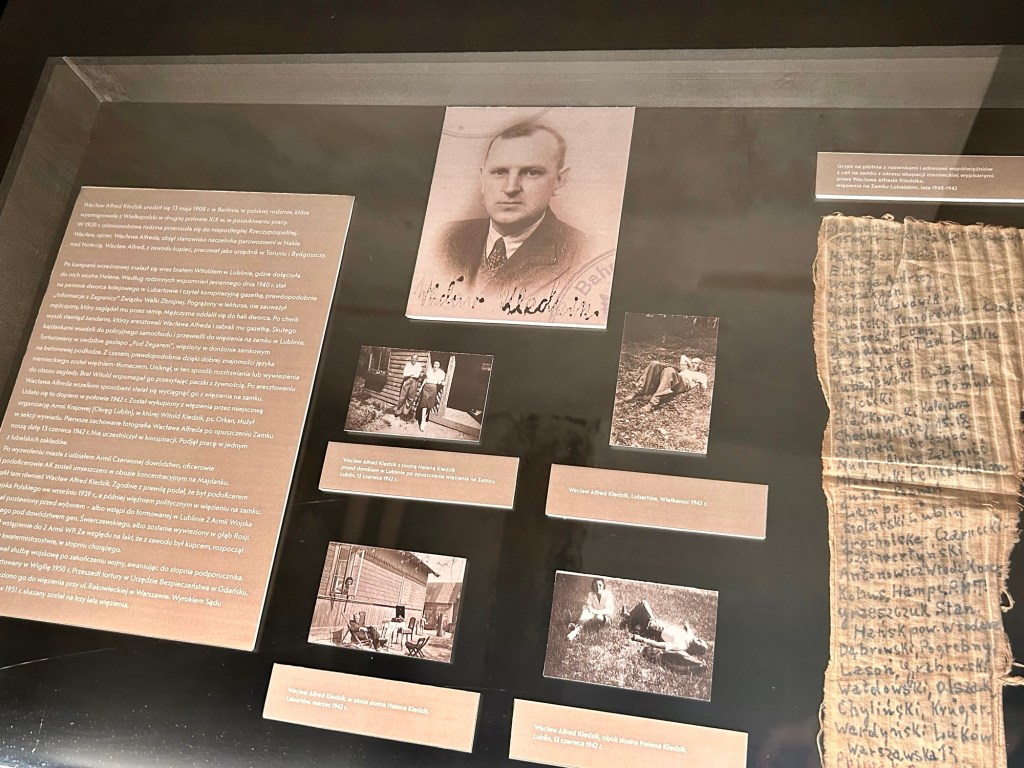
The Museum “Pod Zegarem” presents primarily exhibitions devoted to the martyrdom of prisoners, with particular emphasis on people belonging to the resistance movement, including members of the Home Army, Peasant Battalions and other organisations. The Museum features the history of the prison and the methods used by the Gestapo, such as brutal interrogations and torture. The Museum also tells the story of the everyday life of prisoners, showing their letters, photographs and personal items.
The name of the museum refers to the characteristic clock on the building’s façade, which is not only an architectural element, but also a symbol of time stopped during the dark events of war.
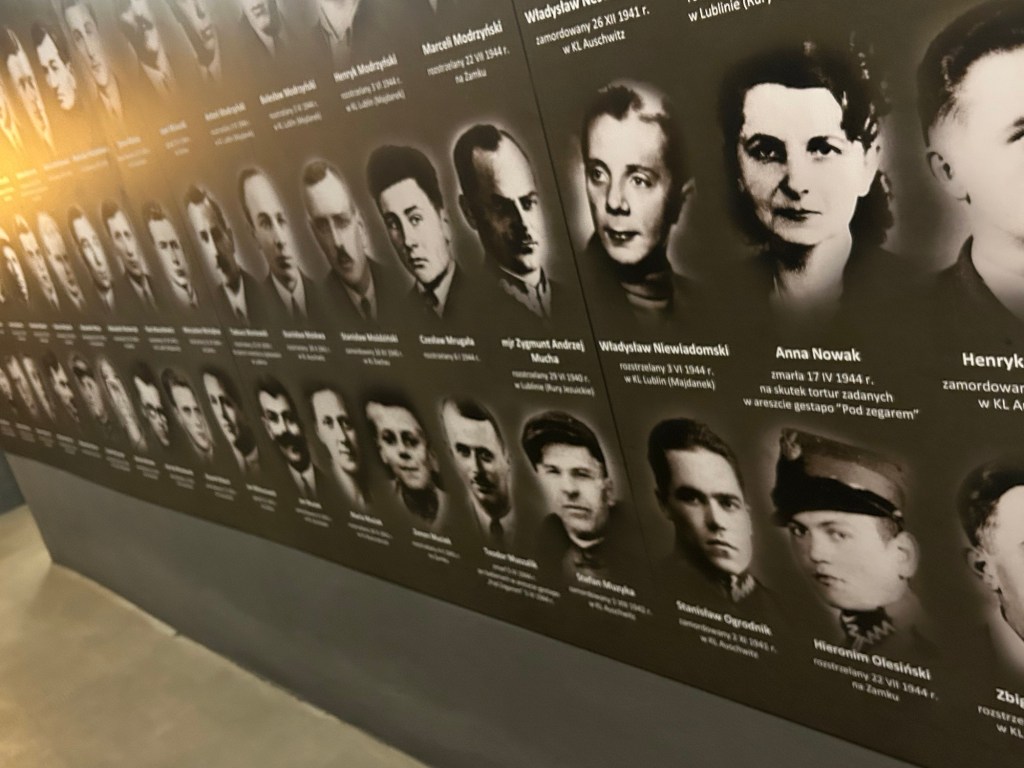
Pictures of prisoners – Poles belonging to the resistance movement, including members of the Home Army, Peasant Battalions and other organisations.
The museum plays an important educational role, organizing workshops and history lessons for young people, meetings with veterans, film screenings and lectures on World War II and underground activities.
The “Pod Zegarem” Museum is a unique place of remembrance that preserves the memories of people who fought for the freedom of Poland. It is a place of quiet reflection and homage to the victims of the German totalitarianism.
It is a place full of moving memorabilia that tell the story of the tragedy of Poles tortured and imprisoned by the Germans in this building during World War II.
Among other things, we saw a reconstructed cell with original equipment, where prisoners were held. This austere room allows you to feel the atmosphere of fear and suffering experienced by imprisoned Polish patriots.
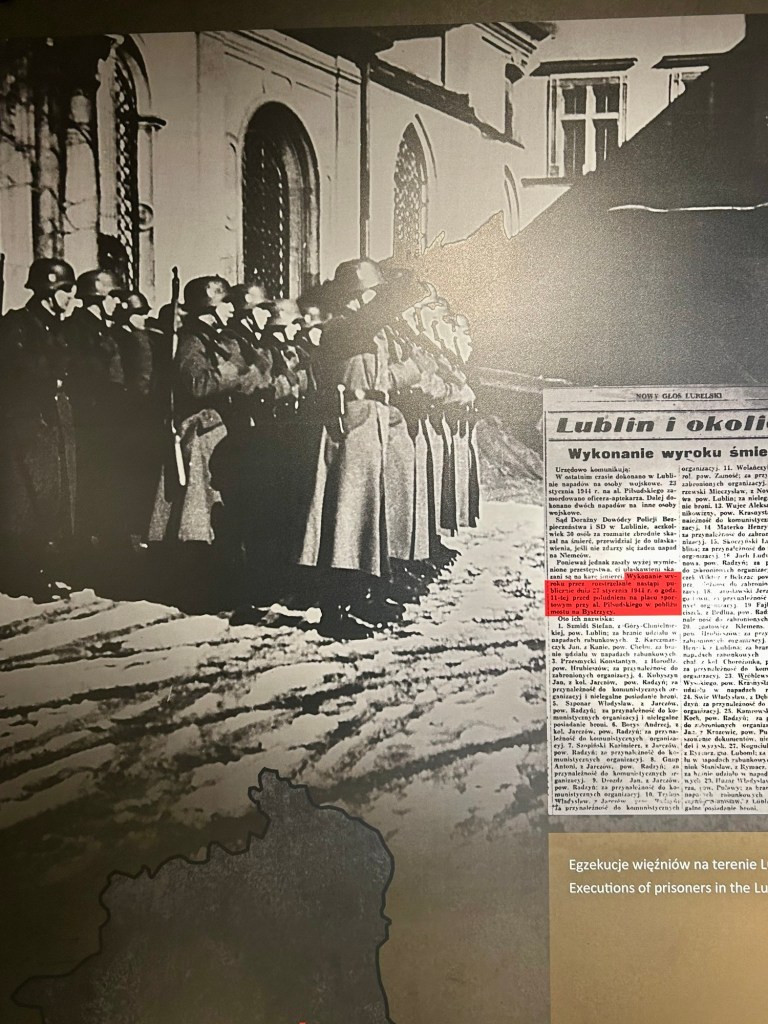
The exhibits include photographs, documents, prisoner lists, and everyday objects that show the dramatic fate of Poles fighting the occupiers.
The exhibition includes audio and video recordings in which survivors talk about their experiences in Gestapo custody. These accounts are a moving testimony to the cruelty of war. One of the most moving is the testimony of Wanda Półtawska – a patriot and underground activist in the Lublin region, on whom the Germans performed cruel experiments related to vaccinations in the women’s prison in Ravensbrück.
More information about German experiments on prisoners can be found in the interview with Dr. Wanda Półtawska in the report prepared by the Institute of National Remembrance – on the link above.
The Museum also displays Gestapo documents, building plans, prisoner lists, and interrogation records that show the methods of the German occupier.
Interactive stands allow visitors to trace the stories of specific people or learn more about the resistance organizations in Lublin.
The Museum conducts a wide range of educational activities, including museum lessons and workshops, classes for young people and adults, which bring closer the history of Lublin during the war and underground activities. There are also meetings with veterans and events, during which you can listen to the memories of witnesses to history and film screenings – including screenings of historical documents and films devoted to World War II.
The museum organizes ceremonies related to important dates, such as the anniversaries of the outbreak of the war, the liberation of Lublin or the activities of the Home Army.
The “Pod Zegarem” Museum is one of the most important places of remembrance in Lublin, visited by people who want to honor the memory of the victims of war. Each exhibit and element of the exhibition reminds us of how precious freedom is and what a great sacrifice previous generations of Poles made to regain it.
We would like to thank the curator of the museum for showing us around.
We recommend that you also visit the Muzeum to learn about the WW2 history.
Text and pictures : Iwona Golińska

 Polish Sue
Leave a comment