The January Uprising, which began on January 22, 1863, was one of the most important national liberation uprisings in Polish history.
In the fight to regain independence the various social classess, including the nobility, townspeople, peasants and clergy, took part in the uprising.
It would be an uprising full of heroism, but also of enormous losses, with numerous executions, deportations to Siberia and repressions against the Polish population.
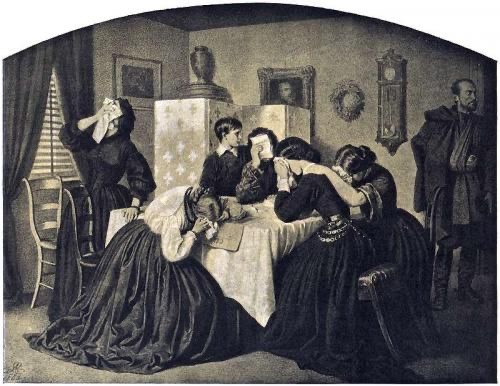
Despite the defeat of the January Uprising, its ideals survived and returned to subsequent generations of Poles.
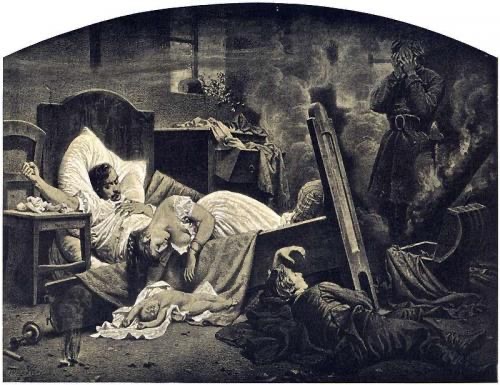
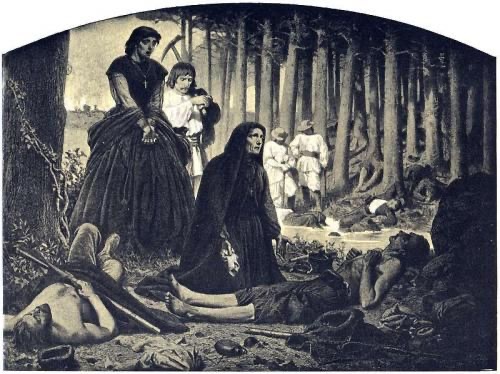
“Polonia” series, VII, “After the enemy leaves”, photo: public domain
Veterans of this uprising were treated as living symbols of patriotism and the fight for freedom in the Second Polish Republic. State ceremonies were organized for them, and their participation in various events was always emphasized with belonging to the organization.
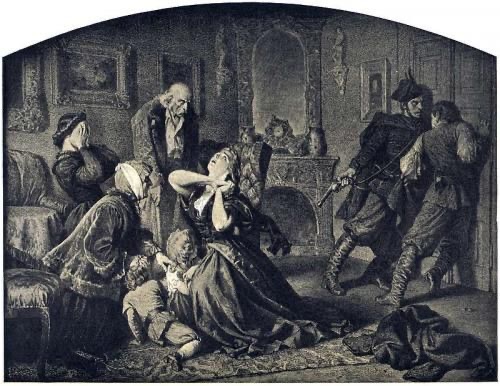
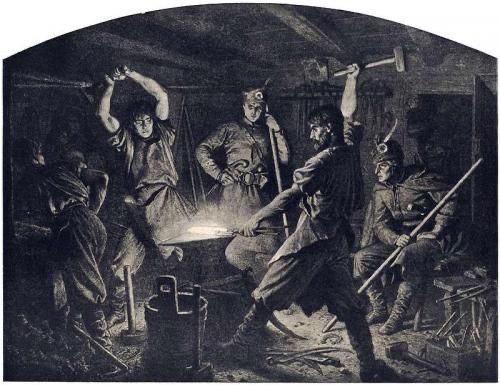
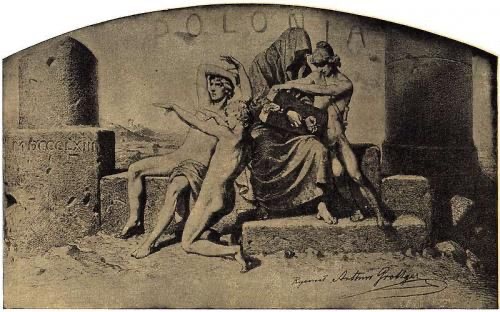
Artur Grottger, author of the crime series “Polonia”, including “Kucia kos”, perpetuated the memory of the January Uprising.
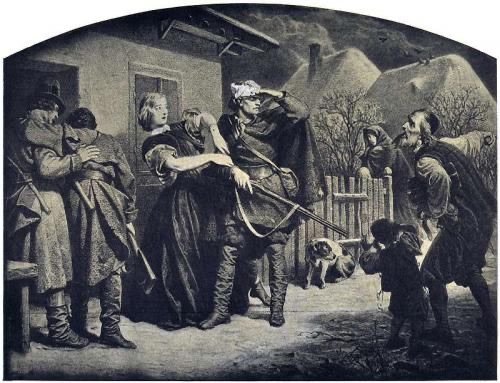
His work, full of action and symbolism, is one of the most important artistic testimonies of what came later, the hardship and determination of those fighting for freedom. The “Polonia” cycle can be admired today at the National Museum in Krakow.
Text: Iwona Golińska , Polish Sue
Photos:
PL
Dzisiaj obchodzimy 162. rocznicę Powstania Styczniowego.
Powstanie Styczniowe, które rozpoczęło się 22 stycznia 1863 roku, było jednym z najważniejszych zrywów narodowowyzwoleńczych w historii Polski.
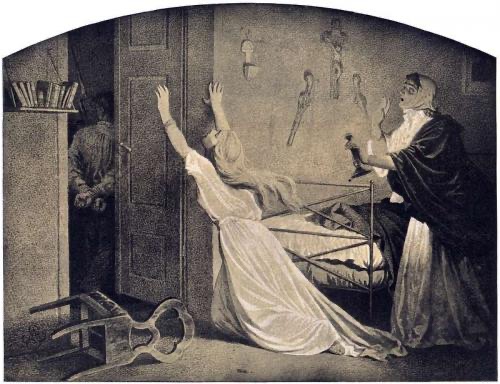
W walce o odzyskanie niepodległości uczestniczyły różnorodne grupy społeczne, w tym szlachta, mieszczanie, chłopi i duchowieństwo.
Było to powstanie pełne heroizmu, ale również ogromnych strat, z licznymi egzekucjami, zsyłkami na Sybir oraz represjami wobec ludności polskiej.
Mimo klęski Powstania Styczniowego, jego ideały przetrwały i wpłynęły na kolejne pokolenia Polaków.
Weterani tego powstania byli w II Rzeczypospolitej traktowani jak żywe symbole patriotyzmu i walki o wolność. Organizowano dla nich uroczystości państwowe, a ich udział w różnych wydarzeniach był zawsze podkreślany z należnym szacunkiem.
Artur Grottger, autor cyklu rysunków “Polonia”, w tym “Kucia kos”, utrwalił w sztuce pamięć o Powstaniu Styczniowym.
Jego dzieła, pełne emocji i symboliki, są jednym z najważniejszych artystycznych świadectw tamtego okresu, ukazując trud i determinację walczących o wolność. Cykl “Polonia” można dziś podziwiać w Muzeum Narodowym w Krakowie.
 Polish Sue
Leave a comment