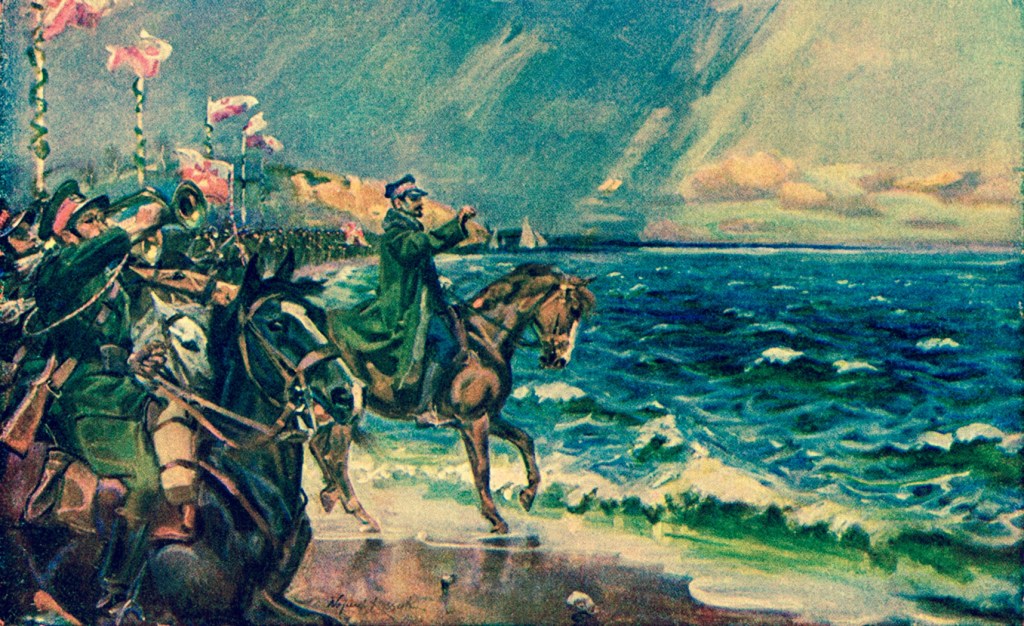
Dziś obchodzimy 105 rocznicę zaślubin Polski z Morzem. Zaślubiny z Morzem to symboliczne wydarzenie, które miało miejsce 10 lutego 1920 roku w Pucku. Po odzyskaniu niepodległości i przyznaniu Polsce dostępu do Bałtyku na mocy traktatu wersalskiego Polska mogła w końcu zaistnieć na mapie Europy, a dostęp do morza był kluczowy dla jej rozwoju.
Aktu zaślubin z morzem dokonał generał Józef Haller, wrzucając platynowy pierścień do morza jako znak wieczystego związku Polski z Bałtykiem. Było to podkreślenie odzyskania suwerenności morskiej przez Polskę po 123 latach rozbiorów.
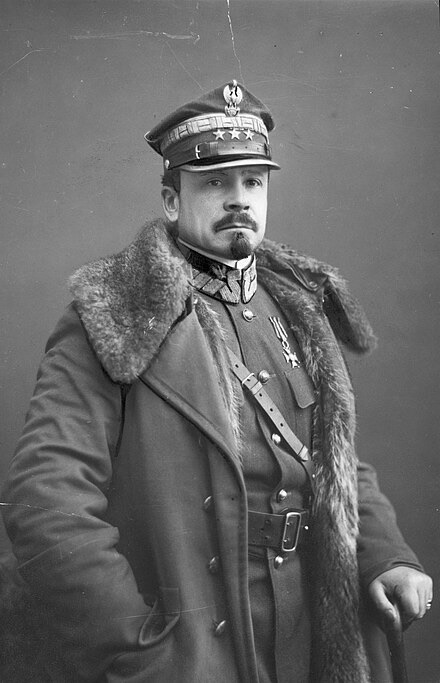
Generał Józef Haller
„Zaślubiny z Morzem” odbyły się po odzyskaniu przez nasz kraj niepodległości w 1918 roku, gdy Polska uzyskała dostęp do Bałtyku na mocy traktatu wersalskiego, który przyznał jej 147 km wybrzeża (bez Gdańska, który został Wolnym Miastem pod kontrolą Ligi Narodów). Aby podkreślić ten historyczny moment odbyła się wielka uroczystość zaślubin z morzem. Przybył na nią dowódca Frontu Pomorskiego, gen. Józef Haller, wraz z polskimi wojskami, które przejmowały Pomorze od Niemców.
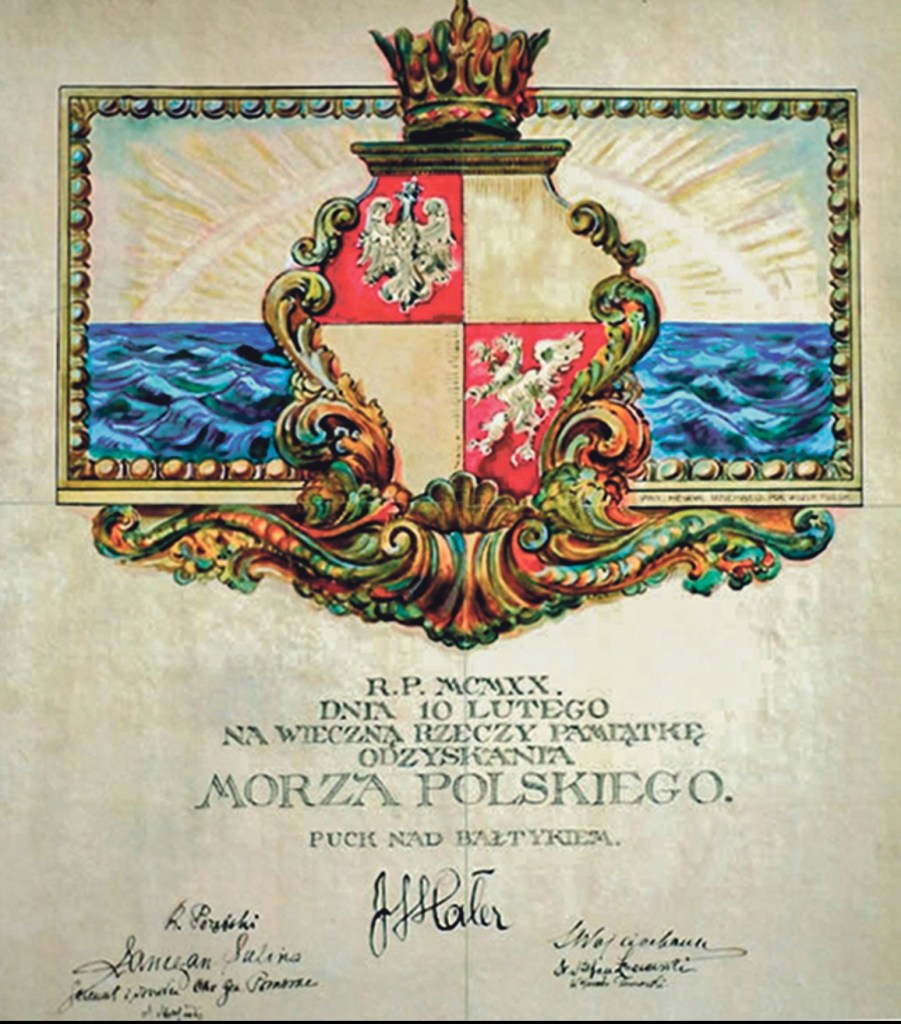
Akt zaślubin Polski z morzem autorstwa Henryka Uziembły
Zaślubiny były symboliczne a odbyły się w obecności przedstawicieli władz oraz mieszkańców – a na początku odprawiono wspólną mszę świętą. Następnie gen. Haller wjechał konno do wód Zatoki Puckiej i wrzucił platynowy pierścień do Bałtyku, symbolizując wieczne połączenie Polski z morzem. Drugim pierścieniem uścisnął dłoń kontradmirała Kazimierza Porębskiego, szefa Sekcji Marynarki Wojennej. Po uroczystości odbyła się defilada wojskowa, a także podniesienie polskiej bandery wojennej na okręcie ORP „Pomorzanin”. Całe wydarzenie miało ogromne znaczenie propagandowe – Polska po 123 latach odzyskała dostęp do morza i podkreśliła swoją suwerenność morską.
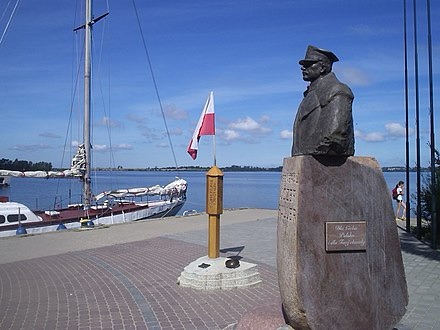
Pomnik Generała Józefa Hallera w Pucku
Utrwalenie symbolicznego związku z morzem miało także praktyczny wymiar – dostęp do Bałtyku stał się podstawą do rozwoju handlu morskiego, budowy portów i rozwoju infrastruktury, co wpłynęło na gospodarczy rozwój kraju.
Polska wykorzystywała symbolikę morza do umacniania swojej pozycji na arenie międzynarodowej. W okresie powojennym miały one dodatkowy wymiar polityczny, związany z nowymi granicami i kształtowaniem się powojennego porządku w Europie.
Uroczystości te przyczyniły się do budowania narracji o suwerenności, odwadze i dążeniu do wolności, co w kolejnych latach miało istotne znaczenie dla kształtowania wspólnej tożsamości narodowej w Polsce.
Po wojnie, już w nowym ustroju politycznym, powtórzono Zaślubiny – to wydarzenie miało miejsce 18 marca 1945 roku w Mrzeżynie i 17 marca 1945 w Kołobrzegu – po zdobyciu Pomorza Zachodniego przez Wojsko Polskie w czasie II wojny światowej. Polscy żołnierze wrzucili pierścienie do morza, symbolizując ponowne połączenie Polski z Bałtykiem po latach okupacji niemieckiej. Wydarzenie w Kołobrzegu miało miejsce po ciężkich walkach o miasto, a jednym z jego uczestników był m.in. Franciszek Dąbrowski, obrońca Westerplatte.
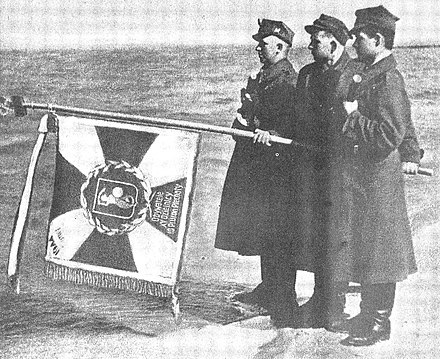
Zaślubiny Polski z Morzem stały się ważnym elementem polskiej symboliki narodowej. Pierwsze, w 1920 roku, były radosnym świętem odzyskanej niepodległości i dostępu do morza. Drugie, w 1945 roku, podkreślały zmianę granic Polski po wojnie i miały wymiar zarówno patriotyczny, jak i propagandowy w kontekście nowego ustroju.
W miastach takich jak Puck, Kołobrzeg czy Mrzeżyno organizowane są obchody rocznicowych wydarzeń związanych z zaślubinami z morzem. W trakcie tych obchodów odbywają się m.in. parady, rekonstrukcje historyczne, uroczyste msze i inne wydarzenia patriotyczne.
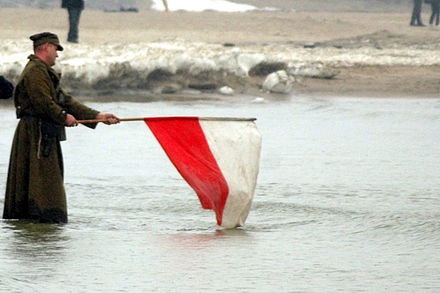
Inscenizacja zaślubin Polski z morzem w 2010 roku w Kołobrzegu
W wielu nadmorskich miejscowościach powstały pomniki, tablice pamiątkowe oraz miejsca muzealne upamiętniające wydarzenia z 1920. Są one miejscem refleksji zarówno dla mieszkańców, jak i turystów, którzy chcą poznać historię Polski.
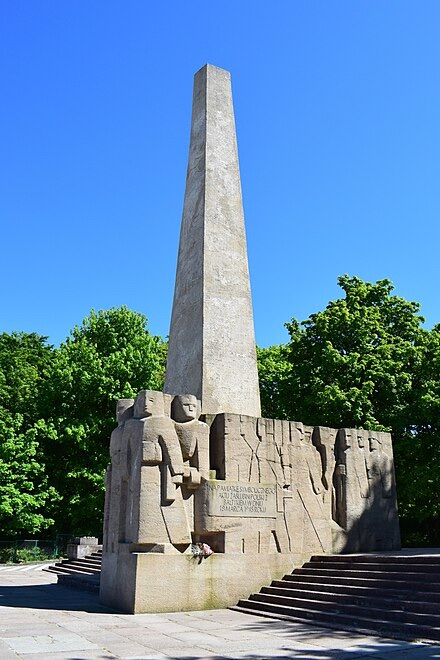
Muzea i wystawy tematyczne prezentują materiały, fotografie, dokumenty oraz relacje świadków tamtych wydarzeń, przybliżając kolejnym pokoleniom znaczenie symboliczne i historyczne zaślubin z morzem.
Temat zaślubin z morzem jest obecny w programach edukacyjnych szkół, gdzie wykorzystywany jest jako przykład patriotycznego dziedzictwa i elementu budowania narodowej tożsamości.
Zaślubiny z morzem nadal są wykorzystywane jako symbol niepodległości oraz suwerenności Polski. Obchody rocznic tych wydarzeń wzbudzają emocje patriotyczne i przypominają o trudnej, ale zwycięskiej historii kraju.
Podsumowując, zaślubiny Polski z morzem miały dalekosiężne konsekwencje – od potwierdzenia suwerenności i umocnienia pozycji międzynarodowej, przez rozwój gospodarczy związany z dostępem do morza, aż po budowanie tożsamości narodowej. Upamiętniane są poprzez oficjalne uroczystości, miejsca pamięci, programy edukacyjne oraz przekazy medialne, które razem pomagają zachować pamięć o tych przełomowych momentach w historii Polski.
Tekst: Iwona Golińska
Zdjęcia: Wikipedia
En
Today we celebrate the 105th anniversary of Poland’s Wedding to the Sea – after 123 years, Poland regained access to the sea and emphasized its maritime sovereignty.
Today we celebrate the 105th anniversary of Poland’s Wedding to the Sea. The Wedding to the Sea is a symbolic event that took place on February 10, 1920 in Puck. After Poland regained independence and was granted access to the Baltic Sea under the Treaty of Versailles, Poland could finally exist on the map of Europe, and access to the sea was crucial for its development.
The act of marriage to the sea was performed by General Józef Haller, who threw a platinum ring into the sea as a symbol of Poland’s eternal connection with the Baltic Sea. This was an emphasis on Poland regaining maritime sovereignty after 123 years of partition.
„The Wedding of Poland to the Sea” on February 10, 1920 in Puck took place after our country regained independence in 1918, when Poland gained access to the Baltic Sea under the Treaty of Versailles, which granted it 147 km of coastline (excluding Gdańsk, which became a Free City under the control of the League of Nations). To emphasize this historical moment, on February 10, 1920, the Great Wedding to the Sea ceremony took place in Puck. The commander of the Pomeranian Front, General Józef Haller, arrived there, along with Polish troops who were taking over Pomerania from the Germans.
The wedding took place in the presence of representatives of the authorities and residents – and at the beginning, a joint Holy Mass was celebrated. Afterwards General Haller rode a horse into the waters of the Bay of Puck and threw a platinum ring into the Baltic Sea, symbolizing the eternal connection of Poland with the sea. With the second ring he shook the hand of Rear Admiral Kazimierz Porębski, head of the Navy Section.
After the ceremony, a military parade took place, as well as the raising of the Polish war flag on the ORP “Pomorzanin” ship.
The entire event had a huge propaganda significance – after 123 years, Poland regained access to the sea and emphasized its maritime sovereignty.
The consolidation of the symbolic connection with the sea also had a practical dimension – access to the Baltic Sea became the basis for the development of maritime trade, the construction of ports and the development of infrastructure, which influenced the economic development of the country.
Poland used the symbolism of the sea to strengthen its position in the international arena. In the post-war period, they had an additional political dimension, related to the new borders and the formation of the post-war order in Europe.
These celebrations contributed to building a narrative of sovereignty, courage and the pursuit of freedom, which in subsequent years was of significant importance for shaping a common national identity in Poland.
After the war, the Wedding was repeated – this symbolic event took place on March 18, 1945 in Mrzeżyno and March 17, 1945 in Kołobrzeg – after the Polish Army captured Western Pomerania during World War II. Polish soldiers threw the rings into the sea, symbolizing Poland’s reunification with the Baltic Sea after years of German occupation. The event in Kołobrzeg took place after heavy fighting for the city, and one of its participants was Franciszek Dąbrowski, the defender of Westerplatte.
The Wedding of Poland to the Sea became an important element of Polish national symbolism. The first, in 1920, was a joyful celebration of regained independence and access to the sea. The second, in 1945, emphasized the change of Poland’s borders after the war and had both a patriotic and propaganda dimension in the context of the new system.
In cities such as Puck, Kołobrzeg and Mrzeżyno, anniversary celebrations related to the wedding to the sea are organized. During these celebrations, parades, historical reenactments, ceremonial masses and other patriotic events are held.
In many coastal towns, monuments, commemorative plaques and museums have been created to commemorate the events of 1920. They are a place of reflection for both residents and tourists who want to learn about the history of Poland.
Museums and thematic exhibitions present materials, photographs, documents and accounts of witnesses to those events, bringing the symbolic and historical significance of the wedding to the sea closer to future generations. The theme of the wedding to the sea is present in educational programs at schools, where it is used as an example of patriotic heritage and an element of building national identity.
The wedding to the sea is still used as a symbol of Poland’s independence and sovereignty. Celebrations of the anniversaries of these events arouse patriotic emotions and remind us of the difficult but victorious history of the country.
To sum up, Poland’s wedding to the sea had far-reaching consequences – from confirming sovereignty and strengthening its international position, through economic development related to access to the sea, to building a national identity. They are commemorated through official ceremonies, places of remembrance, educational programs and media coverage, which together help to preserve the memory of these breakthrough moments in Polish history.
Text: Iwona Golińska
Photos: Wikipedia
 Polish Sue
Leave a comment