

On April 19, 1943, as the world remained engulfed in the darkness of World War II, a spark of resistance flared in the heart of Nazi-occupied Warsaw. The Warsaw Ghetto Uprising remains a defining symbol of courage, sacrifice, and the human spirit’s unyielding desire for dignity.
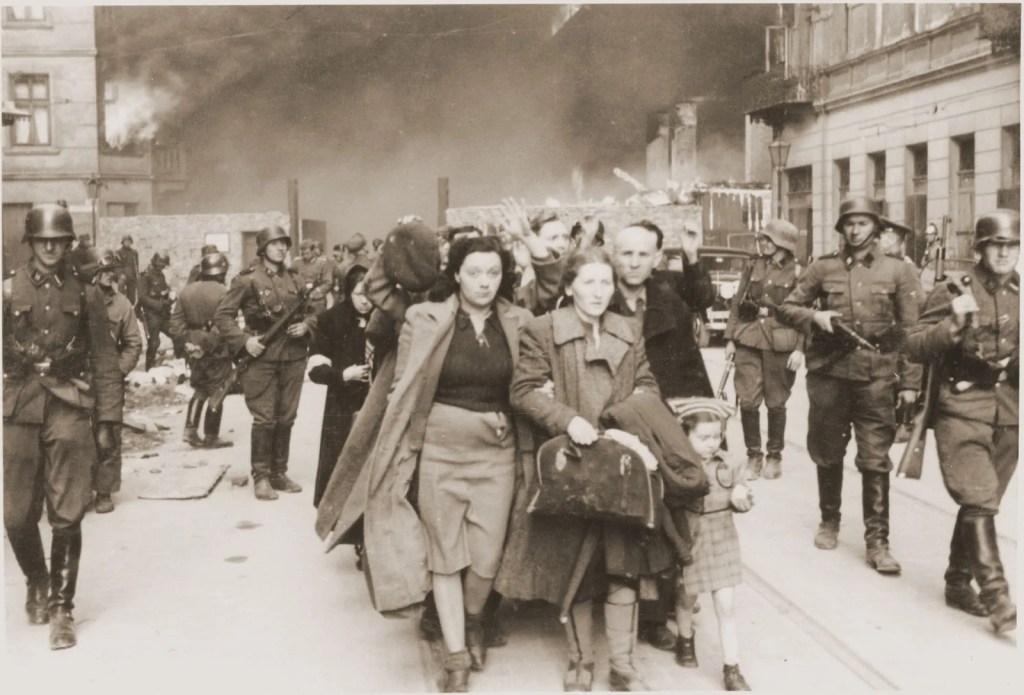
A family marching at the head of a column of Jews on their way to be deported during the Warsaw Ghetto Uprising in 1943.
In November 1940, the German occupying forces established the Warsaw Ghetto—the largest of all Jewish ghettos in Nazi-occupied Europe. Enclosed by walls, sealed from the outside world, and plagued by starvation, disease, and brutality, the ghetto imprisoned over 400,000 Jews in inhumane conditions. By the summer of 1942, the Nazis began “Operation Reinhard”—the systematic deportation and extermination of Polish Jews. In just a few months, approximately 300,000 men, women, and children were transported from the ghetto to the Treblinka extermination camp.
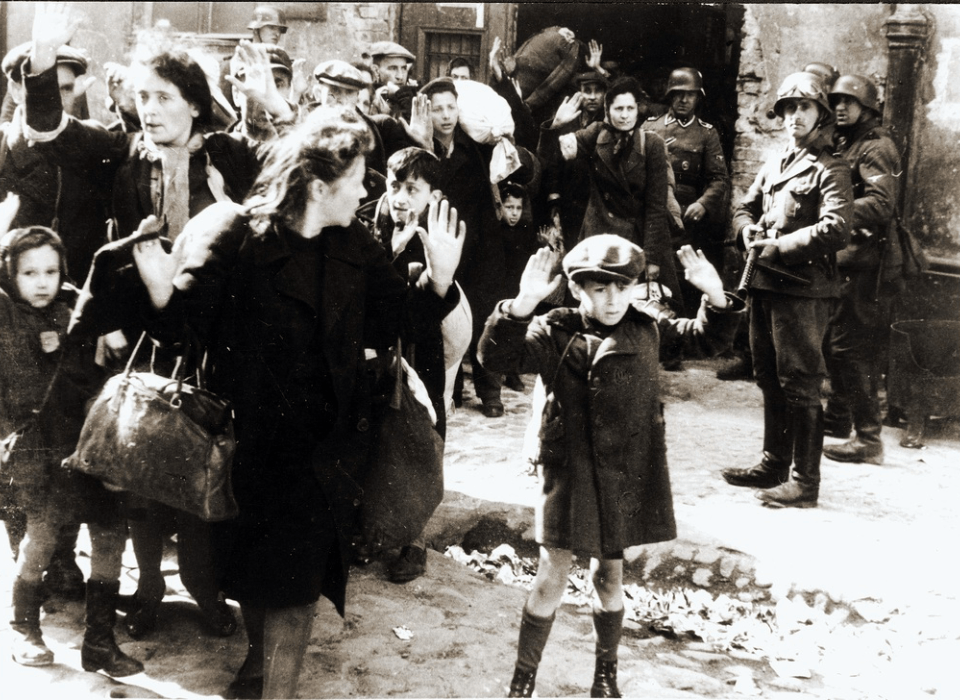
Photo: People being forced out of the bunkers and marching at gunpoint to the deportation area. This photo was taken as part of a German military report to glorify the destruction of the Warsaw Ghetto. The report was later used as evidence in the Nuremberg trials. United States Holocaust Memorial Museum, courtesy of National Archives and Records Administration, College Park.
The mass deportations ignited a new resolve among the remaining Jews. Aware of the fate that awaited them, several underground resistance organizations formed, most notably the Żydowska Organizacja Bojowa (ŻOB)—the Jewish Combat Organization—led by young figures like Mordechai Anielewicz, and the Żydowski Związek Wojskowy (ŻZW)—the Jewish Military Union.
They had little more than pistols, homemade grenades, and sheer will. Yet, they prepared for the inevitable: one final stand against annihilation.
On the eve of Passover, April 19, 1943, German forces entered the ghetto to carry out the final liquidation. They were met with unexpected resistance—gunfire from rooftops, grenades from alleyways, and an unwavering refusal to surrender. What the Germans thought would take a day dragged into nearly a month of fighting.
Though hopelessly outgunned, the Jewish fighters resisted until May 16, 1943, when the Germans razed the Great Synagogue of Warsaw and declared the uprising crushed. In truth, their spirit had not been defeated.
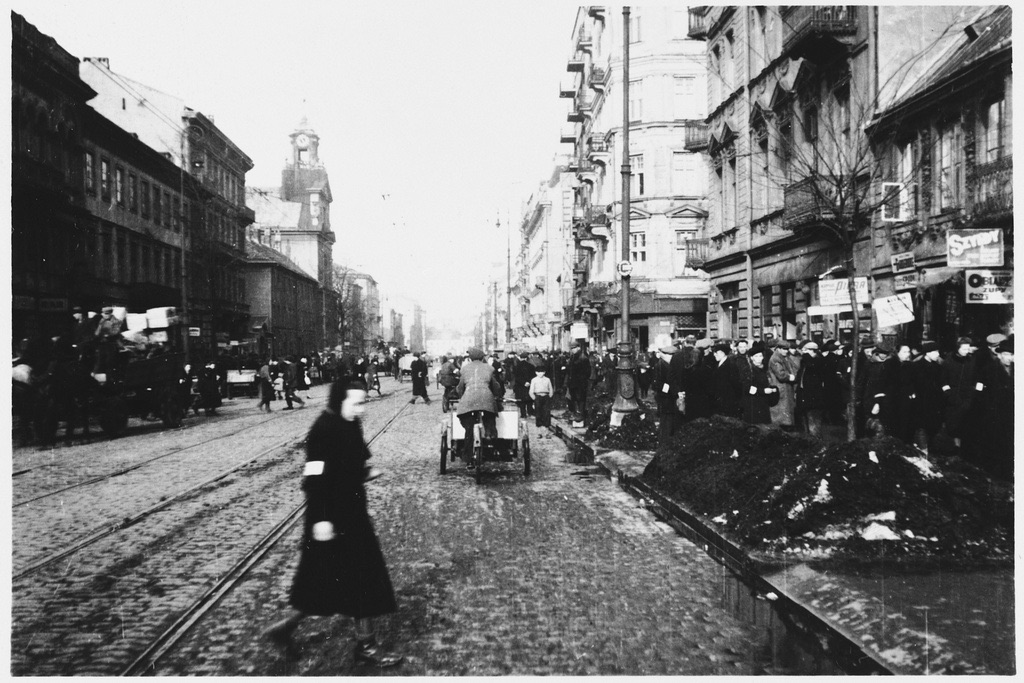
Jews walk along a crowded street in the Warsaw Ghetto, circa 1942. United States Holocaust Memorial Museum.
While the uprising unfolded in Warsaw, Jan Karski, a member of the Polish underground resistance, was already risking his life to inform the Allies about the horrors befalling Europe’s Jews.
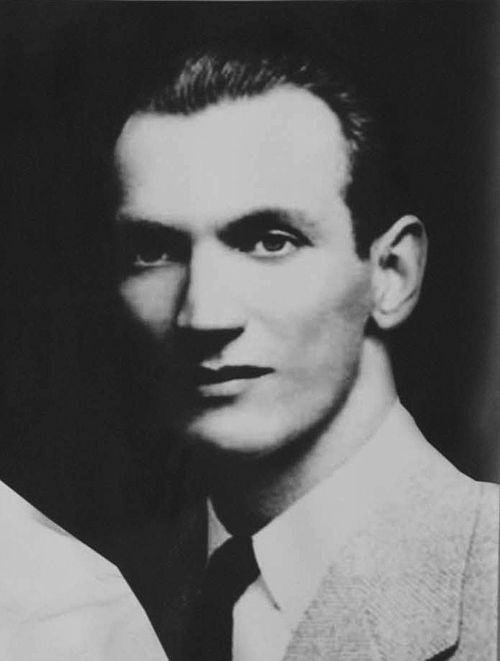
In 1942, Karski secretly entered the Warsaw Ghetto disguised as a guard. He witnessed the appalling conditions firsthand. He also visited a transit camp near Bełżec disguised as a Ukrainian camp guard. With these harrowing observations, he became one of the first witnesses to deliver eyewitness testimony of the Holocaust to Western leaders.
Karski met with British Foreign Secretary Anthony Eden and later with U.S. President Franklin D. Roosevelt in 1943. He pleaded for intervention and assistance for Europe’s Jews—but was met mostly with disbelief or inaction. The enormity of the crime was too great for many to comprehend.
Karski’s courage to bear witness is now recognized as a profound act of moral resistance. Though the world largely failed to act at the time, his testimony laid the groundwork for Holocaust awareness in the post-war years.
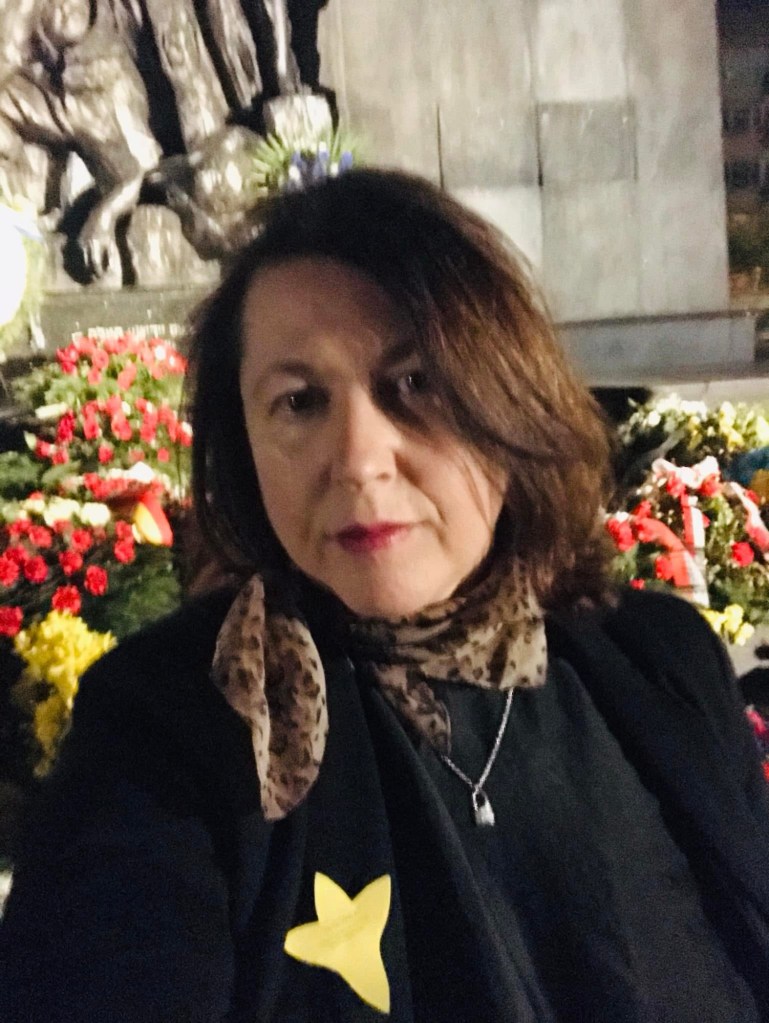
In the ruins of the ghetto, tens of thousands perished. The majority of those who survived the fighting were either executed on the spot or deported to death camps.
But the uprising became a symbol—a cry of defiance that echoed beyond Warsaw’s walls. It was the first large-scale armed resistance against the Nazis by a civilian population in occupied Europe. Its legacy inspired uprisings in other ghettos and even in Nazi death camps like Sobibor and Treblinka.

Z okazji 80 lecia Powstania w Warszawskim Getcie wzięliśmy udział w niezwykle uroczystym koncercie -„Łączy nas pamięć” w Muzeum Historii Żydów Polskich POLIN.
Po koncercie złożylismy hołd bohaterom tej walki przy Pomniku Bohaterów Getta w Warszawie oraz odwiedziliśmy położony niedaleko pomnik Jan Karskiego –
emisariusza władz Polskiego Państwa Podziemnego, który jako pierwszy złożył krajom na Zachodzie raport o tym, że Niemcy planują masowa eksterminację Żydów.
https://www.facebook.com/share/16RrEFeyBS/?mibextid=wwXIfr
Today, we honor the memory of the fighters, their families, the brave messengers like Jan Karski, and all victims of the Holocaust. The yellow daffodil has become a symbol of remembrance—resembling the flowers worn by survivors and laid in tribute at the monument to the Ghetto Heroes in Warsaw.
In remembering their sacrifice, we not only pay tribute to their bravery but reaffirm our commitment to never forget the horrors they endured and the humanity they upheld under the most inhuman conditions.
#WarsawGhettoUprising
#JanKarski
#HolocaustRemembrance
#RememberingTogether
#NeverForget
#polishsue
Text : Iwona Golinska,
Photos : Polish Sue

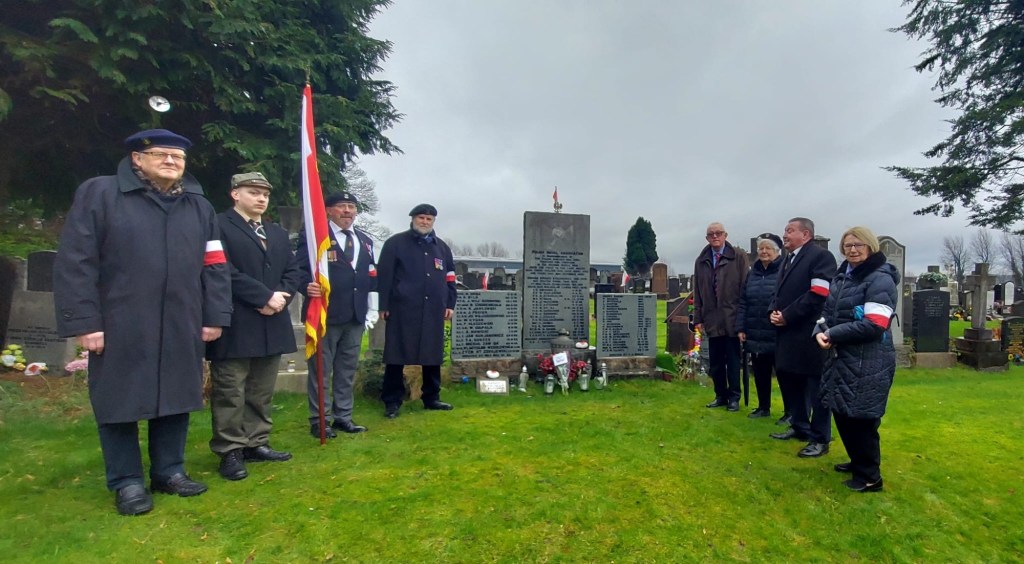
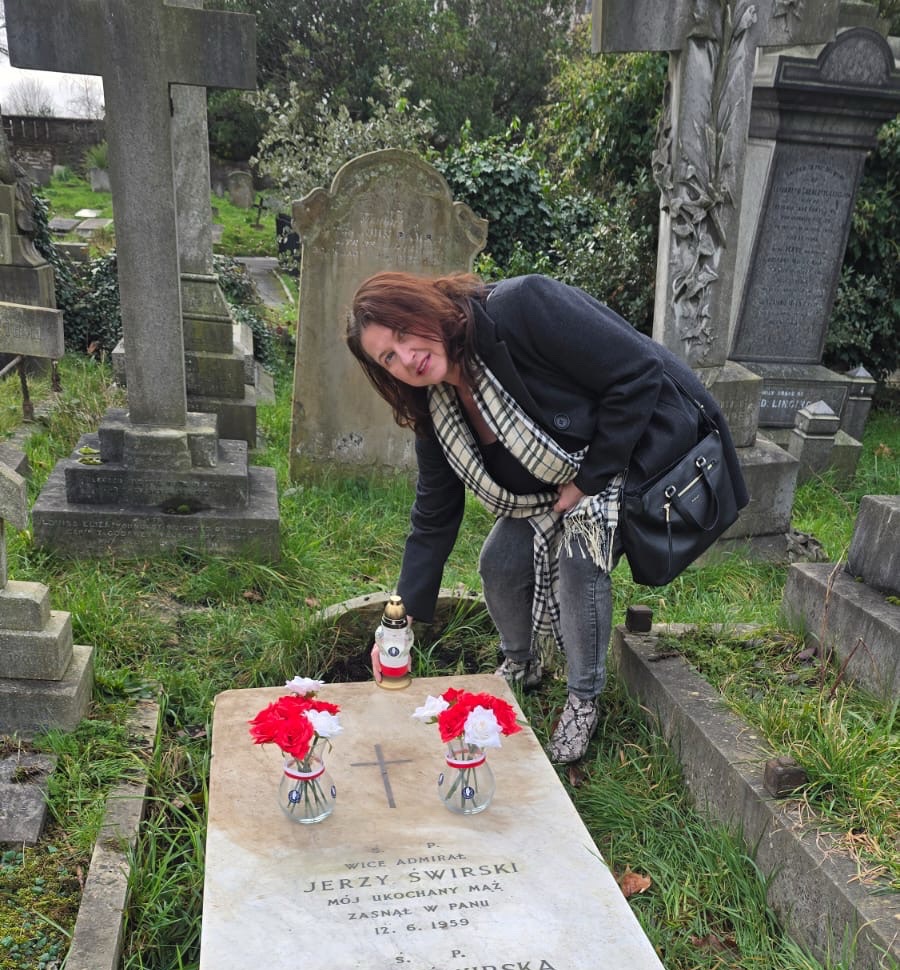
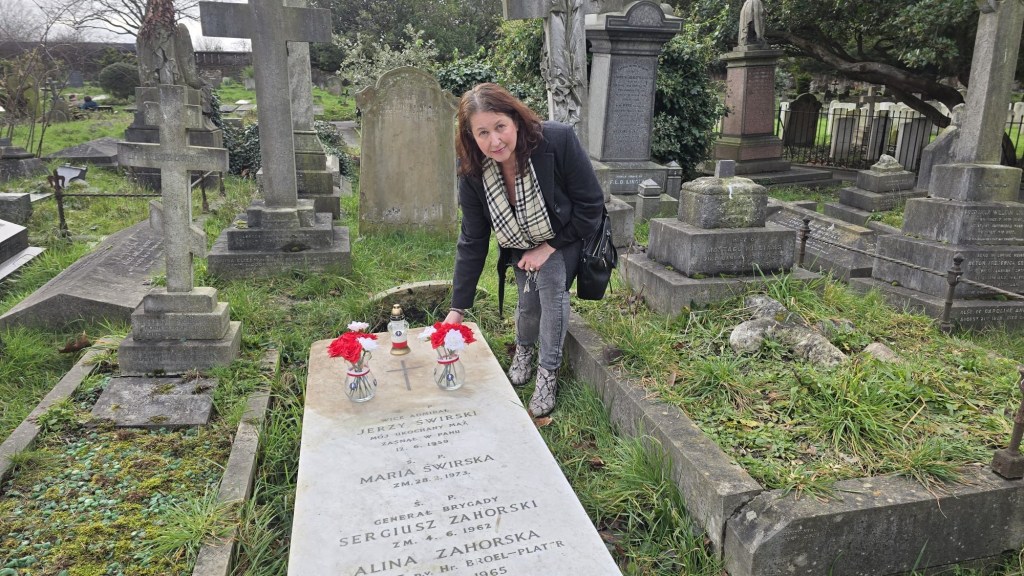
 Polish Sue
Leave a comment