
“Wadowice — Everything Began Here” – Saint John Paul II, 1999
On May 18, 1920, in the quiet Polish town of Wadowice, nestled near the Beskid Mountains, a boy was born who would one day become a global spiritual leader and one of the most influential figures of the 20th century. His name was Karol Józef Wojtyła — known to the world as Pope John Paul II, and later canonized as Saint John Paul II.
From humble beginnings, he would rise to the papacy, guiding the Catholic Church and shaping the global conversation on human rights, dignity, and faith.

“I had a mother, a father, a brother — I lost all of them before I was twenty.” – Saint John Paul II
Karol Wojtyła’s early life was marked by hardship and faith. His mother, Emilia, died when he was just eight years old. His older brother, Edmund, a physician, died of scarlet fever when Karol was twelve. His father, a retired army officer and devout Catholic, died in 1941 while Karol was a student.
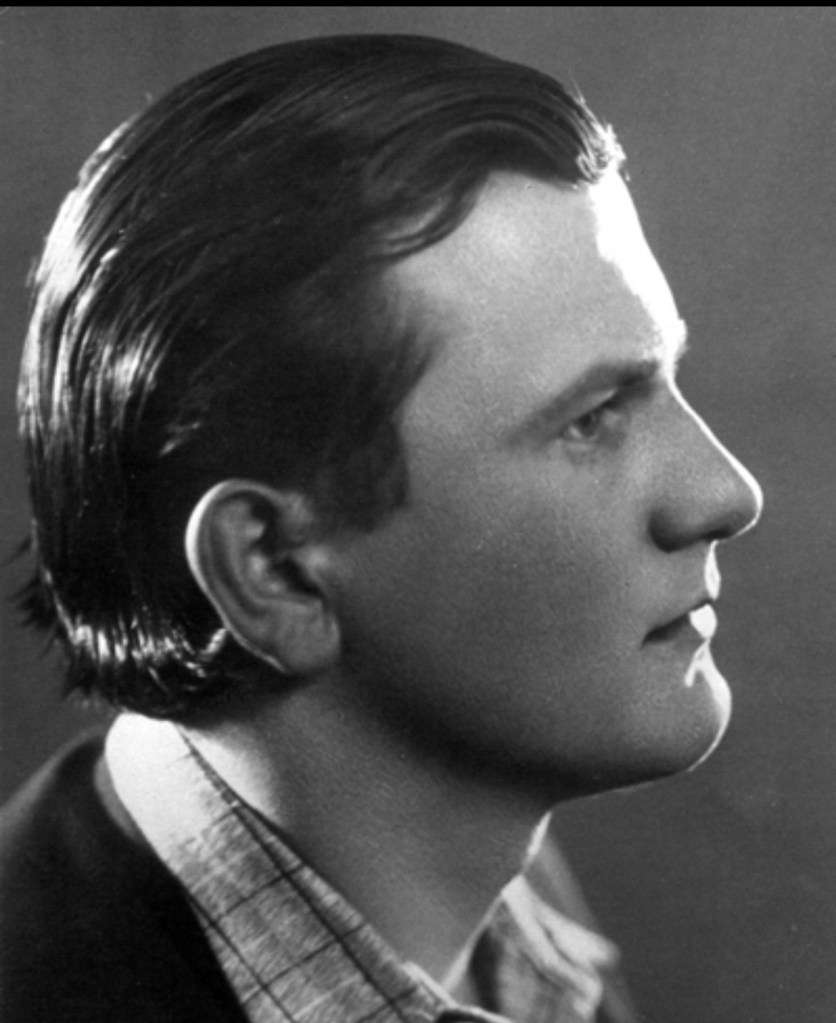
Despite these personal losses, Karol found strength in prayer and intellectual pursuits. He loved poetry, theater, and sports — particularly soccer and skiing. He was a brilliant student at Kraków’s Jagiellonian University, until World War II and the Nazi occupation forced its closure.
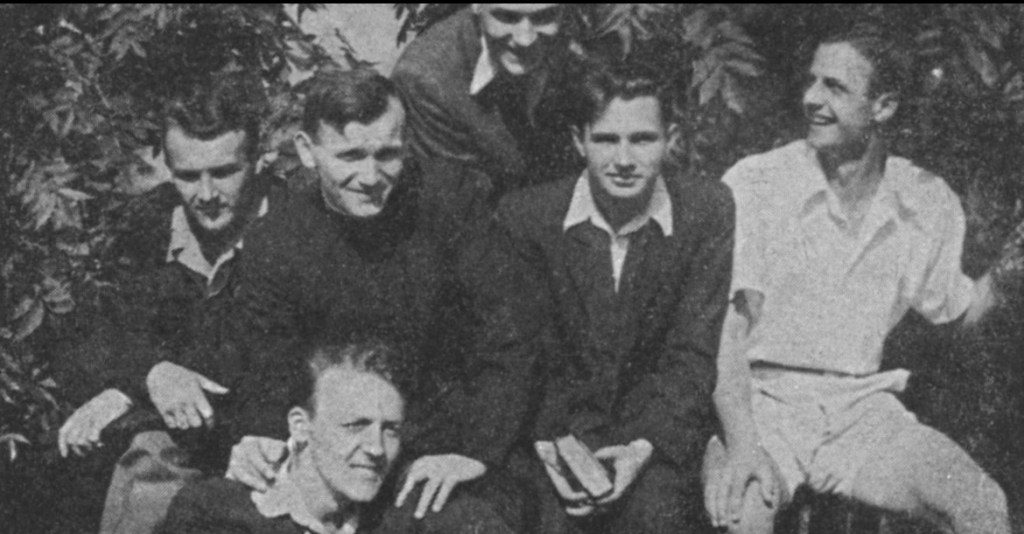
Karol Wojtyła (second top left) among his peers during his seminary years, the formative community that shaped his theological and pastoral outlook. Photo: Wikipedia
Working in a quarry and later in a chemical plant to avoid deportation, he simultaneously pursued a secret seminary education under the guidance of the underground Church. These years shaped his understanding of suffering, resilience, and the spiritual strength of the Polish people.
“The future starts today, not tomorrow.” – Saint John Paul II
Ordained a priest in 1946, Wojtyła studied in Rome before returning to Poland, where he quickly emerged as a gifted pastor, philosopher, and theologian. He taught ethics at the Catholic University of Lublin and became known for his engagement with youth and families.
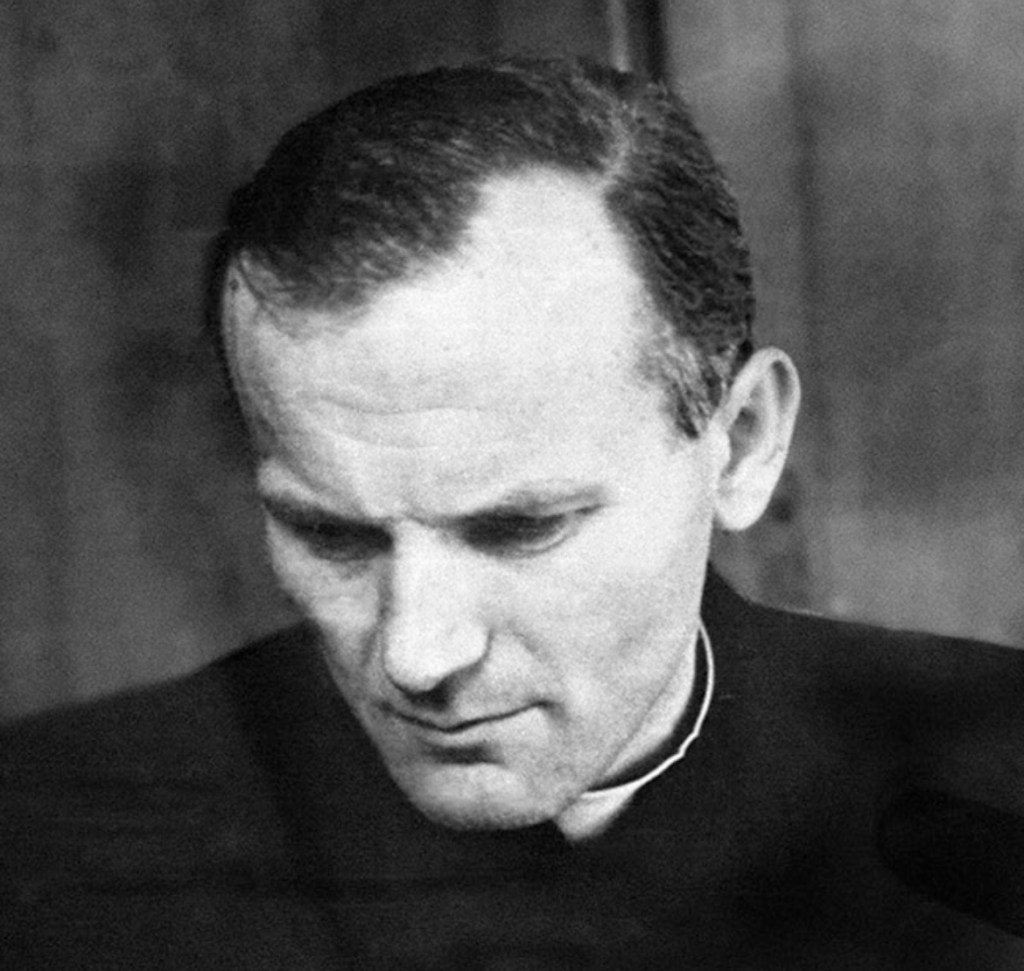
In 1958, at just 38, he was appointed Auxiliary Bishop of Kraków, and in 1964, Archbishop. He was made a cardinal in 1967 by Pope Paul VI.
Wojtyła’s leadership was defined by his quiet strength, intellectual depth, and his challenge to the Communist regime’s restrictions on religion and human rights.
“Be not afraid! Open wide the doors to Christ.” – Inaugural Homily, October 22, 1978
On October 16, 1978, Cardinal Wojtyła was elected Pope John Paul II, the first non-Italian pope in 455 years, and the first Slavic pope in history. His election shocked the world — and electrified his homeland, where millions saw hope in his leadership.
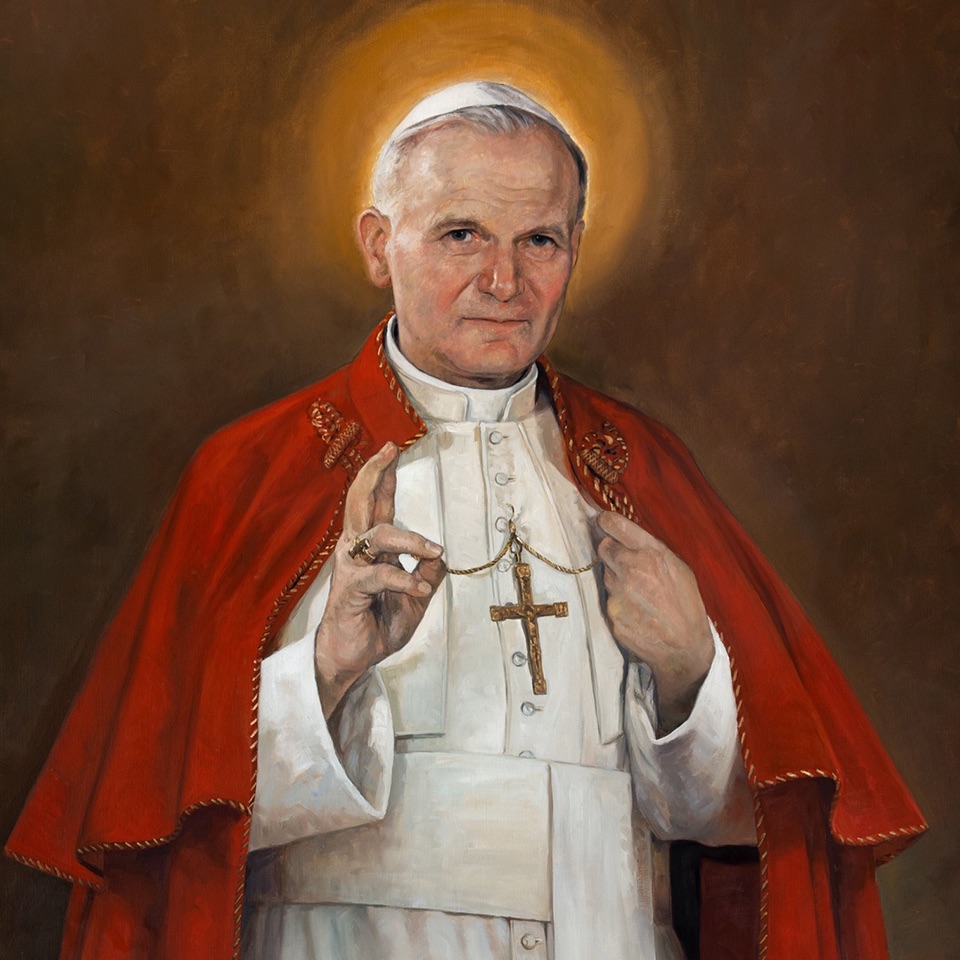
John Paul II’s papacy lasted over 26 years – the third-longest in Church history – and was characterized by profound theological teaching, international diplomacy, and unprecedented outreach.
His Major Contributions Included visiting 129 countries, he brought the papacy directly to the people, including historic visits to Communist nations, Muslim and Jewish communities, and even remote indigenous populations.
He played a huge role in ending Communism. His support for Poland’s Solidarity movement and his moral pressure on totalitarian regimes contributed to the collapse of the Iron Curtain.
John Paul II Initiated World Youth Day in 1985, these gatherings inspired generations of young Catholics and remain a central tradition.
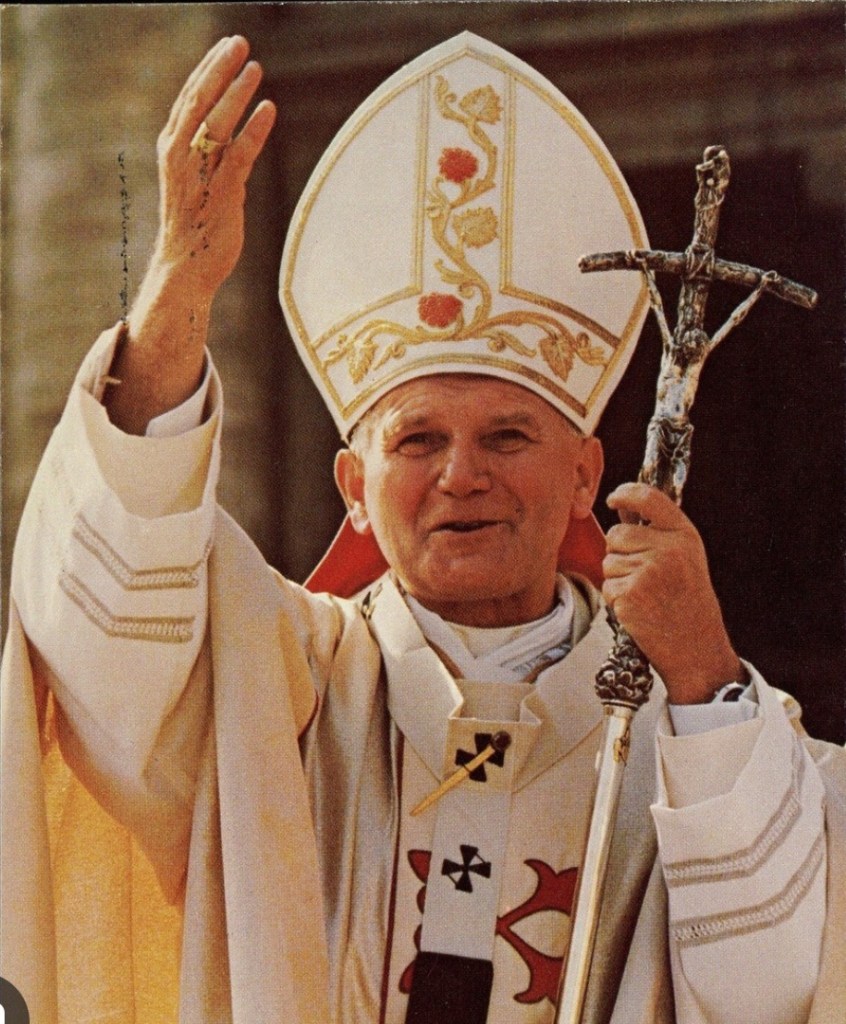
His groundbreaking teachings on human dignity, sexuality, and love have influenced Catholic moral thought worldwide.
He was the first pope to visit a synagogue and a mosque, reaching out to Jews, Muslims, and people of other faiths in the spirit of mutual respect and peace.
“Freedom consists not in doing what we like, but in having the right to do what we ought.” – Saint John Paul II
In 1981, John Paul II survived an assassination attempt in St. Peter’s Square. In an extraordinary act of Christian forgiveness, he later visited his attacker in prison and offered his personal pardon.
As he aged, he faced Parkinson’s disease and growing frailty, which he bore with humility and openness, continuing to appear publicly and advocate for the sick, elderly, and marginalized. His visible suffering became a testimony to the dignity of life in every stage.
“Do not abandon yourselves to despair. We are the Easter people, and hallelujah is our song.” – Saint John Paul II
Pope John Paul II passed away on April 2, 2005, as millions prayed around the world. His funeral drew over 4 million mourners to Rome, and his legacy transcended religious and political boundaries.
He was beatified in 2011 and canonized on April 27, 2014 by Pope Francis. Today, he is celebrated as Saint John Paul II, with his feast day observed on October 22.
We would like to share with our readers these enduring words – quotes by John to Remember:
“Totus Tuus” – His papal motto, meaning “Totally Yours,” referring to his Marian devotion.
“A person’s rightful due is to be treated as an object of love, not as an object for use.”
“The worst prison would be a closed heart.”
“As the family goes, so goes the nation and so goes the whole world.”
More than a century after his birth, Saint John Paul II remains a source of inspiration. His message of hope, courage, forgiveness, and unwavering commitment to truth continues to resonate in a world still hungry for moral leadership and spiritual light.
From the small town of Wadowice emerged a man who changed history not through power, but through faith.
“In the designs of Providence, there are no mere coincidences.”
– Saint John Paul II
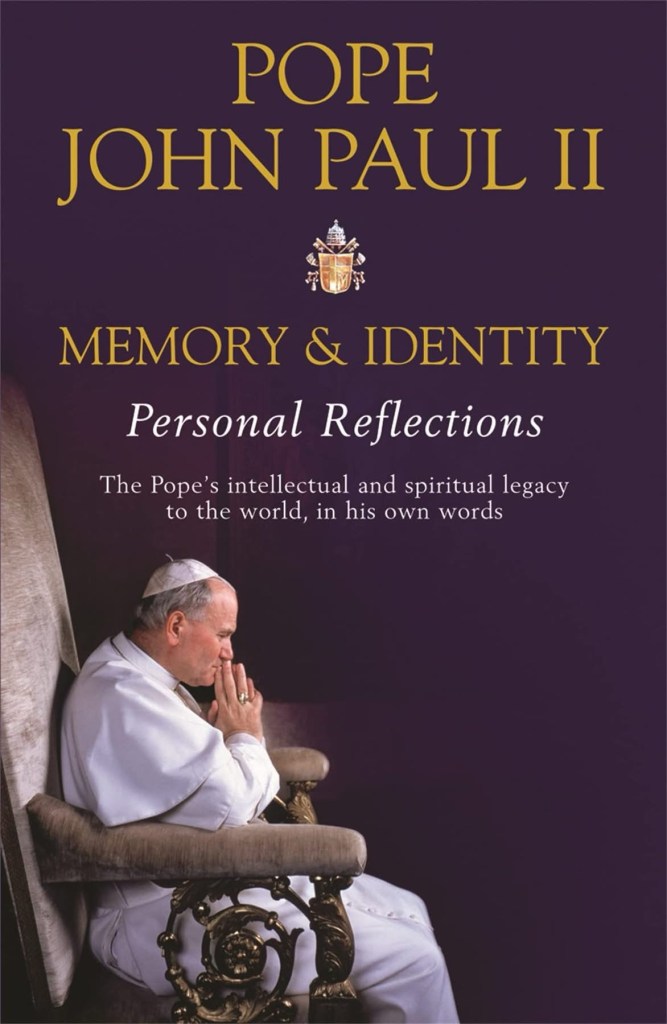
Memory and Identity is the last book written by Pope John Paul II. It was published in 2005. The work consists of 26 chapters, each opening with a short narrative paragraph, sometimes including one or more questions. The rest of the chapter consists of the Pope’s answers or reactions to the opening paragraph.
Text: Iwona Golińska
 Polish Sue
Leave a comment