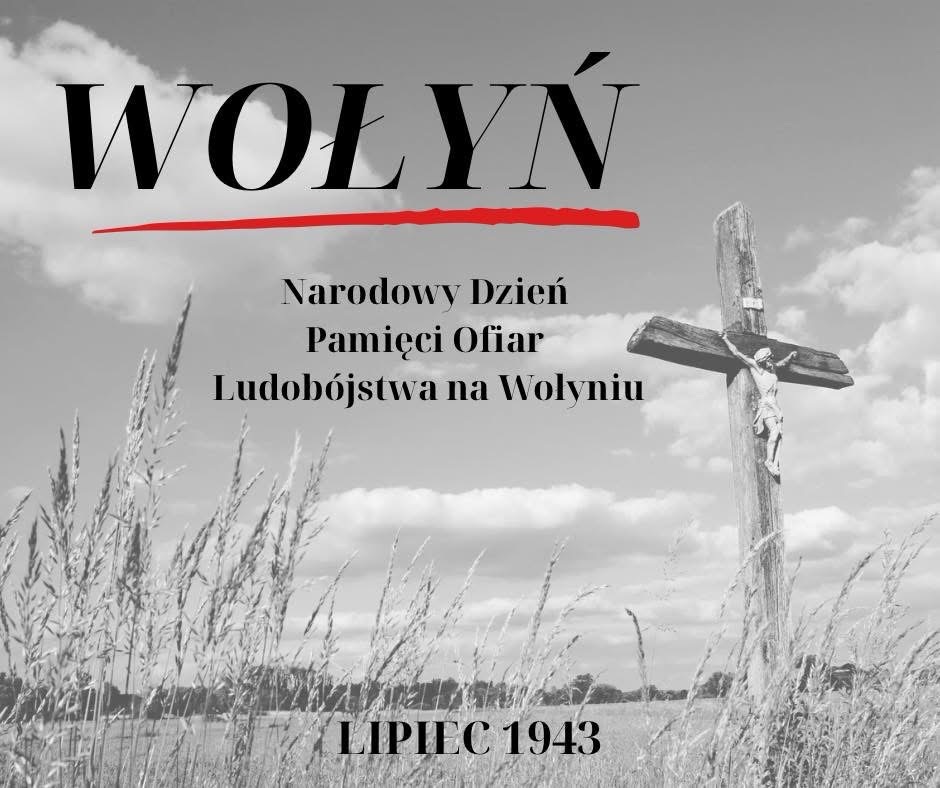
11 lipca obchodzimy Narodowy Dzień Pamięci Ofiar Ludobójstwa dokonanego przez ukraińskich nacjonalistów na obywatelach II Rzeczypospolitej Polskiej – jedno z najboleśniejszych świąt w polskim kalendarzu pamięci narodowej. To dzień refleksji nad tragedią, która rozegrała się w latach 1943–1945 na Wołyniu i w Małopolsce Wschodniej – regionach zamieszkałych przez wielowiekowe społeczności polskie.
Data 11 lipca nie jest przypadkowa. To właśnie wtedy, w tzw. „krwawą niedzielę”, ukraińscy nacjonaliści z OUN-UPA dokonali skoordynowanego ataku na blisko 100 polskich miejscowości w województwie wołyńskim. Do napaści doszło głównie rano, gdy ludność cywilna gromadziła się na mszach świętych. Napastnicy otaczali kościoły, domy i całe wsie, po czym przystępowali do brutalnych egzekucji.
Z rąk oprawców ginęły całe rodziny – kobiety, dzieci, starcy, księża. Mordowano ich w sposób niewyobrażalnie okrutny – często przy użyciu siekier, wideł, pił czy młotów. Ginęli wyłącznie dlatego, że byli Polakami. Zbrodni tych nie można tłumaczyć konfliktem etnicznym czy wojennym chaosem – były one planowane, systematyczne i noszą znamiona czystki etnicznej, zgodnie z ideologią „czystej Ukrainy”.
Według różnych szacunków, zginęło od 100 do 130 tysięcy Polaków – głównie cywilów. Zrównano z ziemią setki wsi i osad. Wiele z nich nigdy nie zostało odbudowanych, a o ich istnieniu przypominają dziś jedynie krzyże i tablice.
Przez dekady temat zbrodni na Wołyniu był tematem tabu – zarówno w PRL, jak i po stronie ukraińskiej. Dopiero w ostatnich latach, dzięki pracy historyków, organizacji kombatanckich i środowisk kresowych, możliwe stało się odkłamywanie tej historii.
W 2016 roku Sejm RP przyjął uchwałę ustanawiającą 11 lipca Narodowym Dniem Pamięci Ofiar Ludobójstwa. To nie tylko wyraz szacunku dla poległych, ale także przypomnienie o obowiązku pielęgnowania prawdy historycznej – nawet jeśli jest ona trudna i bolesna.
Dziś, 11 lipca, oddajemy cześć niewinnym ofiarom – tym, którzy nie doczekali sprawiedliwości, a także tym, których szczątki do dziś spoczywają w bezimiennych mogiłach.
Pamięć o tej tragedii nie jest aktem zemsty. Jest wyrazem hołdu, prawdy i sprawiedliwości. Tylko na fundamencie uczciwej pamięci możliwe jest budowanie porozumienia między narodami. Pojednanie nie może odbywać się kosztem zapomnienia.
Cześć Ich Pamięci.
En.
July 11th – National Day of Remembrance for the Victims of the Volhynia Genocide. In tribute to the innocent victims of the crimes of the OUN-UPA
On July 11th, we commemorate the National Day of Remembrance for the Victims of the Genocide perpetrated by Ukrainian nationalists against citizens of the Second Polish Republic – one of the most painful holidays in the Polish calendar of national remembrance. It is a day of reflection on the tragedy that unfolded between 1943 and 1945 in Volhynia and Eastern Lesser Poland – regions inhabited by centuries-old Polish communities.
The date of July 11th is not accidental. It was then, on the so-called “Bloody Sunday,” that Ukrainian nationalists from the OUN-UPA launched a coordinated attack on nearly 100 Polish towns in the Volhynia Voivodeship. The attacks occurred primarily in the morning, when civilians were gathering for Holy Mass. The attackers surrounded churches, homes, and entire villages, then began brutal executions.
Entire families – women, children, the elderly, and priests – perished at the hands of their executioners. They were murdered in unimaginably cruel ways, often using axes, pitchforks, saws, and hammers. They died solely because they were Poles. These crimes cannot be explained by ethnic conflict or the chaos of war – they were planned, systematic, and bear the hallmarks of ethnic cleansing, in line with the ideology of “pure Ukraine.”
According to various estimates, between 100,000 and 130,000 Poles – mostly civilians – perished. Hundreds of villages and settlements were razed to the ground. Many were never rebuilt, and only crosses and plaques remain to remind us of their existence.
For decades, the topic of the Volhynia crimes was taboo – both in the Polish People’s Republic and on the Ukrainian side. Only in recent years, thanks to the work of historians, veterans’ organizations, and borderland communities, has it become possible to debunk this history.
In 2016, the Polish Parliament adopted a resolution establishing July 11th as the National Day of Remembrance for the Victims of Genocide. This is not only an expression of respect for the fallen, but also a reminder of the obligation to cultivate historical truth – even if it is difficult and painful.
Today, July 11th, we honor the innocent victims – those who did not live to see justice, as well as those whose remains remain in unmarked graves.
Remembering this tragedy is not an act of revenge. It is an expression of tribute, truth, and justice. Only on the foundation of honest remembrance is it possible to build understanding between nations. Reconciliation cannot come at the expense of forgetting.
Honor Their Memory.
 Polish Sue
Leave a comment