
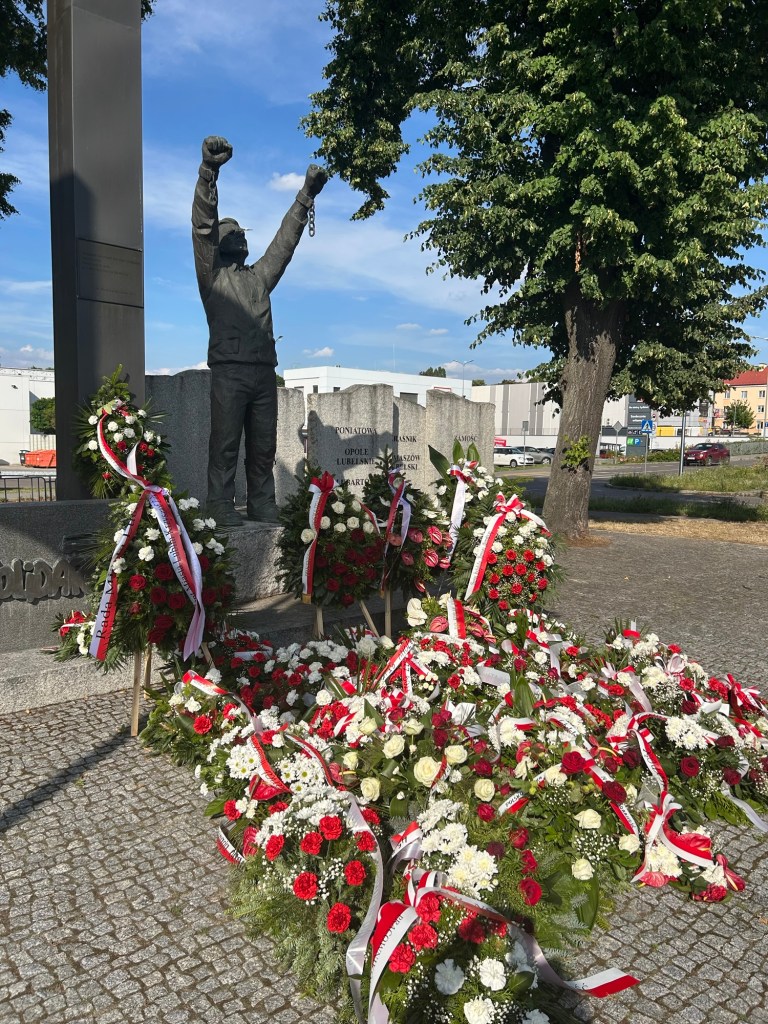
W lipcu 2025 roku przypada 45. rocznica wydarzeń, które zapisały się na kartach historii jako Lubelski Lipiec 1980 — masowy zryw strajkowy robotników, który poprzedził powstanie „Solidarności” i stanowił jedno z kluczowych ogniw prowadzących do przemian ustrojowych w Polsce i Europie Środkowo-Wschodniej.
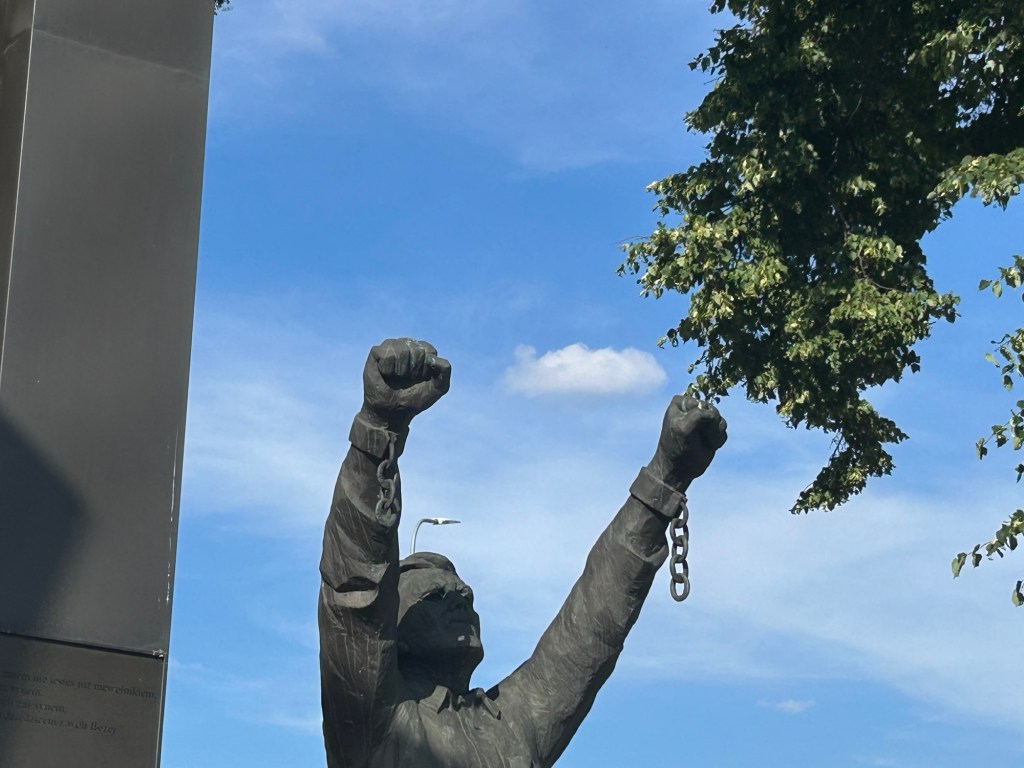
W Lublinie, gdzie latem 1980 roku rozpoczęła się fala protestów przeciwko komunistycznej władzy, odbyły się uroczystości upamiętniające tamte wydarzenia. Hołd robotnikom złożyli przedstawiciele władz państwowych i samorządowych, kombatanci, działacze opozycji antykomunistycznej oraz liczne delegacje z kraju i z zagranicy.
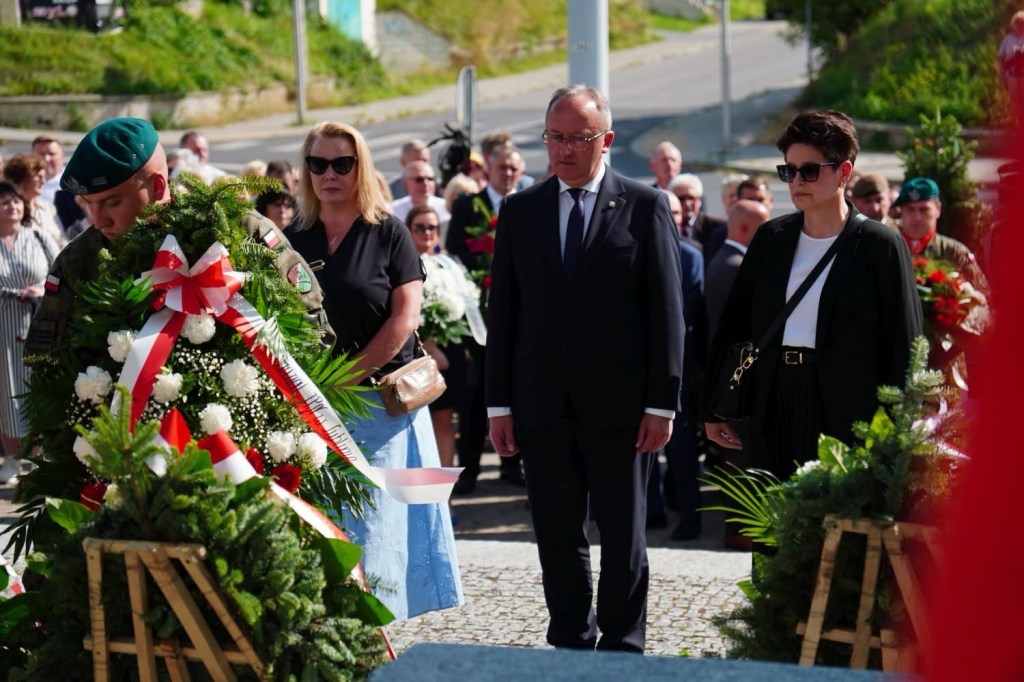
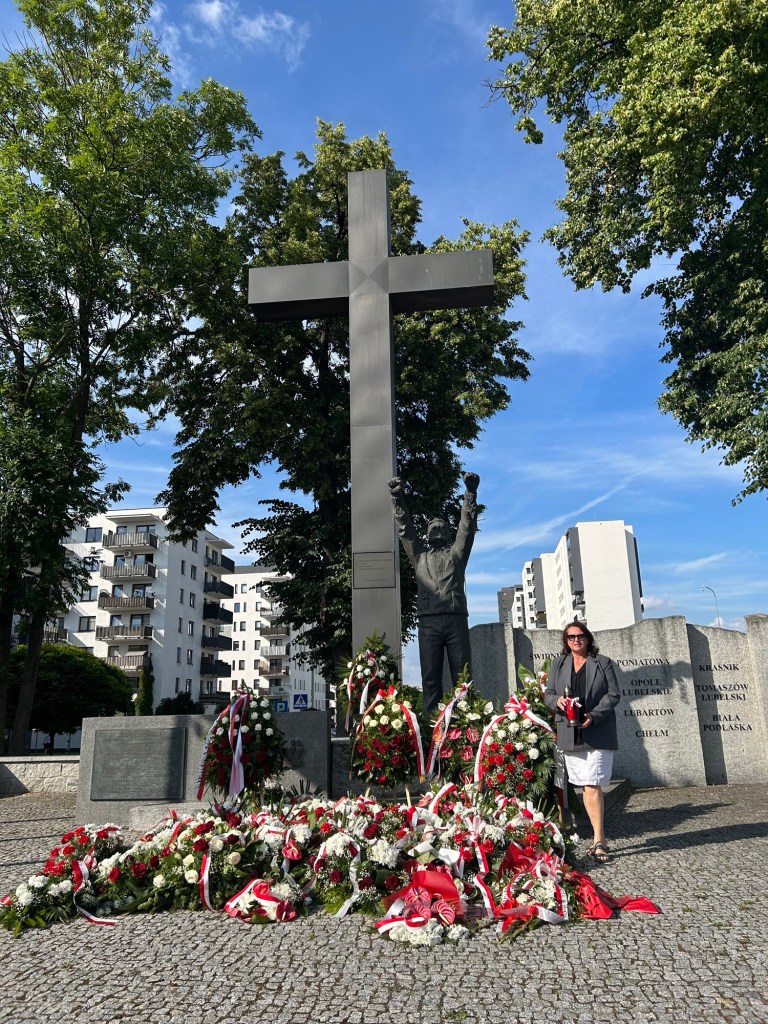
Podczas oficjalnych obchodów tych wydarzeń w imieniu Instytutu Pamięci Narodowej głos zabrał zastępca prezesa IPN, dr hab. Karol Polejowski, podkreślając, że determinacja lubelskich kolejarzy i pracowników zakładów pracy w lipcu 1980 roku przełamała barierę strachu i stała się zapowiedzią wielkiego narodowego przebudzenia. Podczas uroczystości delegacje złożyły wieńce pod Krzyżem Wdzięczności oraz pod pomnikiem bł. ks. Jerzego Popiełuszki – patrona „Solidarności”.
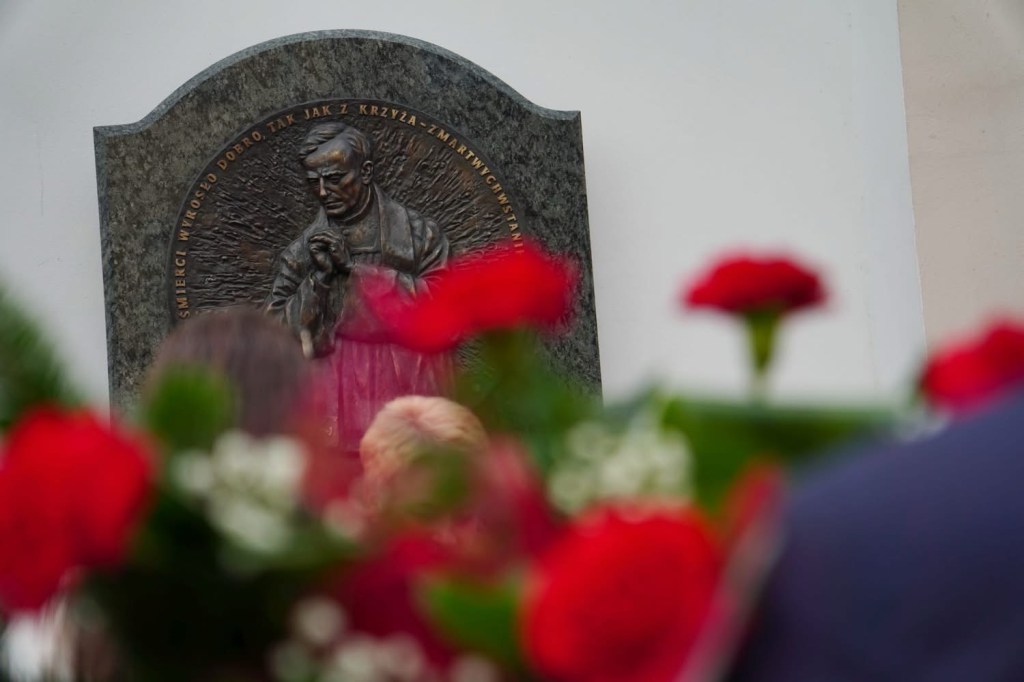
Słowa uznania dla uczestników wydarzeń sprzed 45 lat przesłał także Prezydent Elekt RP, prezes IPN dr Karol Nawrocki, który w liście okolicznościowym napisał:
„Lubelski Lipiec, skutecznie nagłośniony dzięki Radiu Wolna Europa, przełamał w społeczeństwie barierę strachu i przetarł drogę do kolejnych protestów, znanych dziś powszechnie jako Sierpień ’80. Tak narodził się Niezależny Samorządny Związek Zawodowy >>Solidarność<< i ruszyła lawina przemian, które ostatecznie przyniosły wolność Polsce i innym krajom Europy Środkowo-Wschodniej”.
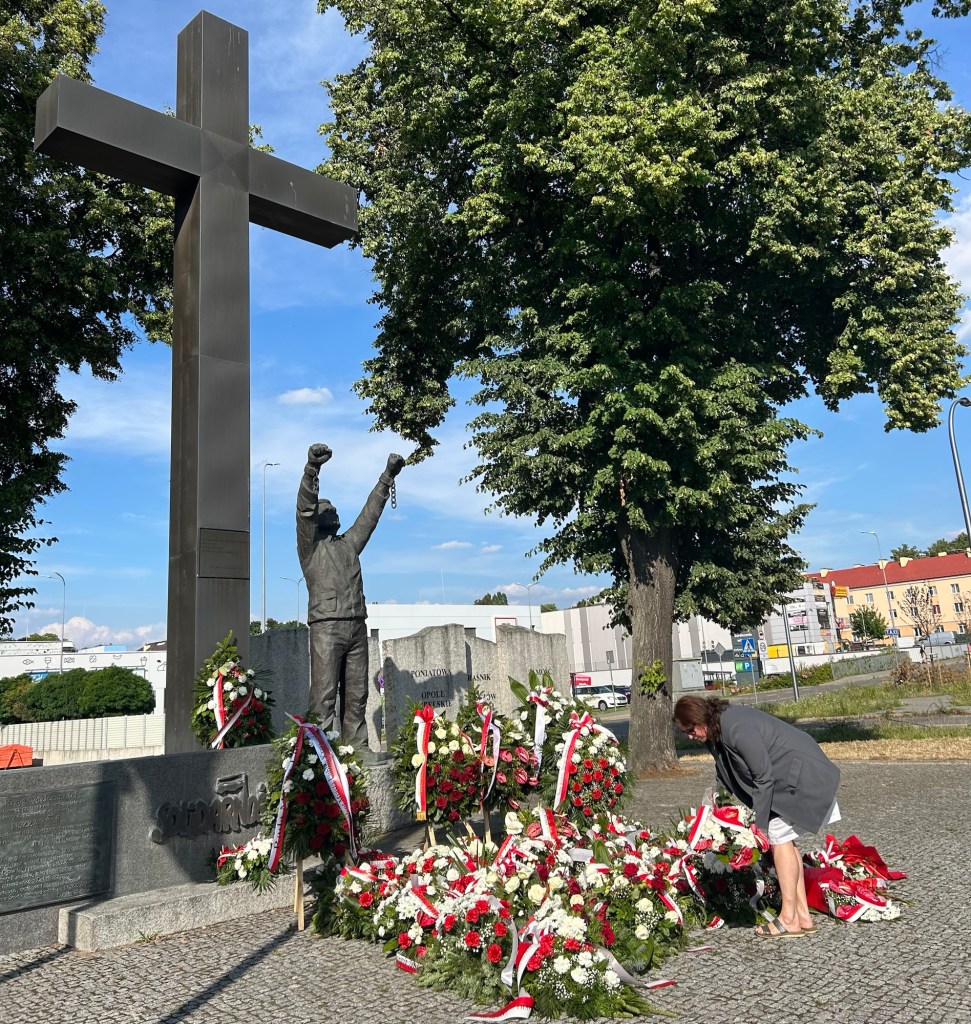
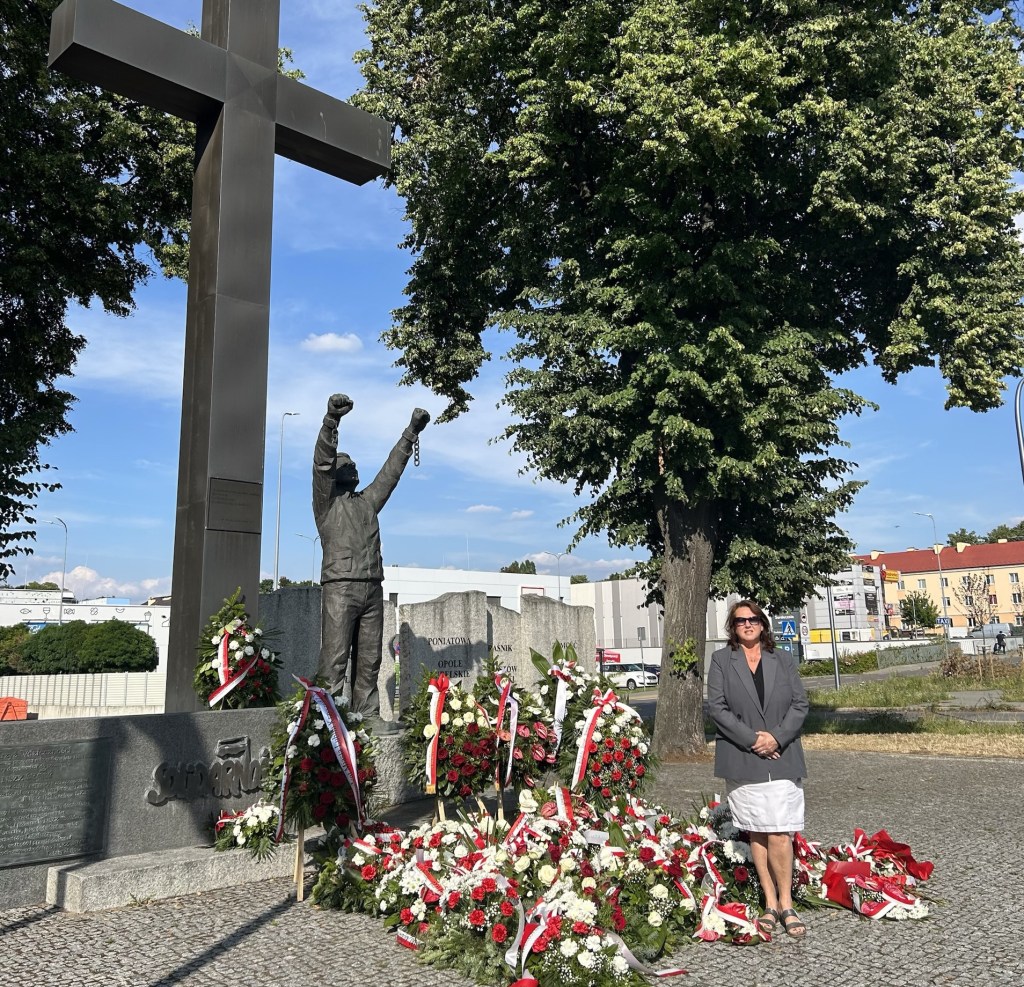
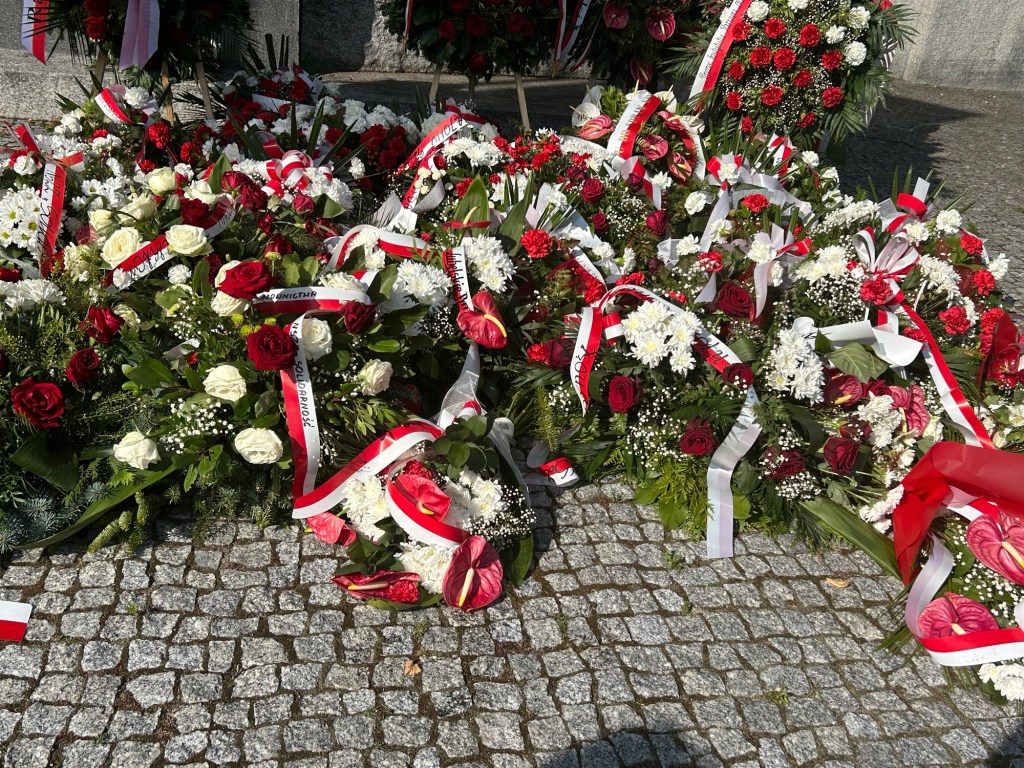
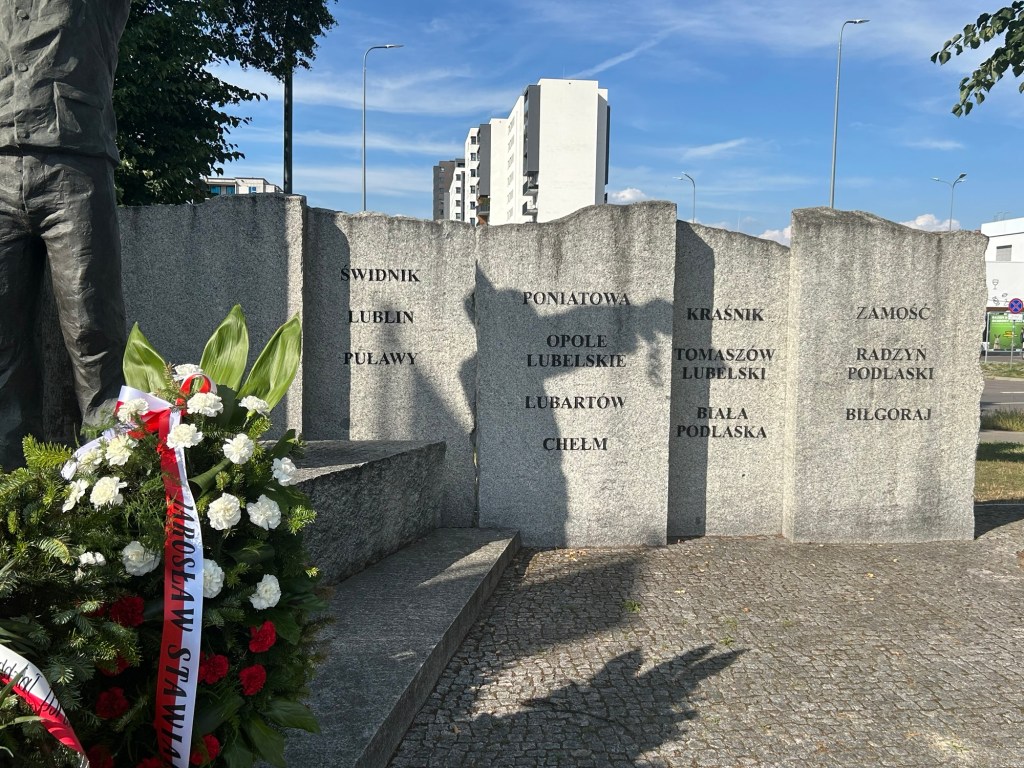
W dniu dzisiejszym delegacja Stowarzyszenia Polish Sue, oddała hołd bohaterom Lubelskiego Lipca. Złożyliśmy kwiaty przy pomniku robotników oraz zwiedziliśmy okolicznościową wystawę plenerową IPN-u poświęconą wydarzeniom z lipca 1980 roku.
Prezes stowarzyszenia Iwona Golińska, która jako młoda lublinianka, była osobiście świadkiem wydarzeń w lipcu 1980r. podkreśliła, że pamięć o tamtym zrywie powinna być żywa nie tylko w kraju, ale i wśród Polonii na całym świecie.
Lubelski Lipiec 1980 roku był preludium do wielkich zmian. Strajki w Lublinie rozpoczęły się 8 lipca i w ciągu kilkunastu dni objęły ponad 150 zakładów pracy. Protestujący domagali się poprawy warunków pracy, podwyżek płac, ale także – co ważne – poszanowania godności i wolności obywatelskich. Ich determinacja zainspirowała kolejne protesty – w tym strajk w Stoczni Gdańskiej w sierpniu 1980 roku – i przyczyniła się do powstania „Solidarności”, największego ruchu społecznego w Europie Wschodniej od czasów II wojny światowej.
Autor: Polish Sue
Zdjęcia: IPN, POLISH SUE
En.
In tribute to the heroes of the Lublin July 1980 uprising – the 45th anniversary of the workers’ uprising.
July 2025 marks the 45th anniversary of the events that have gone down in history as the Lublin July 1980 – a mass workers’ strike that preceded the founding of “Solidarity” and was a key link in the political transformations in Poland and Central and Eastern Europe.
In Lublin, where a wave of protests against the communist regime began in the summer of 1980, ceremonies commemorating those events were held. Representatives of state and local government, veterans, anti-communist opposition activists, and numerous delegations from Poland and abroad paid tribute to the workers.
During the official commemorations on behalf of the Institute of National Remembrance, the Deputy President of the Institute of National Remembrance, Dr. Hab. Karol Polejowski, emphasized that the determination of Lublin railway workers and factory workers in July 1980 broke the barrier of fear and heralded a great national awakening.
During the ceremony, delegations laid wreaths at the Cross of Gratitude and at the monument of Blessed Father Jerzy Popiełuszko – the patron saint of “Solidarity.”
The President-Elect of the Republic of Poland, President of the Institute of National Remembrance, Dr. Karol Nawrocki, also expressed his appreciation for the participants in the events of 45 years ago. In a commemorative letter, he wrote:
“The Lublin July, effectively publicized by Radio Free Europe, broke the barrier of fear in society and paved the way for subsequent protests, now commonly known as August ’80. Thus was born the Independent Self-Governing Trade Union “Solidarity,” and an avalanche of changes was unleashed that ultimately brought freedom to Poland and other countries of Central and Eastern Europe.”
Today a delegation from the Polish Sue Association also paid tribute to the heroes of the Lublin July. We laid flowers at the workers’ monument and visited the Institute of National Remembrance’s commemorative outdoor exhibition dedicated to the events of July 1980.
The association’s president, Iwona Golińska, who, as a young Lubliner, also witnessed the events of July 1980, emphasized that the memory of that uprising should be kept alive not only in the country but also among the Polish diaspora worldwide.
The Lublin July 1980 uprising was a prelude to major changes. Strikes in Lublin began on July 8th and within a dozen days spread to over 150 workplaces. Protesters demanded improved working conditions, wage increases, and also—importantly—respect for dignity and civil liberties. Their determination inspired subsequent protests—including the strike at the Gdańsk Shipyard in August 1980—and contributed to the formation of “Solidarity,” the largest social movement in Eastern Europe since World War II.
Author: Polish Sue
Photos: IPN, Polish Sue
 Polish Sue
Leave a comment