
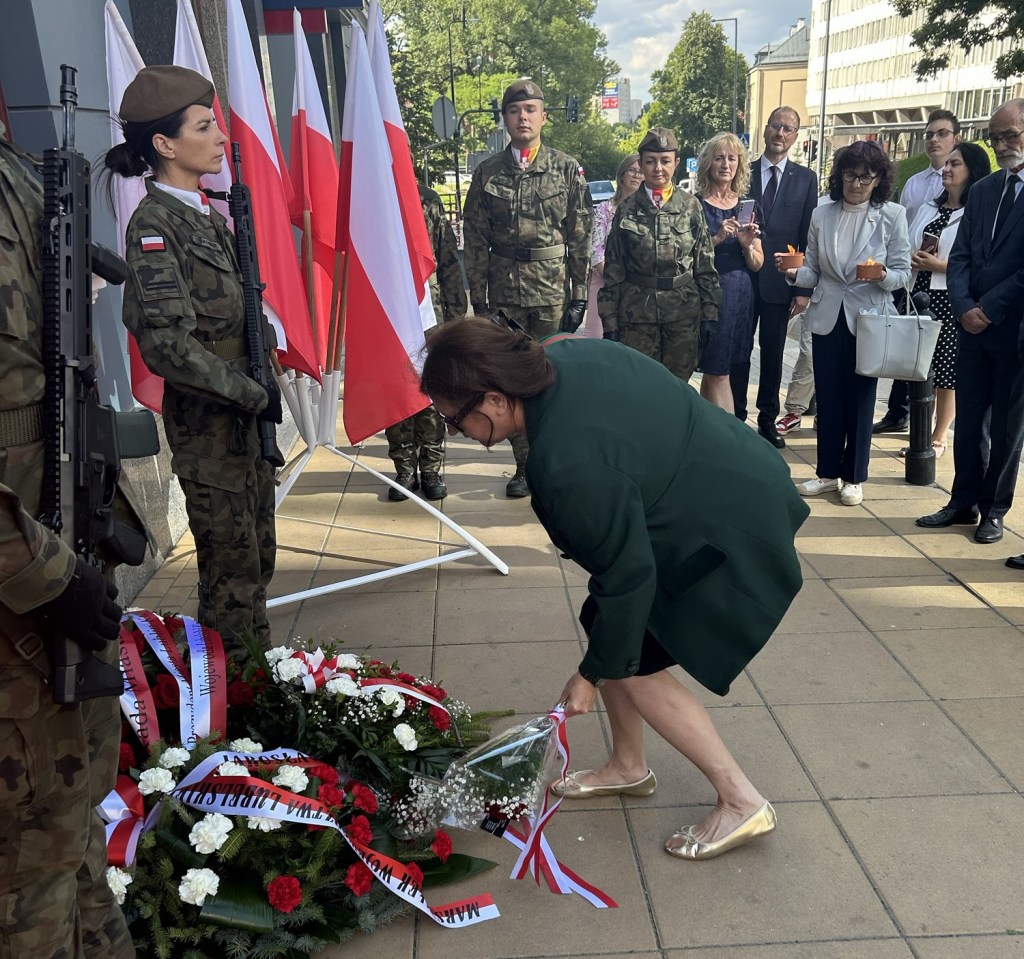
W piątek, 1 sierpnia 2025 roku, Lublin po raz kolejny oddał hołd bohaterom Powstania Warszawskiego i uczestnikom Akcji „Burza” na Lubelszczyźnie. W 81. rocznicę wybuchu powstania miasto zjednoczyło się we wspólnej pamięci o tych, którzy walczyli o niepodległość i godność Rzeczypospolitej. W uroczystościach uczestniczyli przedstawiciele władz, środowisk kombatanckich, organizacji społecznych oraz mieszkańcy miasta.
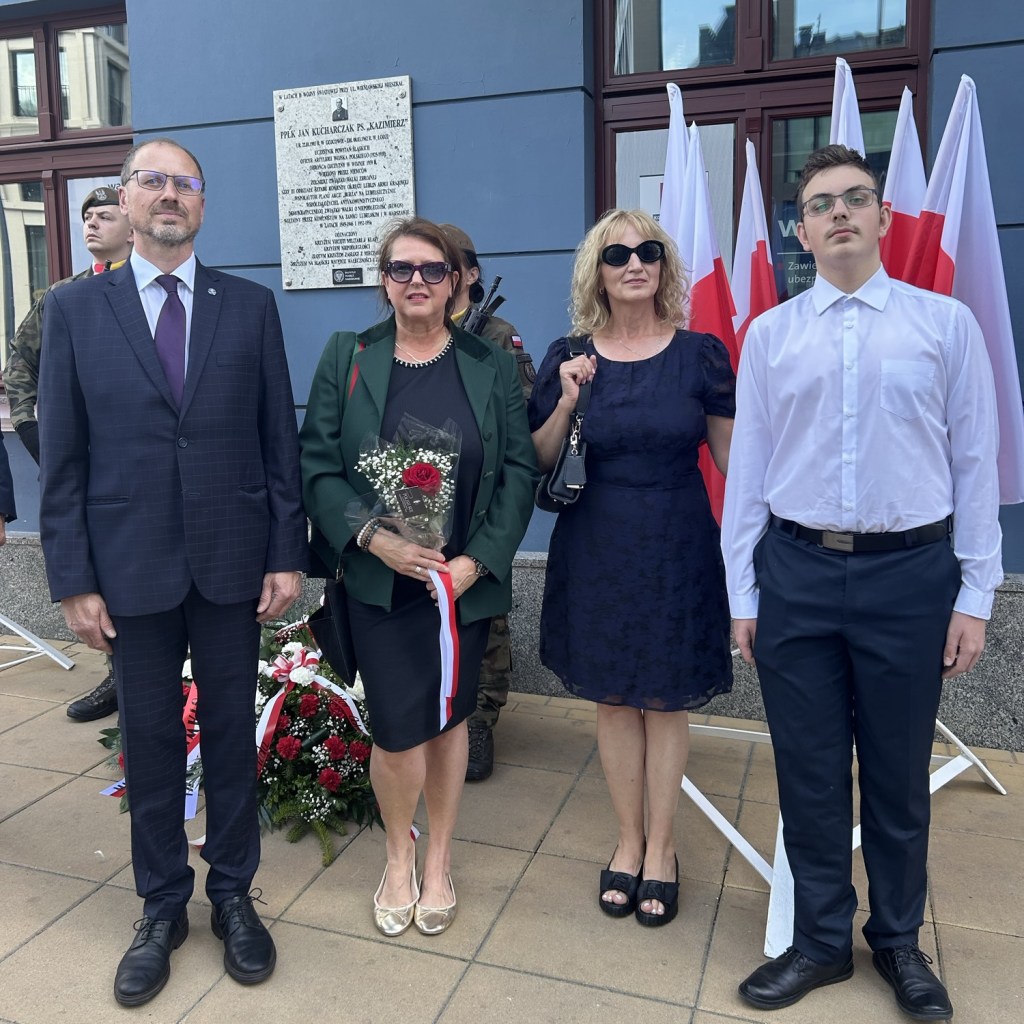
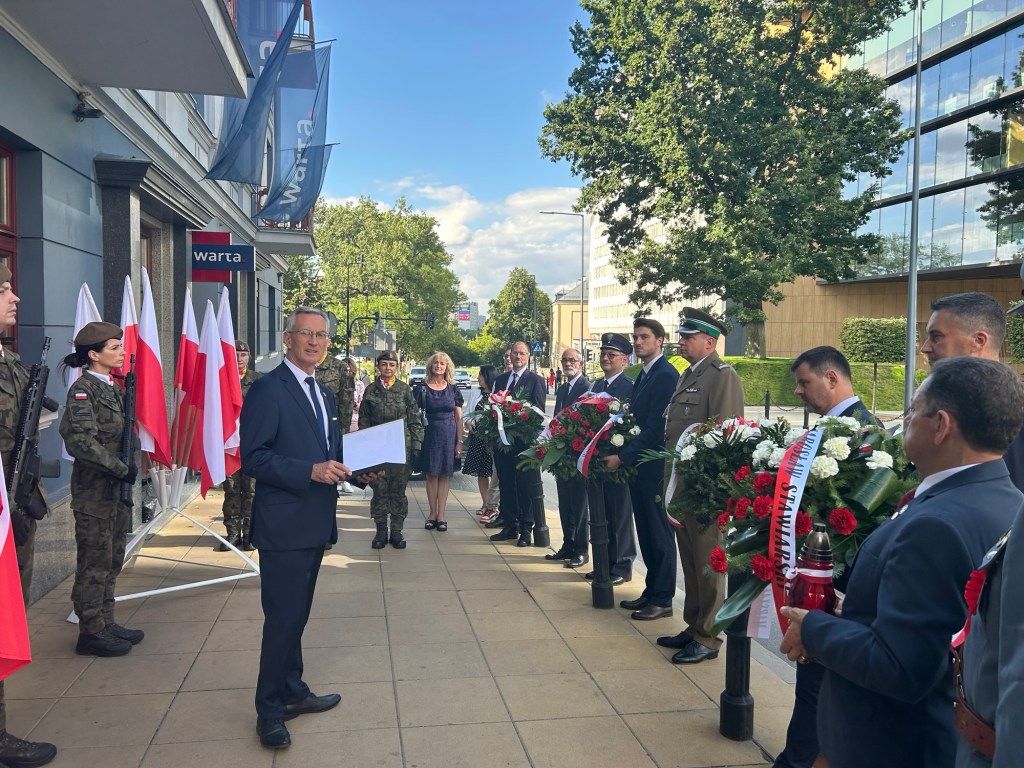
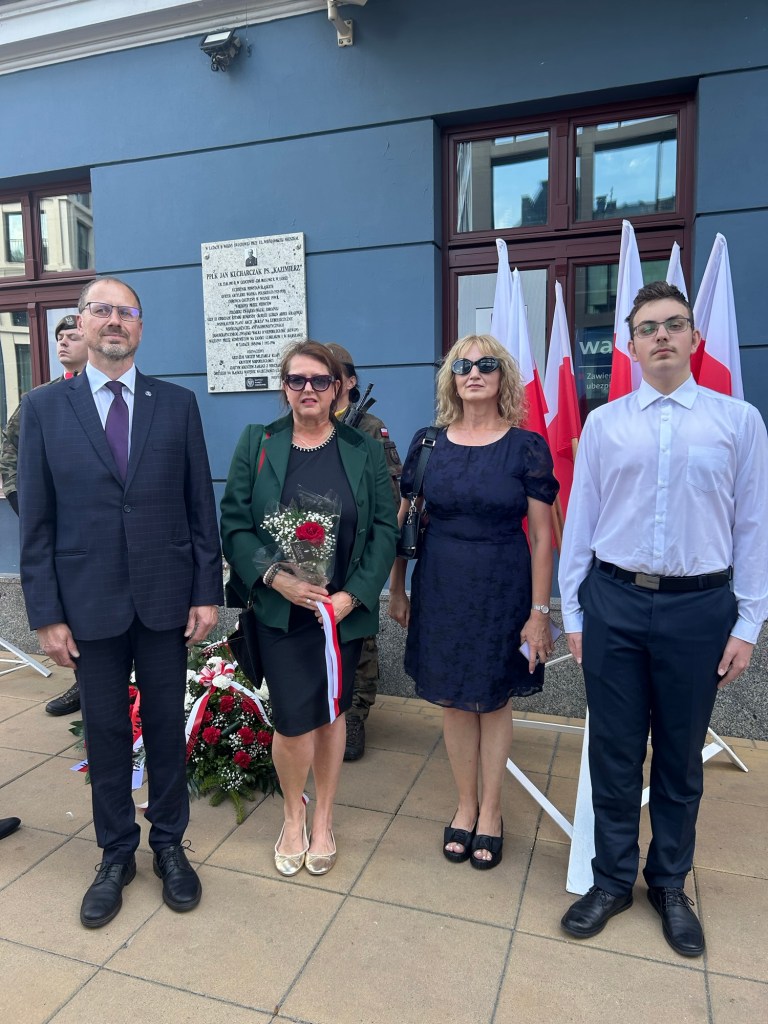
Obchody rozpoczęły się o godz. 16:00 przy ul. Wieniawskiej 12, gdzie złożono kwiaty pod tablicą upamiętniającą por. Jana Kucharczaka ps. „Kazimierz” – oficera Armii Krajowej, jednego ze współautorów planu Akcji „Burza” na Lubelszczyźnie. Ta symboliczna ceremonia wprowadziła uczestników w historyczny kontekst wydarzeń, które rozgrywały się na tych ziemiach w 1944 roku.

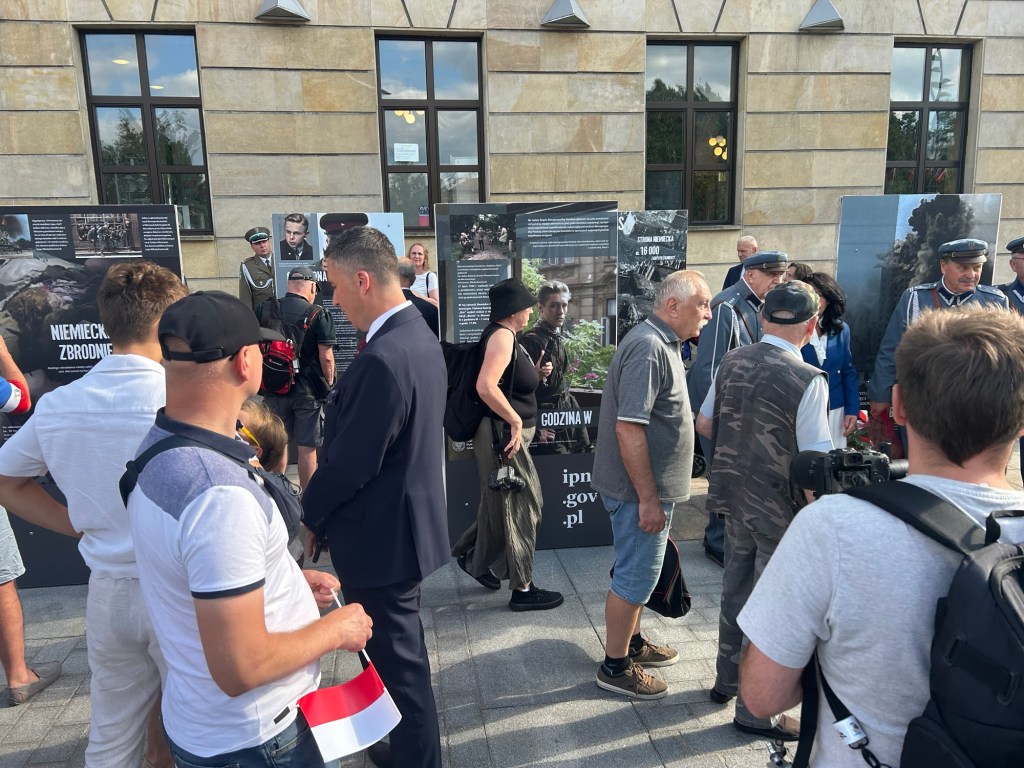
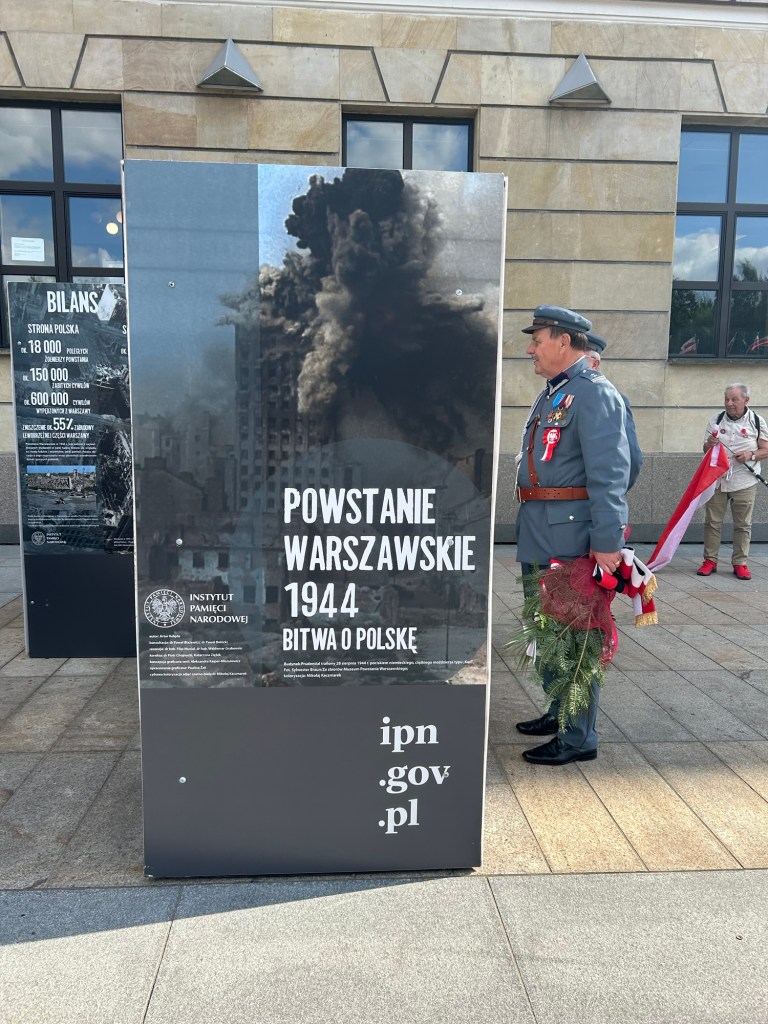
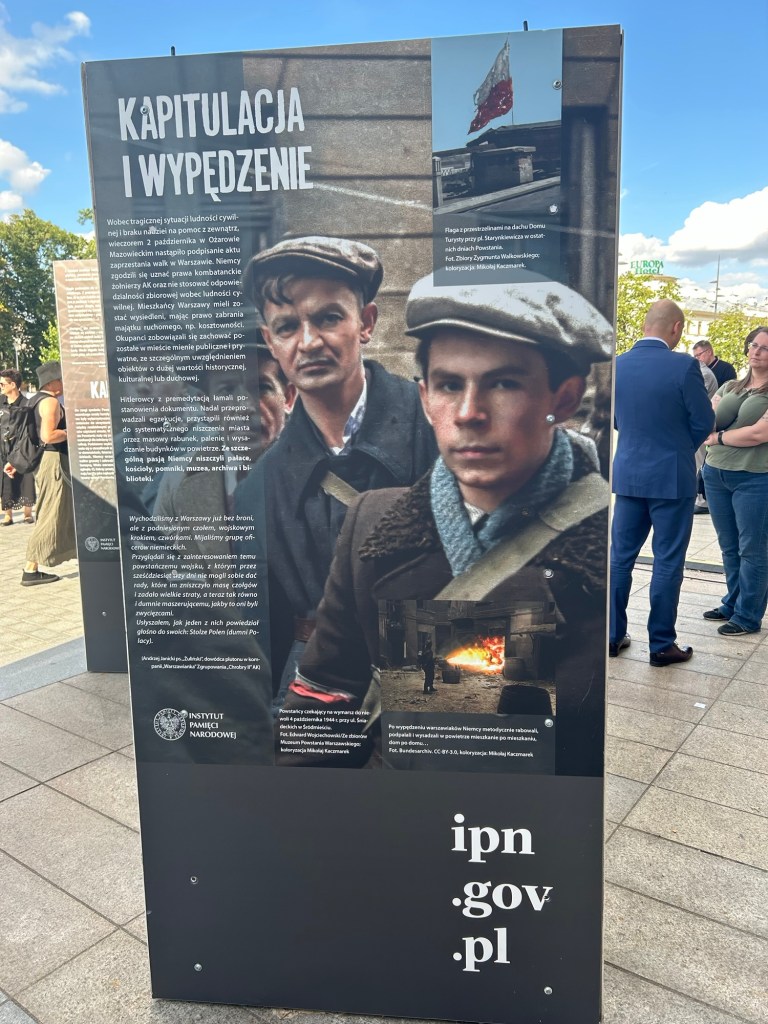
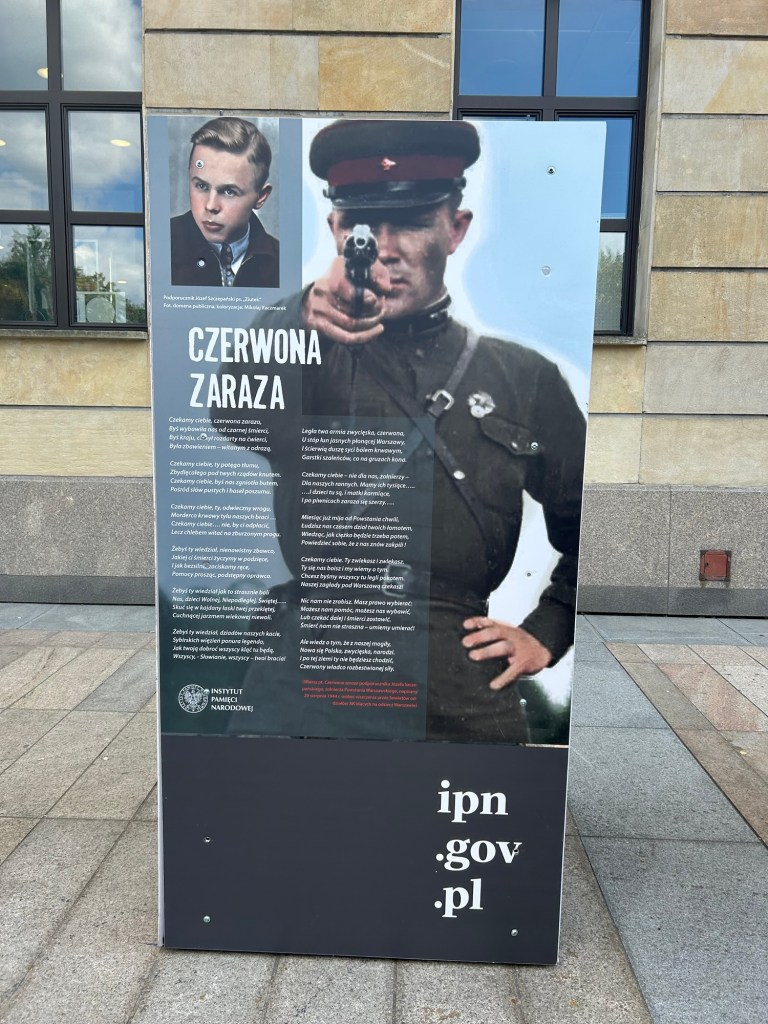
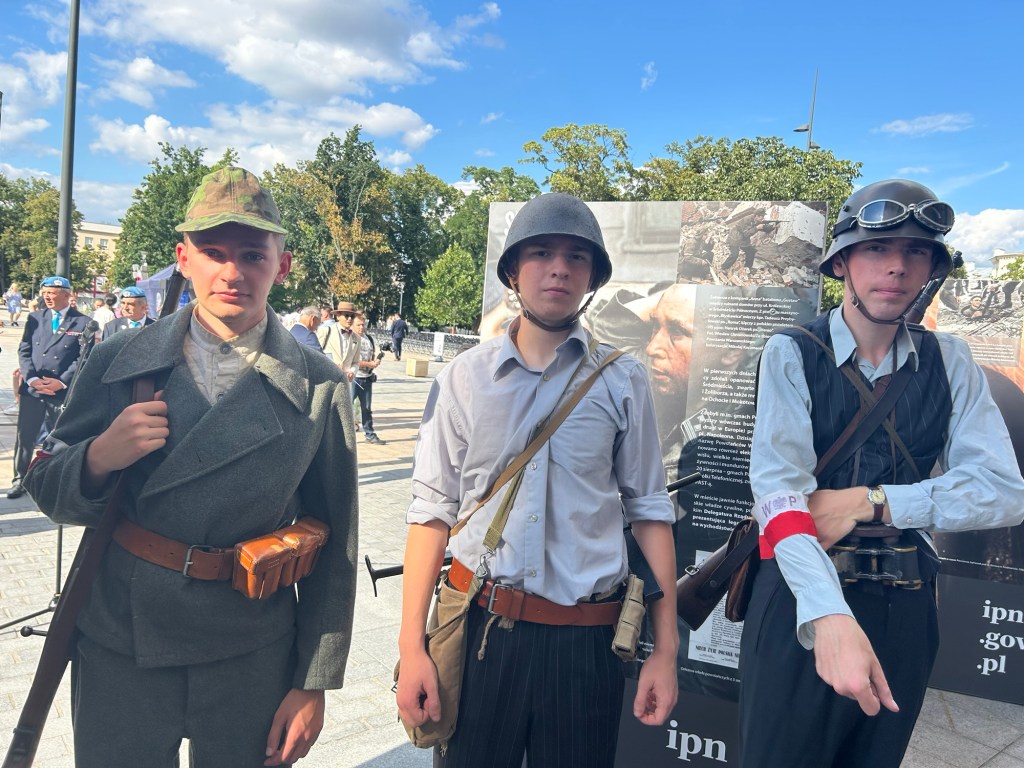
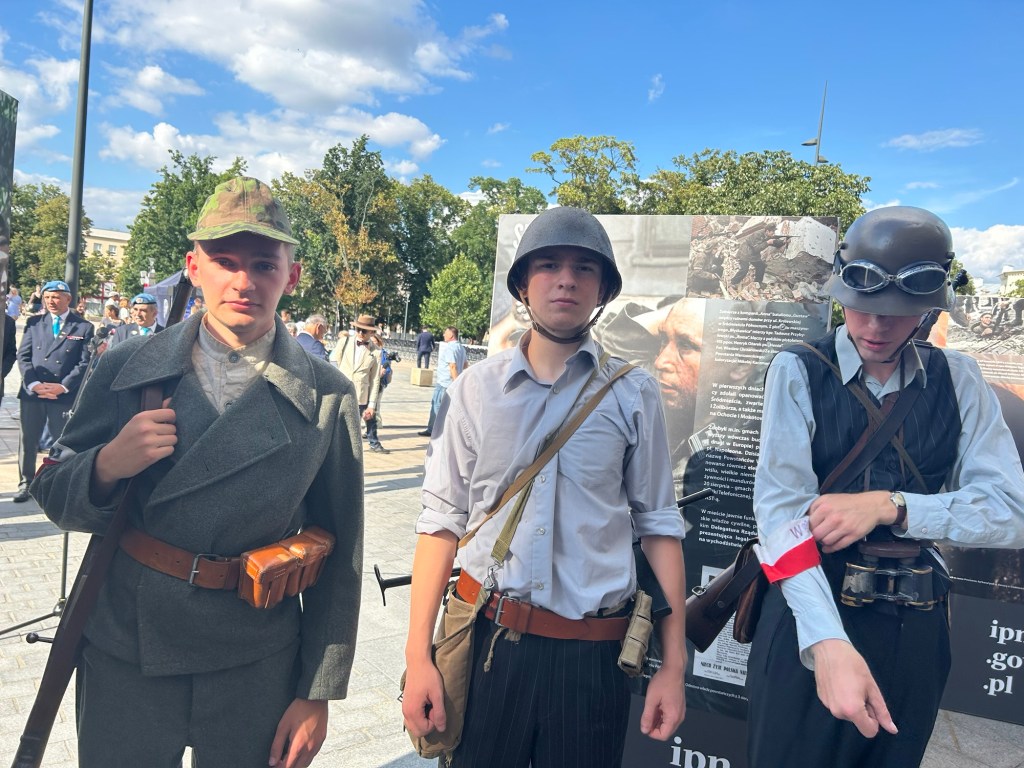
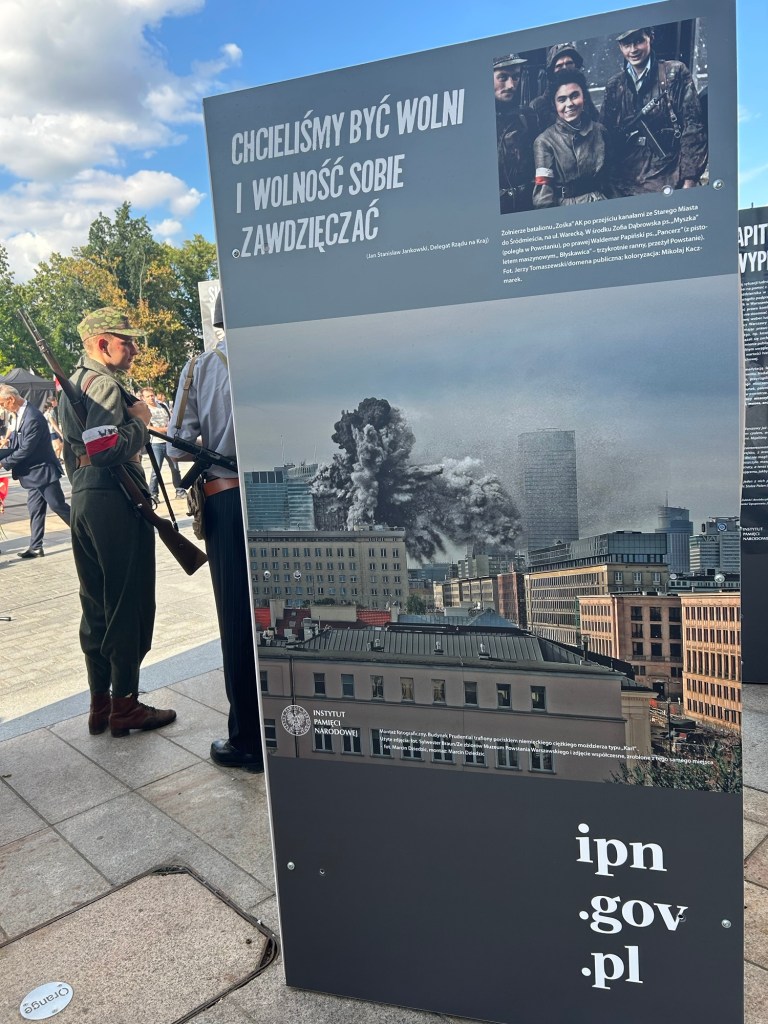
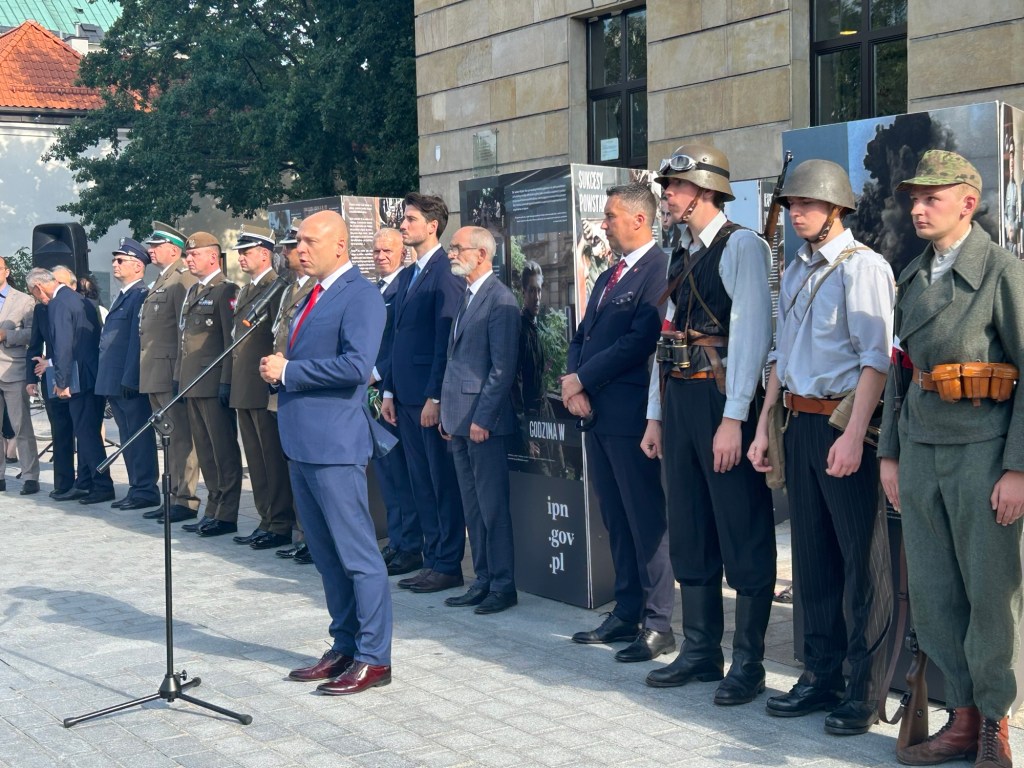
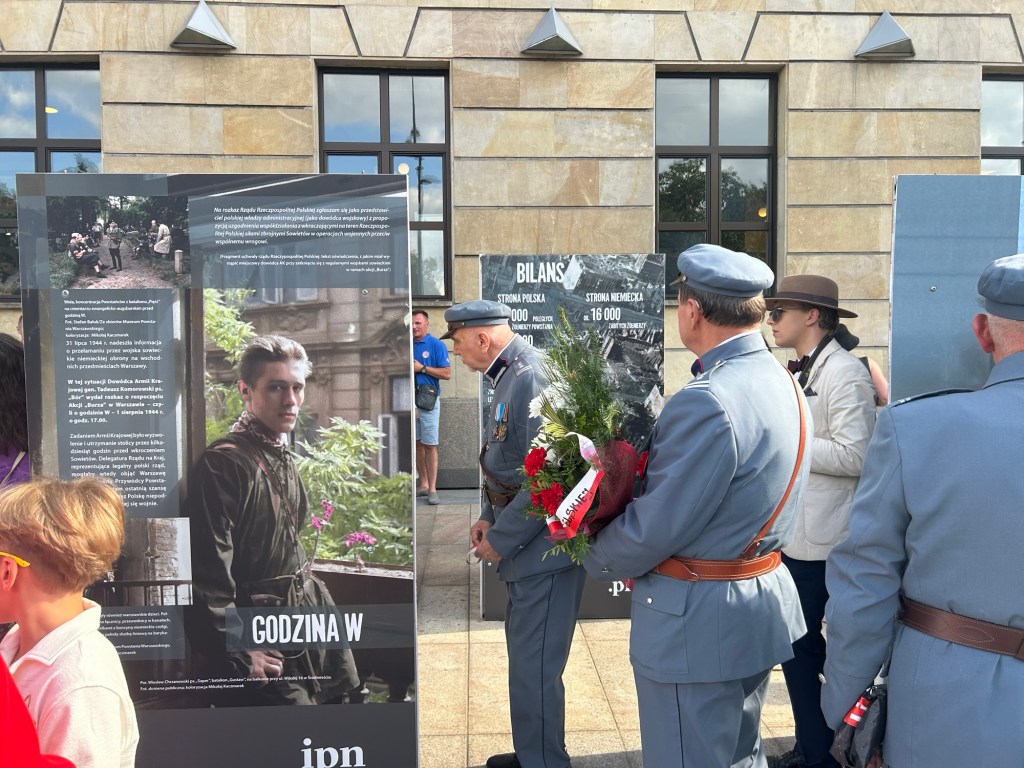
O 16:30 na Placu Litewskim otwarto plenerową wystawę Instytutu Pamięci Narodowej pt. „Powstanie Warszawskie 1944. Bitwa o Polskę”, ukazującą zarówno dramatyczne losy walczącej stolicy, jak i ogólnonarodowy wymiar powstania.

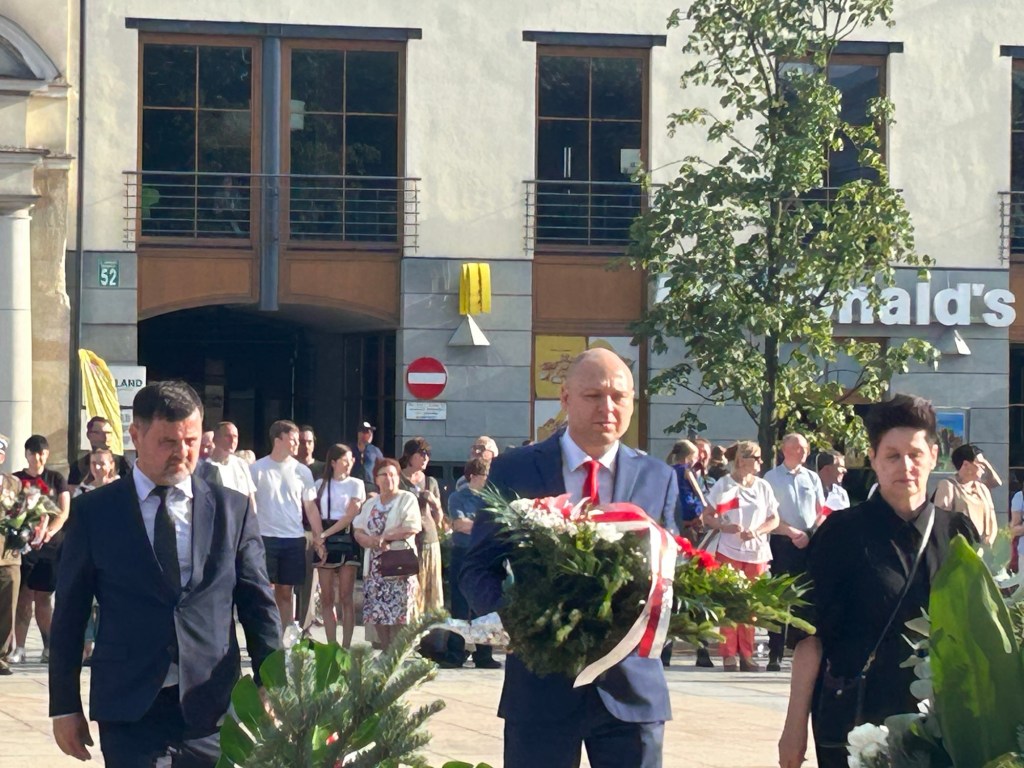
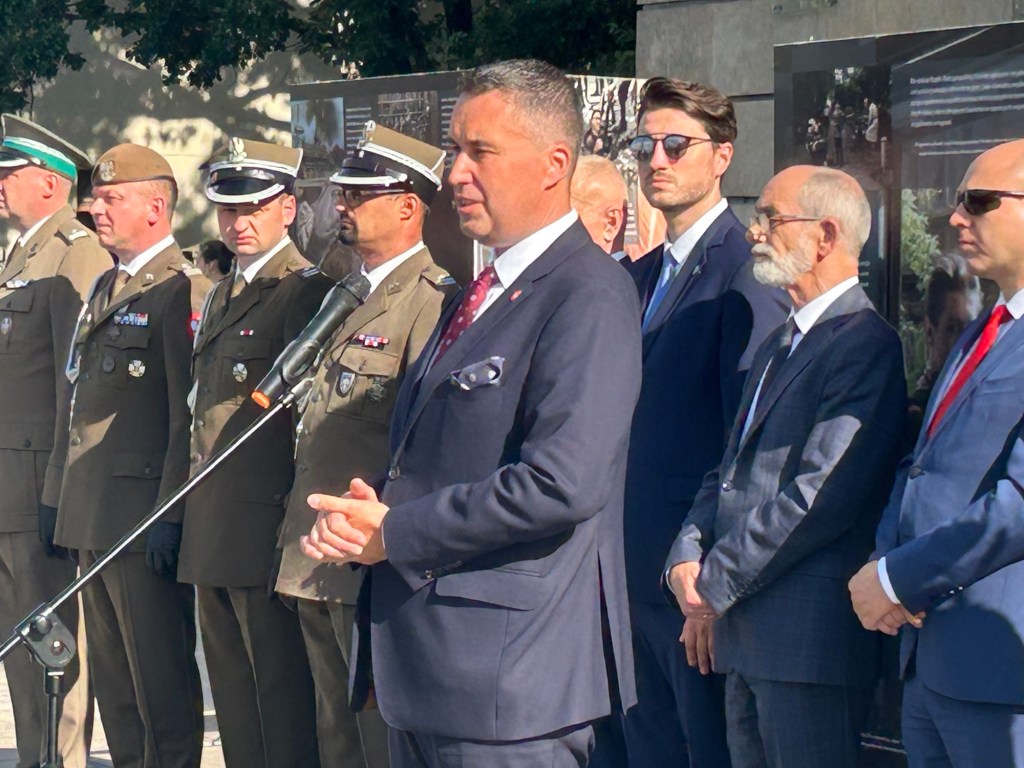
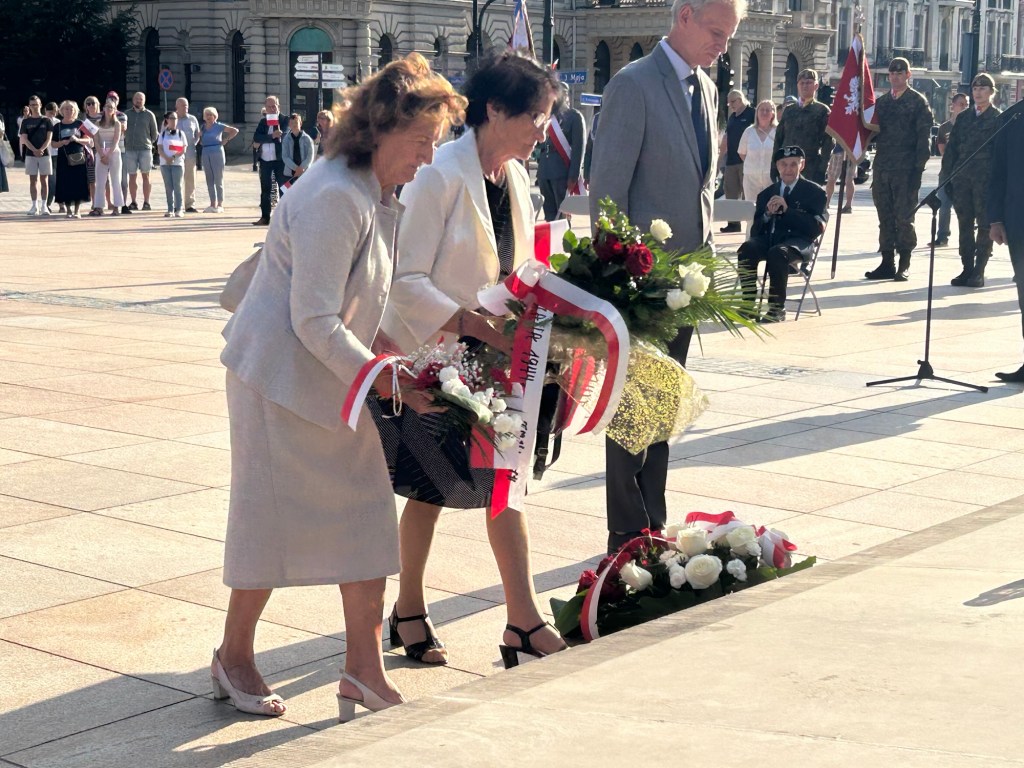
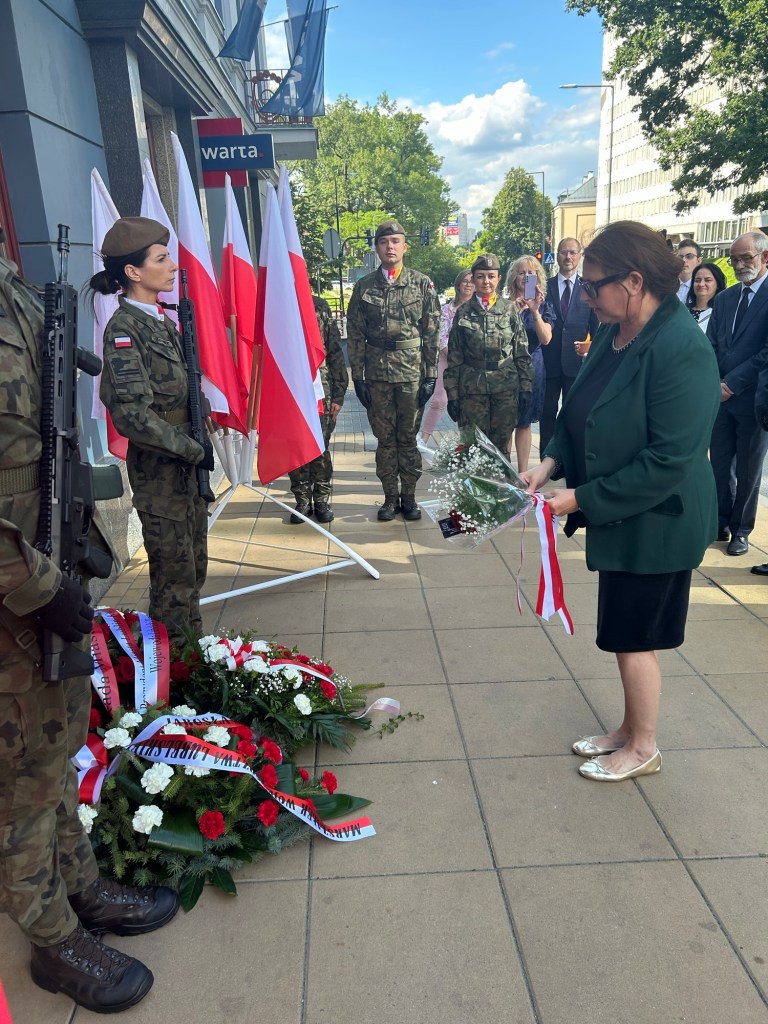
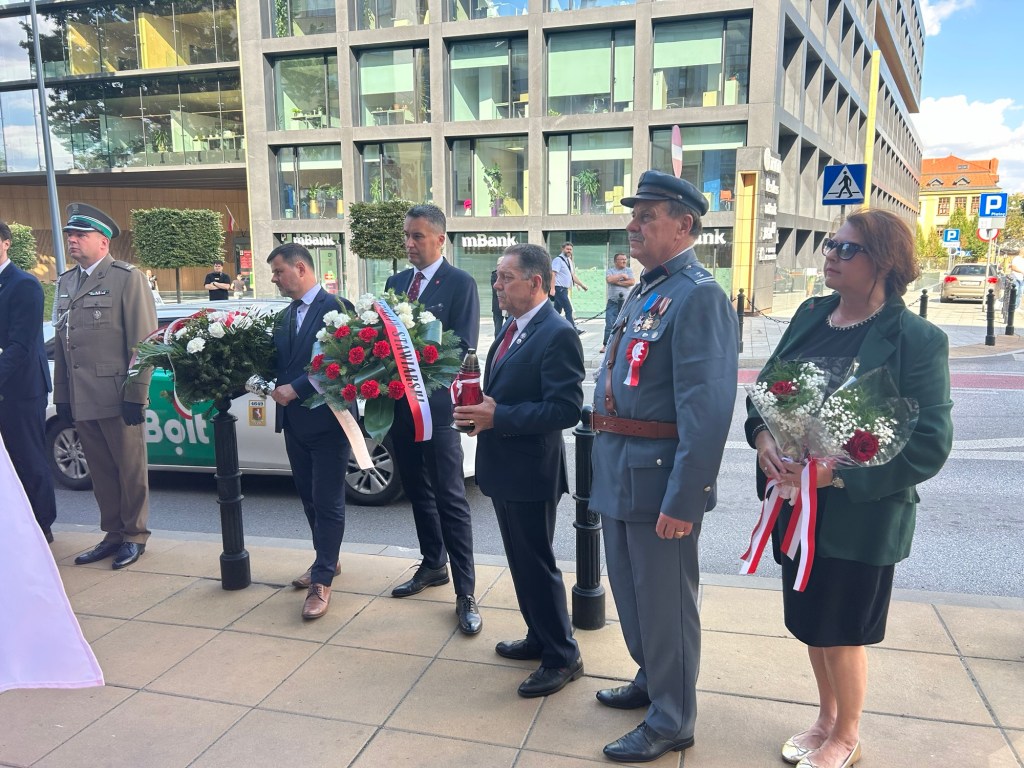
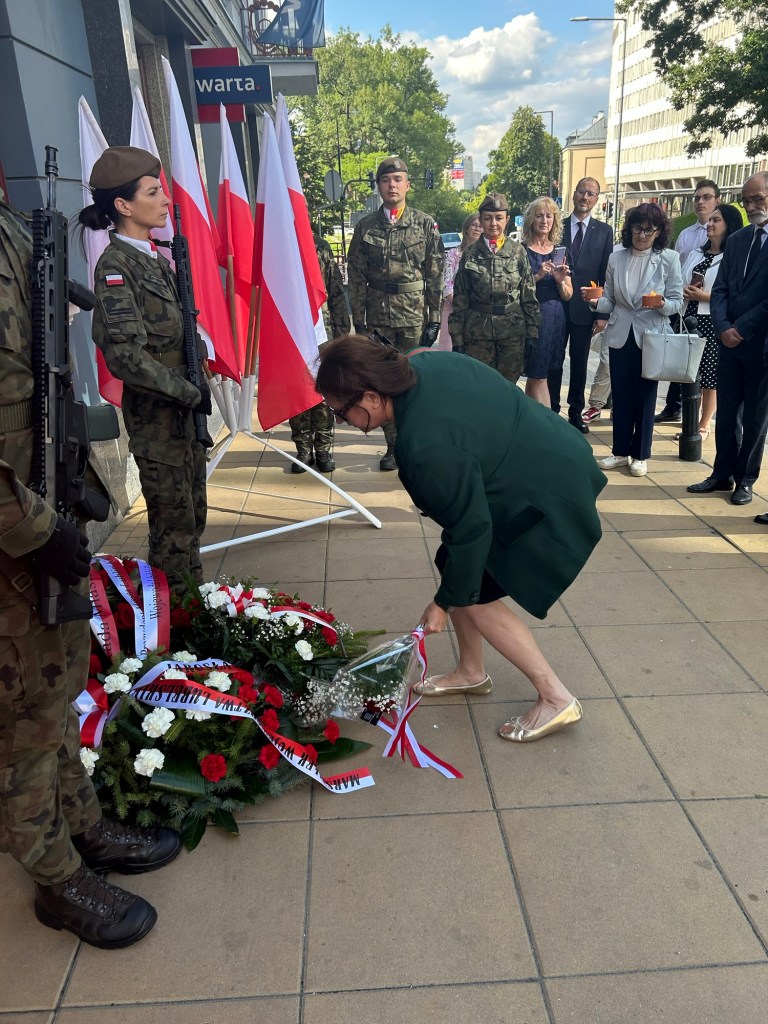
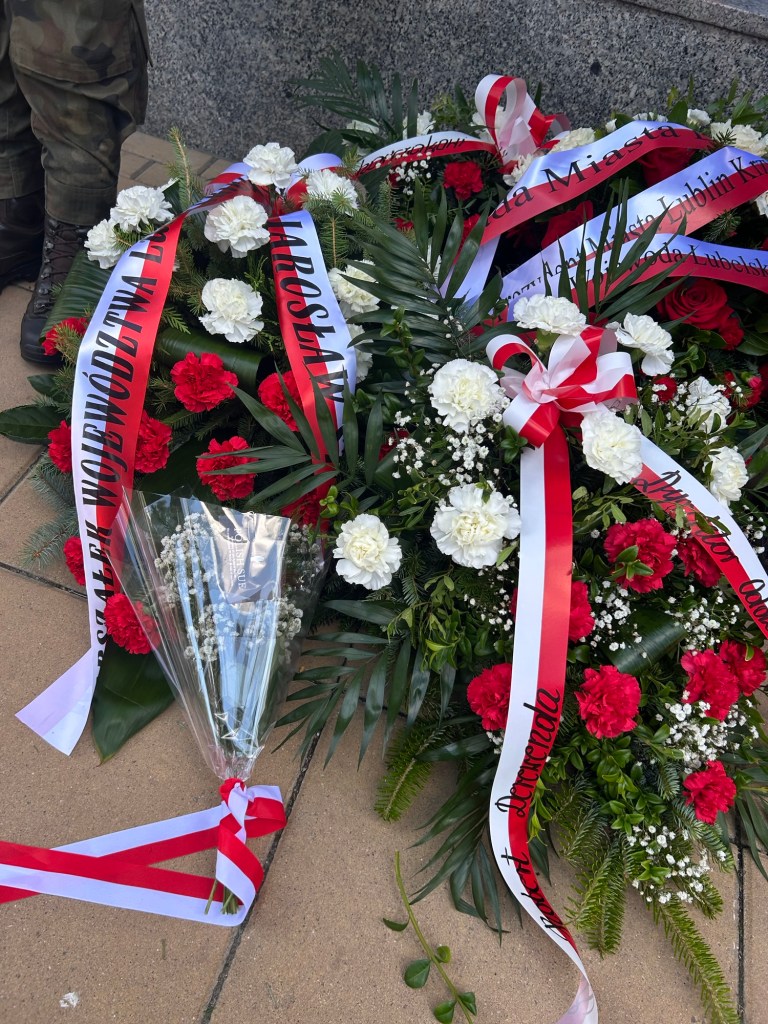
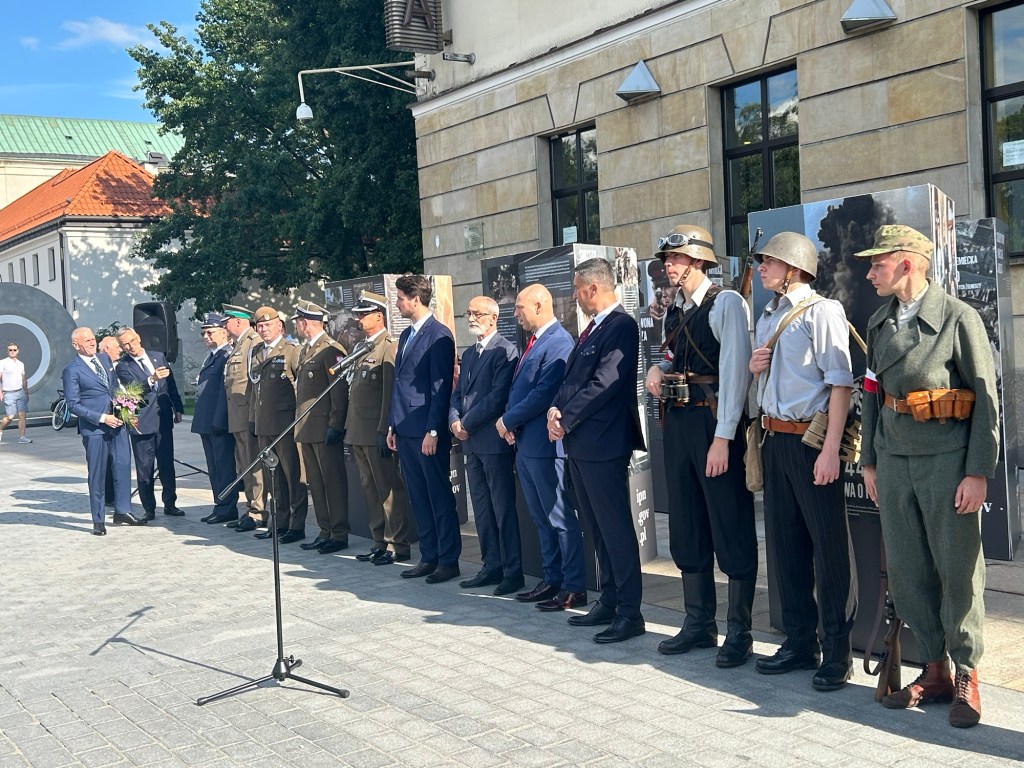
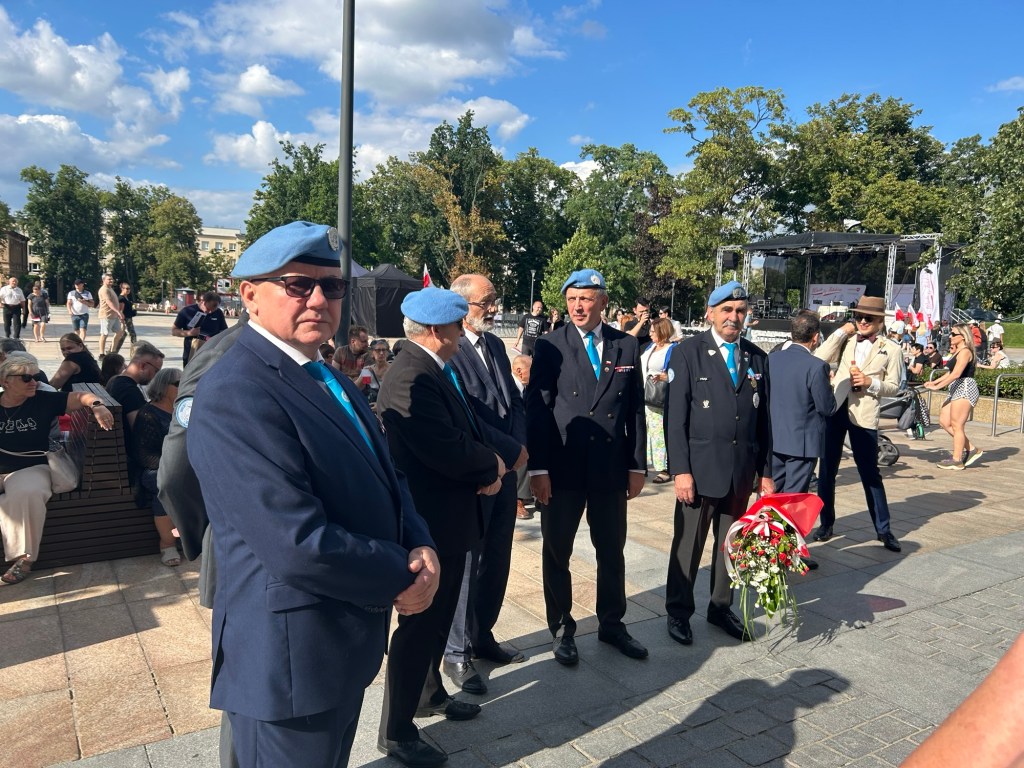
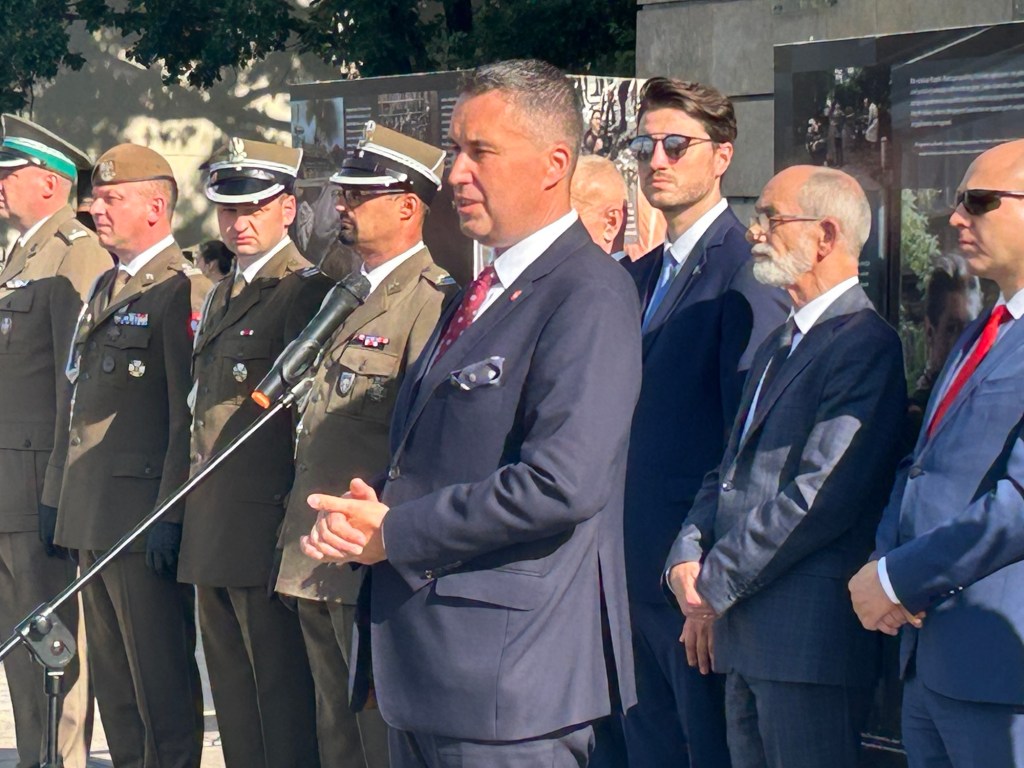
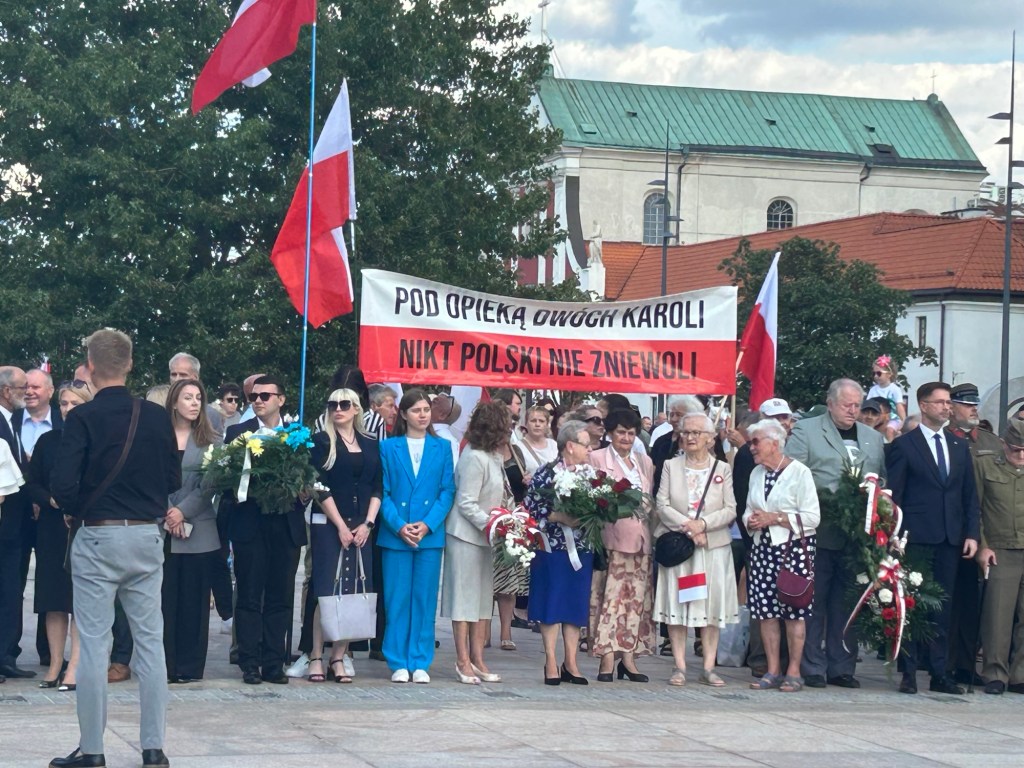
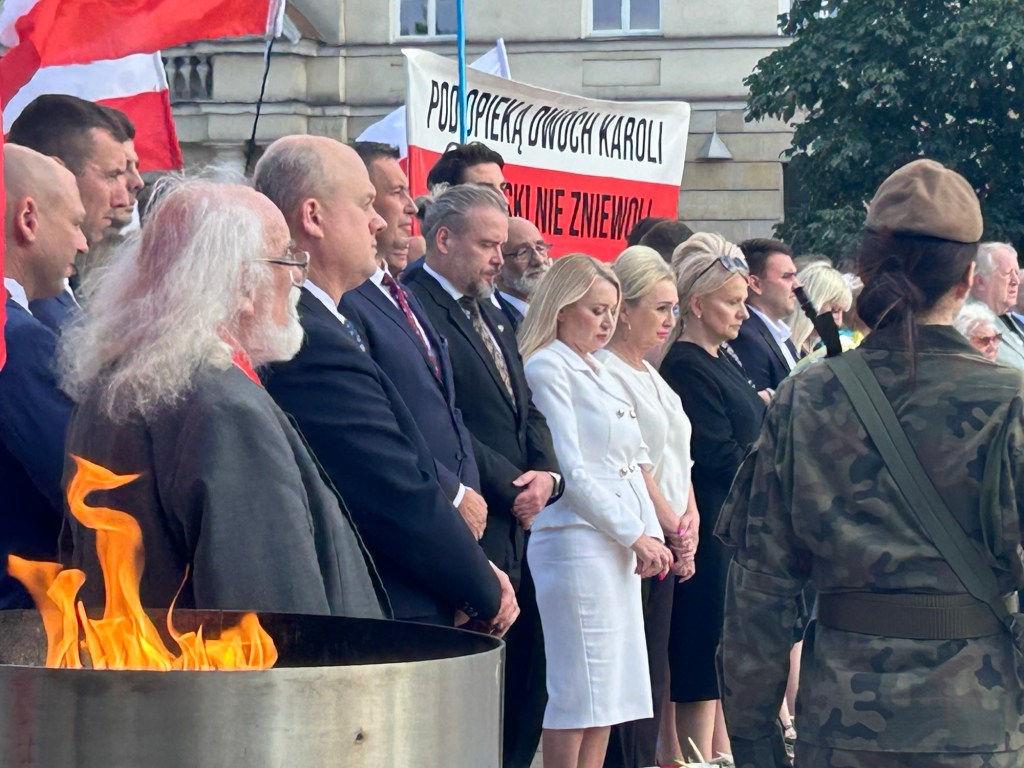
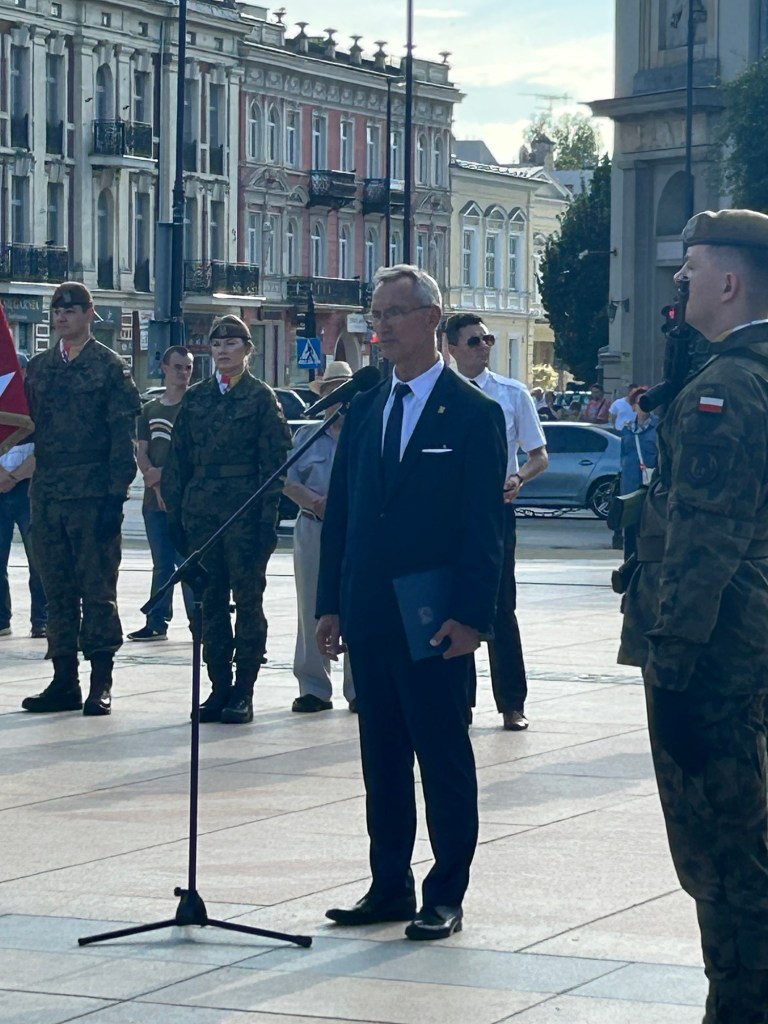
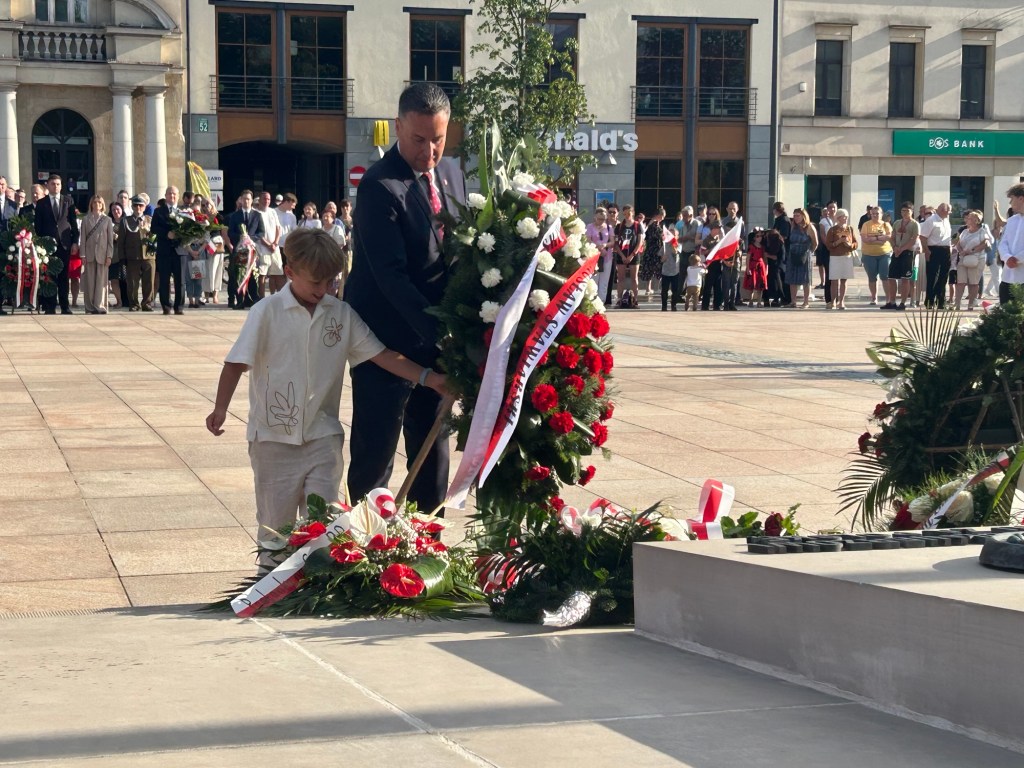
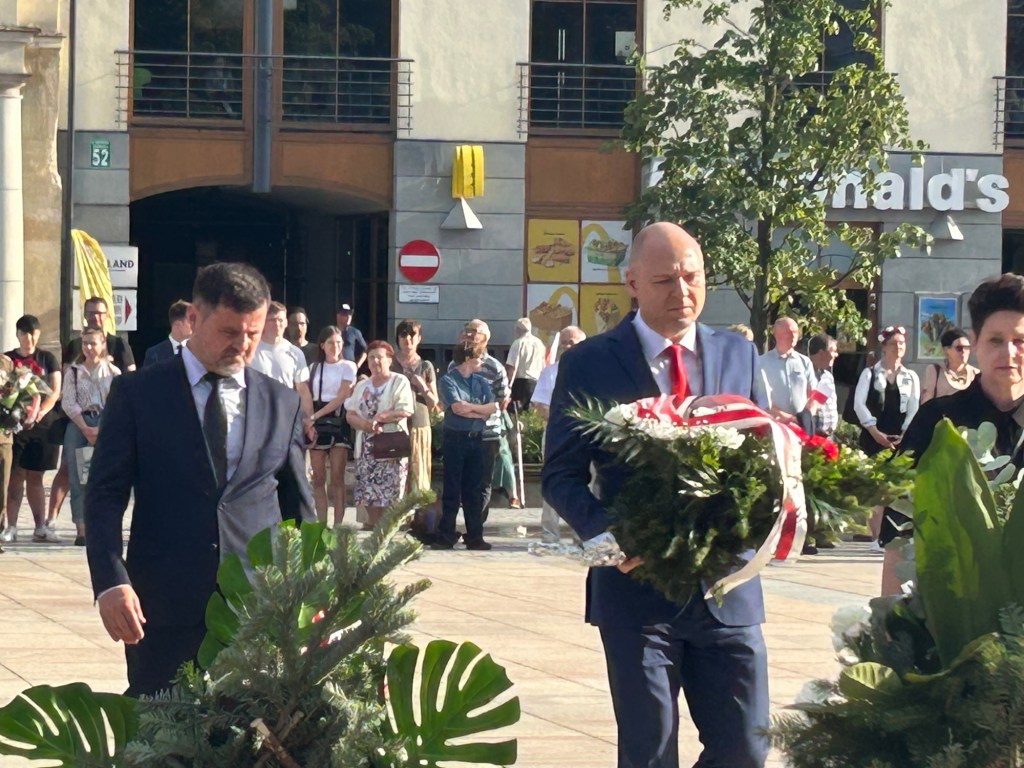
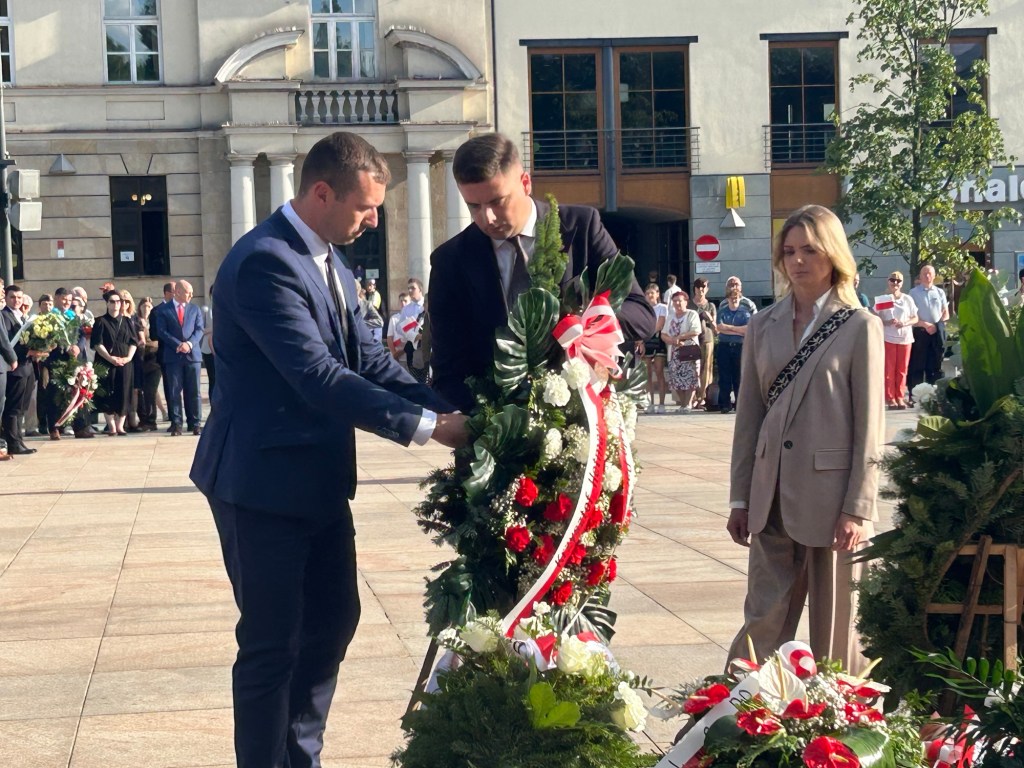
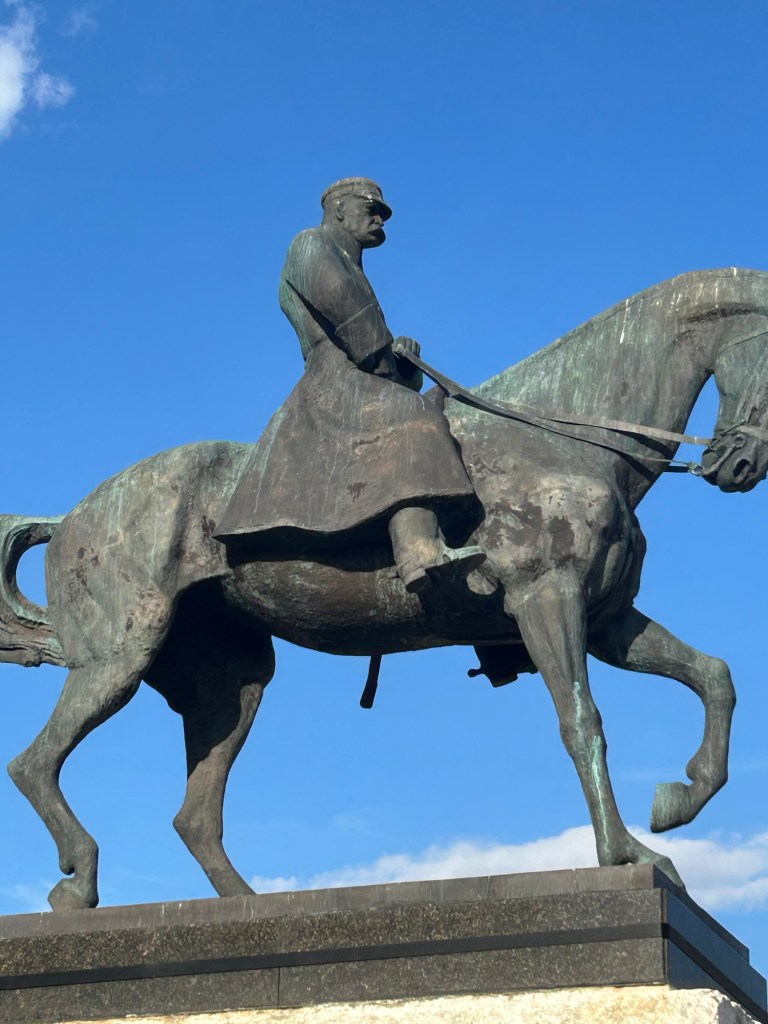
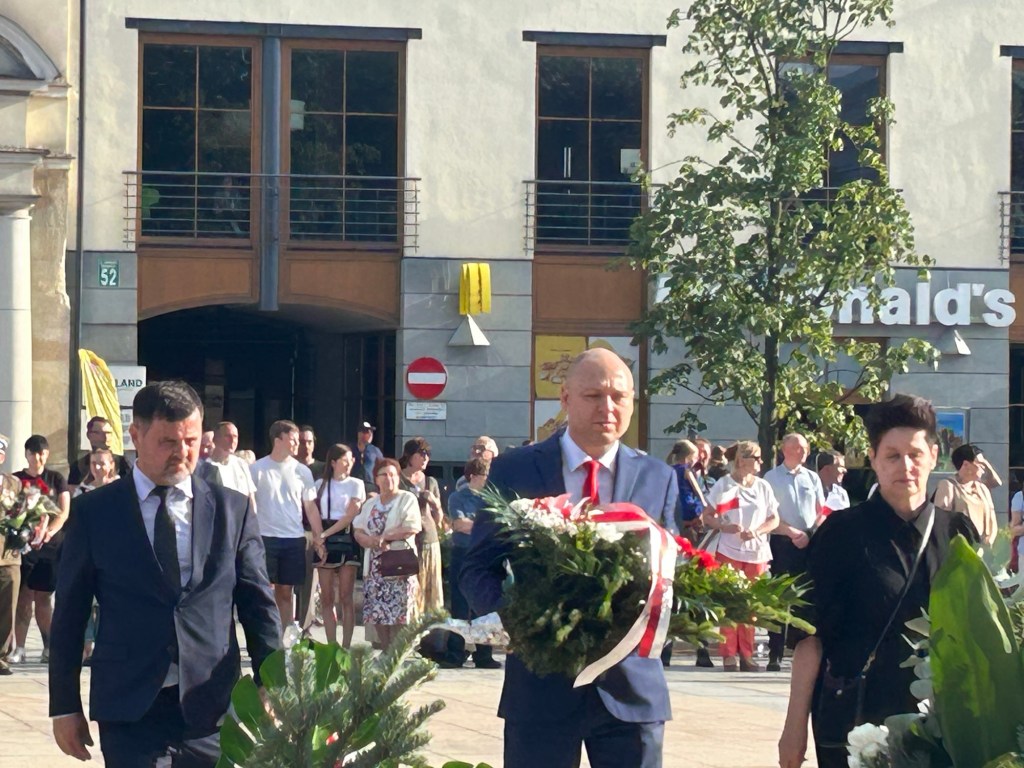
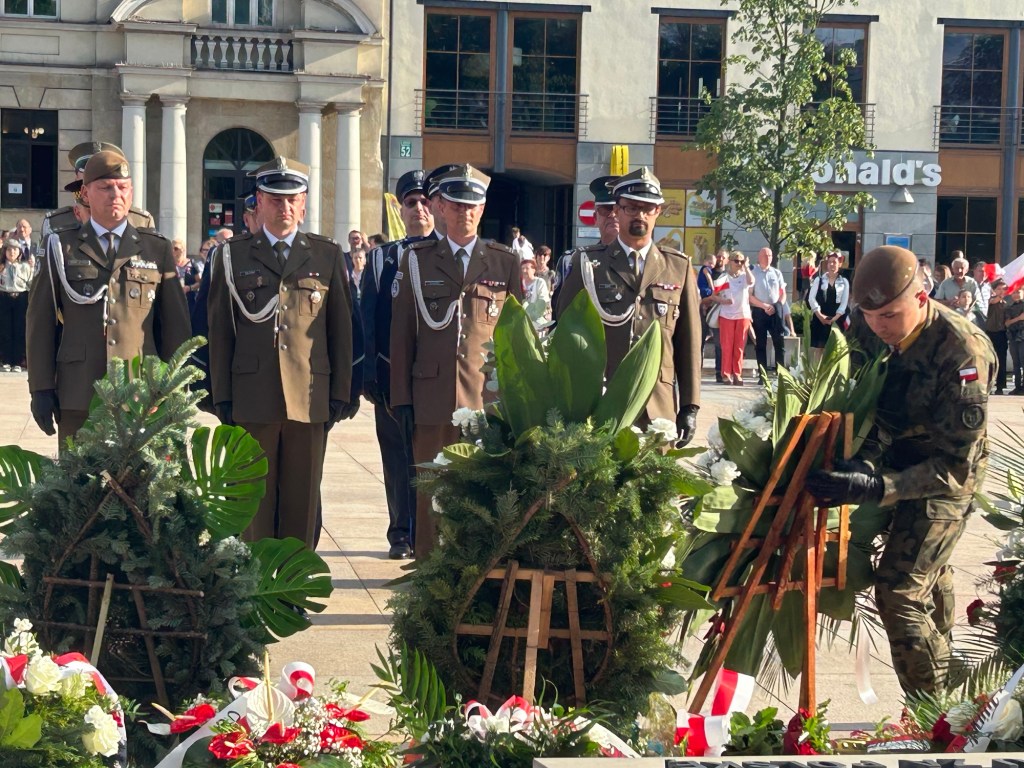
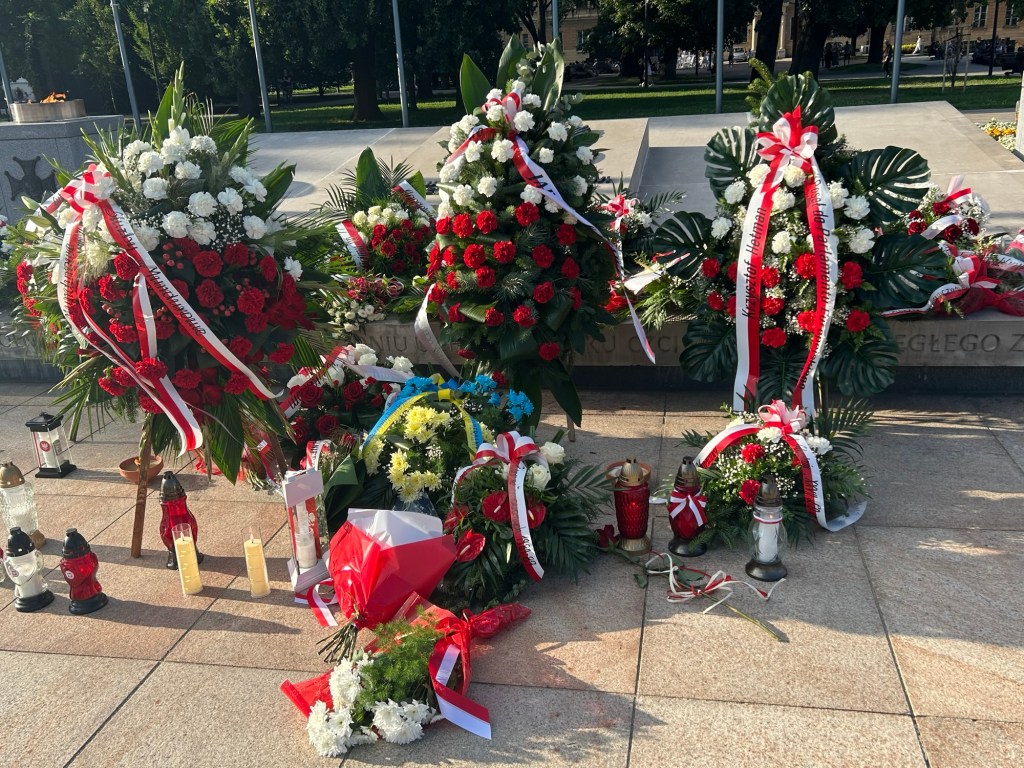
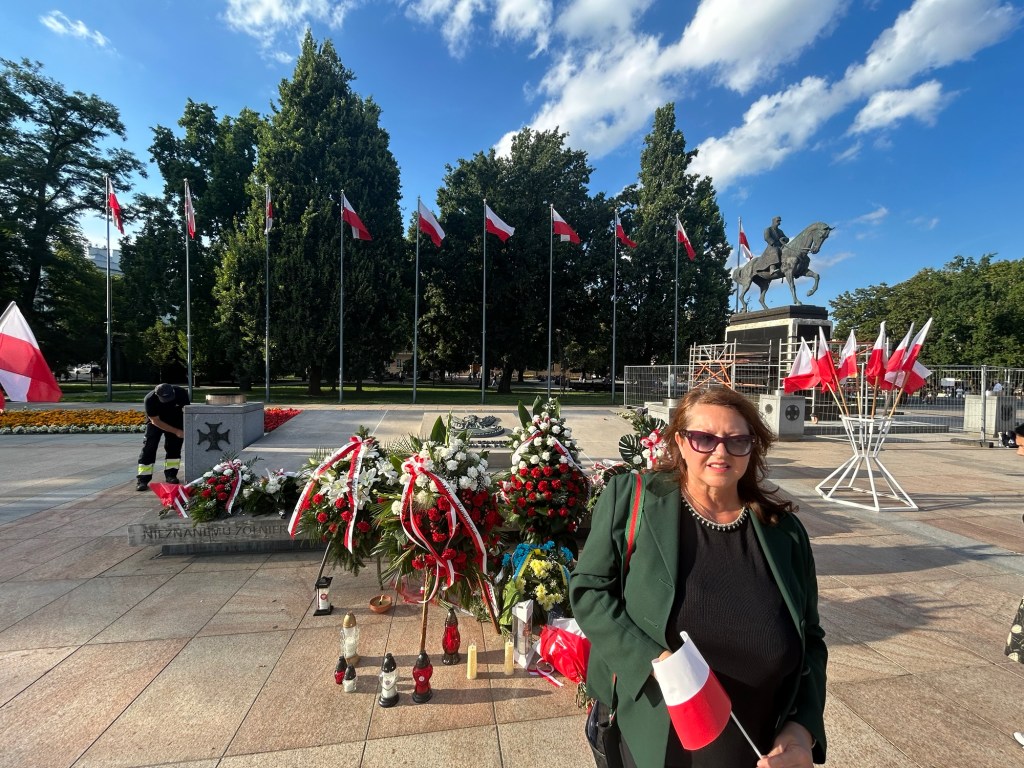
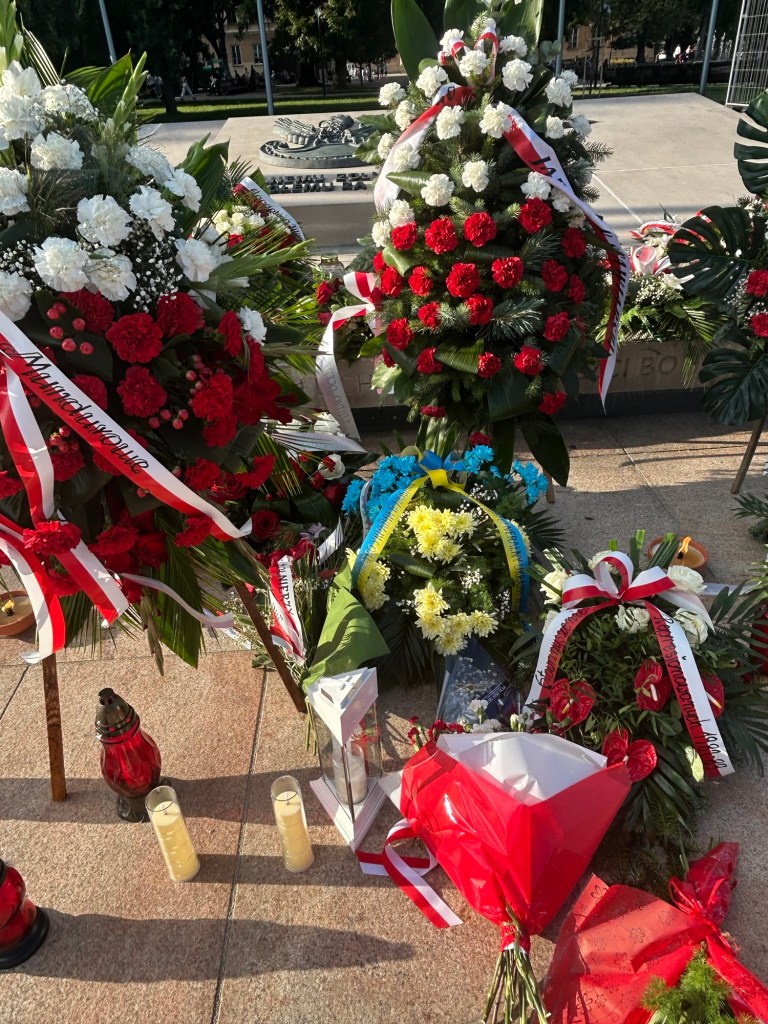
Punktualnie o godz. 17:00 rozległy się syreny alarmowe, w całym mieście zapanowała cisza. Ten krótki, lecz poruszający moment był wspólnym gestem hołdu dla warszawskich powstańców. Następnie odbyła się ceremonia państwowa z udziałem władz samorządowych i kombatantów – odegrano hymn narodowy, wygłoszono przemówienia, złożono kwiaty na płycie Pomnika Nieznanego Żołnierza i zapalono znicze.
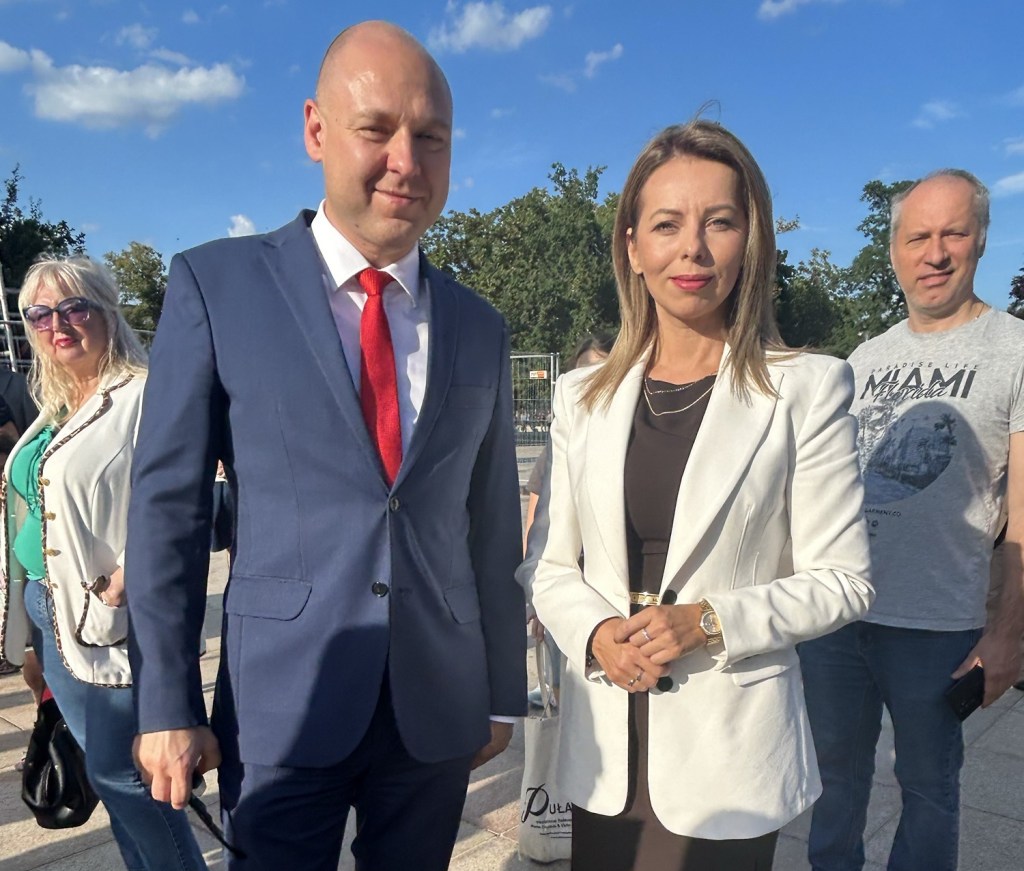
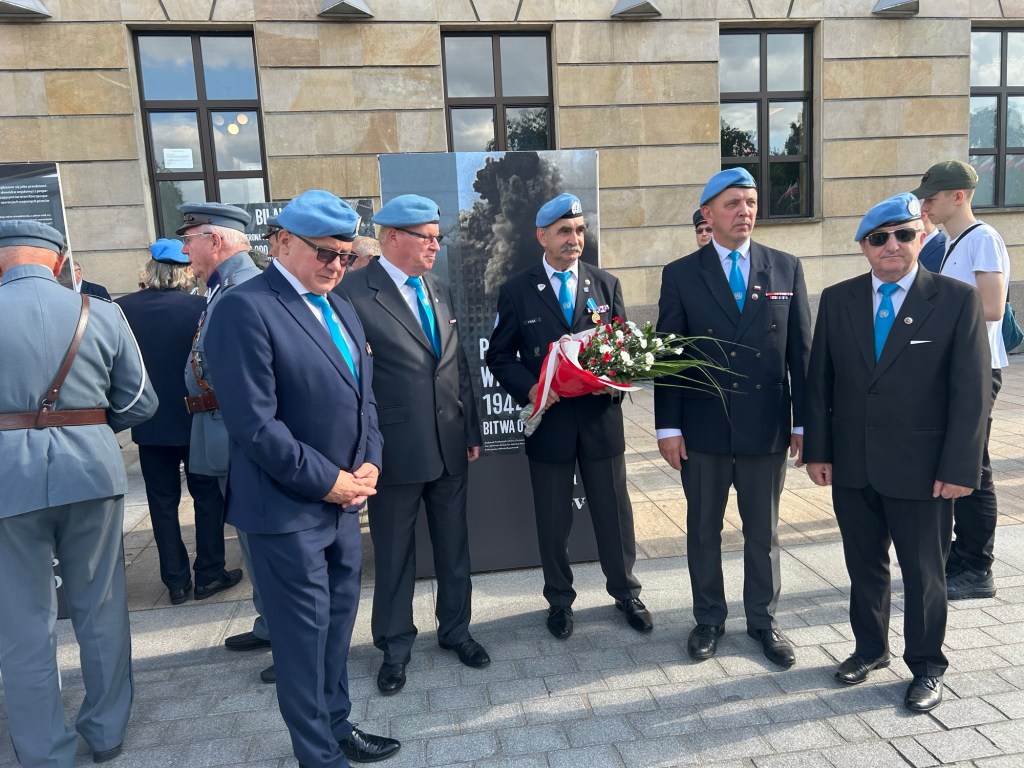
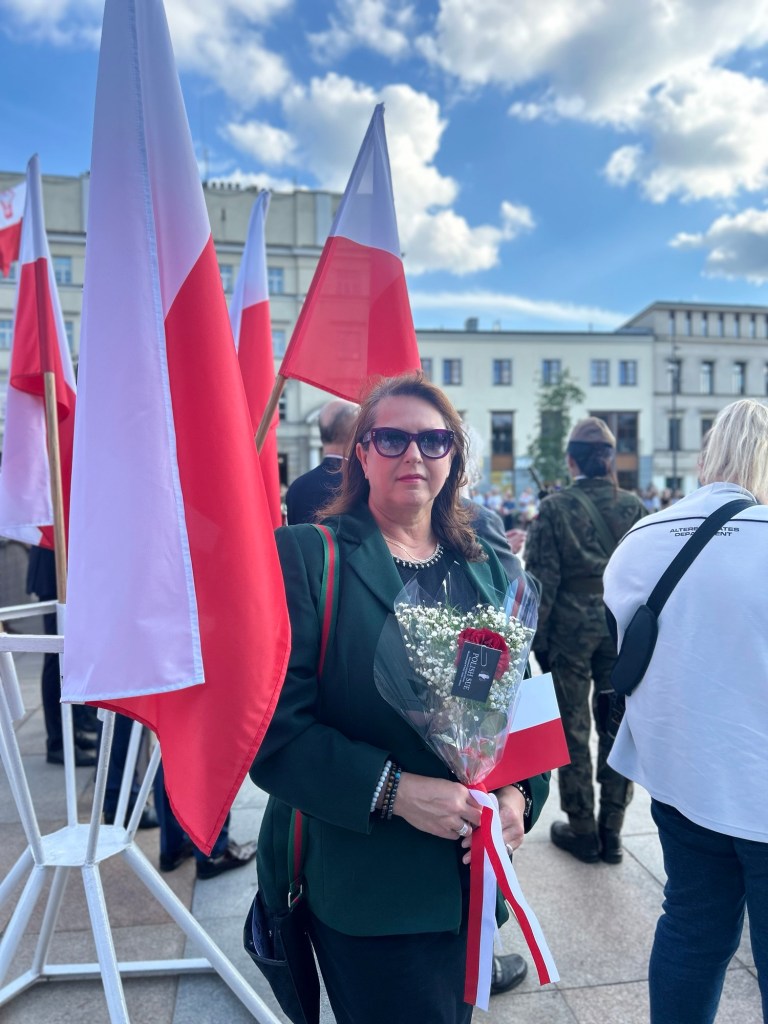
Wśród wielu delegacji, które wzięły udział w uroczystości, obecne było także Stowarzyszenie Polish Sue – organizacja zajmująca się popularyzacją historii Polskich Sił Zbrojnych na Zachodzie.
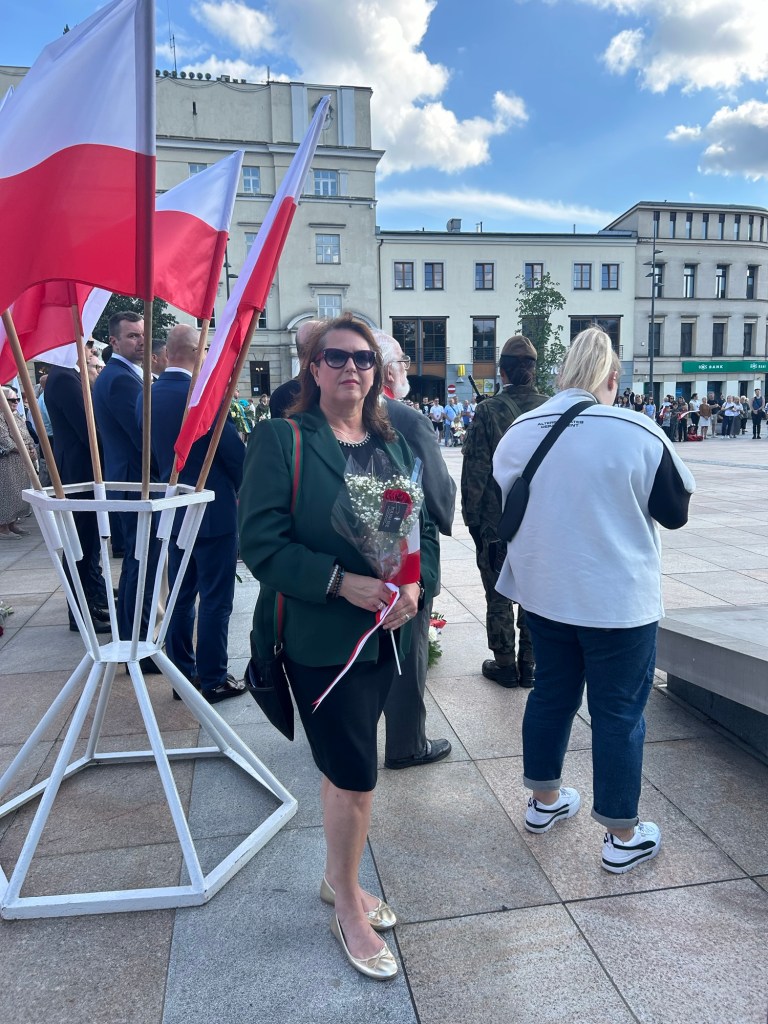
Prezes Polish Sue. Iwona Golińska złożyła wieniec w imieniu Stowarzyszenia a także sympatyzujących z nim środowisk emigracyjnych oraz polonijnych, symbolicznie łącząc Lublin z diasporą pielęgnującą pamięć o Polsce walczącej.
Po zakończeniu części oficjalnej uczestnicy zostali przewiezieni autobusem do kościoła przy Alei Racławickiej, gdzie o godzinie 18:00 odprawiono Mszę świętą w intencji poległych, zmarłych i żyjących Powstańców Warszawskich oraz uczestników Akcji „Burza”. Wzięli w niej udział kombatanci, poczty sztandarowe, harcerze i liczni mieszkańcy.
Wieczorem, o godz. 19:30, Plac Litewski zamienił się w scenę muzycznej refleksji. Podczas koncertu „Zaśpiewajmy w hołdzie Powstańcom Warszawskim” artyści i publiczność wspólnie wykonywali pieśni powstańcze i partyzanckie. Atmosfera była pełna emocji – śpiewano z pamięci, z sercem, jakby historia znów przemawiała przez słowa.
Akcja „Burza” na Lubelszczyźnie – historia lokalnego zrywu niepodległościowego









Wydarzenia, które upamiętniano 1 sierpnia, nie ograniczają się jedynie do Warszawy. W 1944 roku Lubelszczyzna odegrała kluczową rolę w ogólnopolskiej operacji pod kryptonimem „Burza” – akcji zbrojnej Armii Krajowej przeciwko okupantowi niemieckiemu, mającej na celu ujawnienie się struktur Polskiego Państwa Podziemnego przed nadchodzącą Armią Czerwoną.
Lubelszczyzna była jednym z pierwszych regionów, gdzie akcję tę przeprowadzono na szeroką skalę. W lipcu 1944 roku, wraz z cofającymi się wojskami niemieckimi i zbliżającym się frontem wschodnim, oddziały AK przystąpiły do działań bojowych m.in. w rejonie Lubartowa, Puław, Chełma, Krasnegostawu i Biłgoraja. Część tych operacji miała charakter otwartych bitew i lokalnych powstań.

Celem było nie tylko oswobodzenie miejscowości spod okupacji niemieckiej, ale także przejęcie władzy w imieniu rządu Rzeczypospolitej w Londynie. Niestety, mimo militarnego sukcesu wielu oddziałów AK, Lubelszczyzna jako pierwszy region Polski doświadczyła tragicznych skutków sowieckiej polityki wobec niepodległościowego podziemia. Wkrótce po „wyzwoleniu” przez Armię Czerwoną, rozpoczęły się aresztowania oficerów AK, likwidacja struktur Polskiego Państwa Podziemnego i brutalne represje wobec byłych partyzantów.
Akcja „Burza” na Lubelszczyźnie to zatem nie tylko świadectwo determinacji i walki o wolność, ale również dramat zdradzonego zwycięstwa. Wydarzenia te, przez lata przemilczane, dziś stanowią ważną część zbiorowej pamięci mieszkańców regionu.
Dzień 1 sierpnia 2025 r. w Lublinie był więc nie tylko rocznicą historyczną, lecz przede wszystkim żywą lekcją pamięci. Pamięci o ludziach, którzy stanęli do walki o Polskę wolną, suwerenną i wierną swoim wartościom – zarówno w ruinach Warszawy, jak i w lasach Lubelszczyzny.
Powstanie Warszawskie a powstanie w getcie warszawskim – dwa różne zrywy
W świadomości społecznej, także za granicą, Powstanie Warszawskie (1 sierpnia – 2 października 1944 r.) bywa często mylone z wcześniejszym powstaniem w getcie warszawskim (19 kwietnia – 16 maja 1943 r.). To dwa odrębne wydarzenia, o innej genezie, innym charakterze i innej skali działań.
Powstanie Warszawskie było największym zbrojnym wystąpieniem Armii Krajowej i Polskiego Państwa Podziemnego przeciwko niemieckiemu okupantowi, zorganizowanym w ramach operacji „Burza”. Jego głównym celem było wyzwolenie stolicy i wystąpienie wobec nadciągającej Armii Czerwonej w roli gospodarza – jako legalna władza Rzeczypospolitej. Powstanie objęło całe miasto i trwało 63 dni. Wzięło w nim udział ok. 50 tys. powstańców, a w wyniku walk i niemieckich represji zginęło ok. 180 tys. cywilów.
Z kolei powstanie w getcie warszawskim, które wybuchło w kwietniu 1943 roku, było dramatycznym, heroicznym oporem ostatnich Żydów broniących się przed wywózką do obozów zagłady. Zorganizowane przez Żydowską Organizację Bojową i Żydowski Związek Wojskowy, powstanie miało miejsce na terenie zlikwidowanego przez Niemców warszawskiego getta. Było to pierwsze miejskie powstanie w okupowanej Europie, ale miało charakter raczej symbolicznego sprzeciwu niż pełnoskalowej operacji militarnej.
Rozróżnienie tych dwóch wydarzeń jest kluczowe dla zrozumienia historii II wojny światowej w Polsce. Oba powstania świadczą o odwadze ludzi, którzy – w odmiennych warunkach – stanęli do walki, nie godząc się na terror i zagładę. Jednak ich cele, konteksty i skutki były odmienne – i każde z nich zasługuje na oddzielną, uważną pamięć.
Autorka:
Iwona Golinska, MBA
President and Founder
Polish Sue Association
Zdjęcia: Polish Sue
En.
“Lublin Remembers. In Tribute to the Warsaw Uprising and Participants of Operation Tempest”
On Friday, August 1, 2025, Lublin once again paid tribute to the heroes of the Warsaw Uprising and participants of Operation Tempest in the Lublin region. On the 81st anniversary of the outbreak of the uprising, the city united in the shared memory of those who fought for the independence and dignity of the Republic of Poland. Representatives of the authorities, veterans’ groups, social organizations, and residents of the city participated in the ceremony.
The commemorations began at 4:00 PM at 12 Wieniawska Street, where flowers were laid at the plaque commemorating Lieutenant Jan Kucharczak, codename “Kazimierz,” a Home Army officer and one of the co-authors of the Operation Tempest plan in the Lublin region. This symbolic ceremony introduced participants to the historical context of the events that unfolded in these lands in 1944.
At 4:30 PM, the Institute of National Remembrance’s outdoor exhibition, “The Warsaw Uprising of 1944: The Battle for Poland,” opened in Litewski Square. It showcased both the dramatic fate of the struggling capital and the nation-wide dimension of the uprising.
At precisely 5:00 PM, sirens sounded, and silence fell across the city. This brief but moving moment was a collective gesture of tribute to the Warsaw insurgents. A state ceremony attended by local government officials and veterans followed: the national anthem was played, speeches were delivered, flowers were laid at the Monument to the Unknown Soldier, and candles were lit.
Among the many delegations attending the ceremony was the Polish Sue Association, an organization dedicated to promoting the history of the Polish Armed Forces in the West.
President of Polish Sue Iwona Golińska laid a wreath on behalf of the Association and the sympathizing emigration and Polish diaspora communities, symbolically connecting Lublin with the diaspora that cherishes the memory of fighting Poland.
After the official portion, participants were transported by bus to the church on Racławicka Avenue, where at 6:00 PM, a Mass was celebrated in memory of the fallen, deceased, and living Warsaw Uprising participants and participants of Operation Tempest. Veterans, banner guards, scouts, and numerous residents participated.
In the evening, at 7:30 PM, Litewski Square transformed into a stage for musical reflection. During the concert “Let’s Sing in Tribute to the Warsaw Uprising,” artists and audience members joined together to perform songs from the Uprising and partisan movements. The atmosphere was filled with emotion – the songs were sung from memory, with heartfelt expressions, as if history were once again speaking through words.
Operation “Tempest” in the Lublin Region – the history of a local independence uprising
The events commemorated on August 1st are not limited to Warsaw. In 1944, the Lublin Region played a key role in the nationwide Operation “Tempest” – a military action by the Home Army against the German occupiers, aimed at exposing the structures of the Polish Underground State to the approaching Red Army.
The Lublin Region was one of the first regions where this operation was carried out on a large scale. In July 1944, with retreating German forces and the approaching Eastern Front, Home Army units engaged in combat operations in areas such as Lubartów, Puławy, Chełm, Krasnystaw, and Biłgoraj. Some of these operations involved open battles and local uprisings.
The goal was not only to liberate the town from German occupation but also to seize power on behalf of the Polish government in London. Unfortunately, despite the military success of many Home Army units, the Lublin region was the first Polish region to experience the tragic consequences of Soviet policies towards the independence-seeking underground. Shortly after the “liberation” by the Red Army, the arrests of Home Army officers, the liquidation of the Polish Underground State, and brutal repression of former partisans began.
Operation “Tempest” in the Lublin region is therefore not only a testament to determination and the fight for freedom, but also the tragedy of a betrayed victory. These events, for years silenced, today form an important part of the collective memory of the region’s inhabitants.
August 1, 2025, in Lublin, was not only a historical anniversary but, above all, a living lesson in memory. In memory of the people who fought for a Poland that was free, sovereign and true to its values – both in the ruins of Warsaw and in the forests of the Lublin region.
The Warsaw Uprising and the Warsaw Ghetto Uprising – Two Different Uprisings
In the public consciousness, including abroad, the Warsaw Uprising (August 1 – October 2, 1944) is often confused with the earlier Warsaw Ghetto Uprising (April 19 – May 16, 1943). These are two distinct events, with different origins, different character, and different scale of operations.
The Warsaw Uprising was the largest armed uprising of the Home Army and the Polish Underground State against the German occupiers, organized as part of Operation Tempest. Its primary goal was to liberate the capital and to confront the approaching Red Army as the host – the legal government of the Republic of Poland. The uprising encompassed the entire city and lasted 63 days. Approximately 50,000 insurgents participated, and as a result of fighting and German repression, approximately 180,000 civilians died.
The Warsaw Ghetto Uprising, which broke out in April 1943, was a dramatic, heroic resistance by the last Jews defending themselves against deportation to extermination camps. Organized by the Jewish Combat Organization and the Jewish Military Union, the uprising took place on the site of the Warsaw Ghetto, which had been liquidated by the Germans. It was the first urban uprising in occupied Europe, but it was more of a symbolic protest than a full-scale military operation.
Distinguishing these two events is crucial to understanding the history of World War II in Poland. Both uprisings testify to the courage of people who, under different circumstances, stood up to fight, refusing to accept terror and extermination. However, their goals, contexts, and consequences were distinct—and each deserves to be remembered separately and carefully.
Author:
Iwona Golinska, MBA
President and Founder of the Polish Sue Association
 Polish Sue
Leave a comment