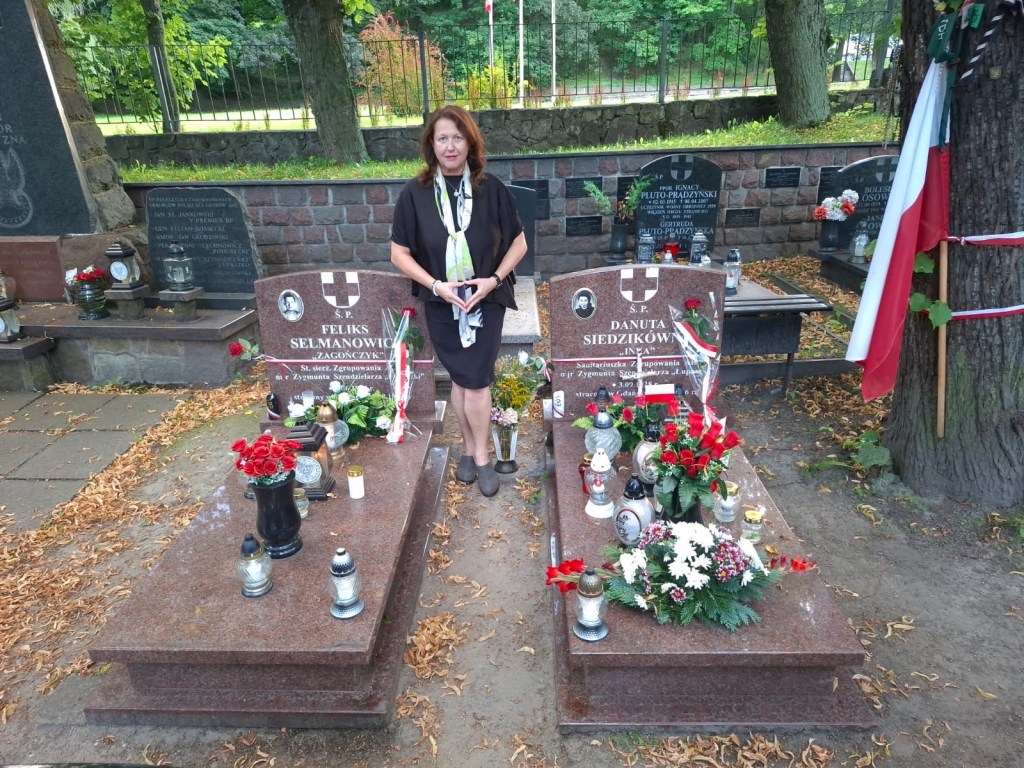
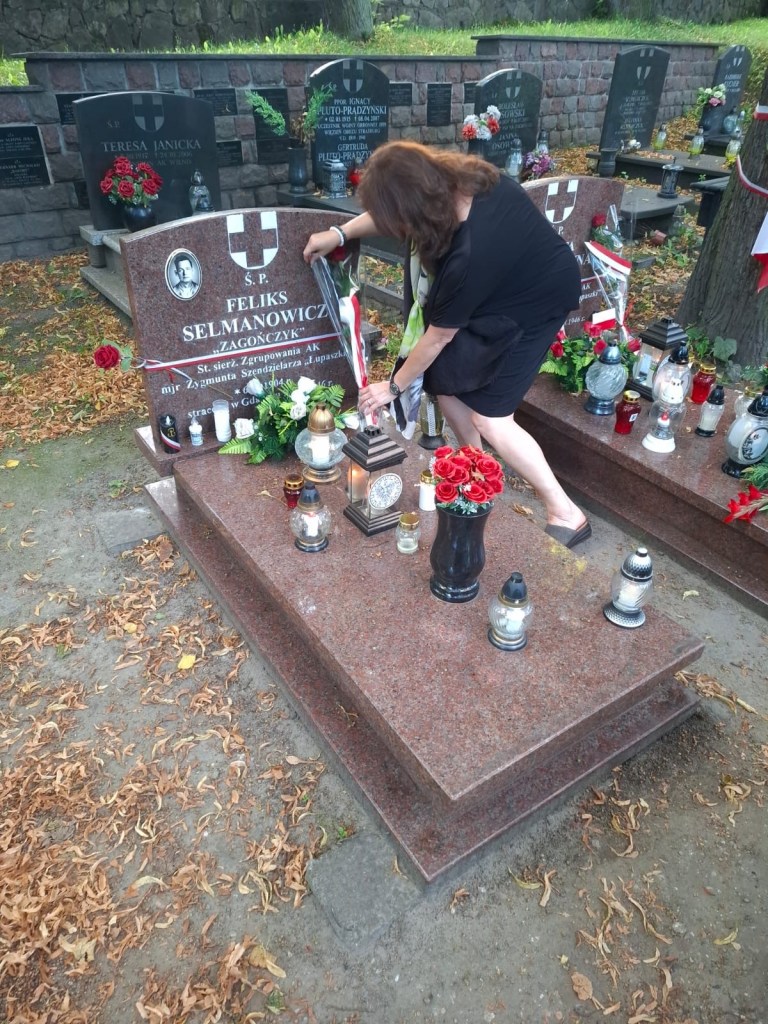
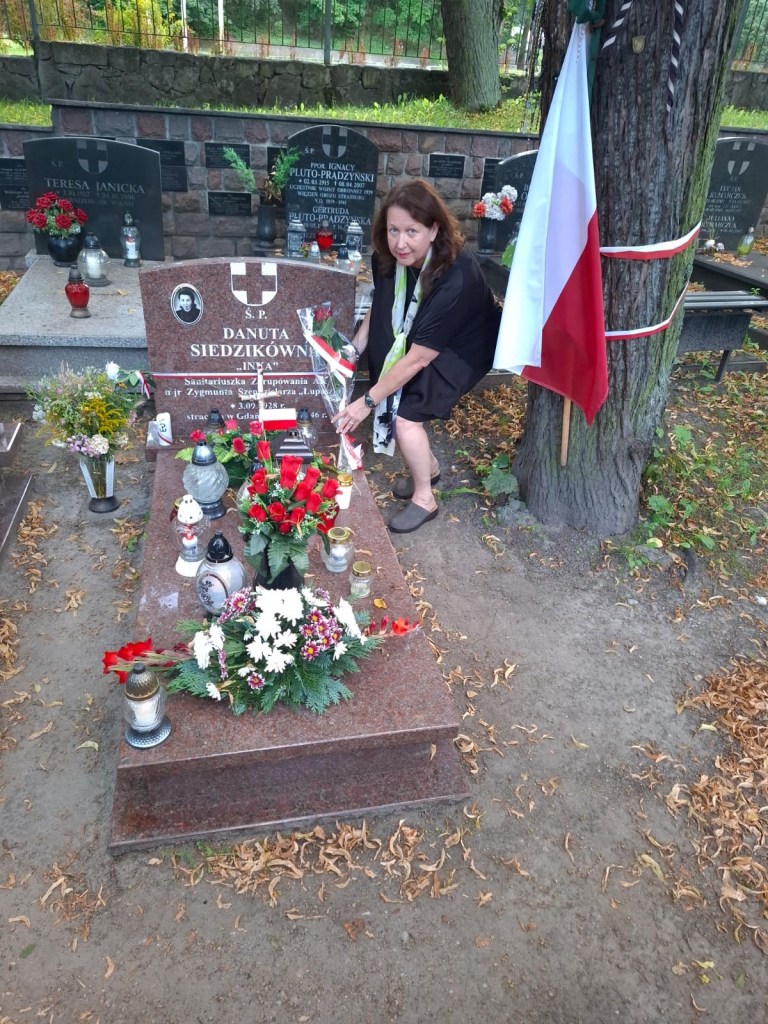
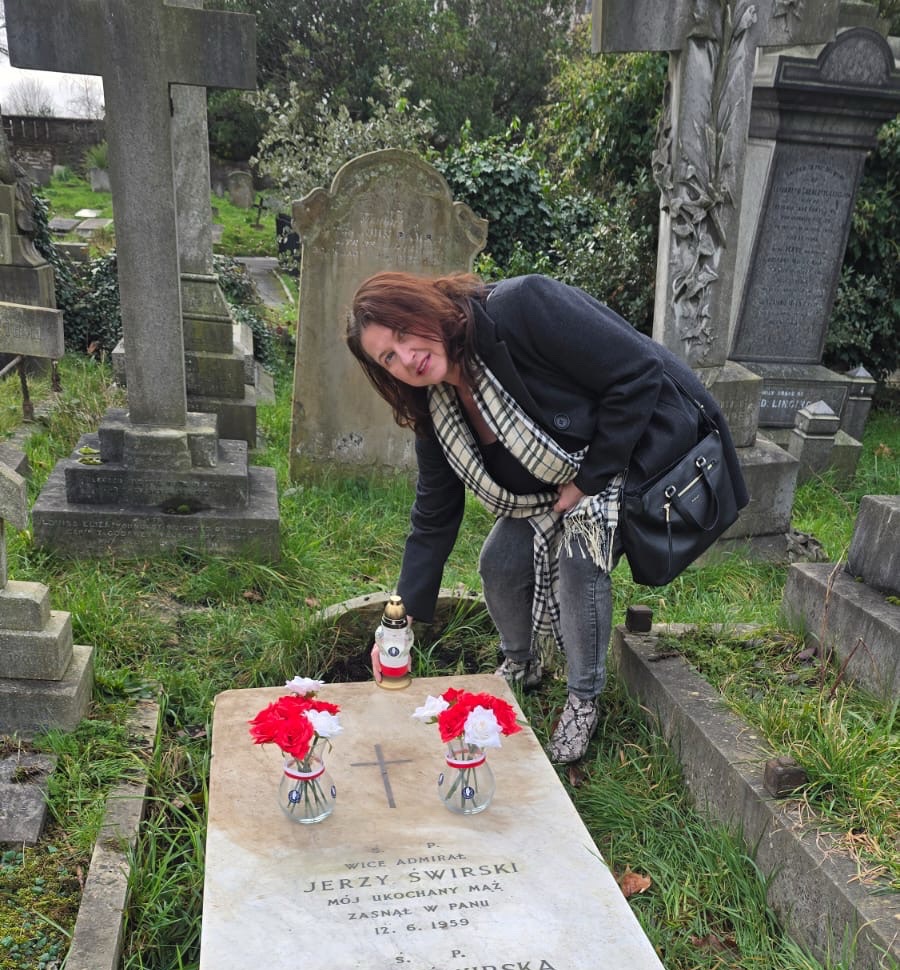
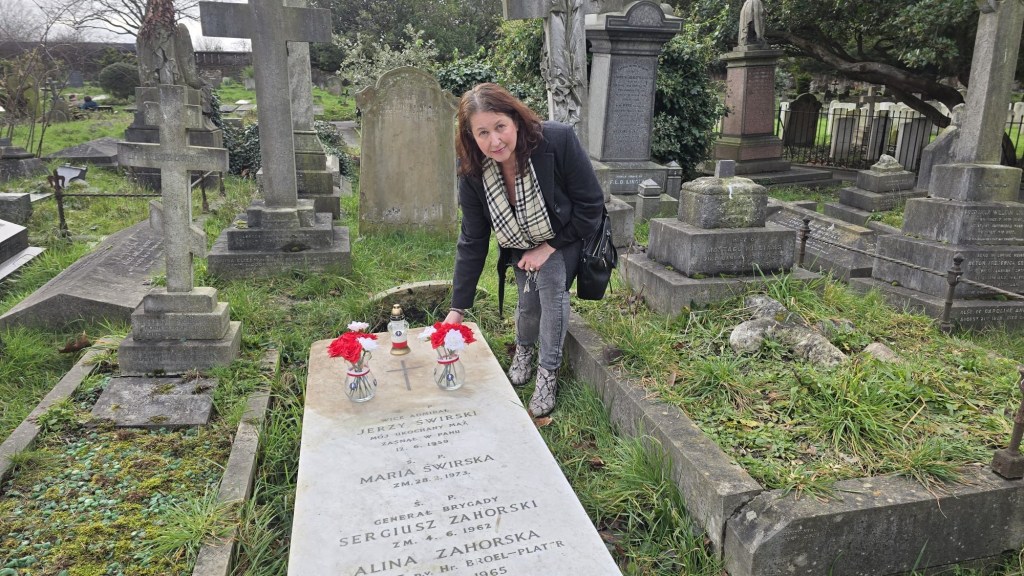
Gdańsk, 20 sierpnia 2025 r. – Stowarzyszenie Polish Sue reprezentowane przez Prezes Iwonę Golinską oddało dziś hołd bohaterom podziemia niepodległościowego, składając kwiaty na grobach Danuty Siedzikówny ps. „Inka” oraz Feliksa Selmanowicza ps. „Zagończyk” na Cmentarzu Garnizonowym w Gdańsku przy ul. Antoniego Giełguda. Uroczysty gest pamięci odbył się by czcić 79. rocznicę ich zamordowania przez władze komunistyczne – w dniu 28 sierpnia, 1946r.
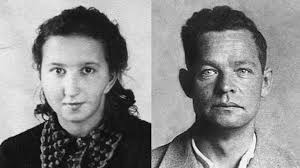
Bohaterowie niezłomni
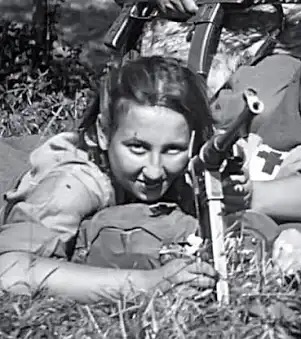
Danuta Siedzikówna „Inka” (1928–1946)
Miała zaledwie 17 lat, gdy stanęła przed plutonem egzekucyjnym. Była sanitariuszką 5. Wileńskiej Brygady Armii Krajowej dowodzonej przez mjr. Zygmunta Szendzielarza „Łupaszkę”. Pomagała rannym żołnierzom, niosła ratunek zarówno kolegom z oddziału, jak i potrzebującym cywilom.
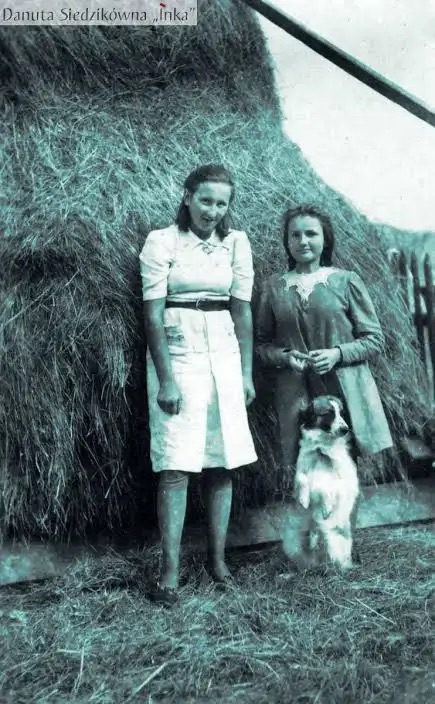
Aresztowana przez UB, poddana brutalnemu śledztwu, nie zdradziła nikogo ze swoich towarzyszy. Jej ostatnie słowa zapisane w grypsie brzmiały: „Powiedzcie mojej babci, że zachowałam się jak trzeba”.
Feliks Selmanowicz „Zagończyk” (1904–1946)
Starszy wiekiem towarzysz „Inki”. Urodzony w Wilnie, uczestnik walk o niepodległość w latach 20. XX wieku, żołnierz w wojnie obronnej 1939 r., a następnie partyzant Armii Krajowej.
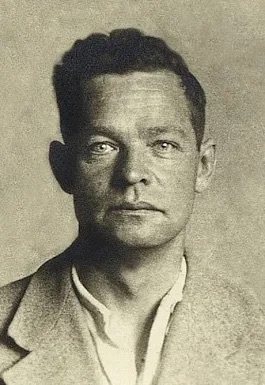
W czasie okupacji niemieckiej i sowieckiej był aktywnym konspiratorem. Po wojnie, nie godząc się na sowietyzację Polski, działał w oddziałach podziemia antykomunistycznego.
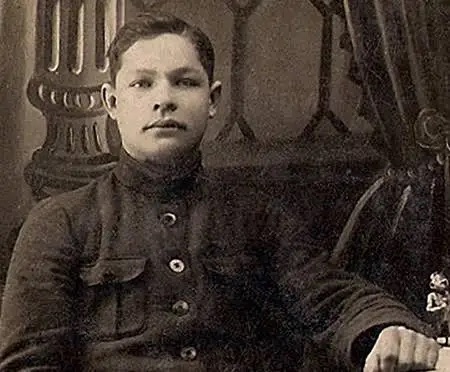
Aresztowany w 1946 r., wraz z „Inką” został skazany na śmierć w sfingowanym procesie.
Oboje zostali rozstrzelani 28 sierpnia 1946 roku w Gdańsku, w więzieniu przy ul. Kurkowej. Ich szczątki odnaleziono dopiero w XXI wieku dzięki pracom poszukiwawczym Instytutu Pamięci Narodowej. W 2016 r. odbył się ich uroczysty, państwowy pogrzeb.
Dlaczego są bohaterami?
„Inka” i „Zagończyk” to symbole wierności przysiędze i niezłomnej postawy wobec wrogów wolnej Polski. Ich śmierć miała zastraszyć młodych żołnierzy podziemia, lecz w rzeczywistości stała się świadectwem, że walka o niepodległość nie zakończyła się w 1945 roku. Oni – podobnie jak tysiące innych żołnierzy wyklętych – udowodnili, że Polska to wartość, za którą warto oddać życie.
Pamięć, która zobowiązuje
Dzisiejsze złożenie kwiatów przez Polish Sue to nie tylko akt pamięci, ale również przesłanie dla młodego pokolenia – aby bohaterowie tacy jak „Inka” i „Zagończyk” nie zostali zapomniani. Ich postawa przypomina, że wolność nie jest dana raz na zawsze i wymaga odwagi, poświęcenia i wierności ideałom.
Tekst i Zdjęcia: Polish Sue
En.
The Polish Sue Association paid tribute to “Inka” and “Zagończyk” on the 79th anniversary of the deaths of heroes of the anti-communist underground.
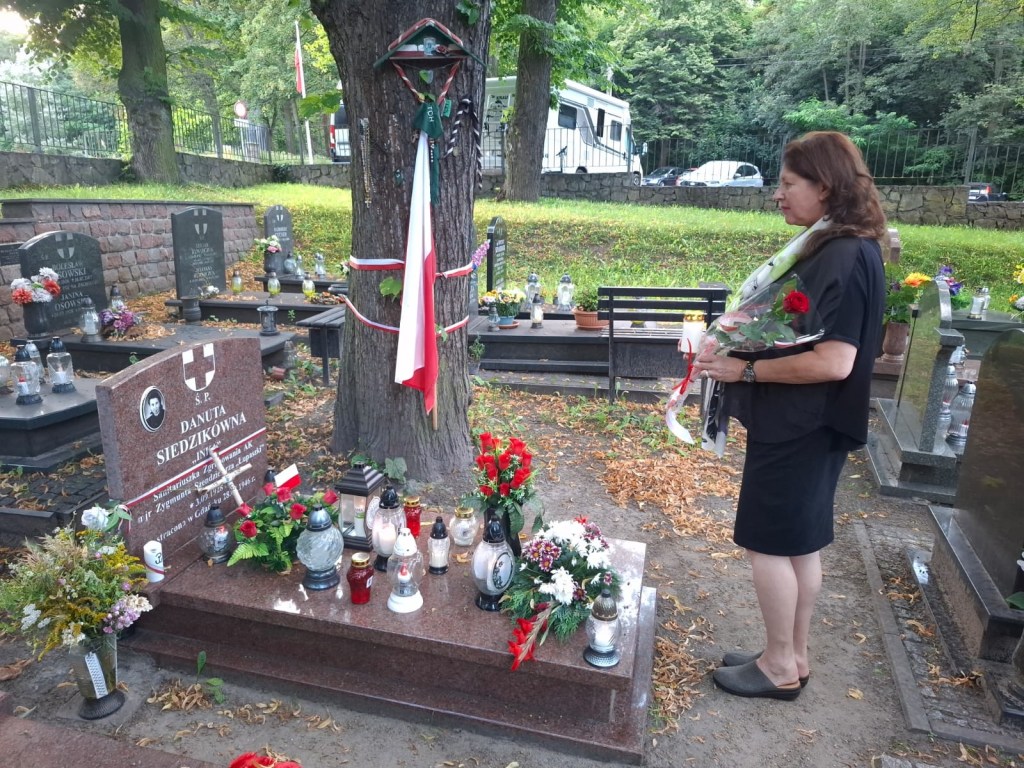
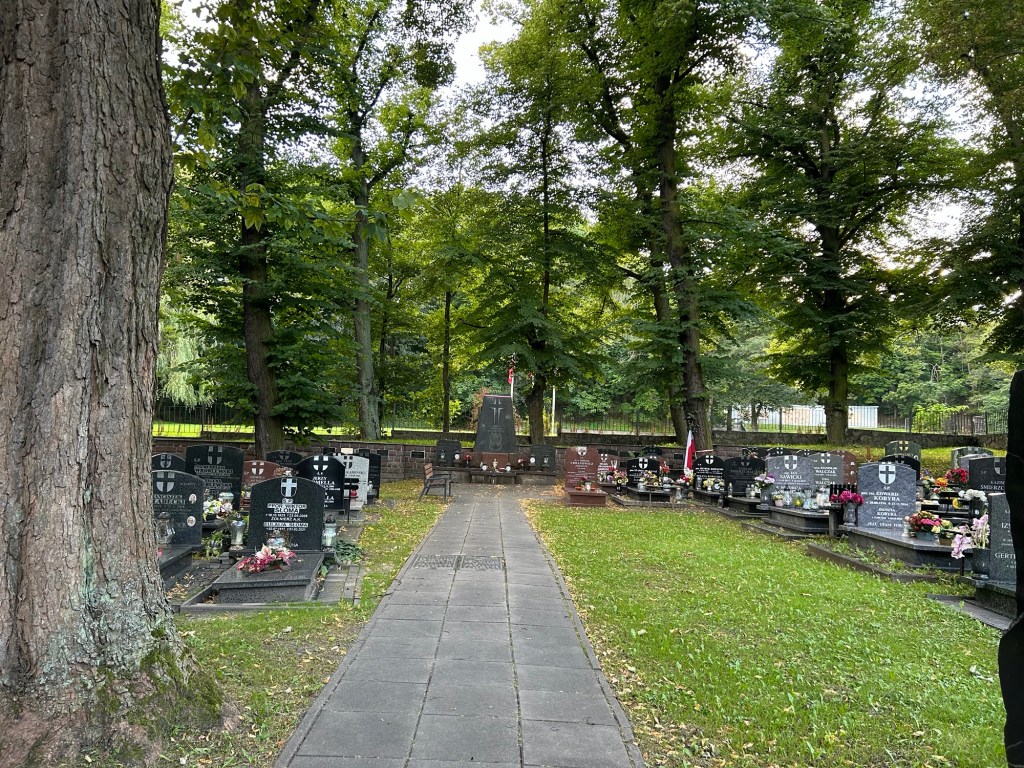
Gdańsk, August 20, 2025 – The Polish Sue Association, represented by President Iwona Golinska, today paid tribute to heroes of the independence underground by laying flowers at the graves of Danuta Siedzikówna, codename “Inka,” and Feliks Selmanowicz, codename “Zagończyk,” at the Garrison Cemetery in Gdańsk on Antoniego Giełguda Street. The solemn gesture of remembrance was held to commemorate the 79th anniversary of their murder by the communist authorities on August 28, 1946.
Unwavering Heroes
Danuta Siedzikówna “Inka” (1928–1946)
She was only 17 years old when she faced the firing squad. She was a medic in the 5th Vilnius Brigade of the Home Army, commanded by Major Zygmunt Szendzielarz “Łupaszka.” She aided wounded soldiers and rescued both her fellow soldiers and civilians in need. Arrested by the Security Service (UB) and subjected to a brutal interrogation, she did not betray any of her comrades. Her last words, recorded in a secret message, were: “Tell my grandmother that I acted appropriately.”
Feliks Selmanowicz “Zagończyk” (1904–1946)
An older comrade of “Inka.” Born in Vilnius, he participated in the fight for independence in the 1920s, served in the 1939 defensive war, and later became a partisan of the Home Army. During the German and Soviet occupations, he was an active conspirator. After the war, refusing to accept the Sovietization of Poland, he was active in anti-communist underground groups. Arrested in 1946, he and “Inka” were sentenced to death in a trumped-up trial.
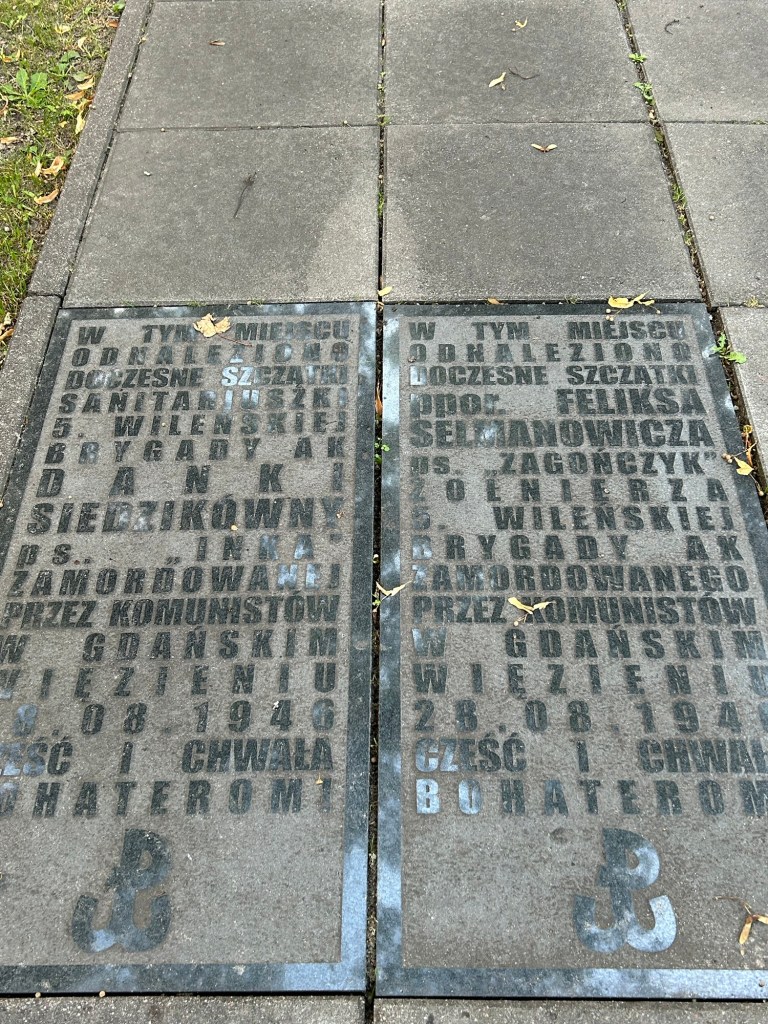
They were both shot on August 28, 1946, in Gdańsk, at the prison on Kurkowa Street. Their remains were only discovered in the 21st century thanks to excavations by the Institute of National Remembrance. A state funeral was held in 2016.

Why are they heroes?
“Inka” and “Zagończyk” are symbols of loyalty to their oath and a steadfast stance against the enemies of a free Poland. Their deaths were intended to intimidate young underground soldiers, but in reality, they became a testament to the fact that the fight for independence did not end in 1945. They – like thousands of other cursed soldiers – proved that Poland is a value worth giving one’s life for.
Memory That Obligates
Today’s wreath-laying by Polish Sue is not only an act of remembrance, but also a message to the younger generation – that heroes like “Inka” and “Zagonczyk” not be forgotten. Their stance reminds us that freedom is not granted once and for all and requires courage, sacrifice, and fidelity to ideals.
Text and Photos: Polish Sue
 Polish Sue
Leave a comment