Today We Commemorate the 45th Anniversary of the Gdańsk Agreements – and remember Solidarity Heroes.
Today, Polish Sue joins Poles around the world in commemorating the 45th anniversary of the Gdańsk Agreements – a turning point in the history of Poland and the wider world. A few years ago, representatives of Polish Sue had the honour of visiting one of the most symbolic places in modern Polish history – the…
Today, Polish Sue joins Poles around the world in commemorating the 45th anniversary of the Gdańsk Agreements – a turning point in the history of Poland and the wider world.
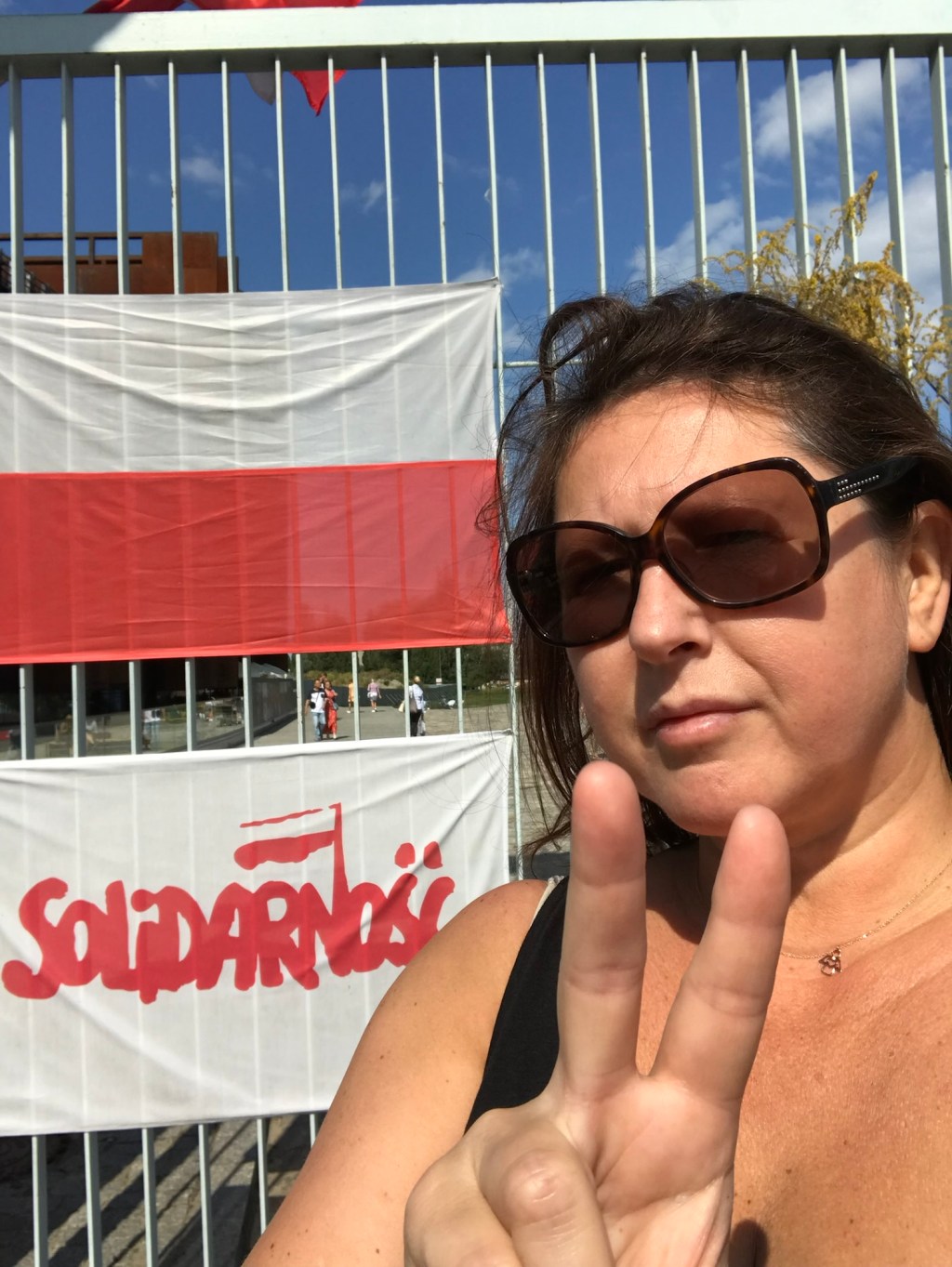
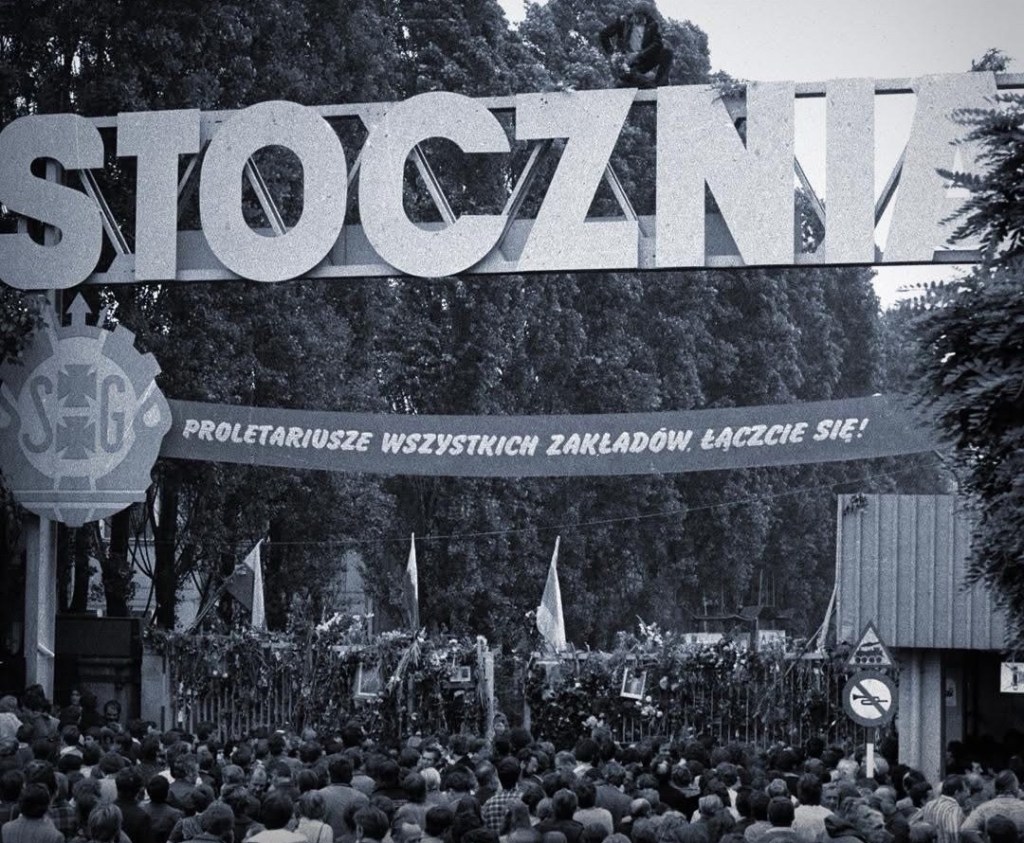
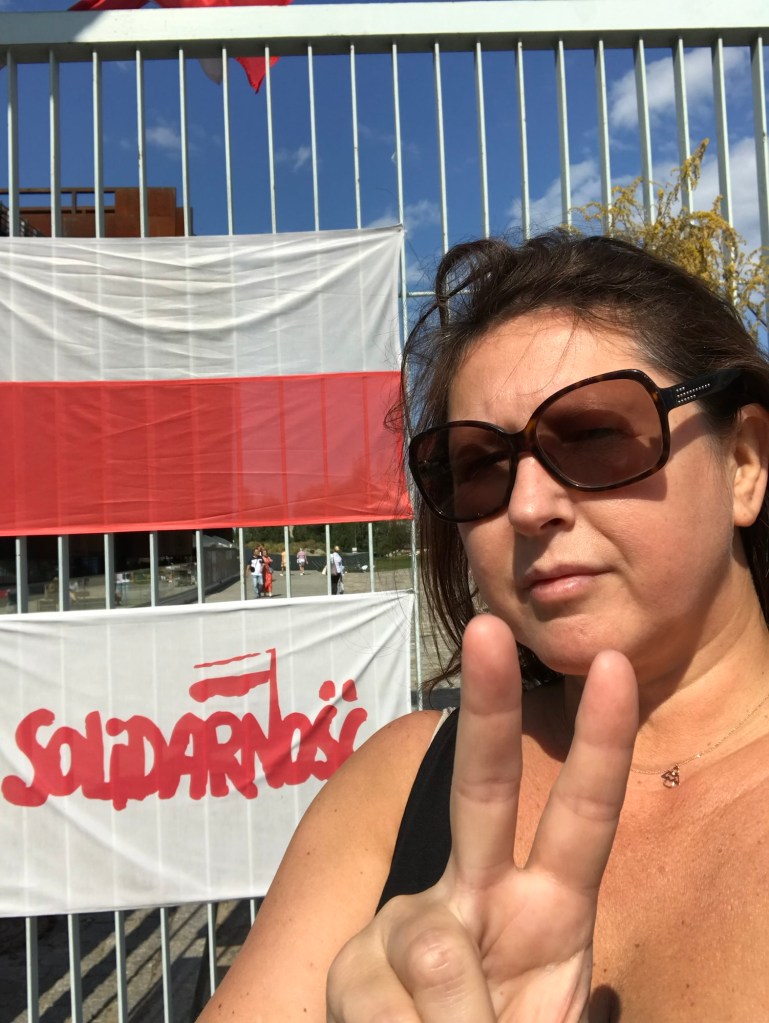
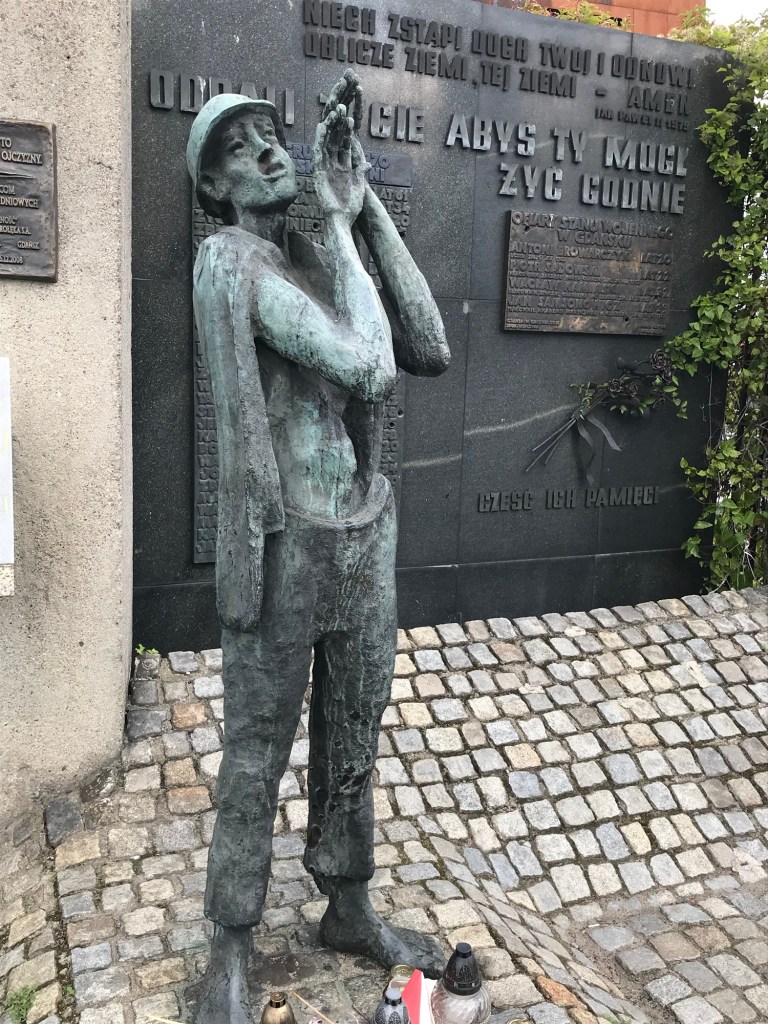
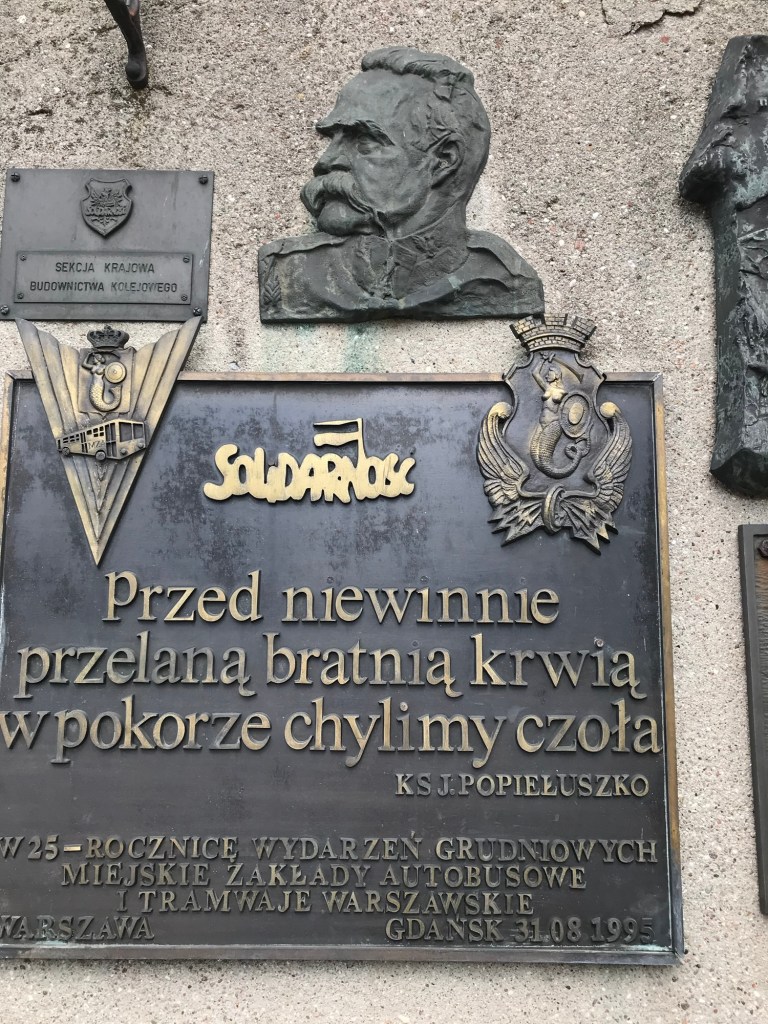
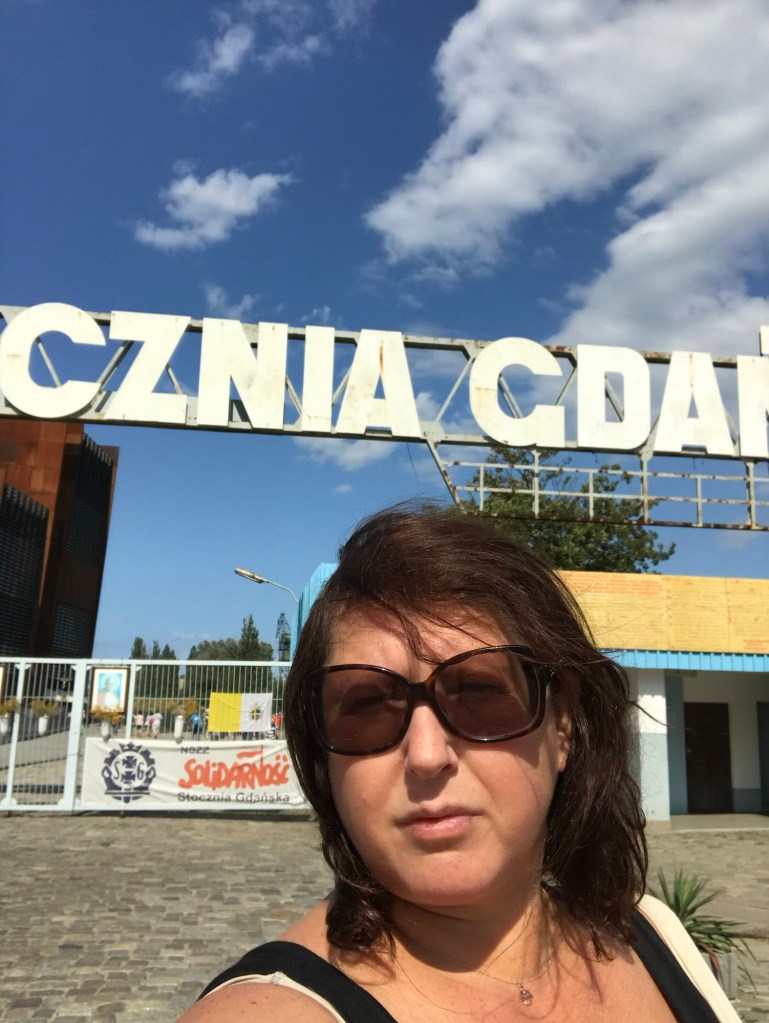
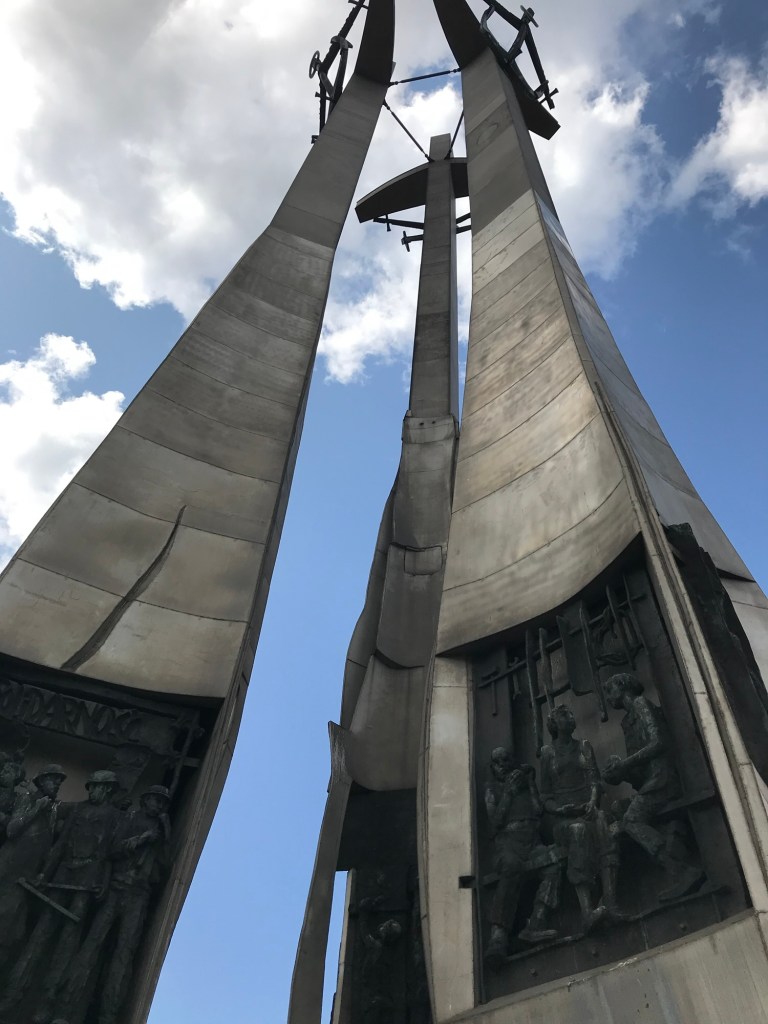
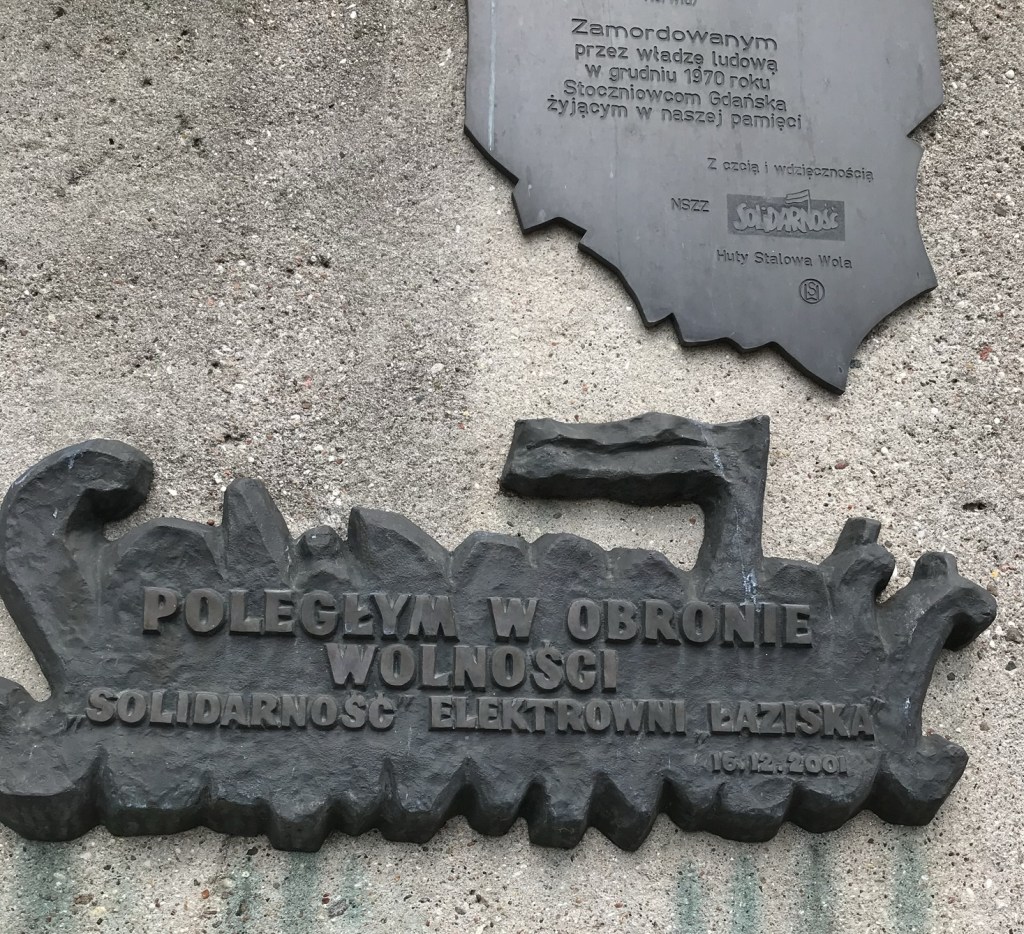
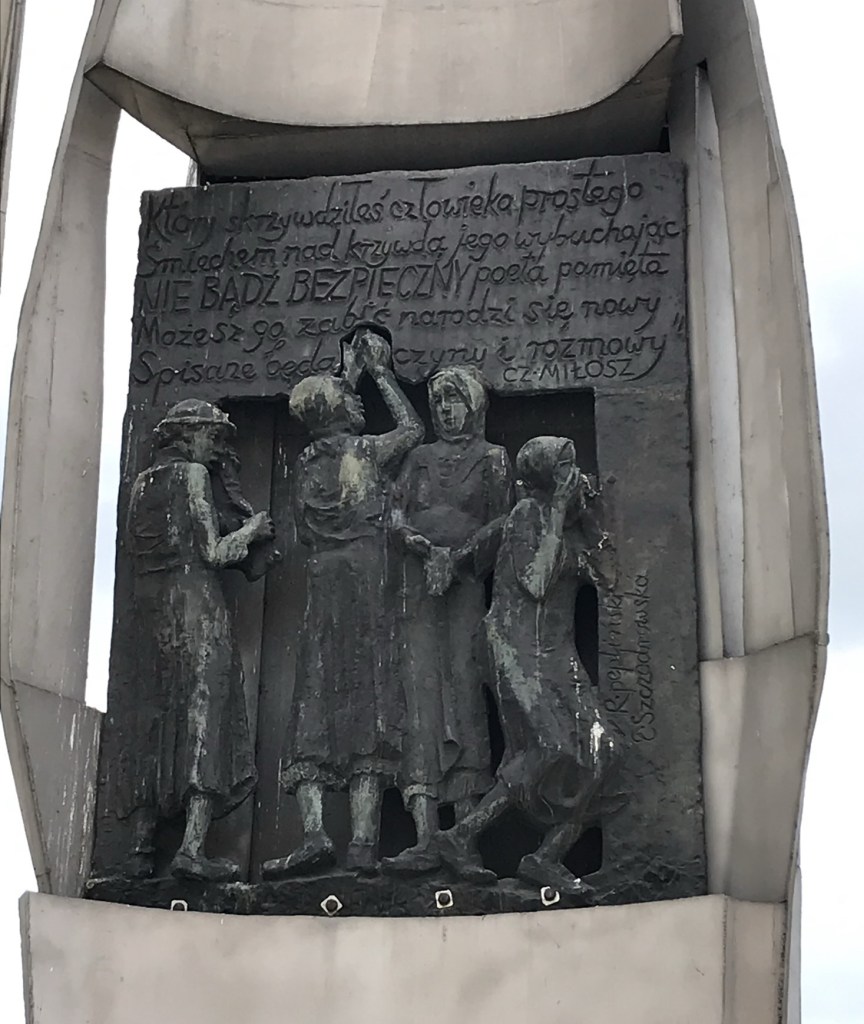
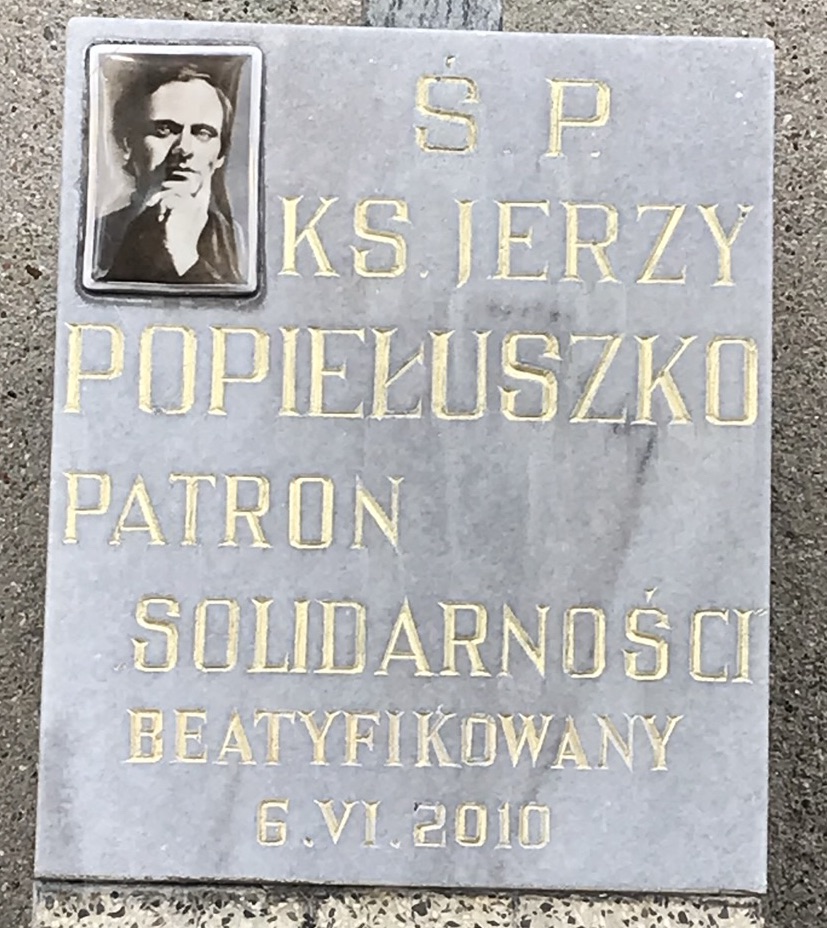
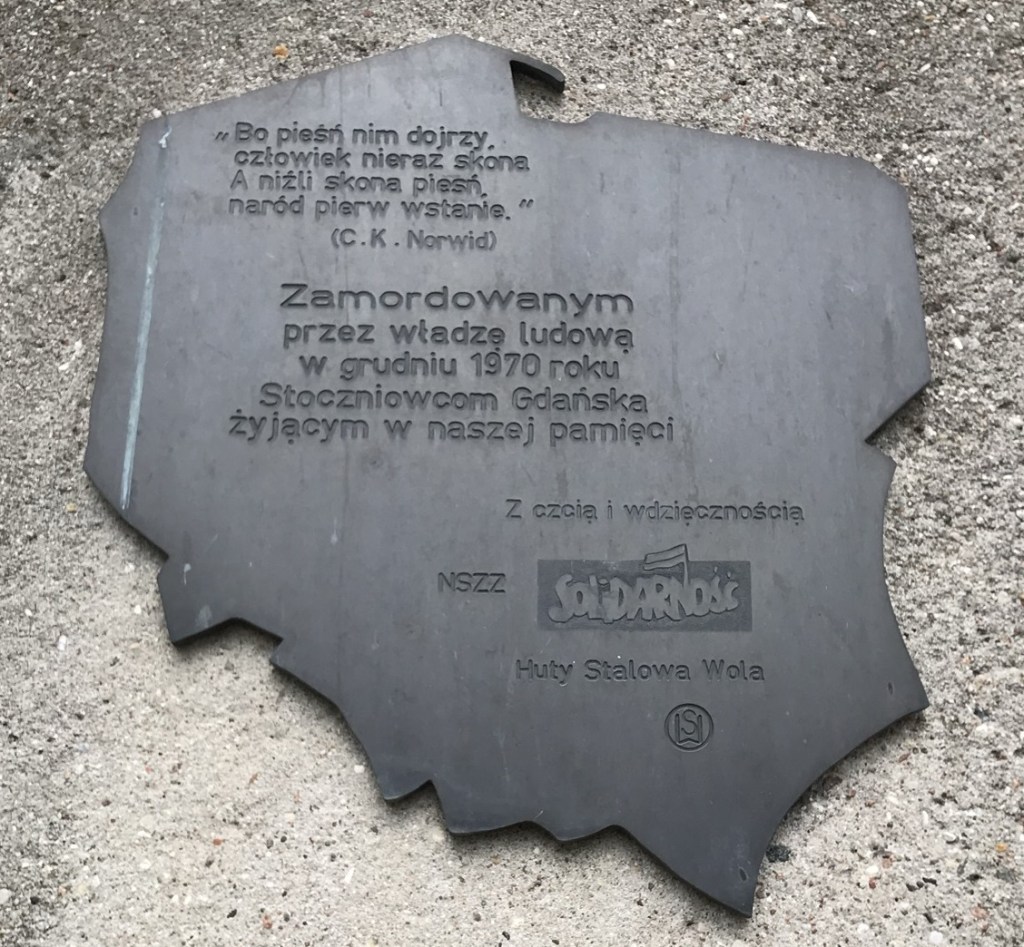
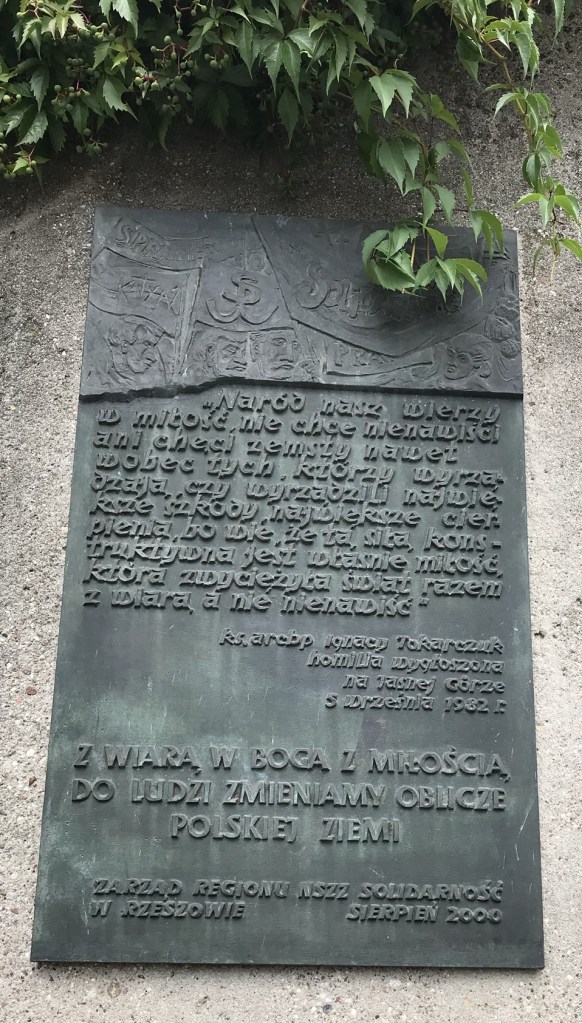
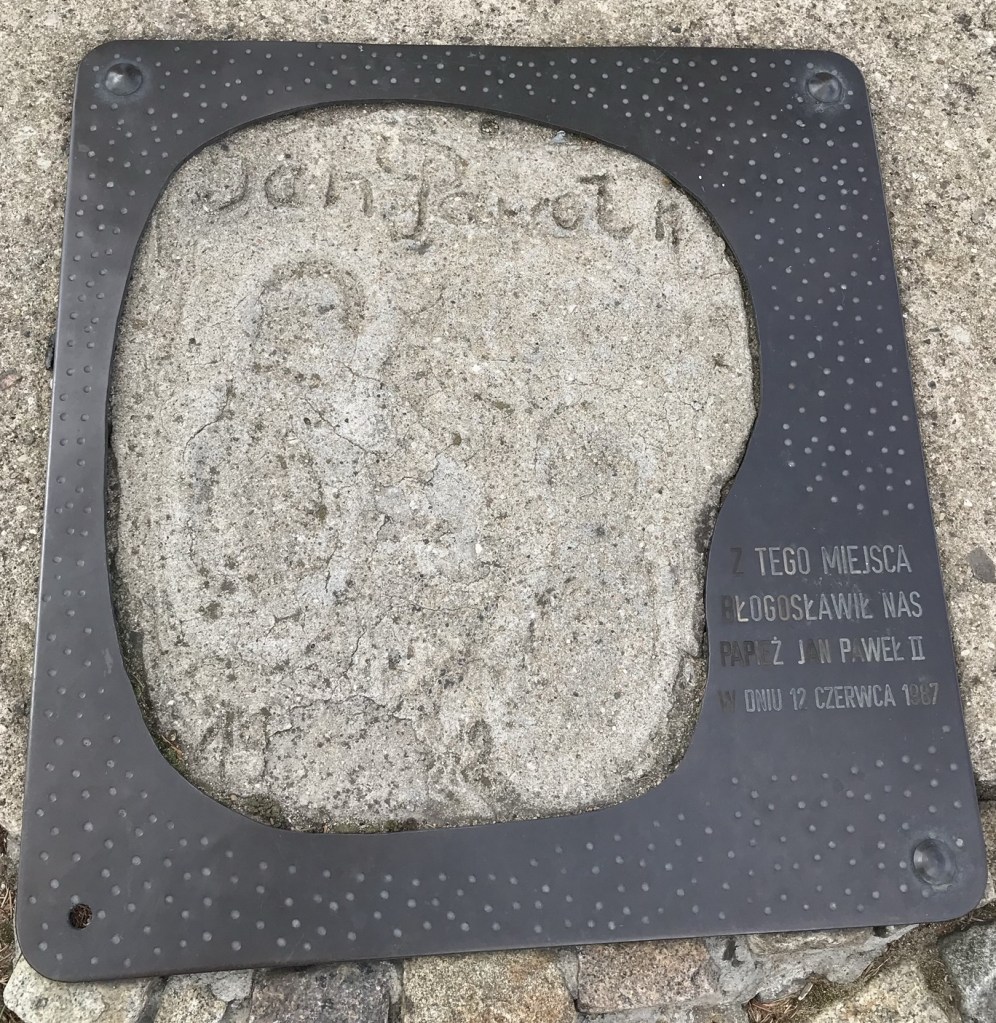
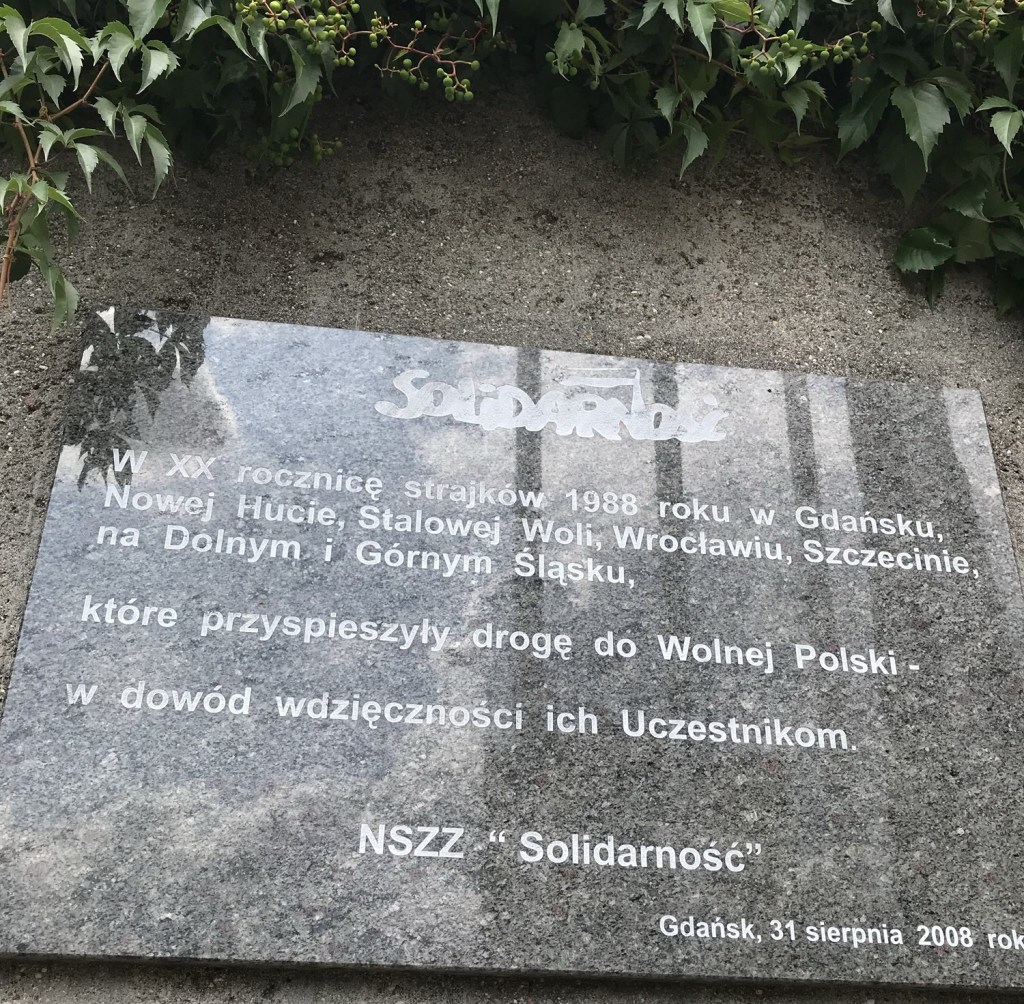
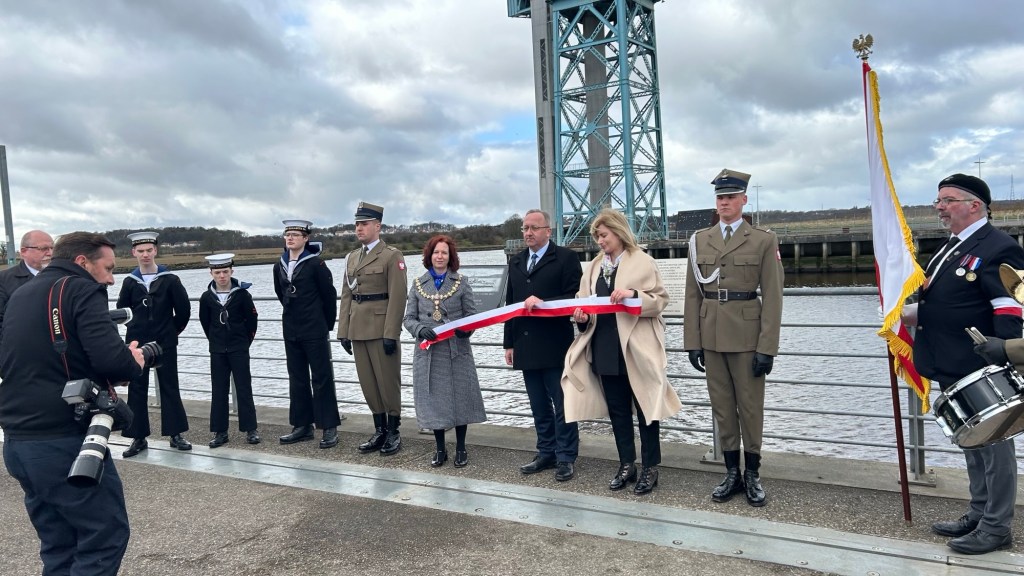
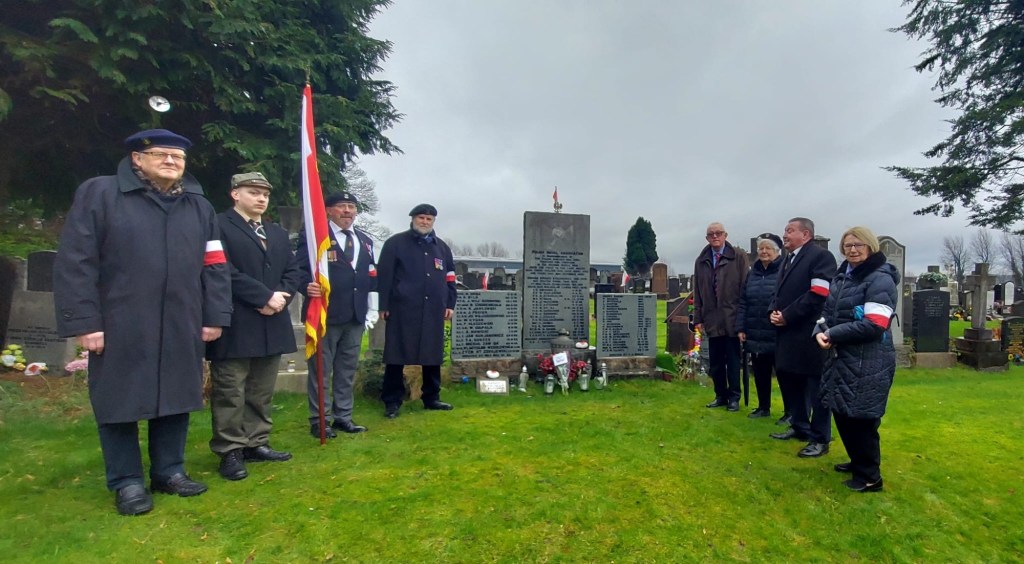
A few years ago, representatives of Polish Sue had the honour of visiting one of the most symbolic places in modern Polish history – the Gdańsk Shipyards and the nearby Monument to the Fallen Shipyard Workers of 1970.
It was not only a journey into the heart of the city, but also a profound encounter with the legacy of courage, sacrifice, and solidarity that reshaped both Poland and Europe.
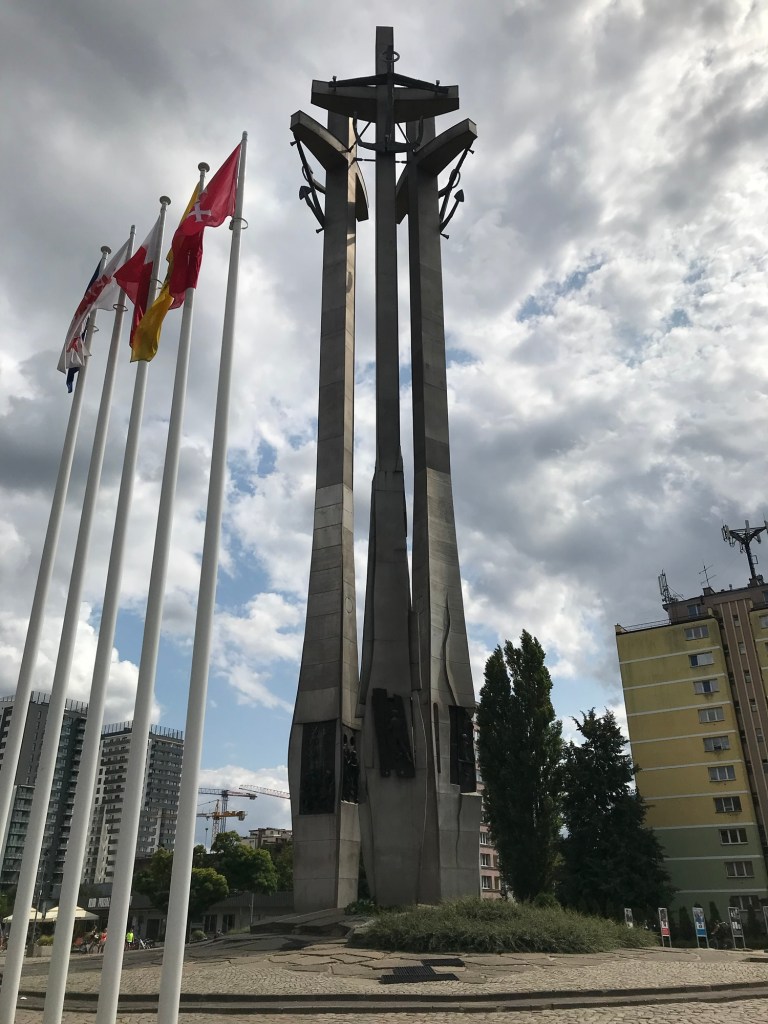
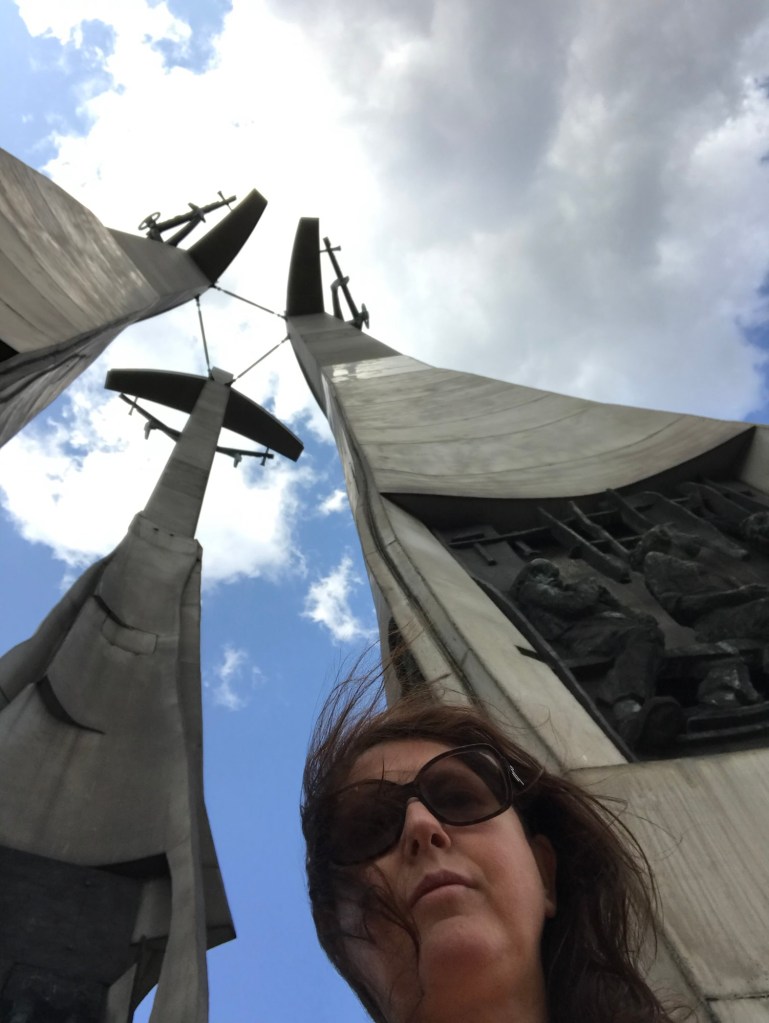
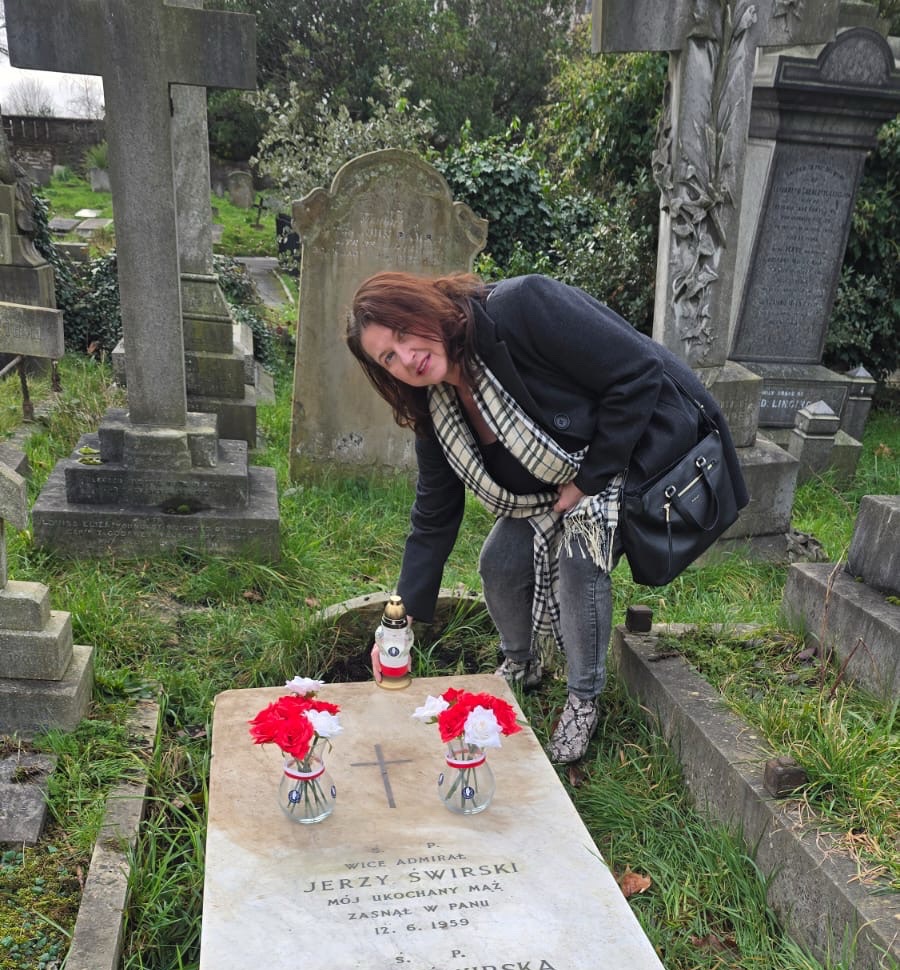
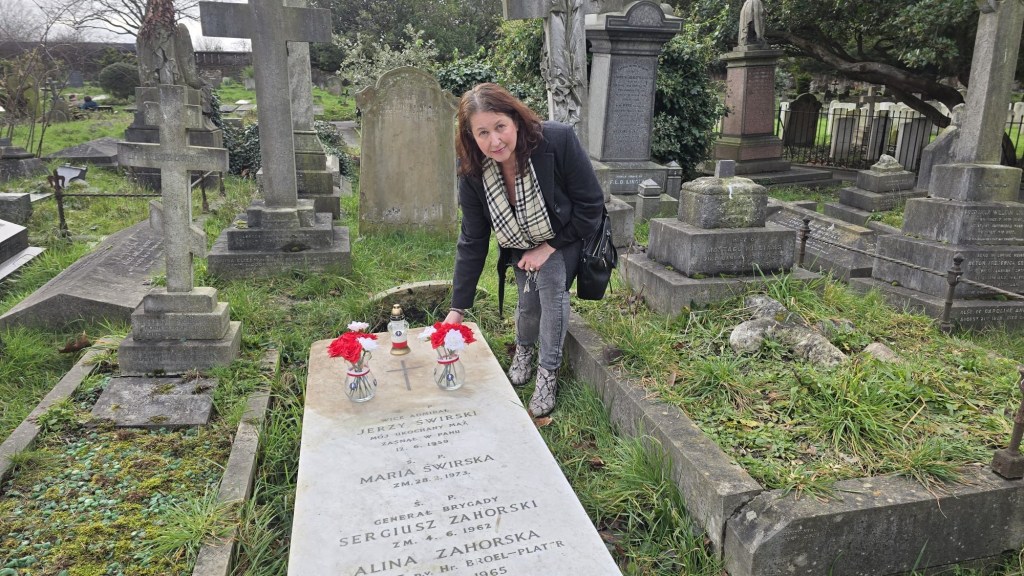
The towering crosses of the Monument, unveiled in December 1980, commemorate the workers killed during the protests of December 1970. Standing there, laying flowers, was for us both a moment of silence and of gratitude. It reminded us that the freedoms we cherish today were born out of immense suffering, but also out of unity and hope.
45 Years Since the Gdańsk Agreements
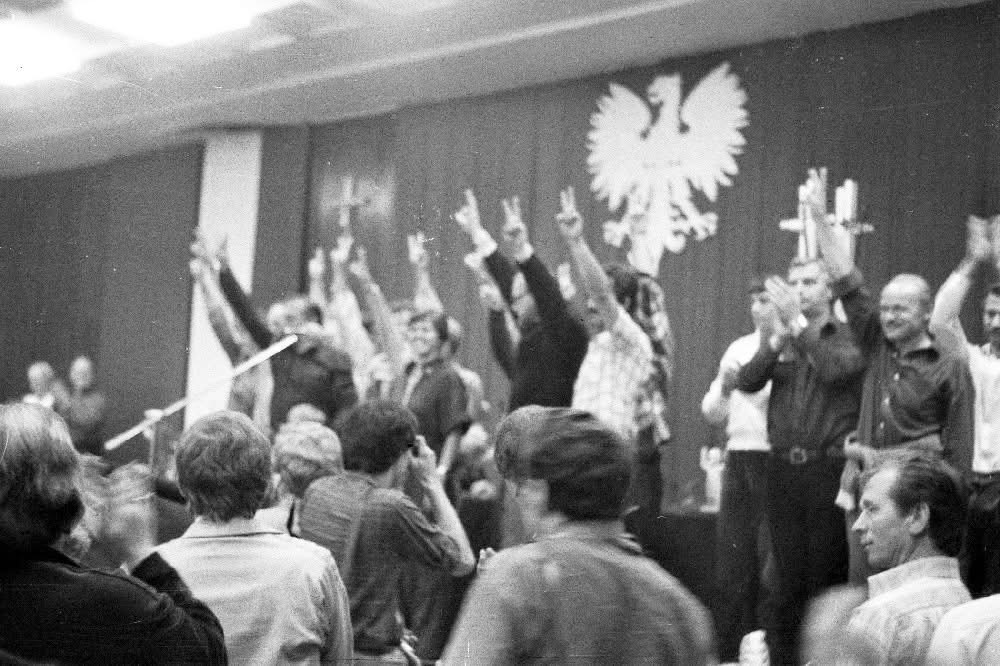
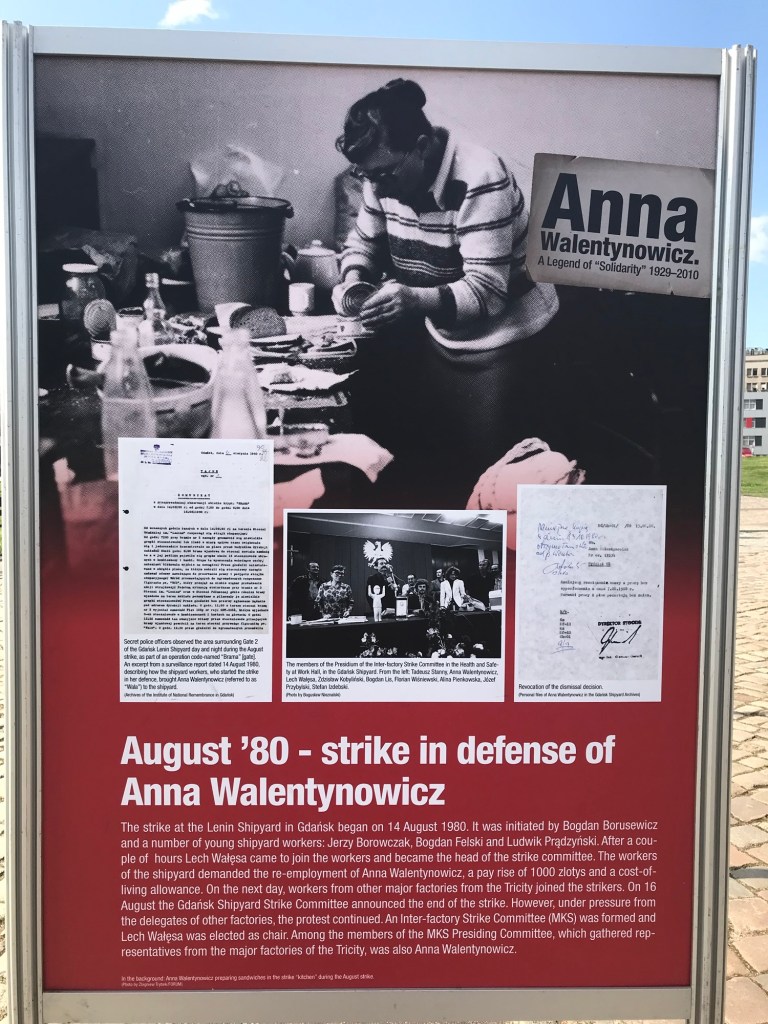
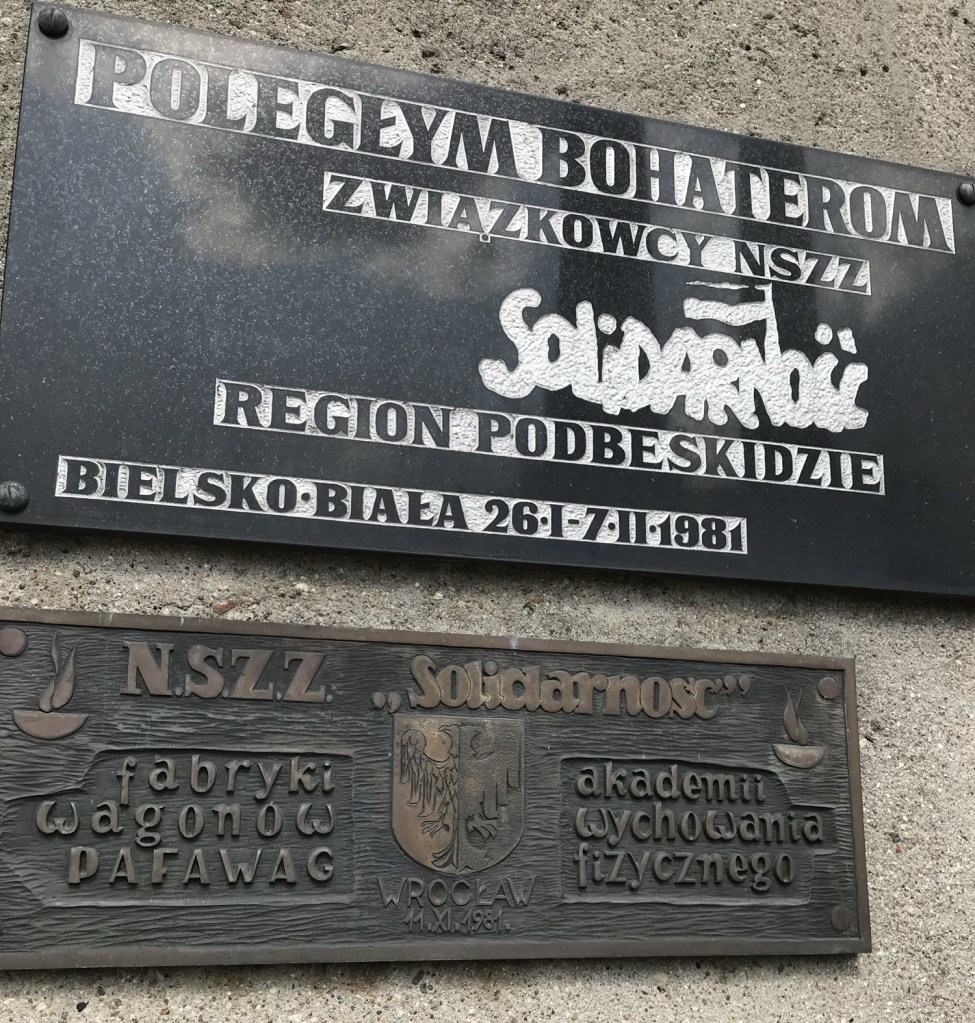
45 years ago today, on 31 August 1980, the signing of the Gdańsk Agreements marked the beginning of the first independent trade union in the communist bloc — an unprecedented act of courage that gave millions of Poles hope for dignity, justice, and freedom.
In the late 1970s, Poland faced deep economic crisis, censorship, and state repression. Workers’ protests had already erupted in 1970 and 1976, but were brutally crushed. What made the events of August 1980 unique was the unity of workers, intellectuals, and the Catholic Church under the banner of non-violent resistance. The strike at the Gdańsk Shipyard, led by Lech Wałęsa, soon evolved into a nationwide movement, supported by more than 10 million members within just a year.
Solidarity was more than a trade union — it became a broad civic movement representing the Polish nation’s yearning for self-determination. It restored the idea of civil society, where ordinary people could speak with their own voice against authoritarian power. The principles of solidarity, truth, and respect for human rights became the foundation of the Polish struggle against communism.
In his speech in Gdańsk today, Polish President Karol Nawrocki emphasized:
Memory and Legacy
For Polish Sue, the visit to Gdańsk was more than a historical journey. It was a pilgrimage to the roots of a movement that changed the course of history – not only in Poland, but across the entire communist bloc.
he spirit of August 1980 reminds us that even against overwhelming odds, ordinary people united in truth and courage can change the world.
Solidarity lives on – as a symbol of dignity, unity, and freedom.
Author: Iwona Golinska
Photos: Polish Sue, IPN
– Pl.-
Dziś obchodzimy 45. rocznicę Porozumień Gdańskich i pamiętamy Bohaterów Solidarności.
Dziś Polish Sue dołącza do Polaków na całym świecie, upamiętniając 45. rocznicę Porozumień Gdańskich – punkt zwrotny w historii Polski i całego świata.
Kilka lat temu przedstawiciele Polish Sue mieli zaszczyt odwiedzić jedno z najbardziej symbolicznych miejsc we współczesnej historii Polski – Stocznię Gdańską i pobliski Pomnik Poległych Stoczniowców 1970 roku.
“If it weren’t for December 1970 and the great sacrifice of all the workers who protested for bread, wanting to live in a normal country, if it weren’t for their deaths, we would never have won in August 1980.”
Była to nie tylko podróż do serca miasta, ale także głębokie spotkanie z dziedzictwem odwagi, poświęcenia i solidarności, które odmieniło zarówno Polskę, jak i Europę.
Wysokie krzyże Pomnika, odsłoniętego w grudniu 1980 roku, upamiętniają robotników poległych podczas protestów w grudniu 1970 roku.
Stanie tam i złożenie kwiatów było dla nas zarówno chwilą ciszy, jak i wdzięczności. Przypomniało nam, że wolności, które dziś cenimy, zrodziły się z ogromnego cierpienia, ale także z jedności i nadziei.
45 lat od Porozumień Gdańskich
45 lat temu, 31 sierpnia 1980 roku, podpisanie Porozumień Gdańskich zapoczątkowało powstanie pierwszego niezależnego związku zawodowego w bloku komunistycznym – bezprecedensowego aktu odwagi, który dał milionom Polaków nadzieję na godność, sprawiedliwość i wolność.
Pod koniec lat 70. Polska zmagała się z głębokim kryzysem gospodarczym, cenzurą i represjami państwowymi. Protesty robotnicze wybuchły już w 1970 i 1976 roku, ale zostały brutalnie stłumione.
Wydarzenia sierpnia 1980 roku były wyjątkowe dzięki jedności robotników, intelektualistów i Kościoła katolickiego pod sztandarem pokojowego oporu. Strajk w Stoczni Gdańskiej, kierowany przez Lecha Wałęsę, wkrótce przekształcił się w ruch ogólnopolski, poparty w ciągu zaledwie roku przez ponad 10 milionów członków.
Solidarność była czymś więcej niż związkiem zawodowym — stała się szerokim ruchem obywatelskim, reprezentującym pragnienie samostanowienia narodu polskiego. Przywróciła ideę społeczeństwa obywatelskiego, w którym zwykli ludzie mogli mówić własnym głosem przeciwko autorytarnej władzy. Zasady solidarności, prawdy i poszanowania praw człowieka stały się fundamentem polskiej walki z komunizmem.
W dzisiejszym przemówieniu w Gdańsku prezydent Polski Karol Nawrocki podkreślił:
„Gdyby nie grudzień 1970 roku i wielka ofiara wszystkich robotników, którzy protestowali o chleb, chcąc żyć w normalnym kraju, gdyby nie ich śmierć, nigdy nie wygralibyśmy w sierpniu 1980 roku”.
Pamięć i dziedzictwo
Dla Polish Sue wizyta w Gdańsku była czymś więcej niż historyczną podróżą. Była pielgrzymką do korzeni ruchu, który zmienił bieg historii – nie tylko w Polsce, ale w całym bloku komunistycznym.
Duch Sierpnia 1980 roku przypomina nam, że nawet w obliczu przytłaczających przeciwności, zwykli ludzie zjednoczeni w prawdzie i odwadze mogą zmienić świat.
Solidarność trwa – jako symbol godności, jedności i wolności.
 Polish Sue
Leave a comment