
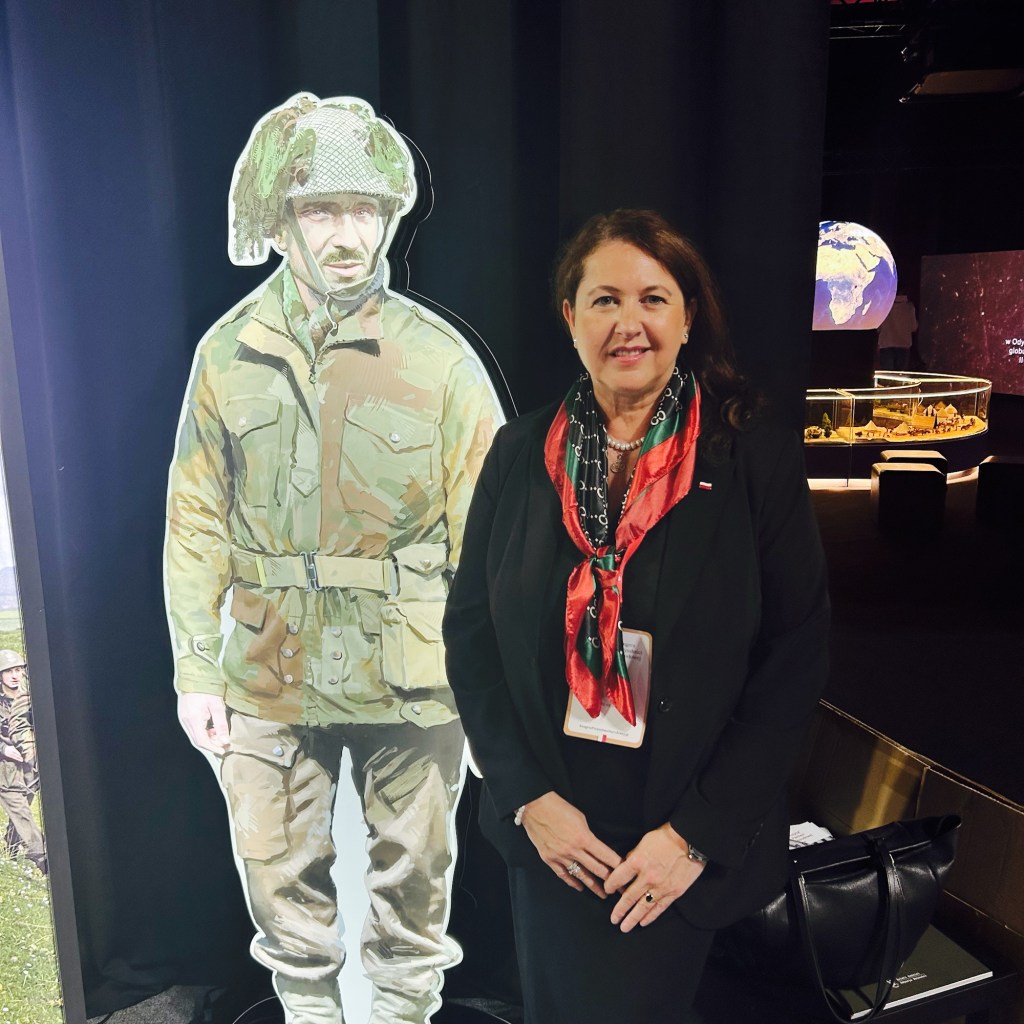
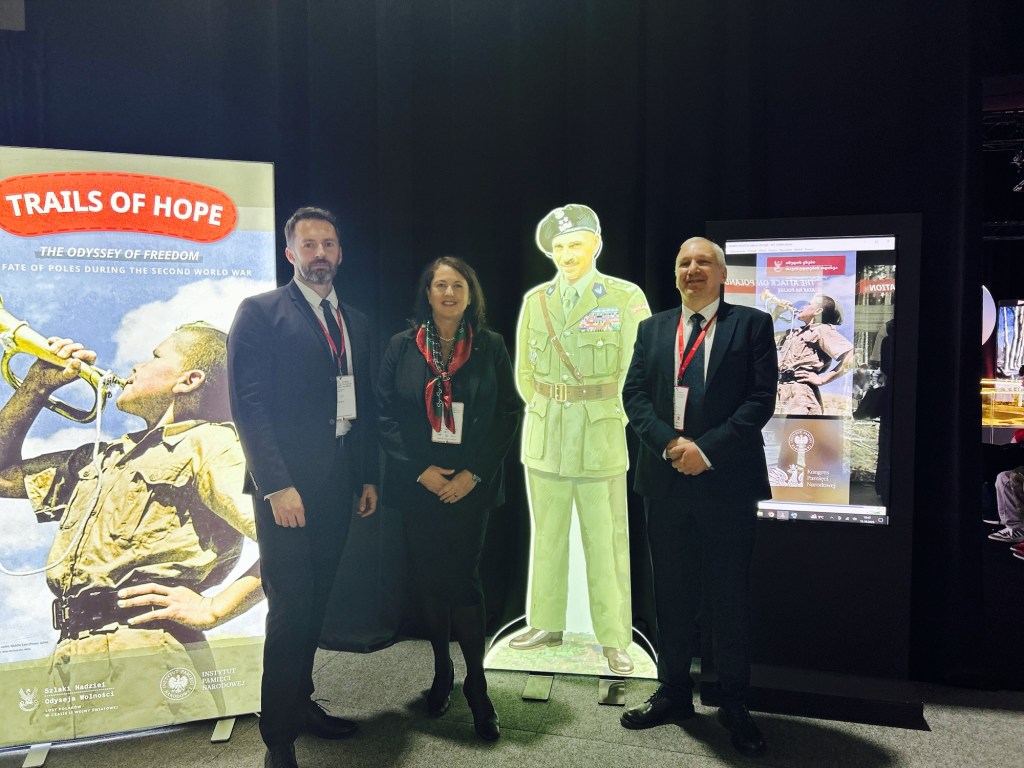
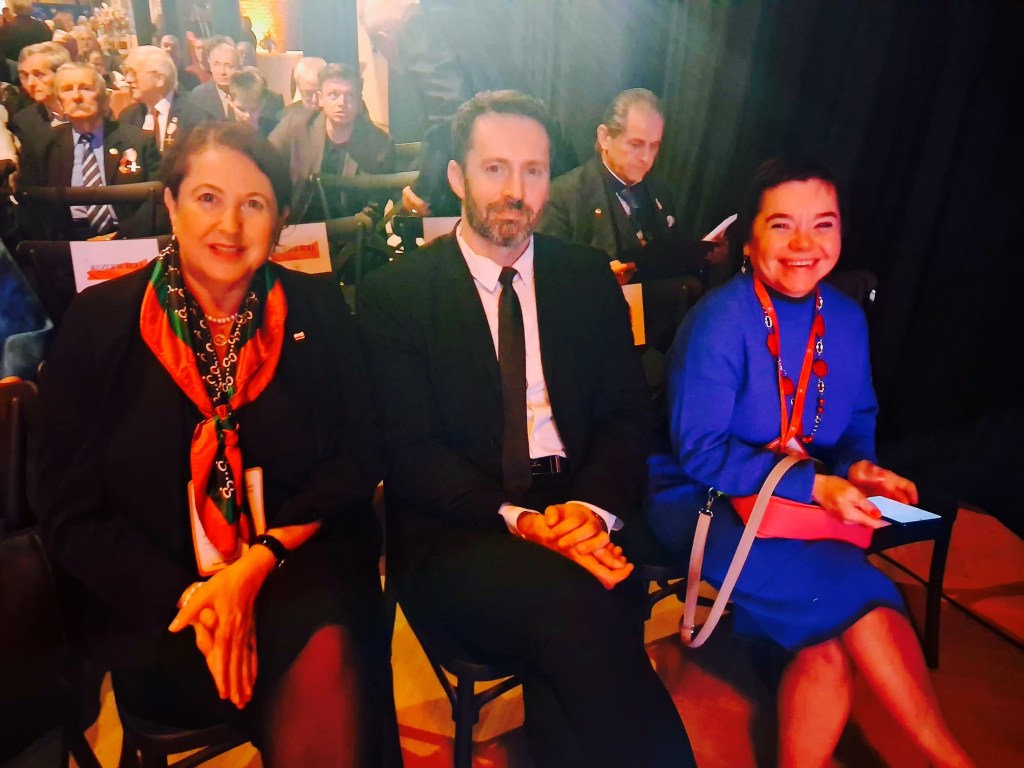
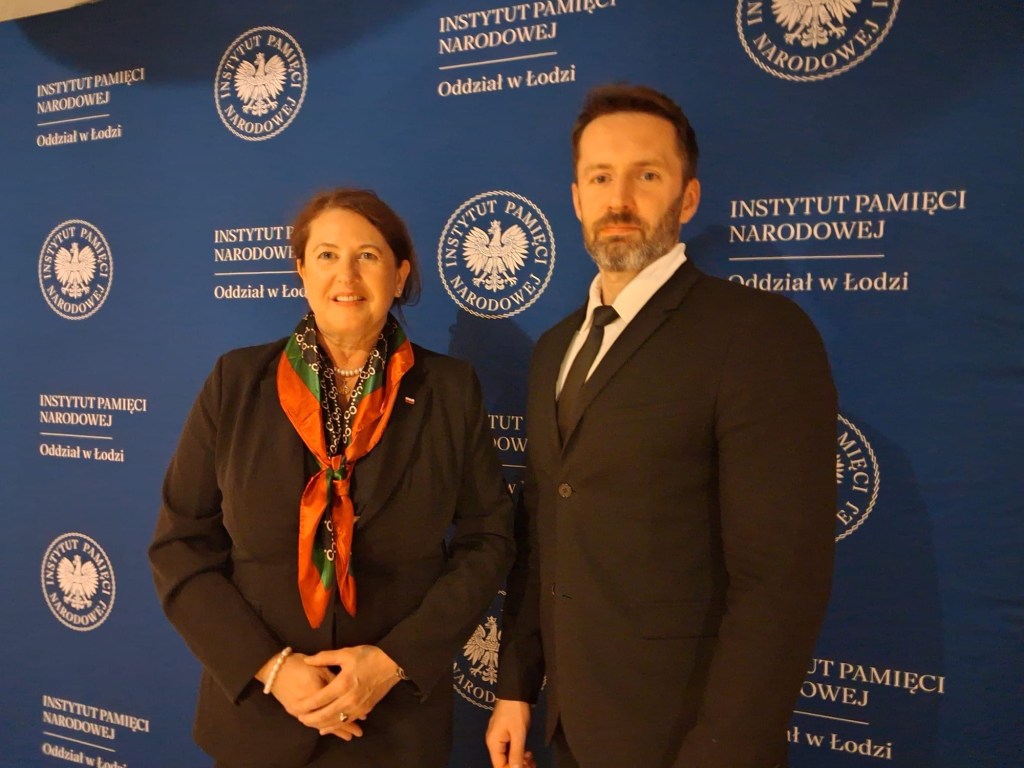
Na zaproszenie Instytutu Pamięci Narodowej przedstawiciele Stowarzyszenia Polish Sue wzięli udział w pierwszym dniu Kongresu Przyszłości Narodowej, który odbywa się w Zatoce Sportu Politechniki Łódzkiej. Stowarzyszenie reprezentowała Iwona Golińska, prezes Polish Sue.
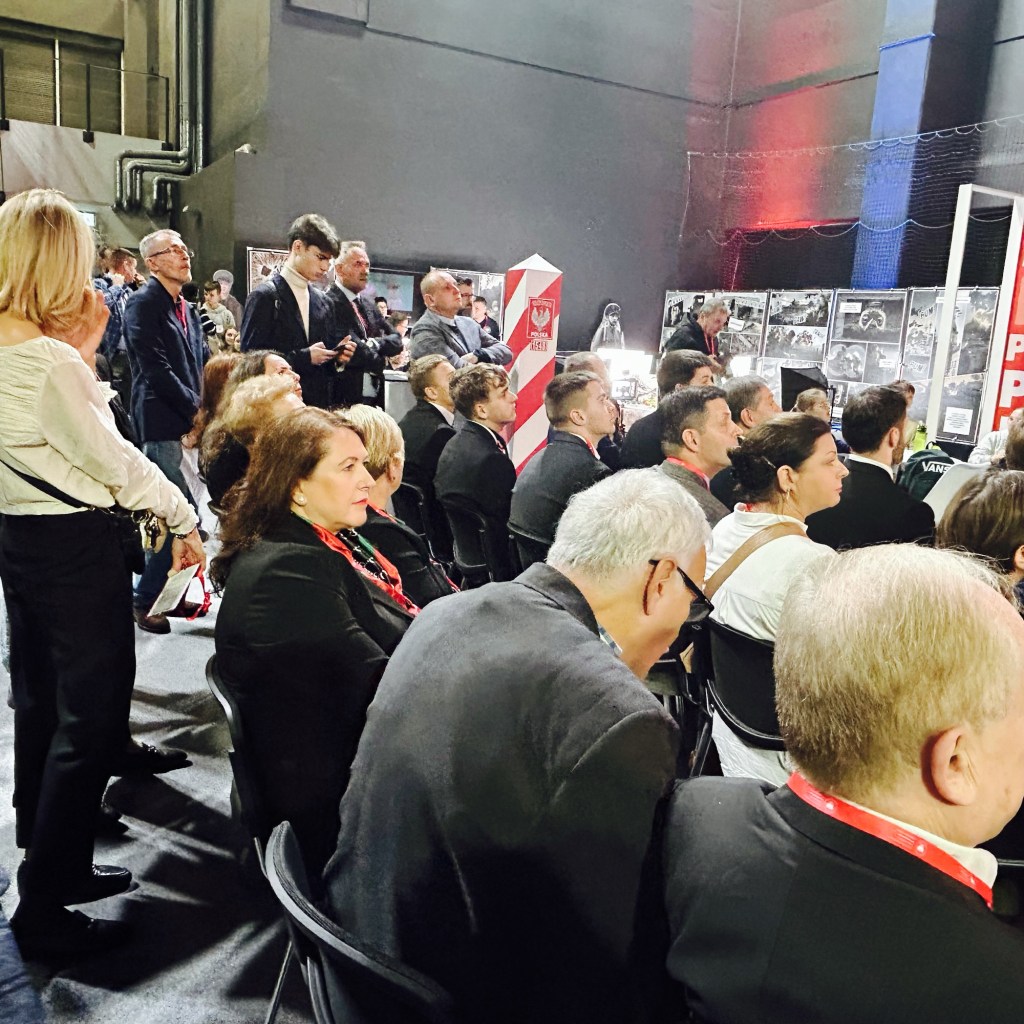
To wyjątkowe wydarzenie skierowane jest do odbiorców w każdym wieku – od dzieci i młodzieży po seniorów. Jego celem jest przybliżenie najnowszej historii Polski w sposób angażujący, nowoczesny i inspirujący do refleksji nad znaczeniem tradycji, tożsamości i pamięci narodowej.
Historia wspólnoty i pamięci
Podczas otwarcia Kongresu zastępca prezesa IPN, dr hab. Karol Polejowski, podkreślił znaczenie wspólnoty historycznej, łączącej pokolenia Polaków:
„Historia mówi przez pokolenia. Wy, my i nasi przodkowie jesteśmy tą samą wspólnotą, do której się odwołujemy. Jesteśmy wspólnotą historii, tradycji, języka i wiary. Opieramy swoją świadomość na przeszłości, bo tam są nasi bohaterowie. Także dziś, tutaj – na tym Kongresie – są bohaterowie naszej wolności. Warto się z nimi spotkać”– mówił dr hab. Polejowski.
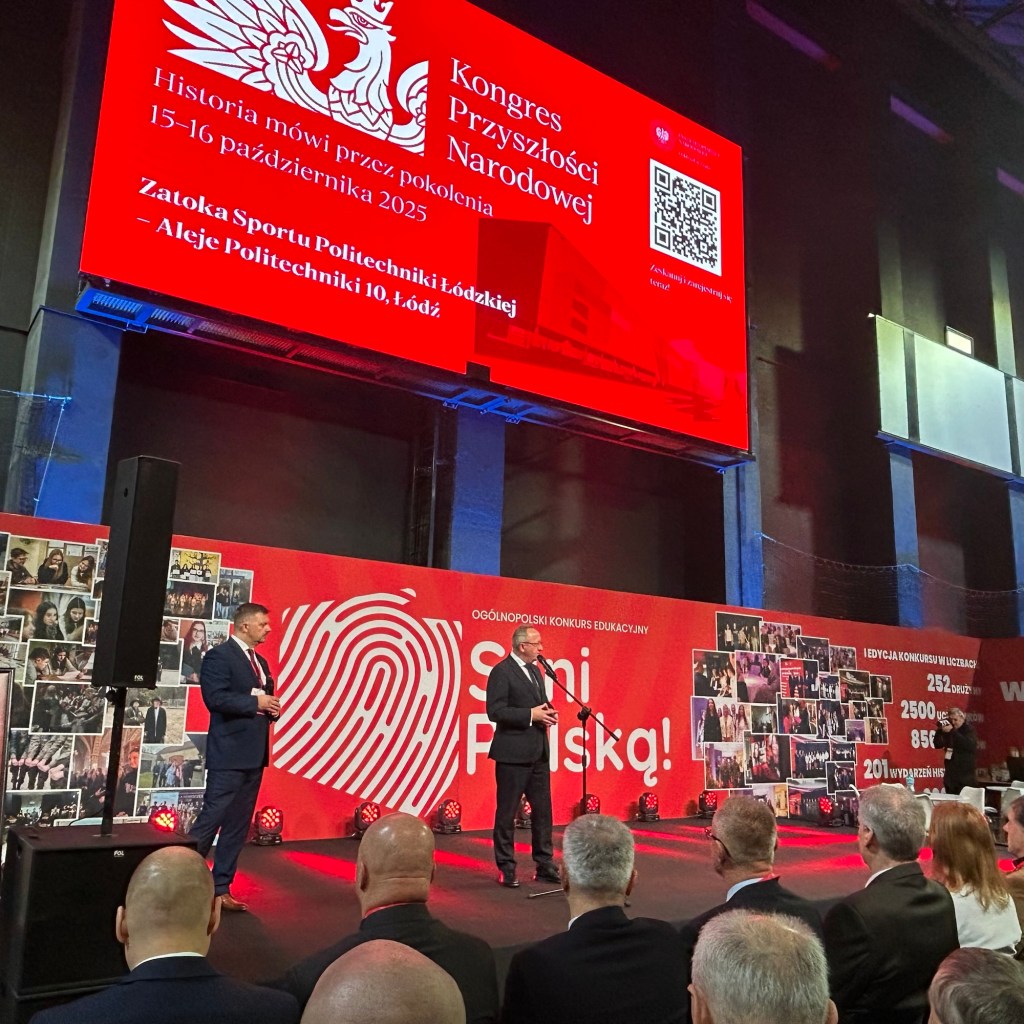
Jak zaznaczył, misją Instytutu Pamięci Narodowej jest opowiadanie o historii Polski językiem zrozumiałym dla młodego pokolenia. W tym celu w strukturach IPN powstały m.in. Biuro Nowych Technologii, Biuro Wydarzeń Kulturalnych oraz Biuro Przystanków Historia, które łączą edukację historyczną z nowoczesnymi formami przekazu.

„Stosujemy nowoczesne formy nauczania, bo spoczywa na nas troska o polską pamięć historyczną. Chcemy przywrócić godność tym, którzy o wolność walczyli, ale też wykształcić nowe pokolenie świadomych swojego obywatelstwa i pochodzenia Polaków”
– dodał wiceprezes IPN.
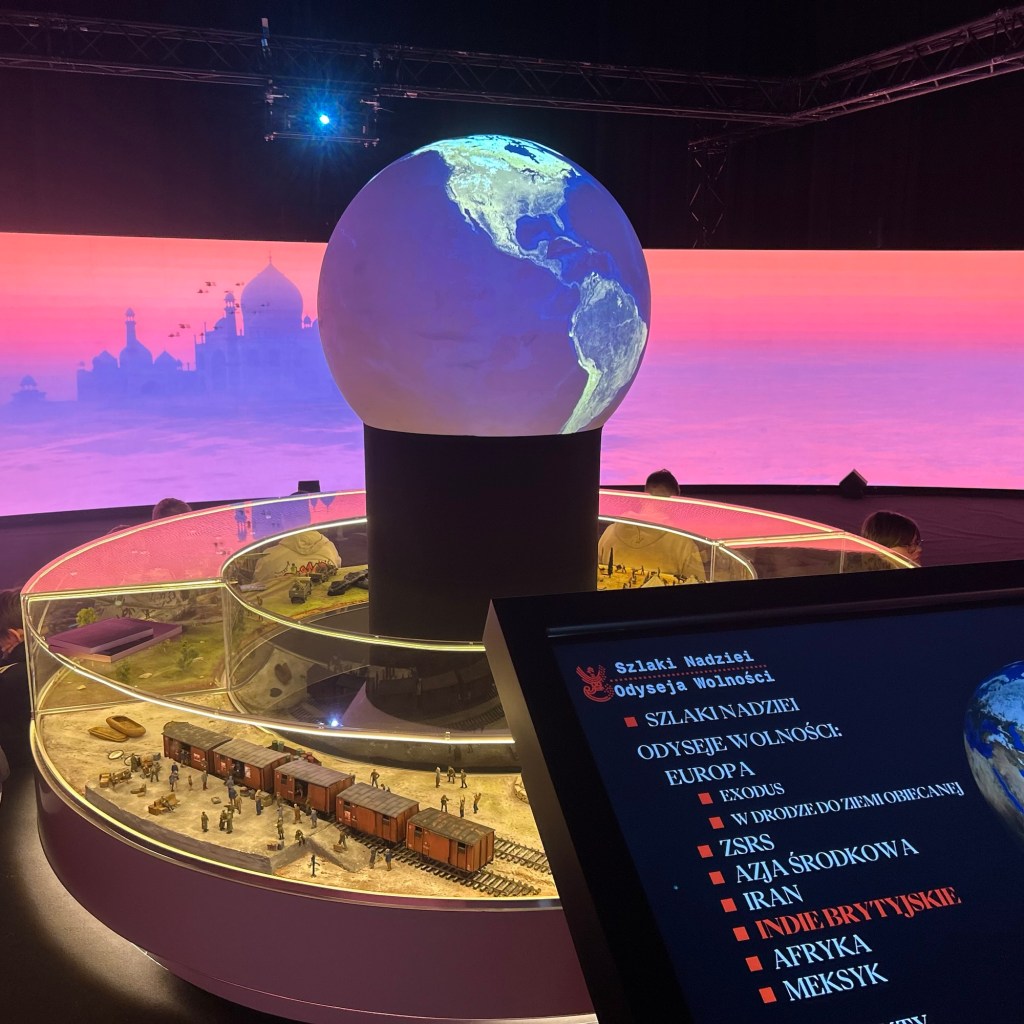
Nowoczesne formy opowiadania historii
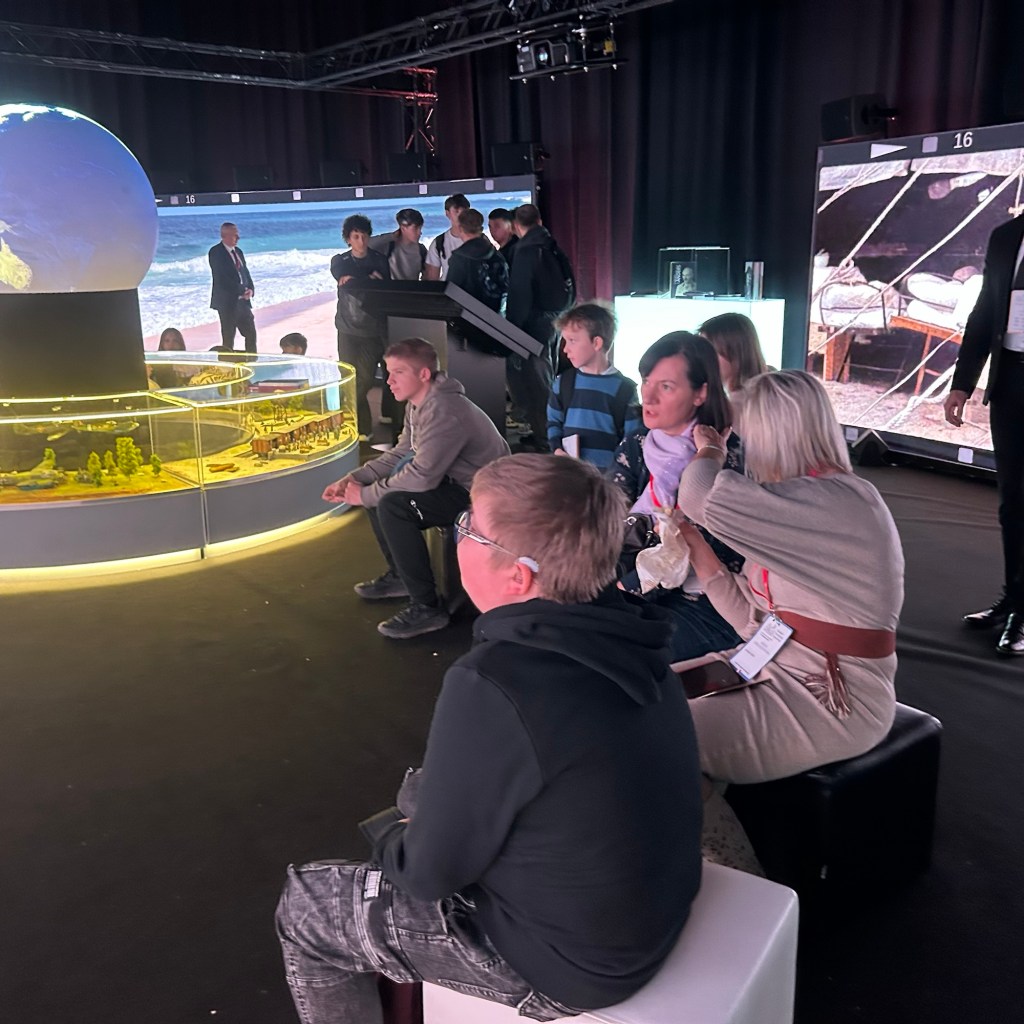
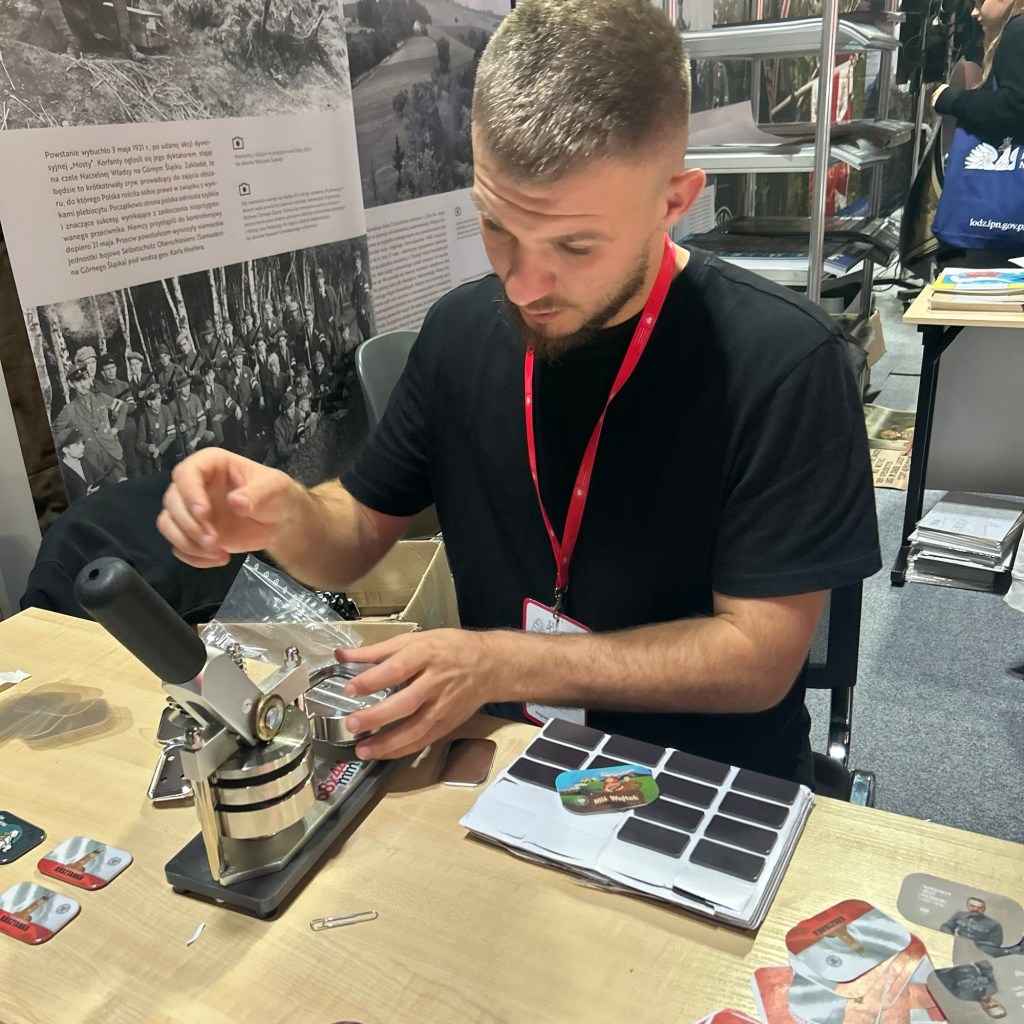
Podczas Kongresu odwiedzający mogą uczestniczyć w warsztatach, grach edukacyjnych, rekonstrukcjach historycznych, wystawach multimedialnych oraz spektaklach. Spotkania z naukowcami, artystami i świadkami historii pozwalają w niekonwencjonalny sposób odkrywać przeszłość i refleksyjnie spojrzeć na współczesność.
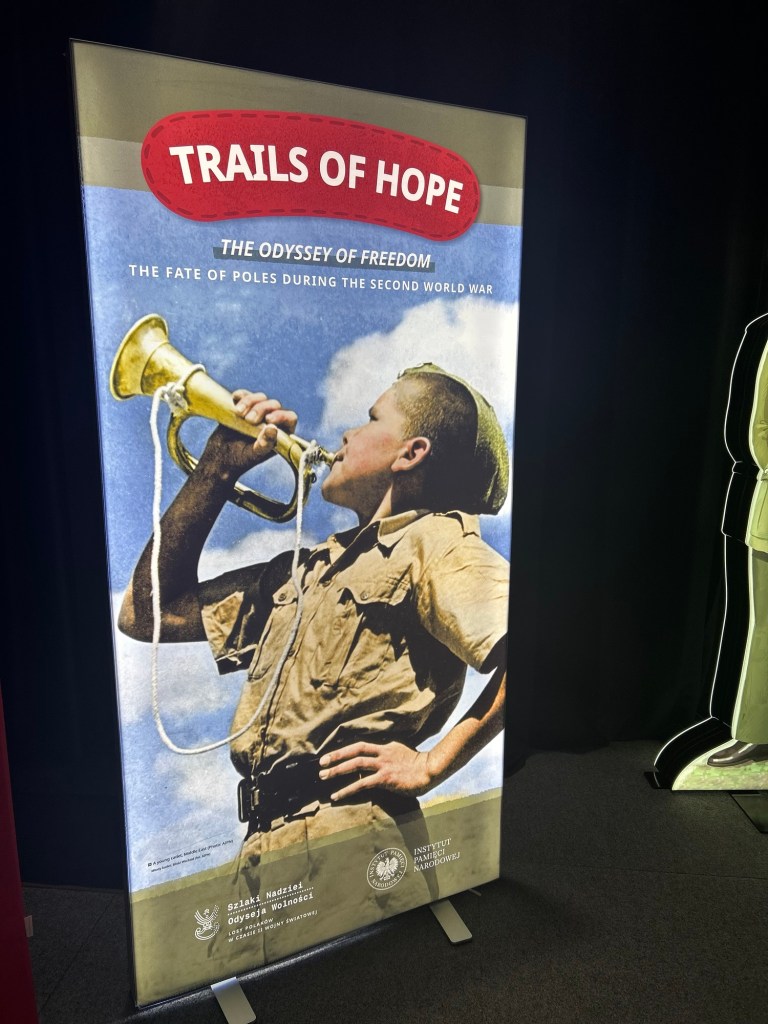
Wśród prezentowanych ekspozycji znalazły się m.in.:
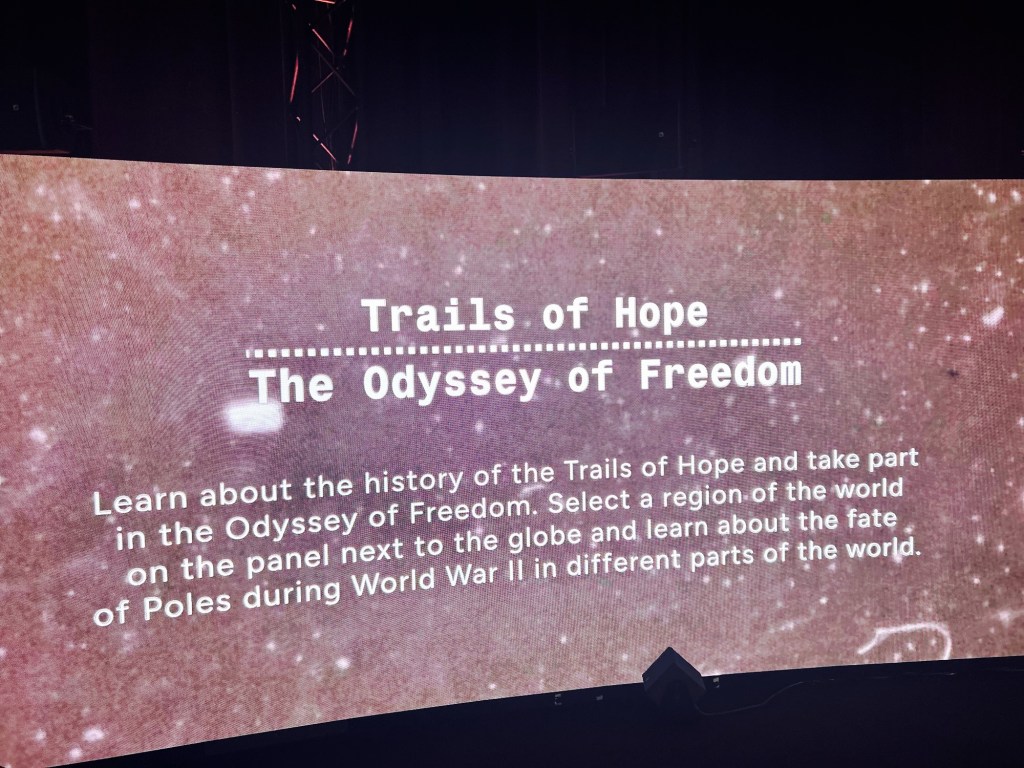
„Szlaki nadziei. Odyseja wolności”
„Miasto ruin – miasto nadziei. Gdańsk zniszczony – Gdańsk odrodzony”
„Od czterech kultur do monokultury. Kalendarium Łodzi 1939–1989”
„Jarocin w obiektywie bezpieki”
„Dzieci z Przemysłowej. Niemiecki obóz w Łodzi (1942–1945)”
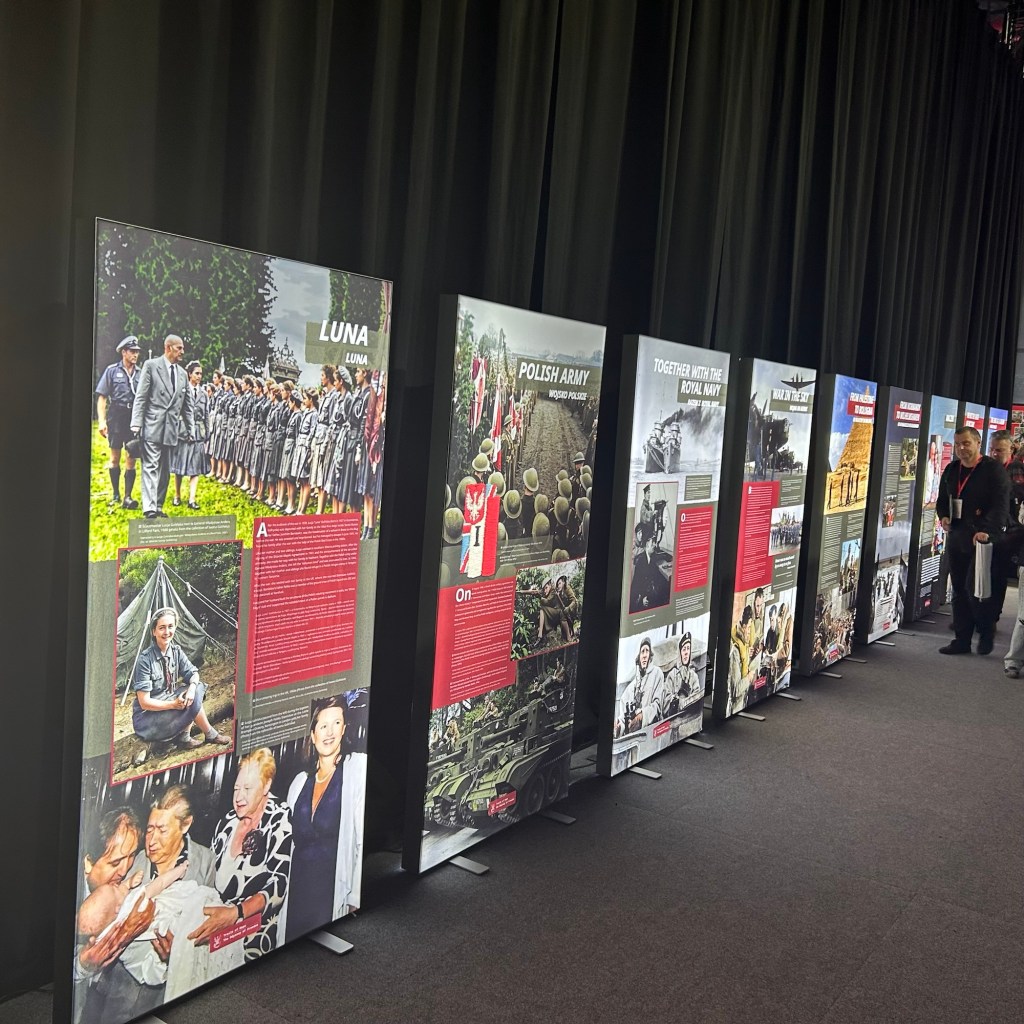
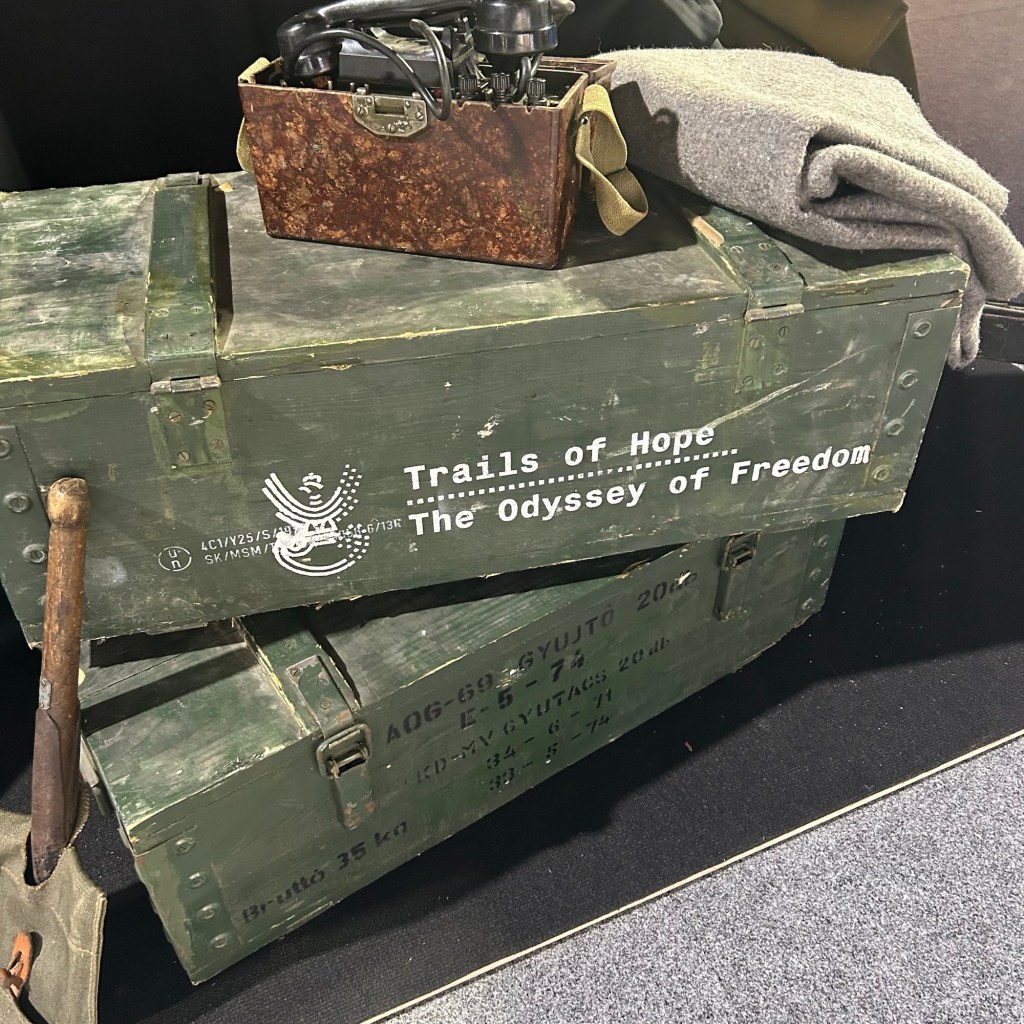
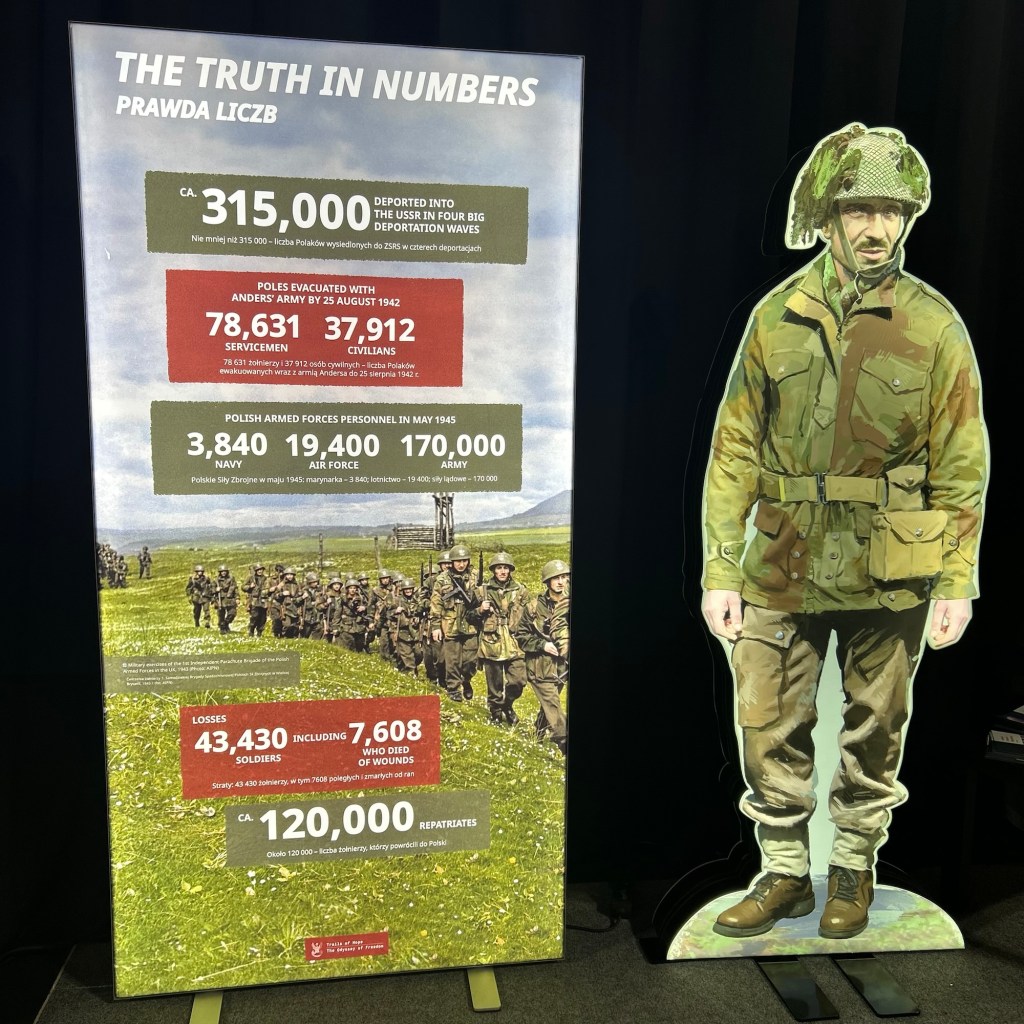
Szczególne miejsce wśród nich zajmuje wystawa „Szlaki Nadziei. Odyseja Wolności” – międzynarodowy projekt edukacyjno-memoratywny IPN, który upamiętnia wysiłek zbrojny Polskich Sił Zbrojnych podczas II wojny światowej oraz losy ludności cywilnej ewakuowanej z ZSRS wraz z Armią generała Władysława Andersa.
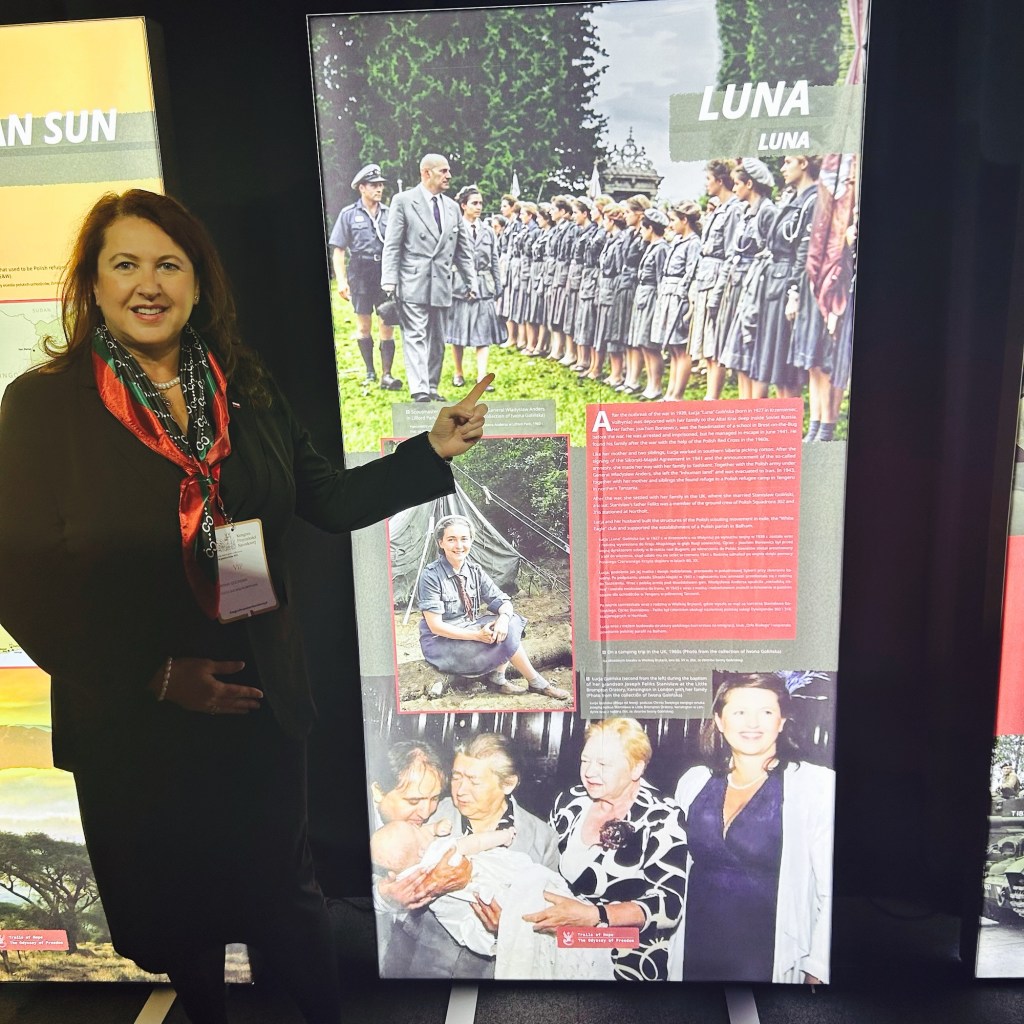
Wystawa ta prezentowana była już w wielu krajach świata, m.in. w Parlamencie Brytyjskim, gdzie Stowarzyszenie Polish Sue miało zaszczyt być partnerem Instytutu Pamięci Narodowej.

O idei i realizacji projektu rozmawialiśmy z dr. Mateuszem Markiem, jednym z jej głównych twórców.

Uroczystość uhonorowania bohaterów wolności
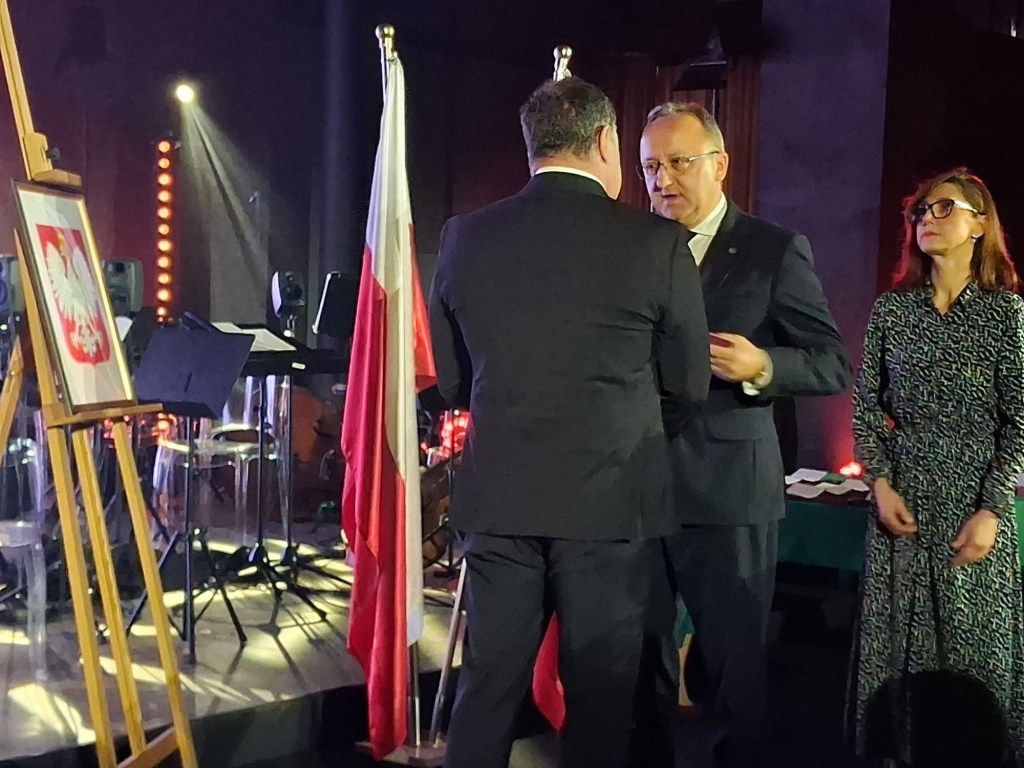
W drugiej części dnia odbyła się uroczysta gala wręczenia Krzyży Wolności i Solidarności, połączona z koncertem Warszawskiej Orkiestry Sentymentalnej i Łódzkiej Orkiestry Filmowej.
W wydarzeniu uczestniczyli odznaczeni z regionu centralnej Polski, liderzy projektu „Silni Polską!”, przedstawiciele władz, duchowieństwa i NSZZ „Solidarność”.
Krzyż Wolności i Solidarności to wyraz wdzięczności państwa polskiego dla osób, które w latach 1956–1989, podejmując walkę z systemem komunistycznym, przyczyniły się do odzyskania przez Polskę niepodległości.
Historia dla młodego pokolenia

Szczególną uwagę organizatorzy poświęcają najmłodszym uczestnikom Kongresu. Uczniowie szkół podstawowych i średnich poznają historię XX wieku poprzez aktywne warsztaty, spektakle i interaktywne gry edukacyjne.
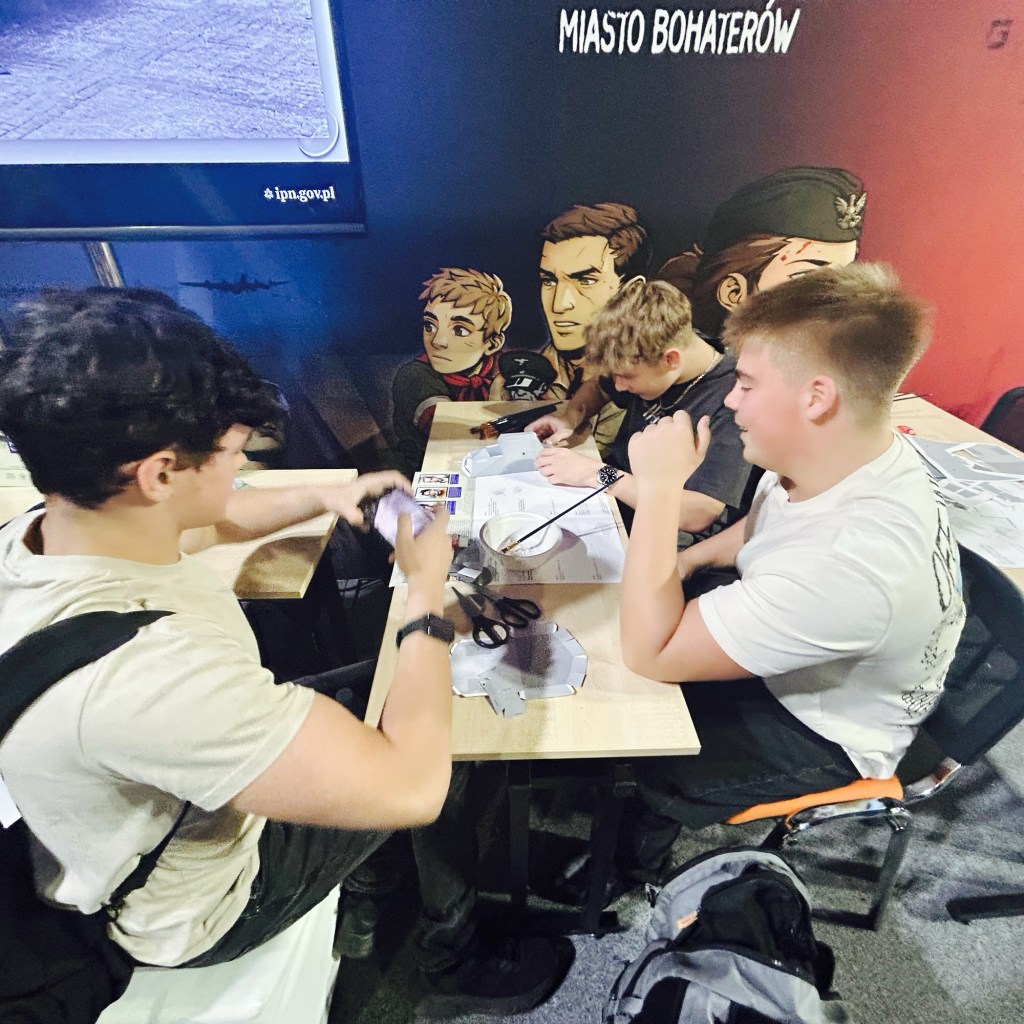
W ten sposób odkrywają, że historia to nie tylko przeszłość, ale żywa opowieść o wartościach, które kształtują współczesność – o odwadze, solidarności i odpowiedzialności za przyszłość.
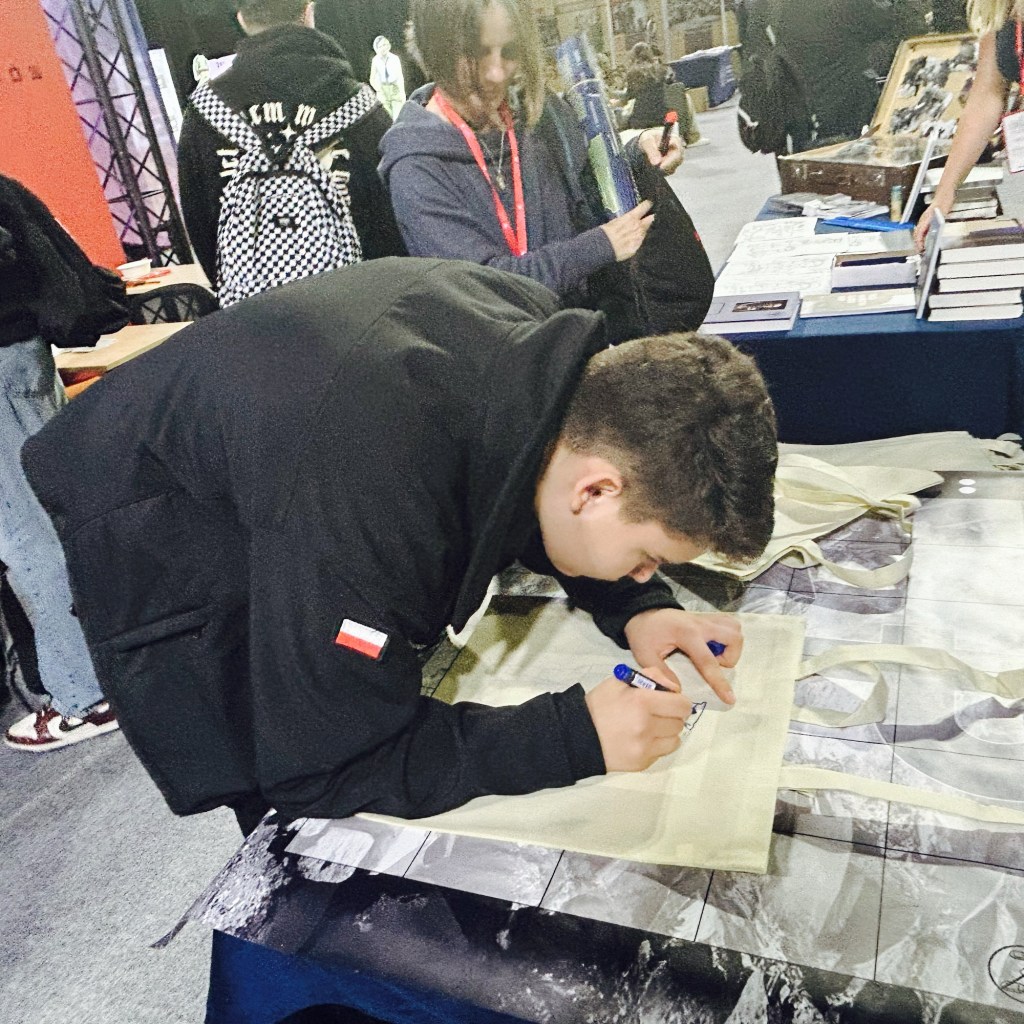
Wśród projektów edukacyjnych zaprezentowanych podczas Kongresu znalazł się również ogólnopolski konkurs „Silni Polską!”, który zachęca młodzież do odkrywania historii, budowania dumy z narodowego dziedzictwa oraz kształtowania postaw patriotycznych.
Współpraca z Polonią i ekskluzywny wywiad
Podczas wydarzenia mieliśmy zaszczyt przeprowadzić ekskluzywny wywiad z prof. Karolem Polejowskim, wiceprezesem IPN, który podzielił się planami dotyczącymi rozwoju współpracy z Polonią.
Rozmowa dotyczyła m.in. wzmocnienia kontaktów z polskimi organizacjami działającymi za granicą oraz wspólnych inicjatyw edukacyjnych i kulturalnych, które mają na celu utrwalanie pamięci o historii Polski i jej bohaterach wśród młodych pokoleń Polaków na emigracji.
Wywiad można obejrzeć na linku:
Wspólna troska o pamięć
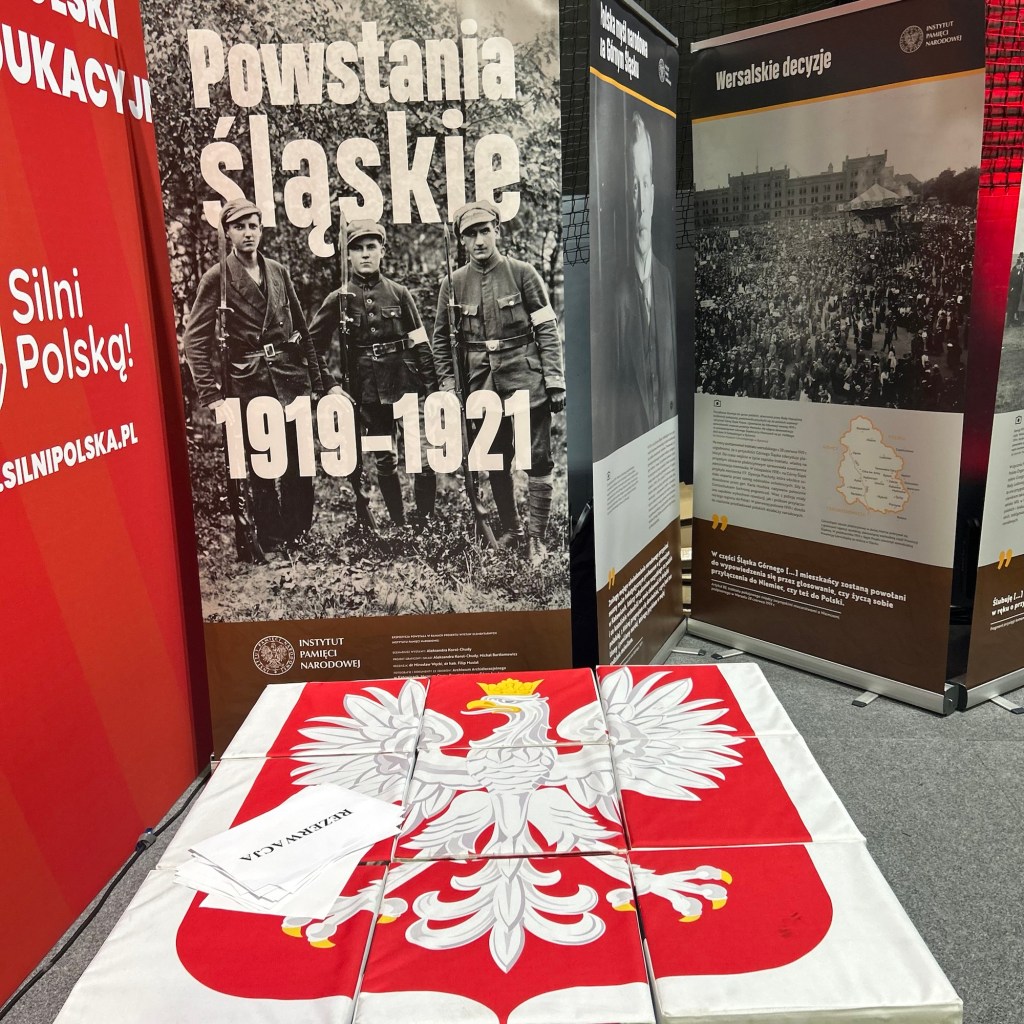
Kongres Przyszłości Narodowej odbywa się pod patronatem honorowym Prezydenta Rzeczypospolitej Polskiej Karola Nawrockiego, a jego przesłanie najlepiej oddaje myśl, że historia jest mostem łączącym pokolenia.
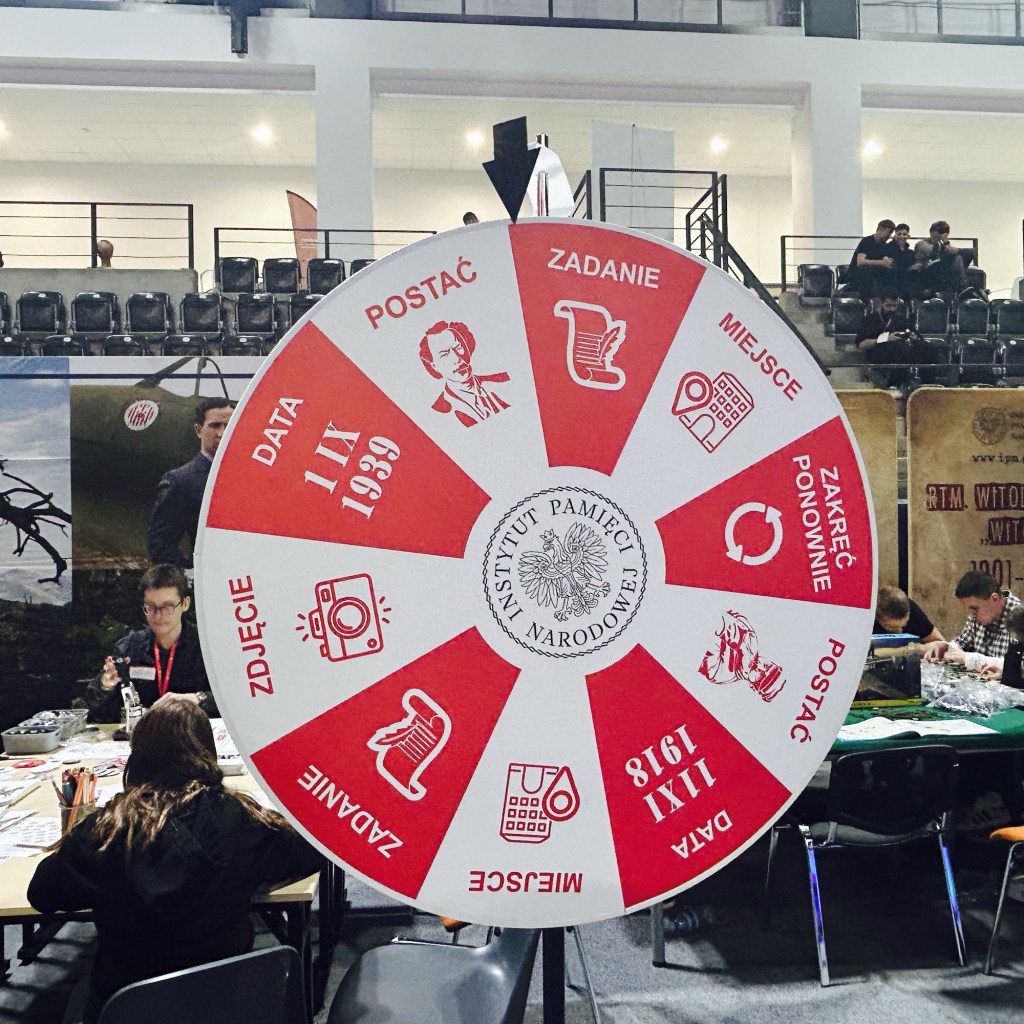
Dzięki takim inicjatywom, jak ta organizowana przez Instytut Pamięci Narodowej, przeszłość staje się żywą inspiracją dla przyszłości – przypominając, że wspólnota, tożsamość i wolność to wartości, które warto pielęgnować każdego dnia.
O Stowarzyszeniu Polish Sue
Stowarzyszenie Polish Sue, kierowane przez Iwonę Golińską, od lat działa na rzecz krzewienia pamięci o historii Polski oraz roli Polaków w walce o wolność w czasie II wojny światowej.
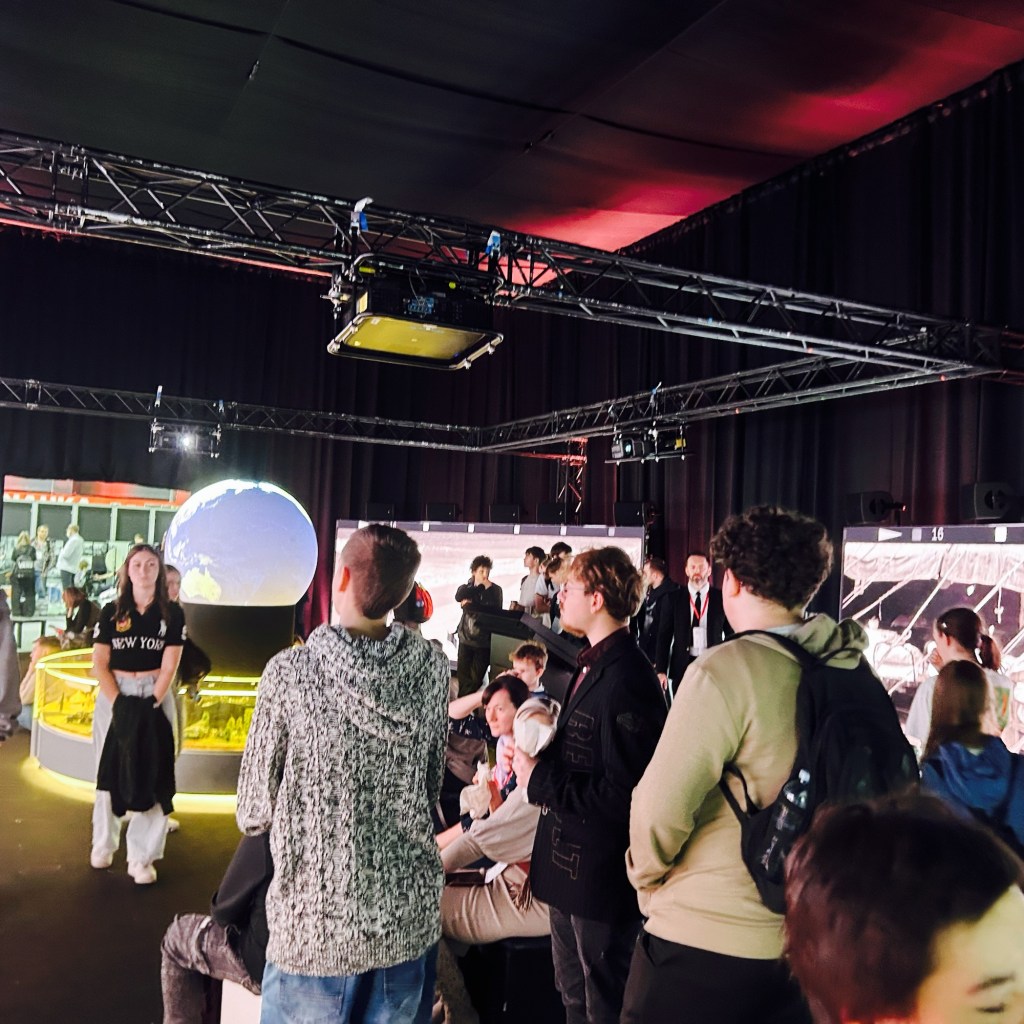
Organizacja prowadzi liczne projekty edukacyjne, kulturalne i społeczne w Wielkiej Brytanii i w Polsce, upowszechniając wiedzę o losach Polskich Sił Zbrojnych na Zachodzie oraz o polskich marynarzach z ORP Błyskawica.
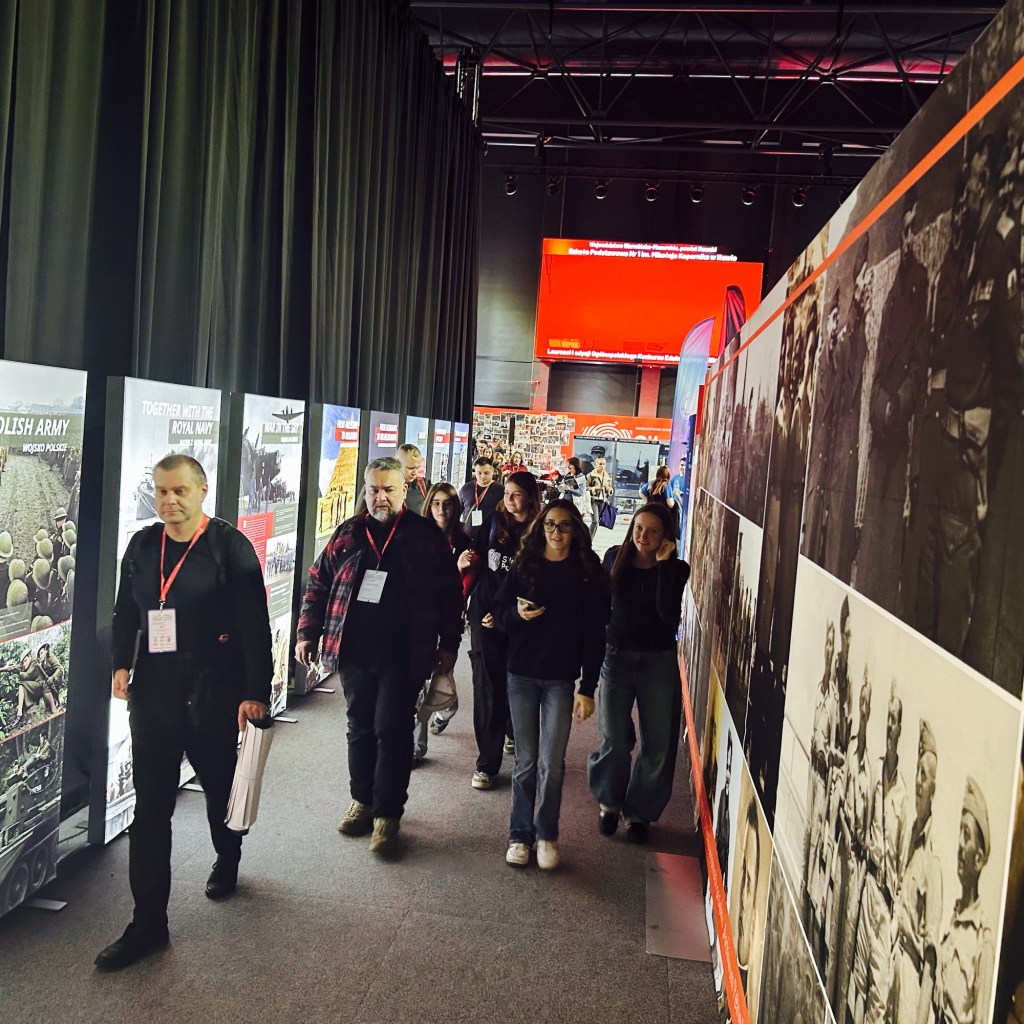
Stowarzyszenie jest wieloletnim partnerem Instytutu Pamięci Narodowej w międzynarodowych inicjatywach historyczno-edukacyjnych.
Tekst i Zdjęcia: Polish Sue
En.
History Speaks Through Generations – Congress of the National Future in Łódź
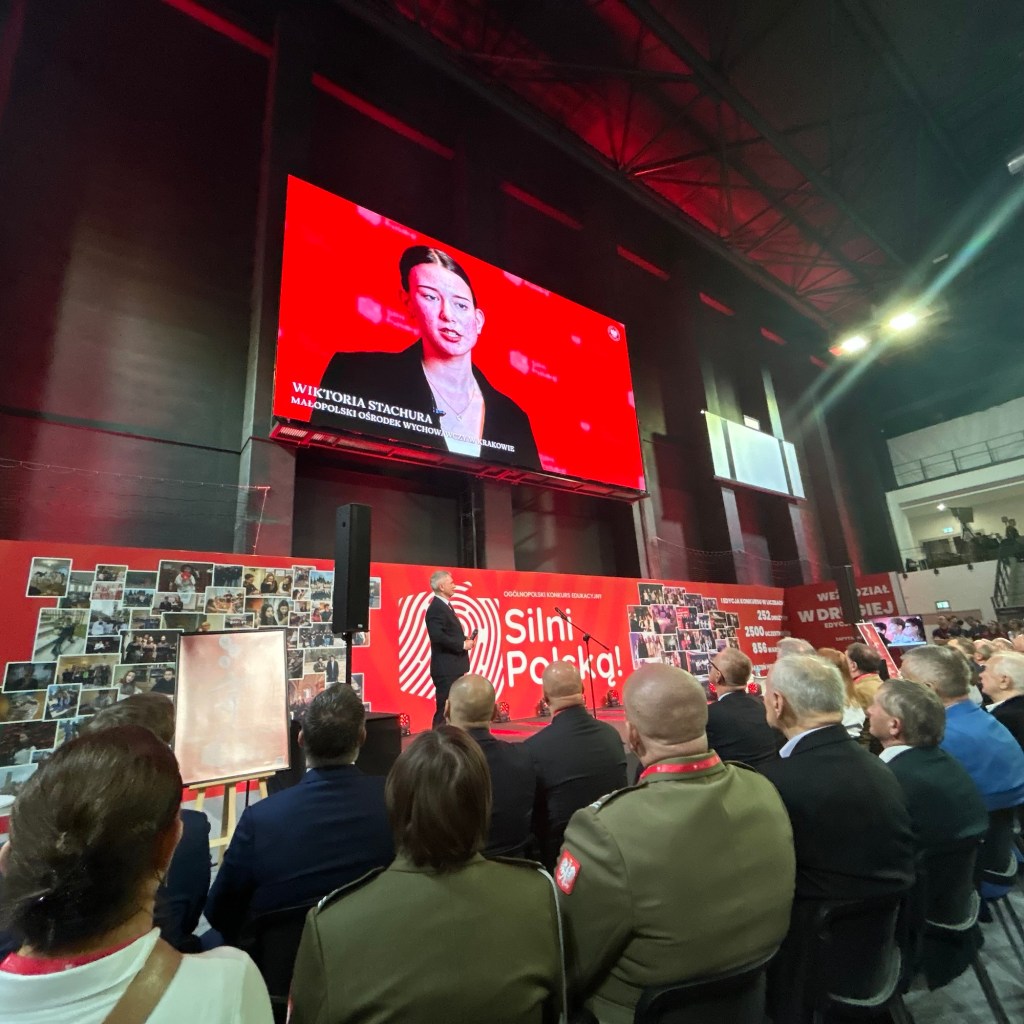
At the invitation of the Institute of National Remembrance, representatives of the Polish Sue Association participated in the first day of the Congress of the National Future, held in the Sports Bay of the Lodz University of Technology. The Association was represented by Iwona Golińska, President of the Polish Sue Association.
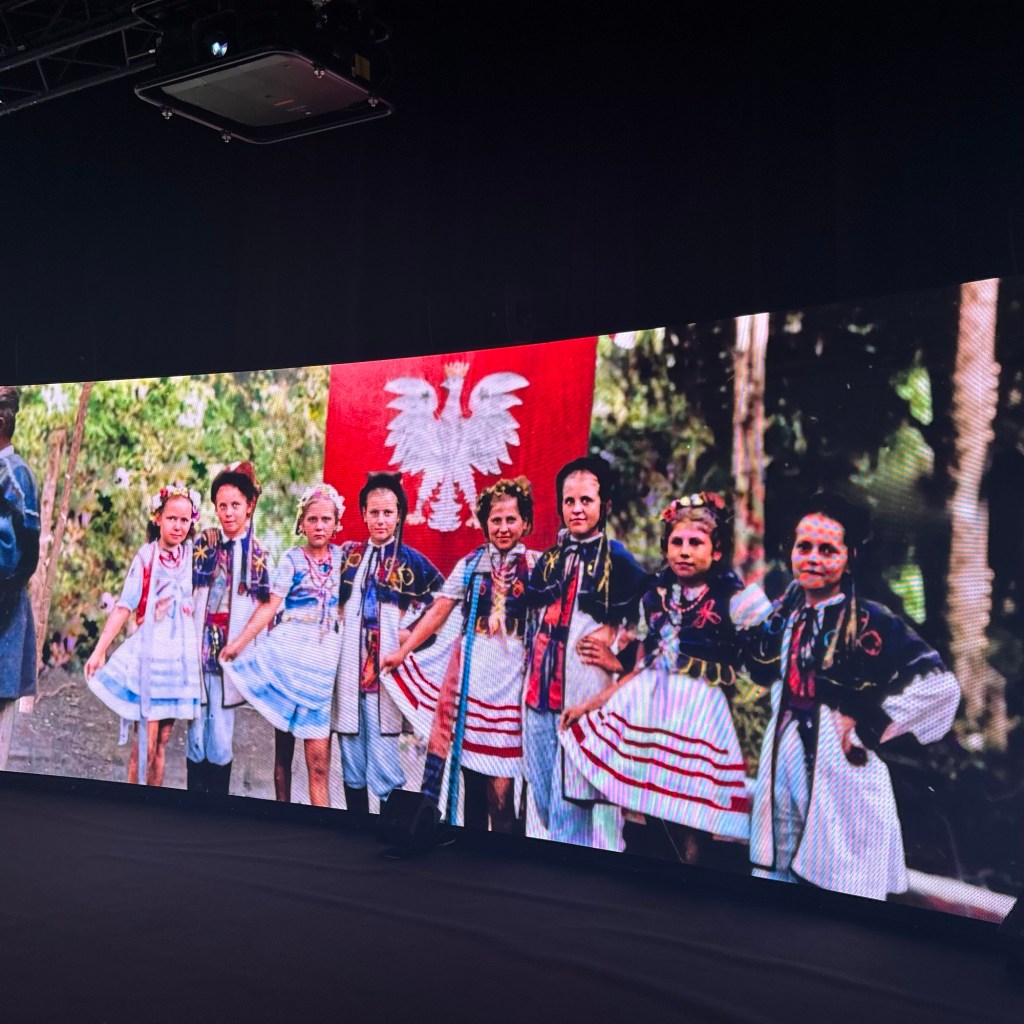
This unique event is aimed at audiences of all ages – from children and young people to seniors. Its aim is to present the recent history of Poland in an engaging, modern way, inspiring reflection on the importance of tradition, identity, and national memory.
History of Community and Memory
During the opening of the Congress, the Deputy President of the Institute of National Remembrance, Dr. Karol Polejowski, emphasized the importance of the historical community that unites generations of Poles:
“History speaks through generations. You, we, and our ancestors are the same community to which we refer. We are a community of history, tradition, language, and faith. We base our consciousness on the past, because our heroes are there. Today, here – at this Congress – are the heroes of our freedom. It’s worth meeting them,”
– said Dr. Polejowski.
He emphasized that the mission of the Institute of National Remembrance is to tell the history of Poland in a language understandable to the younger generation.
To this end, the IPN has established, among others, the Office of New Technologies, the Office of Cultural Events, and the Office of History Stops, which combine historical education with modern forms of communication.
“We use modern teaching methods because we are committed to preserving Polish historical memory. We want to restore the dignity of those who fought for freedom, but also to educate a new generation of Poles aware of their citizenship and origins,”
– added the Vice-President of the IPN.
Modern Forms of Storytelling
During the Congress, visitors can participate in workshops, educational games, historical reenactments, multimedia exhibitions, and performances. Meetings with scientists, artists, and witnesses to history allow for unconventional exploration of the past and a reflective perspective on the present.
The exhibitions on display include:
“Trails of Hope. Odyssey of Freedom”
“City of Ruins – City of Hope. Gdańsk Destroyed – Gdańsk Reborn”
“From Four Cultures to Monoculture. Timeline of Łódź 1939–1989”
“Jarocin Through the Lens of the Security Service”
“Children from Przemysłowa. German Camp in Łódź (1942–1945)”
A special place among them is occupied by the exhibition “Trails of Hope. Odyssey of Freedom” – an international educational and memorial project of the Institute of National Remembrance (IPN), which commemorates the military efforts of the Polish Armed Forces during World War II and the fate of civilians evacuated from the USSR with General Władysław Anders’ Army.
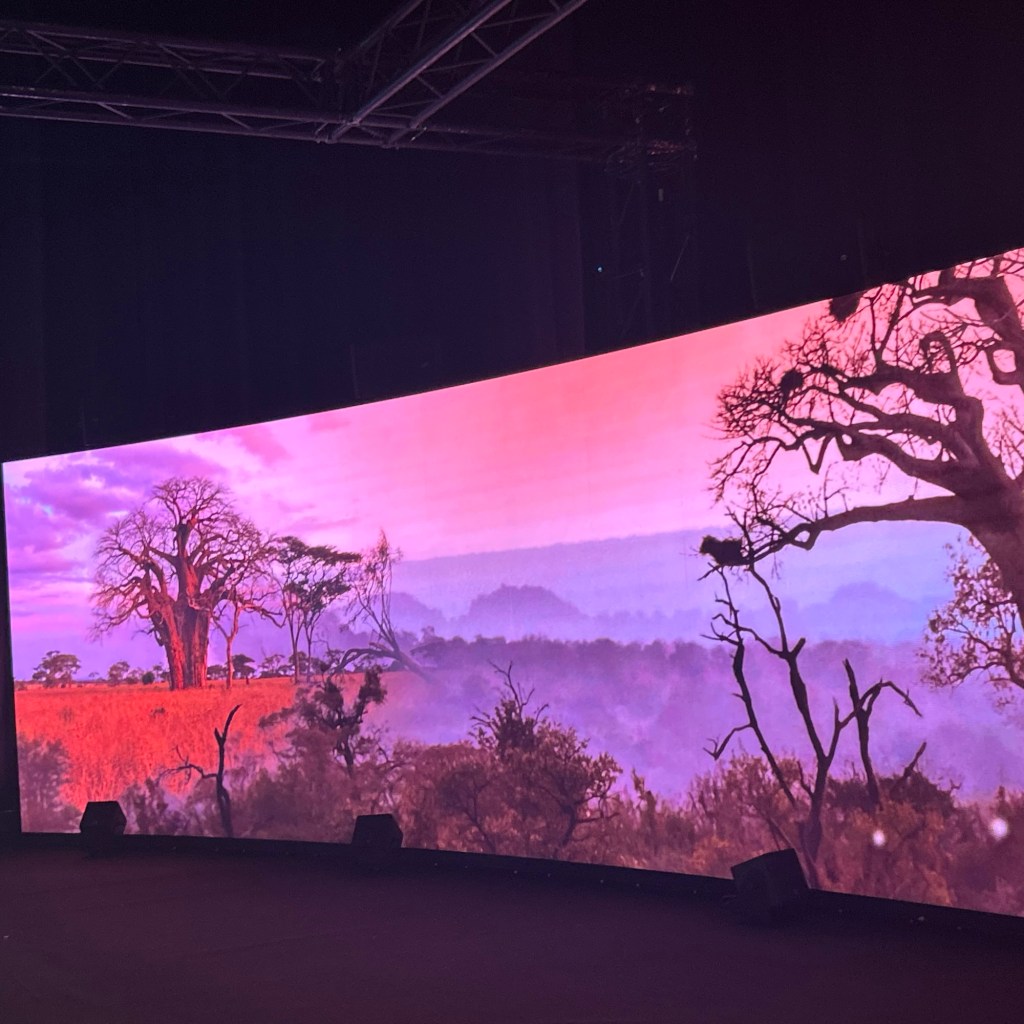
This exhibition has already been presented in many countries around the world, including the British Parliament, where the Polish Sue Association was honored to be a partner of the Institute of National Remembrance.

We spoke with Dr. Mateusz Marek, one of its principal creators, about the project’s concept and implementation.
Ceremony Honoring Heroes of Freedom
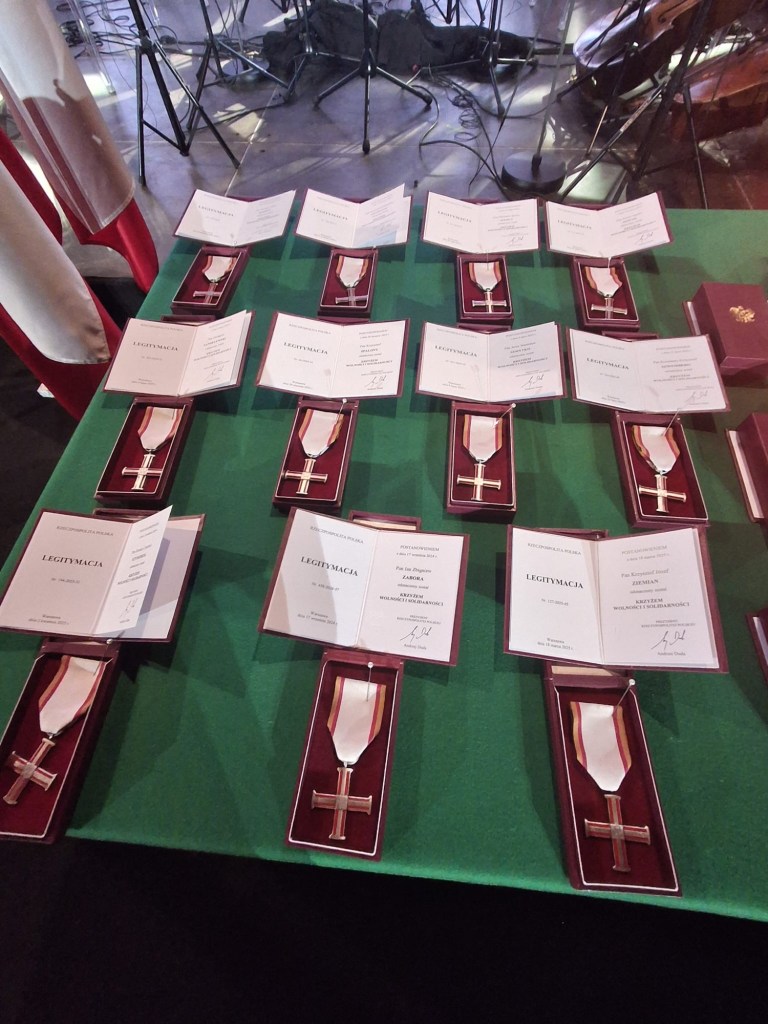
The second part of the day featured a gala awarding the Crosses of Freedom and Solidarity, complete with a concert by the Warsaw Sentimental Orchestra and the Łódź Film Orchestra.
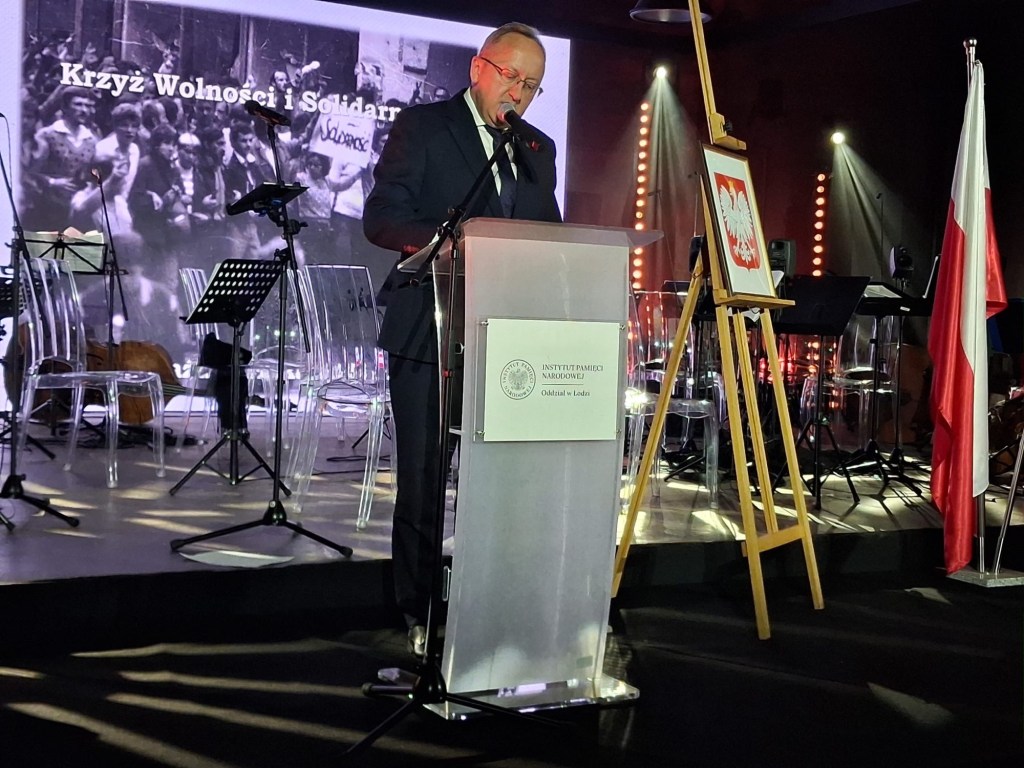
The event was attended by recipients of awards from central Poland, leaders of the “Strong with Poland!” project, representatives of the government, clergy, and the Solidarity Trade Union.
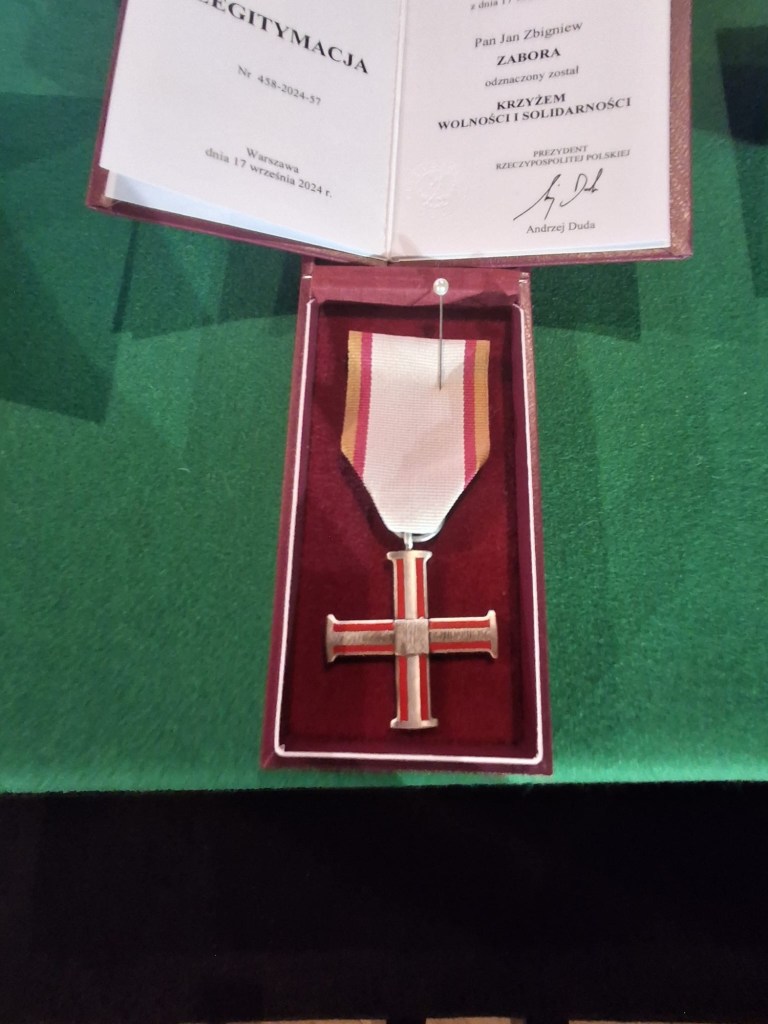
The Cross of Freedom and Solidarity is an expression of the Polish state’s gratitude to those who, by fighting the communist system between 1956 and 1989, contributed to Poland regaining its independence.
History for the Young Generation
The organizers are devoting special attention to the youngest participants of the Congress. Elementary and high school students will learn about 20th-century history through active workshops, performances, and interactive educational games.
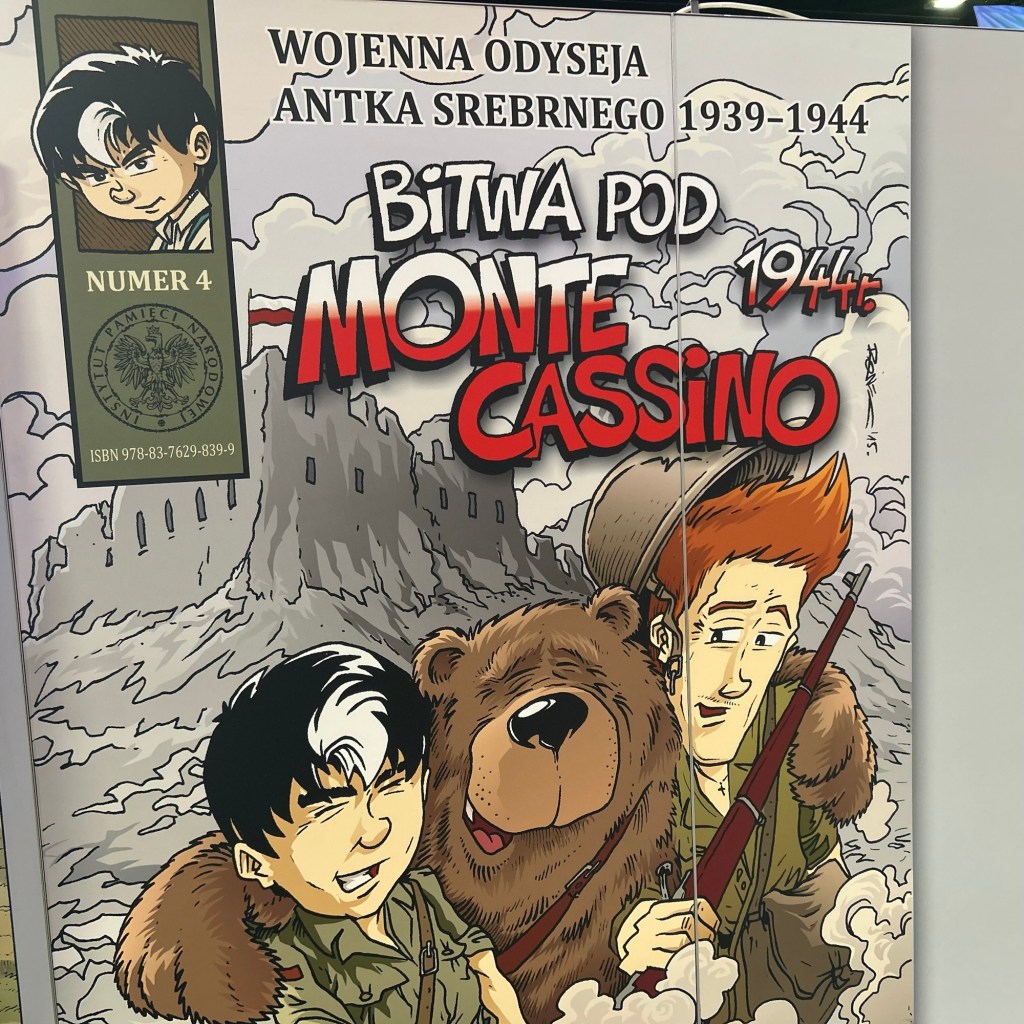
In this way, they discover that history is not just the past, but a living story about the values that shape the present – about courage, solidarity, and responsibility for the future.
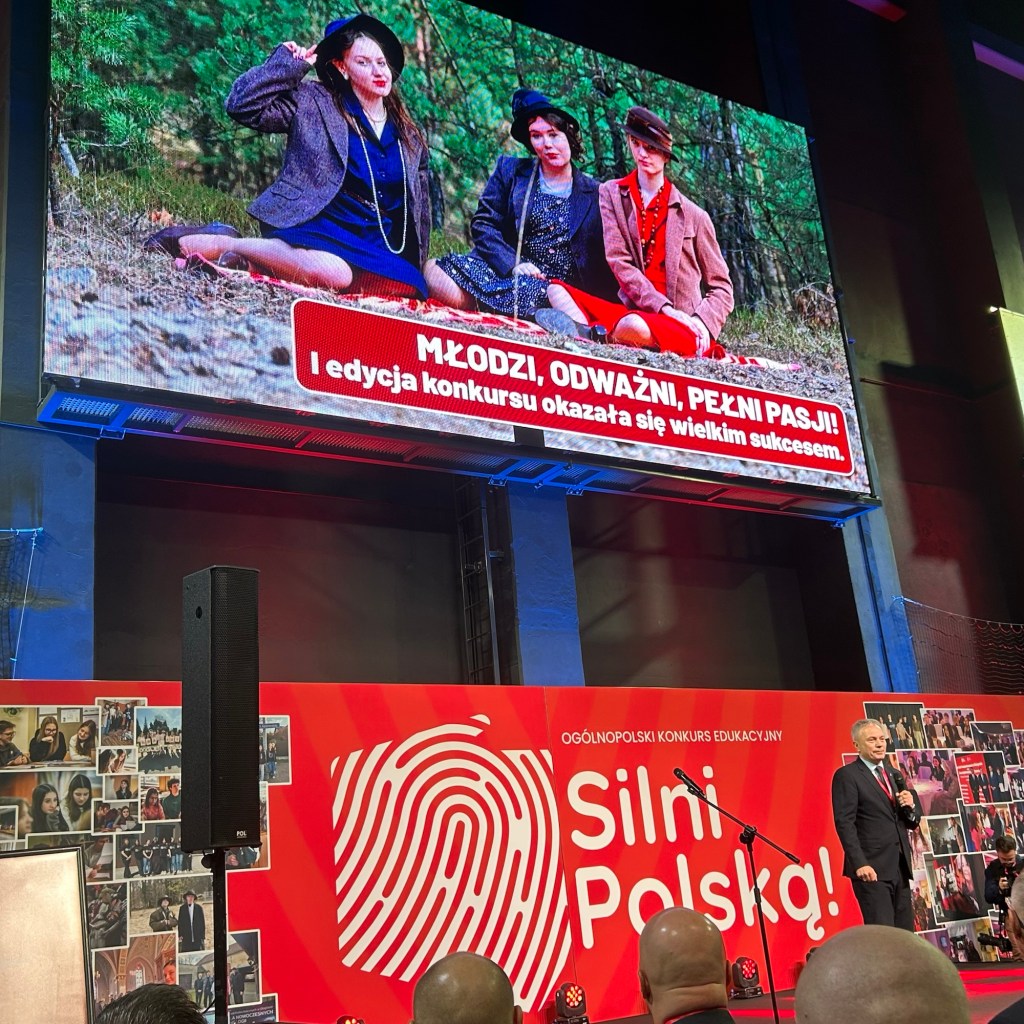
The educational projects presented during the Congress also included the nationwide “Strong with Poland!” competition, which encourages young people to discover history, build pride in their national heritage, and shape patriotic attitudes.
Cooperation with the Polish Diaspora and an Exclusive Interview
During the event, we had the honor of conducting an exclusive interview with Professor Karol Polejowski, Vice President of the Institute of National Remembrance (IPN), who shared his plans for developing cooperation with the Polish diaspora.
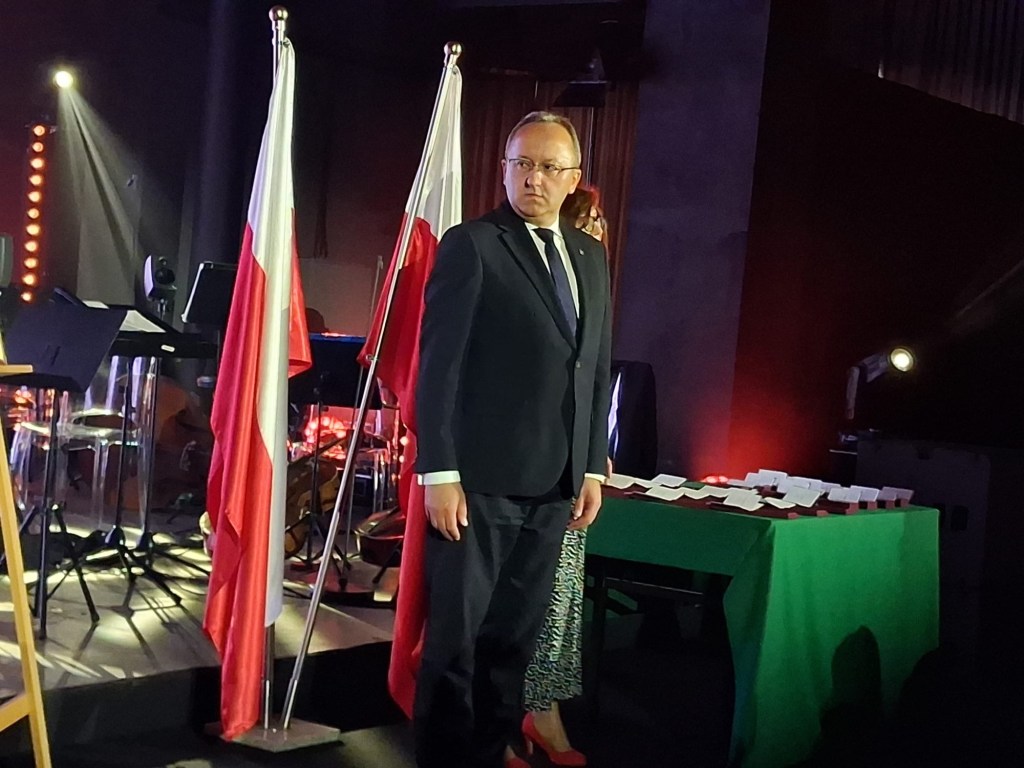
The discussion focused on, among other things, strengthening contacts with Polish organizations operating abroad and joint educational and cultural initiatives aimed at perpetuating the memory of Poland’s history and its heroes among young generations of Poles living abroad.
You can listen to the interview on the link:
A Common Concern for Memory
The Congress of the National Future is held under the honorary patronage of Karol Nawrocki, President of the Republic of Poland, and its message best captures the idea that history is a bridge connecting generations.
Thanks to initiatives such as the one organized by the Institute of National Remembrance, the past becomes a living inspiration for the future – reminding us that community, identity, and freedom are values worth cultivating every day.
About the Polish Sue Association
The Polish Sue Association, led by Iwona Golińska, has been working for years to promote the memory of Polish history and the role of Poles in the fight for freedom during World War II.
The organization conducts numerous educational, cultural, and social projects in the UK and Poland, disseminating knowledge about the fate of the Polish Armed Forces in the West and the Polish sailors from the ORP Błyskawica.
The Association is a long-standing partner of the Institute of National Remembrance in international historical and educational initiatives.
Text and Photos: Polish Sue
 Polish Sue
Leave a comment