
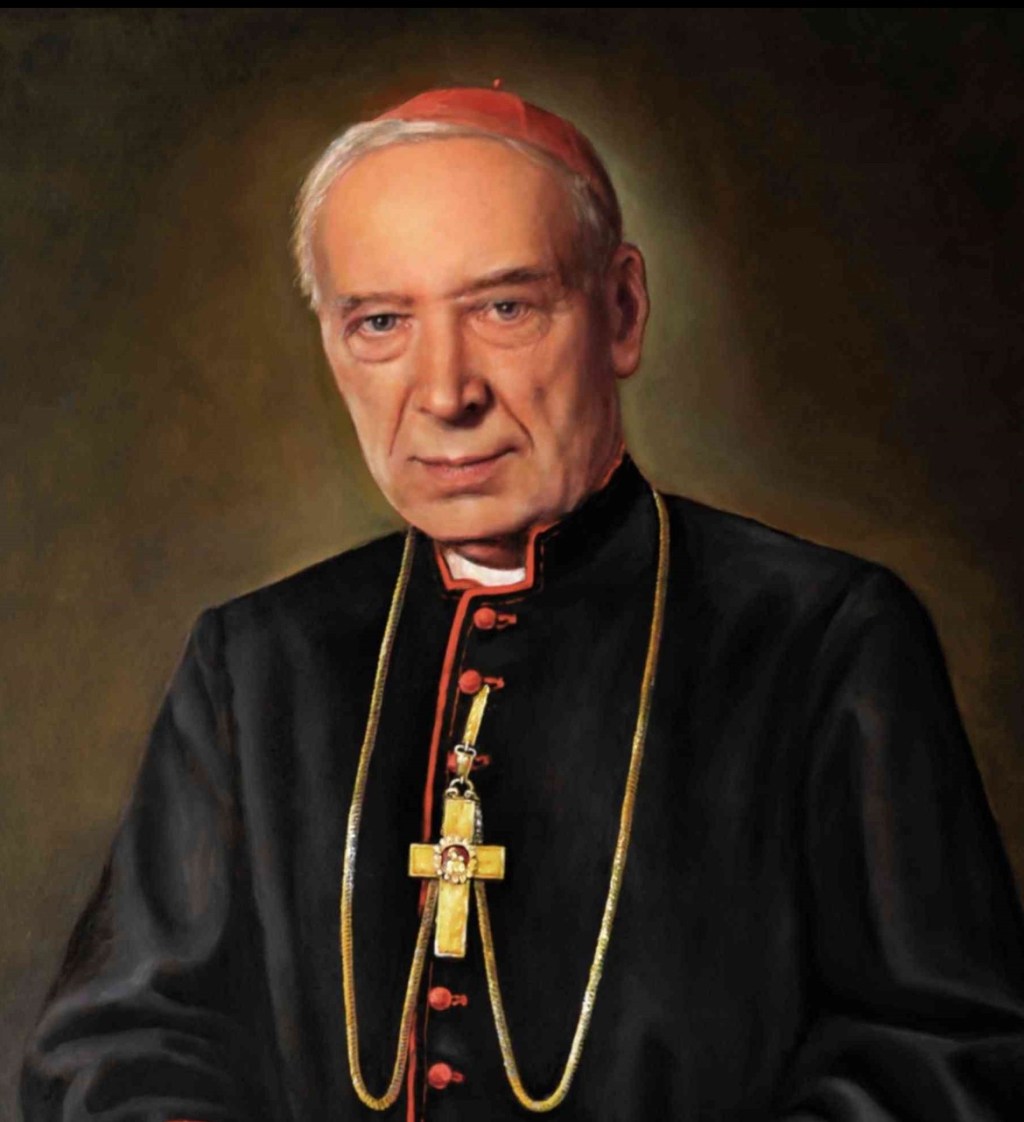
“Only eagles soar above the ridges and are unafraid of precipices, winds, and storms. You must have something of the eagle within you – an eagle’s heart and an eagle’s vision for the future.”
– Primate Stefan Wyszyński
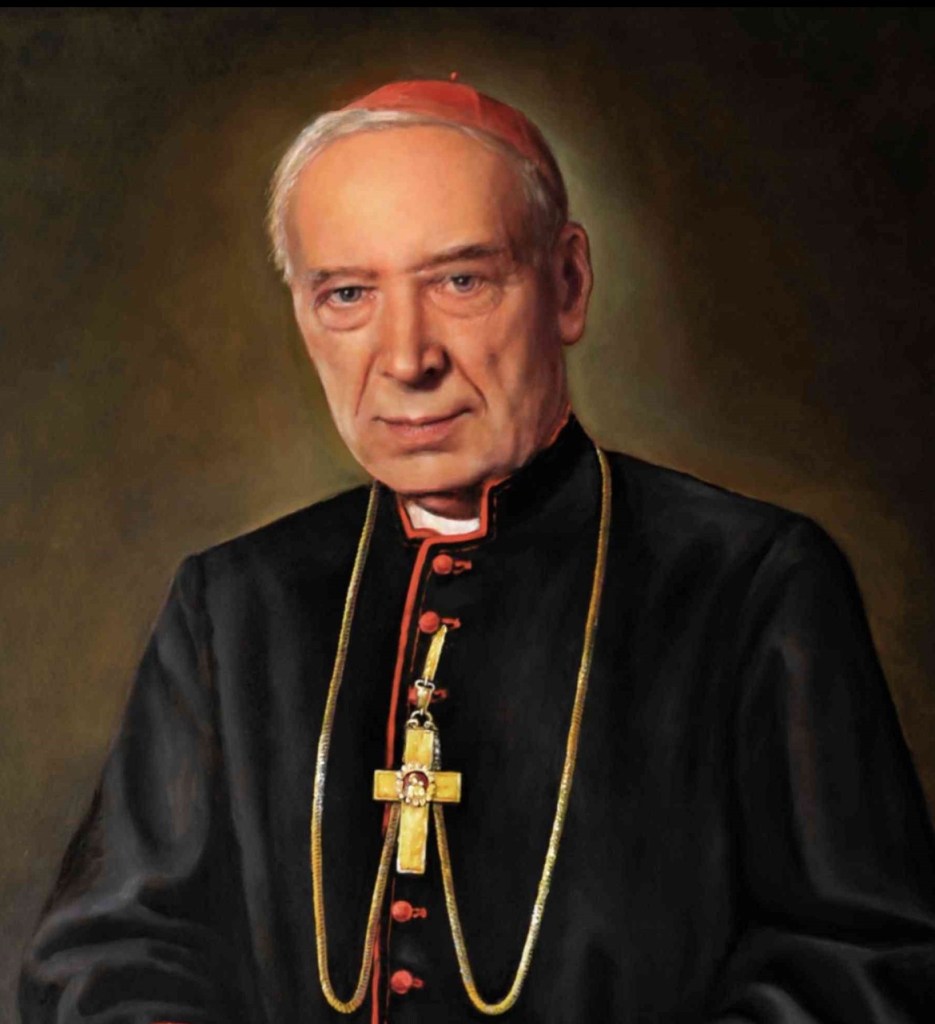
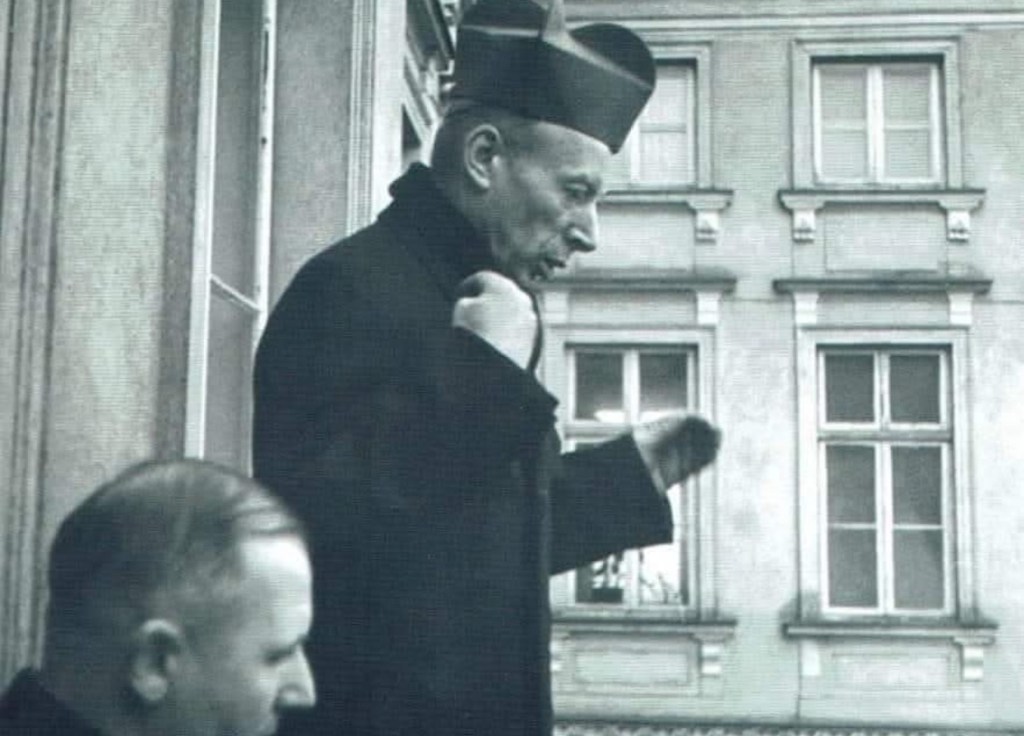
On October 28, 1956, the Primate of Poland, Cardinal Stefan Wyszyński, returned to Warsaw after more than three years of unlawful internment by the communist authorities.
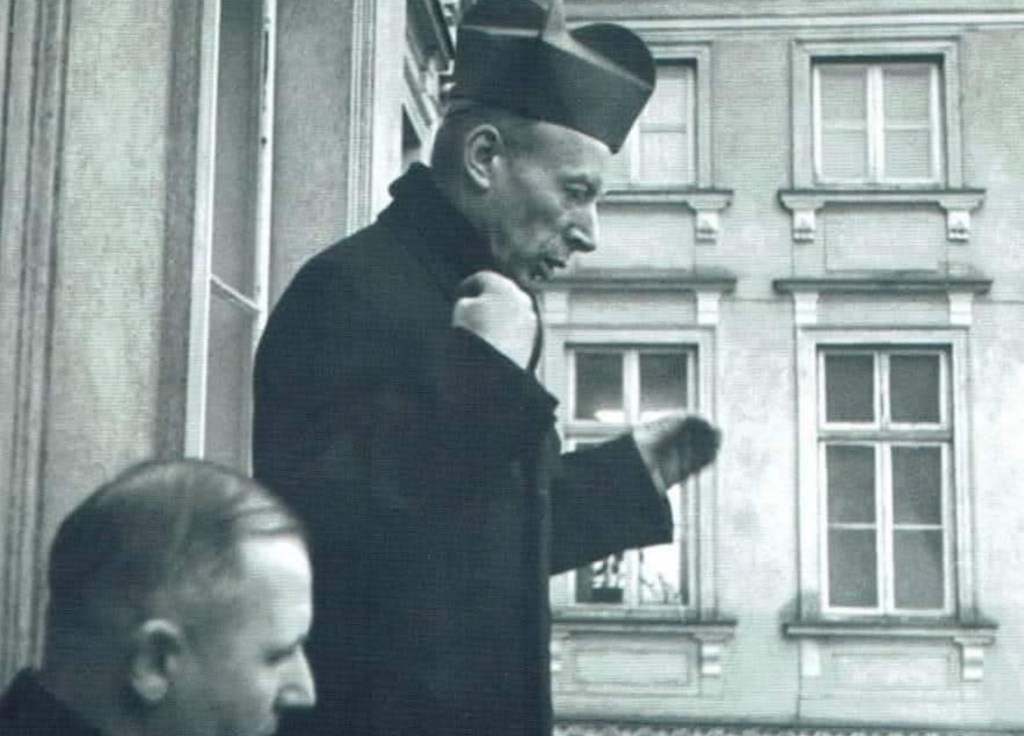
That evening, he blessed the faithful from the balcony of the House of the Archbishops of Warsaw.
It was a symbolic moment – the return of a spirit that refused to be broken.
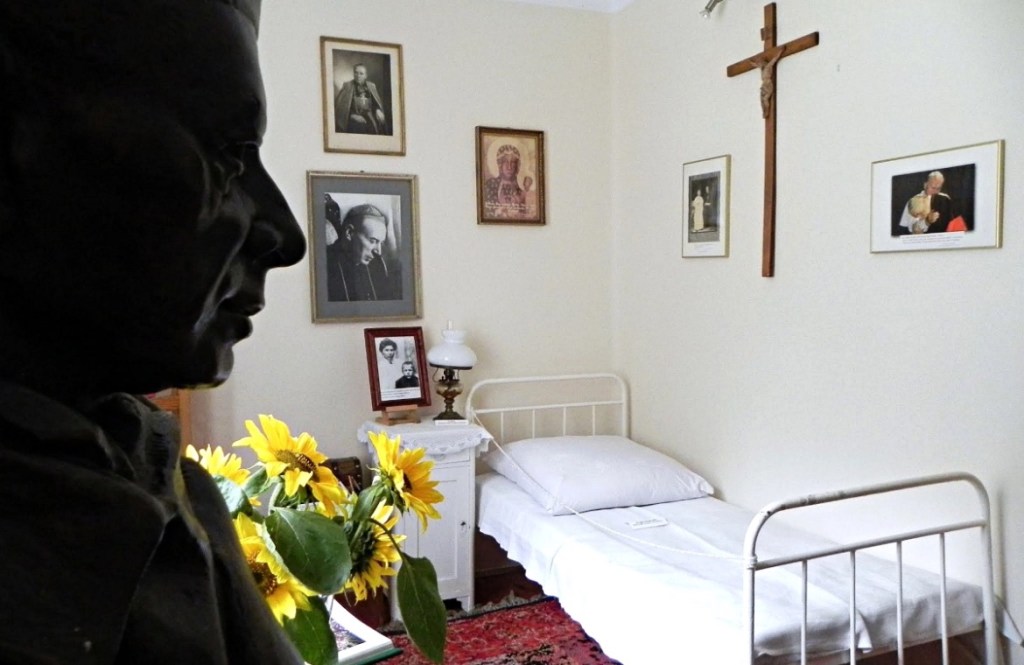
Komańcza – a silent testimony of courage
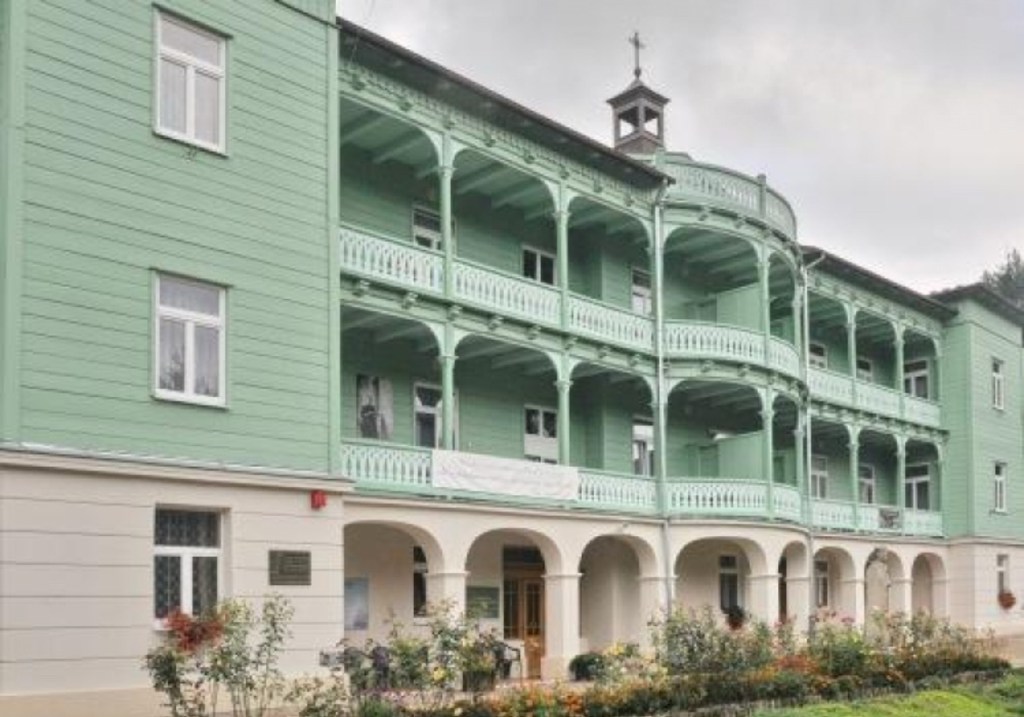
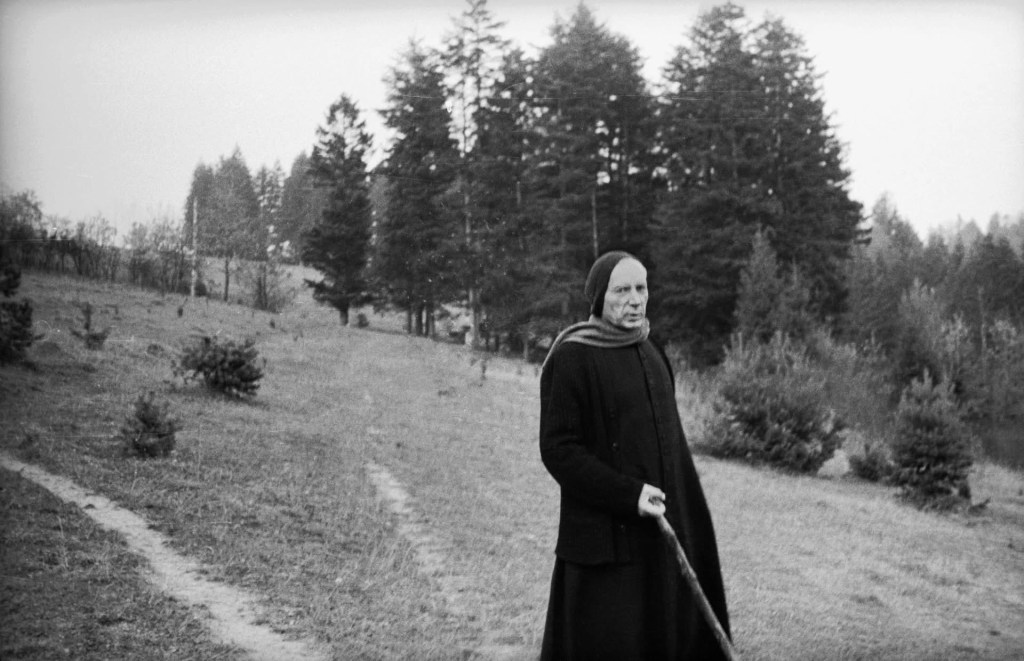
The final place of internment of the Primate of the Millennium was Komańcza – a quiet town on the edge of the Bieszczady Mountains. There, in the convent of the Sisters of the Holy Family of Nazareth, isolated from the world and people, he was to be forgotten.
The communist authorities wanted to silence him, cut him off from society, strip him of his influence.
Yet, from this silence, strength was born.
Wiretapping, secret observers, provocations – all this was commonplace in Komańcza.

And yet, Wyszyński maintained his composure and dignity.
When a notebook containing a security service report on his “growing influence” was found, he simply said:
“Burn it.”
He didn’t need evidence of persecution. He knew that truth fears no shadow.
Where he was supposed to have fallen silent, the Jasna Góra Vows were born – the nation’s spiritual testament.
A Spirit That Has Not Passed Away
Today, as we remember the Primate of the Millennium, his message resonates with extraordinary relevance.
Because once again, there are those who seek to silence the voices of truth.
Not behind the walls of convents, but in public and digital spaces.
Again, we hear that remembering the victims, history, and the pain of the innocent is “inconvenient.”
But memory is not a sin.
Memory is a duty.
“It is not enough to be born a human being – you must be one,” Wyszyński reminded.
To be human is to have the courage to speak, even when others tell you to remain silent.
Because courage did not perish in Komańcza.
It descended from the mountains with the fog and is still among us – in everyone who refuses to forget.
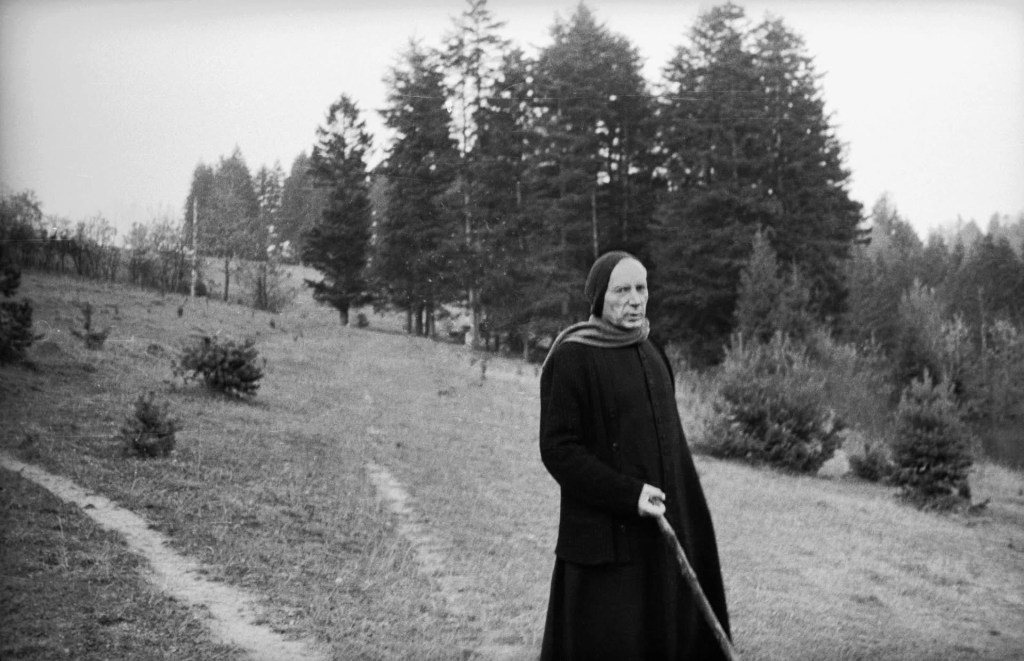
Memory and Responsibility
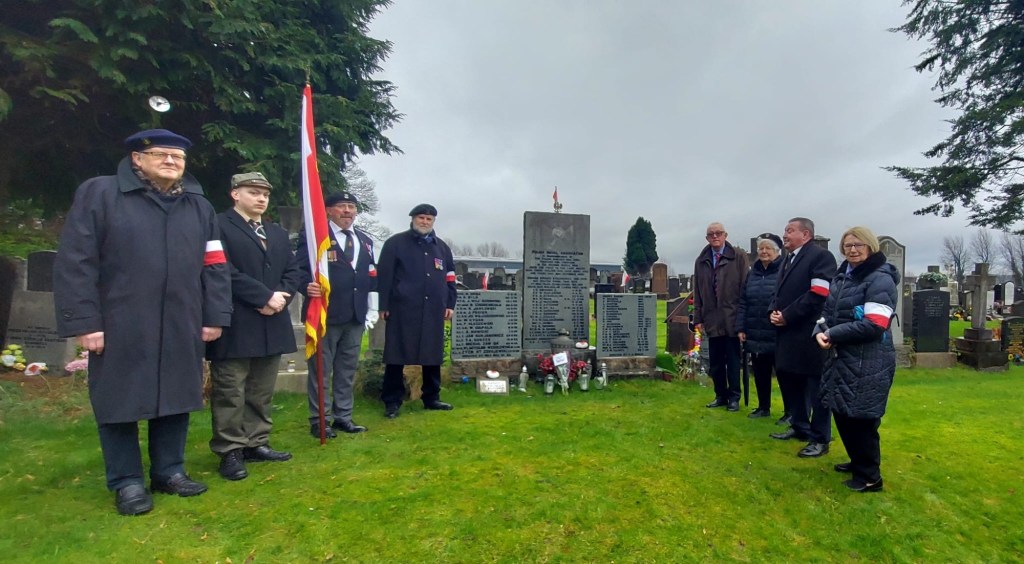
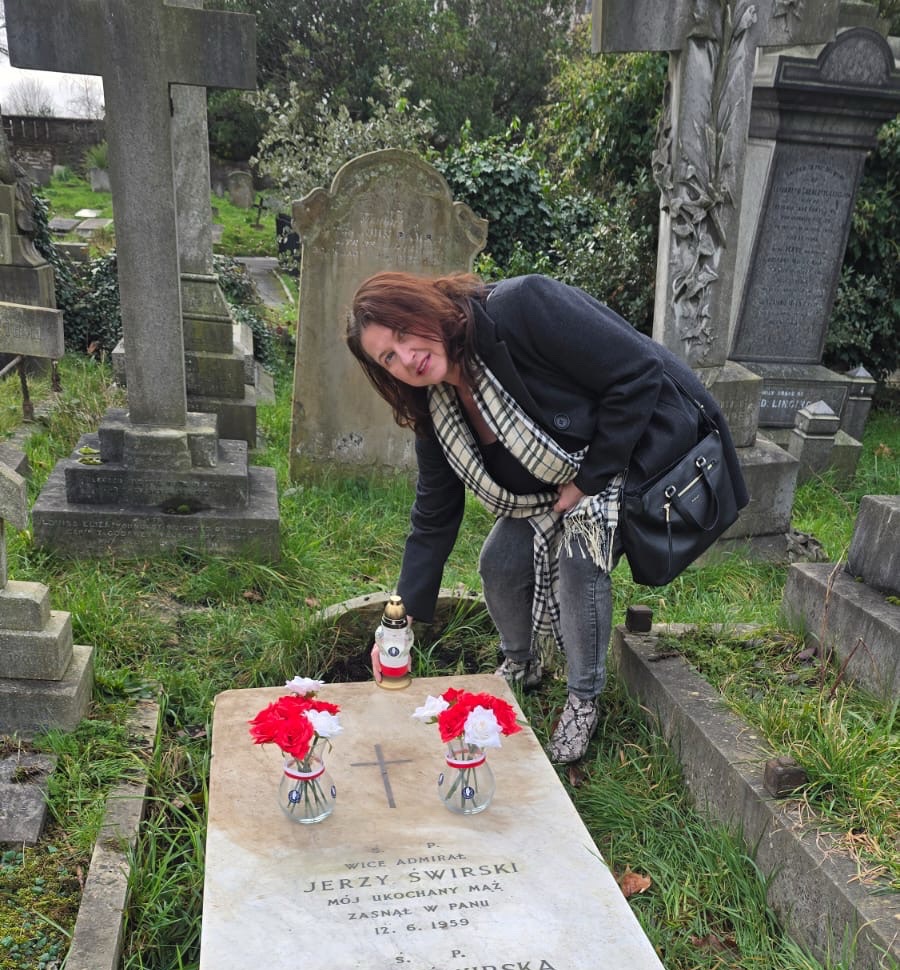
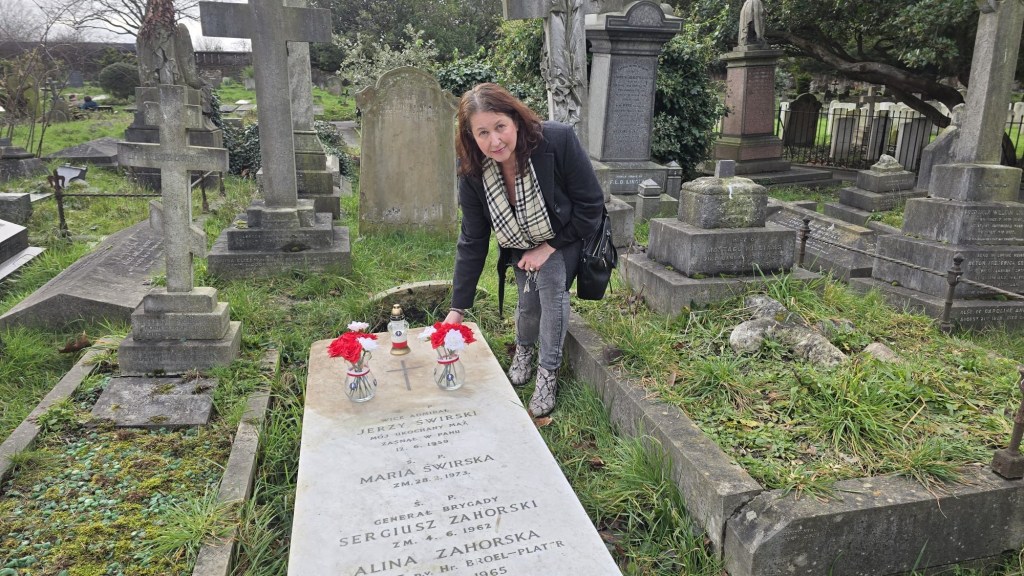
At Polish Sue, we believe that history has power when it comes alive in words and actions.
That is why we cherish the memory of those who had the courage to speak the truth—heroes, clergy, soldiers, and ordinary people who refused to be broken.
Their strength, their faith, and their silent courage are the foundation of our identity.
Because as long as there is even one person who speaks the truth,
they – murdered, forgotten, betrayed – will live on in our memories.
Photos: National Archives / NAC
Text: prepared by Polish Sue Association on the occasion of the anniversary of the return of Primate Stefan Wyszyński from internment in Komańcza, October 28, 1956.
Editorial Note from the Polish Sue Association
The Polish Sue Association operates in the UK, promoting the memory of Polish history, the heroes, and the values that shaped our nation.
Through exhibitions, publications, celebrations, and collaboration with British institutions, we recall the fate of Poles in exile, the Polish Armed Forces in the West, and the spiritual heritage that connects generations.
Our mission is truth, memory, and gratitude – for those who had the courage to be eagles above the ridges of history.
-PL–
Orły nad Komańczą – pamięć o „Prymasie Tysiąclecia” – Prymasie Polski, Kardynale Stefanie Wyszyńskim, która nigdy nie przemija.
„Tylko orły szybują nad graniami i nie lękają się przepaści, wichrów i burz. Musicie mieć w sobie coś z orłów – serce orle i wzrok orli ku przyszłości.”
– Prymas Stefan Wyszyński
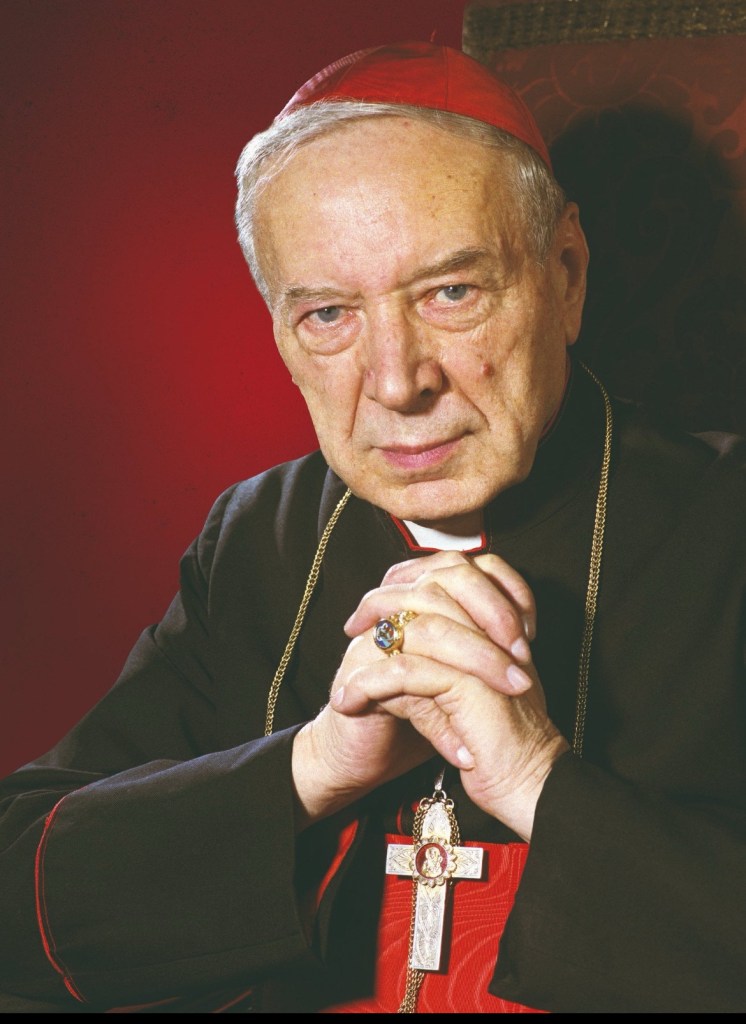
28 października 1956 roku do Warszawy powrócił prymas Polski, kardynał Stefan Wyszyński, po ponad trzech latach bezprawnego internowania przez władze komunistyczne.
Wieczorem z balkonu Domu Arcybiskupów Warszawskich pobłogosławił wiernych.
To był symboliczny moment – powrót ducha, który nie dał się złamać.
Komańcza – milczące świadectwo odwagi
Ostatnim miejscem internowania Prymasa Tysiąclecia była Komańcza – cicha miejscowość na skraju Bieszczadów.
Tam, w klasztorze sióstr nazaretanek, odizolowany od świata i ludzi, miał zostać zapomniany.
Władze komunistyczne chciały go uciszyć, odciąć od społeczeństwa, pozbawić wpływu.
Jednak z tej ciszy narodziła się siła.
Podsłuchy, tajni obserwatorzy, prowokacje – wszystko to było codziennością w Komańczy.
A mimo to Wyszyński zachował spokój i godność.
Kiedy znaleziono notes z raportem służb bezpieczeństwa o jego „rosnącym wpływie”, powiedział tylko:
„Spalić.”
Nie potrzebował dowodów prześladowania. Wiedział, że prawda nie boi się cienia.
Tam, gdzie miał zamilknąć, powstały Śluby Jasnogórskie – duchowy testament narodu.
Duch, który nie przeminął
Dziś, gdy wspominamy Prymasa Tysiąclecia, jego przesłanie brzmi niezwykle aktualnie.
Bo znów są tacy, którzy próbują uciszyć głosy prawdy.
Nie za murami klasztorów, lecz w przestrzeni publicznej i cyfrowej.
Znów słyszymy, że pamięć o ofiarach, o historii, o bólu niewinnych jest „niewygodna”.
Ale pamięć nie jest winą.
Pamięć jest obowiązkiem.
„Nie wystarczy urodzić się człowiekiem – trzeba nim być.” – przypominał Wyszyński.
Być człowiekiem – to mieć odwagę mówić, nawet wtedy, gdy inni każą milczeć.
Bo odwaga nie zginęła w Komańczy.
Zeszła z gór razem z mgłą i wciąż jest wśród nas – w każdym, kto nie zgodził się zapomnieć.
Pamięć i odpowiedzialność
W Polish Sue wierzymy, że historia ma moc, gdy staje się żywa w słowie i działaniu.
Dlatego pielęgnujemy pamięć o tych, którzy mieli odwagę mówić prawdę – o bohaterach, duchownych, żołnierzach i zwykłych ludziach, którzy nie dali się złamać.
Ich siła, ich wiara i ich milcząca odwaga są fundamentem naszej tożsamości.
Bo dopóki znajdzie się choć jeden człowiek, który mówi prawdę,
dopóty oni – pomordowani, zapomniani, zdradzeni – będą żyć w naszej pamięci.
Zdjęcia: Archiwum Narodowe / NAC
Tekst: opracowany przez Polish Sue Association z okazji rocznicy powrotu Prymasa Stefana Wyszyńskiego z internowania w Komańczy, 28 października 1956 r.
Nota redakcyjna Polish Sue Association
Polish Sue Association działa w Wielkiej Brytanii, promując pamięć o polskiej historii, bohaterach i wartościach, które ukształtowały nasz naród.
Poprzez wystawy, publikacje, uroczystości i współpracę z brytyjskimi instytucjami, przypominamy o losach Polaków na emigracji, o Polskich Siłach Zbrojnych na Zachodzie i o duchowym dziedzictwie, które łączy pokolenia.
Naszą misją jest prawda, pamięć i wdzięczność – dla tych, którzy mieli odwagę być orłami nad graniami historii.

 Polish Sue
Leave a comment