
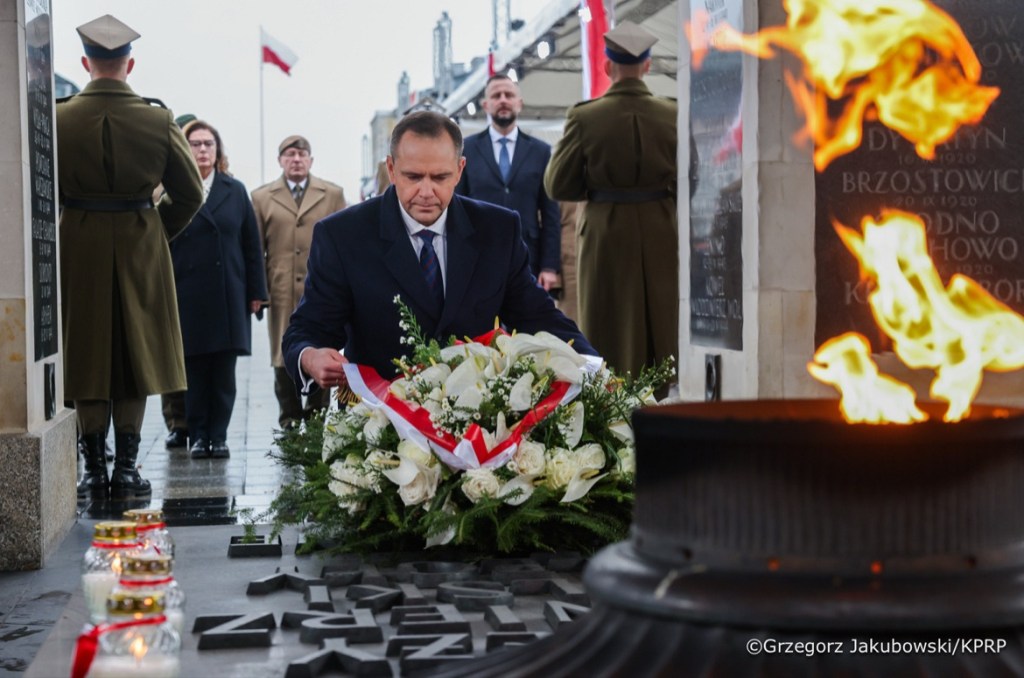
Warsaw, November 3, 2025 – On the centenary of the establishment of the Tomb of the Unknown Soldier in Warsaw, state ceremonies were held with the participation of the highest authorities of the Republic of Poland. Karol Nawrocki spoke on behalf of the President of the Republic of Poland, recalling in a moving speech the significance of this place for Polish history and contemporary identity.
“The Tomb of the Unknown Soldier is an altar to our Homeland, an altar to the Republic of Poland, but also a mirror for us today, in which we reflect on ourselves during official ceremonies,”
– said the President.
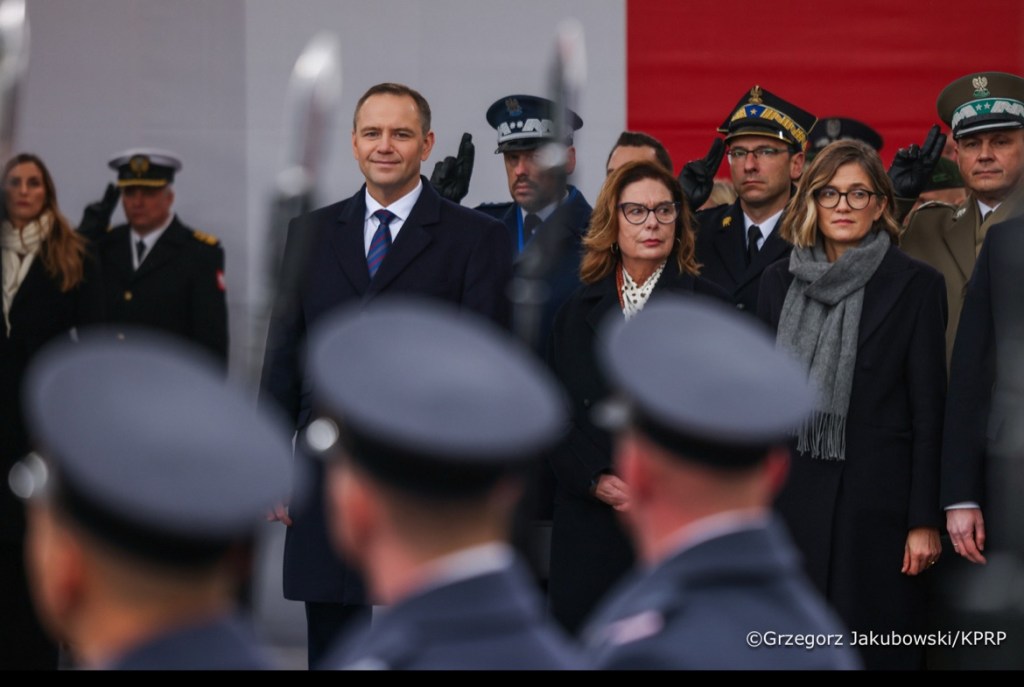
He emphasized that it is a mirror in which Poles see themselves as a free and independent nation – despite their difficult history.
“It is also a reminder of how to prevent further plaques from appearing here.” This is a task for me and the Polish government – to make our army the strongest NATO army in the European Union,”
– said Karol Nawrocki.
In his speech, the president also addressed soldiers and officers of uniformed services, calling them “heroes of our times”:
“Every Polish officer must hear that you are our heroes, that we will stand up for you, because you need equipment, training, and a sense of protection from the state, not the breathing down your neck of the prosecutor’s office.”
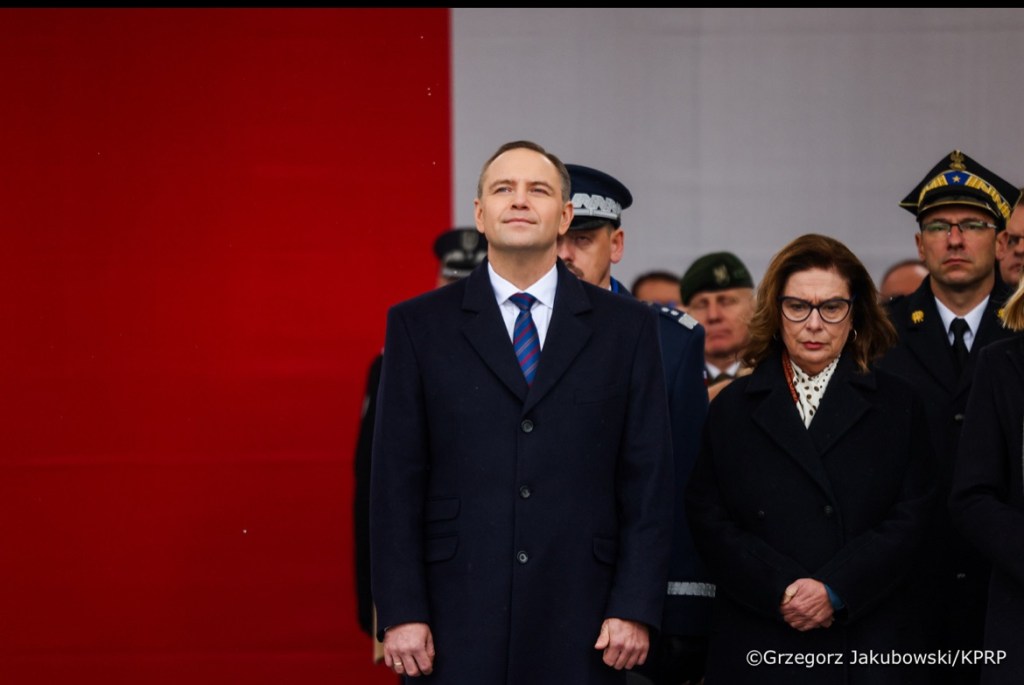
A symbolic place for millions of Poles
Karol Nawrocki recalled that the remains of one unknown soldier “encapsulate over a thousand years of the Polish nation’s struggle for its own state.”
“We stand here despite the fact that the Germans destroyed the Saxon Palace – the heart of the Polish army – during World War II and placed a large letter V here, symbolizing the dominance of the German element over the Polish one. And yet we are. Free, independent, sovereign,”
– he emphasized.
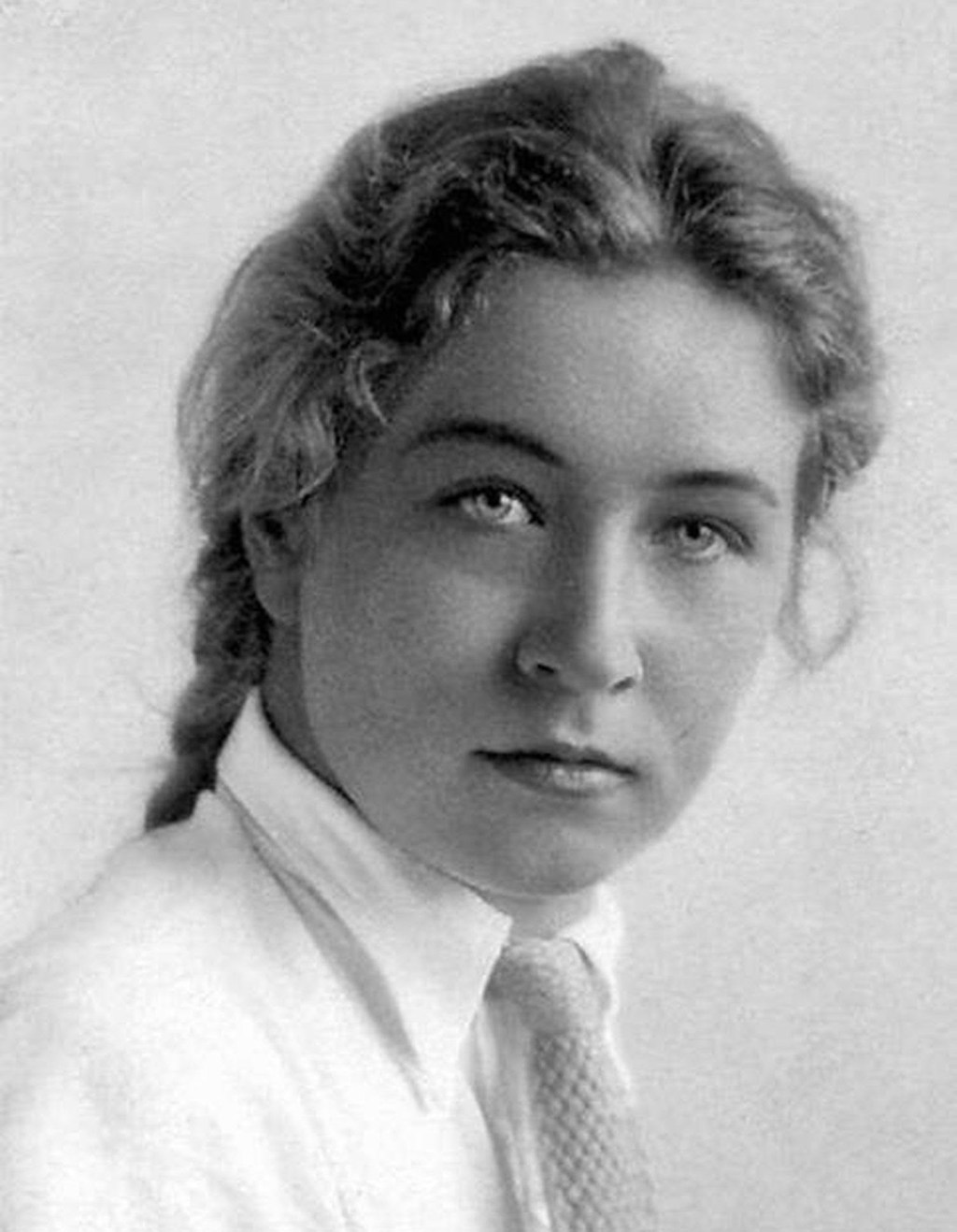
The President also recalled Jadwiga Zarugiewicz, a mother who lost her son in the 1920 war – her tragedy became the impetus for the creation of the Tomb of the Unknown Soldier.
“Neither Mrs. Jadwiga nor her son Konstanty could have imagined that thanks to this tomb, we, contemporary Poles, would receive such a great gift of memory, heritage, and strength,”
– he said.
A Sign of Remembrance and Freedom
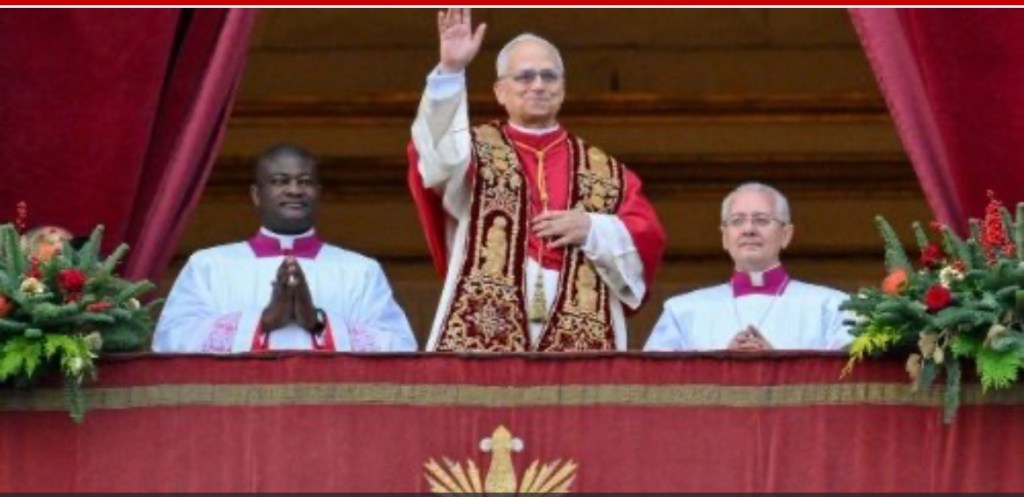
Karol Nawrocki also referred to the words of St. John Paul II, who prayed at the Tomb of the Unknown Soldier before his historic speech at Victory Square in 1979.
“Before saying: ‘Let Your Spirit descend,’ he recalled that there can be no just Europe without a free Poland. It is for this freedom and the responsibility for it that we meet here today – and we must remain faithful to it,”
– he concluded.
The ceremony was attended by, among others, Zbigniew Bogucki, Head of the Chancellery of the President, Sławomir Cenckiewicz, Minister Agnieszka Jędrzak, and Minister Jarosław Dębowski.
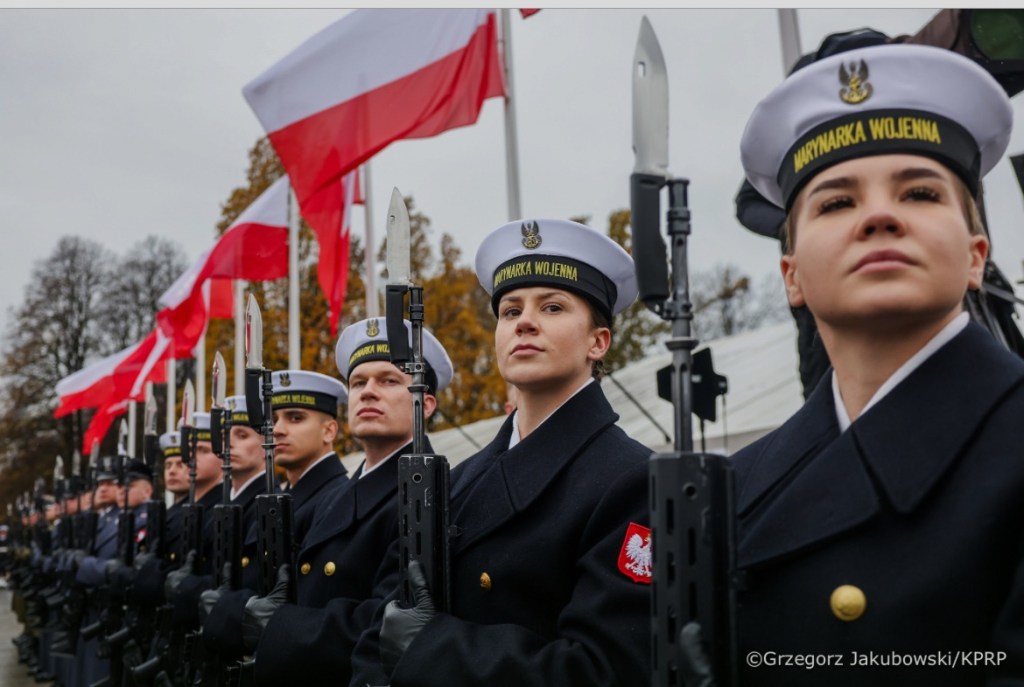
History of the Tomb of the Unknown Soldier
The idea of paying tribute to these nameless heroes arose after World War I, when millions of soldiers died anonymously on the front lines of Europe. Poland – which had just regained independence – quickly decided to erect such a symbol.
On January 25, 1925, at the request of General Władysław Sikorski, the Council of Ministers approved the location of the monument in the colonnade of the Saxon Palace. The design was created by sculptor Stanisław Ostrowski.
During World War II, the Germans blew up the Saxon Palace along with the Tomb of the Unknown Soldier. Only a small section survived – three arcades of the colonnade, which remain a reminder of the destroyed heart of the capital.
After the war, on May 8, 1946, a ceremony was held to re-unite the monument. In the following decades, the site took on an increasingly profound significance: in 1989, soil from the Katyn graves was placed there, and in 1991, plaques commemorating battles from various periods of Polish history were added.
Currently, the arcades of the Tomb of the Unknown Soldier house 22 plaques commemorating the most important battles fought by the Polish military.
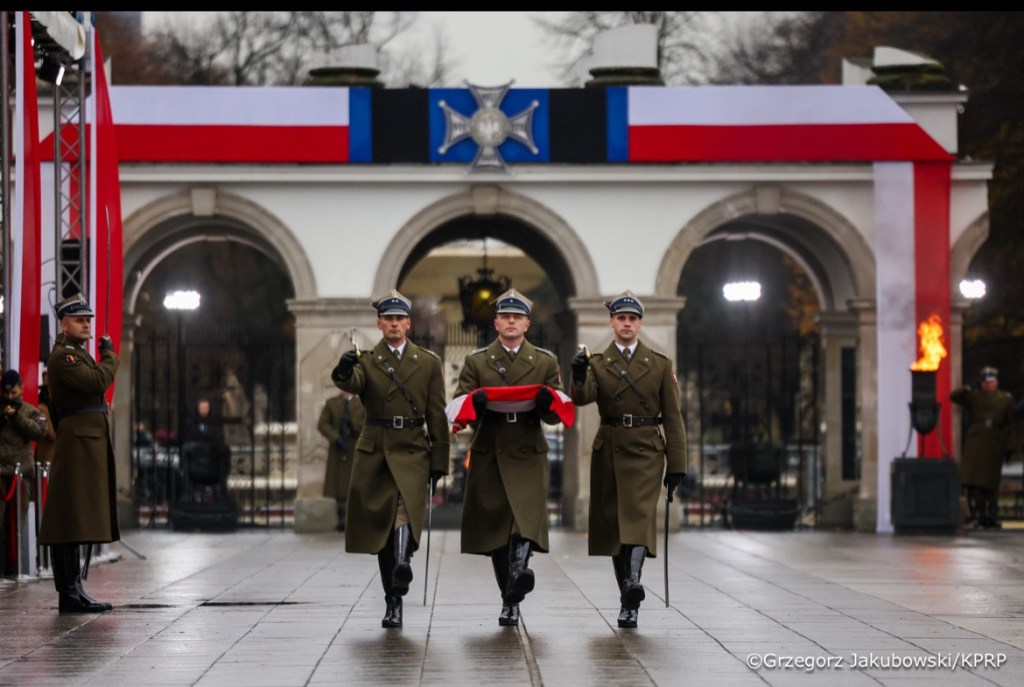
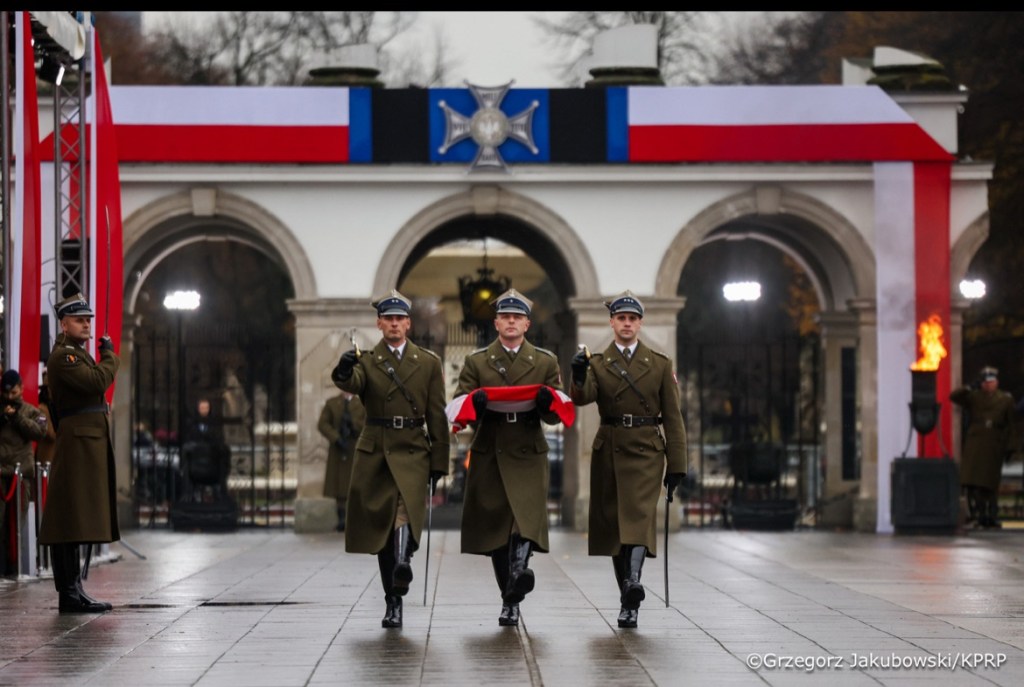
An eternal flame burns at the tomb, and soldiers from the Representative Battalion of the Polish Army stand guard. On national holidays, a ceremonial changing of the guard takes place, attended by state authorities and representatives of veterans.
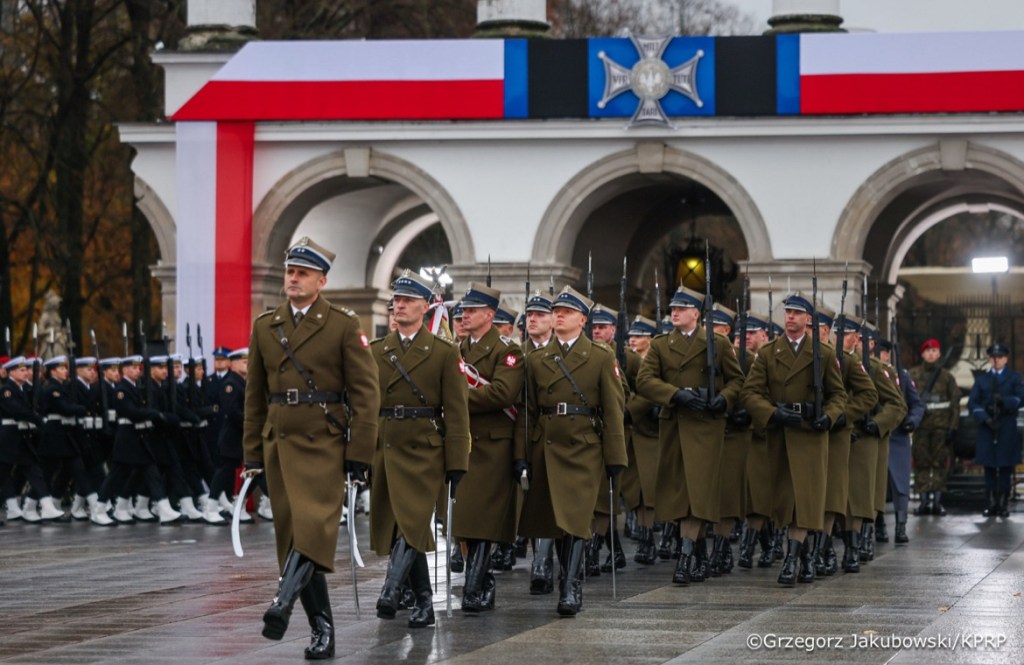
Memory that connects generations
The Tomb of the Unknown Soldier is not only a symbol of wartime sacrifice – it is also a place where the threads of history, patriotism, and the spiritual community of Poles intertwine. For a hundred years, this is where government officials, veterans, clergy, and young people have gathered on the most important days of the Polish state to pay tribute to those who died “for our freedom and yours.”
Text: Polish Sue Editorial Team
Source and Photos: Chancellery of the President of the Republic of Poland / PAP
Pl.
100 lat Grobu Nieznanego Żołnierza – ołtarzu Rzeczpospolitej i zwierciadła narodowej pamięci.

Warszawa, 3 listopada 2025 r. – W stulecie ustanowienia Grobu Nieznanego Żołnierza w Warszawie odbyły się uroczystości państwowe z udziałem najwyższych władz Rzeczypospolitej. W imieniu Prezydenta RP głos zabrał Karol Nawrocki, który w poruszającym wystąpieniu przypomniał o znaczeniu tego miejsca dla polskiej historii i współczesnej tożsamości.
– Grób Nieznanego Żołnierza to ołtarz naszej Ojczyzny, ołtarz Rzeczpospolitej, ale też dla nas współczesnych zwierciadło, w którym przeglądamy się w czasie oficjalnych uroczystości – powiedział Prezydent.
Jak podkreślił, jest to zwierciadło, w którym Polacy widzą siebie jako naród wolny i niepodległy – mimo trudnej historii.
– To także przypomnienie, jak sprawić, by nie pojawiły się tu kolejne tablice. To zadanie dla mnie i polskiego rządu – by nasza armia była najsilniejszą armią NATO w Unii Europejskiej – mówił Karol Nawrocki.
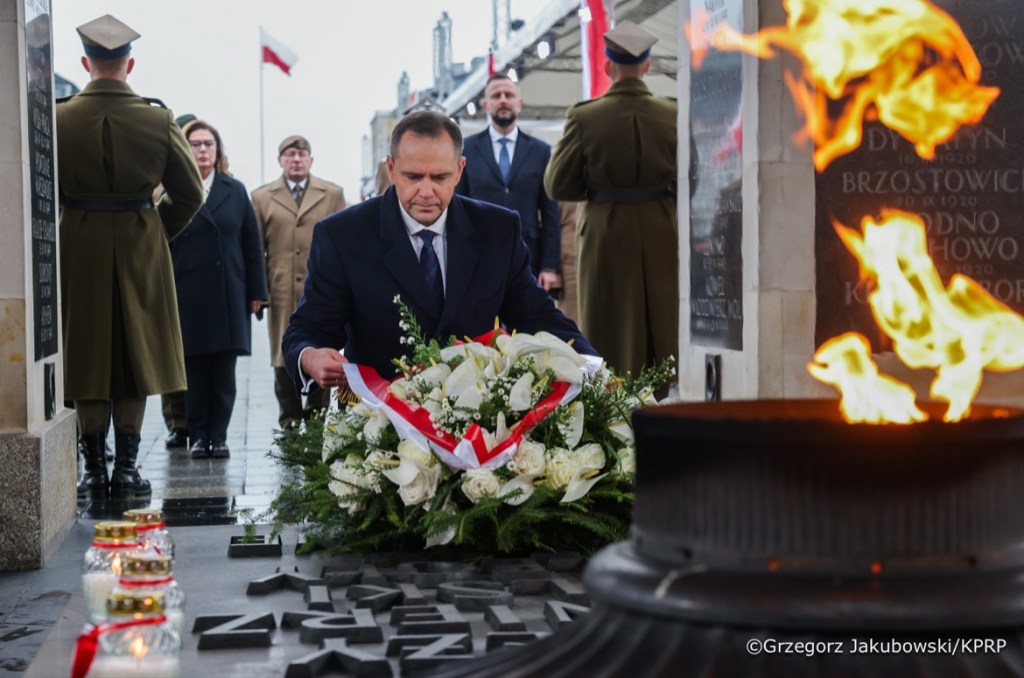
W swoim wystąpieniu prezydent zwrócił się również do żołnierzy i funkcjonariuszy służb mundurowych, określając ich „bohaterami współczesności”:
– Każdy polski funkcjonariusz musi usłyszeć, że jesteście naszymi bohaterami, że będziemy się o was upominać, bo potrzebujecie sprzętu, szkoleń i poczucia opieki ze strony państwa, a nie oddechu prokuratury na plecach.
Miejsce symboliczne dla milionów Polaków
Karol Nawrocki przypomniał, że w szczątkach jednego nieznanego żołnierza „zamknięto ponad tysiąc lat starań narodu polskiego o własne państwo”.
– Stoimy tu mimo tego, że Niemcy podczas II wojny światowej zniszczyli Pałac Saski – serce polskiego wojska – i że postawili w tym miejscu wielką literę V, symbolizującą dominację niemieckiego żywiołu nad polskim. A jednak jesteśmy. Wolni, niepodlegli, suwerenni – podkreślił.
Prezydent przypomniał również o Jadwidze Zarugiewicz, matce, która utraciła syna w wojnie 1920 roku – jej dramat stał się impulsem do powstania Grobu Nieznanego Żołnierza.
– Ani pani Jadwiga, ani jej syn Konstanty nie mogli przypuszczać, że dzięki temu grobowi my, współcześni Polacy, otrzymamy tak wielki dar pamięci, dziedzictwa i siły – mówił.
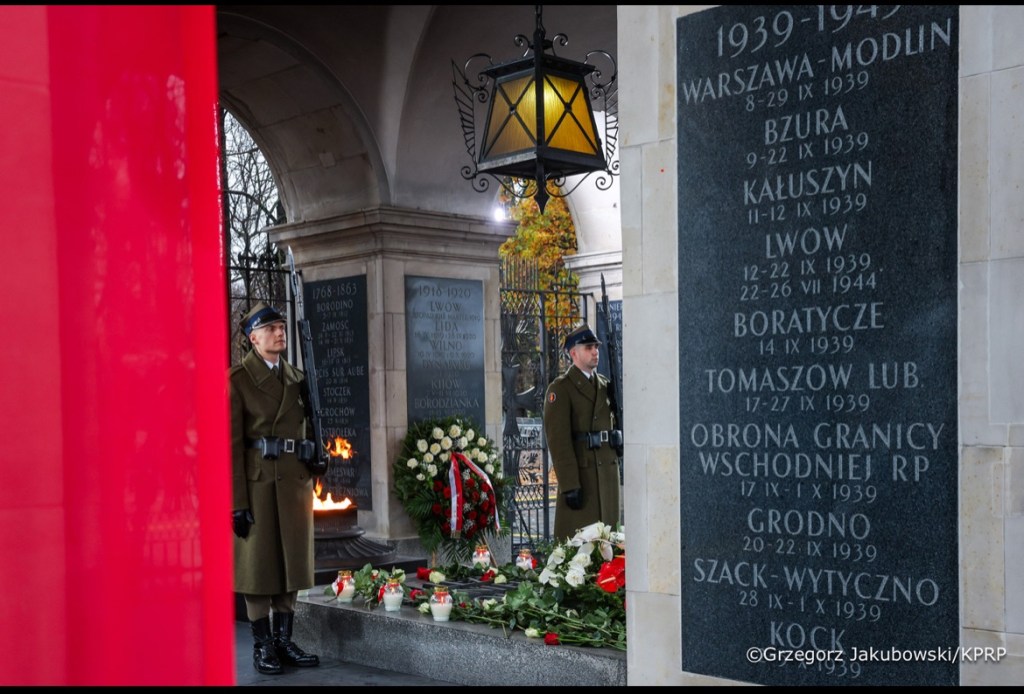
Znak pamięci i wolności
Karol Nawrocki nawiązał również do słów św. Jana Pawła II, który przed historycznym przemówieniem na Placu Zwycięstwa w 1979 roku modlił się właśnie przy Grobie Nieznanego Żołnierza.
– Zanim powiedział: „Niech zstąpi Duch Twój”, przypomniał, że nie ma sprawiedliwej Europy bez wolnej Polski. Dla tej wolności i odpowiedzialności za nią spotykamy się tu dziś – i musimy pozostać jej wierni – zakończył.
W uroczystości uczestniczyli m.in. szef Kancelarii Prezydenta Zbigniew Bogucki, szef Biura Bezpieczeństwa Narodowego Sławomir Cenckiewicz, minister Agnieszka Jędrzak oraz minister Jarosław Dębowski.
Historia Grobu Nieznanego Żołnierza
Idea oddania hołdu bezimiennym bohaterom narodziła się po I wojnie światowej, gdy miliony żołnierzy poległy bezimiennie na frontach Europy. Polska – która dopiero odzyskała niepodległość – szybko podjęła decyzję o wzniesieniu takiego symbolu.
25 stycznia 1925 roku, na wniosek generała Władysława Sikorskiego, Rada Ministrów zatwierdziła lokalizację pomnika w kolumnadzie Pałacu Saskiego. Autorem projektu został rzeźbiarz Stanisław Ostrowski.
Podczas II wojny światowej Niemcy wysadzili Pałac Saski wraz z Grobem Nieznanego Żołnierza. Ocalał jedynie jego niewielki fragment – trzy arkady kolumnady, które do dziś przypominają o zniszczonym sercu stolicy.
Po wojnie, 8 maja 1946 roku, odbyła się uroczystość ponownego odsłonięcia pomnika. W kolejnych dekadach miejsce to nabierało coraz głębszego znaczenia: w 1989 roku złożono tu ziemię z mogił katyńskich, a w 1991 roku dodano tablice upamiętniające bitwy z różnych okresów dziejów Polski.
Obecnie w arkadach Grobu Nieznanego Żołnierza znajduje się 22 tablice upamiętniające najważniejsze bitwy polskiego oręża.
Przy grobie płonie wieczny znicz, a wartę pełnią żołnierze Batalionu Reprezentacyjnego Wojska Polskiego. W święta narodowe odbywa się uroczysta zmiana warty z udziałem władz państwowych i przedstawicieli kombatantów.
Pamięć, która łączy pokolenia
Grób Nieznanego Żołnierza to nie tylko symbol wojennego poświęcenia – to także miejsce, w którym splatają się wątki historii, patriotyzmu i duchowej wspólnoty Polaków.
Od stu lat to tutaj w dni najważniejsze dla państwa polskiego gromadzą się przedstawiciele władz, weterani, duchowni i młodzież, by oddać hołd tym, którzy polegli „za wolność naszą i waszą”.
Tekst: Redakcja Polish Sue
Źródło i Zdjęcia: Kancelaria Prezydenta RP / PAP
 Polish Sue
Leave a comment