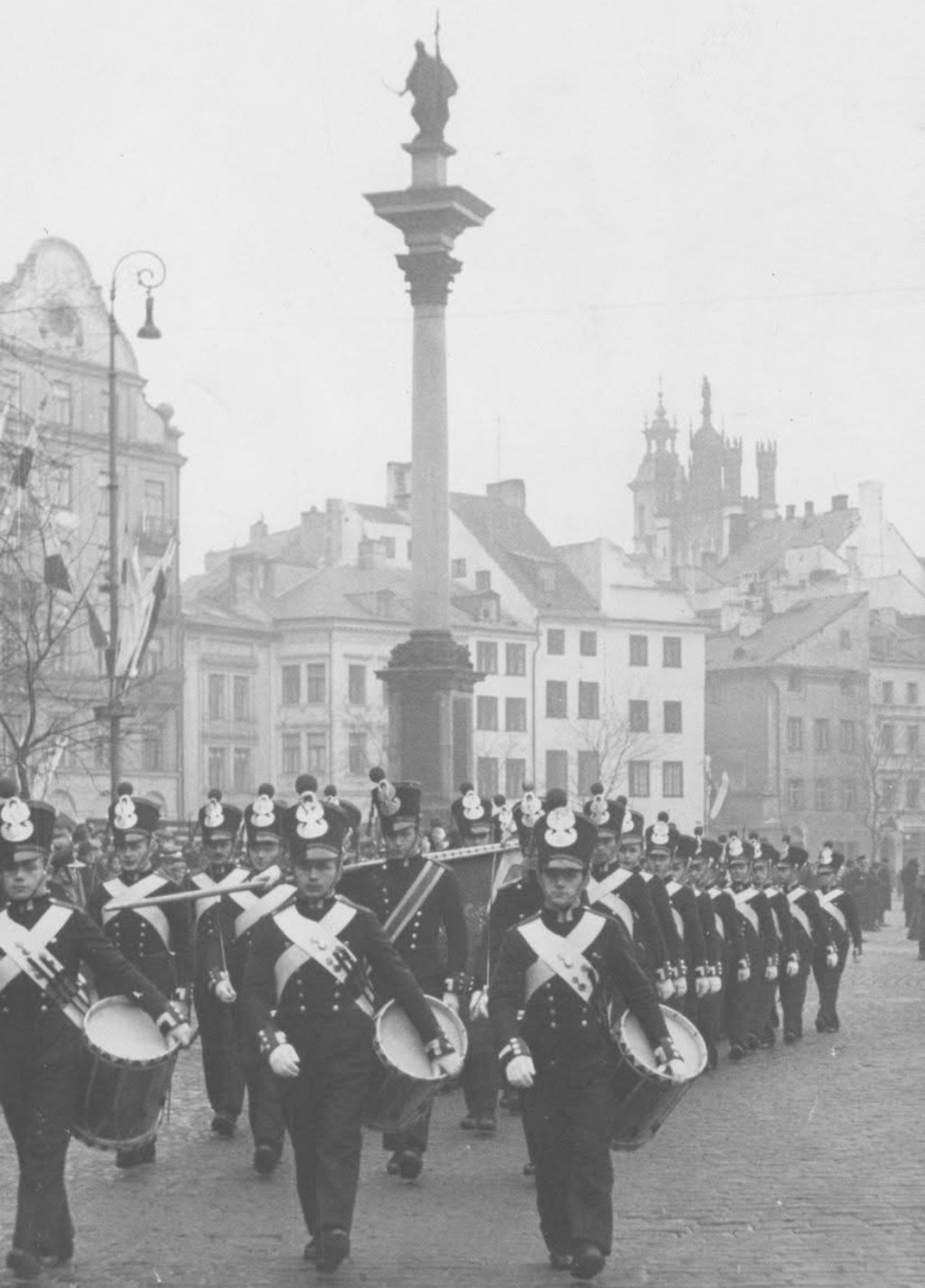
Dziś, 29 listopada, swoje święto obchodzą podchorążowie Wojska Polskiego – młodzi oficerowie w trakcie szkolenia, którzy kontynuują tradycję, odwagę i etos służby zapoczątkowany niemal dwa wieki temu. To właśnie tej nocy, 29 listopada 1830 roku, słuchacze Szkoły Podchorążych Piechoty w Warszawie dali impuls jednemu z najważniejszych polskich zrywów niepodległościowych.
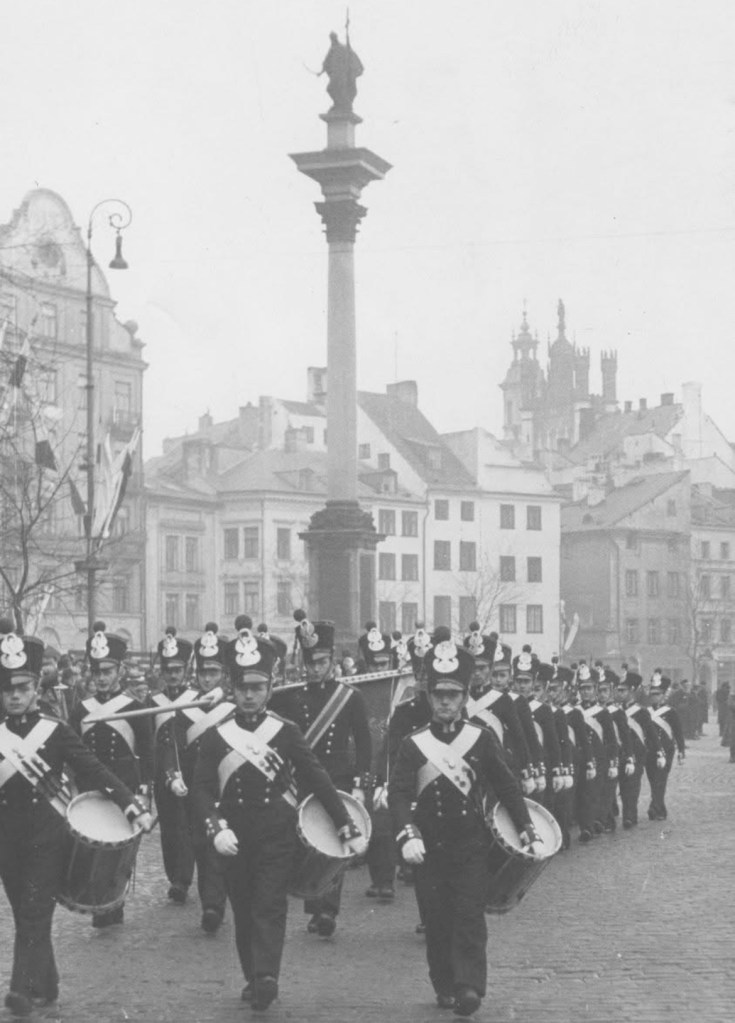
Photo: Narodowe Archiwum Cyfrowe.
Powstanie Listopadowe – noc, która zmieniła historię
W tamtym dramatycznym czasie młodzi podchorążowie postanowili stanąć przeciwko rosyjskiemu panowaniu w Królestwie Polskim. Pod dowództwem podporucznika Piotra Wysockiego ruszyli na Belweder, rezydencję wielkiego księcia Konstantego Romanowa – dowódcy wojsk rosyjskich i symbolu carskiego ucisku. Ich atak zapoczątkował Powstanie Listopadowe, zryw, który choć zakończył się klęską militarną, stał się fundamentem polskiej tradycji patriotycznej oraz symbolem odwagi młodego pokolenia.
Powstanie objęło niemal cały kraj i w krótkim czasie przekształciło się w walkę regularnych wojsk polskich przeciwko potędze Imperium Rosyjskiego. Bohaterska postawa polskich żołnierzy – od Grochowa, przez Wawer, po Ostrołękę – na trwałe zapisała się w historii oręża polskiego.
Dzień Podchorążego w II Rzeczypospolitej
W okresie II Rzeczypospolitej rocznica wybuchu Powstania Listopadowego była jednym z najważniejszych świąt wojskowych. Uroczystości organizowano w szkołach oficerskich, garnizonach i jednostkach liniowych. W całym kraju odbywały się: patriotyczne akademie, koncerty pieśni żołnierskiej, rekonstrukcje historyczne, defilady, podczas których żołnierze występowali w mundurach stylizowanych na te z 1830 roku.
To święto pełniło ważną funkcję edukacyjną – przypominało o obowiązku służby, ofierze powstańców i konieczności dbania o wolność, o którą tak wielu Polaków musiało walczyć.
Tradycja, która trwa
Choć od tamtych wydarzeń minęły 194 lata, Dzień Podchorążego wciąż pozostaje symbolem młodzieńczej odwagi, honoru i gotowości służby dla państwa. Dzisiejsi podchorążowie – w Dęblinie, Wrocławiu, Poznaniu, Gdyni i w innych ośrodkach szkolenia – przejmują dziedzictwo swoich poprzedników. Każdy z nich staje się częścią długiej, dumnej tradycji polskiego korpusu oficerskiego.
Życzenia od Polish Sue
Z ramienia Polish Sue pragniemy złożyć wszystkim podchorążym najserdeczniejsze życzenia samych pięknych chwil podczas szkolenia, wytrwałości w drodze do oficerskich gwiazdek, oraz dumnej, godnej i pięknej służby dla Rzeczypospolitej!
Wasza postawa i wybór życiowej drogi to kontynuacja misji tych, którzy 29 listopada 1830 roku rozpoczęli walkę o wolność Ojczyzny.
Chwała bohaterom! Wiwat Podchorążowie! Wiwat Wojsko Polskie 🇵🇱!
Text: Polish Sue
Photo: Narodowe Archiwum Cyfrowe.
En
Vivat Cadets! Vivat Polish Army! Today we celebrate Cadet Day and the anniversary of the outbreak of the November Uprising.
Today, November 29th, the Polish Army cadets celebrate their holiday – young officers in training who continue the tradition, courage, and ethos of service begun almost two centuries ago. It was on this night, November 29th, 1830, that students of the Infantry Cadet School in Warsaw sparked one of the most important Polish independence uprisings.

The November Uprising – a night that changed history
At that dramatic time, the young cadets decided to take a stand against Russian rule in the Kingdom of Poland. Under the command of Second Lieutenant Pyotr Vysotsky, they marched on the Belvedere Palace, the residence of Grand Duke Konstantin Romanov – commander of the Russian forces and a symbol of Tsarist oppression. Their attack sparked the November Uprising, an uprising that, although it ended in military defeat, became the foundation of Polish patriotic tradition and a symbol of the courage of the younger generation.
The uprising encompassed almost the entire country and quickly transformed into a fight of regular Polish troops against the might of the Russian Empire. The heroic stance of Polish soldiers – from Grochów, through Wawer, to Ostrołęka – is permanently etched in the history of the Polish military.
Officer Cadet Day in the Second Polish Republic
During the Second Polish Republic, the anniversary of the outbreak of the November Uprising was one of the most important military holidays. Commemorations were held in officer training schools, garrisons, and line units. Patriotic academies, soldier song concerts, historical reenactments, and parades during which soldiers performed in uniforms styled after those of 1830 were held throughout the country. This holiday served an important educational purpose – it reminded us of the duty of service, the sacrifice of the insurgents, and the need to preserve the freedom for which so many Poles had to fight.
A Tradition That Endures
Although 194 years have passed since those events, Officer Cadet Day remains a symbol of youthful courage, honor, and readiness to serve the state. Today’s officer cadets – in Dęblin, Wrocław, Poznań, Gdynia, and other training centers – are taking up the legacy of their predecessors. Each of them becomes part of the long, proud tradition of the Polish officer corps.
Wishes from Polish Sue
On behalf of Polish Sue, we would like to extend our warmest wishes to all cadets: many wonderful moments during training, perseverance on the way to officer stars, and proud, dignified, and beautiful service to the Republic of Poland!
Your attitude and chosen path in life are a continuation of the mission of those who began the fight for the freedom of our homeland on November 29, 1830.
Glory to the heroes! Hail, Cadets! Hail, Polish Army🇵🇱!
Text: Polish Sue
Photo: National Digital Archives.
 Polish Sue
Leave a comment