Niezależnie od ocen i emocji, jakie do dziś budzi Okrągły Stół, jedno jest pewne: był on wydarzeniem historycznym, a nie elementem bieżącej władzy państwowej.
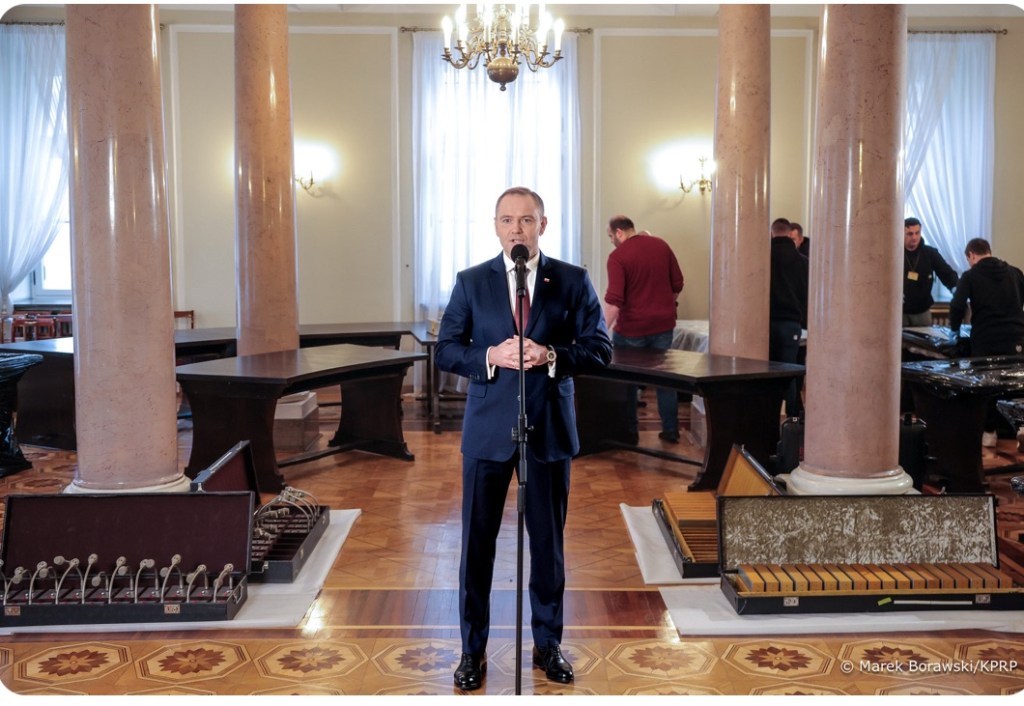
Dlatego dzisiejsza decyzja Prezydenta RP – dr. Karola Nawrockiego o przekazaniu go do Muzeum Historii Polski, gdzie od 2027 roku będzie dostępny dla zwiedzających, przywraca właściwy porządek rzeczy. Oddajemy go historii.
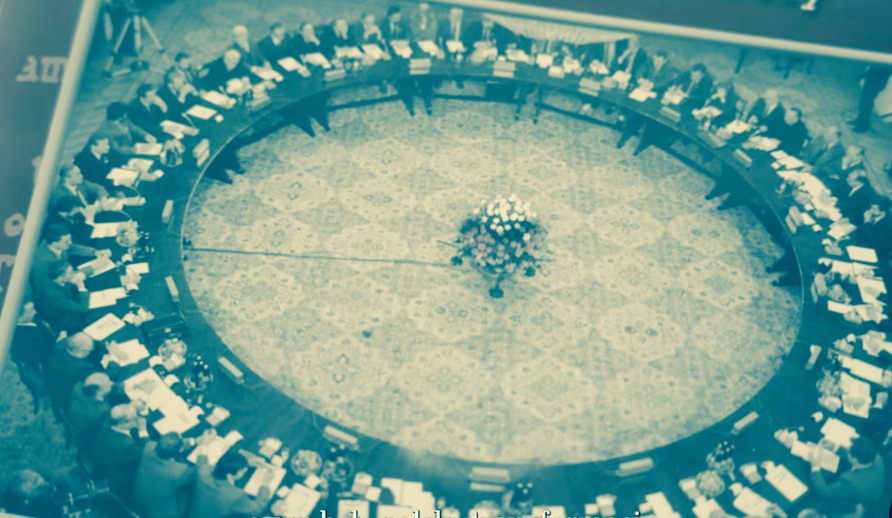
Czym był Okrągły Stół?
Obrady Okrągłego Stołu trwały od 6 lutego do 5 kwietnia 1989 roku i były serią negocjacji pomiędzy: przedstawicielami komunistycznych władz PRL, a częścią opozycji skupionej wokół „Solidarności”.
Ich celem było wypracowanie porozumienia w obliczu głębokiego kryzysu gospodarczego, społecznego i politycznego państwa. Rozmowy doprowadziły m.in. do: legalizacji „Solidarności”, przeprowadzenia częściowo wolnych wyborów 4 czerwca 1989 r., rozpoczęcia procesu demontażu systemu komunistycznego w Polsce. Jednakże ten proces przez wielu Polaków nie został dokończony.
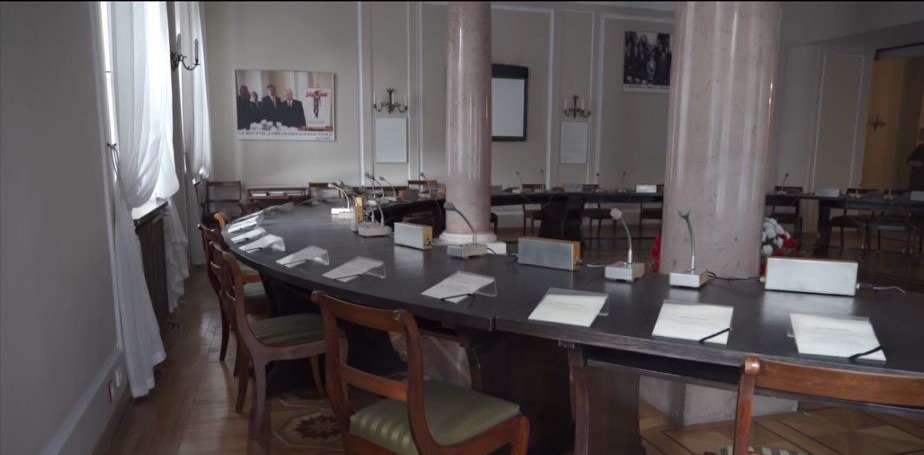
Symbol kompromisu – i kontrowersji
Okrągły Stół stał się symbolem pokojowej transformacji ustrojowej, ale również nieprzepracowanych kompromisów.
Dla jednych był drogą wyjścia z dyktatury bez rozlewu krwi. Dla innych – układem elit, który pozostawił bez rozliczenia winy systemu komunistycznego, aparatu represji i uprzywilejowanie dawnych struktur w nowej rzeczywistości.
Te sprzeczne oceny są nieodłączną częścią jego znaczenia. I właśnie dlatego Okrągły Stół powinien być eksponatem muzealnym, opatrzonym kontekstem, dokumentami i różnymi narracjami – a nie elementem wystroju Pałacu Prezydenckiego.
Pałac Prezydencki to nie muzeum
Pałac Prezydencki jest miejscem sprawowania aktualnej władzy Rzeczypospolitej, a nie przestrzenią ekspozycyjną dla symboli III RP powstałych w wyniku politycznego kompromisu. Umieszczanie tam Okrągłego Stołu nadawało mu rangę niemal konstytucyjnego fundamentu państwa – co dla wielu obywateli było trudne do zaakceptowania.

Historia wymaga dystansu, a nie sakralizacji.
Muzeum Historii Polski – właściwe miejsce
Od 2027 roku Okrągły Stół będzie prezentowany w Muzeum Historii Polski – instytucji stworzonej właśnie po to, by: tłumaczyć złożone procesy dziejowe, pokazywać różne perspektywy i oddzielać fakt od mitu.
Tam będzie mógł być oglądany nie jako relikwia polityczna, lecz jako świadek epoki, z całym jej dramatyzmem, nadziejami i błędami.
„Niezależnie od tego, jak oceniamy Okrągły Stół, Pałac Prezydencki nie jest miejscem, gdzie nadal powinien stać. Miejscem, w którym powinien się znaleźć jest Muzeum Historii Polski, od roku 2027 będzie go można podziwiać jako eksponat historyczny. Wokół Okrągłego Stołu nadal będą mogły odbywać się debaty akademickie, naukowe”
– poinformował Prezydent.
Jak dodał:
„Dzisiaj, myśląc o naszym sukcesie gospodarczym, rozwoju naszych technologii, nie musimy wsłuchiwać się w głos dyktatury czasów komunistycznych i tych, którzy mordowali, ale także nie możemy kolejnych pokoleń Polaków infekować przaśnością systemu komunistycznego. Dziś wolną, suwerenną, niepodległą, ambitną Polskę stać na dużo więcej niż idealizowanie Okrągłego Stołu. Nie można go ani zapomnieć, bo to ważny element dyskusji historycznej, ale nie można go idealizować, oddając mu hołd w Pałacu Prezydenckim”.
Oddajemy stół historii
Okrągły Stół nie znika z przestrzeni publicznej – trafia tam, gdzie jego miejsce: do historii.
To dojrzały gest państwa, które nie boi się własnej przeszłości, ale też nie buduje teraźniejszości na niejednoznacznych symbolach.
Historia – do muzeum. Komuna – precz. Państwo – do przyszłości!
Tekst : Iwona Golinska
En.
What was the Round Table? A symbol’s place in history, not in the Presidential Palace.
Regardless of the assessments and emotions that the Round Table evokes to this day, one thing is certain: it was a historical event, not an element of current state power. Therefore, today’s decision by the President of the Republic of Poland, Dr. Karol Nawrocki, to donate it to the Polish History Museum, where it will be open to visitors from 2027, restores the proper order of things. We are handing it over to history 🇵🇱.
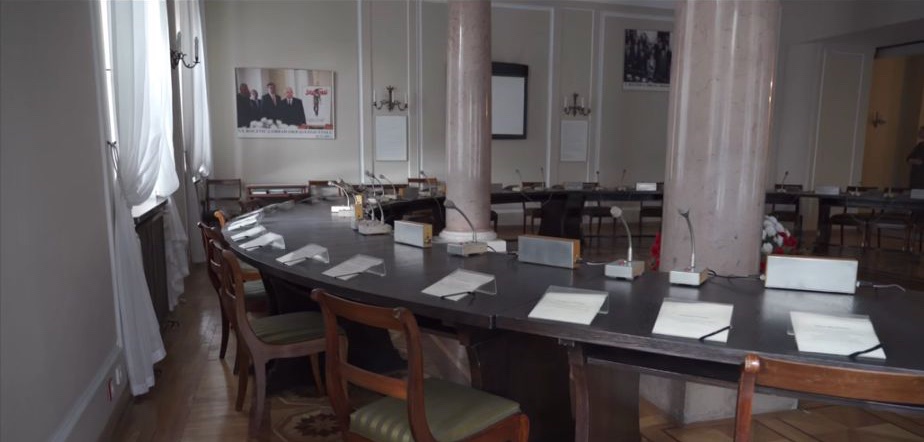
What was the Round Table?
The Round Table talks lasted from February 6 to April 5, 1989, and were a series of negotiations between representatives of the communist authorities of the Polish People’s Republic and part of the opposition grouped around “Solidarity.”
Their goal was to reach an agreement in the face of the country’s deep economic, social, and political crisis. The talks led, among other things, to: The Round Table became a symbol of a peaceful political transformation, but also of unresolved compromises.
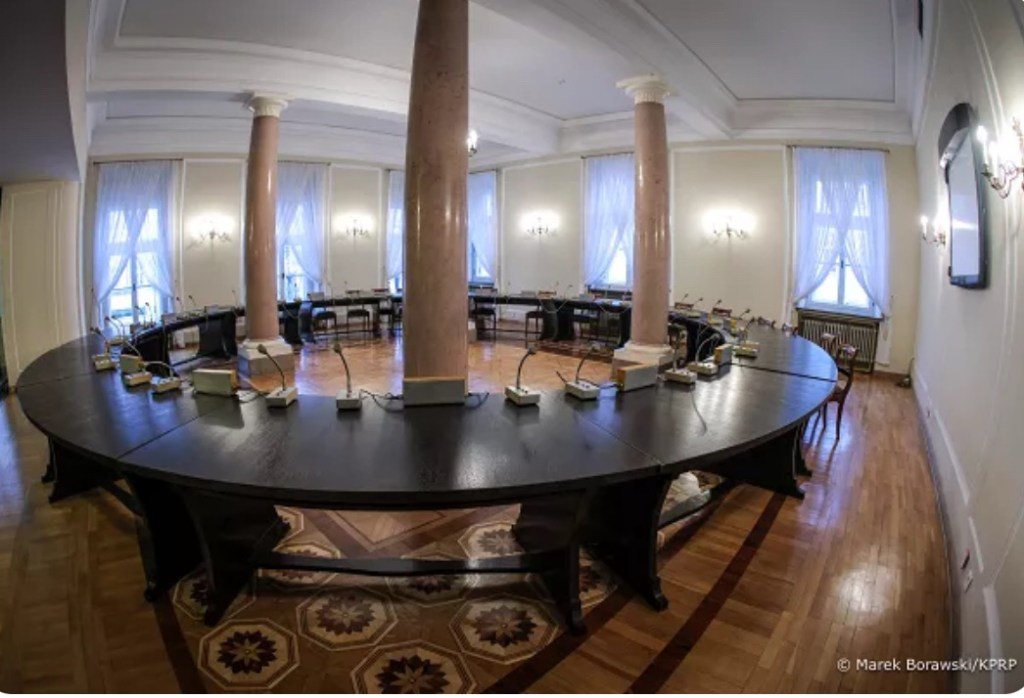
For some, it represented a bloodless path out of dictatorship. For others, it represented an elite alliance that left the culpability of the communist system, the apparatus of repression, and the privileges of former structures unaccounted for in the new reality.
These conflicting assessments are inherent to its significance. This is precisely why the Round Table should be a museum exhibit, provided with context, documents, and various narratives—not a decorative element of the Presidential Palace.
The Presidential Palace is not a museum
The Presidential Palace is the place where the current power of the Republic of Poland is exercised, not a space for displaying symbols of the Third Polish Republic, created as a result of political compromise. Placing the Round Table there gave it the status of an almost constitutional foundation of the state – something that was difficult for many citizens to accept.
History requires distance, not sacralization.
The Polish History Museum – the right place
From 2027, the Round Table will be displayed at the Polish History Museum – an institution created precisely to: explain complex historical processes, show diverse perspectives, and separate fact from myth.
There, it will be viewed not as a political relic, but as a witness to an era, with all its drama, hopes, and mistakes.
“Regardless of our assessment of the Round Table, the Presidential Palace is not the place where it should continue to stand. The Polish History Museum should be the place where it should be, and from 2027, it will be available for admiration as a historical exhibit. Academic and scientific debates around the Round Table will continue to be possible,” the President announced.
He added: “Today, when thinking about our economic success and the development of our technologies, we do not have to listen to the voices of the communist-era dictatorship and those who murdered, but we also cannot infect future generations of Poles with the vulgarity of the communist system. Today, a free, sovereign, independent, and ambitious Poland can do much more than idealize the Round Table. It cannot be forgotten, because it is an important element of historical discussion, but it cannot be idealized by paying tribute to it in the Presidential Palace.”
We are giving it back to history
The Round Table does not disappear from the public sphere – it goes where it belongs: into history.
This is a mature gesture by a state that is not afraid of its own past, but also does not build its present on ambiguous symbols.
History – to the museum. Communism – out. The state – to the future!
Text by Iwona Golinska
 Polish Sue
Leave a comment