
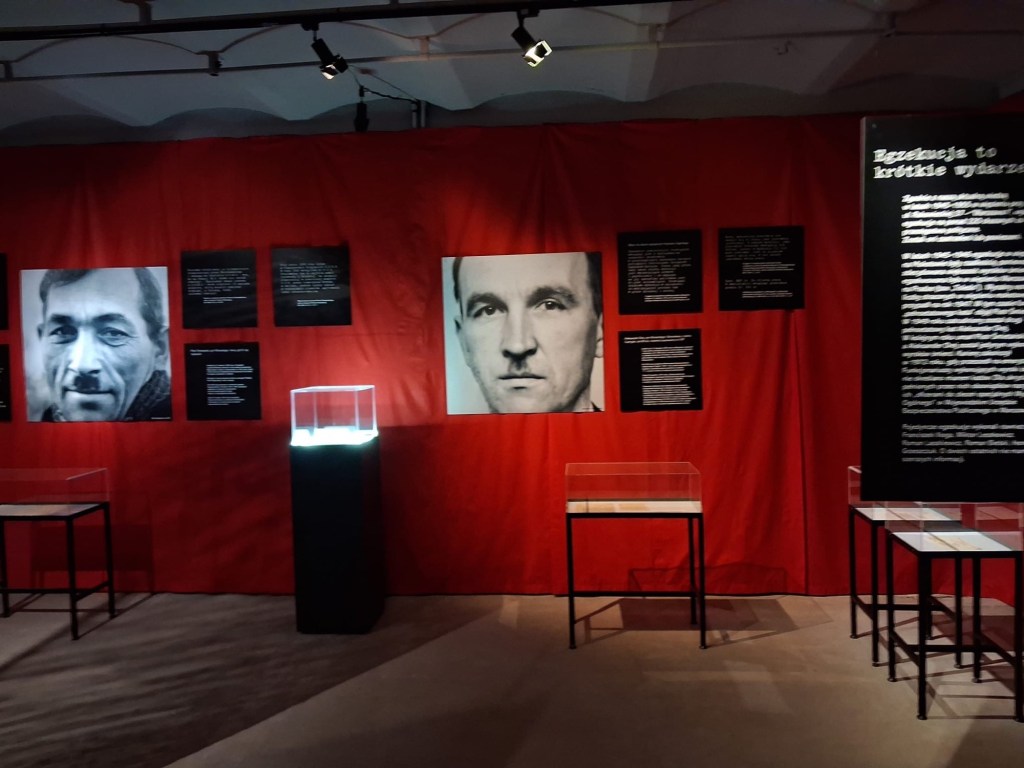
Muzeum Żołnierzy Wyklętych i Więźniów Politycznych PRL to jedna z najważniejszych nowych placówek muzealnych na mapie Warszawy. Mieści się w dawnych zabudowaniach więzienia przy ul. Rakowieckiej 37 na Mokotowie – wzniesionych w latach 1902–1904 przez rosyjskiego zaborcę. To miejsce naznaczone tragiczną historią XX wieku. Podczas okupacji niemieckiej, a następnie w czasach komunizmu, więziono tu, torturowano i mordowano ludzi walczących o wolną Polskę.
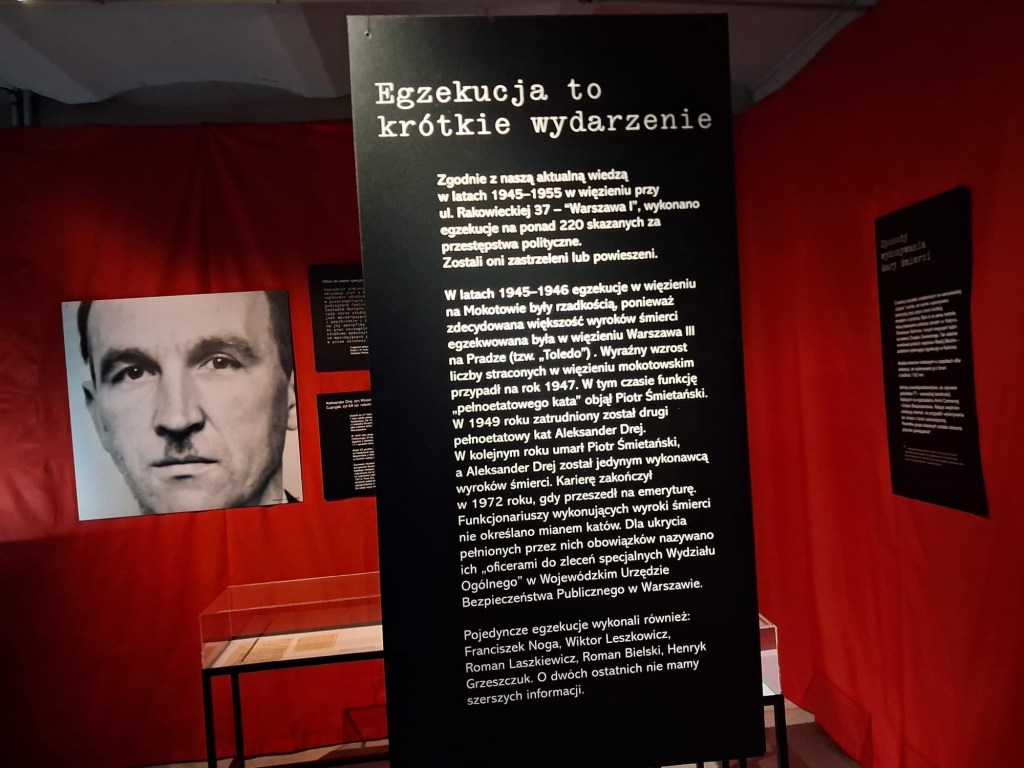
Mieliśmy zaszczyt osobiście obejrzeć wystawę czasową „Metodą katyńską…”.
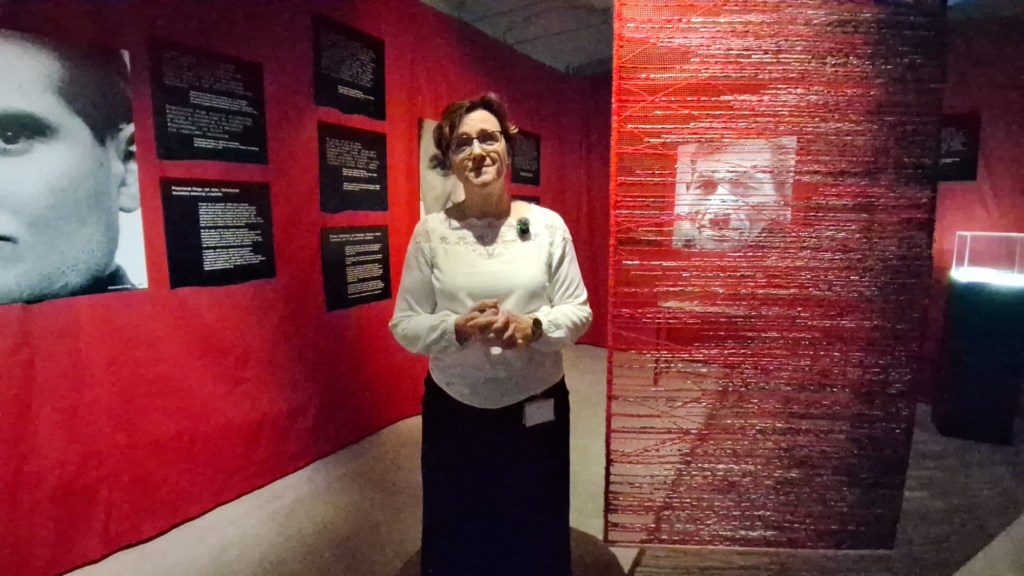
Wystawa o katach i egzekucjach w więzieniu mokotowskim, zaprezentowaną przez dyrektor Muzeum, panią Adriannę Garnik.
To przejmująca, odważna i potrzebna ekspozycja, która wprost mierzy się z tematem komunistycznego aparatu zbrodni.
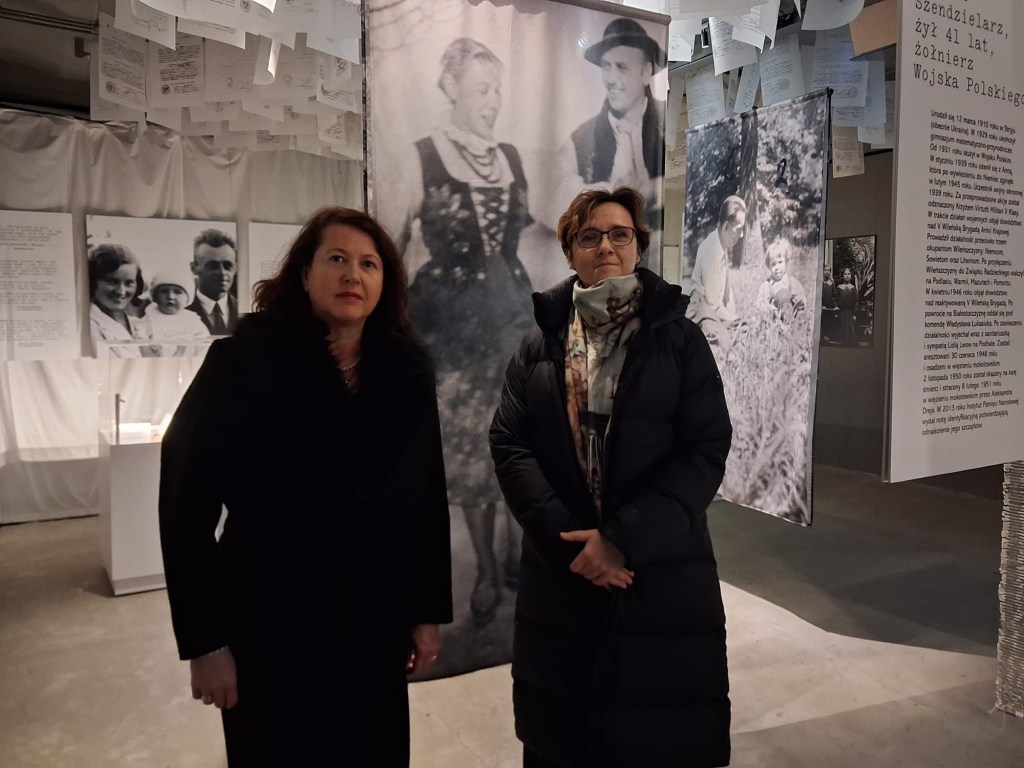
Z satysfakcją informujemy również, że nawiązaliśmy współpracę z Muzeum, obejmującą wspólne inicjatywy historyczne i edukacyjne. Ich celem będzie przybliżanie tej oraz kolejnych wystaw, a także całej problematyki Muzeum młodzieży polonijnej i odbiorcom poza granicami Polski.
Z myślą o osobach, które nie mogą odwiedzić Muzeum osobiście, przygotowaliśmy filmową relację z wystawy.
Materiał wideo pozwala zajrzeć do wnętrza Muzeum i poczuć atmosferę tego wyjątkowego, a zarazem dramatycznego miejsca – na linku:
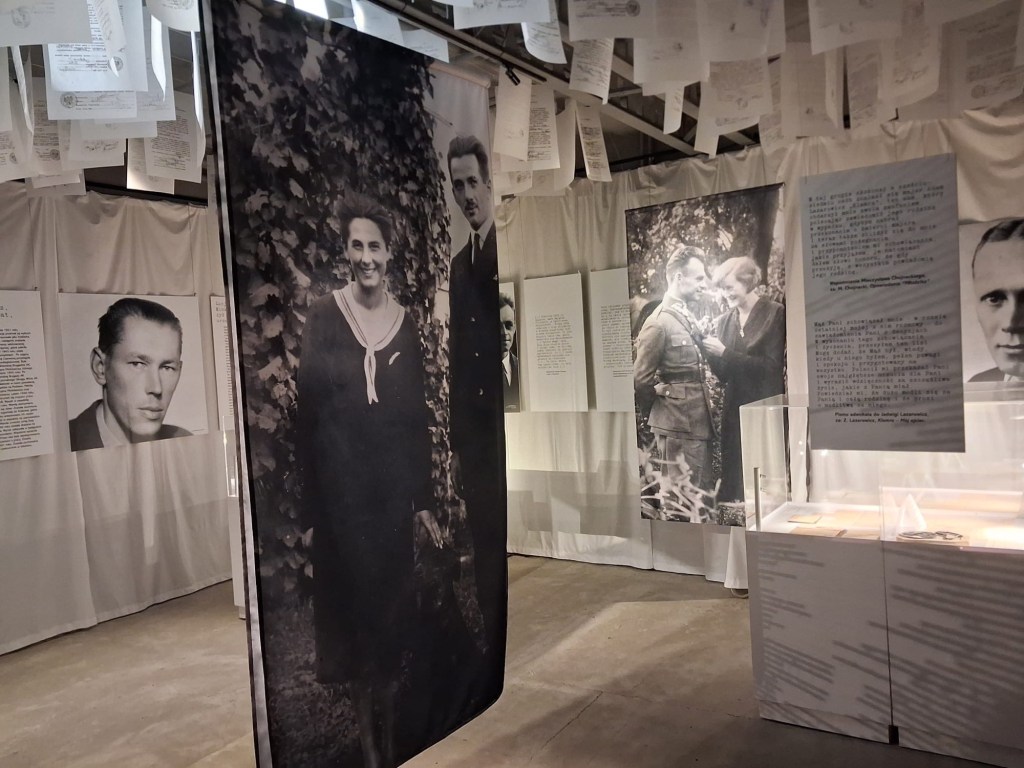
W latach 1945–1955 w więzieniu mokotowskim – według aktualnej wiedzy – stracono ponad 220 więźniów politycznych. Zginęli od strzału lub na szubienicy. Więzienie posiadało etatowych katów.
Kim byli? Co przywiodło ich na Rakowiecką?
Ich sylwetki i mechanizmy działania pokazuje najnowsza wystawa Muzeum.
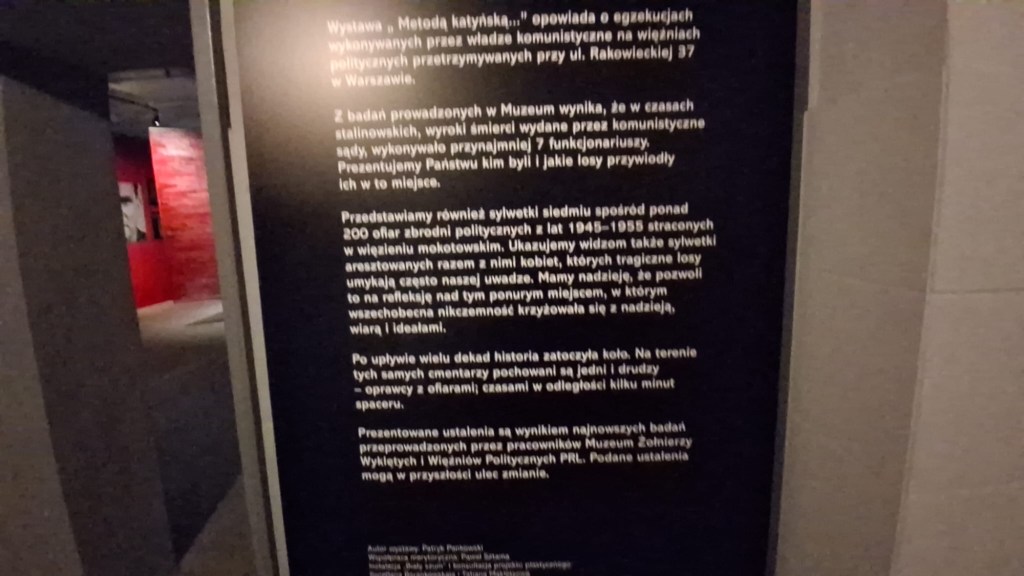
Ekspozycja została podzielona na dwie części.
Pierwsza sala poświęcona jest katom – funkcjonariuszom wykonującym wyroki śmierci na polskich bohaterach. Zwiedzający mogą zobaczyć ich fotografie, poznać życiorysy, dowiedzieć się, jak przebiegały egzekucje, jakim językiem posługiwano się w dokumentach służbowych oraz jak wyglądał „dzień pracy” kata. W sali udostępniono także materiał filmowy – archiwalne migawki dokumentujące sprawców zbrodni.
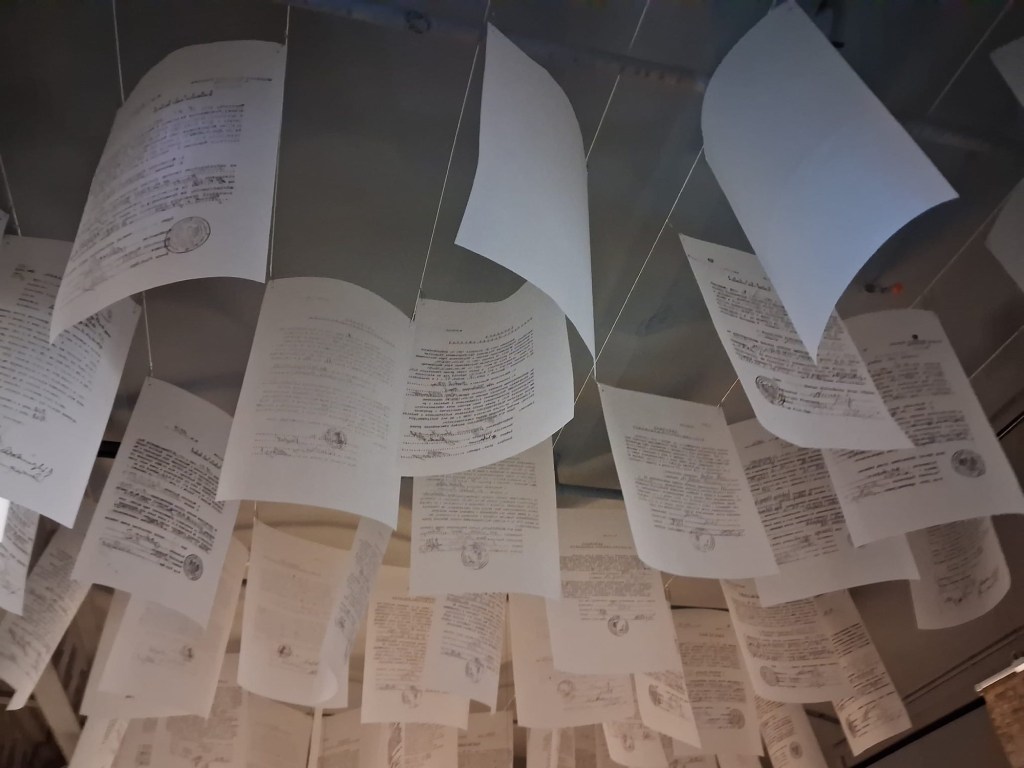
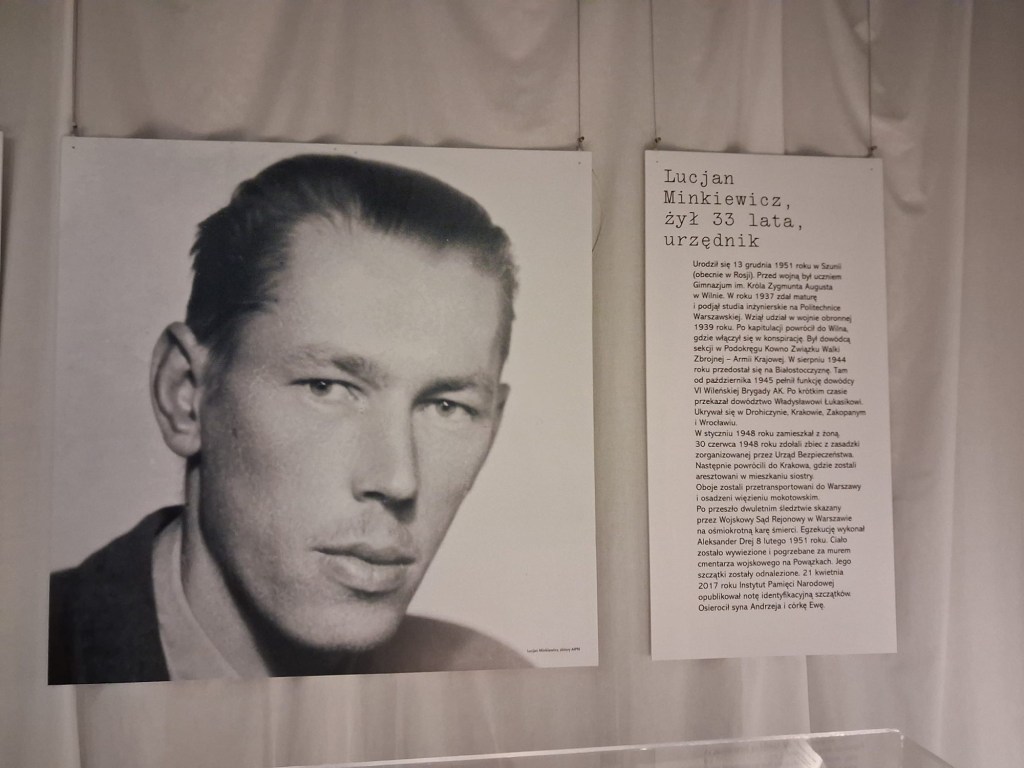
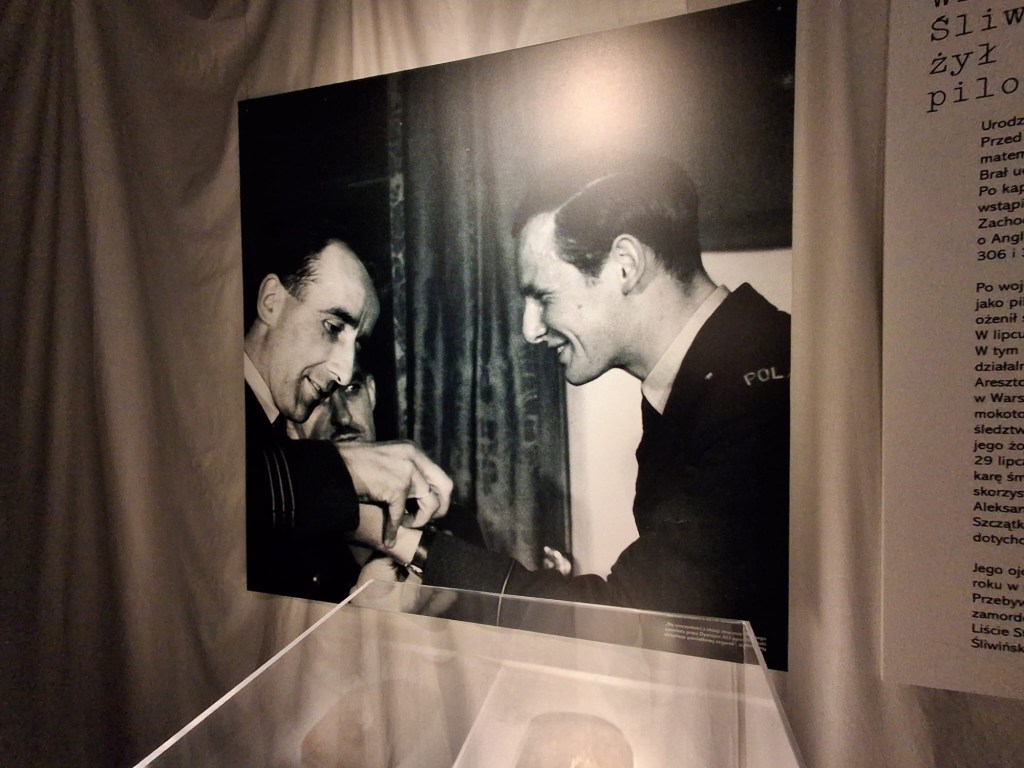
Druga sala oddaje głos ofiarom. Przedstawiono tu siedem spośród ponad 220 zamordowanych osób – ich zdjęcia, biografie i osobiste pamiątki. Szczególnie poruszającym elementem są setki protokołów wykonania kary śmierci, zawieszone pod sufitem – kopie autentycznych dokumentów.
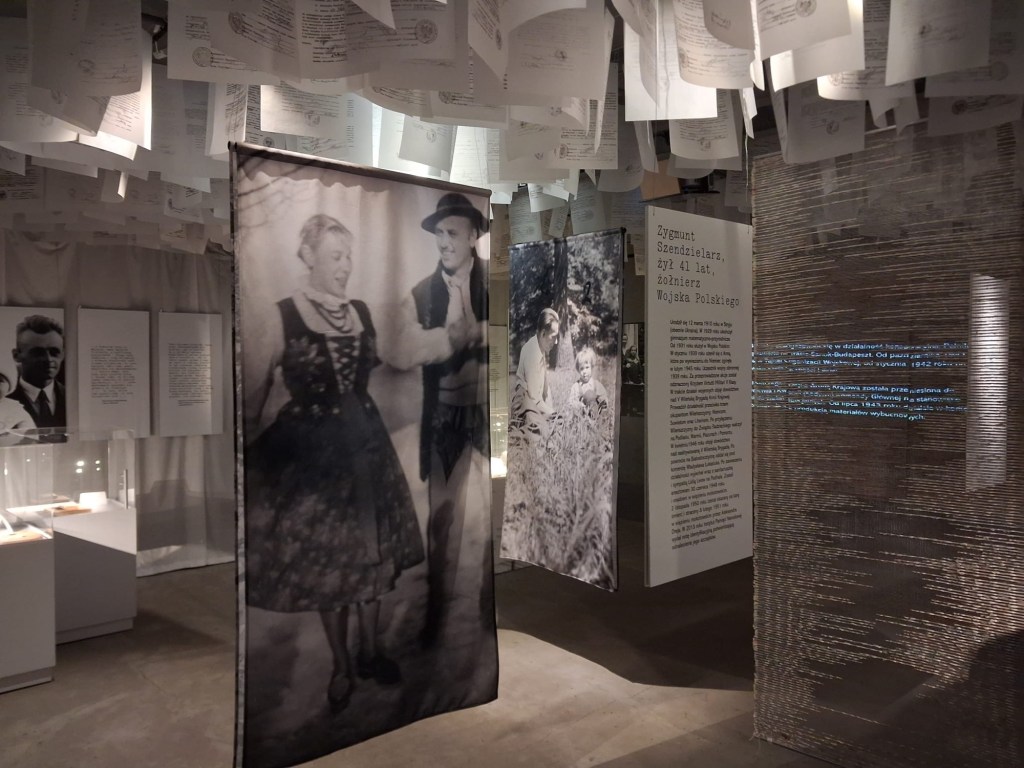
Wystawa przypomina także o tragicznych losach kobiet: żon, matek i córek ofiar, których cierpienie często pozostaje w cieniu historii.
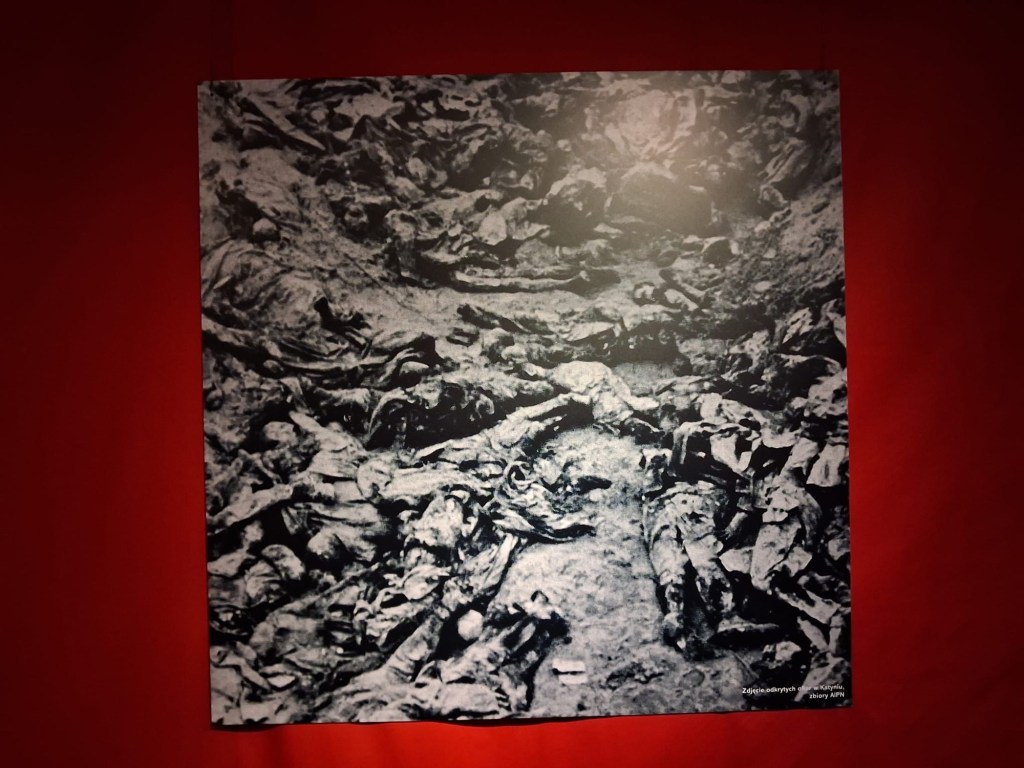
Tytuł wystawy nie jest przypadkowy. Po wojnie więźniowie polityczni w całej Polsce byli mordowani w ten sam sposób, co polscy oficerowie w Katyniu i innych miejscach kaźni na Wschodzie – strzałem w tył głowy. Jak podkreśla rosyjski historyk Nikita Pietrow, wiceprzewodniczący stowarzyszenia „Memoriał”, była to swoista sowiecka „technologia zabijania”, brutalne know-how Związku Sowieckiego.
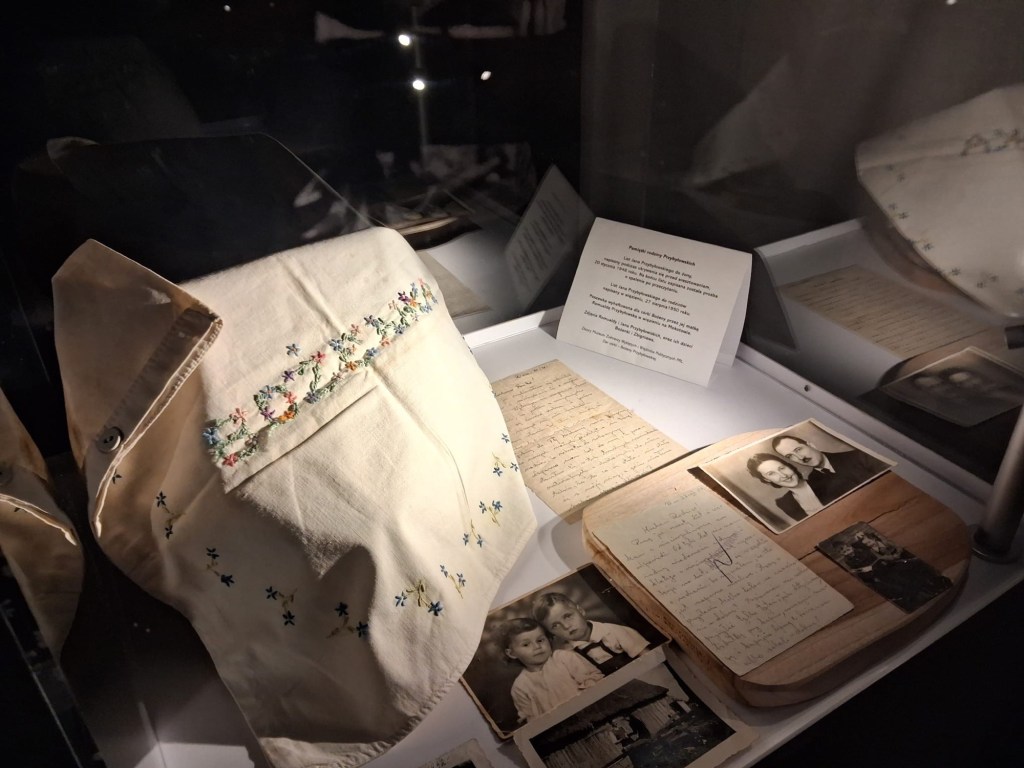
Wystawa „Metodą katyńską…” skłania do głębokiej refleksji nad miejscem, w którym nikczemność systemu zderzała się z wiarą, nadzieją i niezłomnością ofiar. To przestrzeń trudnej pamięci, ale też moralnego obowiązku wobec tych, którym odebrano życie w imię totalitarnej ideologii.
Informacje praktyczne:
📍 Muzeum Żołnierzy Wyklętych i Więźniów Politycznych PRL
ul. Rakowiecka 37, Warszawa
🕙 Godziny otwarcia:
wtorek–niedziela: 10.00–16.00
(ostatnie wejście o godz. 16.00)
🎟 Wstęp wolny
👤 Wystawa przeznaczona dla zwiedzających od 13. roku życia
Tekst: Iwona Golinska
Zdjęcia / Video: Iwona Golinska
En.
“The Katyn Method.” An exhibition about Soviet methods, executioners, and executions of Polish patriots at Mokotów Prison – a place that remembers the 20th century.

The Museum of Cursed Soldiers and Political Prisoners of the Polish People’s Republic is one of the most important new museums in Warsaw.
It is located in the former prison buildings at 37 Rakowiecka Street in Mokotów – built between 1902 and 1904 by the Russian occupying power.
This place is marked by the tragic history of the 20th century. During the German occupation and then under communism, people fighting for a free Poland were imprisoned, tortured, and murdered here.
We had the honor of personally viewing the temporary exhibition “The Katyn Method…”.
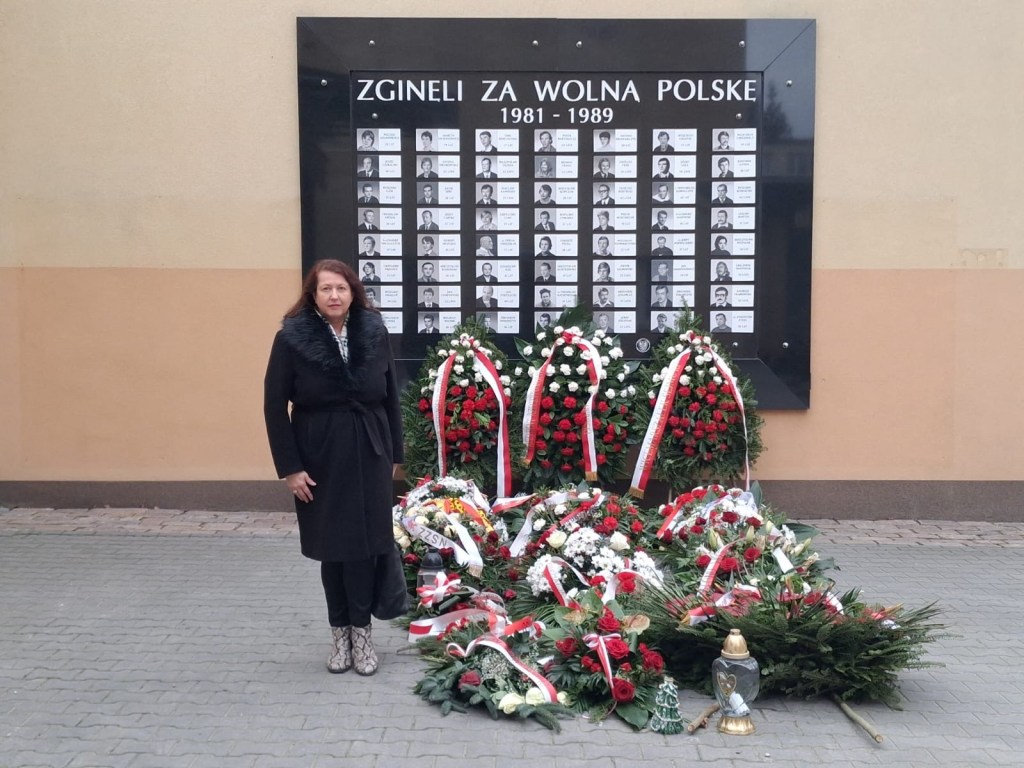
An exhibition about executioners and executions at Mokotów Prison, presented by the Museum’s director, Adrianna Garnik.
This is a moving, courageous, and necessary exhibition that squarely confronts the topic of the communist criminal apparatus.
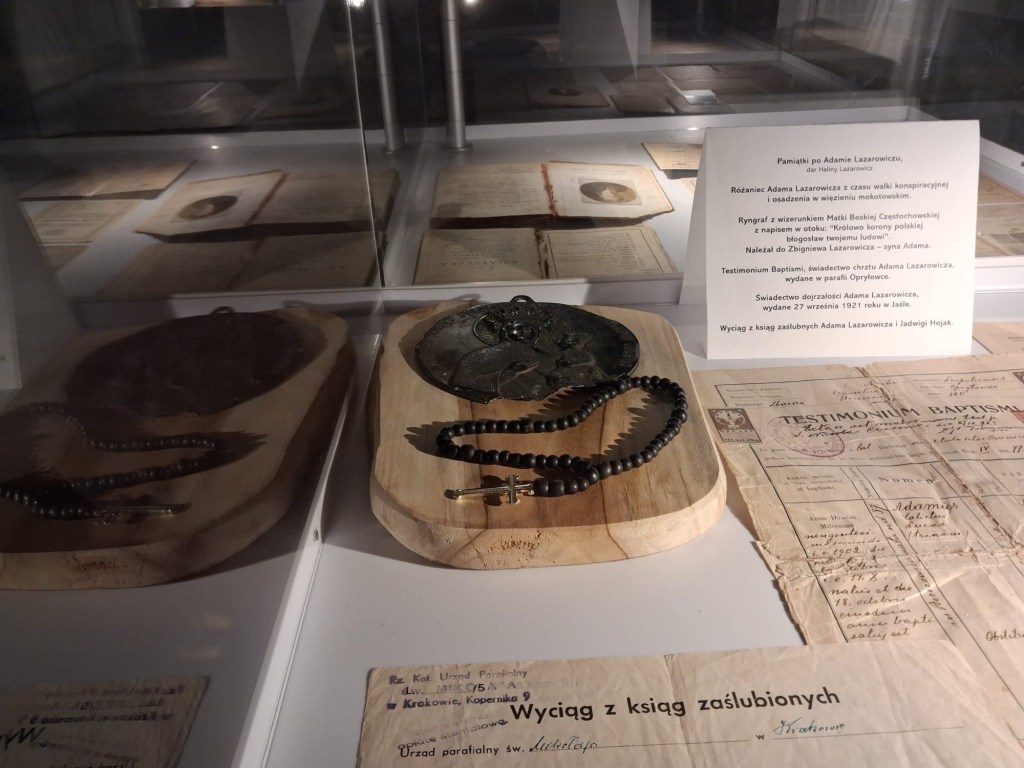
We are also pleased to announce that we have established a partnership with the Museum, encompassing joint historical and educational initiatives.
Their goal will be to bring this and subsequent exhibitions, as well as the entire scope of the Museum’s activities, to audiences outside Poland.
For those unable to visit the Museum in person, we have prepared a video report of the exhibition. The video allows you to peer into the Museum’s interior and experience the atmosphere of this unique and dramatic place – on the link:
From 1945 to 1955, according to current knowledge, over 220 political prisoners were executed at Mokotów Prison. They died by gunshot or on the gallows.
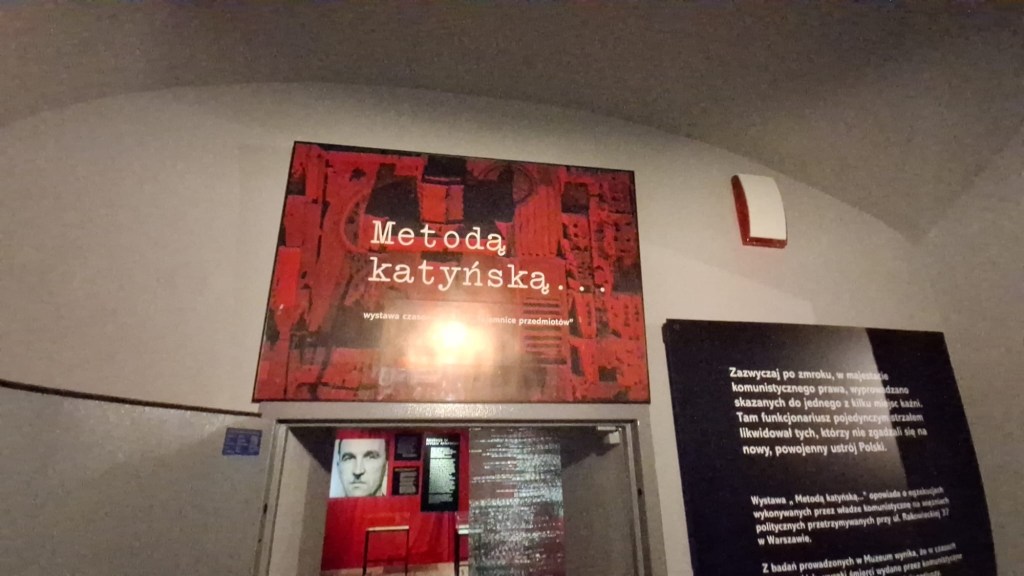
The prison had permanent executioners. Who were they? What brought them to Rakowiecka Street? The Museum’s latest exhibition explores their profiles and the mechanisms of their actions.
The exhibition is divided into two sections. The first room is dedicated to the executioners – the officers who carried out the death sentences on Polish heroes.
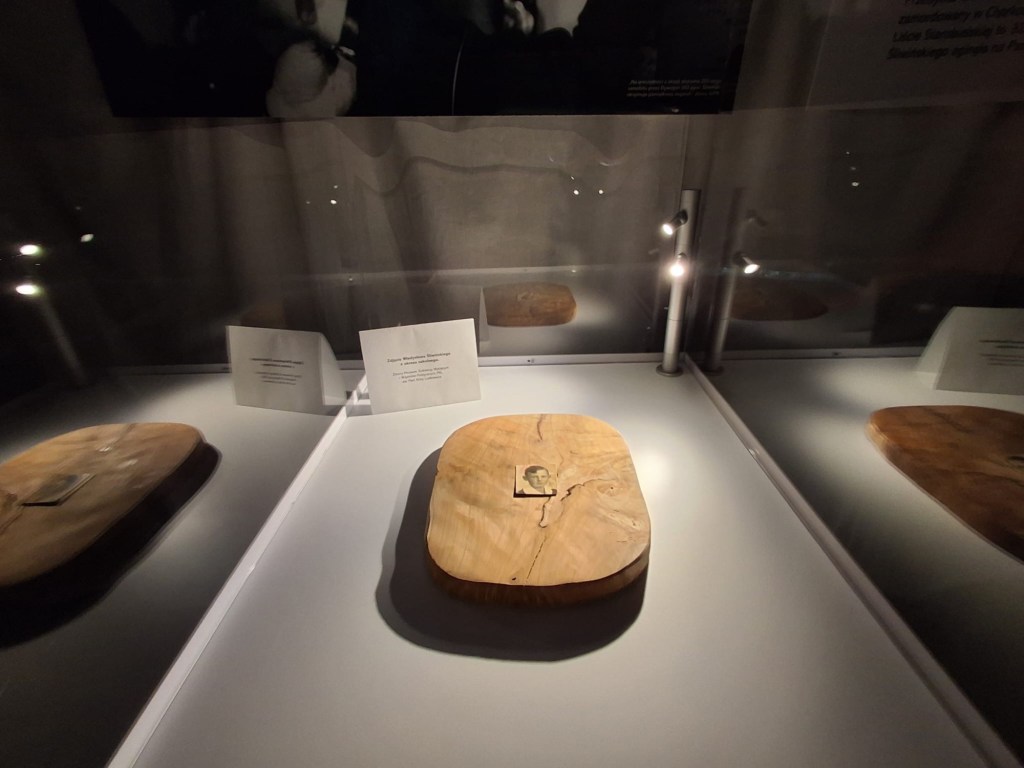
Visitors can view their photographs, learn about their biographies, learn about the executions, the language used in official documents, and what an executioner’s “workday” was like. The room also features film footage—archival snapshots documenting the perpetrators of the crimes.
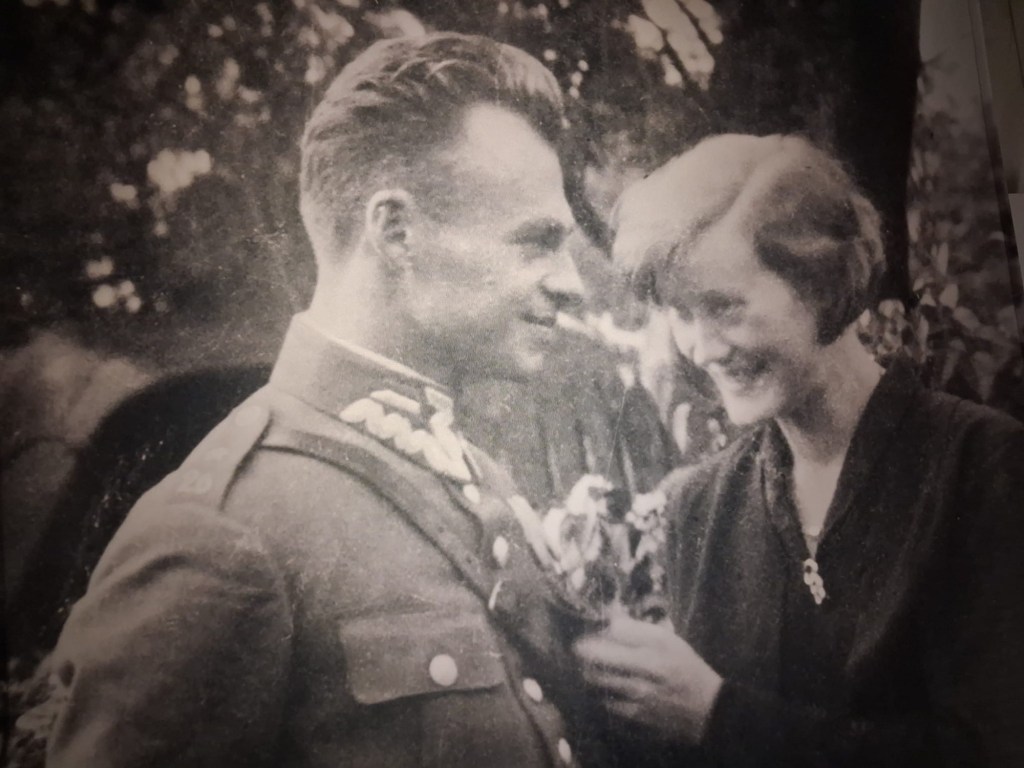
The second room gives voice to the victims. Seven of the over 220 murdered individuals are presented here—their photos, biographies, and personal mementos.
A particularly moving element are the hundreds of death penalty execution reports, hung from the ceiling—copies of authentic documents.
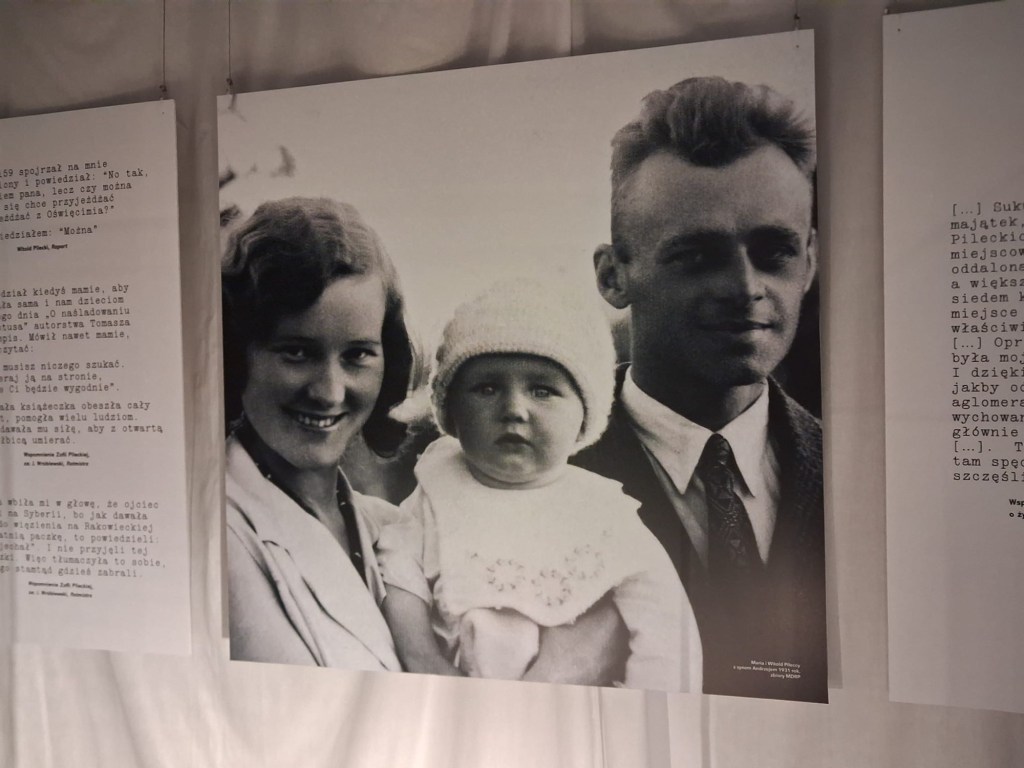
The exhibition also recalls the tragic fates of women: the wives, mothers, and daughters of the victims, whose suffering often remains in the shadow of history.
The exhibition’s title is not accidental. After the war, political prisoners throughout Poland were murdered in the same manner as Polish officers in Katyn and other execution sites in the East—by a shot to the back of the head.
As Russian historian Nikita Petrov, vice-chairman of the Memorial Association, emphasizes, this was a specific Soviet “killing technology,” the brutal know-how of the Soviet Union.
The exhibition “The Katyn Method…” invites profound reflection on a place where the system’s wickedness collided with the faith, hope, and steadfastness of the victims.
It is a space of difficult remembrance, but also of moral obligation to those whose lives were taken in the name of totalitarian ideology.
Practical information:
📍 Museum of Cursed Soldiers and Political Prisoners of the Polish People’s Republic
ul. Rakowiecka 37, Warsaw
🕙 Opening Hours:
Tuesday–Sunday: 10:00 AM–4:00 PM
(Last admission at 4:00 PM)
🎟 Free admission
👤 Exhibition intended for visitors aged 13 and over
Text: Iwona Golinska
Photos / Video: Iwona Golinska
 Polish Sue
Leave a comment