Wilno. Miasto ciszy i sumienia.
Miasto, w którym historia nie milknie, lecz przemawia szeptem kamieni, modlitwą katedry i pamięcią tych, którzy nie zgodzili się na niewolę.
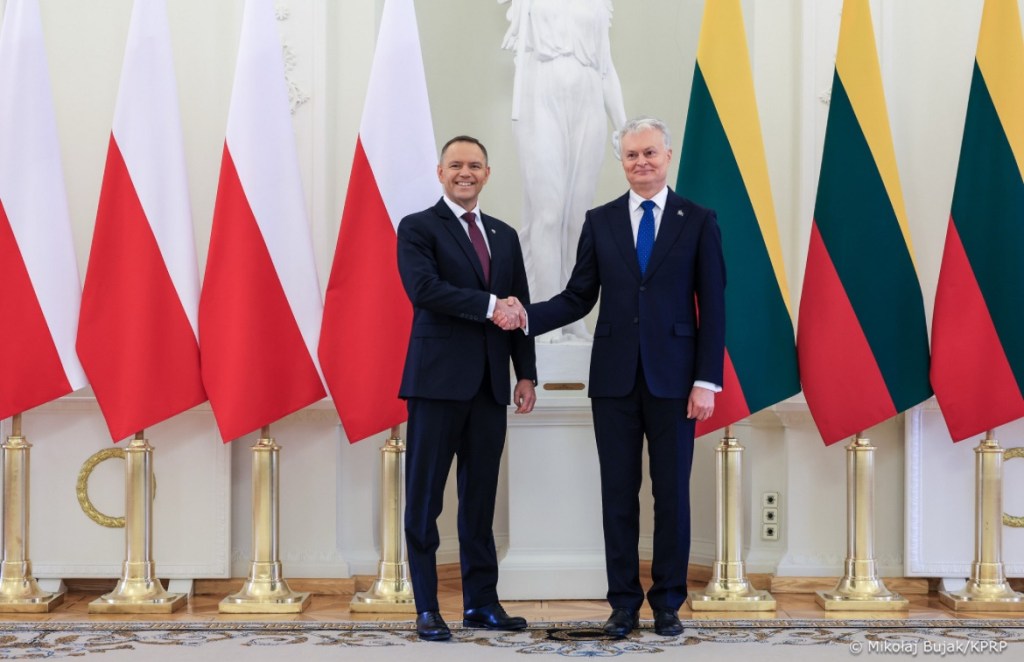
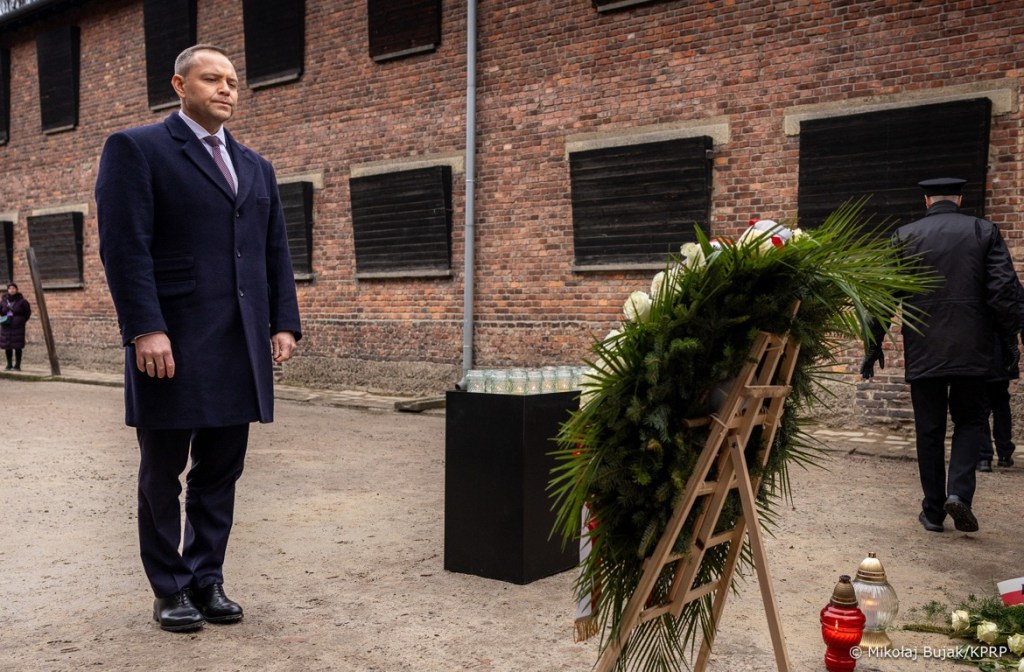
W 163. rocznicę wybuchu Powstania Styczniowego Prezydent Rzeczypospolitej Polskiej Karol Nawrocki wraz z Małżonką Martą Nawrocką stanęli na litewskiej ziemi, by oddać hołd powstańcom – tym, którzy w 1863 roku wybrali wolność, choć znali cenę ofiary.
Droga z Warszawy do Wilna nie jest drogą geograficzną.
To szlak pamięci, który łączy doświadczenie wolności i zniewolenia, odwagi i poświęcenia, nadziei i odpowiedzialności. To droga trzech narodów – Polaków, Litwinów i Rusinów – które wspólnie powiedziały „nie” imperium i „tak” godności.
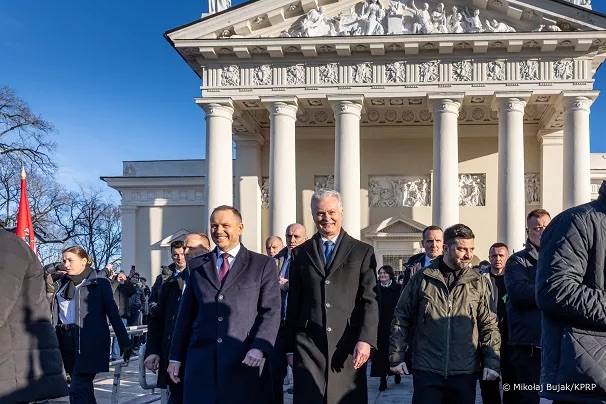
W murach Archikatedry Wileńskiej, podczas Mszy Świętej sprawowanej z udziałem Prezydentów Polski, Litwy i Ukrainy wraz z Małżonkami, wybrzmiała prawda, która nie traci aktualności: wolność rodzi się z pamięci, a tyrania karmi się zapomnieniem.
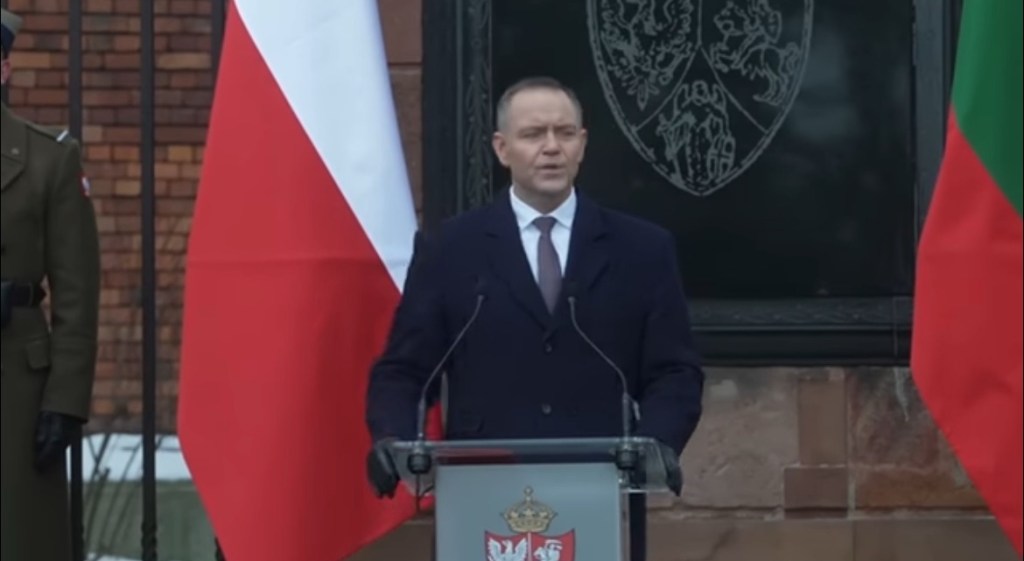
Prezydent Rzeczypospolitej Polskiej Karol Nawrocki powiedział:
„Walczono o prawo do decydowania o sobie bez imperialnego nadzorcy.
Rok 1863 był manifestem polskiej niezgody.
Nie manifestem szaleństwa, lecz miłości do Ojczyzny.”
Prezydent RP przypomniał, że Powstanie Styczniowe – choć przegrane militarnie – było zwycięstwem moralnym i duchowym.
Obudziło sumienia narodów, zachowało ich tożsamość i przekazało kolejnym pokoleniom przesłanie, którego nie da się uciszyć:
nie wolno się poddać.
„Historia uczy, że tyranie opierają się na strachu i zapomnieniu.
Wolność natomiast opiera się na pamięci i solidarności.”
– Prezydent Rzeczypospolitej Polskiej Karol Nawrocki.
Historia zatacza kręgi.
Zawsze zaczyna się od próby odebrania innym prawa do wolności.
I zawsze stawia to samo pytanie:
czy pozwolimy, by był to powrót do niewoli, czy potwierdzenie, że Europa wyciągnęła wnioski ze swojej przeszłości.
W ciszy wileńskiej Rossy, przy Mauzoleum Matki i Serca Syna, gdzie spoczywa serce Józefa Piłsudskiego, oraz w Kaplicy Powstańców Styczniowych, pamięć nabrała wymiaru zobowiązania.
Nie tylko wobec przeszłości — lecz wobec teraźniejszości i przyszłości.
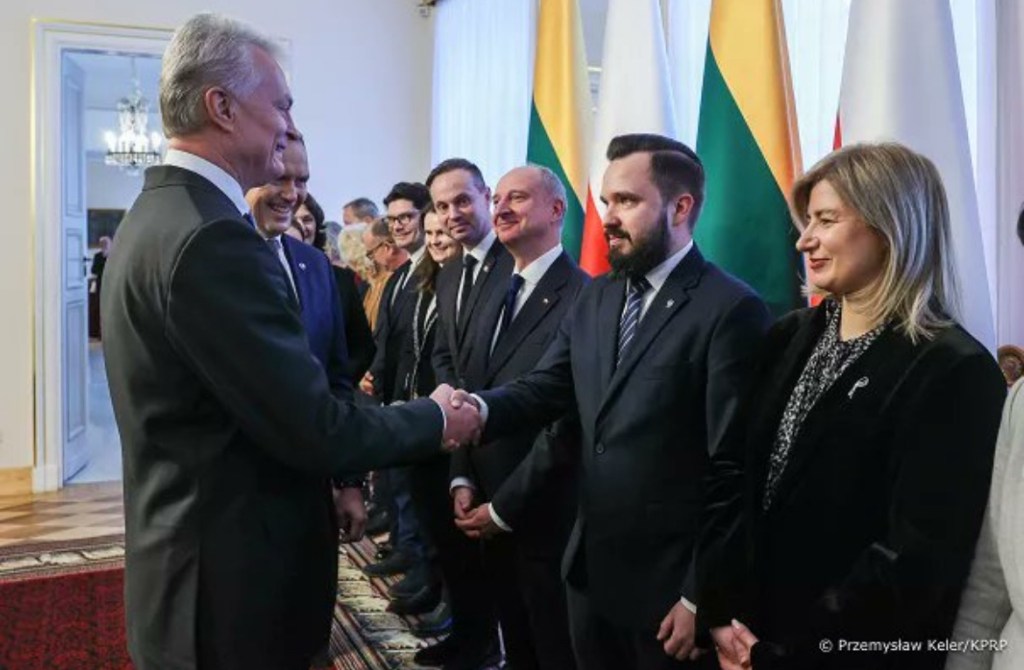
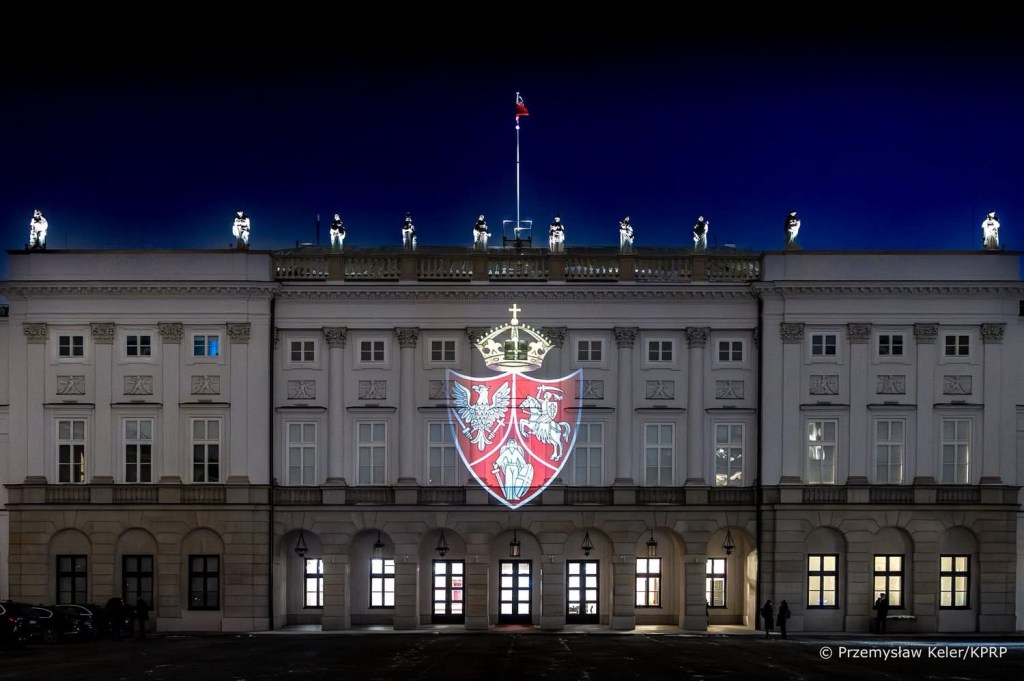
Obchody rozpoczęte w Warszawie i kontynuowane w Wilnie przypominają, że Powstanie Styczniowe było zrywem godności narodów dawnej Rzeczypospolitej Obojga Narodów.
Dziedzictwem, które nie dzieli.
Dziedzictwem, które zobowiązuje do jedności, solidarności i obrony prawdy.
Bo wolność — jeśli ma przetrwać —
musi być pamiętana.
Całe przemówienie Prezydenta RP – na linku:
Tekst: POLISH SUE
Photos: KPRP
En.
Where Memory Becomes a Commitment. Vilnius – 163rd Anniversary of the January Uprising.
Vilnius. A city of silence and conscience.
A city where history does not fall silent, but speaks through the whisper of stones, the prayer of the cathedral, and the memory of those who refused to accept enslavement.
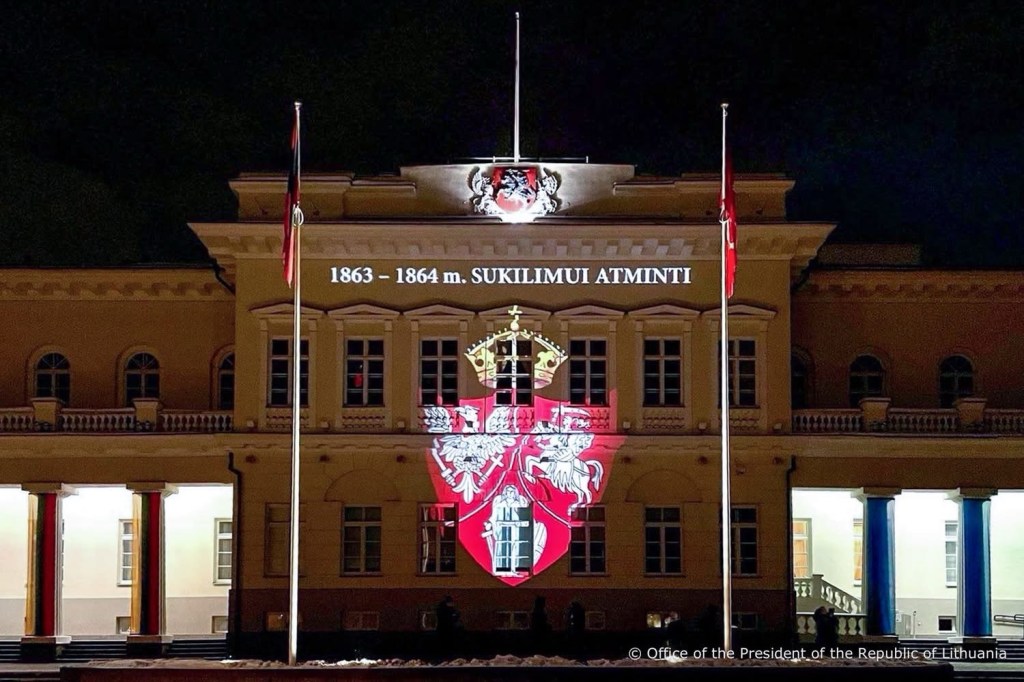
On the 163rd anniversary of the outbreak of the January Uprising, President Karol Nawrocki and his wife Marta Nawrocka stood on Lithuanian soil to pay tribute to the insurgents – those who chose freedom in 1863, even though they knew the price of sacrifice.
The road from Warsaw to Vilnius is not a geographical one.
It is a trail of memory that connects the experiences of freedom and enslavement, courage and sacrifice, hope and responsibility. It is the path of three nations – Poles, Lithuanians, and Ruthenians – who together said “no” to empire and “yes” to dignity.
Within the walls of the Vilnius Archcathedral, during a Holy Mass celebrated by the Presidents of Poland, Lithuania, and Ukraine, along with their spouses, a truth that remains relevant today was resonated:
Freedom is born from memory, while tyranny thrives on forgetting.
“They fought for the right to decide for themselves without an imperial overseer. The year 1863 was a manifestation of Polish discord. Not a manifestation of madness, but of love for the Homeland.”
– President of the Republic of Poland Karol Nawrocki
The President of the Republic of Poland recalled that the January Uprising – although militarily defeated – was a moral and spiritual victory.
It awakened the consciences of nations, preserved their identity, and conveyed to subsequent generations a message that cannot be silenced:
“We must not surrender. History teaches us that tyrannies are based on fear and forgetting. Freedom, however, is based on memory and solidarity.”
– President of the Republic of Poland Karol Nawrocki.
History repeats itself.
It always begins with an attempt to deprive others of their right to freedom.
And it always poses the same question:
Will we allow this to be a return to slavery, or confirmation that Europe has learned from its past?
In the silence of Vilnius’ Rossa, at the Mausoleum of the Mother and the Sacred Heart of the Son, where Józef Piłsudski’s heart rests, and in the Chapel of the January Uprising Insurgents, memory has taken on the dimension of obligation.
Not only to the past—but to the present and the future.
The commemorations, which began in Warsaw and continued in Vilnius, remind us that the January Uprising was an uprising of the dignity of the nations of the former Polish-Lithuanian Commonwealth.
A heritage that does not divide.
A heritage that commits us to unity, solidarity, and the defense of truth.
Because freedom—if it is to endure—must be remembered.
The president’s entire speech is available at the link:
Text: Polish Sue
Photos: KPRP
 Polish Sue
Leave a comment