Eighty-one years ago, the machinery of death operating at the German Nazi concentration and extermination camp KL Auschwitz-Birkenau was brought to an end.

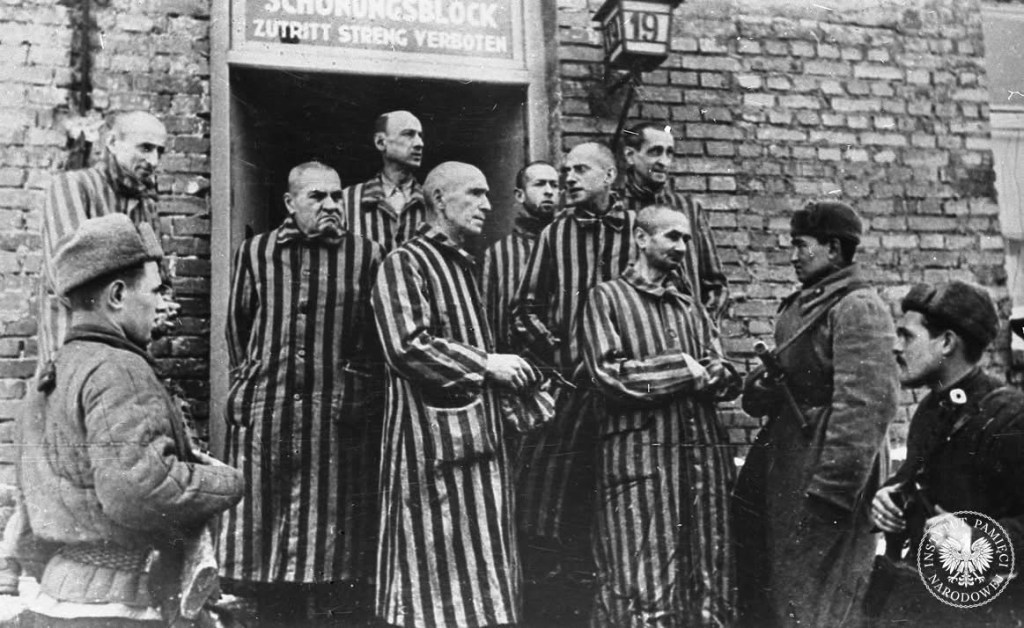
On 27 January 1945, soldiers of the 100th and 322nd Rifle Divisions of the Soviet 60th Army entered the abandoned camp complex and liberated the last surviving prisoners of the largest killing centre in the history of humanity.
“At first there was wariness, on both our part and theirs. But then they apparently figured out who we were and began to welcome us, to signal that they knew who we were and that we shouldn’t be afraid of them — that there were no guards or Germans behind the barbed wire. Only prisoners.”
— Ivan Martynushkin, Red Army soldier and the last surviving liberator of Auschwitz
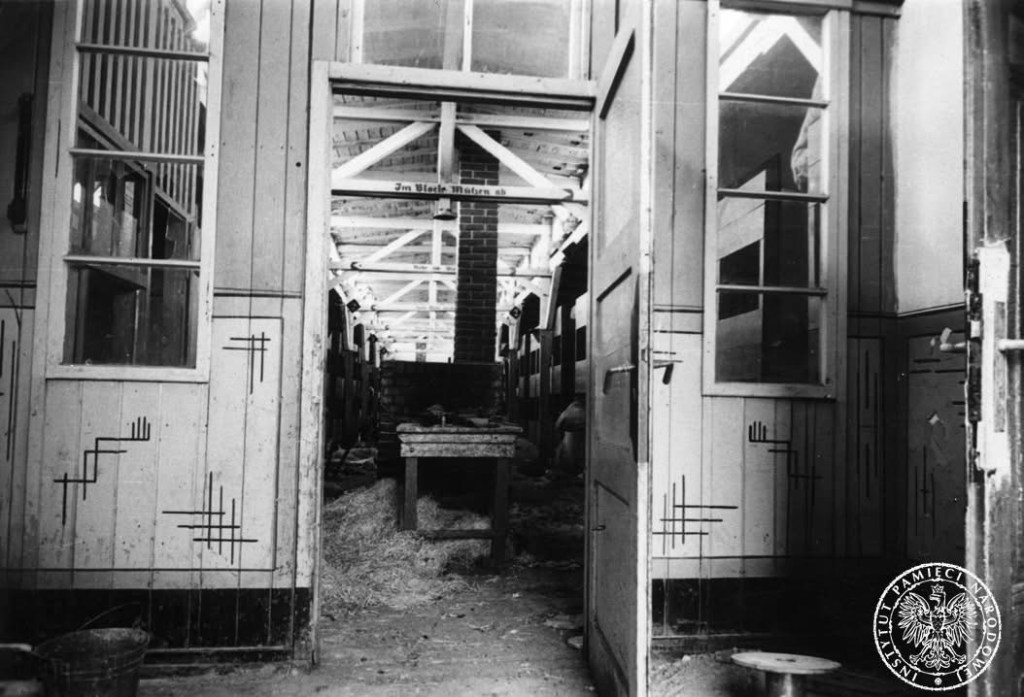
When the liberators crossed the gates of Auschwitz, Birkenau and Monowitz, they found approximately 7,000–9,000 prisoners, including around 500 children.
Most were emaciated, ill, and barely alive. The vast majority of inmates had been forced out days earlier in brutal evacuations known as the Death Marches.
The Camp That Became the Symbol of the Holocaust
Auschwitz is more than a place. It is a symbol.
More than 15 percent of all Holocaust victims were murdered here — more than at any other single site.
Yet Auschwitz must not be seen in isolation. It represents every camp, prison, execution site, railway transport, street and gallows where Jews were persecuted and killed.
The Jewish victims of Auschwitz stand for all Jews murdered elsewhere across German-occupied Europe.
The plan to annihilate the Jews of Europe was approved at the Wannsee Conference in 1942 and implemented primarily in extermination camps established in German occupied Poland. Auschwitz became the epicentre of this genocidal project.
Auschwitz and the Polish Experience
The Holocaust holds a particular place in Polish history.
It largely unfolded on the territory of occupied Poland and affected Polish citizens directly.
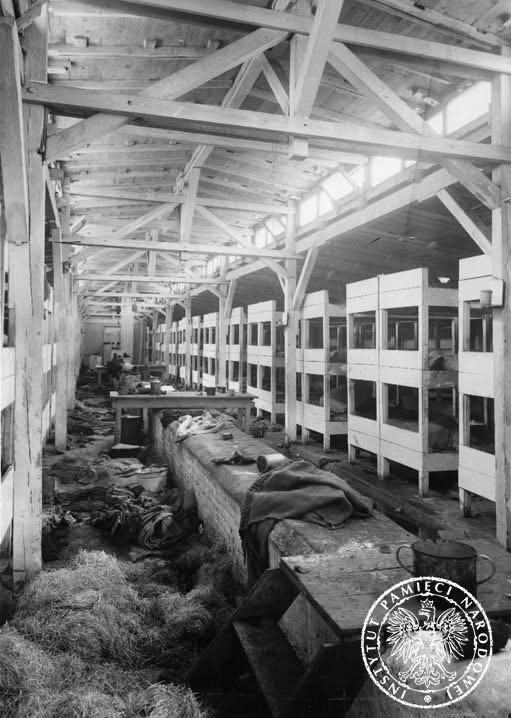
Of the six million Jews murdered by Nazi Germany, approximately three million were Polish citizens. Among the victims were two million children.
KL Auschwitz itself was established in 1940 on the grounds of former Polish military barracks on the outskirts of Oświęcim, a town forcibly incorporated into the Third Reich after the outbreak of the Second World War.
On 14 June 1940, the first transport of 728 Polish political prisoners from Tarnów arrived at the newly created camp — marking the beginning of Auschwitz’s deadly function.
A System of Extermination
Over time, the camp expanded into the Auschwitz I–III complex:
Auschwitz I – Stammlager (Oświęcim), Auschwitz II – Birkenau, near the destroyed village of Brzezinka, Auschwitz III – Monowitz, near the demolished village of Monowice, along with more than 40 sub-camps.
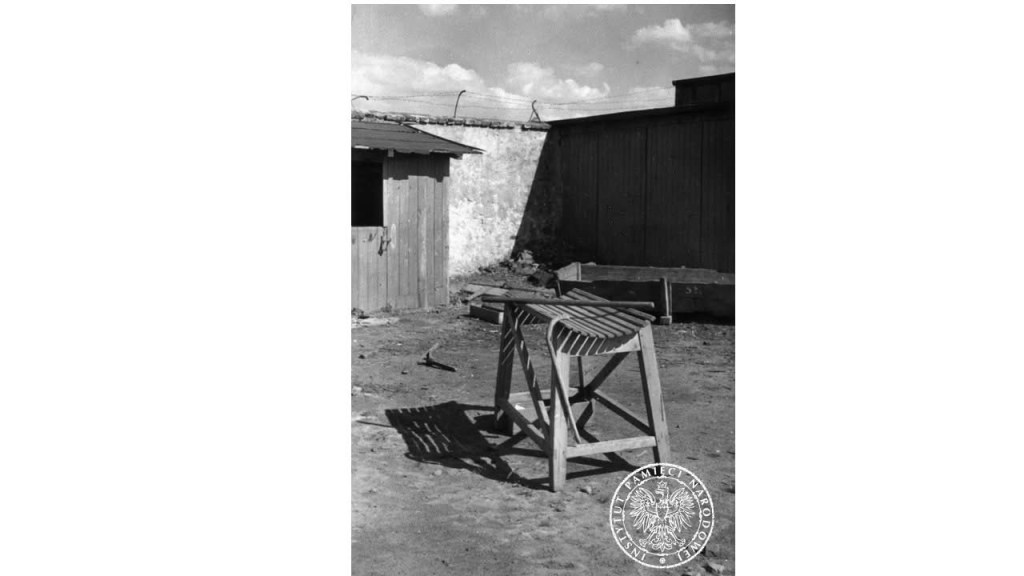
By 1944, Auschwitz had become the largest Nazi German concentration and extermination camp complex operating in occupied Europe.
Between mid-1944 and January 1945, over 65,000 prisoners were evacuated by rail.
From 17 to 19 January 1945, nearly 60,000 inmates were driven westward on foot in Death Marches.
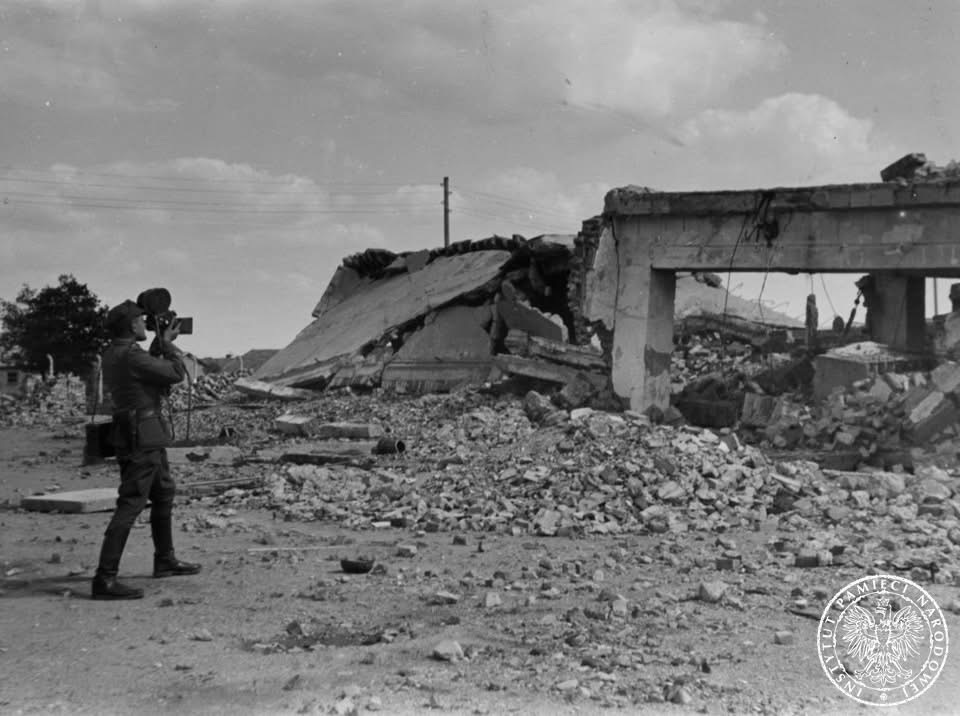
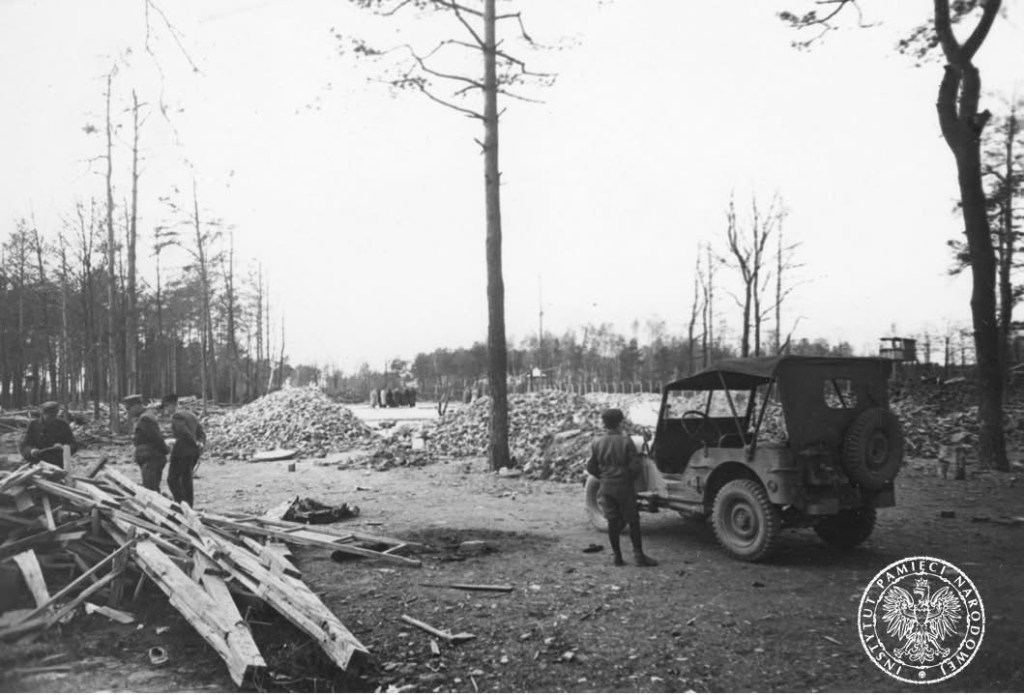
An estimated 15,000 people perished during these evacuations. In the final days before retreating, the Germans attempted to erase evidence of their crimes, destroying crematoria and other infrastructure.
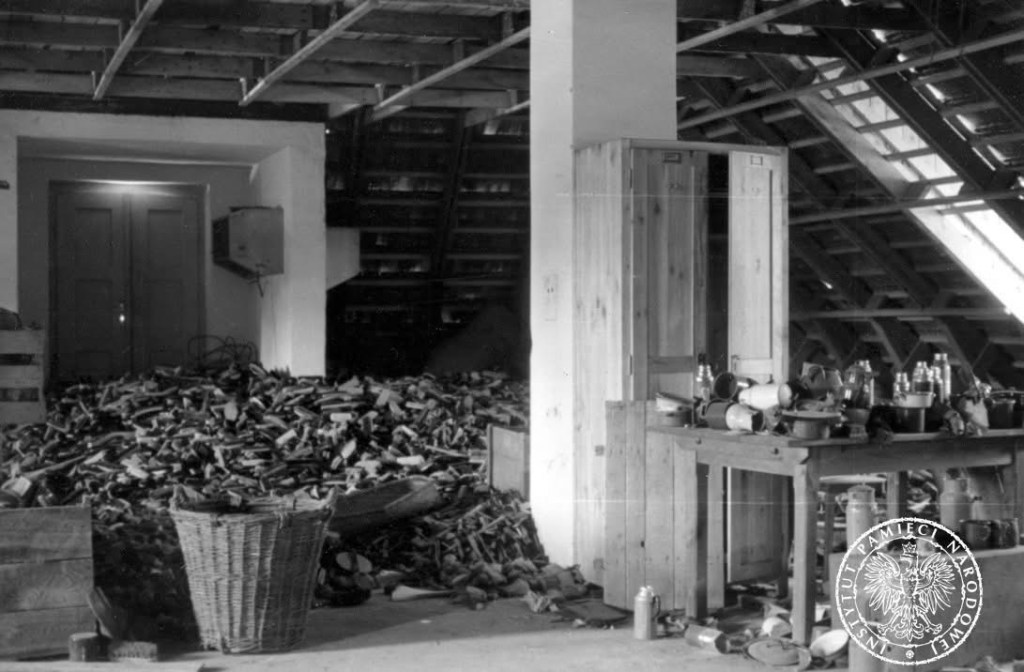
Liberation — and the Aftermath
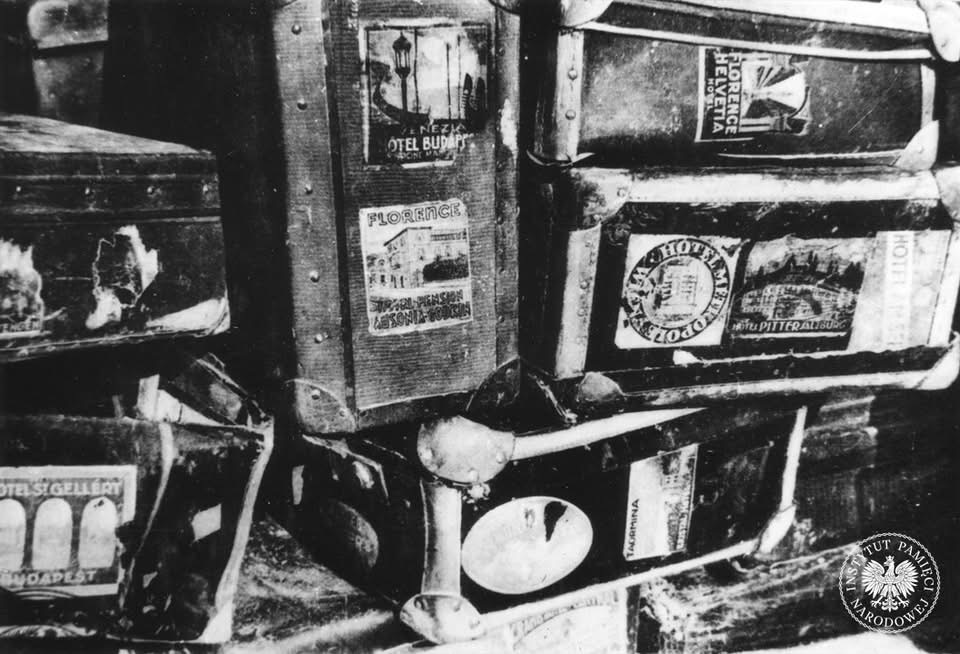
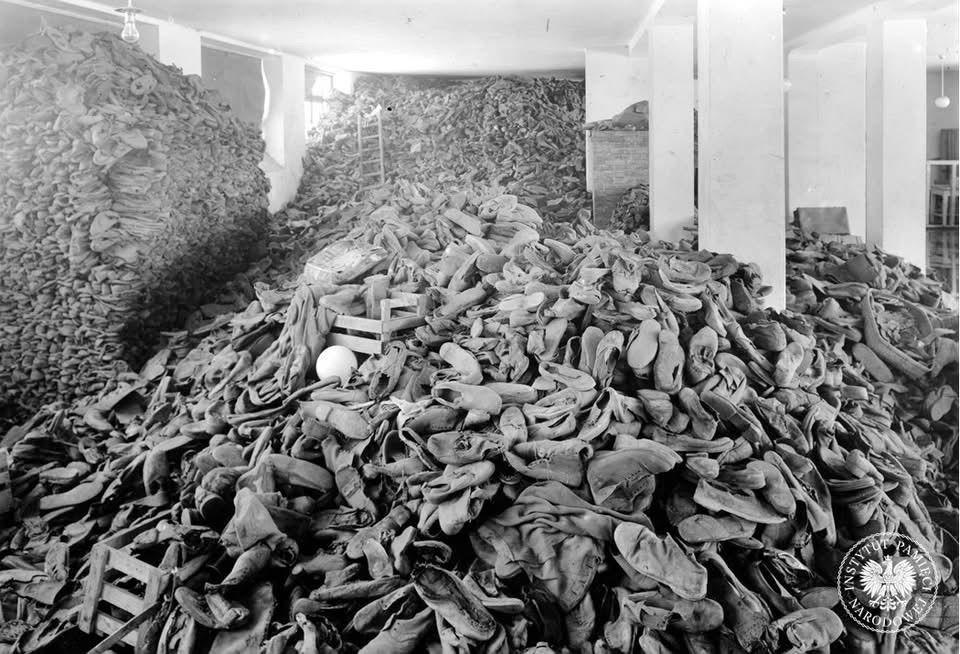
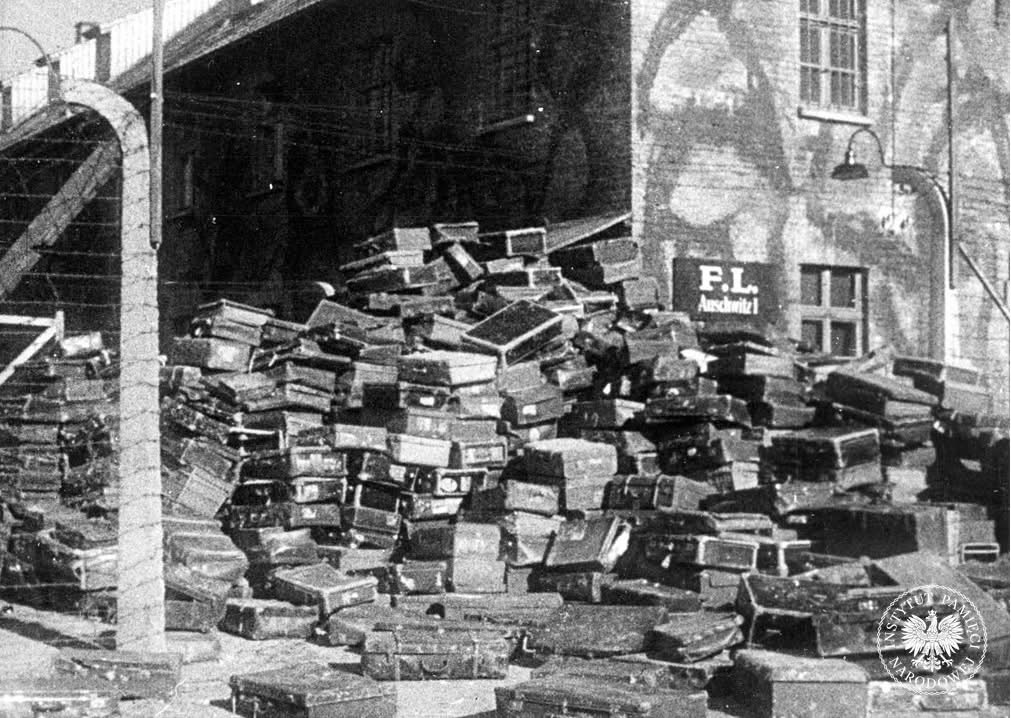
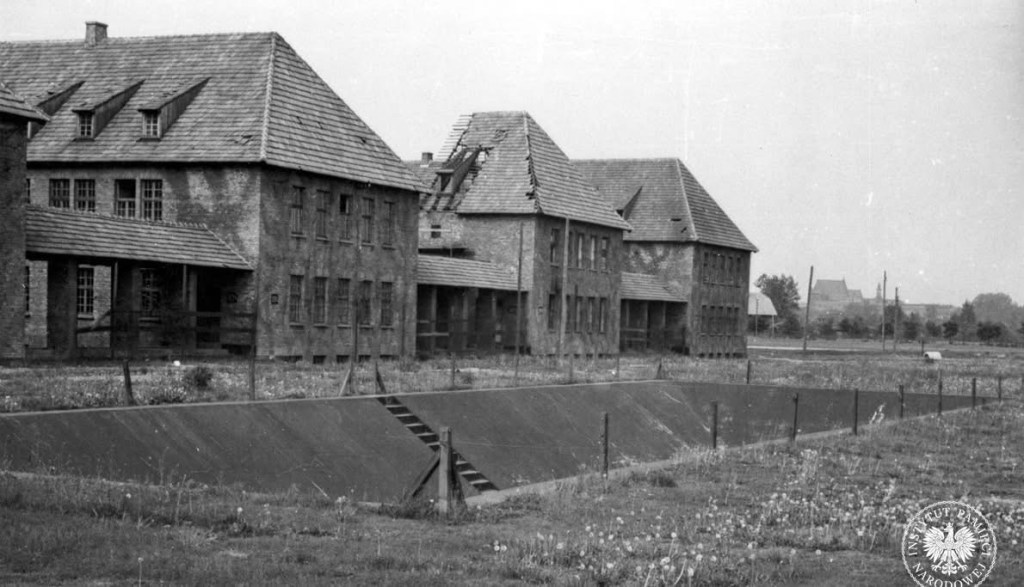
On 27 January 1945, the Red Army took control of Auschwitz. What they encountered was not a functioning camp, but a vast crime scene — silent barracks, abandoned belongings, and survivors clinging to life.
The total number of victims murdered at Auschwitz-Birkenau is estimated at 1.1 million, including approximately one million Jews and 70,000–75,000 Poles.
In the months following liberation, investigations into German crimes began, though many documents found at the site were taken away by Soviet authorities, limiting access to the full evidence.
The post-war history of the site was complex, yet none of it diminishes the fundamental truth: Auschwitz was created and operated by Germany as an instrument of mass murder.
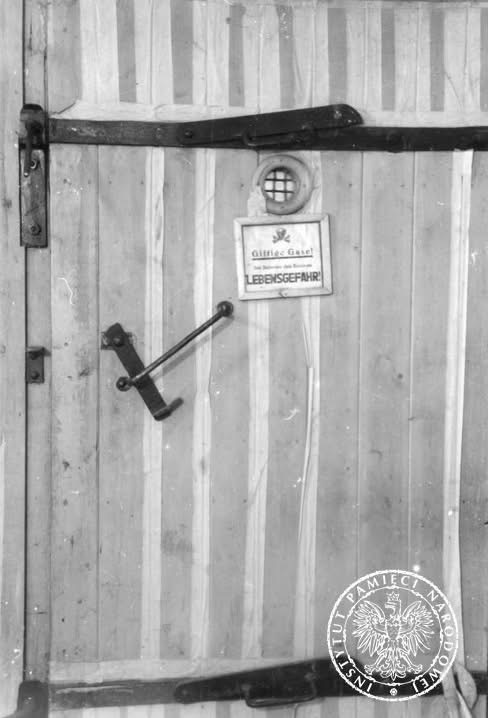
Memory as Responsibility
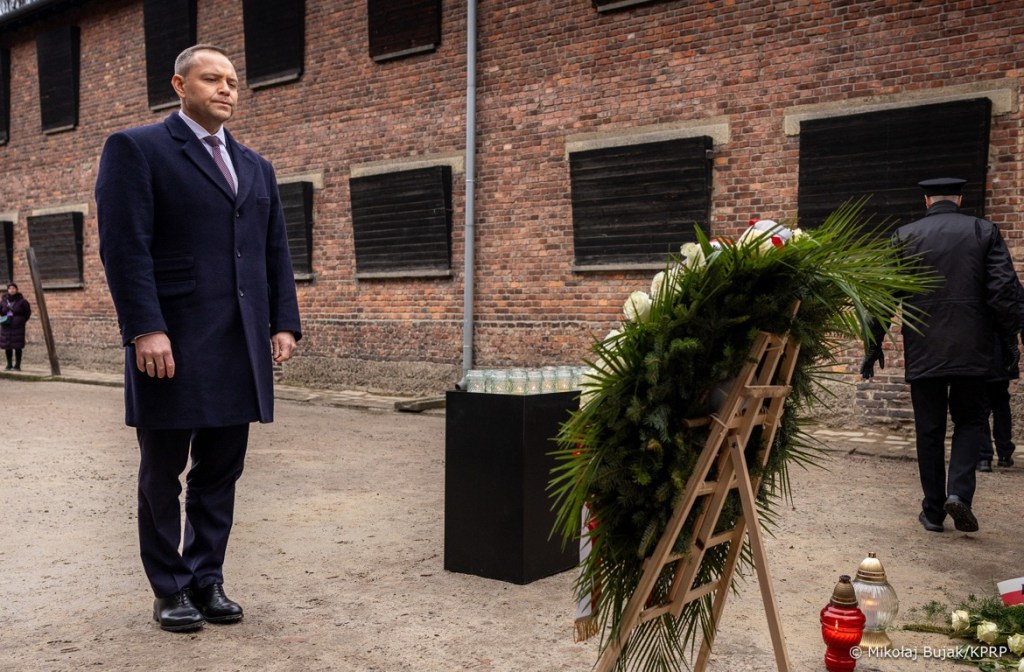
In 2005, the United Nations General Assembly designated 27 January as International Holocaust Remembrance Day, ensuring that the memory of the victims would be honoured worldwide.
Eighty-one years after liberation, Auschwitz remains a warning — not only about the scale of human cruelty, but about the consequences of hatred, dehumanisation and indifference.
Remembering Auschwitz is not an act of the past.
It is a responsibility of the present — and a duty to the future.
May the victims be remembered. May the truth be preserved.
Source: IPN
Photos: IPN ARCHIVES
Text: Polish Sue
Pl.
81 lat od wyzwolenia Auschwitz. Gdy niemiecka „Fabryka Śmierci” zamilkła.
Osiemdziesiąt jeden lat temu ustał mechanizm masowej zagłady działający w niemieckim nazistowskim obozie koncentracyjnym i zagłady KL Auschwitz-Birkenau.
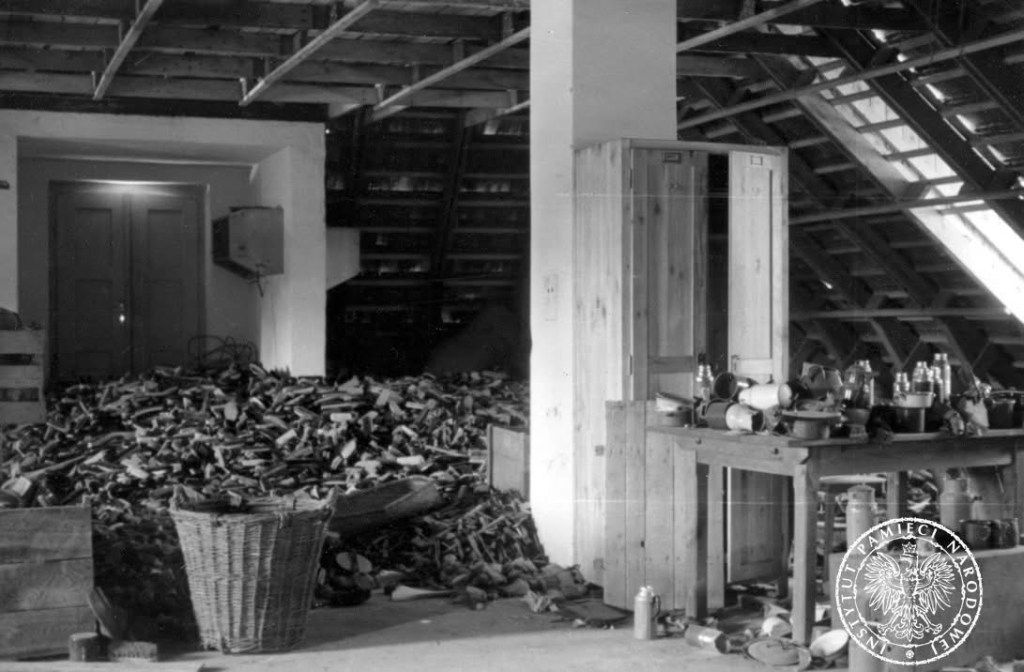
27 stycznia 1945 roku żołnierze 100. i 322. Dywizji Strzeleckiej 60. Armii Frontu Ukraińskiego wkroczyli na teren opuszczonego kompleksu obozowego, wyzwalając ostatnich ocalałych więźniów największego miejsca masowej zbrodni w dziejach ludzkości.
„Na początku była nieufność — z naszej strony i z ich strony. Ale potem najwyraźniej zorientowali się, kim jesteśmy, i zaczęli dawać nam znaki, że wiedzą, iż nie ma się czego bać — że za drutami nie ma już strażników ani Niemców. Są tylko więźniowie.”
— Iwan Martynuszkin, żołnierz Armii Czerwonej, ostatni żyjący wyzwoliciel Auschwitz.
W chwili wyzwolenia Auschwitz, Birkenau i Monowitz na terenie obozu znajdowało się około 7–9 tysięcy więźniów, w tym około 500 dzieci.
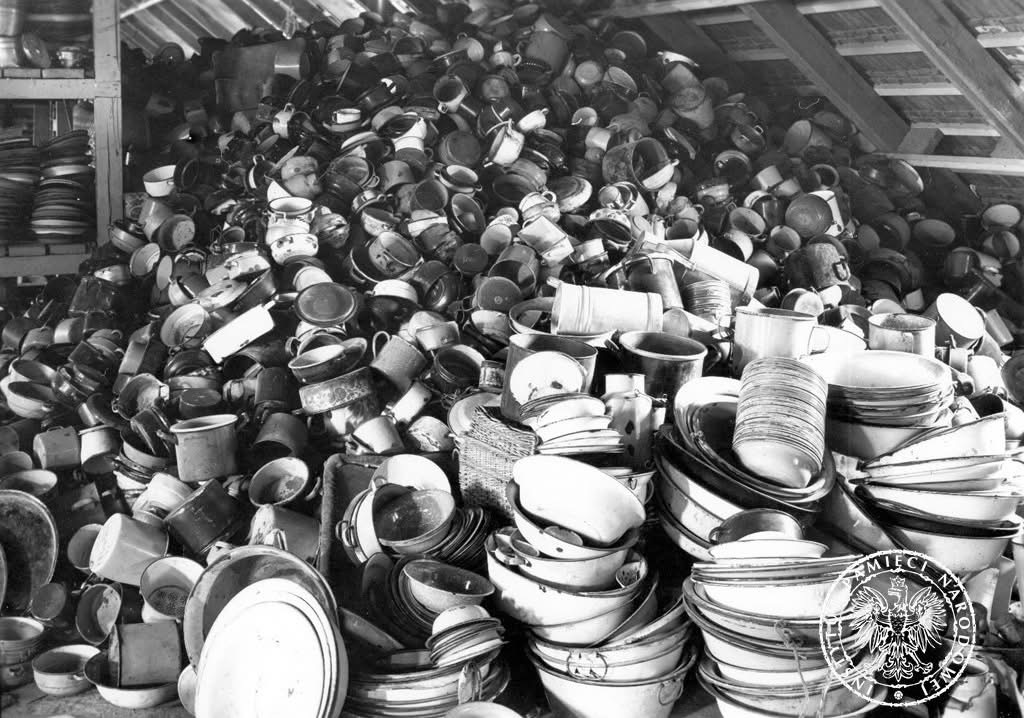
Większość była skrajnie wyczerpana, chora i na granicy życia i śmierci. Zaledwie kilka dni wcześniej dziesiątki tysięcy osób zostały wypędzone z obozu w brutalnych ewakuacjach znanych jako Marsze Śmierci.
Symbol Zagłady
Auschwitz to coś więcej niż miejsce. To symbol.
Ponad 15 procent wszystkich ofiar Holokaustu zostało zamordowanych właśnie tutaj — więcej niż w jakimkolwiek innym pojedynczym miejscu.
Auschwitz nie może być jednak postrzegany w oderwaniu od całości Zagłady. Symbolizuje on wszystkie obozy, więzienia, miejsca egzekucji, wagony kolejowe, ulice i szubienice, na których ginęli Żydzi.
Żydowskie ofiary Auschwitz reprezentują wszystkich Żydów zamordowanych w innych miejscach Europy.
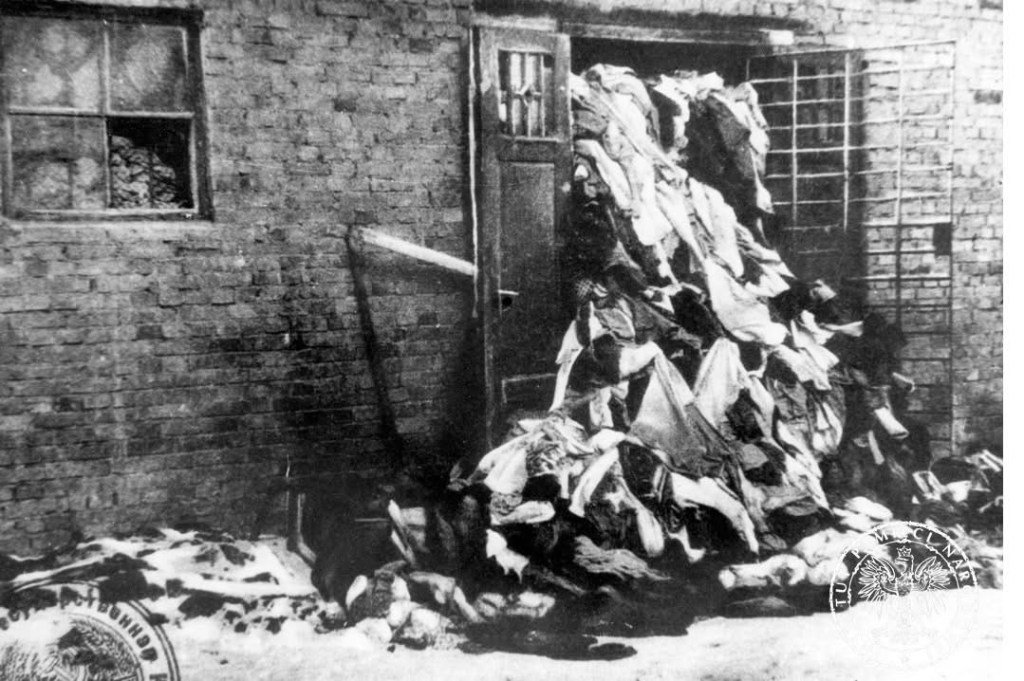
Plan eksterminacji europejskich Żydów został zatwierdzony podczas konferencji w Wannsee w 1942 roku i realizowany głównie w obozach zagłady utworzonych na terenie okupowanej Polski. Auschwitz stał się epicentrum tej zbrodniczej niemieckiej polityki.
Holokaust i doświadczenie polskie
Holokaust ma szczególne znaczenie dla Polski. W znacznej mierze rozegrał się na ziemiach okupowanej Rzeczypospolitej i dotknął obywateli polskich.
Spośród sześciu milionów Żydów zamordowanych przez nazistowskie Niemcy, około trzech milionów było obywatelami Polski. Wśród ofiar znalazło się dwa miliony dzieci.
Obóz KL Auschwitz został utworzony w 1940 roku na terenie dawnych polskich koszar wojskowych na obrzeżach Oświęcimia, miasta wcielonego po wybuchu II wojny światowej do III Rzeszy.
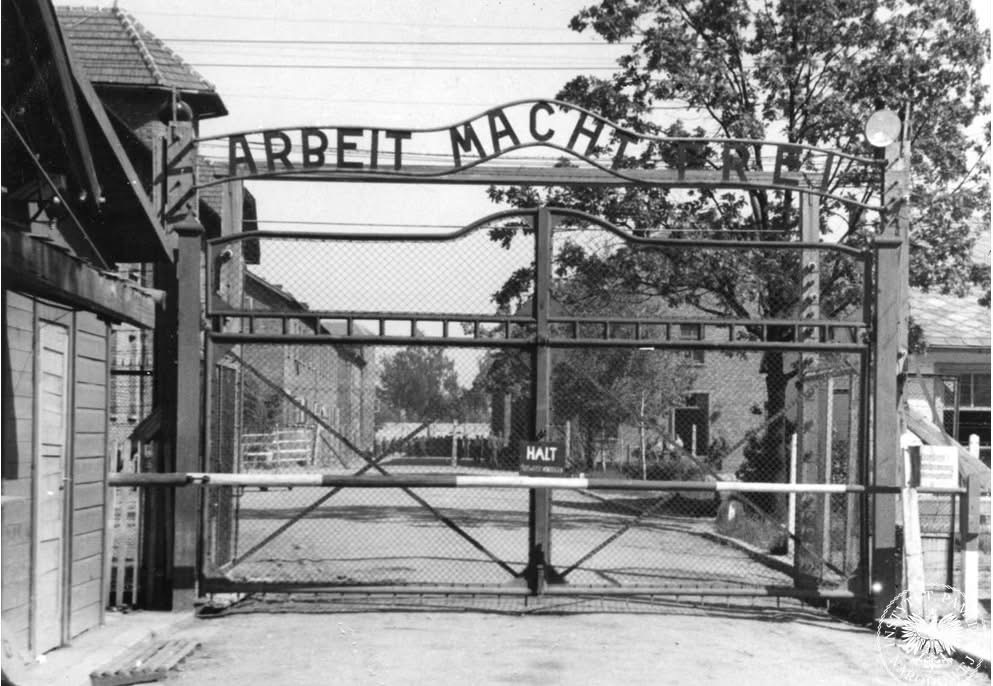
14 czerwca 1940 roku do obozu przybył pierwszy transport 728 polskich więźniów politycznych z Tarnowa, co zapoczątkowało funkcjonowanie obozu jako narzędzia terroru i masowej zagłady.
System zagłady
Z czasem obóz został rozbudowany do kompleksu Auschwitz I–III:
Auschwitz I – obóz macierzysty w Oświęcimiu, Auschwitz II – Birkenau, w pobliżu zniszczonej wsi Brzezinka, Auschwitz III – Monowitz, w rejonie zburzonej wsi Monowice, oraz ponad 40 podobozów.
Do 1944 roku Auschwitz stał się największym nazistowskim niemieckim kompleksem obozów koncentracyjnych i zagłady działającym w okupowanej Europie.
W okresie od połowy 1944 roku do stycznia 1945 roku koleją ewakuowano ponad 65 000 więźniów.
Od 17 do 19 stycznia 1945 roku prawie 60 000 więźniów zostało wypędzonych pieszo na zachód w ramach Marszów Śmierci. Szacuje się, że podczas tych ewakuacji zginęło 15 000 osób.
W ostatnich dniach przed odwrotem Niemcy próbowali zatrzeć ślady swoich zbrodni, niszcząc krematoria i inną infrastrukturę.
Wyzwolenie — i następstwa
27 stycznia 1945 roku Armia Czerwona przejęła kontrolę nad Auschwitz. Zastali tam nie funkcjonujący obóz, lecz rozległe miejsce zbrodni — baraki, porzucone mienie i ocalałych, którzy kurczowo trzymali się życia.
Łączną liczbę ofiar zamordowanych w Auschwitz-Birkenau szacuje się na 1,1 miliona, w tym około miliona Żydów i 70 000–75 000 Polaków.
W miesiącach po wyzwoleniu rozpoczęto śledztwa w sprawie zbrodni niemieckich, choć wiele dokumentów znalezionych na terenie obozu zostało skonfiskowanych przez władze sowieckie, co ograniczyło dostęp do pełnego materiału dowodowego. Powojenna historia tego miejsca była złożona, ale nic z tego nie umniejsza fundamentalnej prawdy: Auschwitz został stworzony i zarządzany przez Niemcy jako narzędzie masowego mordu.

Pamięć jako odpowiedzialność
W 2005 roku Zgromadzenie Ogólne ONZ ustanowiło 27 stycznia Międzynarodowym Dniem Pamięci o Ofiarach Holokaustu, zapewniając, że pamięć o ofiarach będzie czczona na całym świecie.
Osiemdziesiąt jeden lat po wyzwoleniu Auschwitz pozostaje przestrogą – nie tylko przed skalą ludzkiego okrucieństwa, ale także przed konsekwencjami nienawiści, dehumanizacji i obojętności.
Pamięć o Auschwitz nie jest aktem przeszłości.
To odpowiedzialność teraźniejszości — i obowiązek wobec przyszłości.
🕯 Pamiętamy o ofiarach. Niech prawda zostanie zachowana.
Źródło: IPN
Zdjęcia: ARCHIWUM IPN
Tekst: Polish Sue
 Polish Sue
Leave a comment