Martial law was not a “difficult decision.” It was not a “lesser evil.”
It was not an act of “saving the nation from chaos.” It was an act of violence by a communist state against its own people.
On the night of 12–13 December 1981, the Polish communist regime dropped all pretence. Tanks rolled into the streets, telephones were cut, censorship was imposed, and thousands of citizens were imprisoned without trial.
Under General Wojciech Jaruzelski, a military junta took control, acting not in the interest of Poland, but in defence of a collapsing system imposed and sustained by Moscow.
Communism Does Not Reform. It Represses.
Jaruzelski did not “save Poland.”
What was saved was communism itself — a system so fragile that it could survive only through fear, force and mass repression.
“Solidarity,” the largest peaceful social movement in post-war Europe, posed an existential threat precisely because it rejected violence. It proved that communism could be challenged by truth, unity and civic courage. That is why it had to be crushed.
America Called Things by Their Proper Name
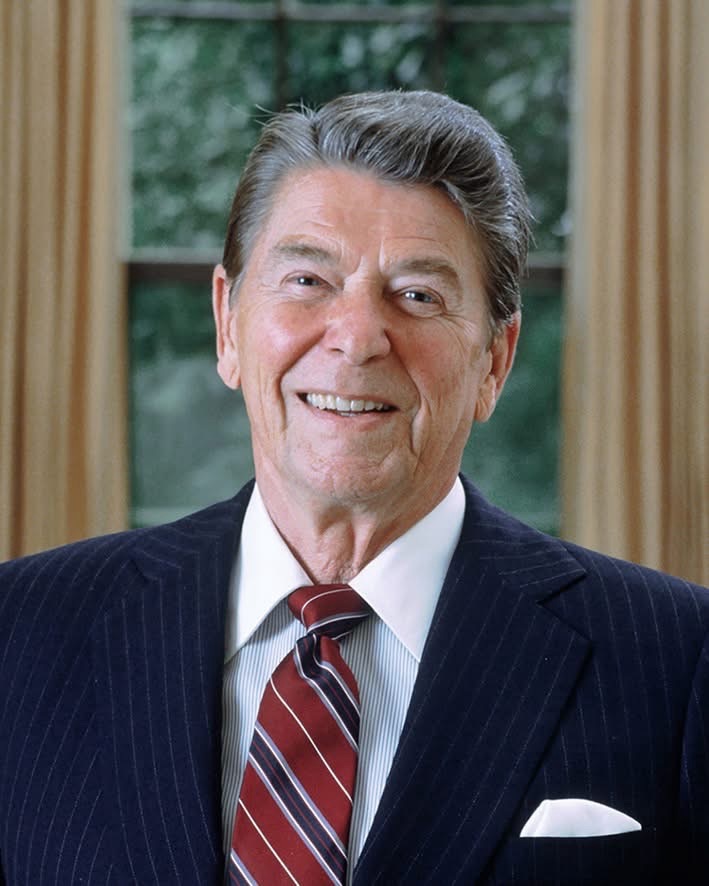
Unlike many Western politicians who preferred the language of “realism” and accommodation toward the Soviet bloc, the administration of President Ronald Reagan refused moral ambiguity.
Communism was recognised for what it was: a system of oppression.
Economic sanctions imposed on the Polish People’s Republic and the Soviet Union were not interference in internal affairs. They were a moral response to the brutal suppression of a nation demanding basic human rights.
Reagan’s appeal to Americans to light candles in their windows was more than symbolism. It was a message to Poles living under martial law: you are seen, you are not forgotten, and your struggle matters.
The Day of Solidarity with Poland – An Indictment of Communism
On 30 January 1982, the United States officially proclaimed the Day of Solidarity with the Polish Nation. This was not a polite diplomatic gesture. It was a public indictment of the communist regime in Warsaw and its Soviet patrons.
Demonstrations across Western cities made one thing unmistakably clear: the problem was not Polish society. The problem was a totalitarian system imposed by force.
“Let Poland Be Poland” – Breaking the Monopoly of Lies
Communism depends on control of information and monopoly over truth. That is why the global television broadcast “Let Poland Be Poland”, aired on 31 January 1982 in dozens of countries, was so dangerous to the regime.
Nearly 200 million viewers worldwide heard a simple, devastating message: Poland was not an “internal matter of the Eastern Bloc,” but a nation deprived of its freedom.
Artists and cultural figures — Frank Sinatra, Kirk Douglas, Henry Fonda, Orson Welles — stood alongside political leaders such as Ronald Reagan, Margaret Thatcher, François Mitterrand and Helmut Schmidt. Their voices could not be silenced by propaganda.
Communism Lost Because It Feared the Truth
“Let Poland Be Poland” did not overthrow the regime in 1982. But it exposed something fatal to communism: its total lack of moral legitimacy.
Nine years later, the system collapsed. Not because it was reformed, but because it was structurally dishonest, economically bankrupt and morally indefensible from the start.
The Day of Solidarity with Poland remains more than a historical anniversary. It stands as enduring evidence of communism’s guilt — and of the power of international solidarity in confronting tyranny.
When Poland was plunged into darkness, the free world chose to light a candle. And that light could not be extinguished.
🔍 Read more:
Source: IPN
Text: Polish Sue
PL
Komunizm wypowiedział wojnę Polsce. Wolny świat odpowiedział solidarnością.
Stan wojenny nie był „trudną decyzją”. Nie był „mniejszym złem”.
Nie był „ratowaniem kraju przed chaosem”. Był aktem przemocy państwa komunistycznego wobec własnego narodu.
W nocy z 12 na 13 grudnia 1981 roku władza w Polsce zerwała maskę. Czołgi na ulicach, wojsko przeciw robotnikom, telefony odcięte, tysiące ludzi zamkniętych bez wyroków. Komunistyczny reżim, posłuszny Moskwie, postanowił zniszczyć „Solidarność” — największy pokojowy ruch wolnościowy w powojennej Europie.
Komunizm nie reformuje się. Komunizm tłumi
Generał Wojciech Jaruzelski nie „ocalił Polski”. Ocalono system, który bał się własnego społeczeństwa. Stan wojenny był dowodem bankructwa komunizmu — ideologii, która potrafiła rządzić wyłącznie strachem, pałką i więzieniem.
„Solidarność” nie sięgnęła po przemoc. Właśnie dlatego była dla reżimu śmiertelnym zagrożeniem. Pokazywała bowiem, że komunizm można obalić prawdą, wspólnotą i odwagą, bez jednego wystrzału.
Ameryka nazwała rzeczy po imieniu
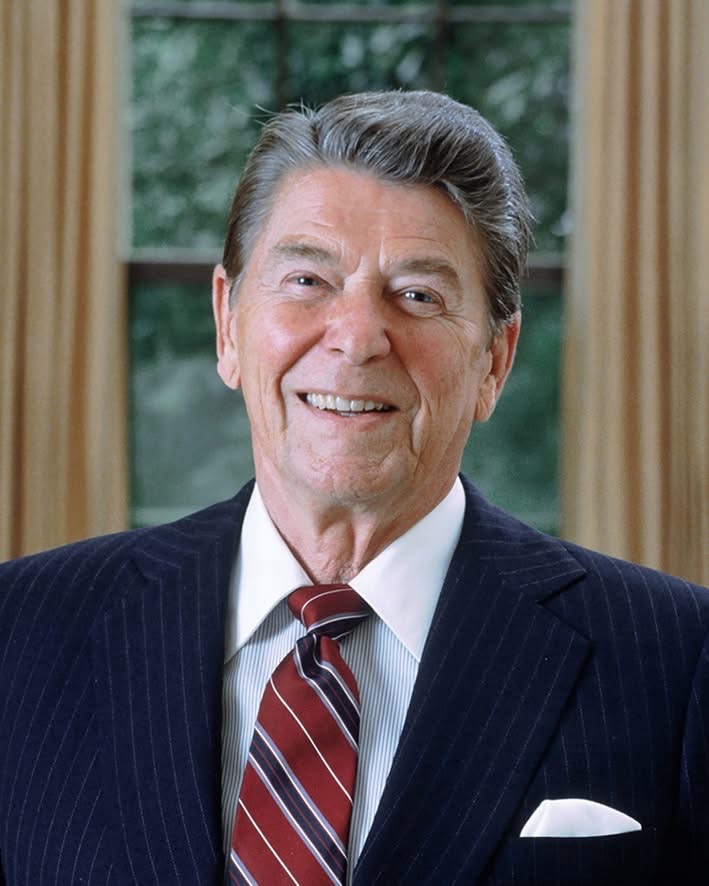
W przeciwieństwie do wielu zachodnich polityków flirtujących z „realizmem” wobec Moskwy, administracja Ronalda Reagana nie udawała neutralności. Komunizm został nazwany tym, czym był — systemem opresji.
Sankcje wobec PRL i Związku Sowieckiego nie były „ingerencją”. Były moralną reakcją wolnego świata na przemoc wobec bezbronnych obywateli.
A wezwanie Reagana, by zapalić świece w oknach, miało siłę większą niż dyplomatyczne noty. Było komunikatem: wasza walka jest także naszą sprawą.
Dzień Solidarności z Polską – akt oskarżenia wobec komunizmu
Ogłoszony 30 stycznia 1982 roku Dzień Solidarności z Narodem Polskim był czymś więcej niż gestem sympatii. Był aktem oskarżenia wobec komunistycznej władzy w Warszawie i jej sowieckich patronów.
Demonstracje poparcia, które odbyły się w miastach Zachodu, jasno pokazały: to nie polskie społeczeństwo było problemem — problemem był system narzucony siłą.
„Let Poland Be Poland” – złamanie monopolu kłamstwa
Komunizm zawsze opierał się na kłamstwie i kontroli przekazu. Dlatego audycja „Let Poland Be Poland”, wyemitowana 31 stycznia 1982 roku w kilkudziesięciu krajach świata, była dla niego tak groźna.
Blisko 200 milionów ludzi usłyszało, że Polska nie jest „wewnętrzną sprawą bloku wschodniego”, lecz krajem zniewolonym, który ma prawo do wolności.
Głos zabrali nie tylko politycy, ale i artyści — ludzie, których autorytetu nie dało się zagłuszyć propagandą: Frank Sinatra, Kirk Douglas, Henry Fonda, Orson Welles. Obok nich przywódcy wolnego świata: Reagan, Thatcher, Mitterrand, Schmidt.
Komunizm przegrał, bo bał się prawdy
„Let Poland Be Poland” nie obaliło reżimu w 1982 roku. Ale pokazało coś, co dla komunizmu było zabójcze: że nie ma on moralnej legitymacji do istnienia.
Dziewięć lat później system runął. Nie dlatego, że był „zreformowany”, lecz dlatego, że był niewydolny, represyjny i kłamliwy od samego początku.
Dzień Solidarności z Polską pozostaje więc nie tylko rocznicą wsparcia, lecz także historycznym dowodem winy komunizmu — ideologii, która musiała przegrać, bo przegrała z własnym strachem przed wolnością.
🔍 Dowiedz się więcej:
Source: IPN
Text: Polish Sue

 Polish Sue
Leave a comment