
On 10 February 1920 in Puck, General Józef Haller performed Poland’s symbolic Wedding to the Sea, casting a platinum ring into the waters of the Baltic.
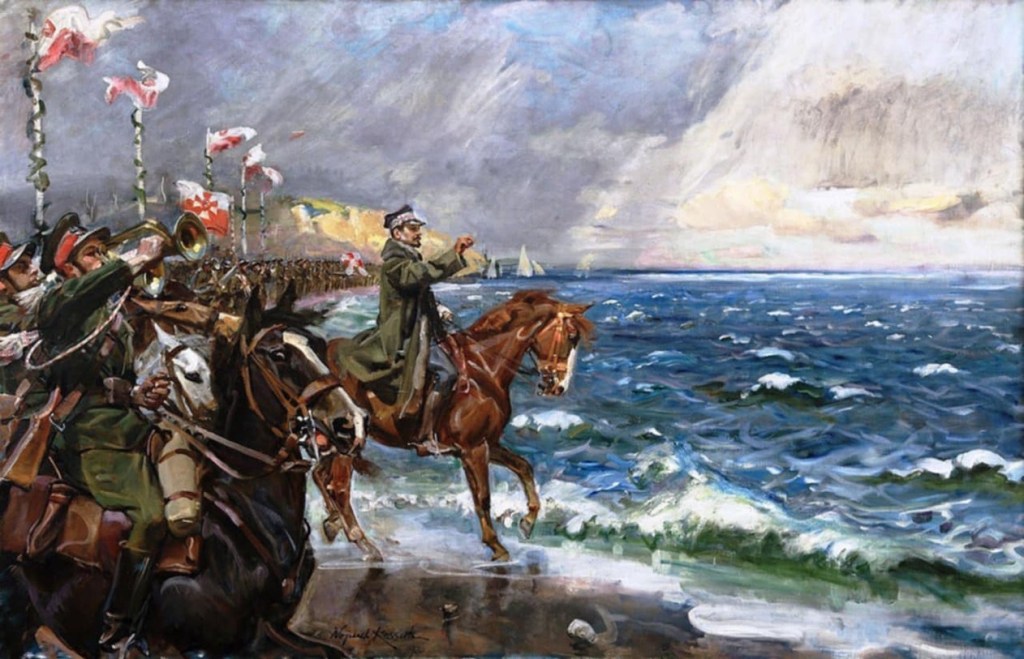
This act marked the rebirth of Poland’s maritime sovereignty and the beginning of modern Polish naval thought — a vision that, two decades later, would play a tangible role in the defence of Britain during the Second World War.

Marking the anniversary of the Wedding to the Sea, Polish SUE visited in London the grave of one of the architects of this continuity — Vice Admiral Jerzy Włodzimierz Świrski, long-serving Chief of the Polish Naval Command.
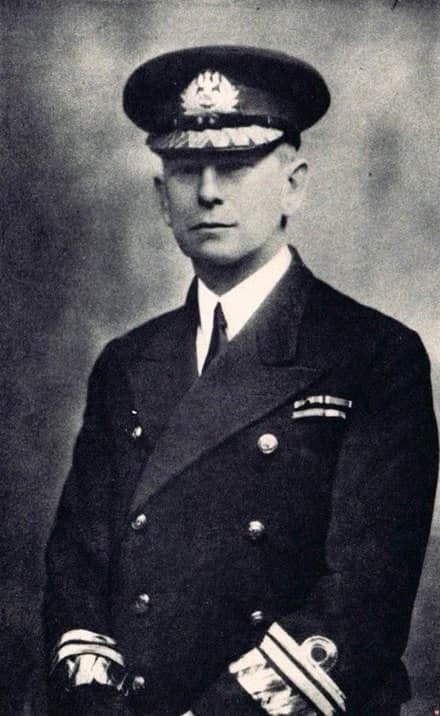
The Admiral rests at Brompton Cemetery.
During the visit, the grave was cleaned and carefully tended, restoring dignity to the place of rest.
Polish SUE lit memorial candles and laid flowers, paying tribute to Polish sailors who fought alongside the Royal Navy and whose service permanently linked the histories of Poland and the United Kingdom.

The Polish Navy in Great Britain
After the defeat of Poland in 1939, it was the Polish Navy that preserved its organisational continuity and combat capability.
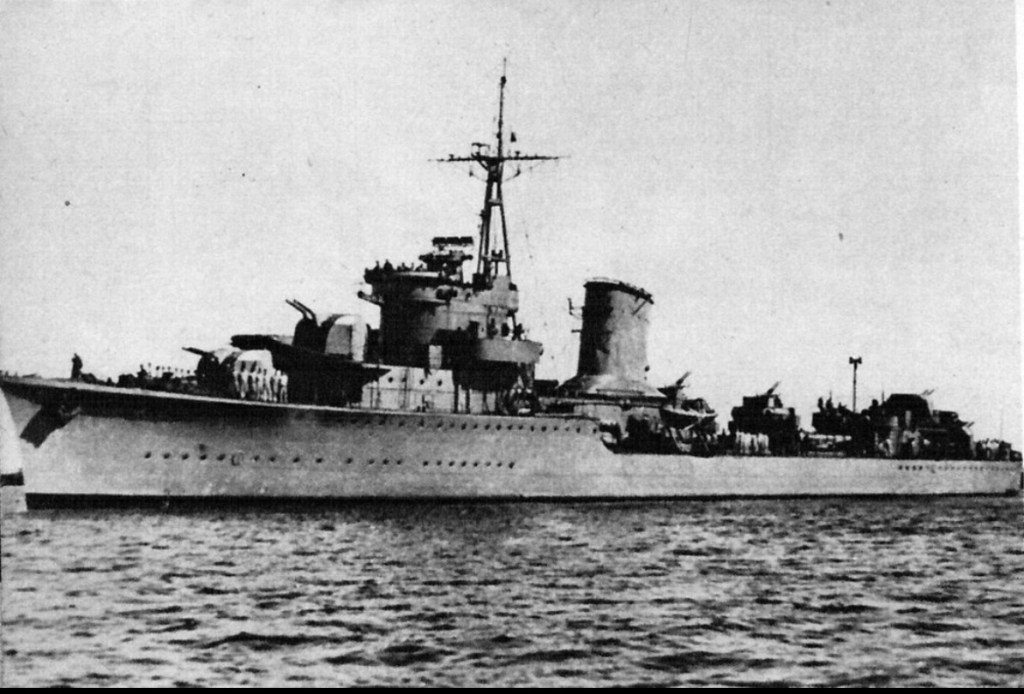
Among the vessels that reached Great Britain were the destroyers ORP Błyskawica, Burza and Garland, as well as the submarines ORP Orzeł and Wilk — all with their full crews.
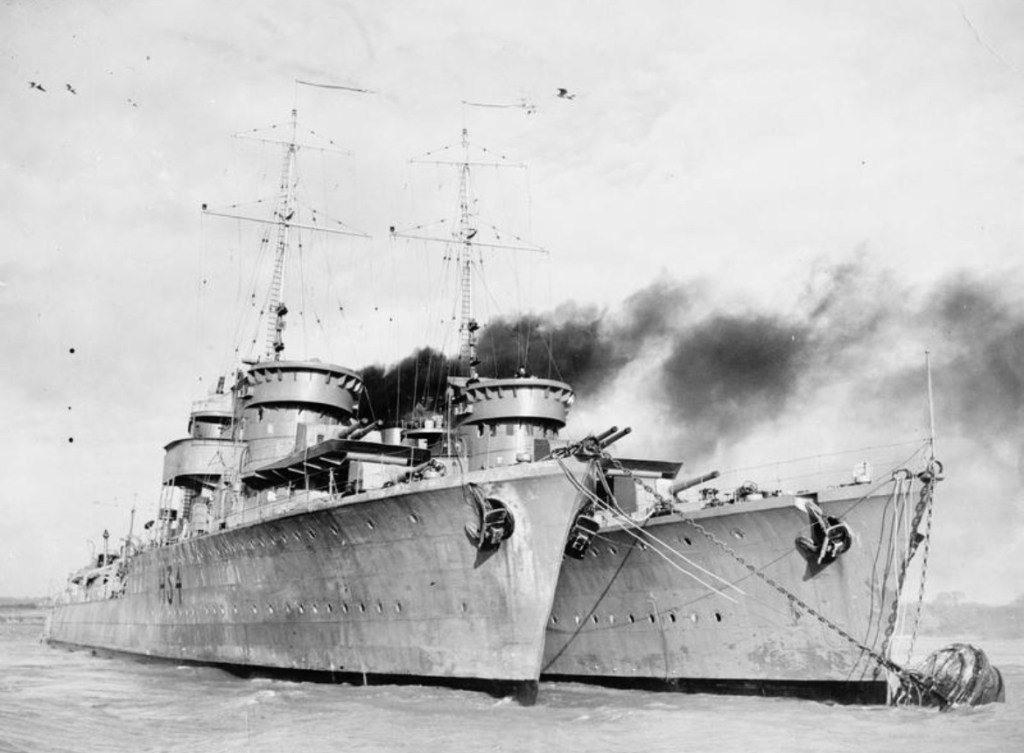
On 18 November 1939, Vice Admiral Świrski co-signed the Anglo-Polish Naval Agreement, which allowed Polish warships to operate within the structure of the Royal Navy, while retaining Polish command, the Polish naval ensign and national identity. This model of cooperation was unique among the Allied forces.
ORP Błyskawica and ORP Piorun — the Defence of British Cities
Under Admiral Świrski’s leadership, Polish warships became a lasting part of Britain’s wartime history:
ORP Błyskawica — defender of the town of Cowes in 1942, escort of Atlantic convoys, operations in the North Sea and participation in the Normandy landings; ORP Piorun — famed for her confrontation with the German battleship Bismarck in May 1941, and also for her role in the defence of Clydebank during Luftwaffe air raids.
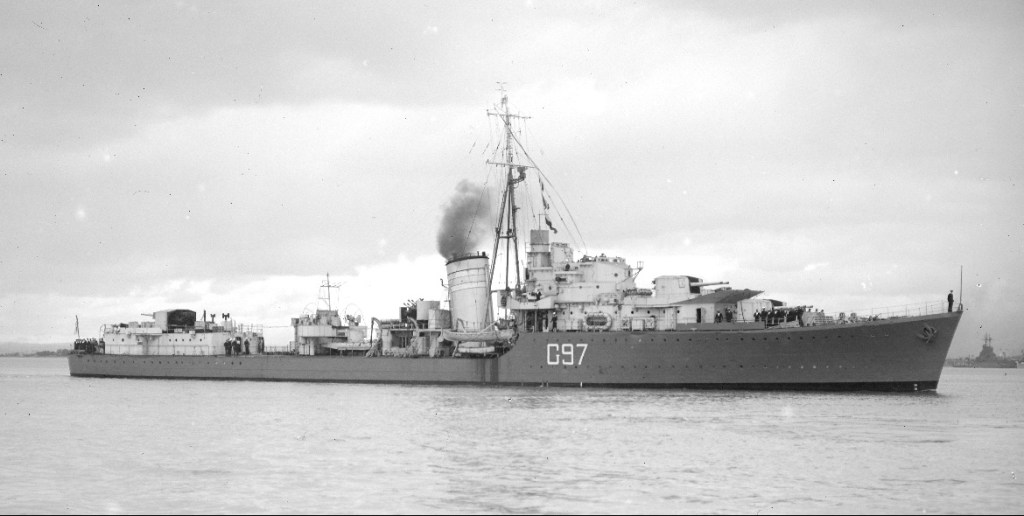
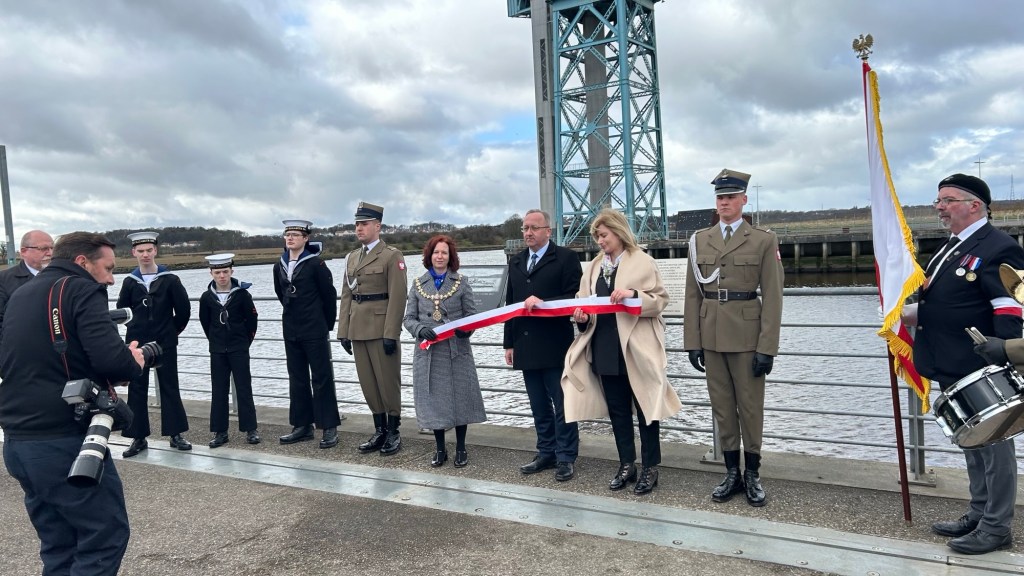
This year marks the 85th anniversary of the defence of Clydebank, one of the most dramatic episodes of the war on Scotland’s west coast.
The presence of a Polish destroyer in the Clyde area was not only a military contribution, but also a powerful symbol of solidarity and direct support provided by Polish sailors to the people of Great Britain.
A Controversial Yet Indispensable Commander
Admiral Świrski’s uncompromising and independent leadership style led in 1941 to a serious conflict with Poland’s Prime Minister-in-Exile, General Władysław Sikorski, who sought to remove him from office. The attempt failed, as the British Admiralty saw no officer of comparable experience capable of maintaining the effectiveness of Polish naval forces under wartime conditions.
Under his command, the Polish Navy in Great Britain expanded to over 3,000 sailors, operating within commands based in Greenock, Devonport and the Mediterranean. For his loyalty and contribution to the Allied war effort, Admiral Świrski was awarded the Order of the Bath.

Polish Sue at Vice Admiral Jerzy Włodzimierz Świrski’s grave in Brompton.
Continuity of Memory
From the ring cast into the Baltic in 1920, through the defence of Cowes and Clydebank, to the candles lit today at a London cemetery, the history of the Polish Navy is a story of continuity, responsibility and shared sacrifice — not only for Poland’s freedom, but also for that of its Allies.
You can here our report on the link here:
May Their Memory Endure.
🇵🇱⚓️🇬🇧
Text and pictures: Polish Sue.


 Polish Sue
Leave a comment