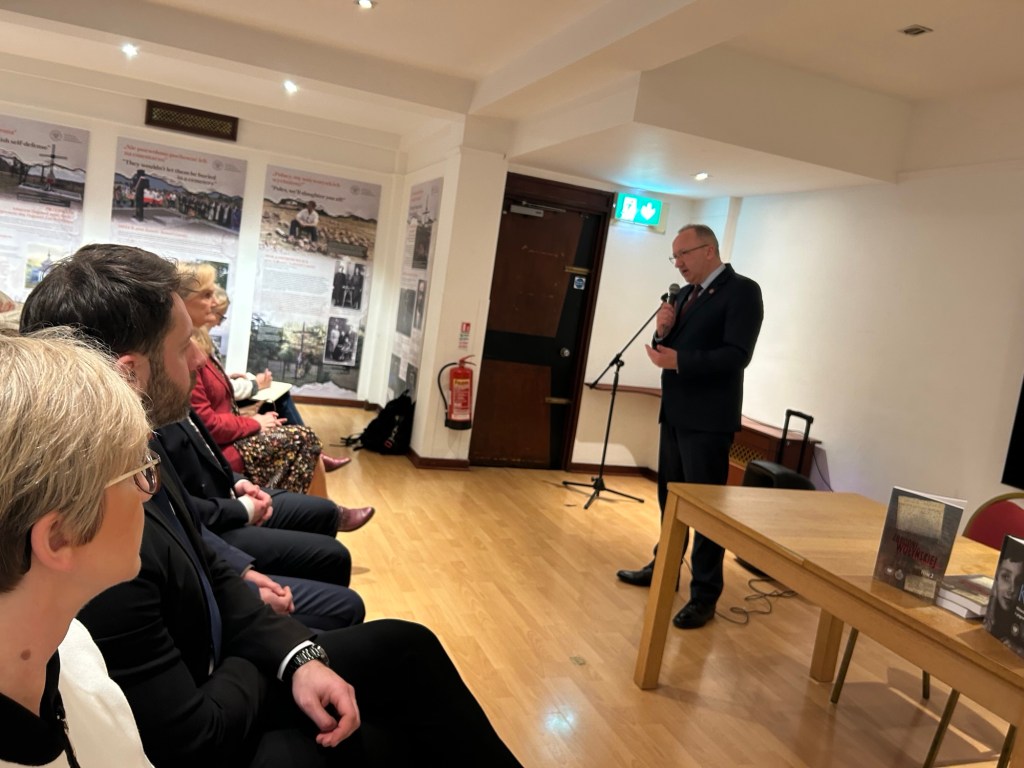
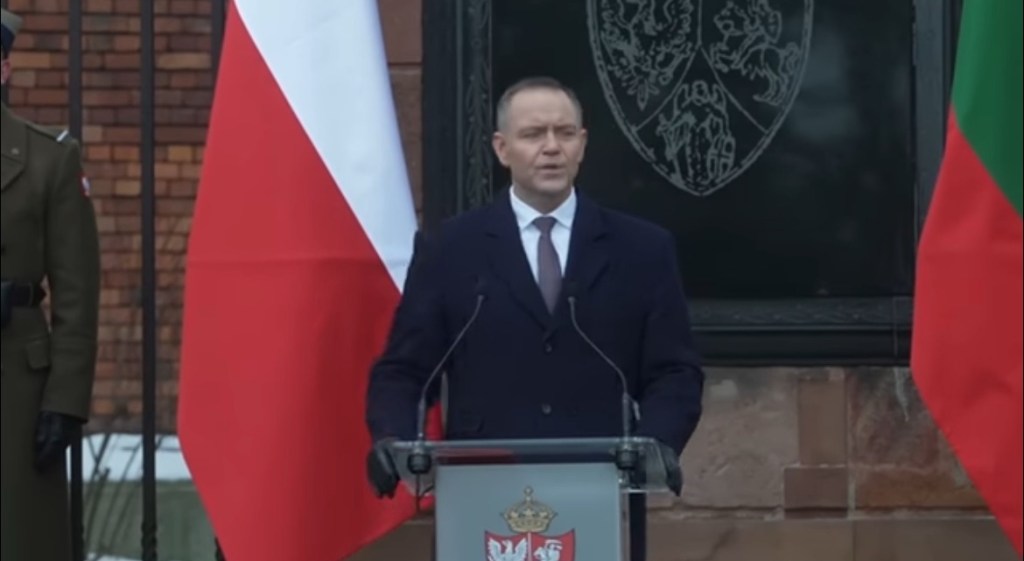
“The Institute of National Remembrance, as an institution of the Polish State, has both a statutory and a moral obligation to find and properly bury the victims of the Volhynia massacre. This is one of our most important tasks. We do this also for future generations, because it is in them that memory must endure,”
– said Dr. hab. Karol Polejowski, Deputy President of the Institute of National Remembrance (IPN), during a meeting with the Polish community in London.
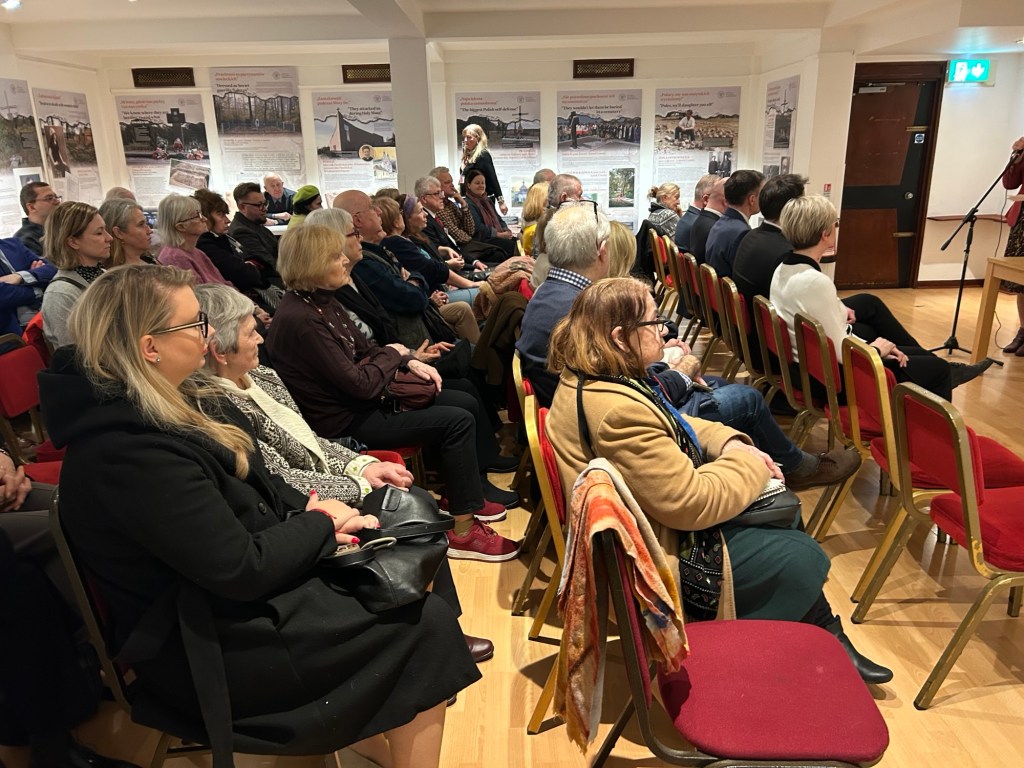
The lecture entitled “The Search for the Victims of the Volhynia Crimes in Ukraine: Problems, Controversies and Perspectives” was the central point of the IPN delegation’s visit to the British capital.
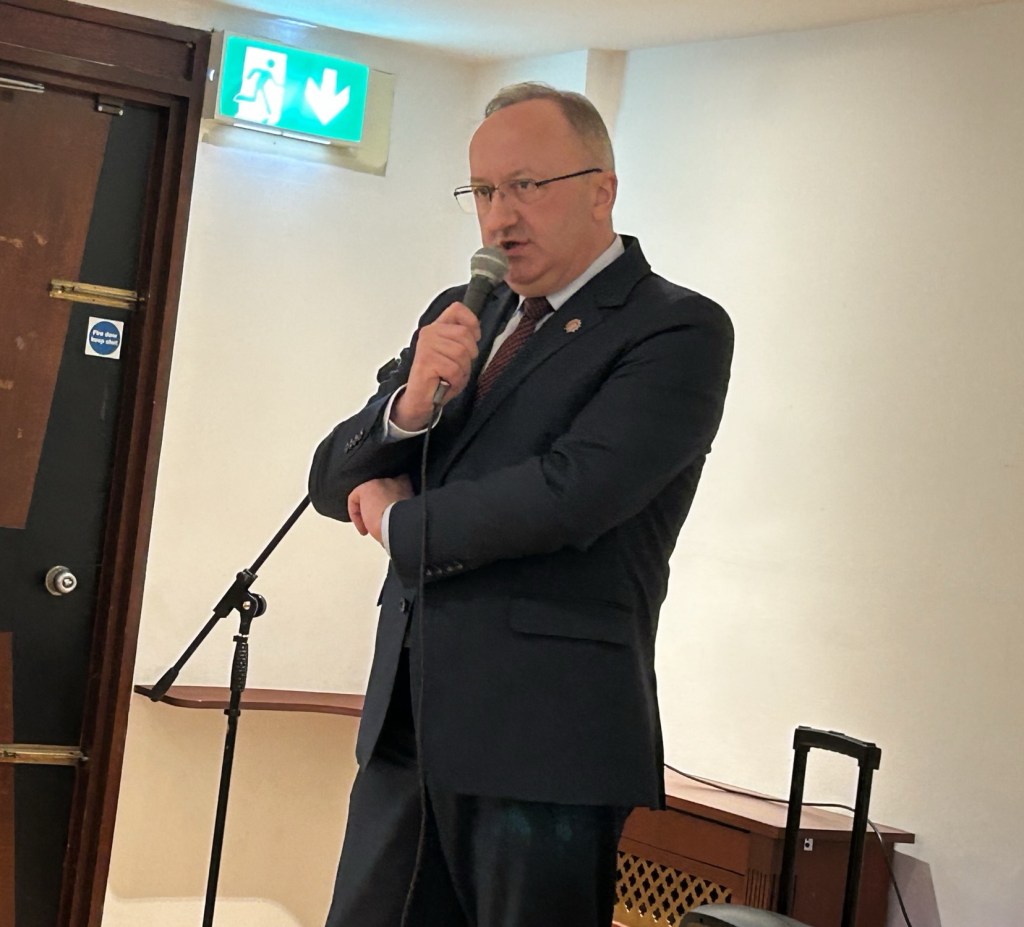
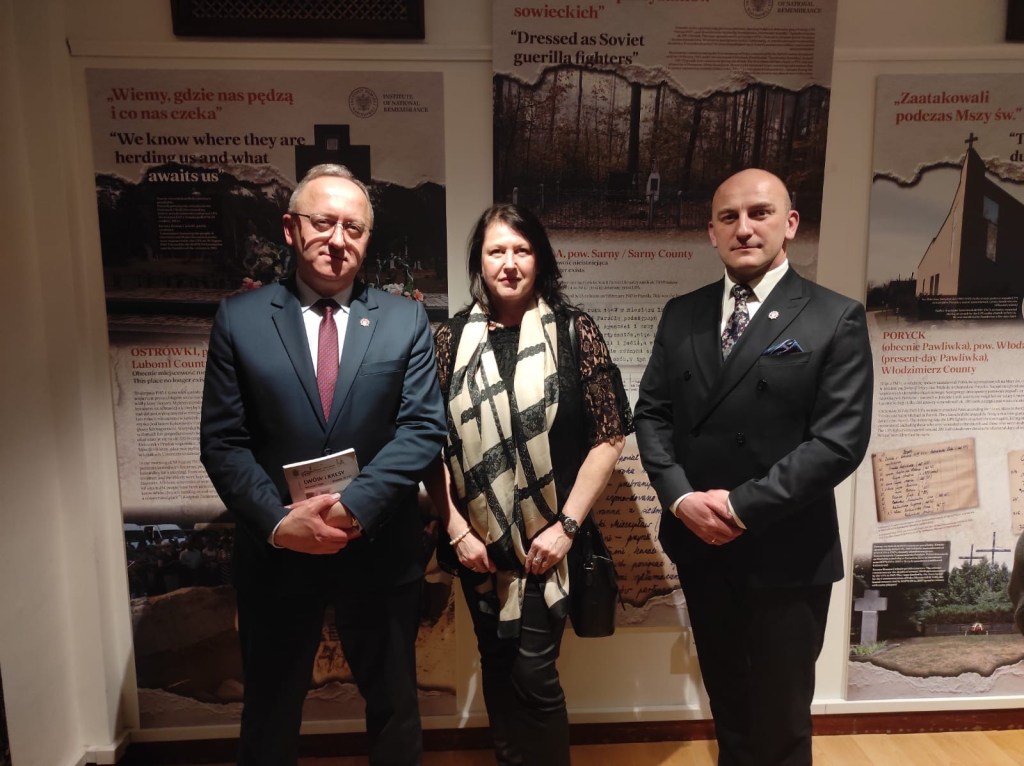
The event was accompanied by the presentation of the exhibition prepared by the Institute of National Remembrance, Lublin Branch, titled “Volhynia 1943. Victims, Testimonies, Places of Memory.”
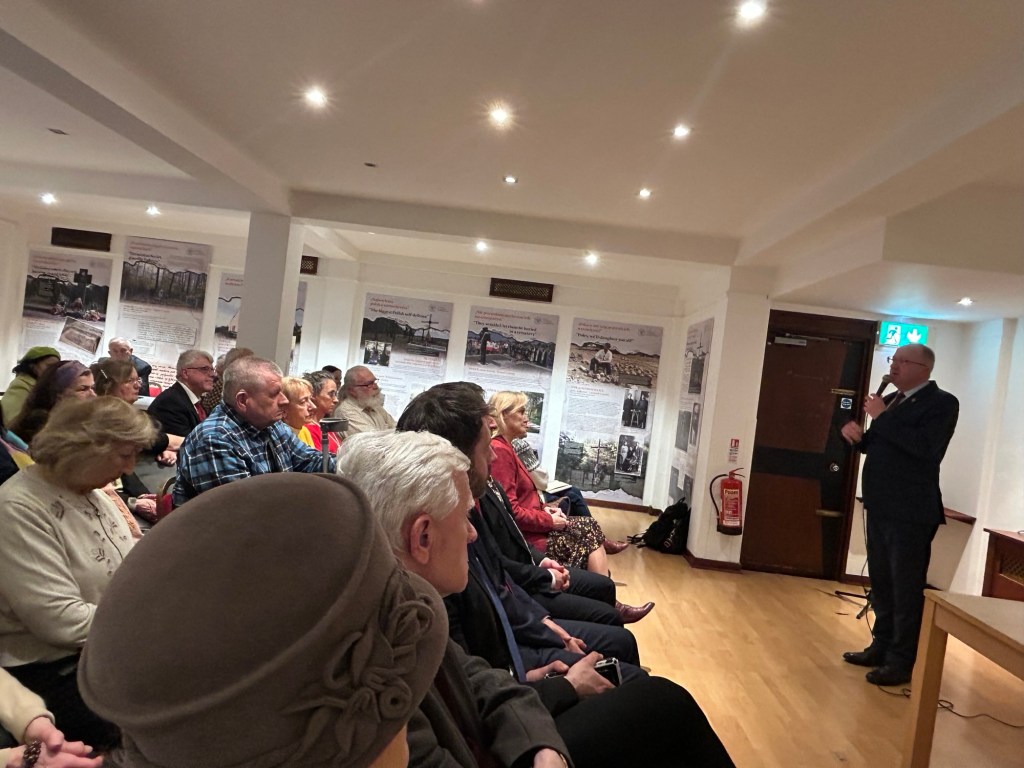
In his address, Dr. Polejowski underlined the clear position of the Polish side regarding the events of 1943–1945:
“Poles were killed because they were Poles – for no other reason.”
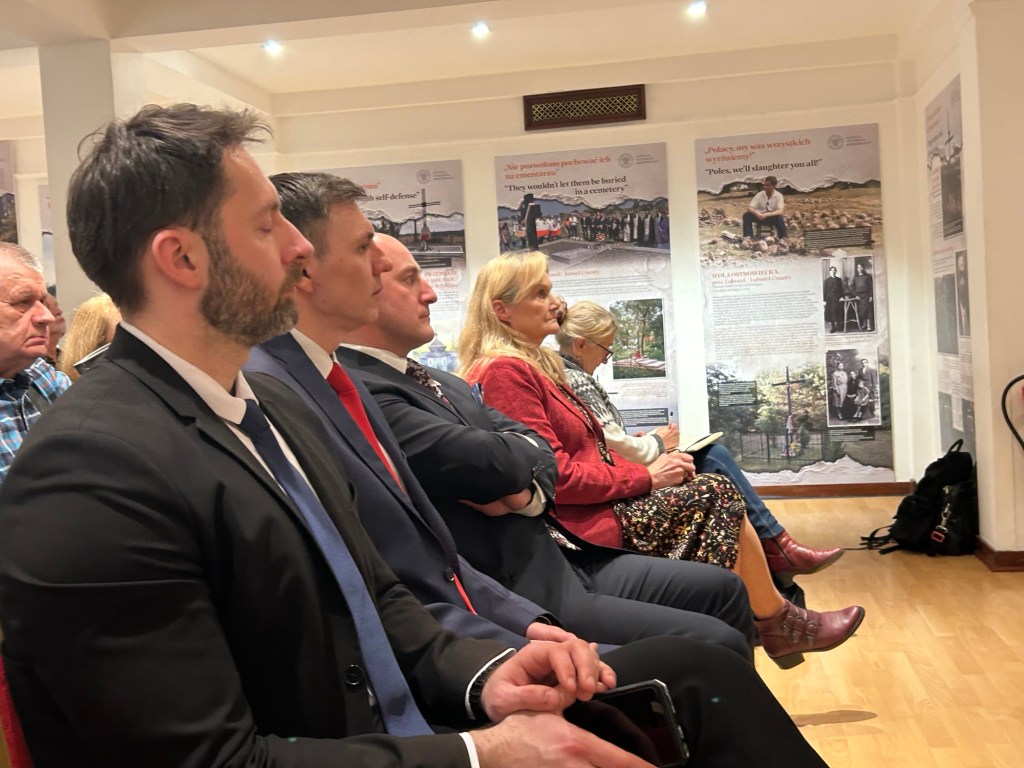
He referred to archival documents and eyewitness testimonies indicating the systematic nature of the crimes:
“Only 2–3 percent of those attacked survived. This was not a spontaneous outbreak of violence.”
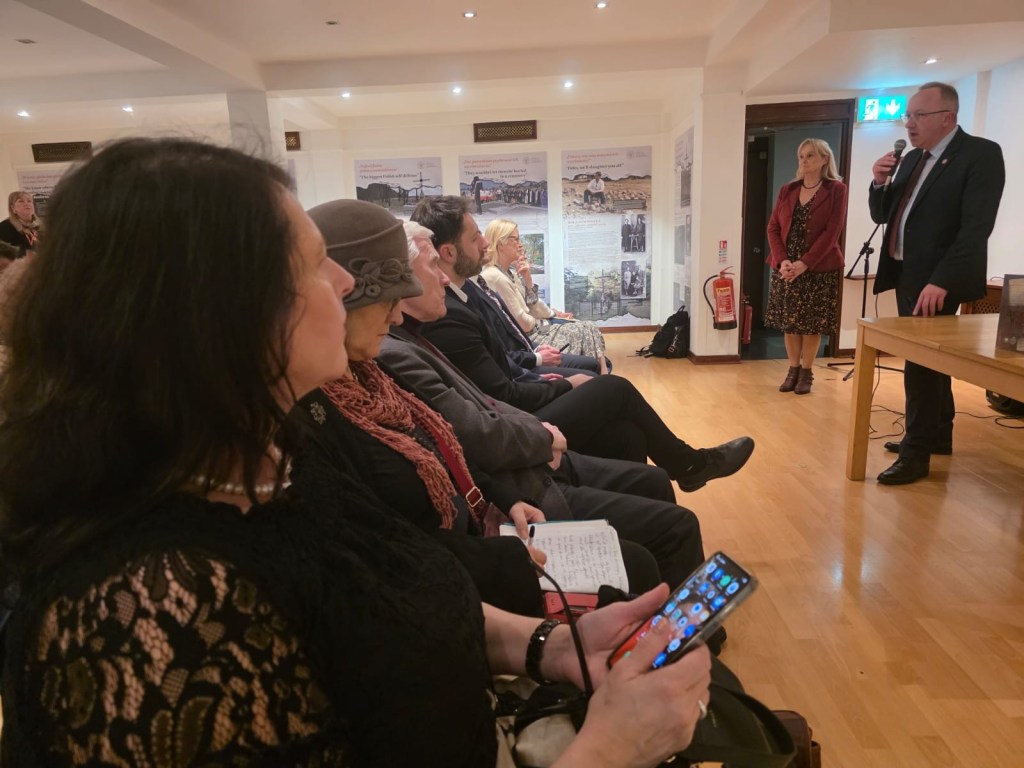
Responding to attempts to marginalise the tragedy, he stated:
“The death of more than 130,000 citizens cannot be described as an ‘episode.’”
At the same time, he emphasised that raising the issue of Volhynia is not intended to fuel hostility, but to build lasting reconciliation based on historical truth:
“True reconciliation requires truth, consent for exhumations, and a dignified burial for the victims.”
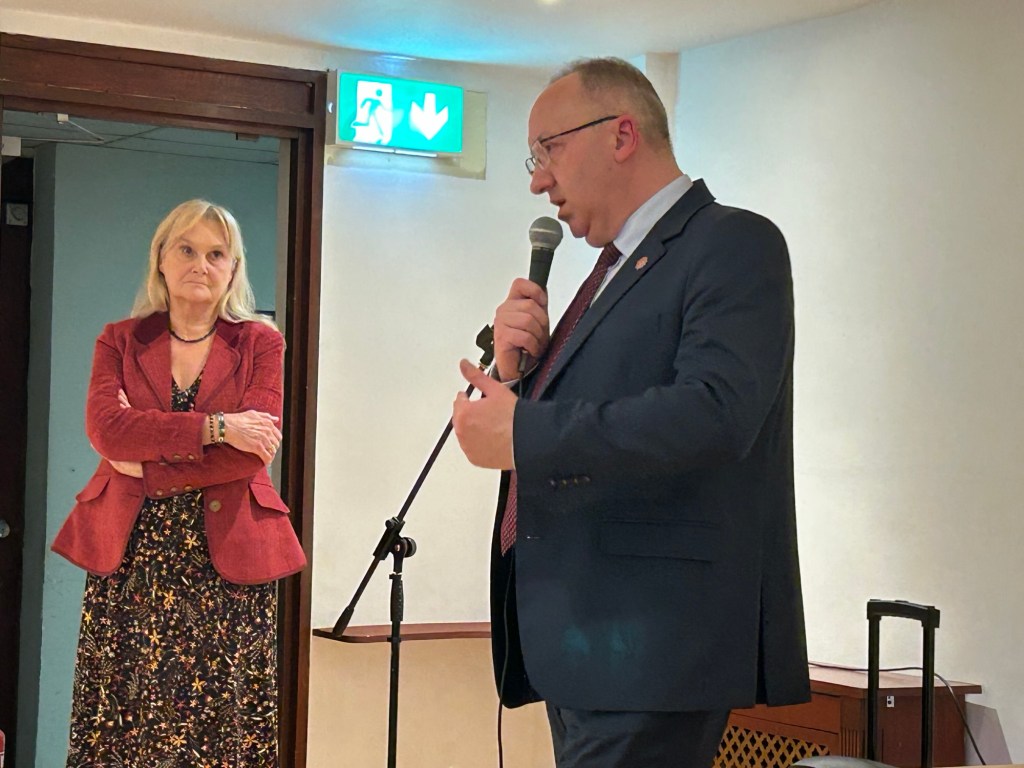
A significant part of the lecture focused on the need for continued search and exhumation efforts.
“For the families of the victims, one thing matters most – to find the remains of their loved ones and to be able to light a candle at a real grave.”
Dr. Polejowski also pointed out that unresolved historical issues can be exploited politically:
“Until this problem is resolved systemically, it will continue to be used by those who seek to divide Poles and Ukrainians.”
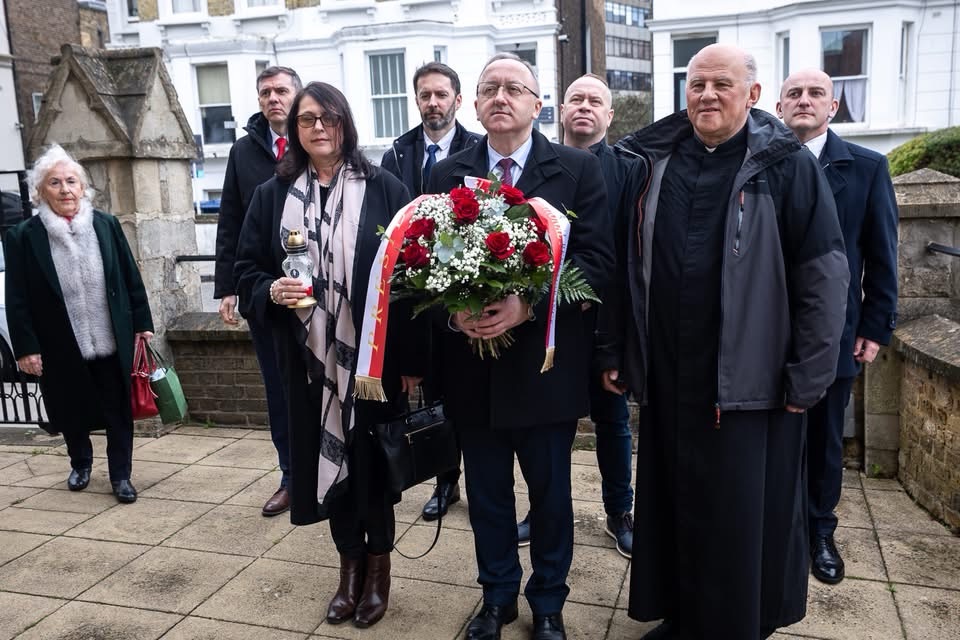
During the two-day visit, the IPN delegation also paid tribute to distinguished Polish figures.
Among other commemorative acts, flowers were laid at the General Józef Haller Memorial Plaque.
The ceremony was attended by Iwona Golińska, President of the Polish Sue Association.
The visit of the IPN delegation to London was an important moment for the Polish community.
The meeting provided space for a serious and substantive discussion about history – one that connects remembrance with responsibility for the future.
Text: POLISH SUE
Photos: POLISH SUE, IPN
 Polish Sue
Leave a comment