On 1 March, Poland commemorates the heroes of the anti-communist underground who refused to surrender their dream of a free and sovereign homeland after 1945.
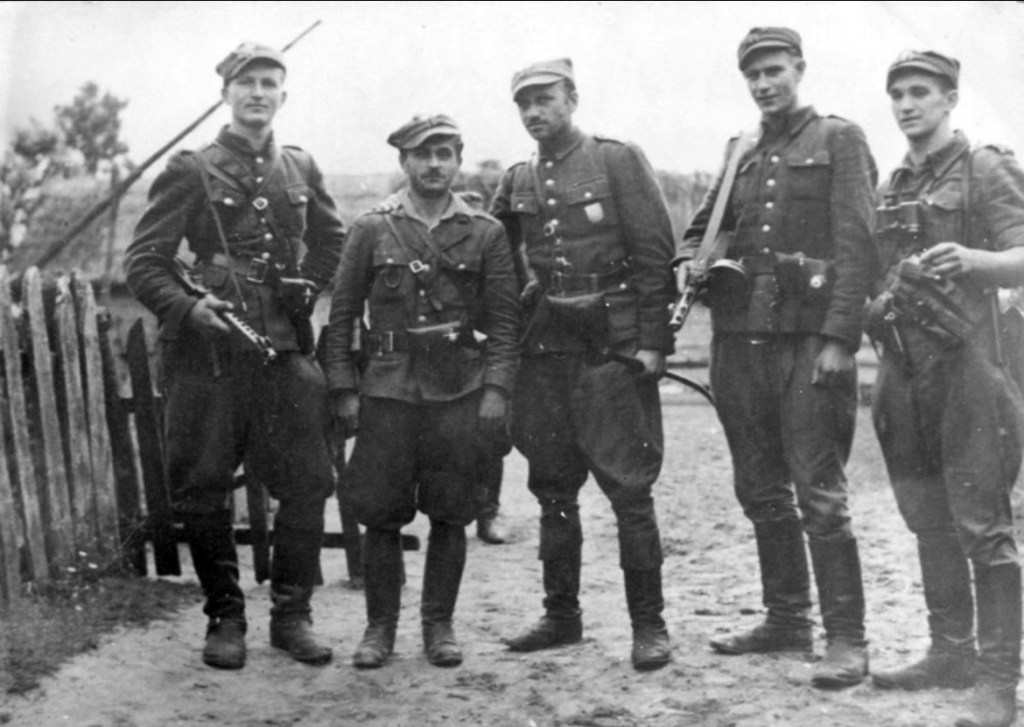
Who Were the “Cursed Soldiers”?
After Nazi Germany was defeated, Poland did not regain true independence. The advancing Soviet Union imposed a communist regime loyal to Moscow.
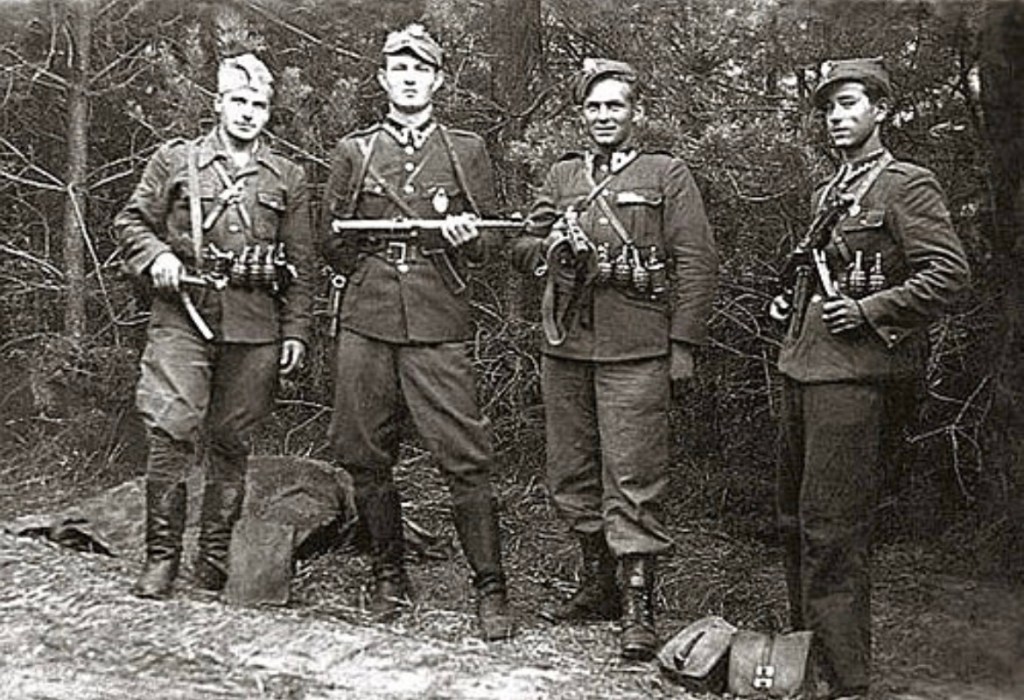
Thousands of former soldiers of the Armia Krajowa (Home Army) and other resistance groups refused to recognise this new occupation. Branded “bandits” and “enemies of the state” by the communist authorities, they continued underground resistance — fighting for the Poland they had sworn to defend.
They became known as the Żołnierze Wyklęci – the “Cursed Soldiers.”
Why 1 March?
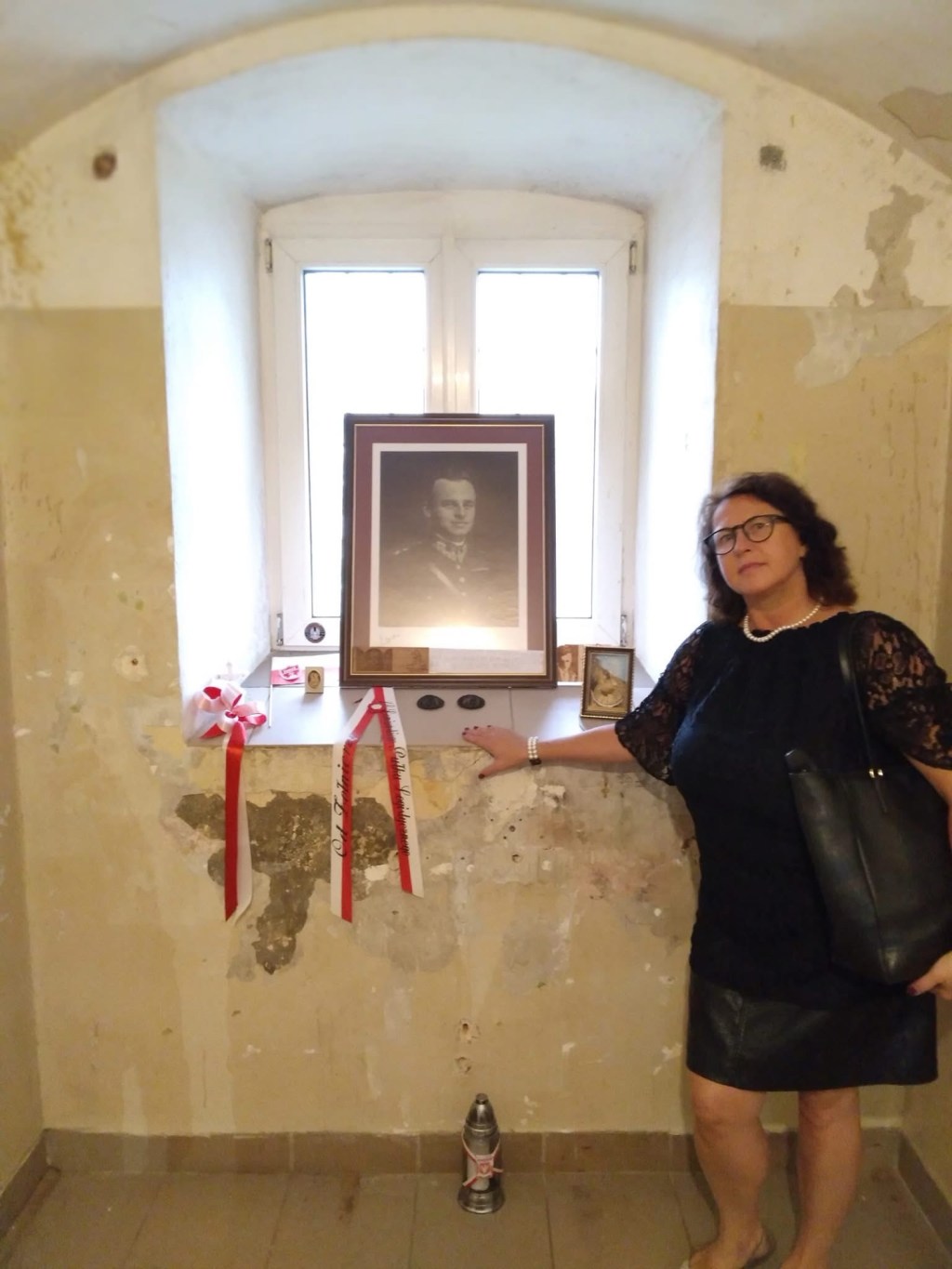
The date marks the 1951 execution of leaders of the IV Headquarters of the Freedom and Independence organisation (WiN) in Warsaw’s Mokotów prison — a symbol of the communist regime’s attempt to erase the last organised resistance.
For decades under communism, their stories were silenced. Many were buried in unmarked graves. Their families faced persecution. Only after 1989 could their names and sacrifices be publicly restored.
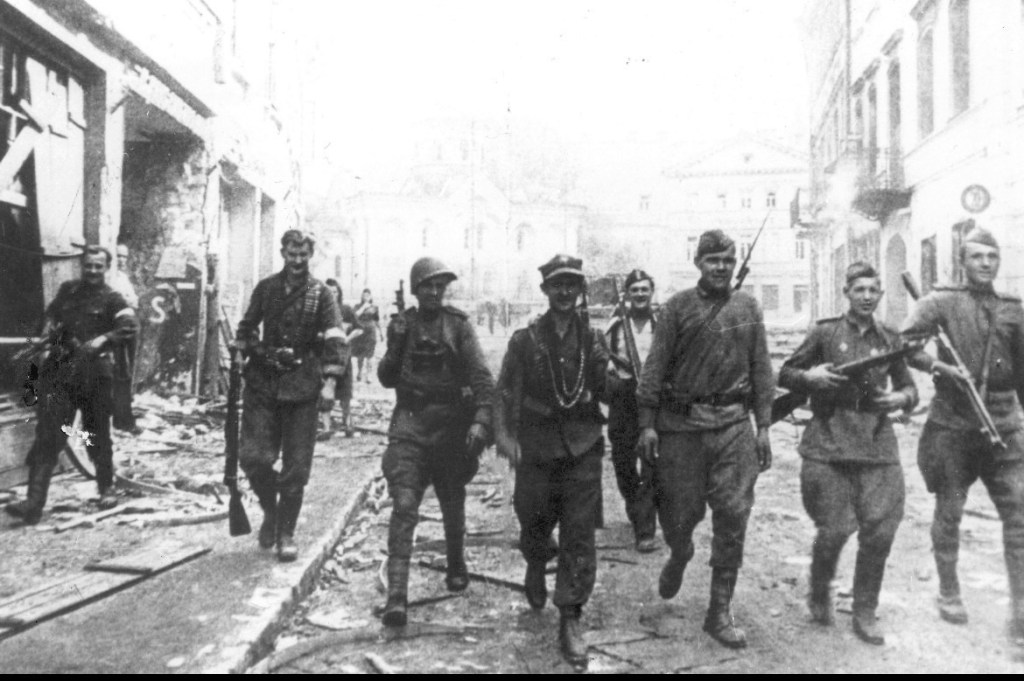
Memory and Responsibility
Today, Poland honours these men and women as part of its enduring struggle for independence — a reminder that freedom is not given, but defended.
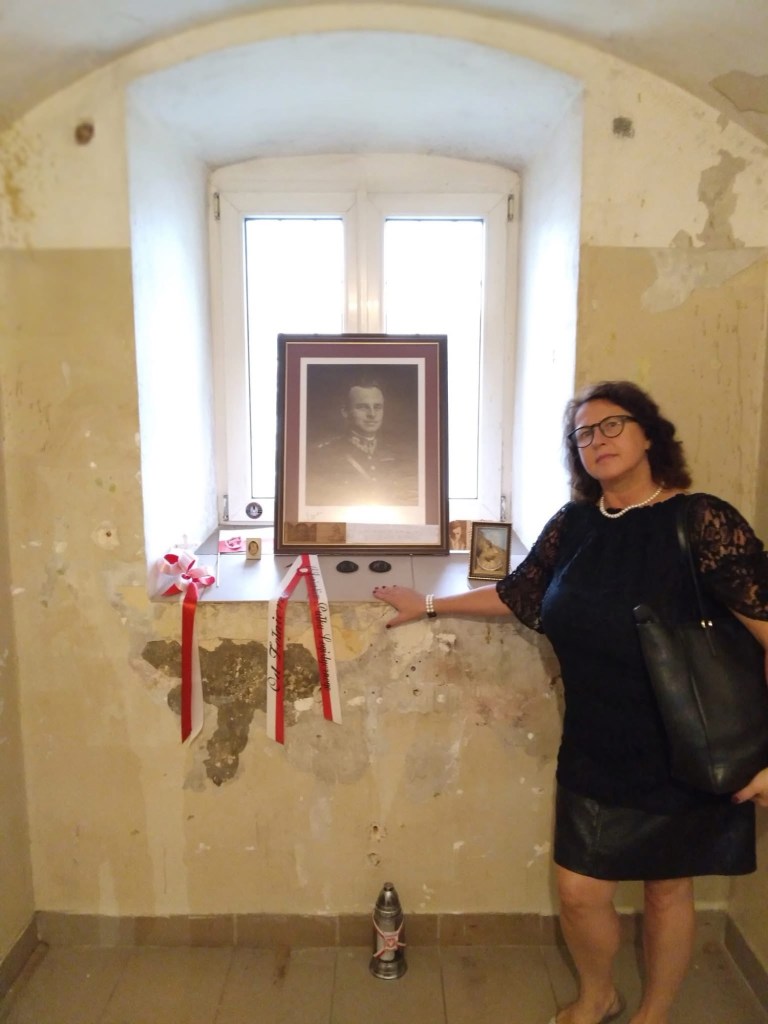
At Polish Sue Association, we stand in remembrance of all those who remained faithful to the oath of “God, Honour, Fatherland.” We encourage everyone to learn more about this powerful and often overlooked chapter of European history.
🔗 Read more here:
Text: Polish Sue
 Polish Sue
Leave a comment