
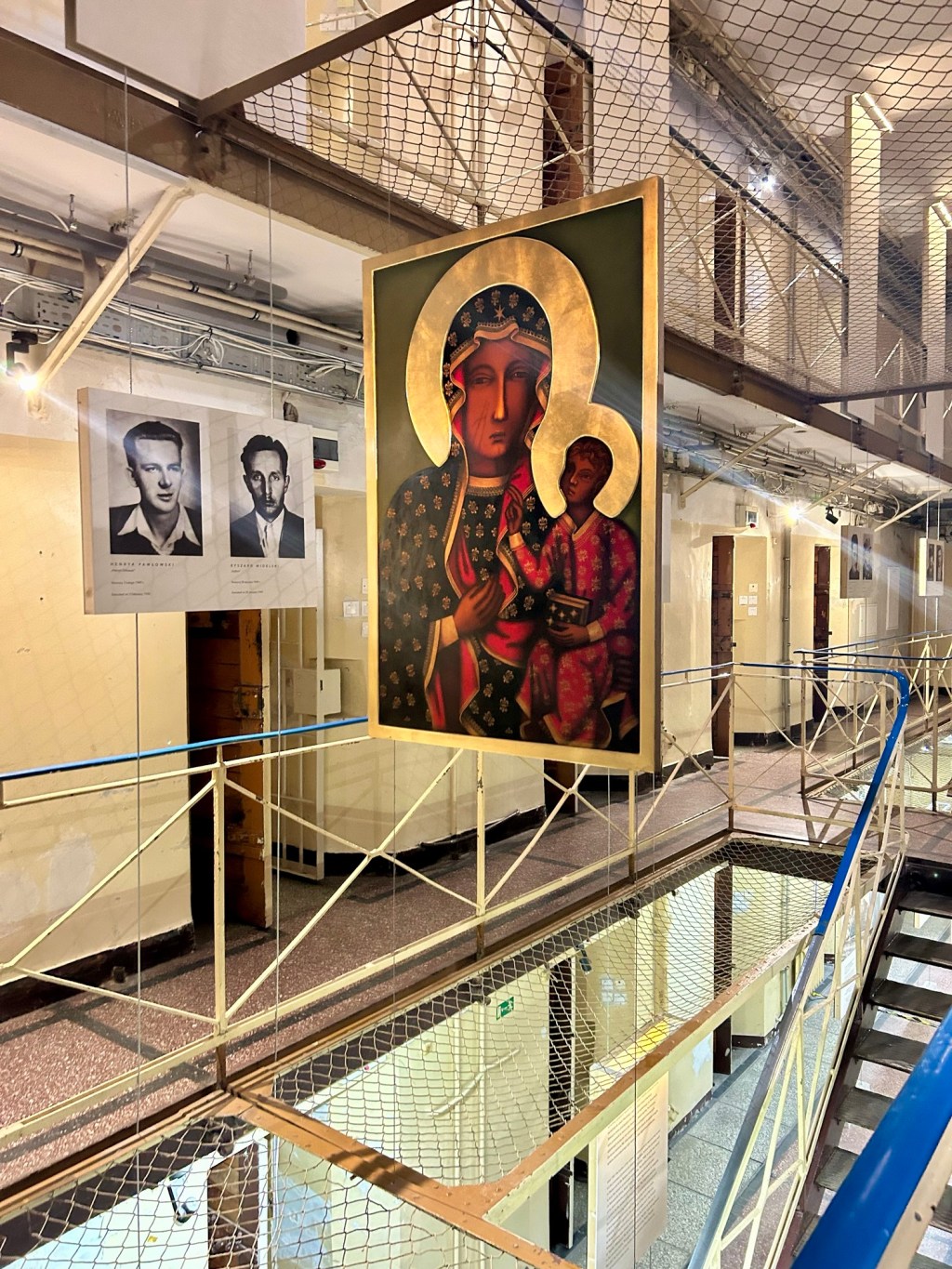

Muzeum Żołnierzy Wyklętych i Więźniów Politycznych PRL przy ul. Rakowieckiej 37 w Warszawie to wyjątkowe miejsce, które upamiętnia bohaterów walczących o wolność Polski w latach okupacji niemieckiej, komunistycznego terroru i PRL.
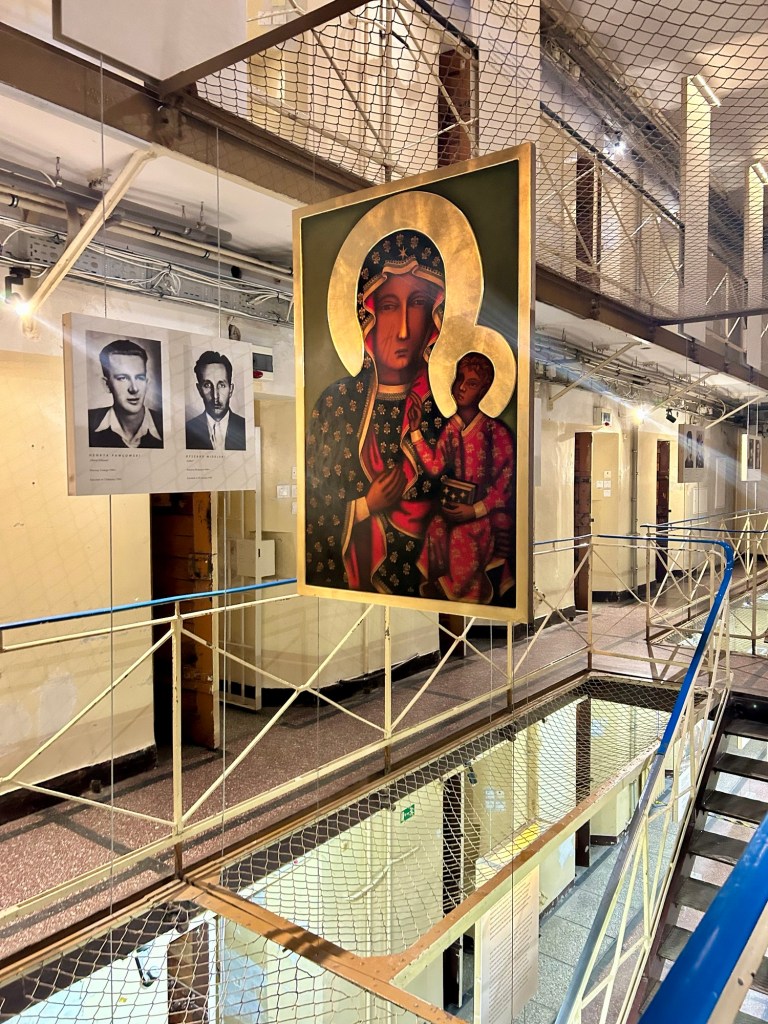
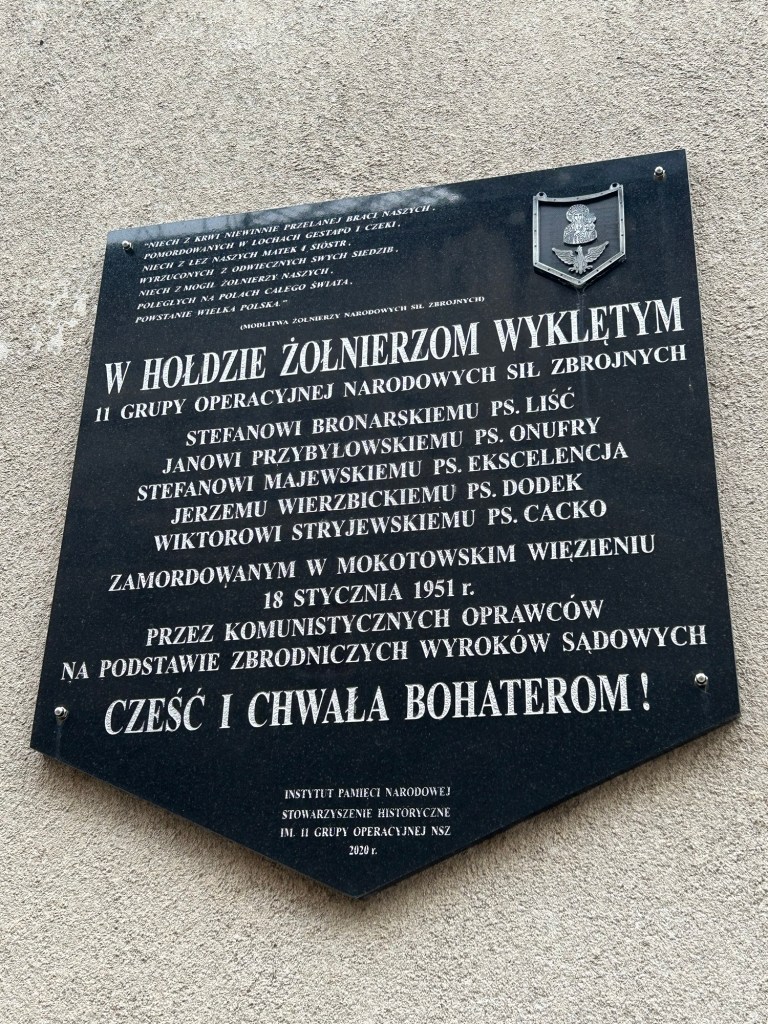
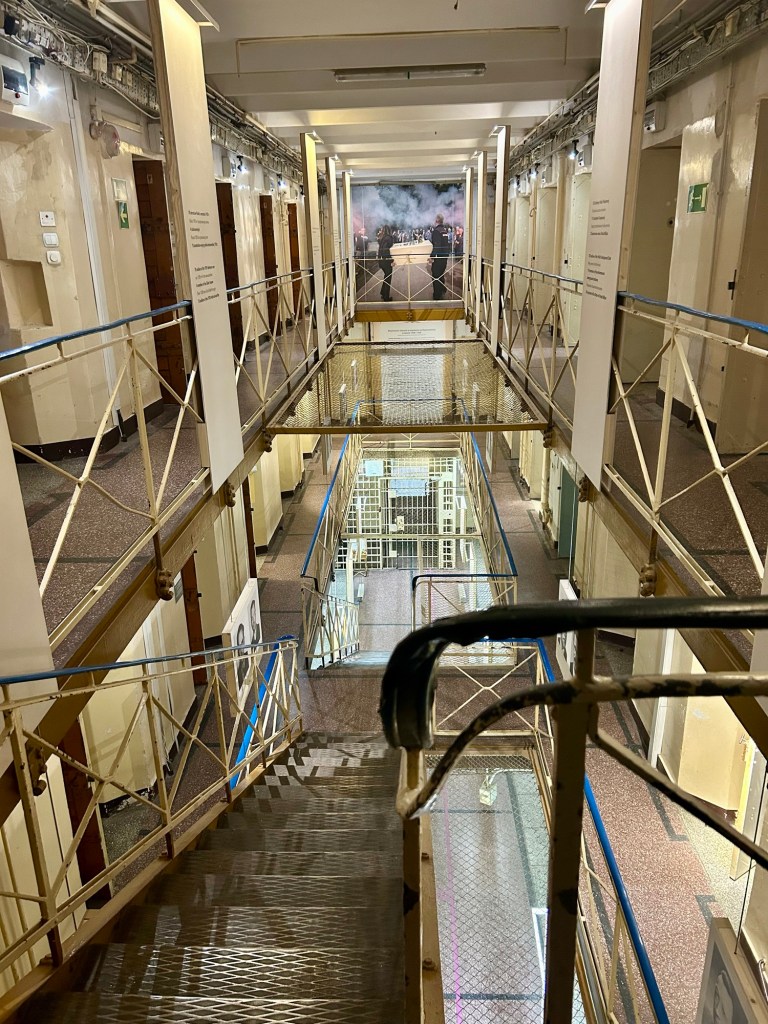
Muzeum znajduje się w historycznym budynku dawnego więzienia mokotowskiego, który przez dziesięciolecia był miejscem kaźni i prześladowań żołnierzy podziemia niepodległościowego, w tym Żołnierzy Wyklętych.
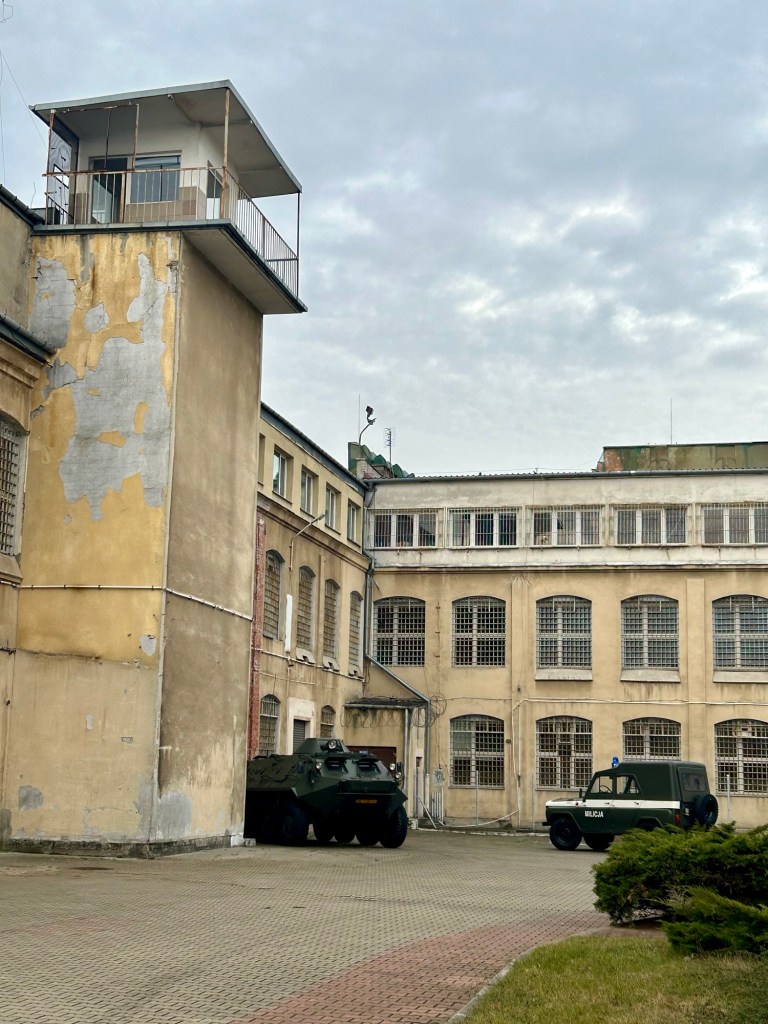
Więzienie na Rakowieckiej powstało w 1904 roku w czasach zaborów, jako zakład karny przeznaczony dla więźniów politycznych i kryminalnych.
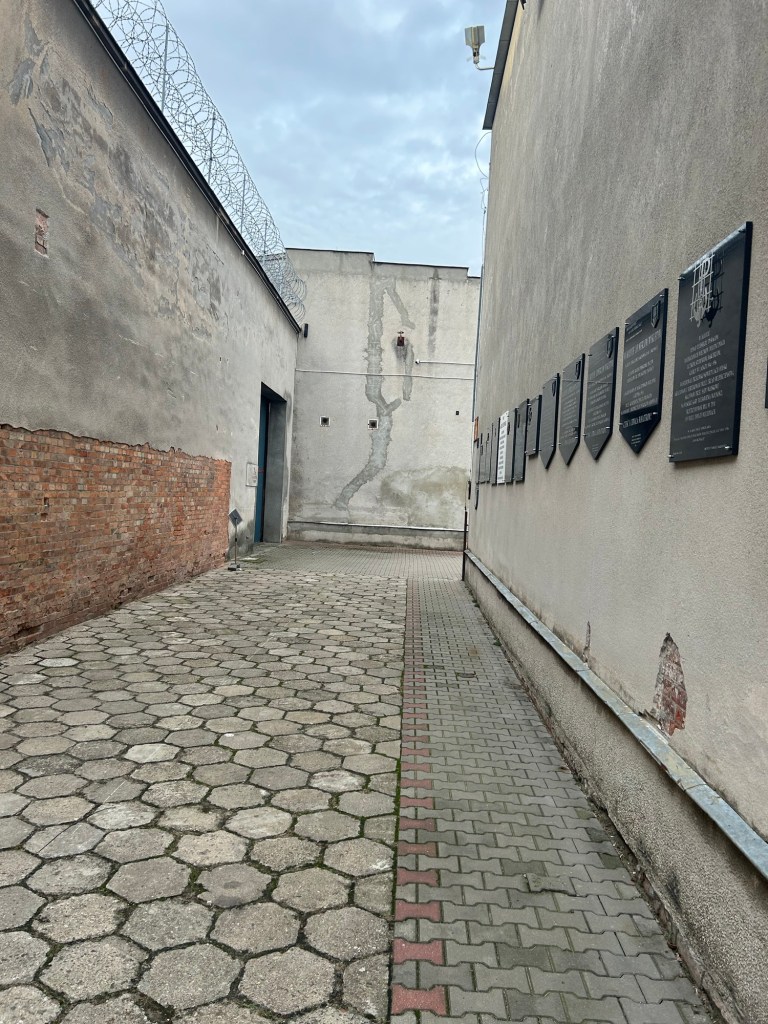
Po II wojnie światowej stało się symbolem komunistycznych represji. W latach 1945–1956 przetrzymywano tu tysiące osób związanych z polskim podziemiem antykomunistycznym. Wiele z nich, jak rotmistrz Witold Pilecki czy generał August Emil Fieldorf „Nil”, zostało zamordowanych na terenie więzienia.

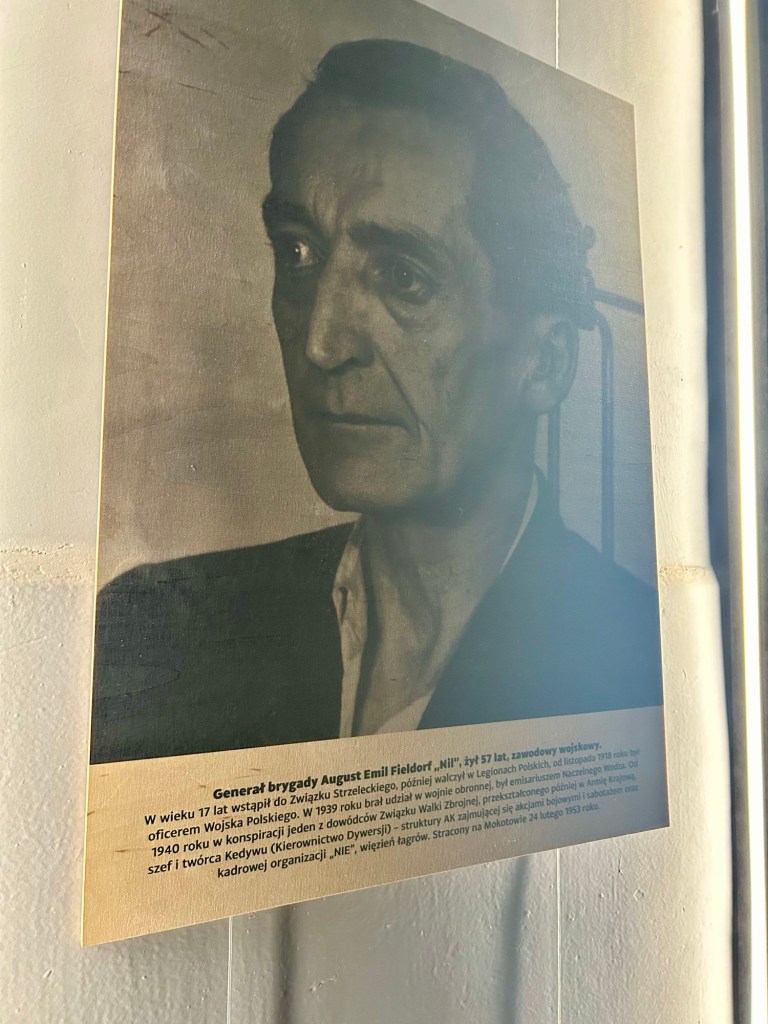
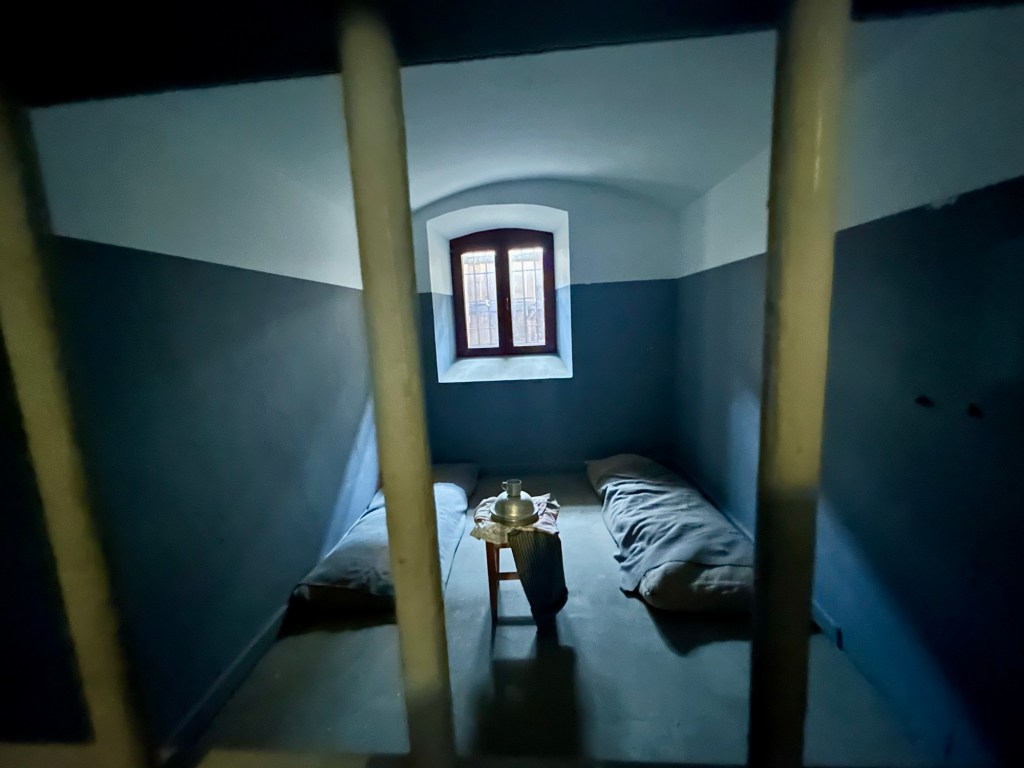
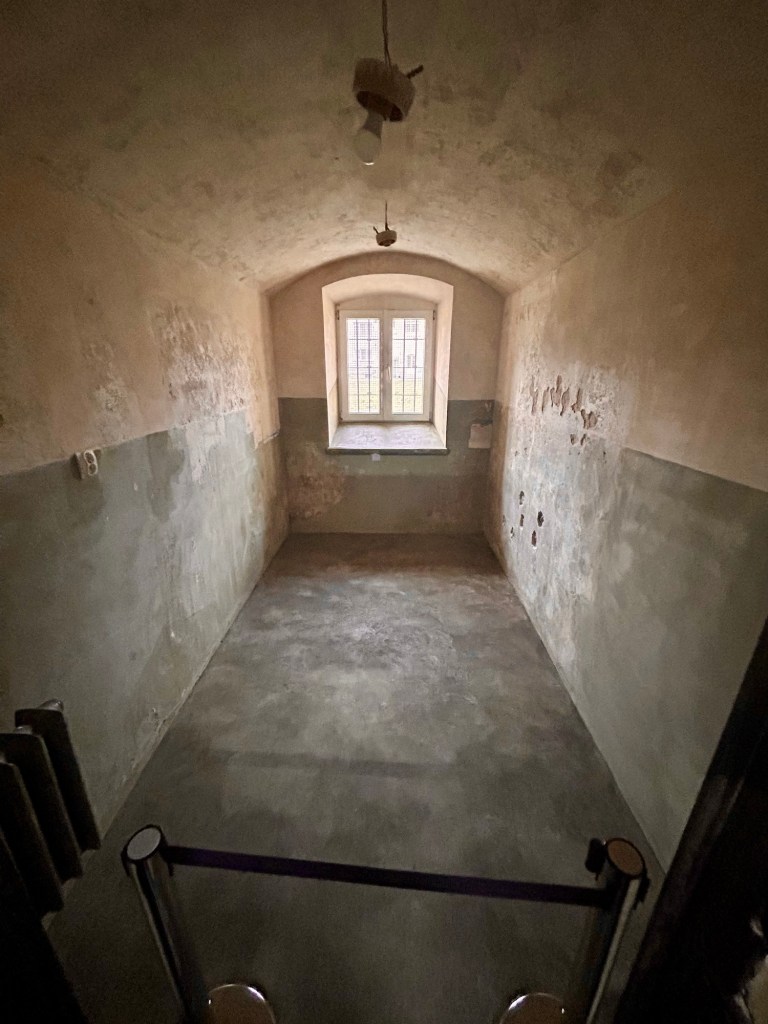
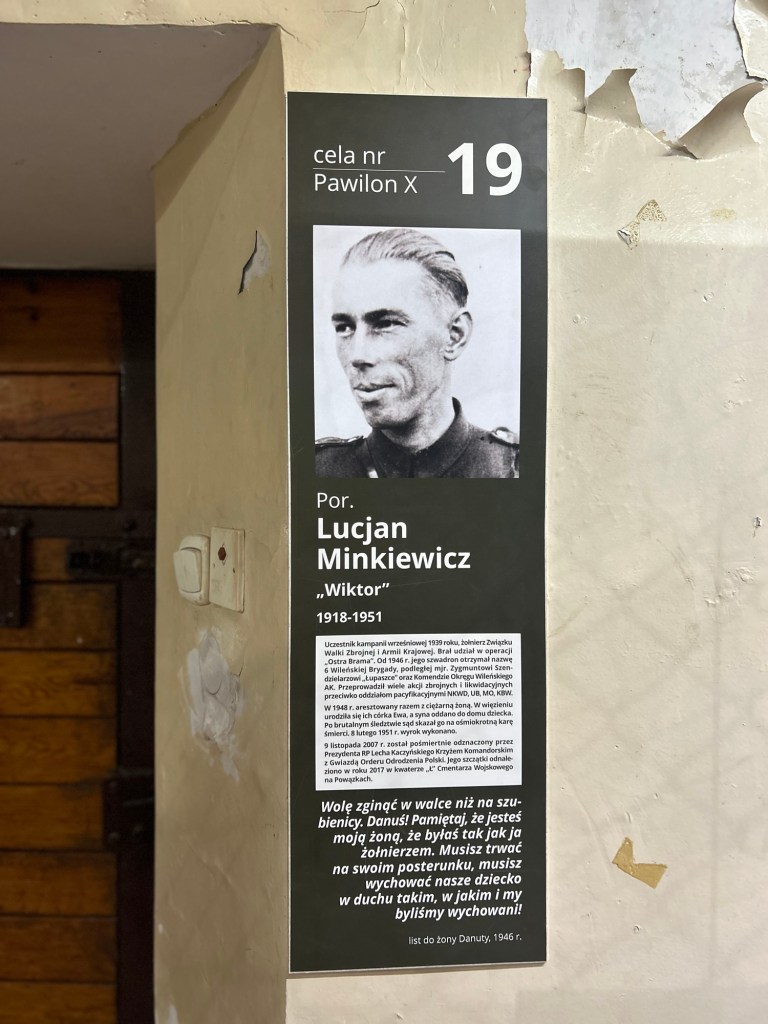
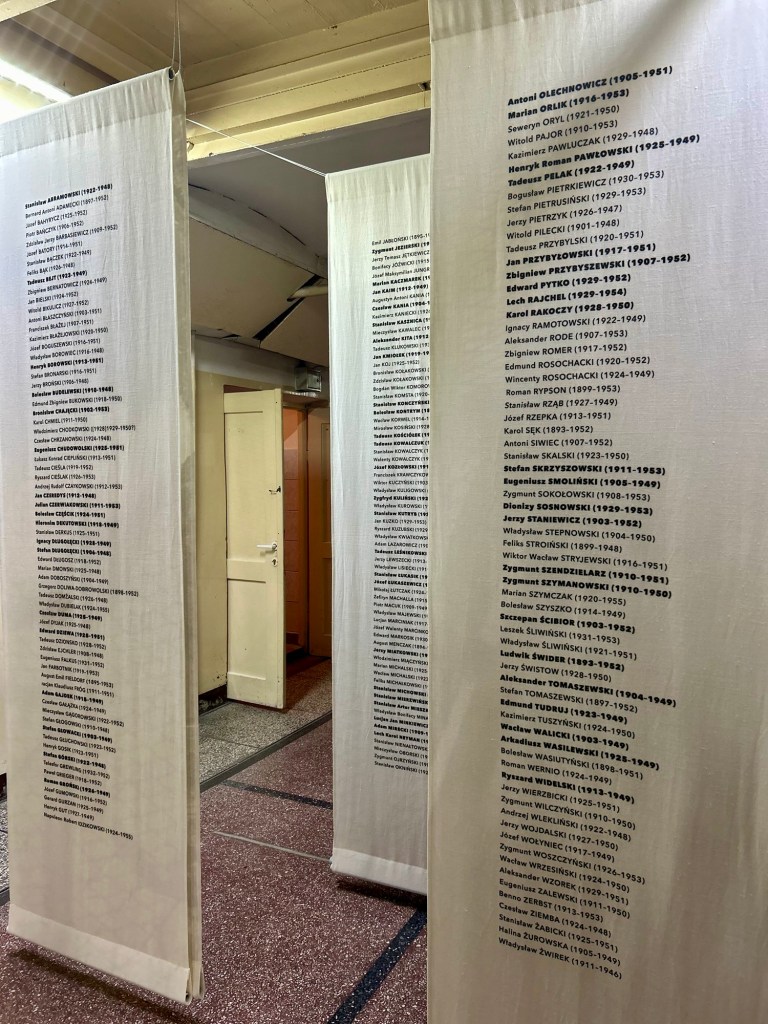
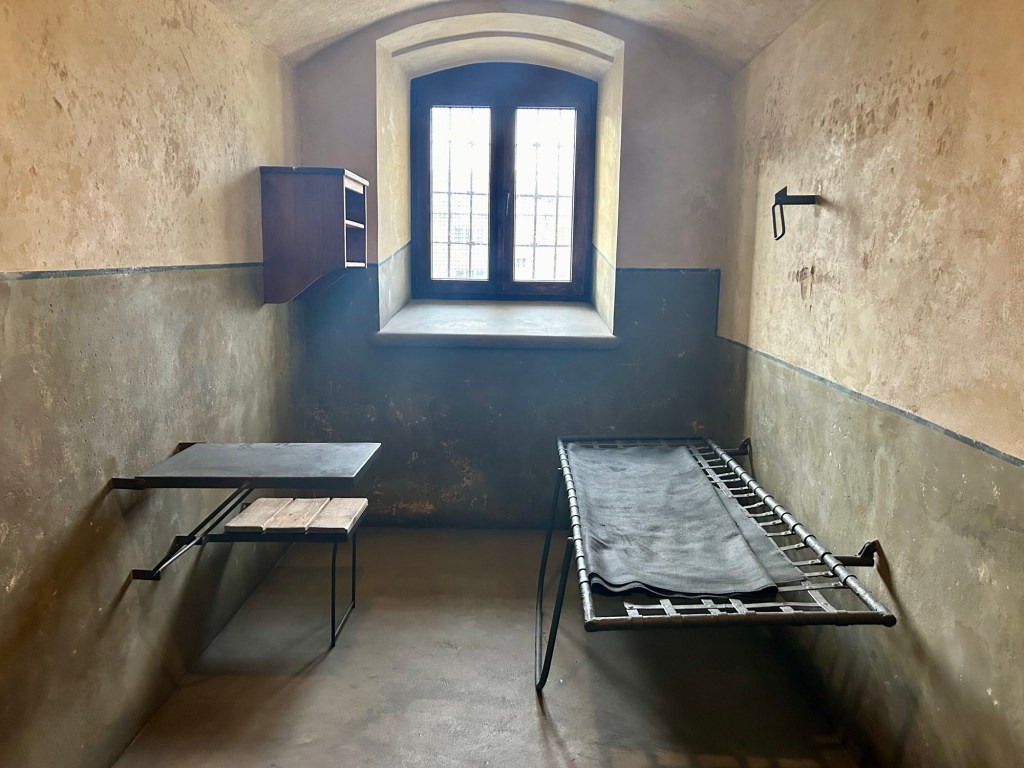
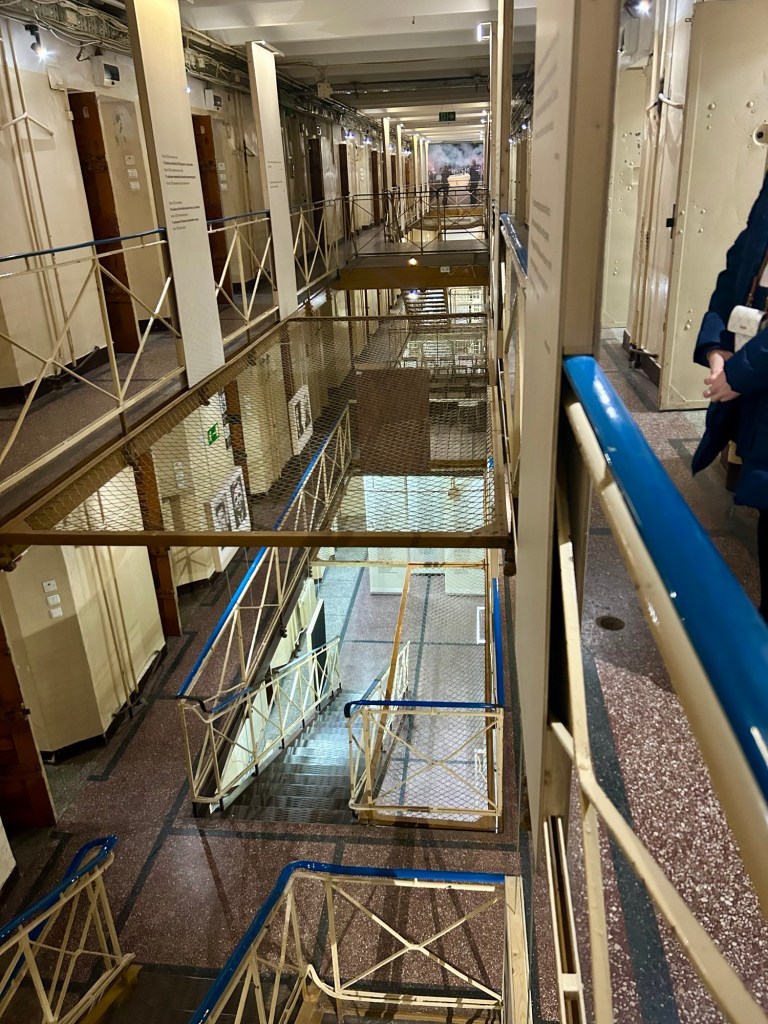
To tutaj męczono i mordowano patriotów i bohaterów walk o wolność i niepodległość Polski – po sfingowanych procesach. Jednym z nich był proces trzech komandorów: kmdr. por. Zbigniewa Przybyszewskiego, kmdr. Stanisława Mieszkowskiego i kmdr. Jerzego Staniewicza, którzy zostali zamordowani w tym więzieniu o których pisaliśmy. Więcej informacji znajdziecie na linku:
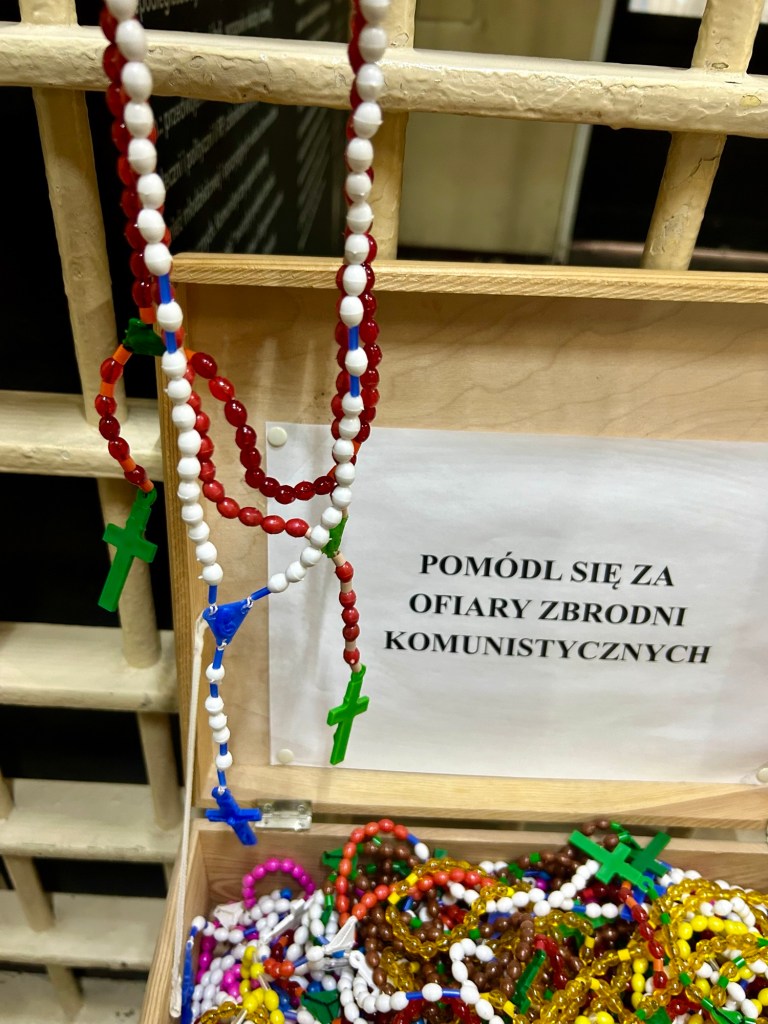
Muzeum powstało w 2016 roku, aby zachować pamięć o ofiarach totalitaryzmu i oddać hołd tym, którzy walczyli o wolność. Ekspozycja obejmuje cele więzienne z oryginalnym wyposażeniem, pozwalające poczuć atmosferę tamtych tragicznych czasów.
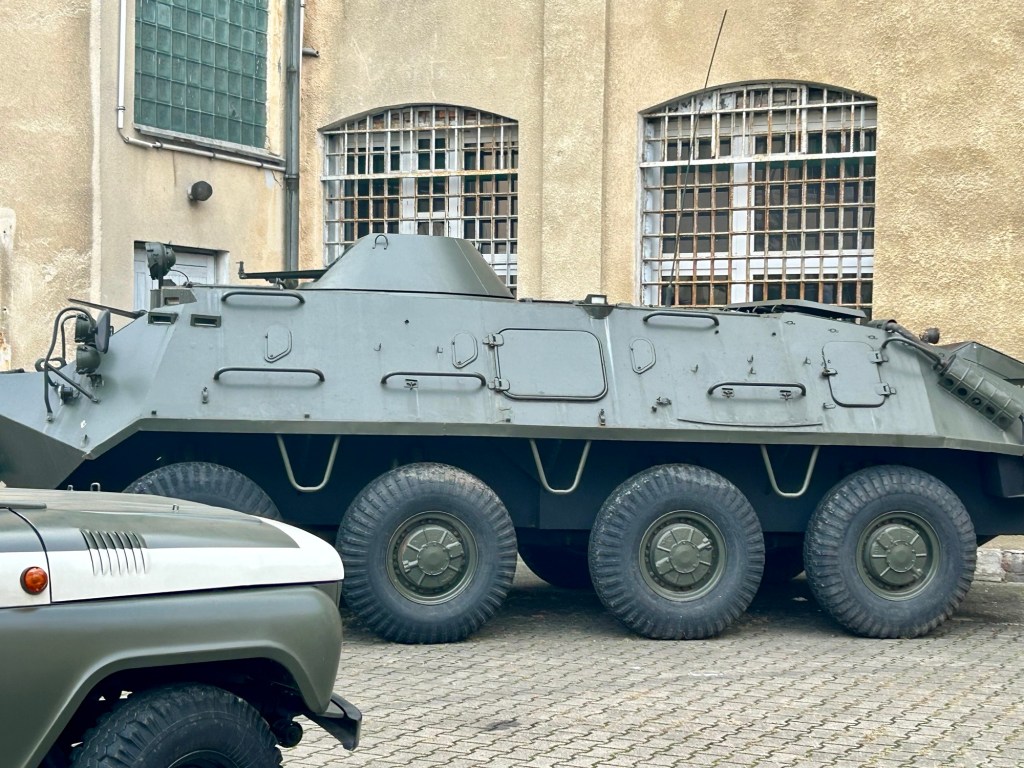
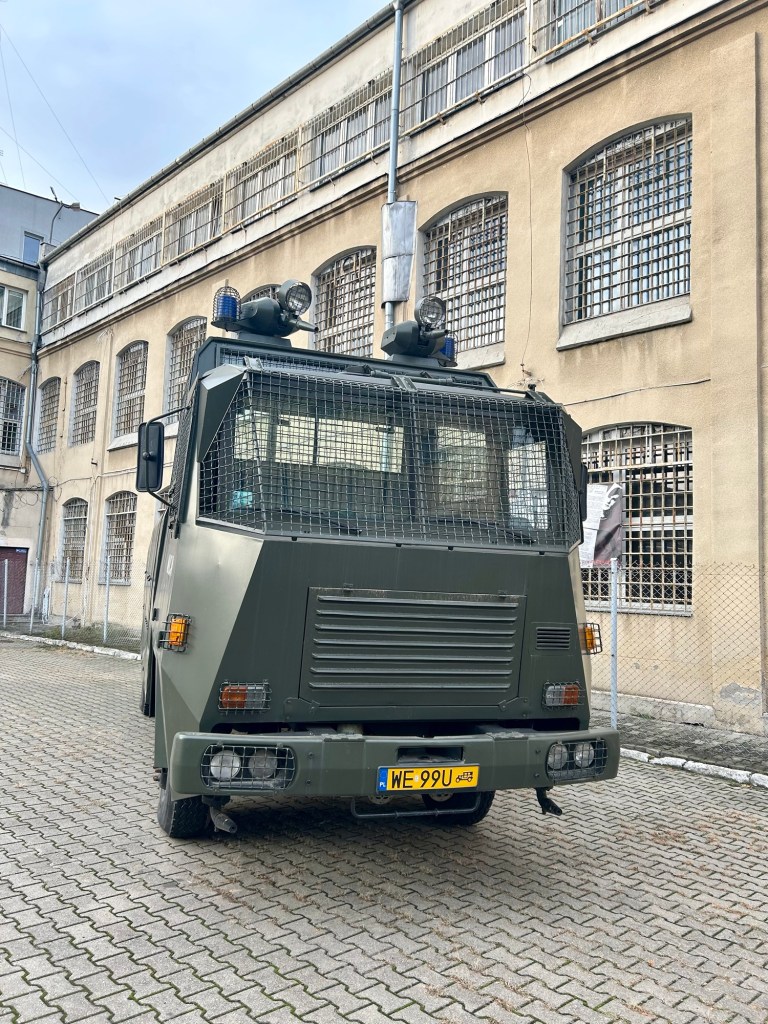
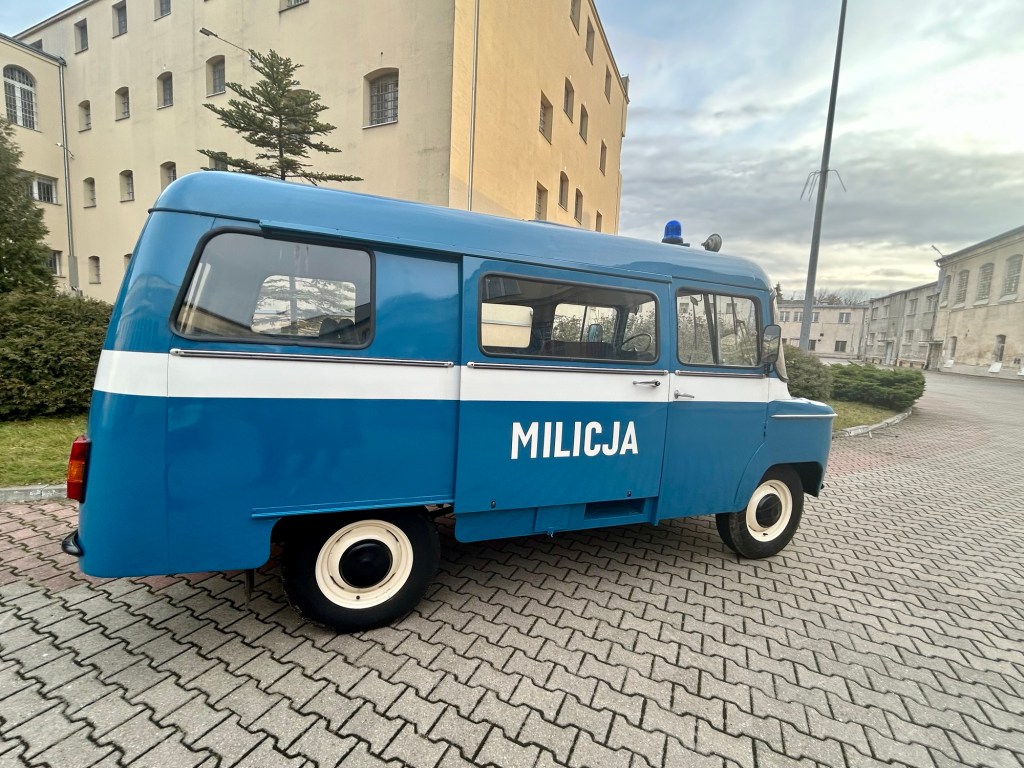
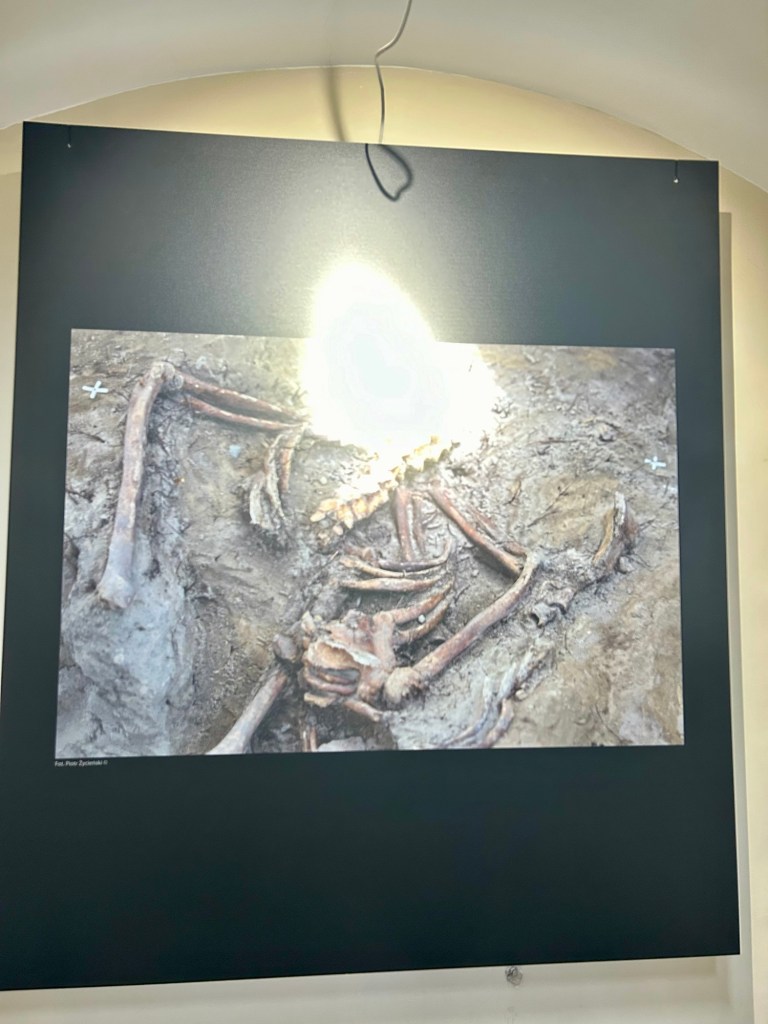
Znajdują się tutaj również pamiątki po Żołnierzach Wyklętych, takie jak osobiste przedmioty, dokumenty, listy czy fotografie oraz multimedialne prezentacje, które ukazują historie poszczególnych bohaterów, ich walkę oraz losy w więzieniu.
Najbardziej przejmującym miejscem jest miejsce straceń – szczególna przestrzeń, gdzie wykonywano wyroki śmierci.
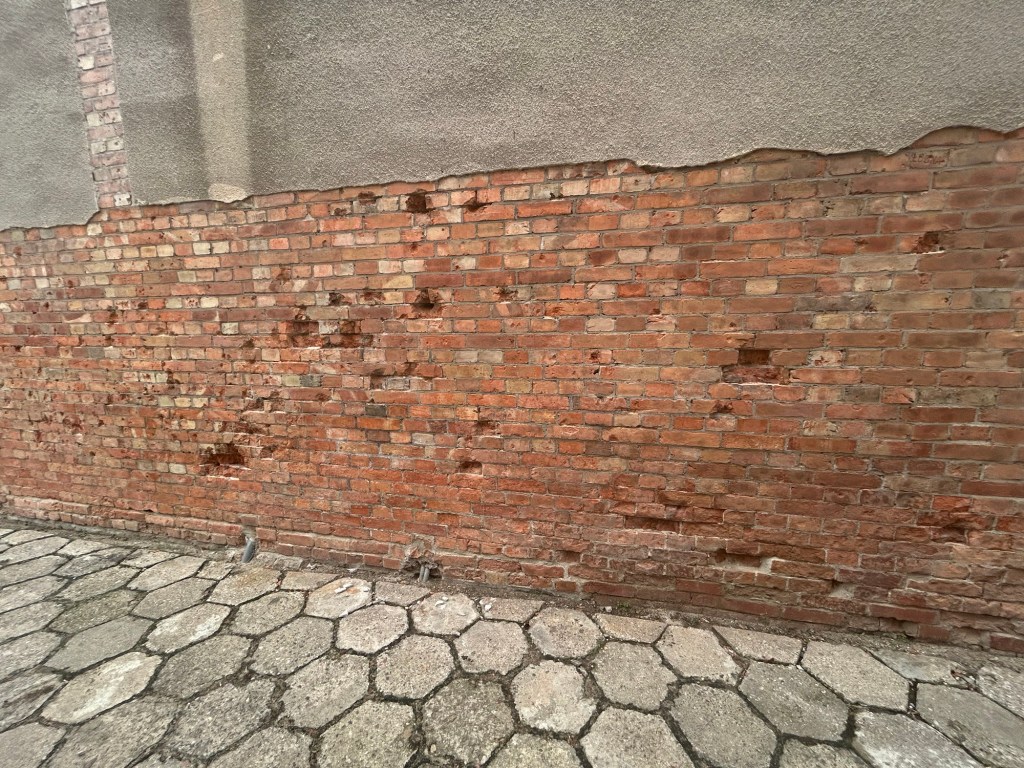
Muzeum organizuje liczne wydarzenia edukacyjne, warsztaty, spotkania z historykami i rodzinami ofiar, a także wystawy czasowe. Jego celem jest nie tylko dokumentowanie historii, ale również edukacja młodych pokoleń na temat wartości takich jak wolność, patriotyzm i honor.
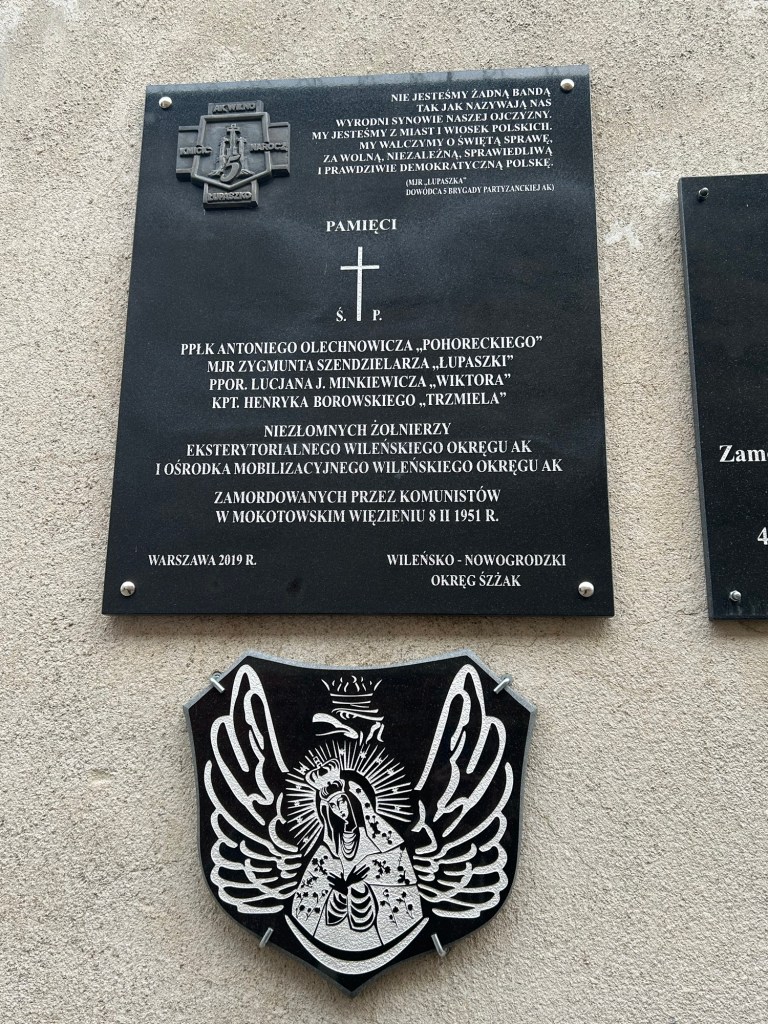
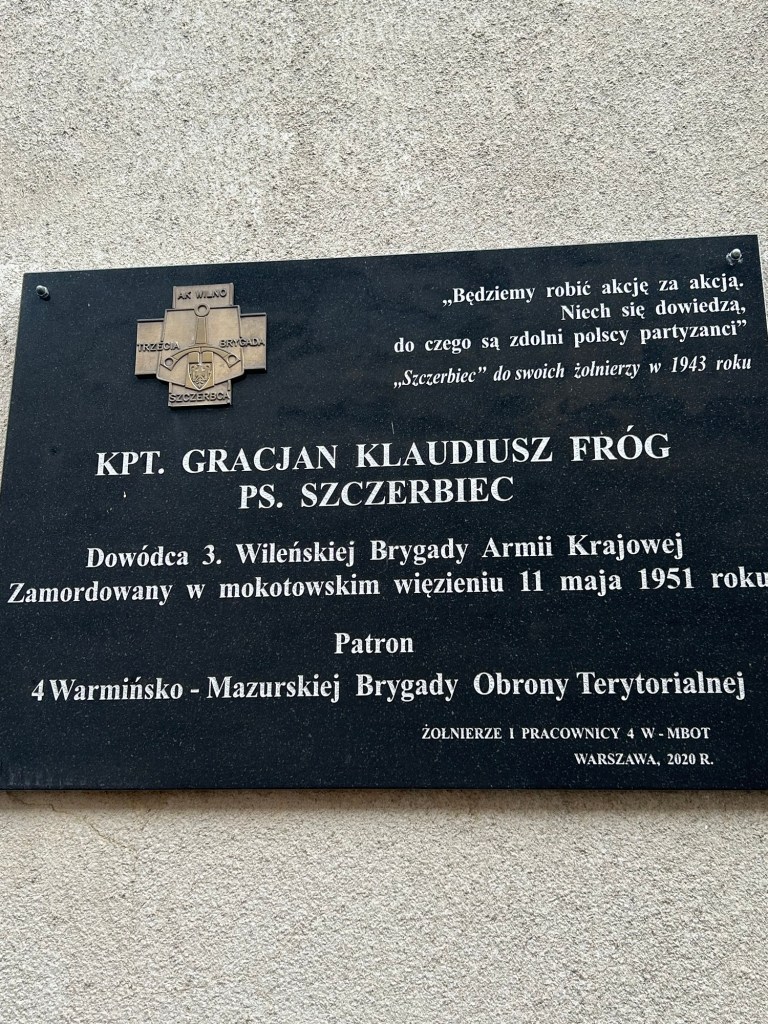
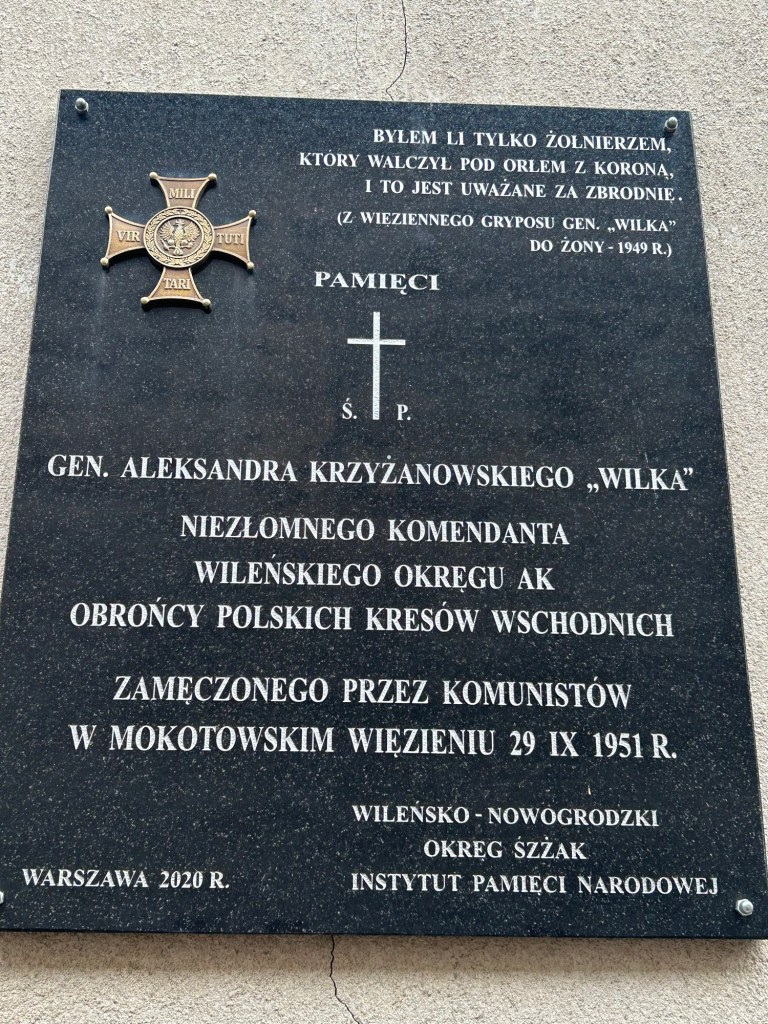
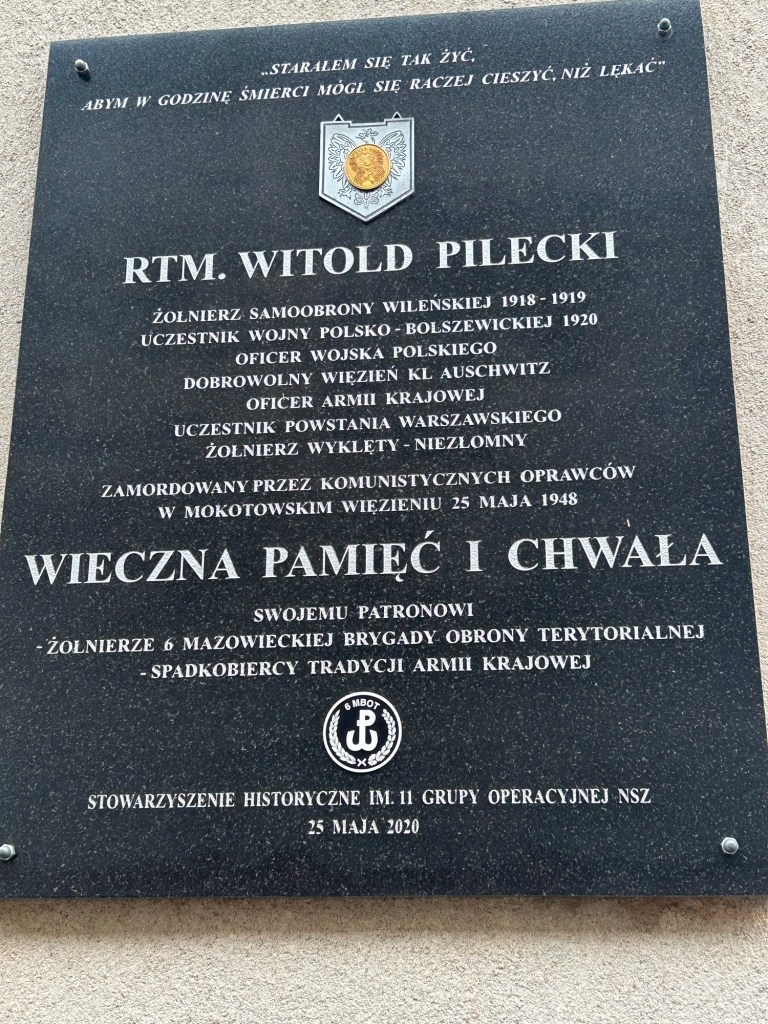
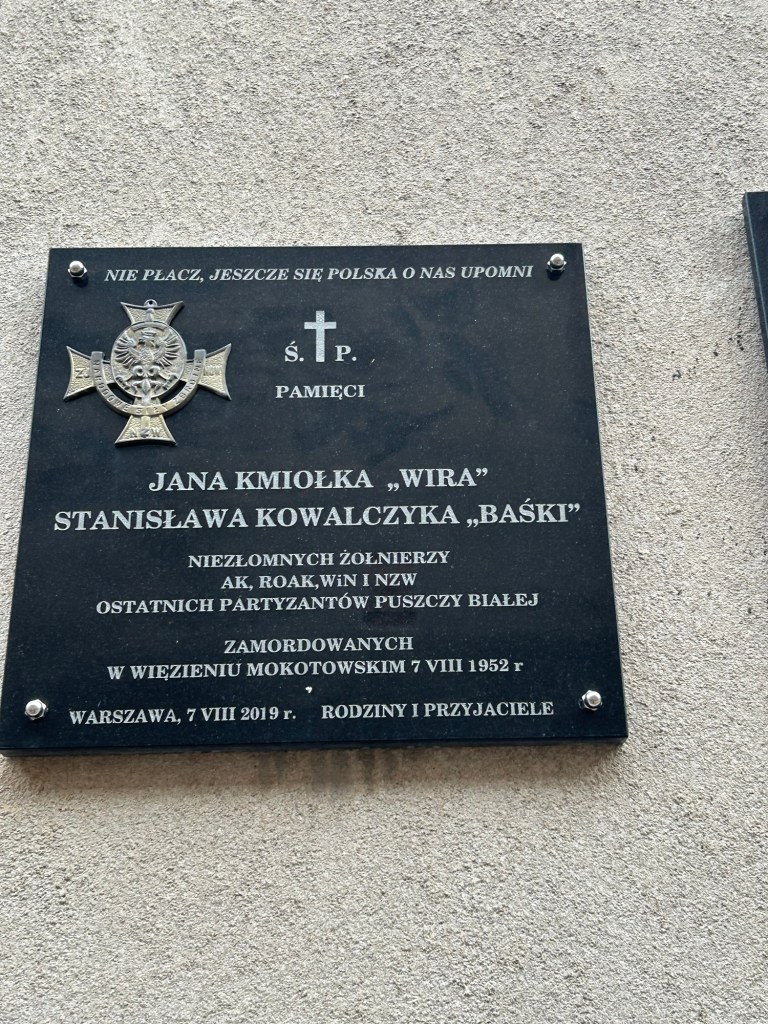
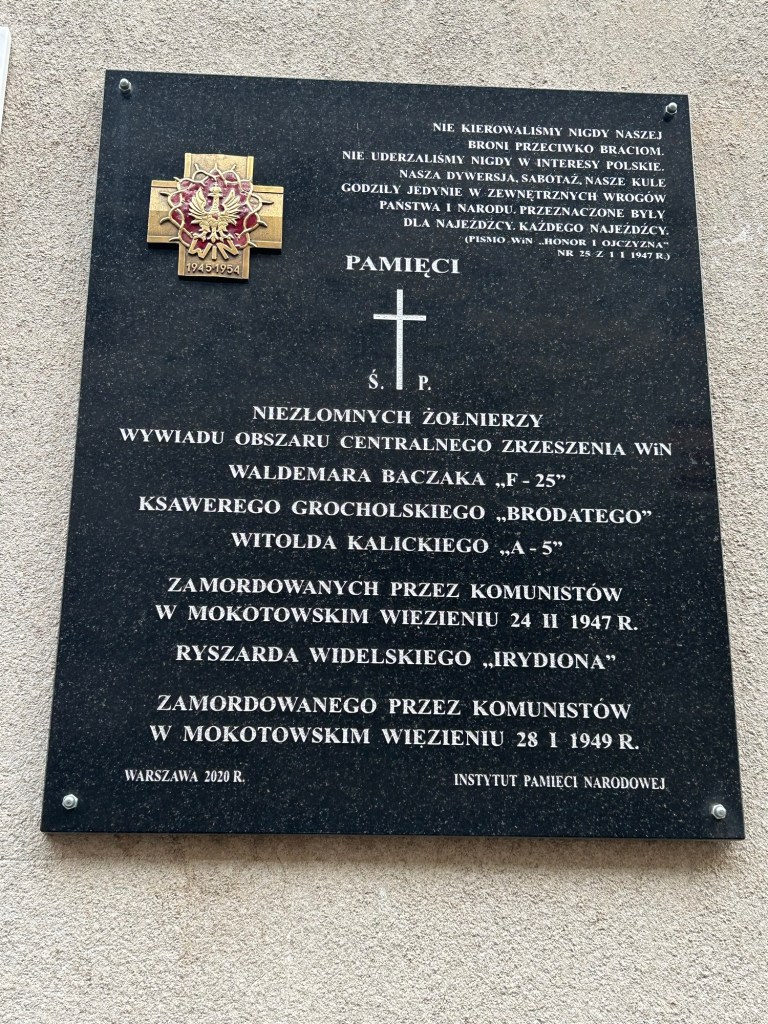
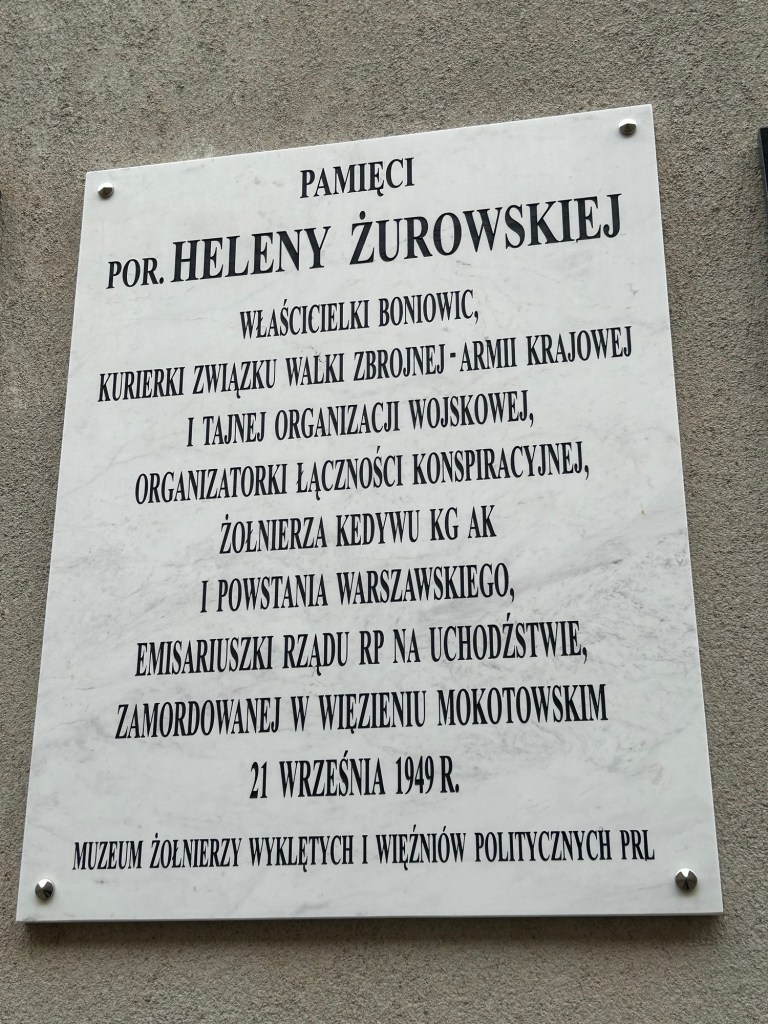
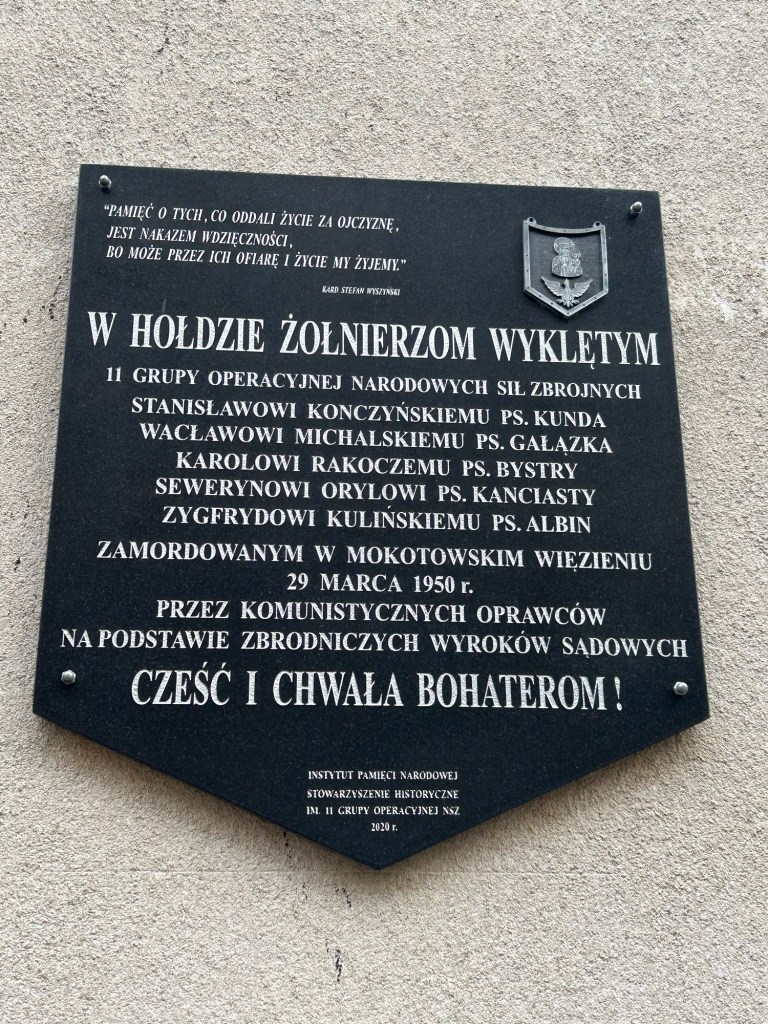
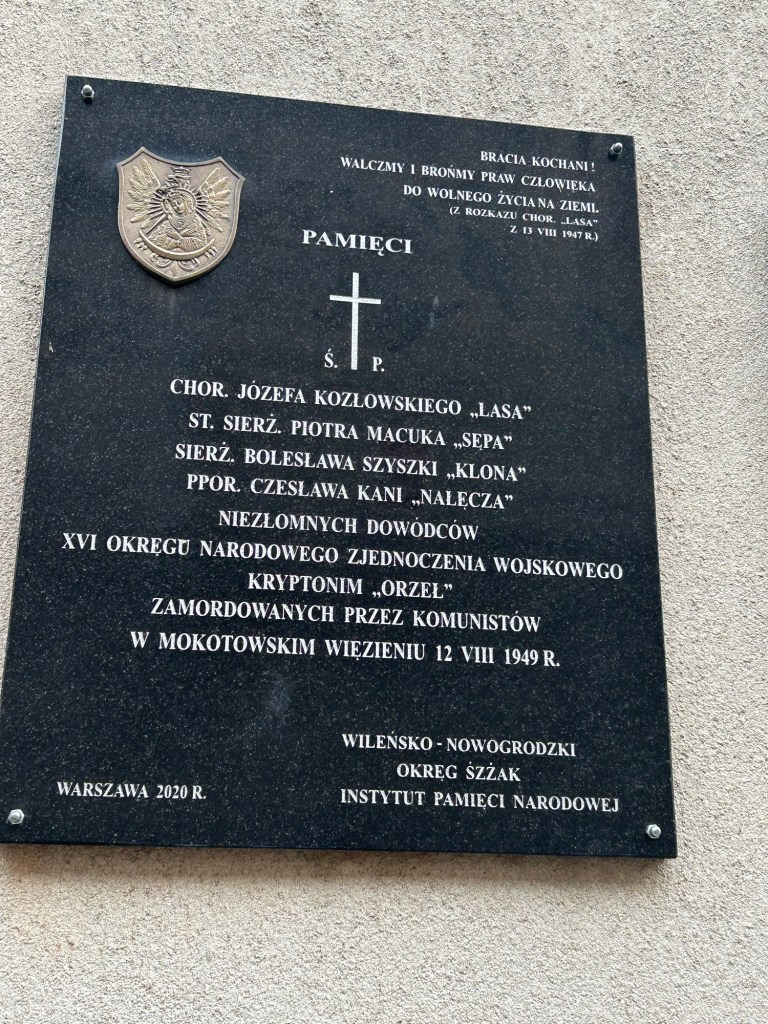
Muzeum jest miejscem refleksji, które pozwala lepiej zrozumieć tragiczną historię XX wieku i oddać cześć tym, którzy poświęcili swoje życie dla Polski.
Mieliśmy szansę obejrzeć to niezwykłe i przejmujące muzeum dzięki uprzejmości dyrektor Muzeum Żołnierzy Wyklętych I Więźniów Politycznych PRL- dr. Adriannie Garnik która udzieliła nam kilku słów na temat tego ważnego dla polskiej historii miejsca – ten wywiad możecie obejrzeć na linku :
Serdecznie dziękujemy naszej przewodniczce po muzeum – dr. Sylwii Maleszak. – przewodnik i pracownika naukowego muzeum, która niezwykle ciekawie i z pasją opowiadała o muzeum oprowadzając nas po najbardziej interesujących miejscach.
Polecamy wizytę w muzeum – gdyż wiedza którą oferuje muzeum, jest nieodzowna w zrozumieniu tematyki żołnierzy wyklętych i najnowszej historii Polski z czasów PRL.
Więcej o Muzeum Żołnierzy Wyklętych I Więźniów politycznych PRL, na stronach: Rakowiecka37.pl.
Muzeum oferuje zwiedzanie z przewodnikiem, również w języku angielskim.
🇬🇧
The Museum of Cursed Soldiers and Political Prisoners of the Polish People’s Republic at 37 Rakowiecka street in Warsaw is a unique place that commemorates the heroes who fought for Poland’s freedom during the German occupation, communist terror and the Polish People’s Republic.

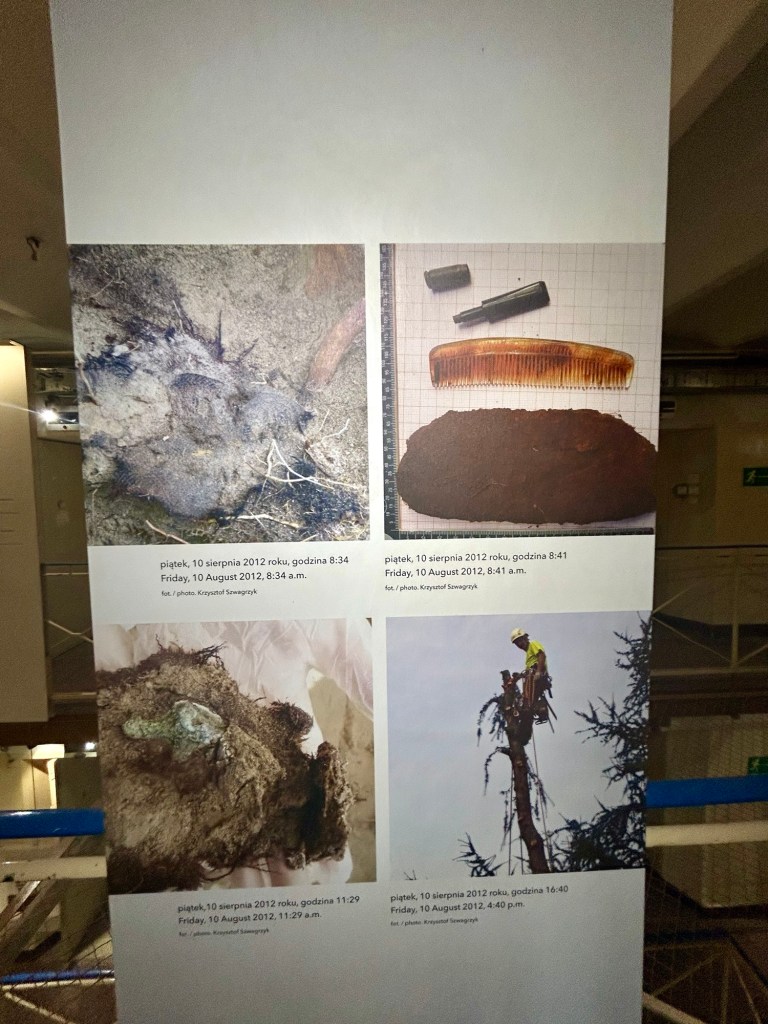
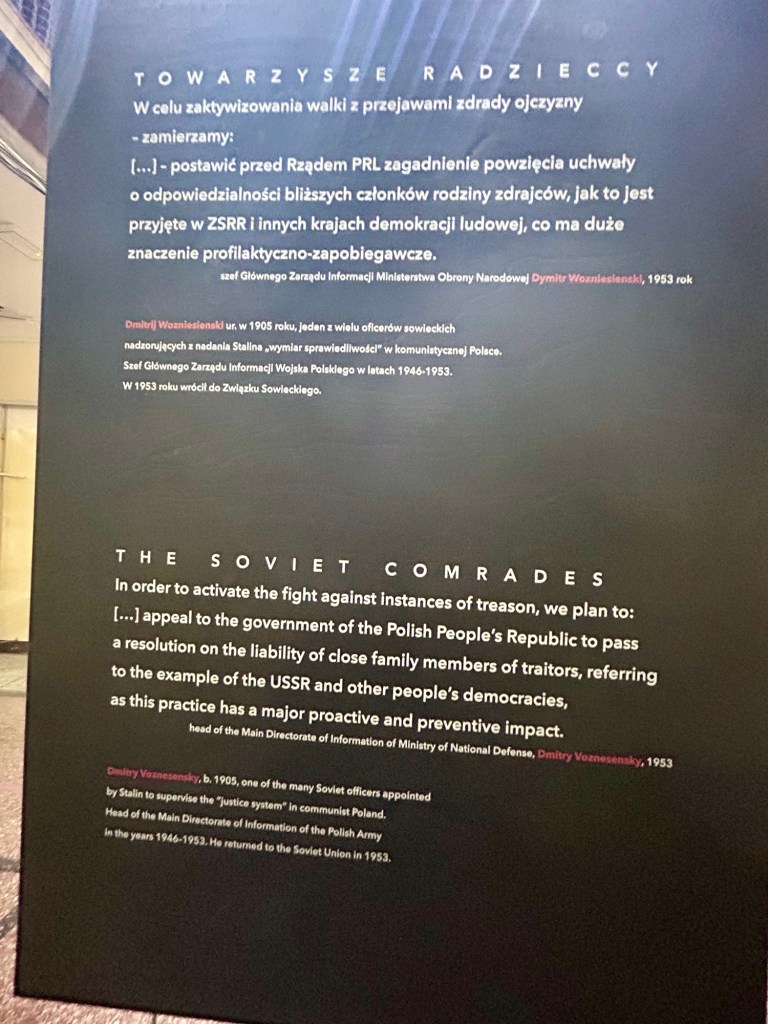
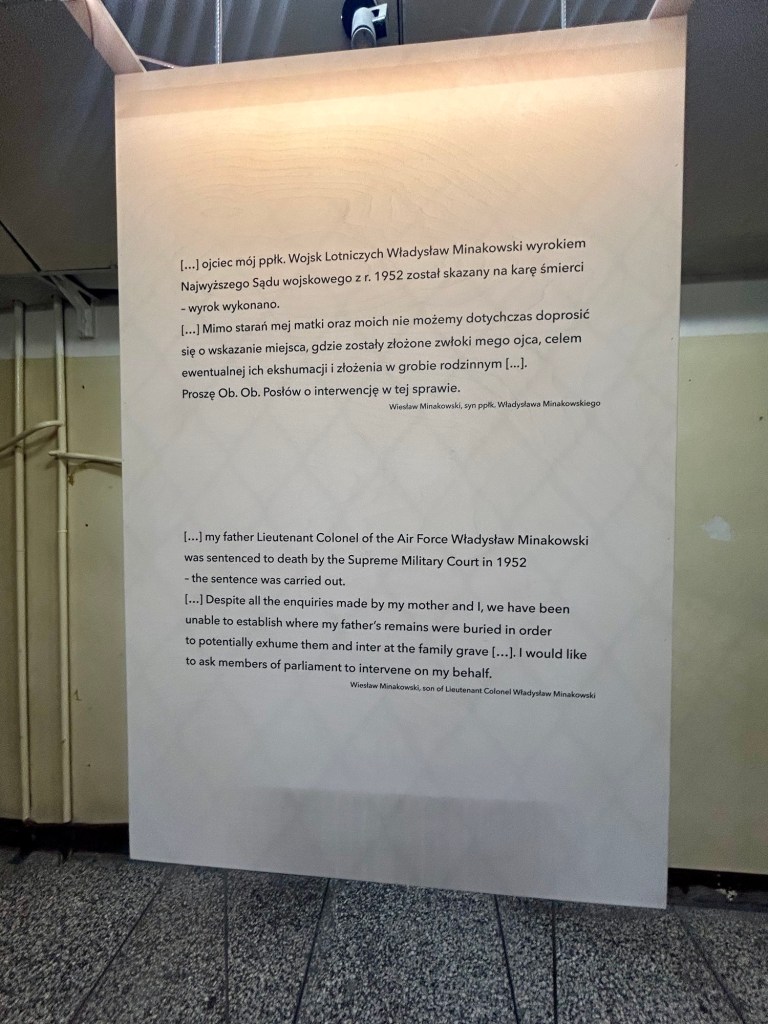
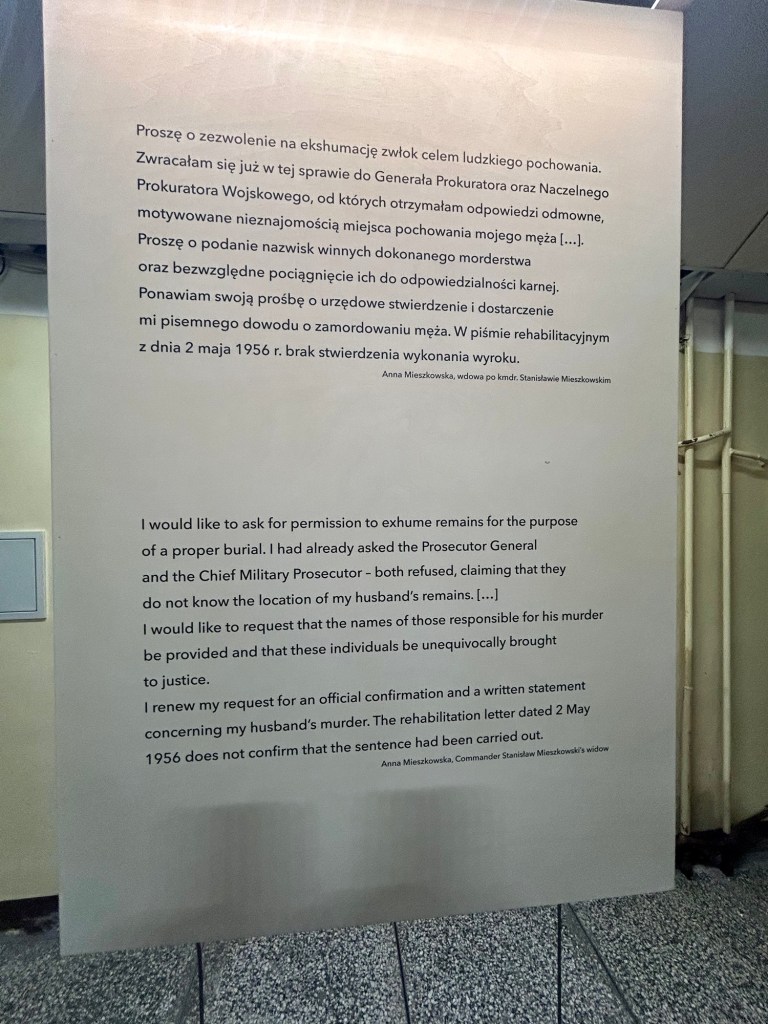
The museum is located in the historic building of the former Mokotów prison, which for decades was the place of execution and persecution of soldiers of the independence underground, including the Cursed Soldiers. The prison on Rakowiecka was established in 1904 during the partition period, as a penitentiary for political and criminal prisoners. After World War II, it became a symbol of communist repression. In the years 1945-1956, thousands of people associated with the Polish anti-communist underground were held here. Many of them, such as Captain Witold Pilecki and General August Emil Fieldorf “Nil”, were murdered on the prison premises. It was here that patriots and heroes of the struggle for freedom and independence of Poland were tortured and murdered – after fake trials.
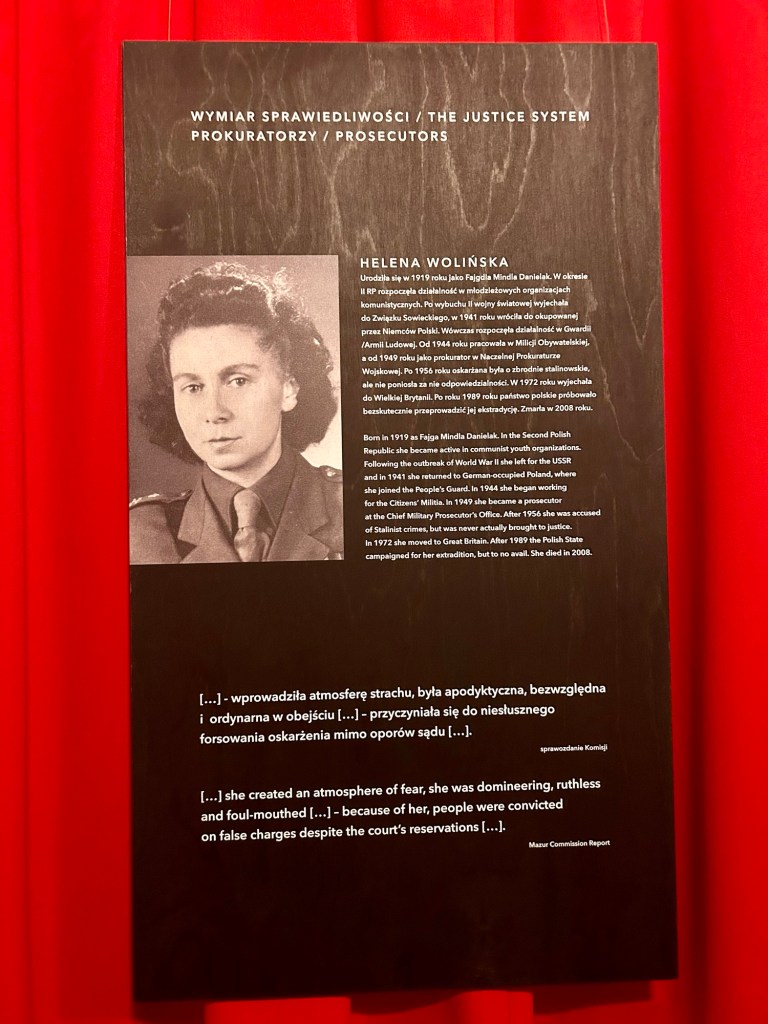
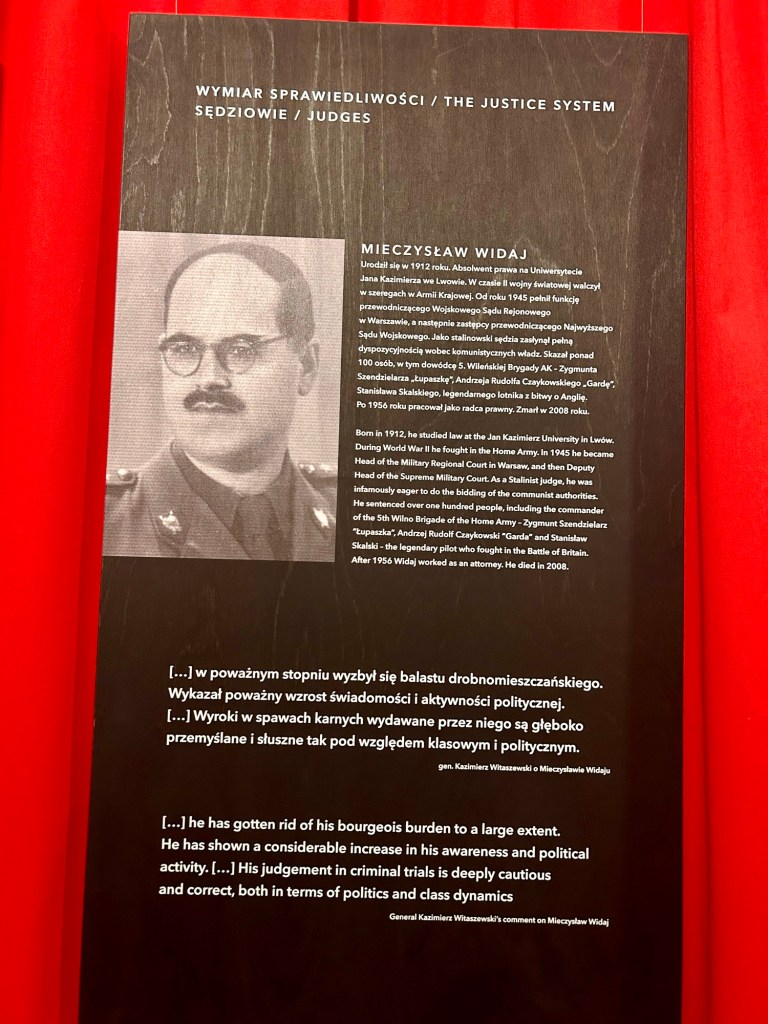
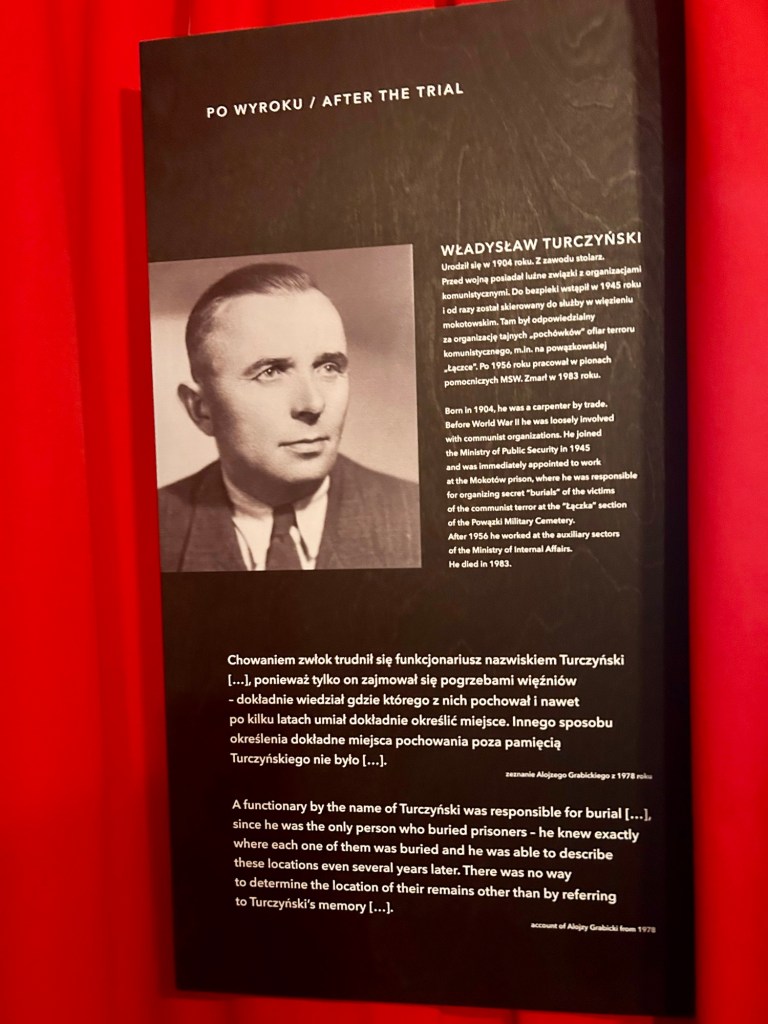
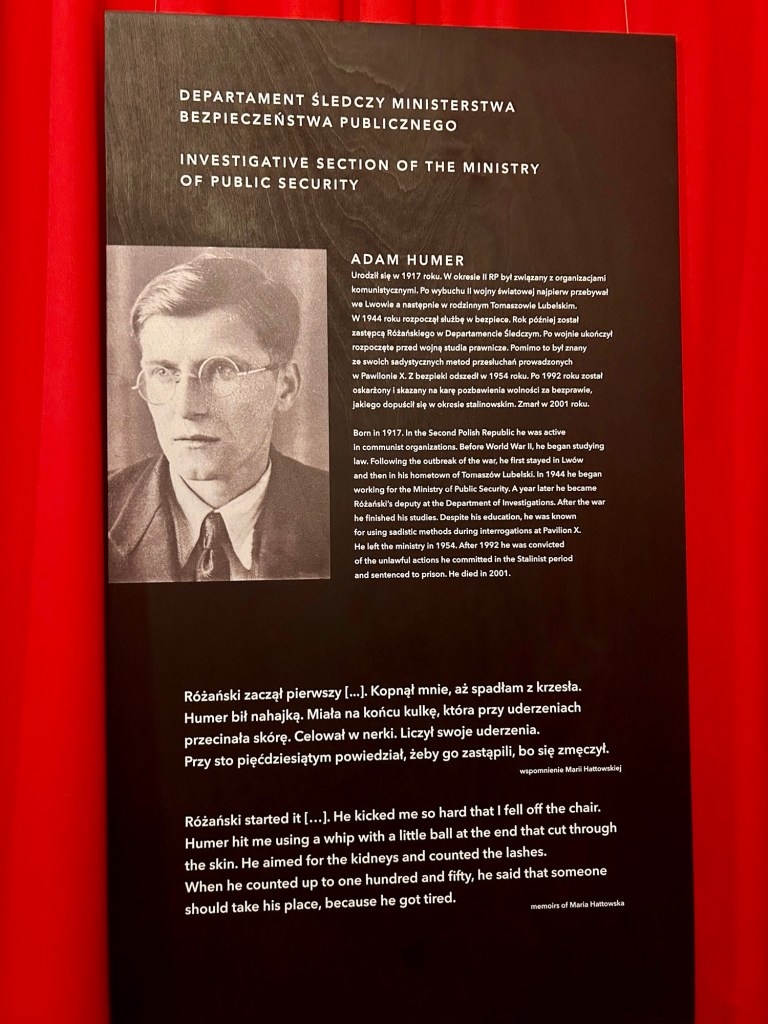
One of them was the trial of three commanders who were murdered in this prison, which we wrote about earlier – more on the link:The museum was established in 2016 to preserve the memory of the victims of totalitarianism and pay tribute to those who fought for freedom. The exhibition includes prison cells with original equipment, allowing you to feel the atmosphere of those tragic times.There are also mementos of the Cursed Soldiers, such as personal items, documents, letters or photographs, and multimedia presentations that show the stories of individual heroes, their struggle and fate in prison.The most moving place is the place of execution – a special space where death sentences were carried out.The museum organizes numerous educational events, workshops, meetings with historians and families of victims, as well as temporary exhibitions. Its aim is not only to document history, but also to educate young generations about values such as freedom, patriotism and honour.
The museum is a place of reflection that allows us to better understand the tragic history of the 20th century and to pay tribute to those who sacrificed their lives for Poland.We had the opportunity to see this extraordinary and moving museum thanks to the courtesy of the director of the Museum of Cursed Soldiers and Political Prisoners of the Polish People’s Republic – Dr. Adrianna Garnik who gave us a few words about this important place for Polish history – you can listen to this interview at the link above.
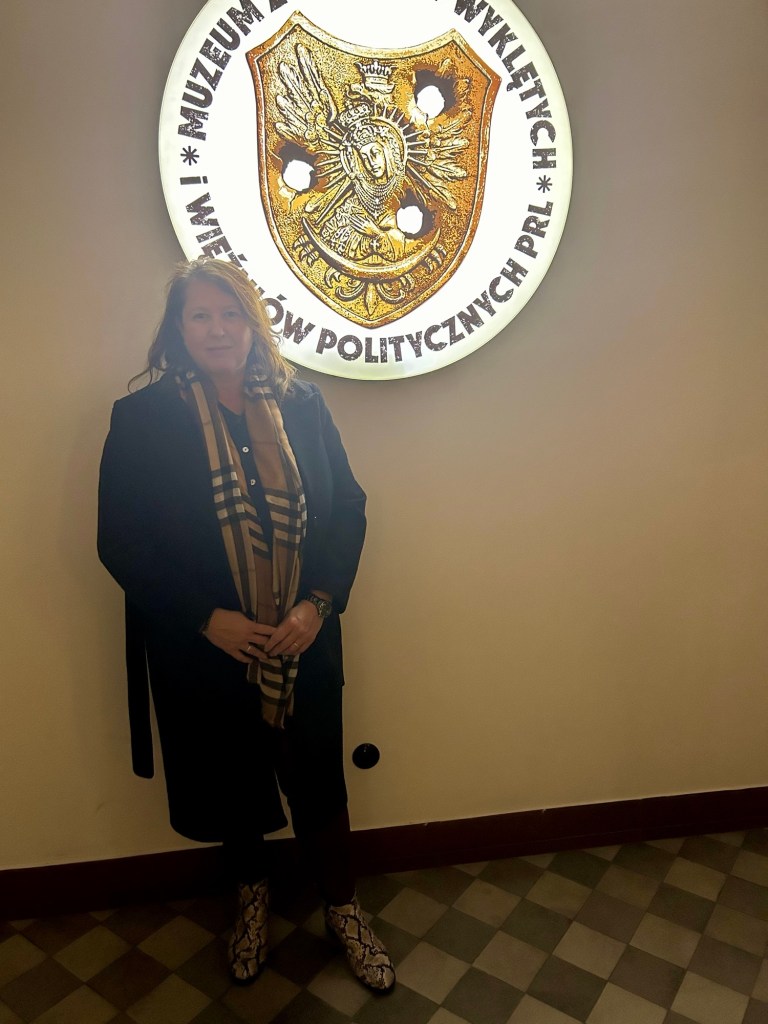
We would like to thank our guide to the museum – dr. Sylwia Maleszak – a guide and researcher at the museum, who talked about the museum in an extremely interesting and passionate way, showing us around the most interesting places.
We recommend a visit to the museum – because the knowledge that the museum offers is essential in understanding the subject of the cursed soldiers and the latest history of Poland from the times of the Polish People’s Republic.
More about the Museum of Cursed Soldiers and Political Prisoners of the Polish People’s Republic, on the website: Rakowiecka37.pl.
The museum offers guided tours, also in English.
Text and photos: Iwona Golińska, Polish Sue.




Leave a comment