
Today is the 80. Anniversary of the liberation of the German concentration camp of Auschwitz – Birkenau – the day of particular importance to all Poles. The Holocaust mostly took place in occupied Poland and concerned Polish citizens.
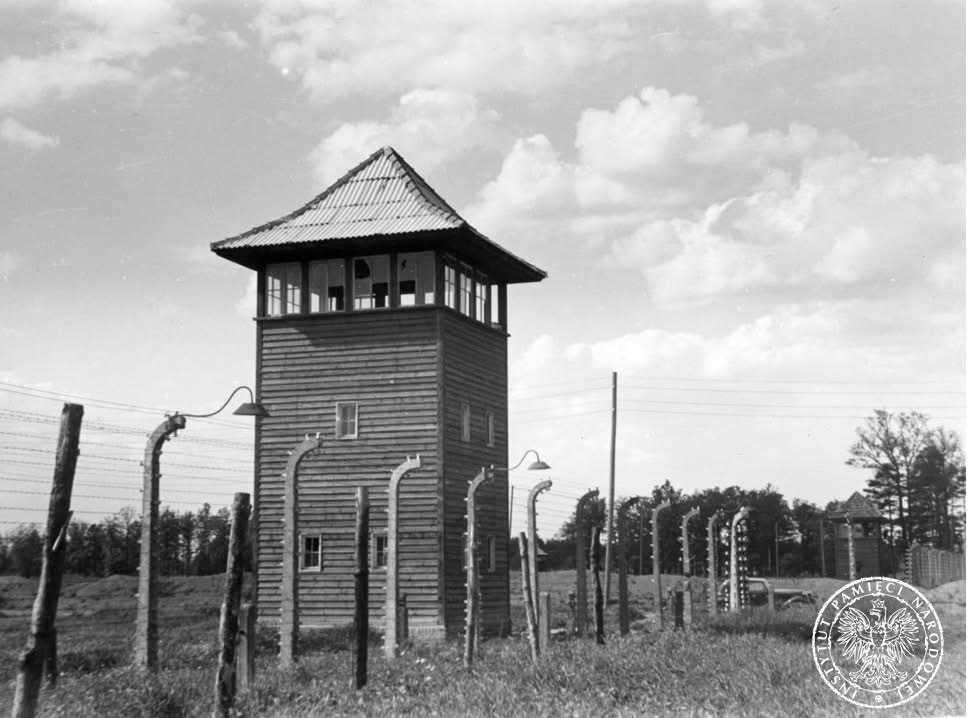
27 January, marks the liberation of the German concentration camp of Auschwitz.
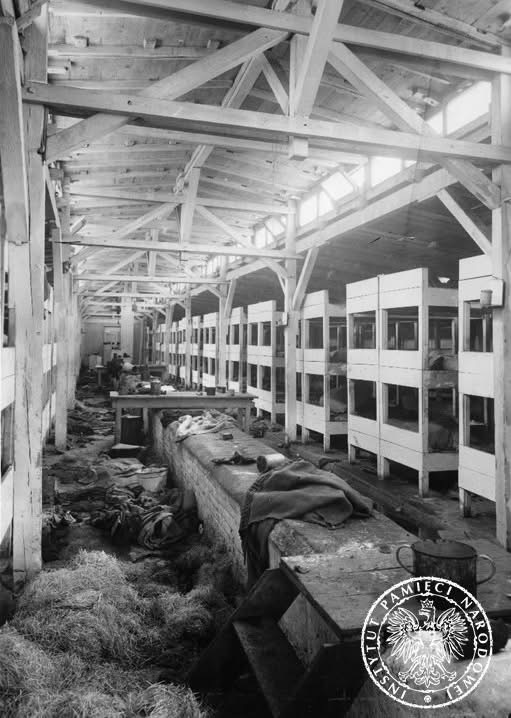
The liberation of Auschwitz-Birkenau and the commemoration of International Holocaust Remembrance Day remind us of the immense suffering endured by millions during the Holocaust. It is a vital moment to reflect on history, honour the victims, and renew our commitment to preventing such atrocities in the future.
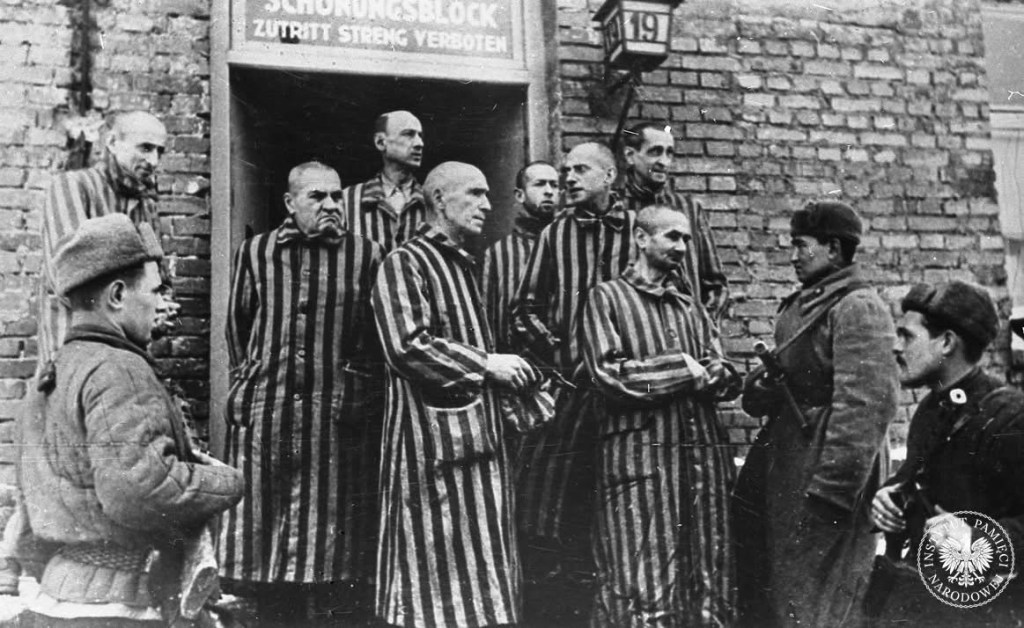
The date was designated by the United Nations General Assembly in 2005 to honour the memory of the Jews murdered during the Second World War and is commemorated all over the world.
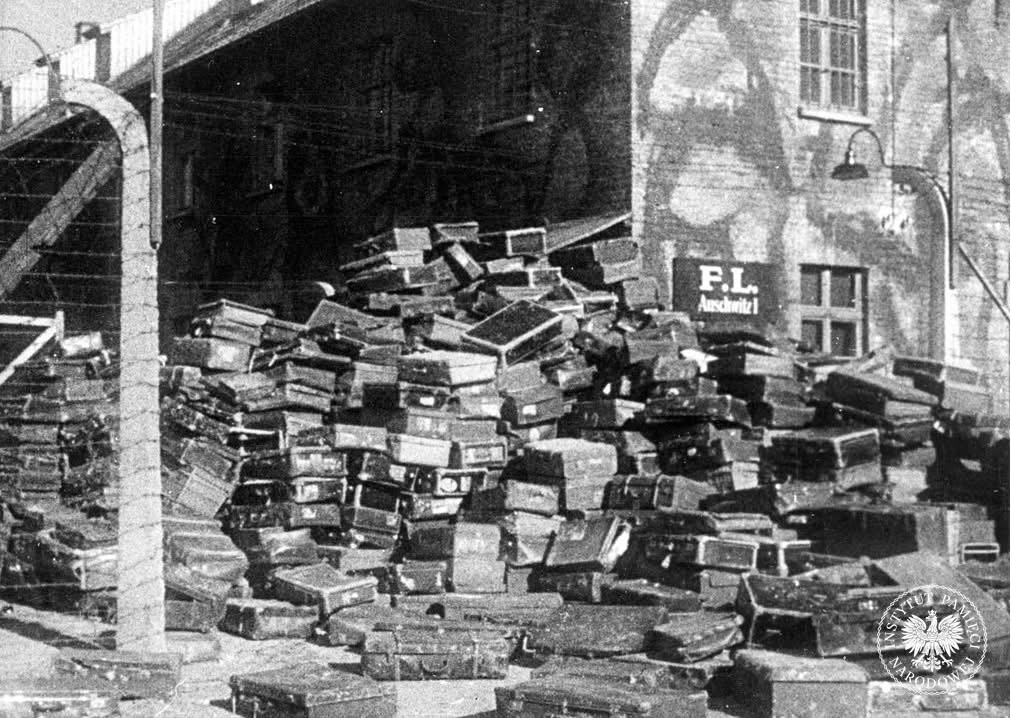
Exactly 80 years ago today KL Auschwitz was liberated by the soldiers of the 100th and 322nd Rifle Divisions of the Soviet 60th Army. When the soldiers entered the abandoned Death Factory they freed approx. 7, 000 prisoners kept in Auschwitz, Birkenau, and Monowitz.
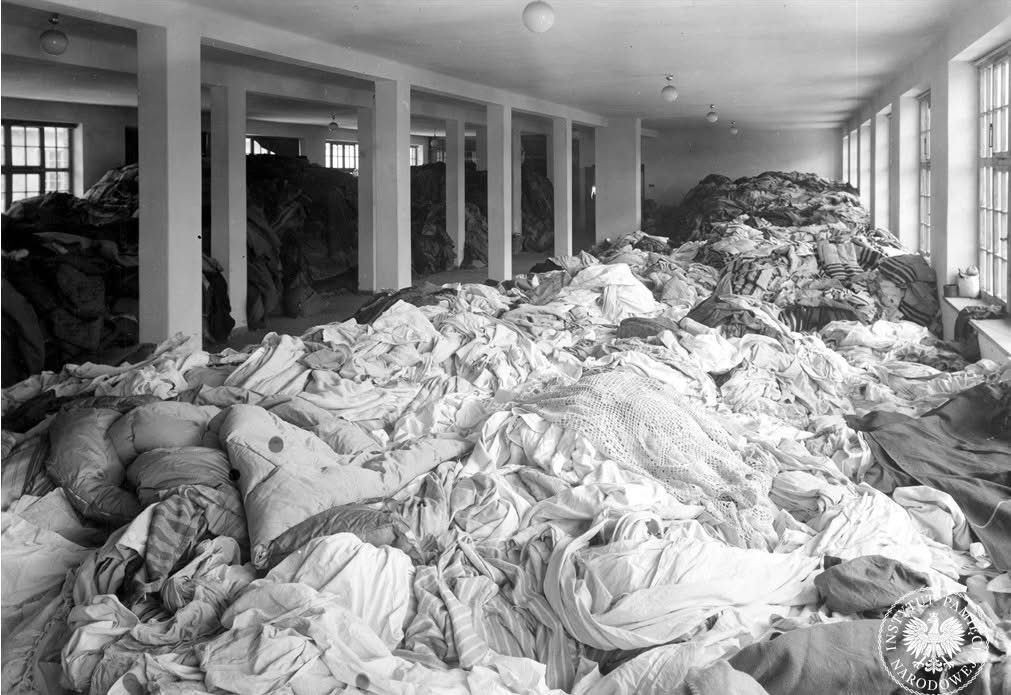
“At first there was wariness, on both our part and theirs. But then they apparently figured out who we were and began to welcome us, to signal that they knew who we were and that we shouldn’t be afraid of them that there were no guards or Germans behind the barbed wire. Only prisoners.”
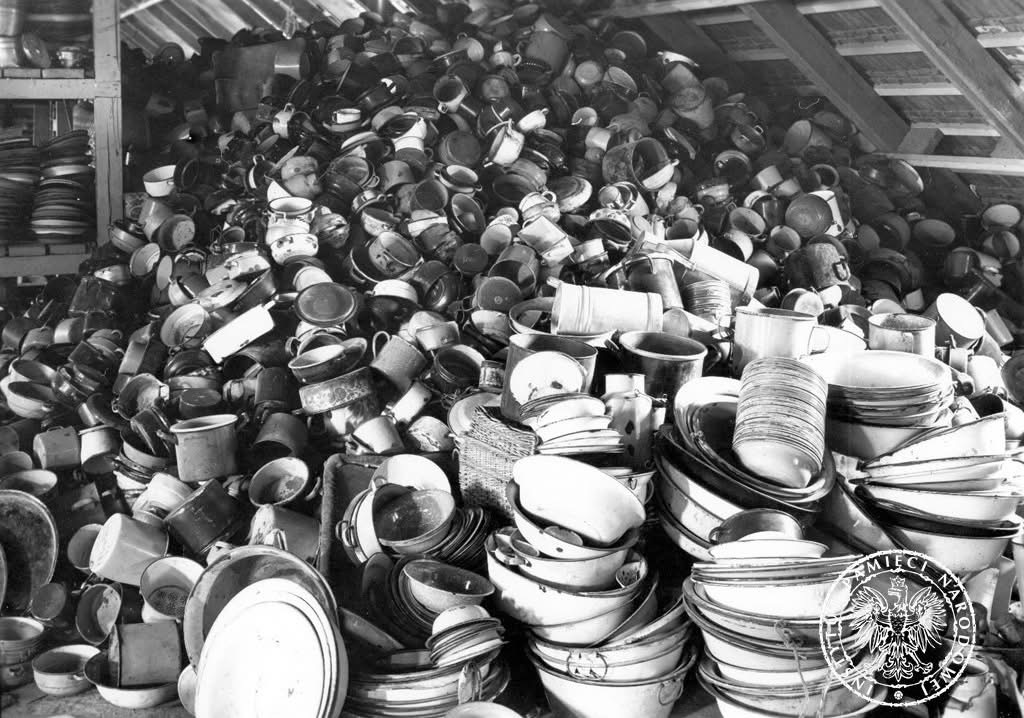
This is how the 27 January 1945 was remembered by Ivan Martynushkin, a Red Army soldier and the last surviving liberator of KL Auschwitz.
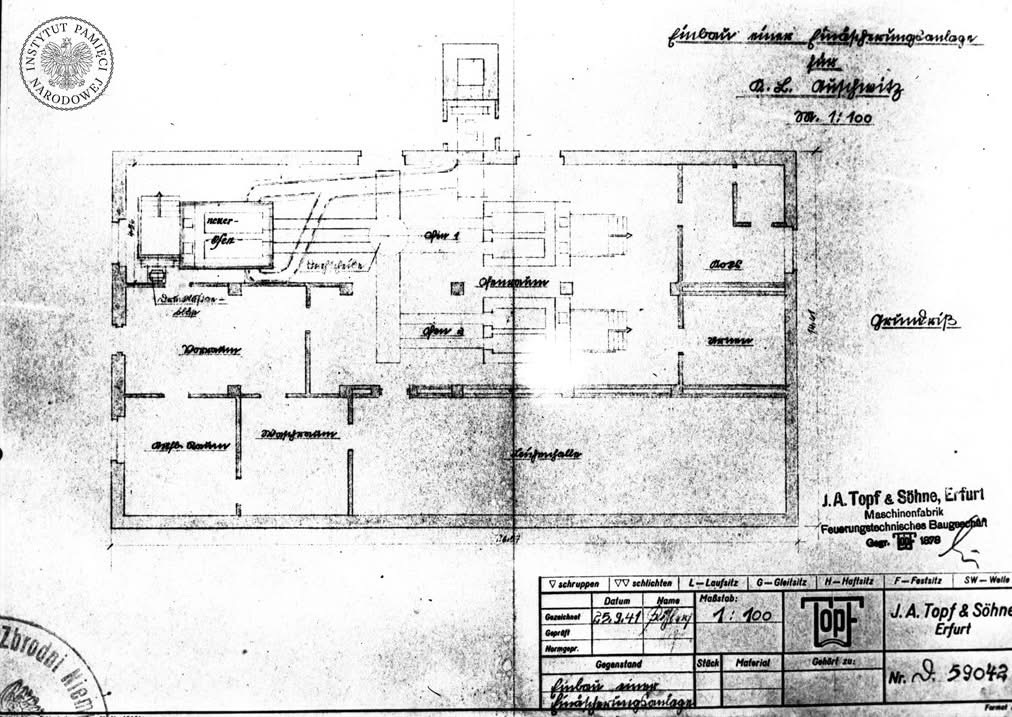
What you can see in these images held in the IPN Archive is KL Auschwitz following the liberation.
The camp complex pictured throughout 1945. Nothing can convey the suffering of the victims, but these images are an important document of the Auschwitz complex in the year when the Death Factory cased to run its deadly business.

The date is more than symbolic as Auschwitz-Birkenau, after all killed over fifteen per cent of all Holocaust victims, more than any other place in the World, but it must be remembered that this genocide cannot be put down to gas chambers in German death camps. Auschwitz represents all camps, prisons, execution grounds, rail cars, streets and gallows where Jews died, while Jewish victim of Auschwitz stand for all Jews who perished elsewhere.
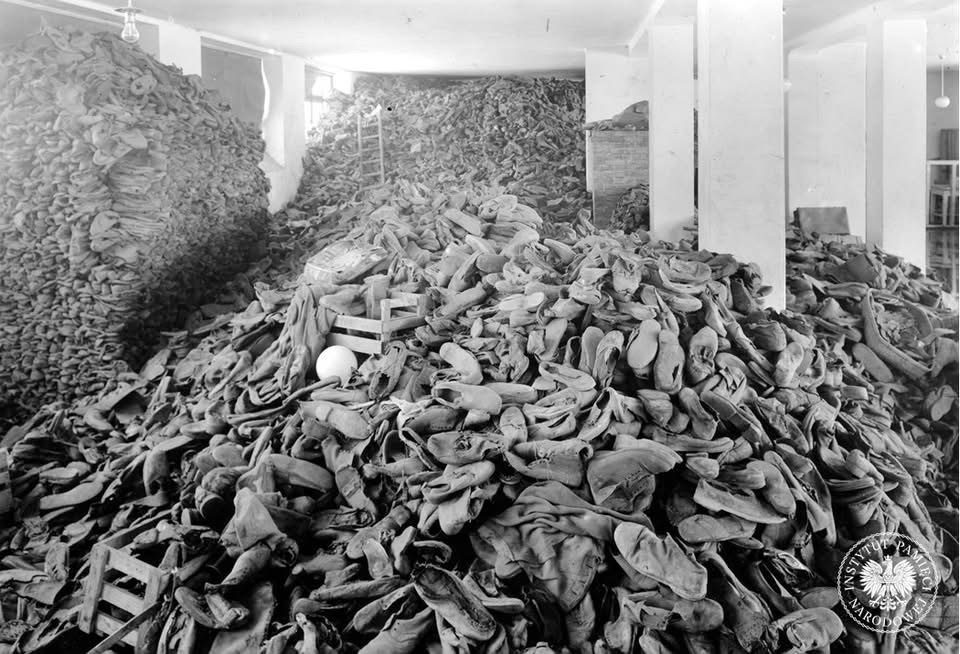
The Holocaust is also of particular importance to the Poles. It mostly took place in occupied Poland and concerned Polish citizens. As a result of the criminal plan that was born in Germany ruled by the party of Adolf Hitler, six million Jews from all over Europe were killed. About three million of them were Polish citizens. Two million were children.
Today we also have to remember the remarkable Polish hero – Witold Pilecki, a Polish Army officer and member of the resistance during World War II, who played a remarkable and heroic role in informing the Allies about the Holocaust. He is one of the few known individuals who deliberately infiltrated Auschwitz to gather intelligence and report on the atrocities being committed there. Unfortunately the Allias ignored the fruits of his work and refused to ackgnowedge the report alarming them about the Holocaust.
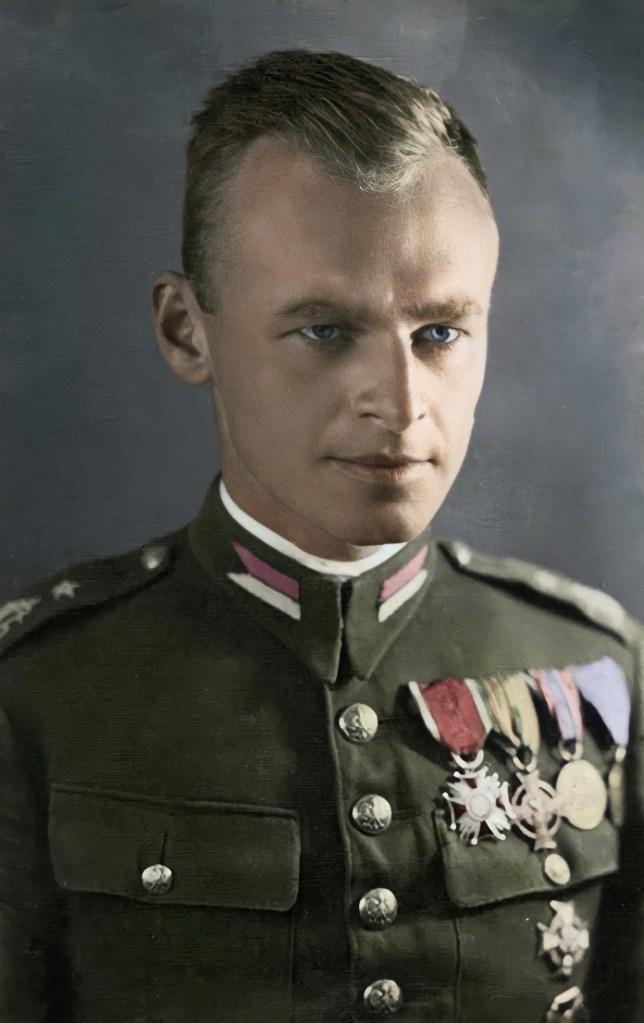
Coloured picture (source: Wikipedia)
The Konzentrationslager (KL) Auschwitz was set up in the premises of former Polish military barracks at the outskirts of Oświęcim a town in the western part of the then-Cracow Province. After the outbreak of WW2 it was incorporated into the territory of the Third Reich. On 14 June 1940 the first transport of 728 Polish political prisoners from was brought to the German concentration camp established in Oświęcim.
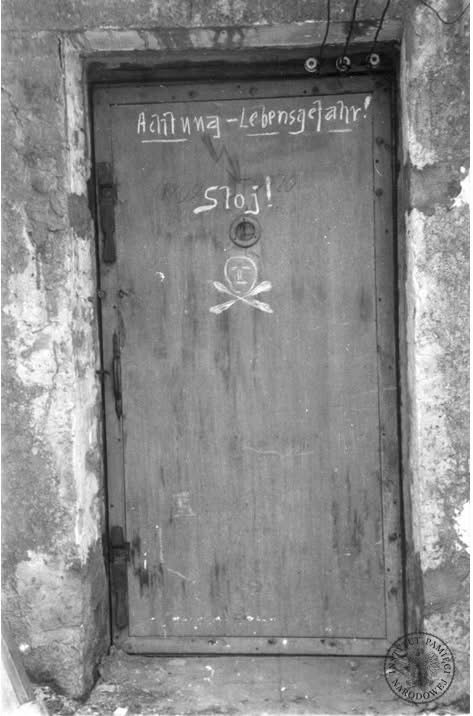
The camp was gradually extended and eventually formed the complex of the KL Auschwitz I-III. In 1944, it consisted of three main parts, namely: Auschwitz I – Stammlager (in Oświęcim), Auschwitz II – Birkenau (close to demolished village of Brzezinka, whose population had been forcibly removed), Auschwitz III – Monowitz (in the area of demolished village of Monowice whose population was also forcibly removed) and more than 40 sub-camps. The complex of camps named Auschwitz I-III was the largest of all the Nazi German concentration and extermination camps of the total 29 camps in the territory of the Third Reich and other countries in Europe occupied by Germany.
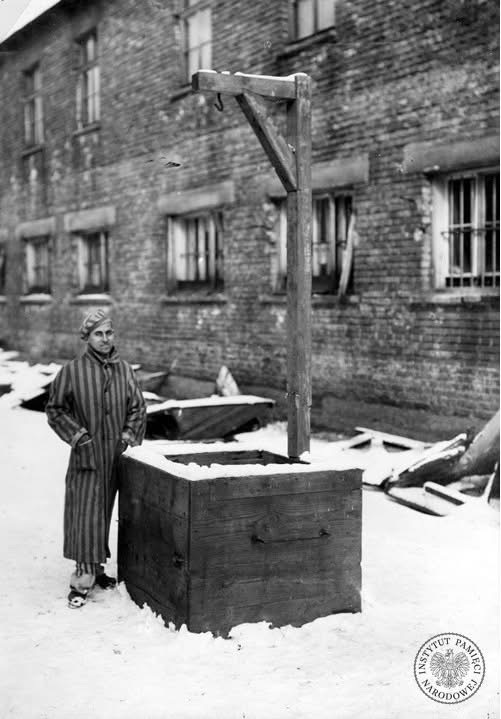
The plan to murder all European Jews was approved at the 1942 conference in Wannsee. The Germans implemented this plan in extermination camps established in occupied Poland. Auschwitz is the symbol of the Holocaust.
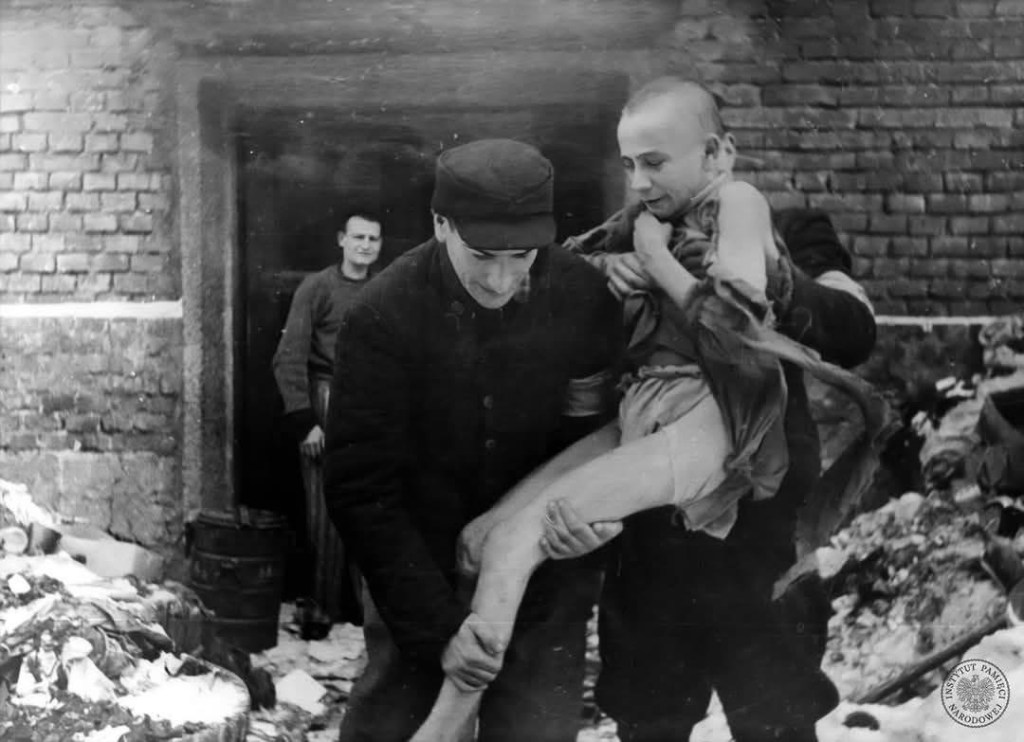
From mid-1944 to January 17, 1945 over 65,000 prisoners were evacuated from the camps in railway transports, and during January 17-19, 1945 nearly 60,000 prisoners marched in columns out of the camp („Death Marches”). The number of victims of the January evacuation is estimated at ca. 15,000. At the turn of 1944 and 1945 some of the camp infrastructure (for example the crematoria) was destroyed. On January 27, 1945 the Red Army took control over the camp, liberating ca. 7,000 – 9, 000 prisoners (including 500 children).
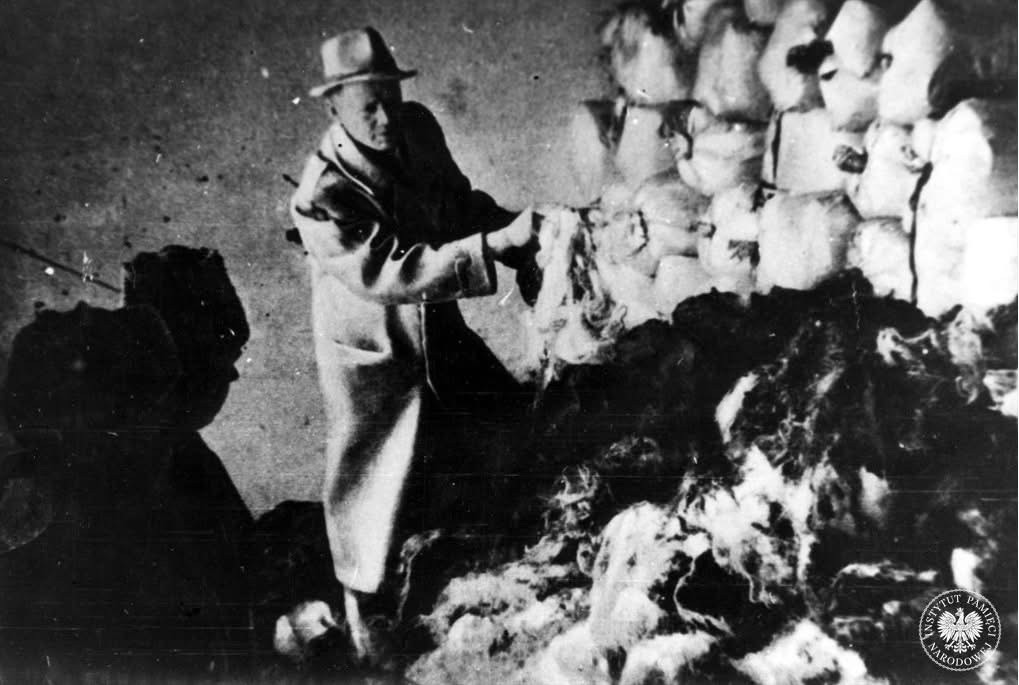
The number of victims of the Auschwitz-Birkenau camp amounts to about 1,000,000 Jews and 70,000 – 75,000 Poles. The total number of the people murdered during its functioning is 1,100,000. Following the liberation Soviets established two NKVD transit camps for German POWs (the camp in KL Auschwitz operated until the autumn of 1945, in KL Birkenau – until the spring of 1946), moreover, a camp for the Public Security Office was established in KL Auschwitz.

Investigations regarding the crimes committed in the KL Auschwitz-Birkenau camp were first undertaken by the Prosecutor’s Office of the First Ukrainian Front in February 1945. However, their results were not fully available to the Polish party and Soviet officers took away a large number of documents found in the liberated camp.
Source: IPN
Pictures: IPN ARCHIVES
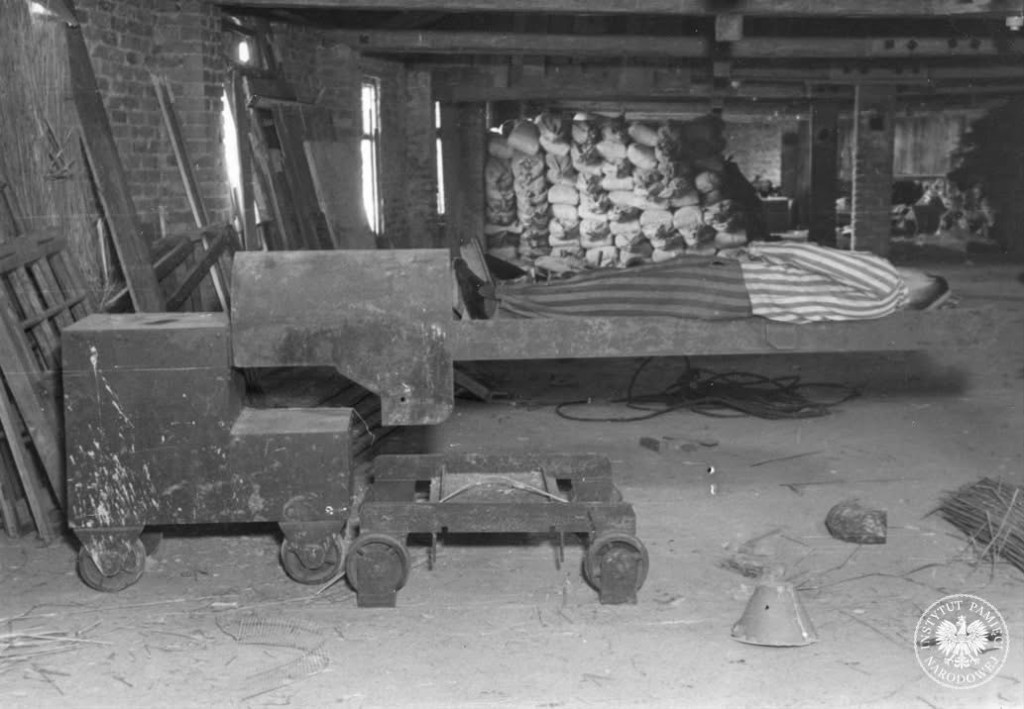
Pictured, former KL Auschwitz inmate Tauber demonstrating the operation of a trolley that fed corpses into ovens; PHOTO : IPN
Pl
Dzisiaj przypada 80. rocznica wyzwolenia niemieckiego obozu koncentracyjnego Auschwitz-Birkenau i obchody Międzynarodowego Dnia Pamięci o Holokauście.
Dzisiaj przypada 80. rocznica wyzwolenia niemieckiego obozu koncentracyjnego Auschwitz-Birkenau – dzień szczególnie ważny dla wszystkich Polaków. Holokaust miał miejsce głównie na okupowanej ziemi polskiej i dotyczył polskich obywateli.
27 stycznia przypada wyzwolenie niemieckiego obozu koncentracyjnego Auschwitz.
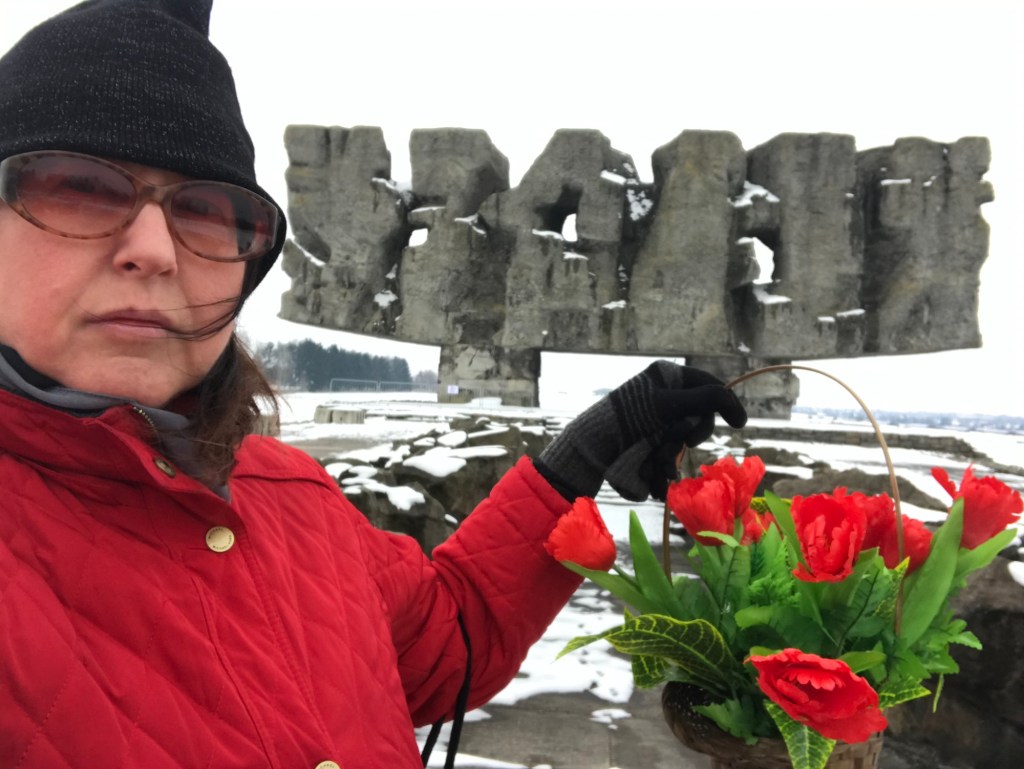
Photo : Iwona Golińska, Prezes Polish Sue składa kwiaty przy pomniku ofiar Obozu Zagłady na Majdanku.
En. We remember ✡️🇵🇱
Photo: Iwona Golińska, President of Polish Sue, lays flowers at the monument to the victims of the Majdanek Extermination Camp
Wyzwolenie Auschwitz-Birkenau i obchody Międzynarodowego Dnia Pamięci o Holokauście przypominają nam o ogromnym cierpieniu milionów ludzi podczas Holokaustu. To ważny moment, aby zastanowić się nad historią, oddać hołd ofiarom i odnowić nasze zobowiązanie do zapobiegania takim okrucieństwom w przyszłości.
Data ta została wyznaczona przez Zgromadzenie Ogólne Organizacji Narodów Zjednoczonych w 2005 r. w celu uczczenia pamięci Żydów zamordowanych podczas II wojny światowej i jest obchodzona na całym świecie.
Dokładnie 80 lat temu KL Auschwitz został wyzwolony przez żołnierzy 100. i 322. Dywizji Strzeleckiej radzieckiej 60. Armii. Kiedy żołnierze weszli do opuszczonej Fabryki Śmierci, uwolnili ok. 7000 więźniów przetrzymywanych w Auschwitz, Birkenau i Monowitz (Monowice).
„Na początku była ostrożność, zarówno z naszej, jak i ich strony. Ale potem najwyraźniej zorientowali się, kim jesteśmy i zaczęli nas witać, dając znać, że wiedzą, kim jesteśmy i że nie powinniśmy się ich bać, że za drutem kolczastym nie ma strażników ani Niemców. Tylko więźniowie”.
Tak wspominał 27 stycznia 1945 r. Iwan Martynuszkin, żołnierz Armii Czerwonej i ostatni żyjący wyzwoliciel KL Auschwitz.
To, co widać na tych zdjęciach przechowywanych w Archiwum IPN, to KL Auschwitz po wyzwoleniu.
Kompleks obozowy na zdjęciach z 1945 r. Nic nie jest w stanie oddać cierpienia ofiar, ale te obrazy są ważnym dokumentem kompleksu Auschwitz w roku, w którym Fabryka Śmierci zaczęła prowadzić swój śmiercionośny interes.
Data jest czymś więcej niż symbolem. W końcu Auschwitz-Birkenau zabiło ponad piętnaście procent wszystkich ofiar Holokaustu, więcej niż jakiekolwiek inne miejsce, ale należy pamiętać, że tego ludobójstwa nie można przypisać komorom gazowym w niemieckich obozach zagłady. Auschwitz reprezentuje wszystkie obozy, więzienia, miejsca egzekucji, wagony kolejowe, ulice i szubienice, w których zginęli Żydzi, podczas gdy żydowska ofiara Auschwitz reprezentuje wszystkich Żydów, którzy zginęli gdzie indziej.
Holokaust ma również szczególne znaczenie dla nas Polaków. Miał miejsce głównie na okupowanej ziemiach Polski i dotyczył obywateli polskich. W wyniku zbrodniczego planu, który narodził się w Niemczech rządzonych przez partię Adolfa Hitlera, zginęło sześć milionów Żydów z całej Europy. Około trzech milionów z nich to obywatele polscy. Dwa miliony to dzieci.
Dzisiaj musimy również pamiętać o wybitnym polskim bohaterze – Witoldzie Pileckim, oficerze Armii Polskiej i członku ruchu oporu podczas II wojny światowej, który odegrał niezwykłą i bohaterską rolę w informowaniu Aliantów o Holokauście. Jest jedną z niewielu znanych osób, które celowo zinfiltrowały Auschwitz, aby zebrać informacje wywiadowcze i raportować o popełnianych tam okrucieństwach. Niestety Alianci zignorowali owoce jego pracy i odmówili uznania raportu alarmującego ich o Holokauście.
Konzentrationslager (KL) Auschwitz został utworzony na terenie byłych polskich koszar wojskowych na obrzeżach Oświęcimia, miasta w zachodniej części ówczesnego województwa krakowskiego. Po wybuchu II wojny światowej został wcielony do terytorium III Rzeszy. 14 czerwca 1940 r. przywieziono pierwszy transport 728 polskich więźniów politycznych z Oświęcimia do niemieckiego obozu koncentracyjnego utworzonego w Oświęcimiu.
Obóz stopniowo rozbudowywano i ostatecznie utworzono kompleks KL Auschwitz I-III. W 1944 roku składał się z trzech głównych części, mianowicie: Auschwitz I – Stammlager (w Oświęcimiu), Auschwitz II – Birkenau (w pobliżu zburzonej wsi Brzezinka, której ludność została przymusowo wysiedlona), Auschwitz III – Monowitz (na terenie zburzonej wsi Monowice, której ludność również została przymusowo wysiedlona) i ponad 40 podobozów. Kompleks obozów nazwanych Auschwitz I-III był największym ze wszystkich nazistowskich niemieckich obozów koncentracyjnych i zagłady spośród 29 obozów na terenie III Rzeszy i innych krajów Europy okupowanych przez Niemcy.
Plan wymordowania wszystkich europejskich Żydów został zatwierdzony na konferencji w Wannsee w 1942 roku. Niemcy wdrożyli ten plan w obozach zagłady utworzonych w okupowanej Polsce. Auschwitz jest symbolem Holokaustu.
Od połowy 1944 r. do 17 stycznia 1945 r. ponad 65 000 więźniów ewakuowano z obozów transportami kolejowymi, a w styczniu 1945 r. prawie 60 000 więźniów wymaszerowało z obozu w kolumnach (w tzw. „Marszu Śmierci”). Liczbę ofiar styczniowej ewakuacji szacuje się na ok. 15 000. Na przełomie 1944 i 1945 r. zniszczono część infrastruktury obozowej (np. krematoria). 27 stycznia 1945 r. Armia Czerwona przejęła obóz, wyzwalając ok. 7000–9000 więźniów (w tym 500 dzieci).
Liczba ofiar obozu Auschwitz-Birkenau wynosi około 1 000 000 Żydów i 70 000 – 75 000 Polaków. Łączna liczba osób zamordowanych w trakcie jego funkcjonowania wynosi 1 100 000. Po wyzwoleniu Sowieci utworzyli dwa obozy przejściowe NKWD dla niemieckich jeńców wojennych (obóz w KL Auschwitz funkcjonował do jesieni 1945 r., w KL Birkenau – do wiosny 1946 r.), ponadto w KL Auschwitz utworzono obóz dla Urzędu Bezpieczeństwa Publicznego.
Śledztwa dotyczące zbrodni popełnionych w obozie KL Auschwitz-Birkenau zostały po raz pierwszy podjęte przez Prokuraturę Pierwszego Frontu Ukraińskiego w lutym 1945 r. Jednak ich wyniki nie były w pełni dostępne dla strony polskiej, a sowieccy oficerowie zabrali dużą liczbę dokumentów znalezionych w wyzwolonym obozie.
Instytut Pamięci Narodowej od wielu lat bada historię Holokaustu i stosunków polsko-żydowskich.
Źródło: IPN
Zdjęcia: ARCHIWUM IPN




Leave a comment