On the night of 13-14 March 1941, the German Air Force carried out one of the most tragic air raids on Great Britain during World War II – the Clydebank Blitz.
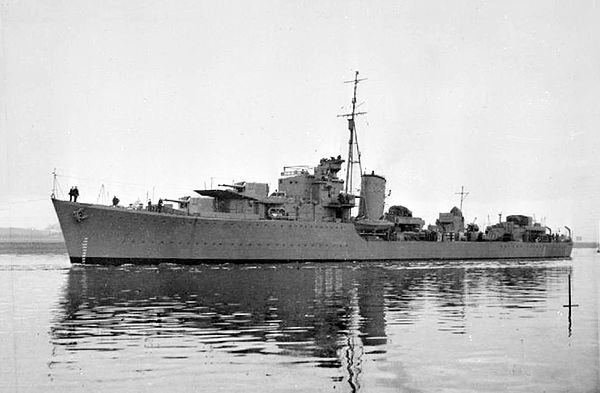
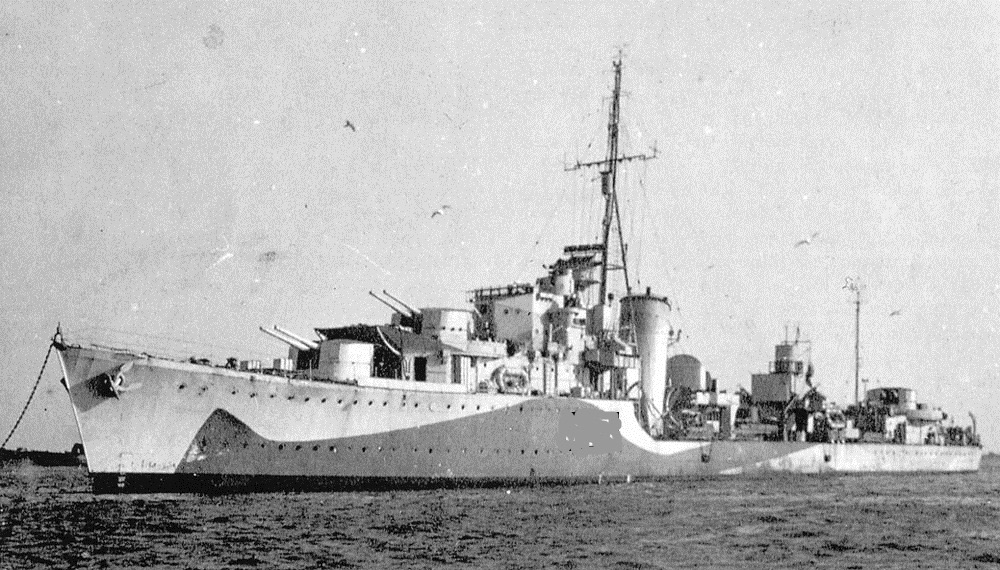
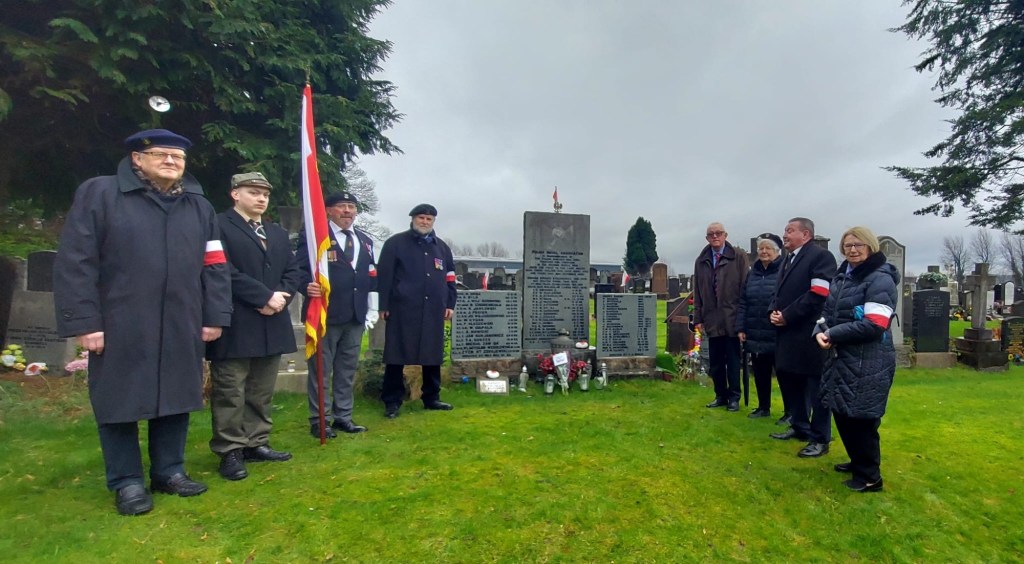
The town of Clydebank, located on the River Clyde, became the target of about 400 Luftwaffe planes, which dropped over 1,000 bombs. As a result of the bombing, 528 people died, and almost the entire industrial infrastructure and most of the residential buildings were destroyed. Both Allied land and naval units took part in the defense of the town, including the Polish destroyer ORP Piorun.

ORP Piorun – Polish guardian of the Scottish sky
ORP Piorun was an N-class destroyer, transferred to Poland by the Royal Navy in November 1940. From the beginning of its service, it actively participated in escort and patrol operations, covering convoys and defending British ports. In March 1941, the unit operated in the Clydebank area and played a key role in defending the city from a German air raid.
The crew of ORP Piorun, under the command of Commander Eugeniusz Pławski, joined the fight with full dedication. Armed with anti-aircraft guns, the destroyer opened fire on German bombers, trying to disrupt their formation and minimize the effects of the bombing. Although the number of attacking Luftwaffe machines was overwhelming and the anti-aircraft defense forces were limited, ORP Piorun’s actions contributed to hindering the effectiveness of the raid.
Clydebank Blitz – scale of destruction
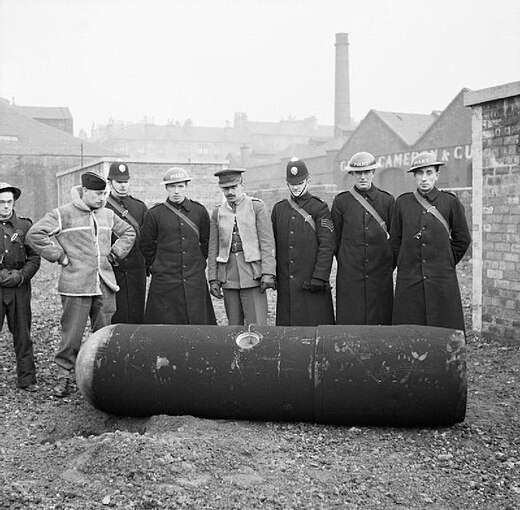
The Luftwaffe attack on Clydebank was aimed at destroying strategic shipyards and industrial plants that produced war equipment for the Royal Navy. The raid lasted two nights, and German bombs completely destroyed the city. Of the approximately 12,000 houses, only seven remained intact. Over 35,000 people were left homeless, and entire communities were decimated.

Despite the enormous losses, the defense of the city by Allied forces, including Polish units, helped to prevent an even greater catastrophe. In addition to ORP Piorun, British ships and anti-aircraft artillery stationed around Glasgow were also involved in the defense of Clydebank.
Heroism not only in Clydebank
After the events of the Clydebank Blitz, ORP Piorun continued to serve in the Royal Navy and the Polish Navy. Its most famous exploit was its participation in the operation to locate and pursue the German battleship Bismarck in May 1941. The Polish destroyer made visual contact with the enemy ship and fired on it alone, signaling its position to the rest of the British fleet.
Defense of Cowes by ORP Błyskawica
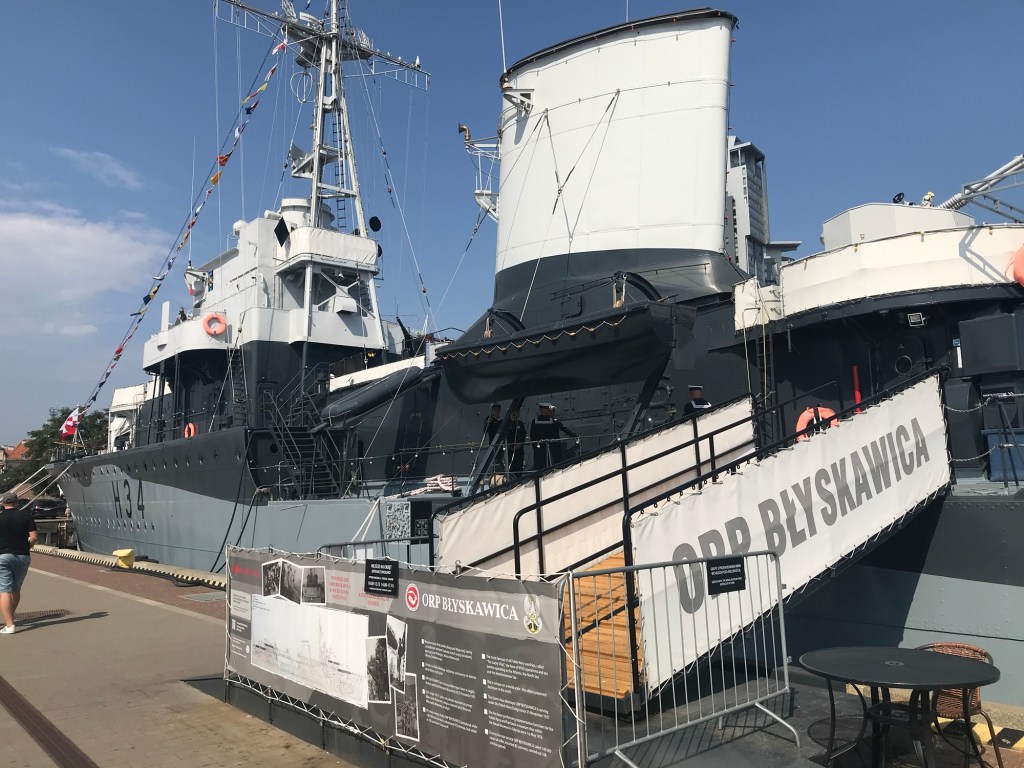
Another important episode of Polish ships’ participation in the defense of Great Britain was the defense of the town of Cowes on the Isle of Wight by ORP Błyskawica. On the night of 4–5 May 1942, the Luftwaffe carried out a massive air raid on the town, which was home to a strategic shipyard producing weapons and warships. ORP Błyskawica, which was in port for a technical inspection, immediately joined the defense.
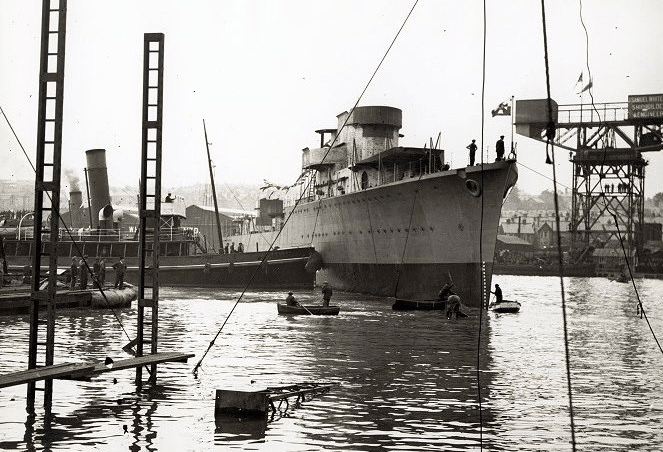
The destroyer’s crew, despite being on land, quickly returned to the deck and began an intensive barrage of German bombers. Thanks to well-coordinated anti-aircraft defense, the Polish ship managed to shoot down several enemy machines and force the remaining ones to disperse their formations. Although the town suffered losses, the intervention of ORP Błyskawica significantly reduced the effects of the bombing.
Remembering the Heroes and “ORP BŁYSKAWICA DAYS”
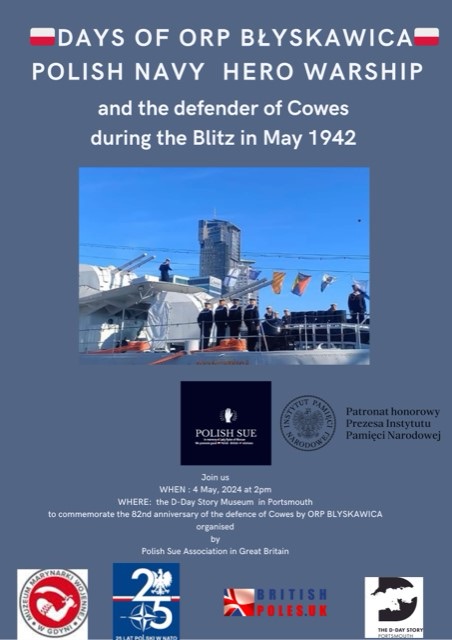
The actions of ORP Piorun during the defence of Clydebank and ORP Błyskawica at Cowes are evidence of the contribution of the Polish Armed Forces to the defence of Great Britain during World War II. Although the history of these units remains less well-known compared to other episodes of the war, their role in protecting British cities deserves to be remembered and recognised.
In tribute to the memory of the Polish Armed Forces in the defense of Great Britain during World War II, the Polish Sue Association organizes every year “ORP BŁYSKAWICA DAYS” – this is a cyclical event, taking place from 2022, which aims to remind the contribution of the Polish Armed Forces in the defense of Great Britain and Europe.
In memory of the defense of Cowes by Błyskawica, “ORP BŁYSKAWICA DAYS” are traditionally held on May 2-4.
You can learn about ORP Błyskawica defence of Cowes as well as the event itself by clicking the link below:
This year we will have the opportunity to organize this wonderful event for the third time, and celebrate Polish victories on land, in the air and at sea.
You can find out about the previous editions of „ORP BŁYSKAWICA DAYS”: the first edition, which took place in London, and the second edition, in Portsmouth, under the official hashtags:
#dniorpblyskawica #daysoforpblyskawica #orpblyskawicadays
Text: Iwona Golińska
Photos: Wikipedia
PL .
Polski ORP Piorun w obronie Clydebank w Szkocji – zapomniany bohater nocnych zmagań które miały miejsce 84 lata temu.
W nocy z 13 na 14 marca 1941 roku niemieckie lotnictwo przeprowadziło jeden z najtragiczniejszych nalotów na Wielką Brytanię podczas II wojny światowej – Clydebank Blitz. Miasto Clydebank, położone nad rzeką Clyde, stało się celem dla około 400 samolotów Luftwaffe, które zrzuciły ponad 1000 bomb. W wyniku bombardowania śmierć poniosło 528 osób, a prawie cała infrastruktura przemysłowa oraz większość budynków mieszkalnych zostały zniszczone. W obronie miasta brały udział zarówno alianckie jednostki lądowe, jak i morskie, w tym polski niszczyciel ORP Piorun.
ORP Piorun – polski strażnik szkockiego nieba
ORP Piorun był niszczycielem typu N, przekazanym Polsce przez Royal Navy w listopadzie 1940 roku. Od początku swojej służby aktywnie uczestniczył w działaniach eskortowych i patrolowych, osłaniając konwoje oraz broniąc brytyjskich portów. W marcu 1941 roku jednostka operowała w rejonie Clydebank i odegrała kluczową rolę w obronie miasta przed niemieckim nalotem.
Załoga ORP Piorun pod dowództwem komandora Eugeniusza Pławskiego z pełnym poświęceniem włączyła się do walki. Uzbrojony w działa przeciwlotnicze niszczyciel otworzył ogień do niemieckich bombowców, starając się zakłócić ich formację i zminimalizować skutki bombardowania. Choć liczba atakujących maszyn Luftwaffe była przytłaczająca, a siły obrony przeciwlotniczej ograniczone, działania ORP Piorun przyczyniły się do utrudnienia skuteczności nalotu.
Clydebank Blitz – skala zniszczeń
Atak Luftwaffe na Clydebank miał na celu zniszczenie strategicznych stoczni i zakładów przemysłowych, które produkowały sprzęt wojenny dla Royal Navy. Nalot trwał dwie noce, a niemieckie bomby doszczętnie zrujnowały miasto. Spośród około 12 tysięcy domów jedynie siedem pozostało nienaruszonych. Ponad 35 tysięcy osób straciło dach nad głową, a całe społeczności zostały zdziesiątkowane.
Mimo ogromnych strat, obrona miasta przez siły alianckie, w tym polskie jednostki, pozwoliła na ograniczenie jeszcze większej katastrofy. Oprócz ORP Piorun, w obronę Clydebank zaangażowane były także brytyjskie okręty oraz artyleria przeciwlotnicza rozmieszczona wokół Glasgow.
Bohaterstwo nie tylko w Clydebank
Po wydarzeniach Clydebank Blitz, ORP Piorun kontynuował służbę w Royal Navy i Polskiej Marynarce Wojennej. Jego najbardziej znanym wyczynem był udział w operacji namierzania i ścigania niemieckiego pancernika Bismarck w maju 1941 roku. Polski niszczyciel nawiązał kontakt wzrokowy z okrętem przeciwnika i samotnie ostrzeliwał go, sygnalizując jego pozycję reszcie brytyjskiej floty.
Obrona Cowes przez ORP Błyskawica
Innym ważnym epizodem udziału polskich okrętów w obronie Wielkiej Brytanii była obrona miasta Cowes na wyspie Wight przez ORP Błyskawica. W nocy z 4 na 5 maja 1942 roku Luftwaffe przeprowadziło zmasowany nalot na miasto, w którym znajdowała się strategiczna stocznia produkująca uzbrojenie i okręty wojenne. ORP Błyskawica, który akurat znajdował się w porcie na przegląd techniczny, natychmiast włączył się do obrony.
Załoga niszczyciela, pomimo przebywania na lądzie, szybko wróciła na pokład i rozpoczęła intensywny ostrzał niemieckich bombowców. Dzięki dobrze skoordynowanej obronie przeciwlotniczej, polski okręt zdołał zestrzelić kilka maszyn wroga i zmusić pozostałe do rozproszenia formacji. Choć miasto poniosło straty, interwencja ORP Błyskawica znacznie ograniczyła skutki bombardowania.
Pamięć o bohaterach i DNI ORP BŁYSKAWICA w Wielkiej Brytanii
Działania ORP Piorun podczas obrony Clydebank oraz ORP Błyskawica w Cowes stanowią dowód na wkład Polskich Sił Zbrojnych w obronę Wielkiej Brytanii w czasie II wojny światowej. Choć historia tych jednostek pozostaje mniej znana w porównaniu z innymi epizodami wojny, ich rola w ochronie brytyjskich miast zasługuje na pamięć i uznanie.
W hołdzie pamięci Polskim Siłom Zbrojnym w obronę Wielkiej Brytanii w czasie II wojny światowej Polish Sue Association organizuje co roku „DNI ORP BŁYSKAWICA” – jest to wydarzenie cykliczne, odbywające się od 2022 r. które ma ma na celu przypomnienie wkładu Polskich Sił Zbrojnych w obronę Wielkiej Brytanii o Europy.
Na pamiątkę obrony Cowes przez Błyskawicę „DNI ORP BŁYSKAWICA” odbywają się tradycyjnie w terminie 2-4 Maja.
W tym roku będziemy mieli okazję po raz trzeci zorganizować to wspaniałe wydarzenie i celebrować polskie zwycięstwa na lądzie, w powietrzu i na morzu.
O poprzednich edycjach „DNI ORP BŁYSKAWICA”: pierwszej edycji, która miała miejsce w Londynie w POSK, oraz drugiej edycji, w Portsmouth, możecie dowiedzieć się pod oficjalnymi hasztagami:
#dniorpblyskawica #daysoforpblyskawica #orpblyskawicadays
Tekst : Iwona Golińska
Zdjęcia : Wikipedia

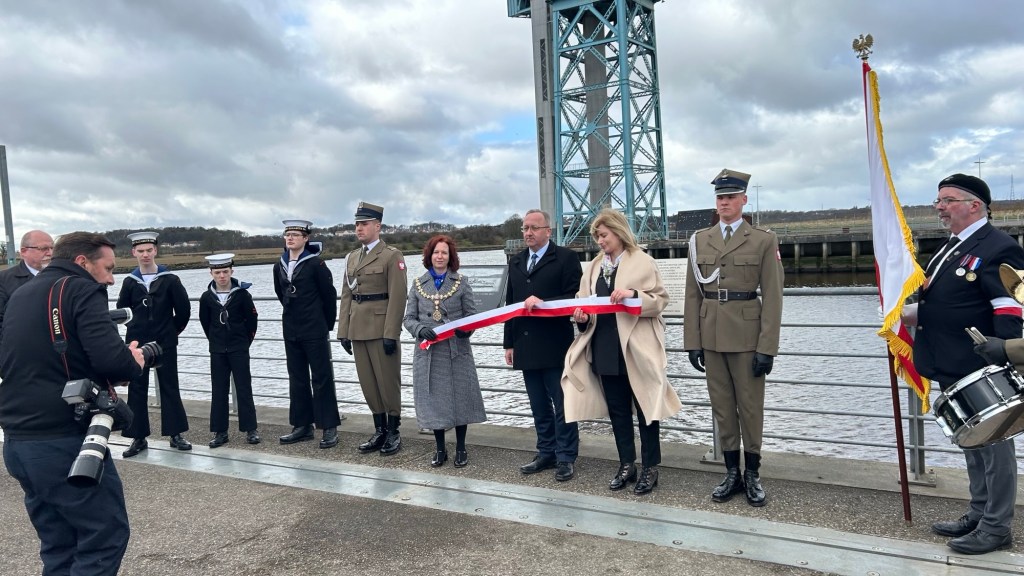
 Polish Sue
Leave a reply to Remembering ORP Piorun in Clydebank – a new exhibition in Scotland. – Polish Sue Cancel reply