
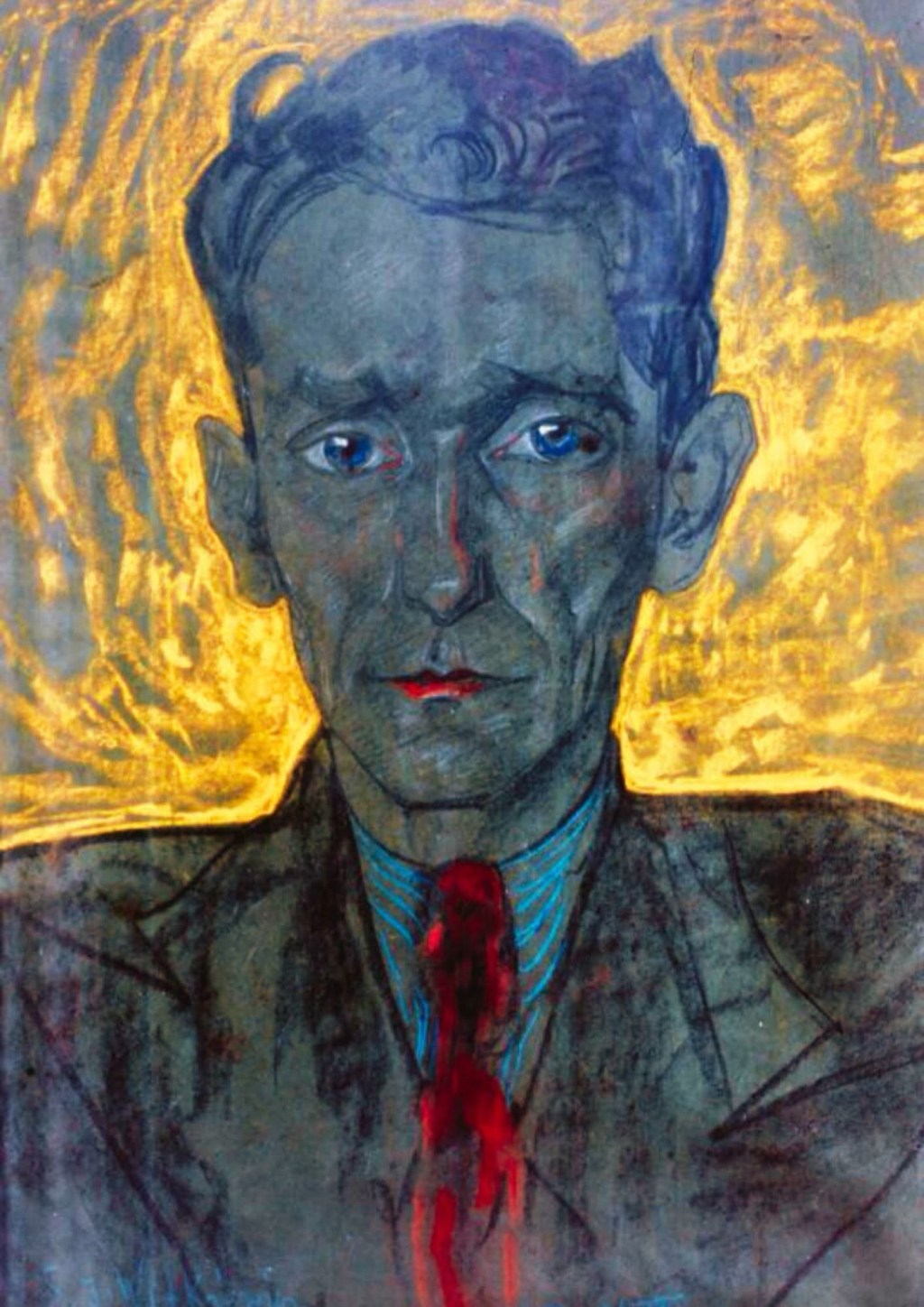
61 lat temu, 12 września 1964 roku, zmarł Sergiusz Piasecki – pisarz, którego życiorys sam mógłby stać się fabułą powieści sensacyjnej. Autor kultowych niegdyś książek „Kochanek Wielkiej Niedźwiedzicy”, „Bogom nocy równi” i „Siedem pigułek Lucyfera” przez dekady pozostawał postacią niemal legendarną – szpiegiem, przemytnikiem, więźniem, a przede wszystkim niepokornym artystą.
Londyn: Piasecki lepszy od Orwella
Gdy w 1948 roku londyński wydawca przygotowywał do druku „Siedem pigułek Lucyfera”, w słowie wstępnym padły słowa, które do dziś elektryzują literaturoznawców:
„Czytałem niedawno satyrę na podobny temat Georga Orwella >>Folwark zwierzęcy<< (…). Uznaję ją za dobrą, lecz wydaje mi się, że satyra Sergiusza Piaseckiego jest lepsza pod względem artystycznym”.
Dla porównania: Orwell posłużył się alegorią zwierząt, by ukazać mechanizmy totalitaryzmu. Piasecki natomiast – jak zauważa wydawca – sięgnął po artystyczne efekty o znacznie większej sile rażenia. Zamiast bajki o zwierzętach, stworzył diabelską groteskę osadzoną w powojennej Polsce – kraju niby „wolnym i demokratycznym”, a faktycznie pełnym terroru, strachu i przemocy.
Diabeł na polskiej ziemi
Bohater „Siedmiu pigułek Lucyfera”, diabeł Marek, miał być świadkiem polskiej rzeczywistości lat 1945–1946. Już na początku swojej „misji” trafia do aresztu w Toruniu – nie za grzechy, lecz za brak biletu i dokumentów. Podejrzany typ? Dla milicji – oczywiście. A stamtąd prosta droga do UB.
Fragment brzmi jak dokument, a jednak to satyra:
„W ciągu trzech dni pobytu w UB Marek stracił 5 zębów, normalny kształt nosa, górną błonę łączącą lewe ucho z głową i 7 kilo wagi”.
To groteska? Tak. Ale zarazem przerażająco wierny obraz powojennej Polski Ludowej.
Życie groźniejsze niż fikcja
Sam Piasecki nie potrzebował literackiej wyobraźni, by znać smak ryzyka. Walczył jako żołnierz, działał w polskim wywiadzie, był przemytnikiem i skazańcem. Jego biografia to kalejdoskop dramatycznych zwrotów: więzienia II RP, fronty wojenne, działalność konspiracyjna, a potem emigracja, na której powstały jego najważniejsze dzieła.
Zapomniany, ale niepokonany
Piasecki, którego londyński wydawca stawiał wyżej od Orwella, w Polsce przez lata pozostawał na indeksie. Jego książki wracały powoli – najpierw w drugim obiegu, potem w wolnej Polsce. Dziś wciąż zaskakują aktualnością i artystyczną siłą.
Czy to nie ironia historii, że autor, którego talent oceniano jako większy niż Orwella, dziś jest niemal nieznany?
Tekst: Iwona Golińska
Źródło: Instytut Pamięci Narodowej
Foto: IPN
En.
He surpassed Orwell in talent. Sergiusz Piasecki – the forgotten genius of Polish literature.
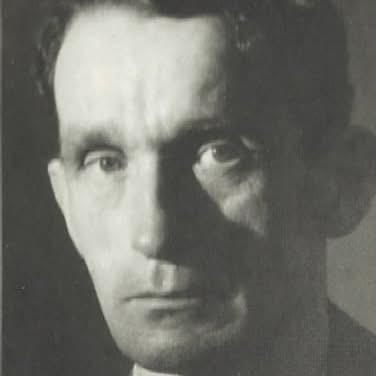
Sergiusz Piasecki died 61 years ago, on September 12, 1964. He was a writer whose life story alone could have been the plot of a thriller. The author of the once-iconic books “The Great Bear’s Lover,” “Equal to the Gods of the Night,” and “The Seven Pills of Lucifer,” he remained a near-legendary figure for decades – a spy, a smuggler, a prisoner, and above all, a rebellious artist.
London: Piasecki Better Than Orwell
When a London publisher was preparing “The Seven Pills of Lucifer” for publication in 1948, the foreword included words that still electrify literary scholars today:
“I recently read George Orwell’s satire on a similar topic, Animal Farm (…). I consider it good, but it seems to me that Sergiusz Piasecki’s satire is artistically superior.”
For comparison: Orwell used an allegory of animals to illustrate the mechanisms of totalitarianism. Piasecki, on the other hand, as the publisher notes, reached for artistic effects of much greater impact. Instead of a fable about animals, he created a devilish grotesque set in post-war Poland – a country supposedly “free and democratic,” but actually full of terror, fear, and violence.
The Devil on Polish Soil
The protagonist of “The Seven Pills of Lucifer,” the devil Marek, was supposed to witness the Polish reality of 1945-1946. At the very beginning of his “mission,” he was arrested in Toruń—not for sins, but for lacking a ticket and documents. A suspicious character? To the militia, of course. And from there, it was a direct path to the Security Service (UB).
The excerpt sounds like a documentary, yet it’s satire:
“During three days in the UB, Marek lost five teeth, the normal shape of his nose, the upper membrane connecting his left ear to his head, and 7 kilograms of weight.”
Is it grotesque? Yes. But at the same time, it’s a terrifyingly accurate portrayal of post-war People’s Poland.
A Life More Dangerous Than Fiction
Piasecki himself didn’t need literary imagination to know the taste of risk. He fought as a soldier, worked in Polish intelligence, was a smuggler, and was a convict. His biography is a kaleidoscope of dramatic twists and turns: prisons in the Second Polish Republic, war fronts, underground activity, and then emigration, where his most important works were created.
Forgotten but Undefeated
Piasecki, whom his London publisher valued more highly than Orwell, remained banned in Poland for years. His books slowly resurfaced – first in underground circulation, then in free Poland. Today, they still surprise with their relevance and artistic power.
Isn’t it an irony of history that an author whose talent was considered greater than Orwell’s is now virtually unknown?
Text: Iwona Golińska
Source: Institute of National Remembrance
Photo: IPN



 Polish Sue
Leave a reply to Sergiusz Piasecki’s Return to Poland. – Polish Sue Cancel reply