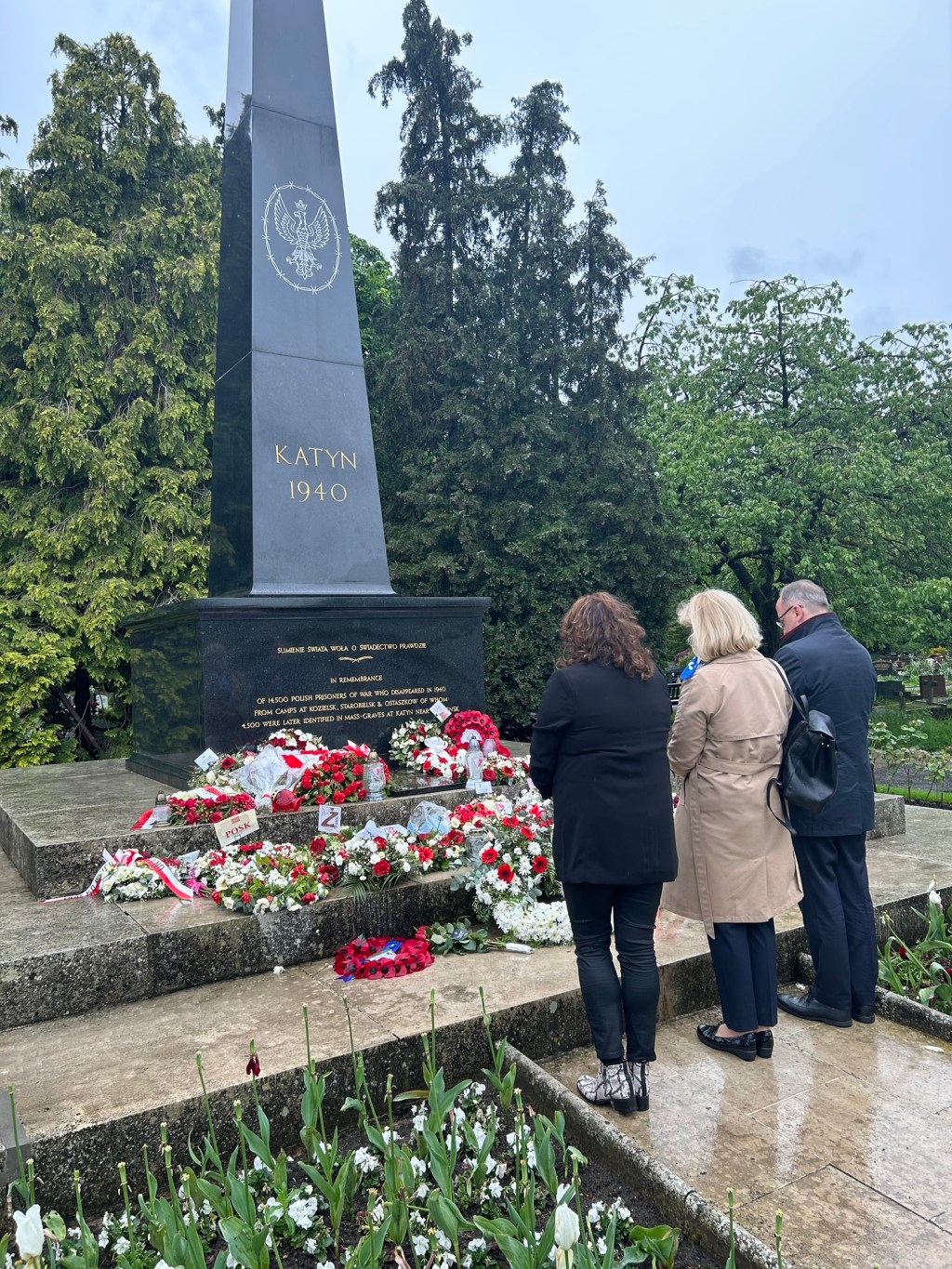
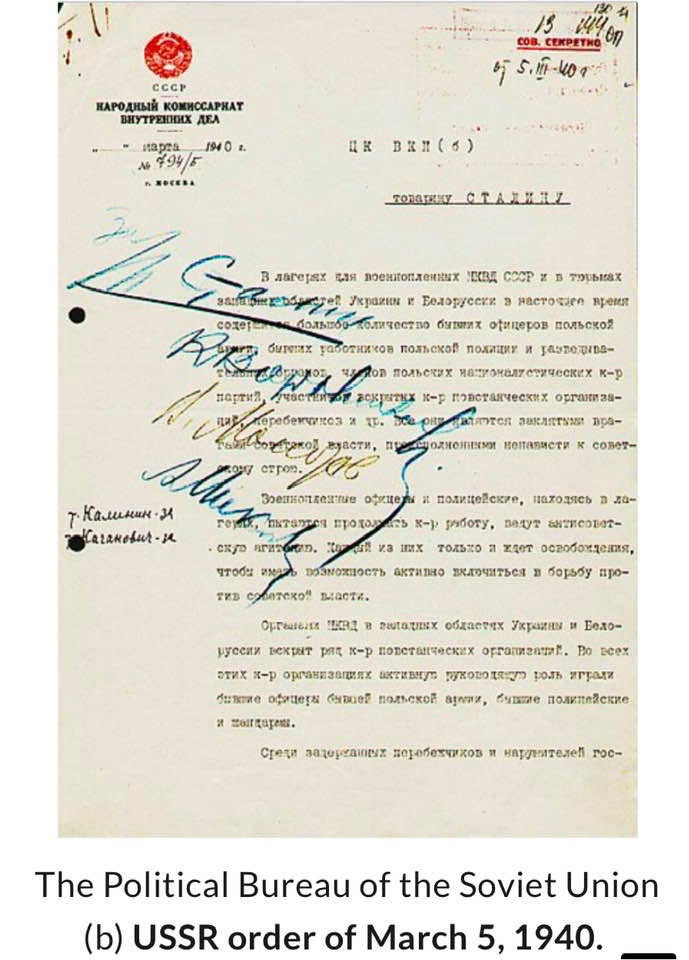
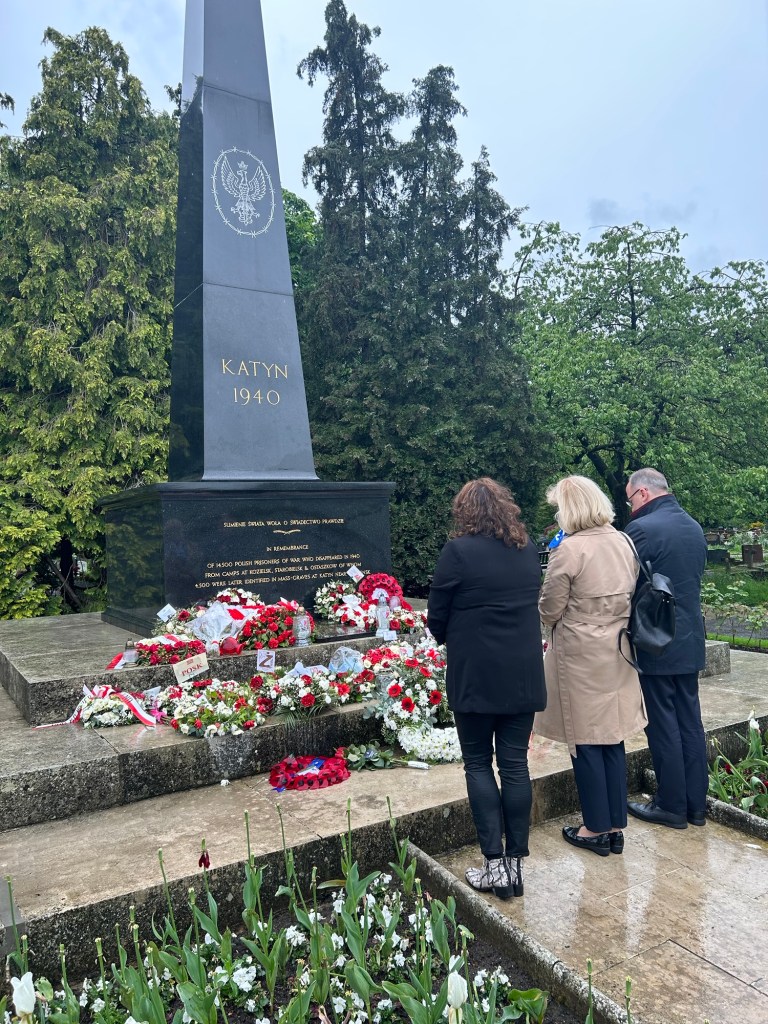
On March 5, 1940, Lavrentiy Beria, head of the Soviet NKVD, signed an order that sealed the fate of thousands of Polish prisoners of war. This act, approved by Joseph Stalin and the Soviet leadership, led to the execution of approximately 22,000 Polish officers, policemen, intellectuals, and civil servants. The Katyn Massacre, named after one of the primary execution sites in western Russia, remains one of the most harrowing crimes committed against the Polish nation in the 20th century.
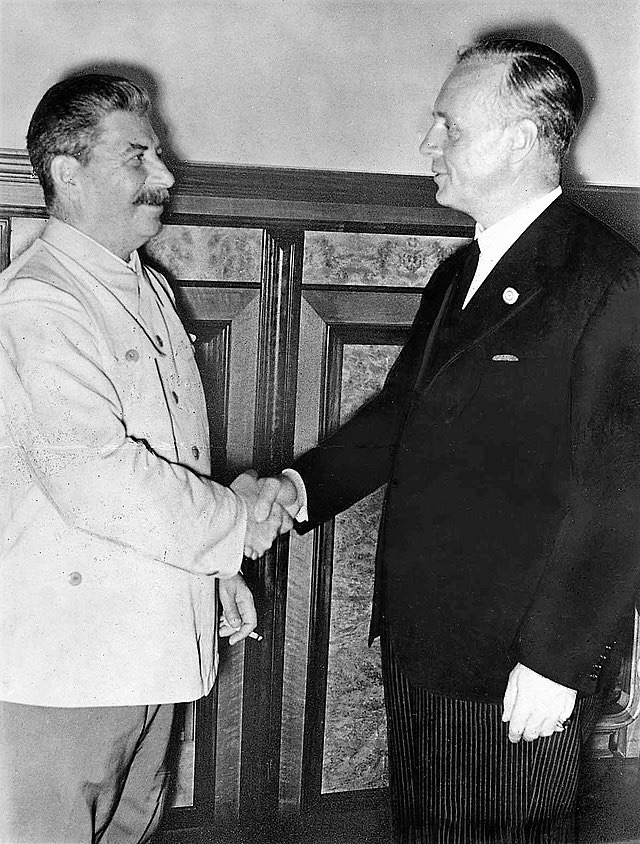
The massacre was a direct consequence of the Soviet invasion of Poland on September 17, 1939, following the Molotov-Ribbentrop Pact. Under this agreement, Nazi Germany and the Soviet Union divided Poland between them. The Soviets took control of eastern Poland and captured thousands of Polish military personnel and professionals. These individuals were detained in camps at Kozelsk, Starobelsk, and Ostashkov, among others.
Viewing the Polish officers and intelligentsia as a threat to Soviet control, the NKVD planned their systematic elimination. Beria’s order of March 5, 1940, called for the execution of these prisoners on charges of being “enemies of the Soviet state.” Throughout April and May of that year, the prisoners were transported in secrecy, shot in the back of the head, and buried in mass graves in the Katyn Forest, Mednoye, Kharkiv, and other locations.
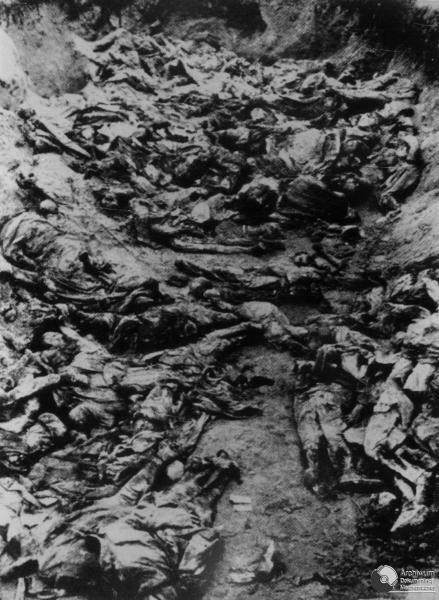
The massacre devastated Poland’s leadership class. Among the victims were high-ranking military officers, university professors, lawyers, engineers, and clergy—individuals who played a crucial role in the functioning of Polish society. Their deaths left a void that would impact Poland for generations.
The loss of these individuals extended beyond their immediate families. Their wives, children, and relatives spent years searching for answers, often under the threat of repression. For decades, the Soviet Union denied responsibility, blaming Nazi Germany after the discovery of the graves in 1943. Only in 1990 did the Soviet government, under Mikhail Gorbachev, officially acknowledge its role in the massacre.

For decades, discussing the Katyn Massacre was forbidden in communist Poland. Families of the victims were monitored and often persecuted. The truth was preserved by the Polish diaspora and dissidents who risked their lives to document the crime.

After the fall of communism in 1989, Poland sought to reclaim its history. Memorials were erected, and historical research on Katyn was finally allowed. In 2010, a tragic plane crash near Smolensk claimed the lives of Polish President Lech Kaczyński and other top officials who were en route to commemorate the anniversary of the massacre, deepening the wound in Poland’s national memory.
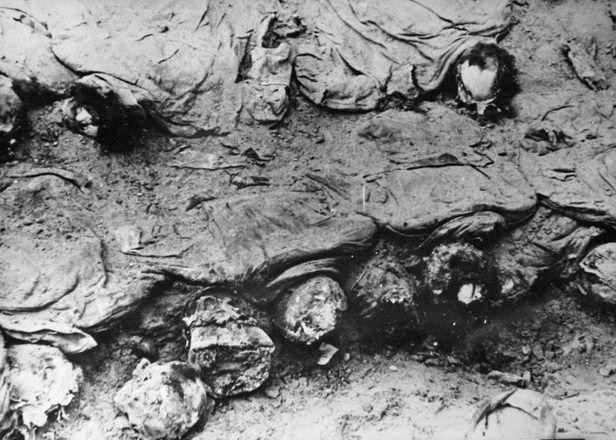
The Katyn Massacre was not merely an act of war but an attempt to erase an essential part of Poland’s identity. The deliberate execution of the nation’s intellectual and military elite was aimed at weakening Poland’s ability to resist Soviet control.
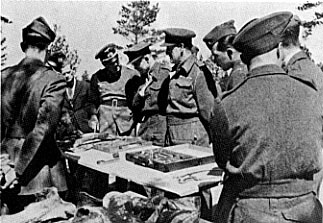
Photo from 1943 exhumation of mass grave of polish officers killed by NKVD in Katyń Forest in 1940. Germans showing their findings to an international commission made up from POW officers from Great Britain, Canada and US.
Today, remembering Katyn is not just about honoring the dead but also about ensuring that historical truth prevails. The massacre stands as a reminder of the consequences of totalitarianism and the importance of safeguarding historical memory against distortion and denial.
We remember.
Text: Iwona Golińska
Photos: Wikipedia, Polish Sue




Leave a comment