W pierwszych dniach listopada, kiedy wspominamy tych, którzy odeszli — naszych bliskich, przyjaciół, ale także tych, którzy oddali życie za wolną Polskę — pochylamy się z wdzięcznością i zadumą nad ich grobami. To czas refleksji, modlitwy i pamięci o tych, którzy swoją postawą zapisali się na kartach historii naszego narodu.
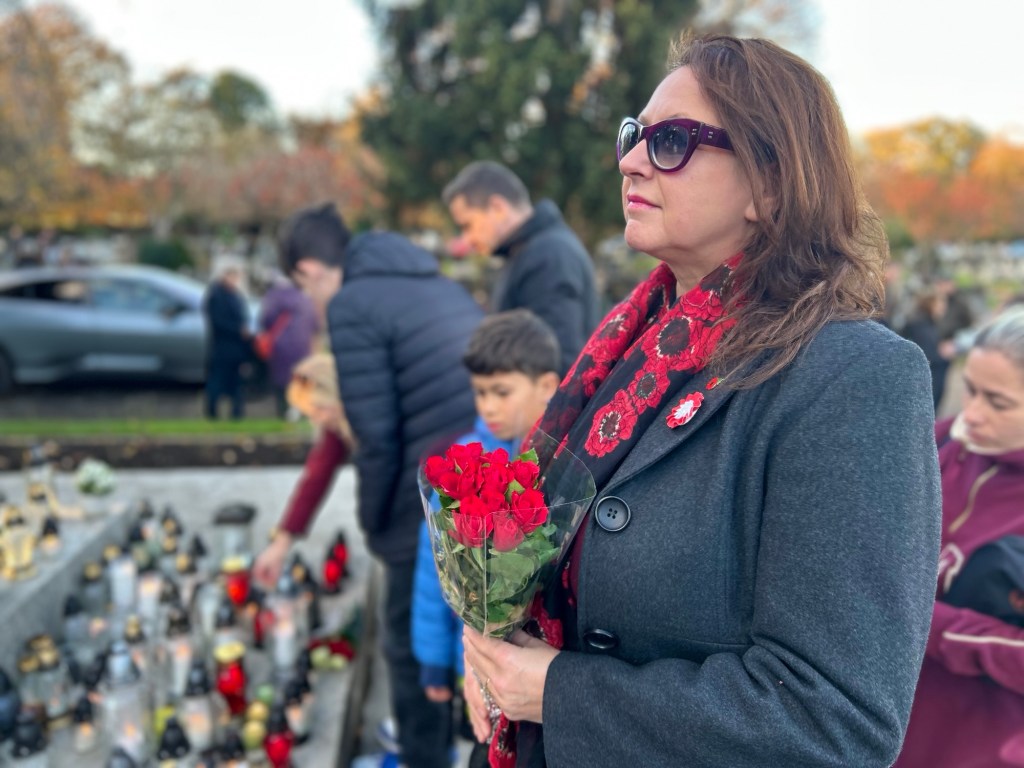
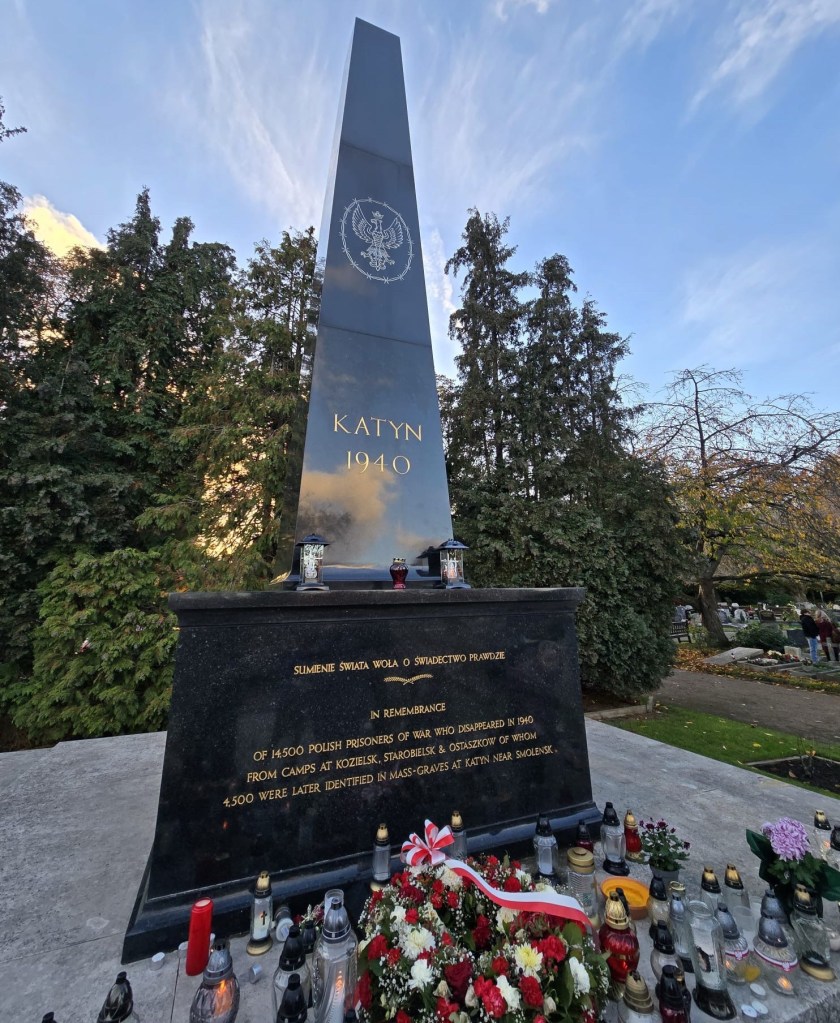
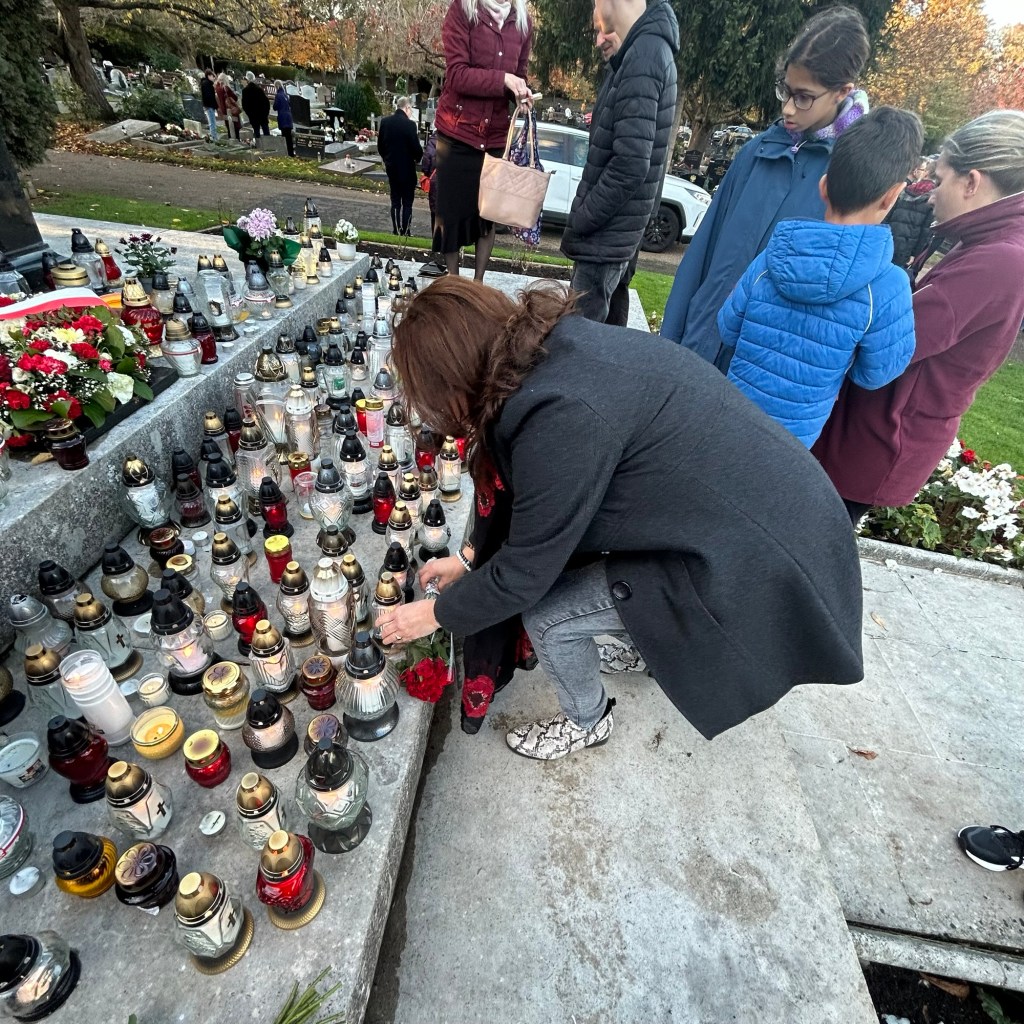
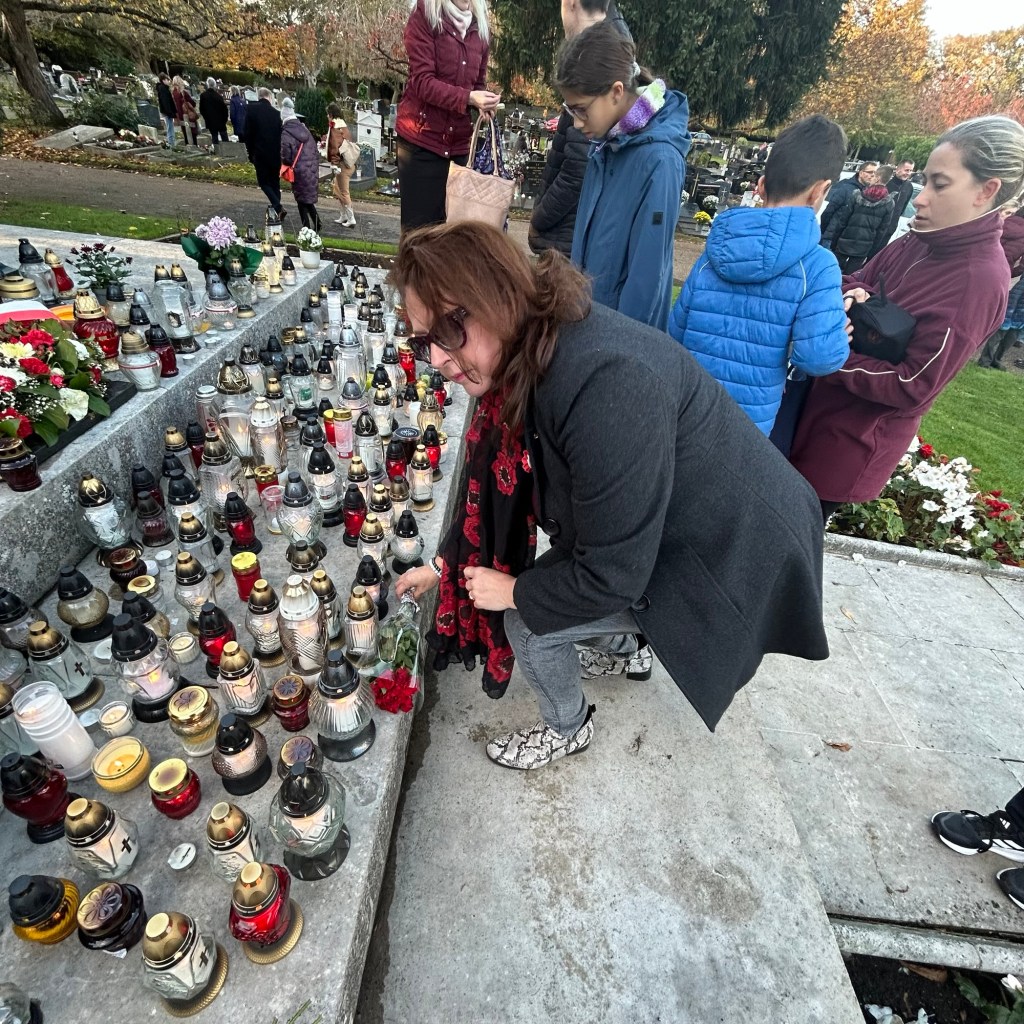
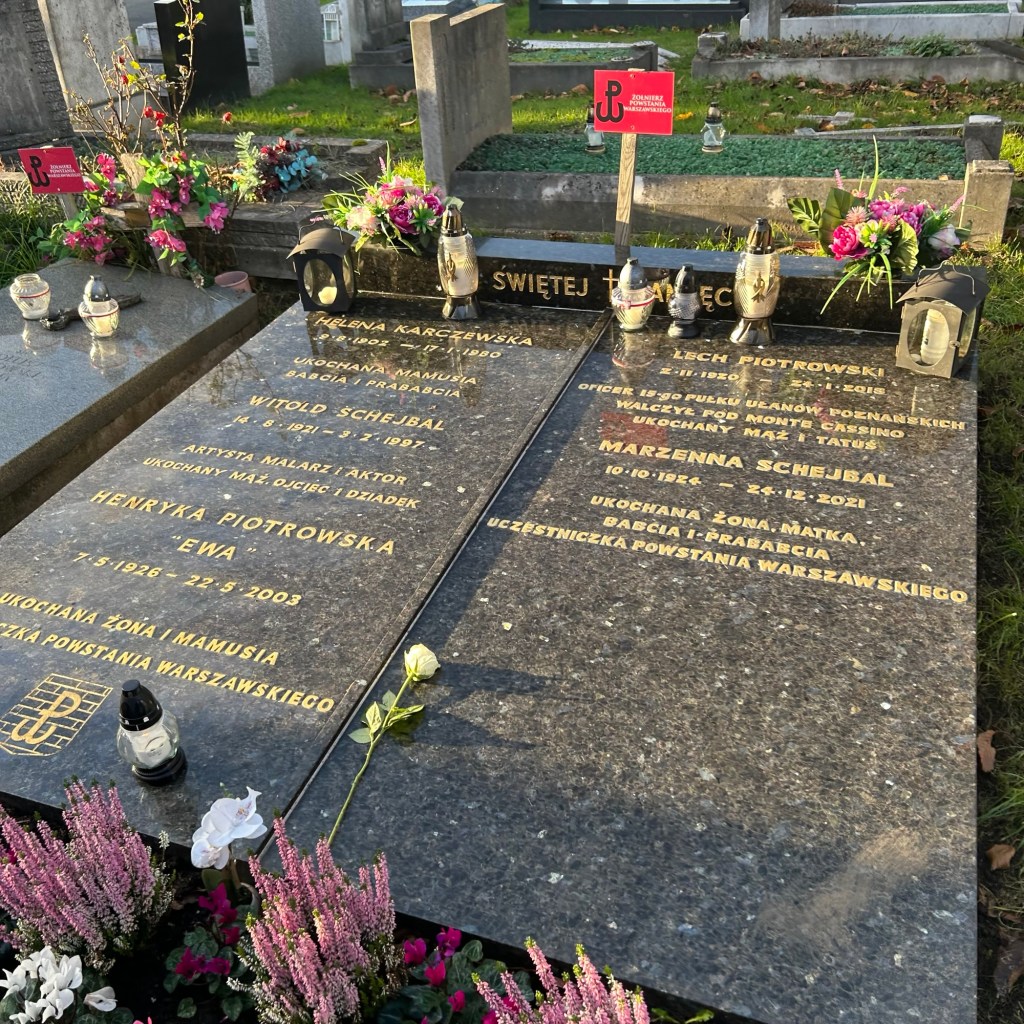
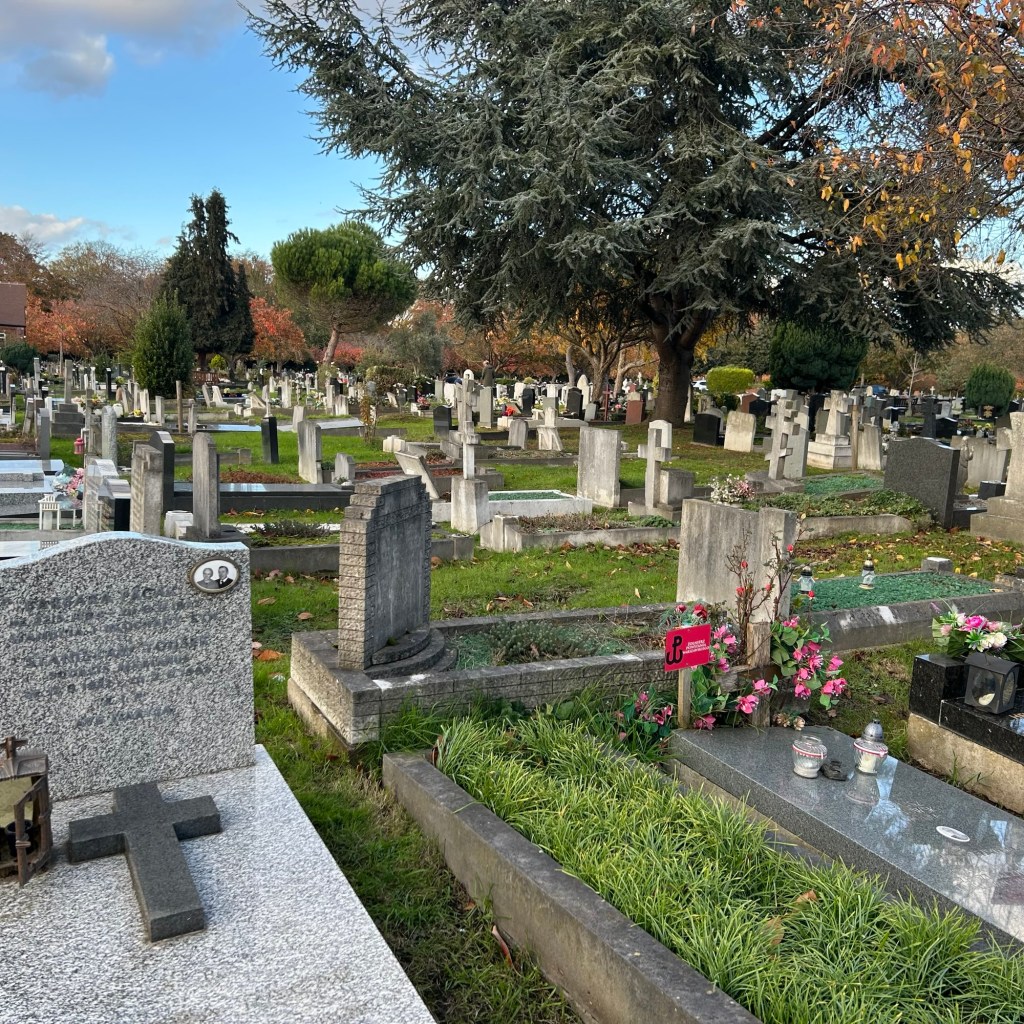
Jak co roku, przedstawiciele Polish Sue odwiedzili groby polskich bohaterów spoczywających na największej nekropolii w Londynie – cmentarzu Gunnersbury. Składając kwiaty i zapalając znicze przy Pomniku Katyńskim, oddaliśmy hołd oficerom Wojska Polskiego, ofiarom sowieckiej zbrodni z 1940 roku.
Wiosną tamtego tragicznego roku tysiące polskich oficerów, policjantów i przedstawicieli inteligencji zostało zamordowanych przez NKWD na mocy decyzji najwyższych władz Związku Sowieckiego. Katyń, Miednoje, Charków i inne miejsca kaźni stały się symbolem cierpienia, ale także niezłomności ducha polskiego narodu. Pamięć o tych ofiarach, przez lata zakłamywana i przemilczana, dziś stanowi jeden z filarów naszej narodowej tożsamości.
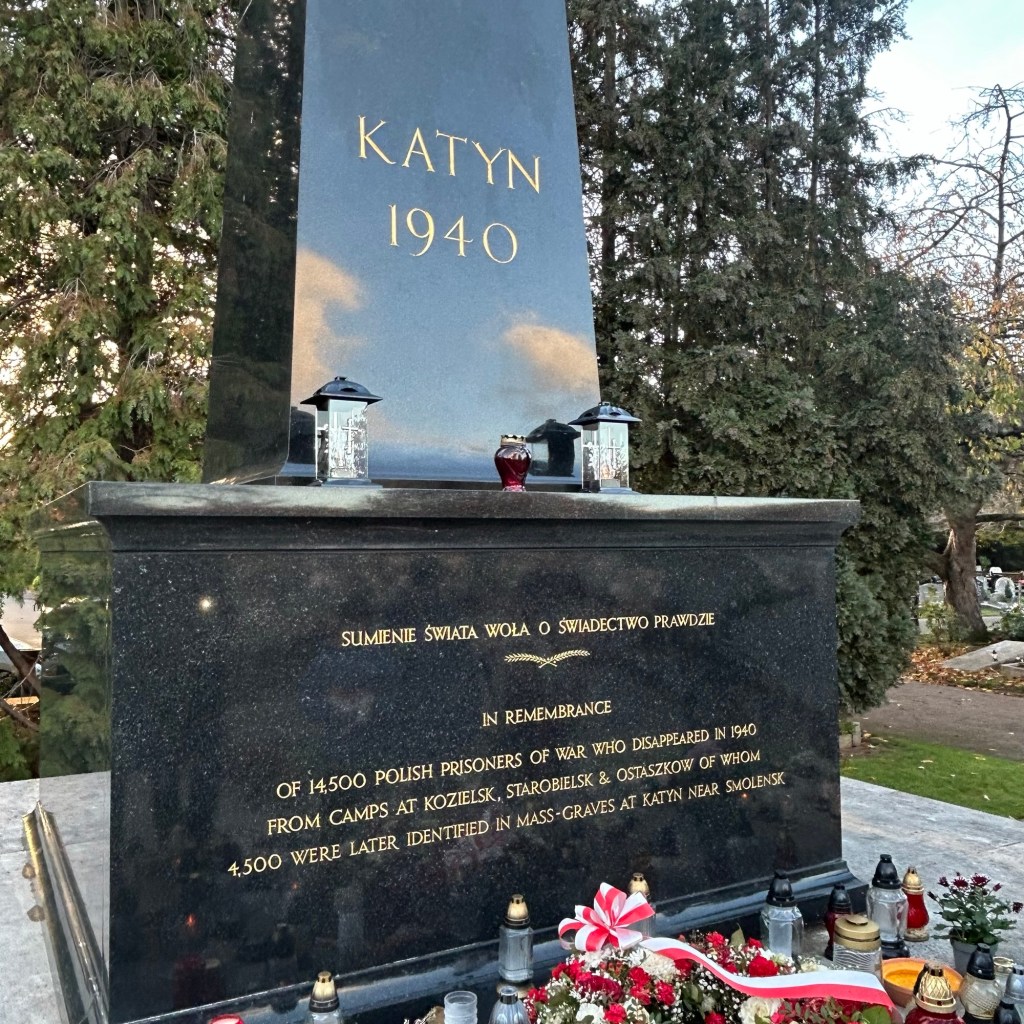
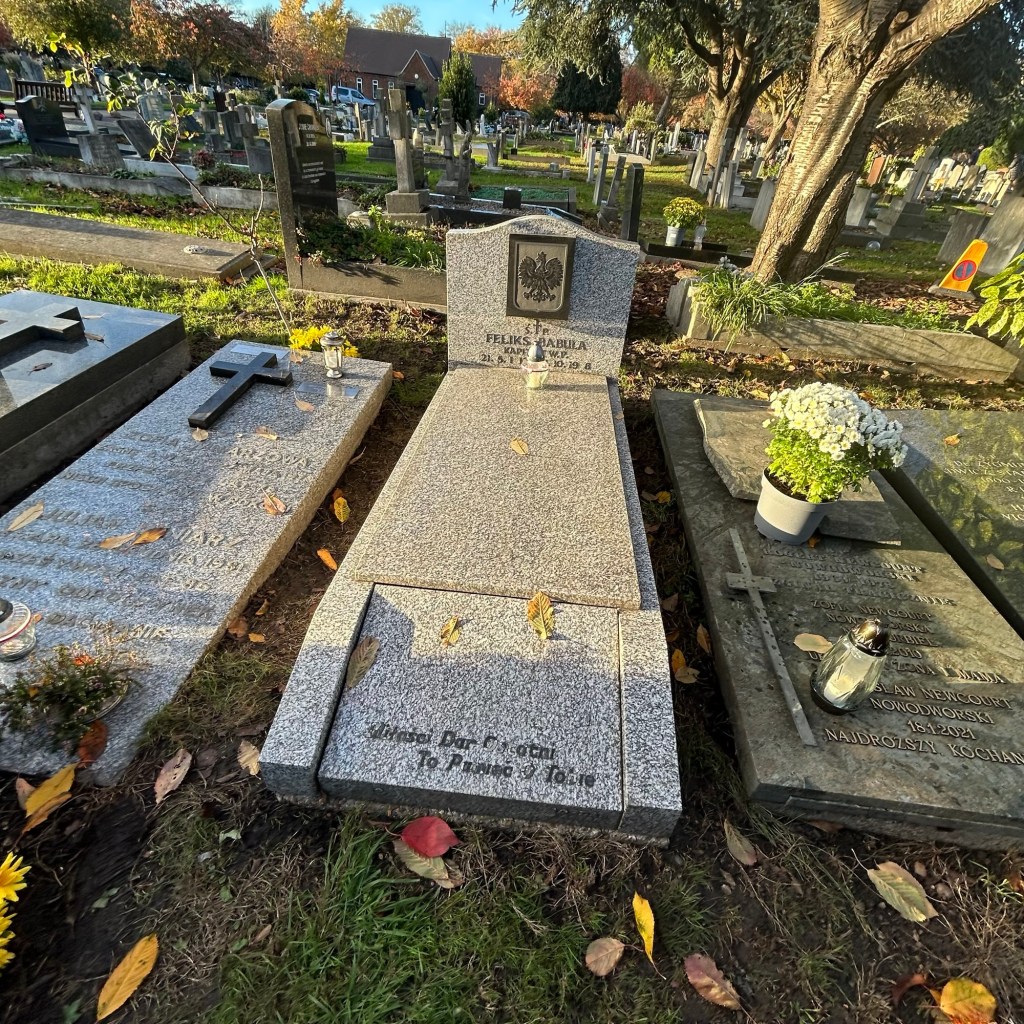
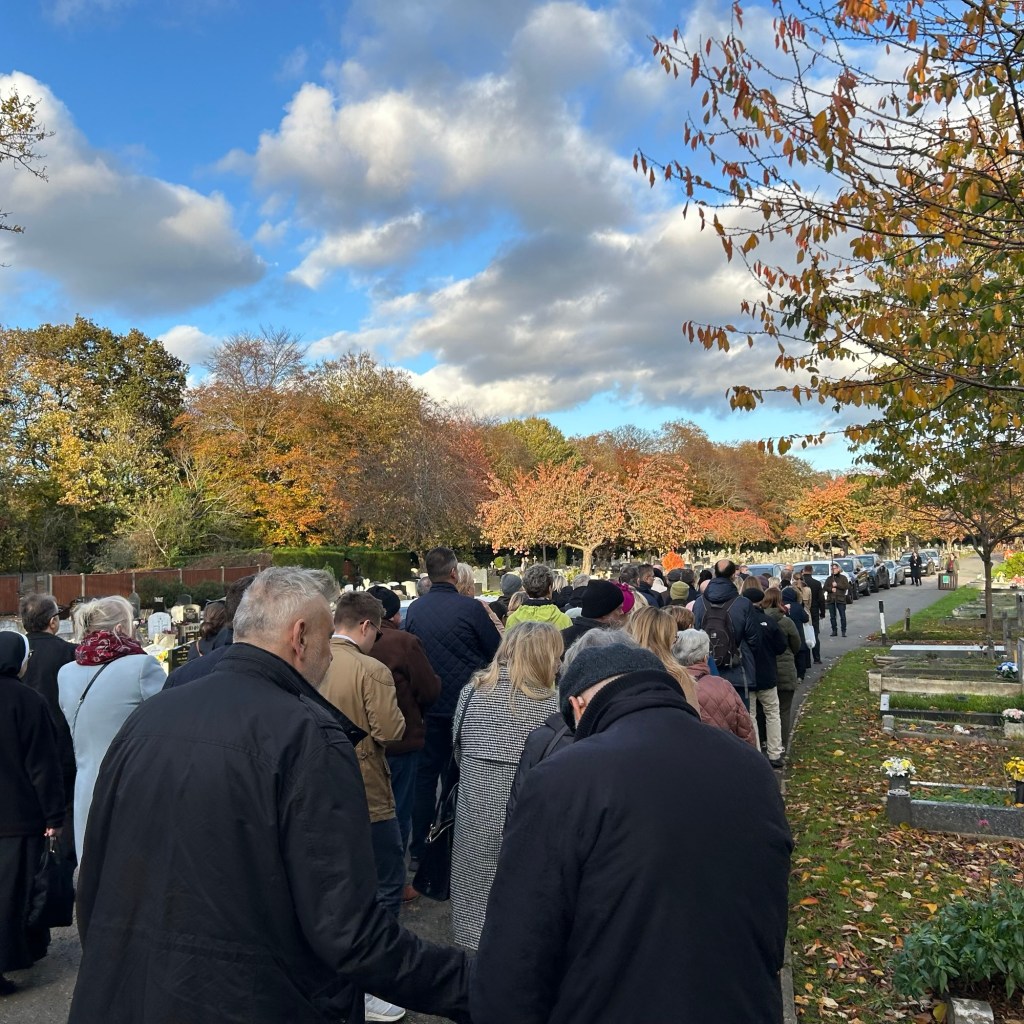
Podczas tegorocznej wizyty przedstawiciele Polish Sue wzięli również udział w procesji na cmentarzu Gunnersbury, modląc się za spoczywających tam polskich żołnierzy i bohaterów. Wśród licznych mogił zatrzymaliśmy się także przy grobie Prezydenta Rzeczypospolitej Polskiej na uchodźstwie, Kazimierza Sabata – człowieka, który całe życie poświęcił służbie Polsce.

Kazimierz Sabbat, żołnierz Polskich Sił Zbrojnych na Zachodzie, po wojnie zaangażował się w działalność niepodległościową i społeczną wśród Polonii w Wielkiej Brytanii. Jako premier, a następnie prezydent RP na uchodźstwie, kontynuował misję utrzymania ciągłości polskiego państwa i jego tradycji w czasach, gdy ojczyzna była zniewolona przez komunizm.
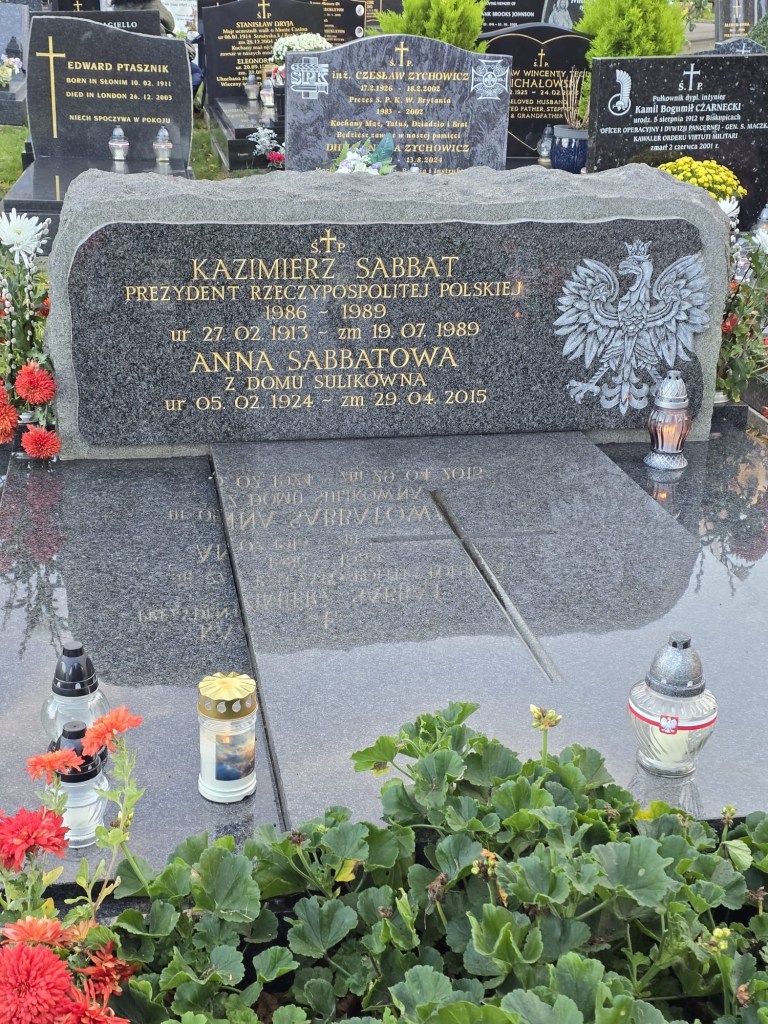
Zmarł nagle w 1989 roku, kilka miesięcy przed odzyskaniem przez Polskę wolności, której tak bardzo pragnął.
Składając kwiaty i zapalając znicze na jego grobie, oddaliśmy cześć jego pamięci oraz wszystkim, którzy wierzyli, że Polska – nawet w najtrudniejszych chwilach – przetrwa dzięki wierze, nadziei i solidarności Polaków.
Pamięć o tych, którzy walczyli i cierpieli za Ojczyznę, jest naszym wspólnym obowiązkiem i dziedzictwem.
Dziękujemy wszystkim, którzy podtrzymują tę pamięć w Wielkiej Brytanii i w Polsce.
📸 Tekst i zdjęcia: Polish Sue Association
📅 Londyn, listopad 2025
En.
🇬🇧 A Candle of Remembrance at Gunnersbury Cemetery. In tribute to the heroes who gave their lives for a free Poland.
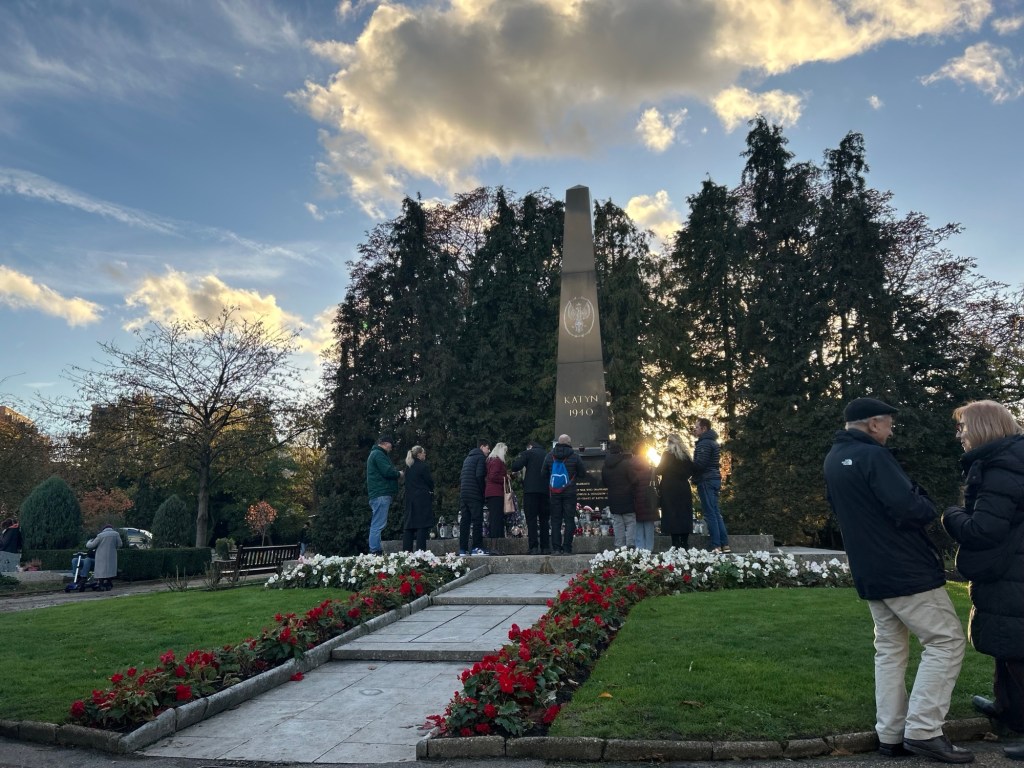
In the first days of November, as we remember those who have passed away—our loved ones, friends, and those who gave their lives for a free Poland—we bow in gratitude and contemplation at their graves. It is a time of reflection, prayer, and remembrance for those who, through their actions, have left their mark on the pages of our nation’s history.
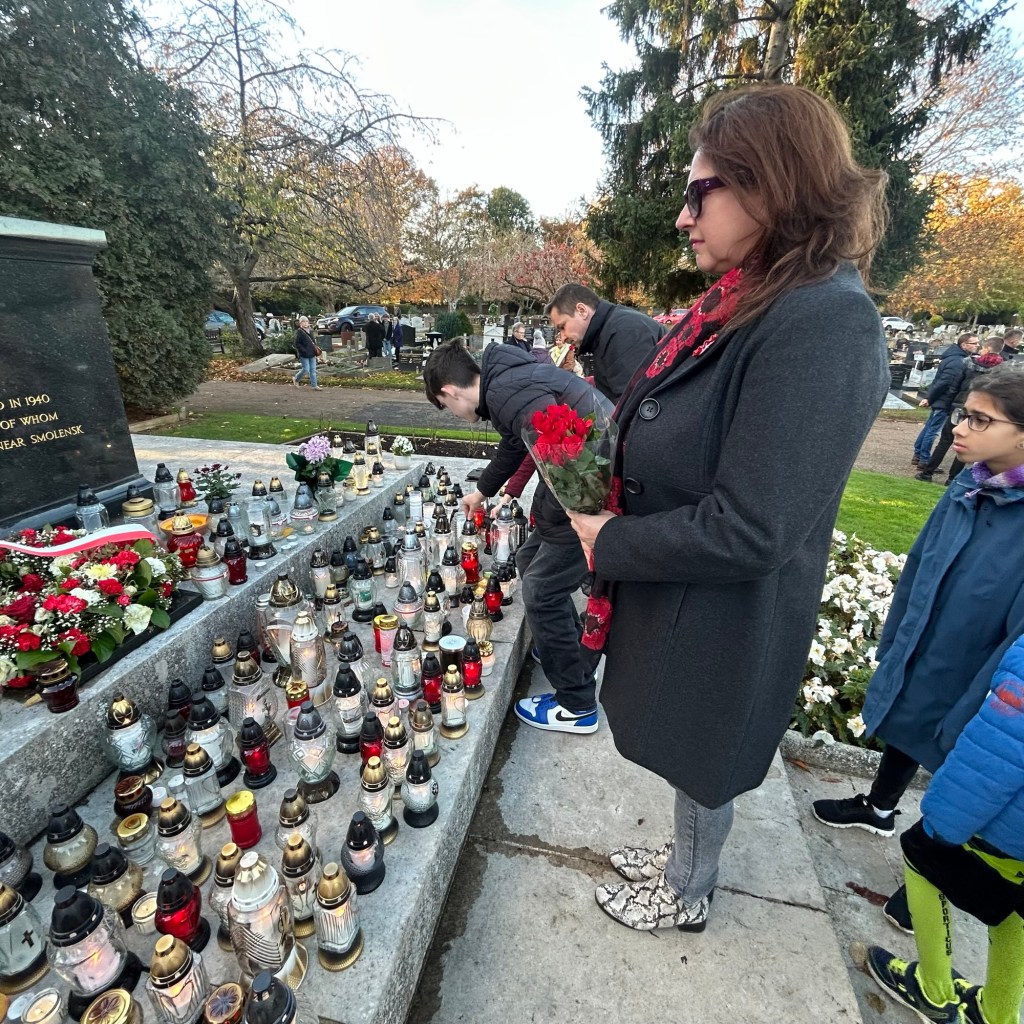
As every year, representatives of the Polish Sue visited the graves of Polish heroes buried at the largest necropolis in London—Gunnersbury Cemetery. By laying flowers and lighting candles at the Katyn Memorial, we paid tribute to the officers of the Polish Army, victims of the Soviet crimes of 1940.
In the spring of that tragic year, thousands of Polish officers, policemen, and members of the intelligentsia were murdered by the NKVD, pursuant to a decision by the highest authorities of the Soviet Union. Katyn, Mednoye, Kharkiv, and other places of massacre have become symbols of suffering, but also of the indomitable spirit of the Polish nation. The memory of these victims, for years distorted and silenced, today constitutes one of the pillars of our national identity.
We wrote about Katyń Massacre here:
During this year’s visit, representatives of the Polish Sue also took part in a procession to Gunnersbury Cemetery, praying for the Polish soldiers and heroes buried there. Among the numerous graves, we also stopped at the grave of Kazimierz Sabat, President of the Republic of Poland in exile – a man who devoted his entire life to serving Poland.
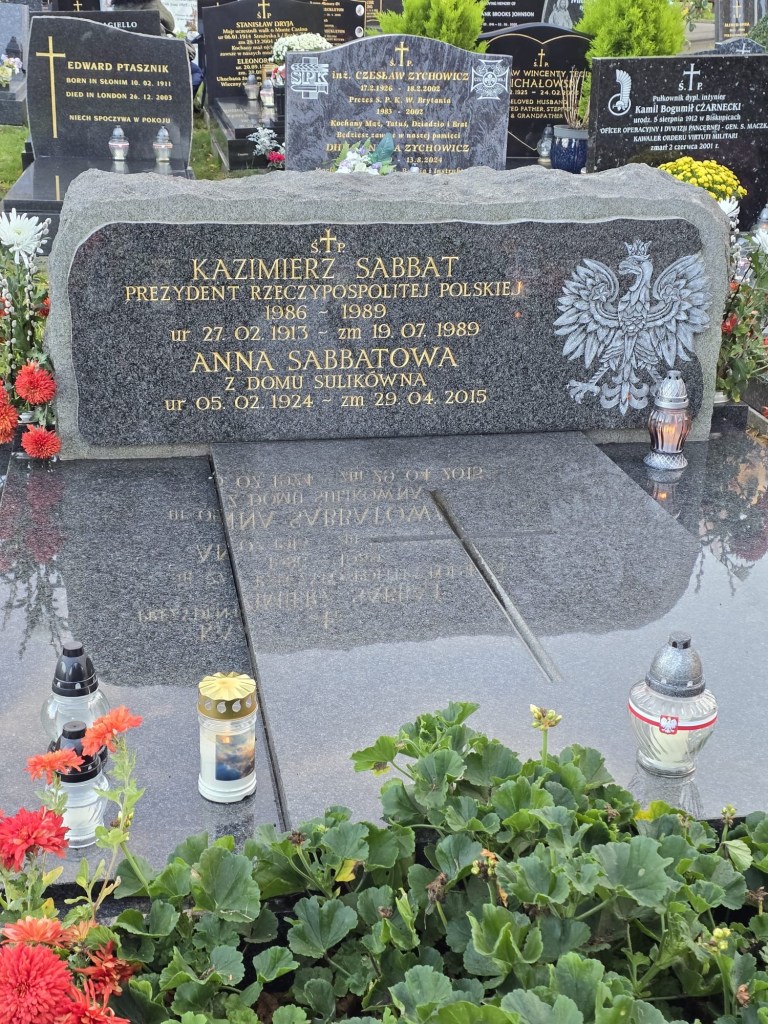
Kazimierz Sabbat, a soldier in the Polish Armed Forces in the West, became involved in independence and social activities among the Polish diaspora in Great Britain after the war. As Prime Minister and then President of the Republic of Poland in exile, he continued the mission of maintaining the continuity of the Polish state and its traditions during the time when his homeland was enslaved by communism. He died suddenly in 1989, just months before Poland regained the freedom he so desperately desired.
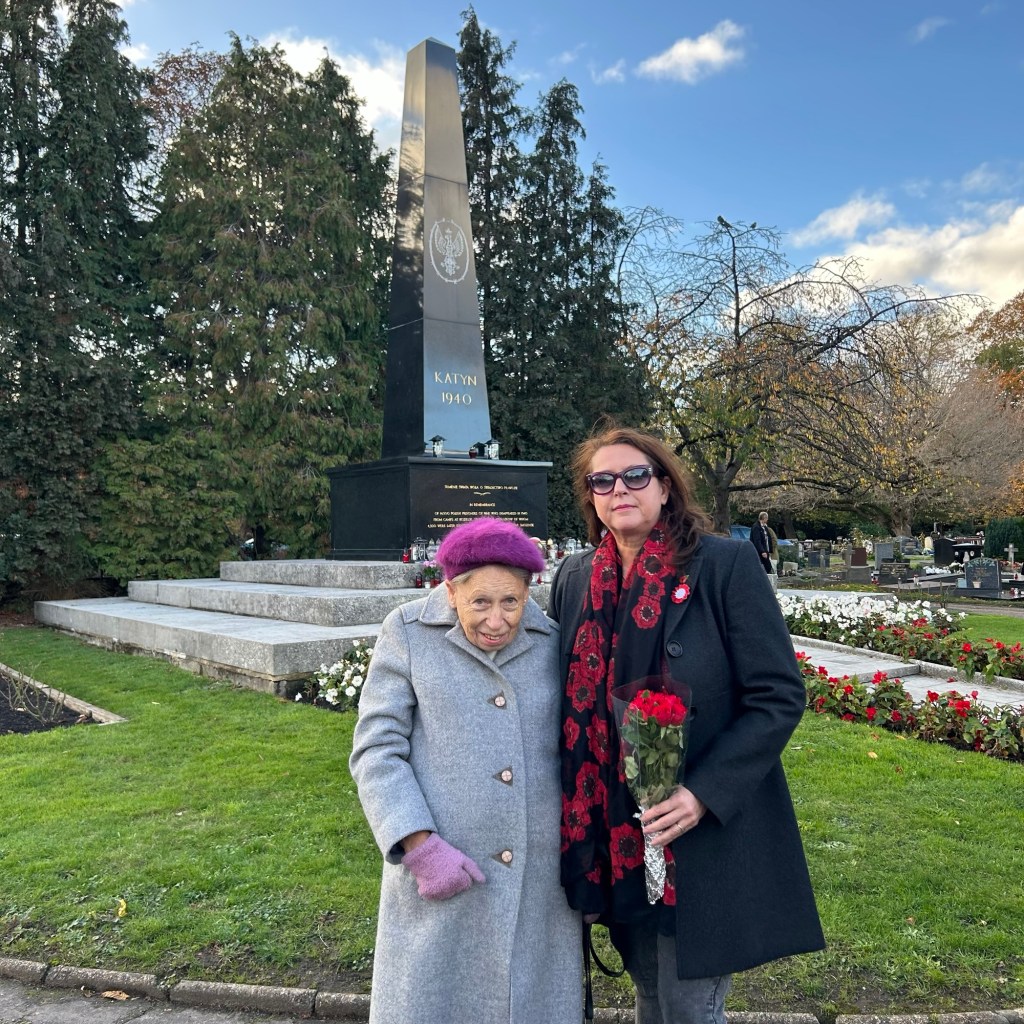
By laying flowers and lighting candles at his grave, we honored his memory and all those who believed that Poland – even in the most difficult times – would survive thanks to the faith, hope, and solidarity of Poles.
Remembering those who fought and suffered for our homeland is our shared duty and heritage.

We thank all those who keep this memory alive in the UK and Poland.
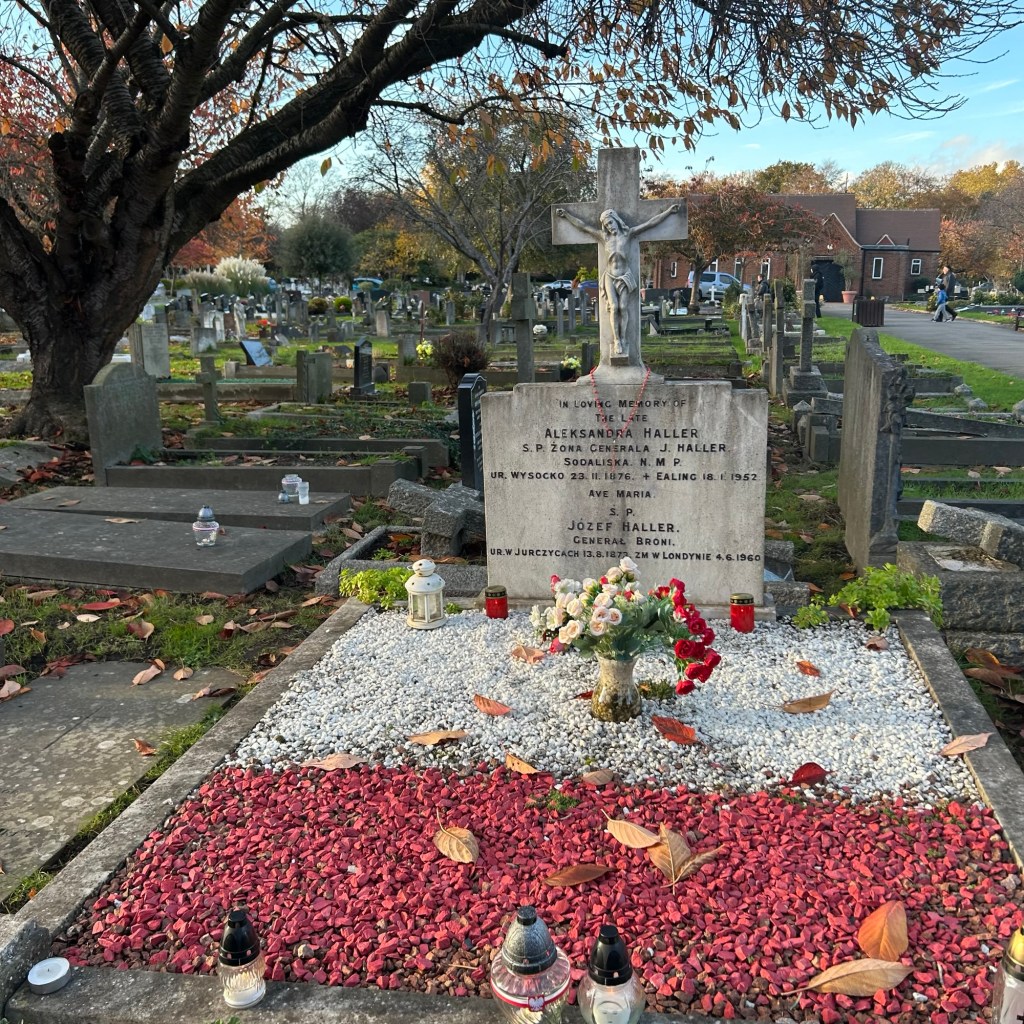
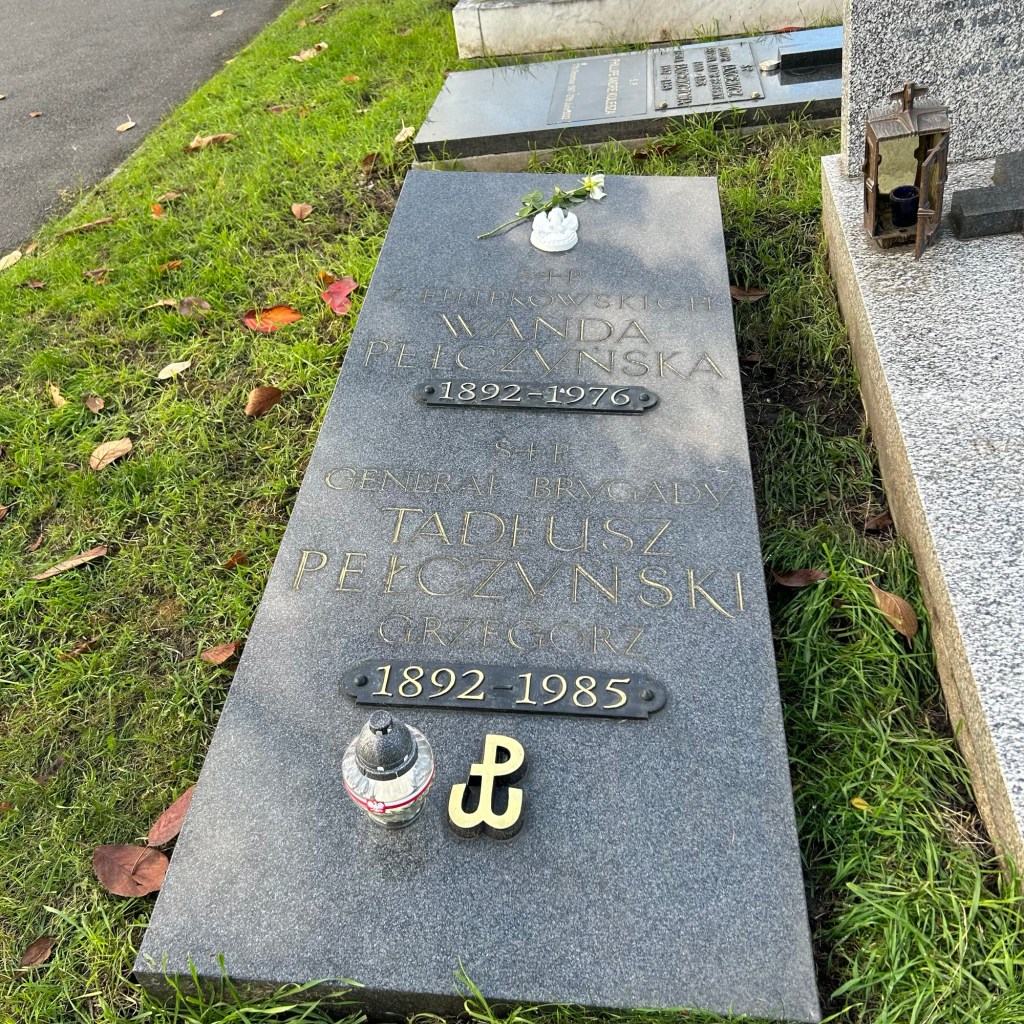
Here is some more pictures from our visit at Gunnersbury:



⸻
📸 Text and photos: Polish Sue Association
📅 London, November 2025



Leave a comment