
Polish Sue | Remembering the victims of communist repression and defending the right to historical justice
On 26 October 1945, the communist authorities in Poland issued one of the most consequential pieces of legislation affecting private property in the country’s post-war history: the Decree on the Ownership and Use of Land within the Boundaries of the Capital City of Warsaw, commonly known as the Bierut Decree.
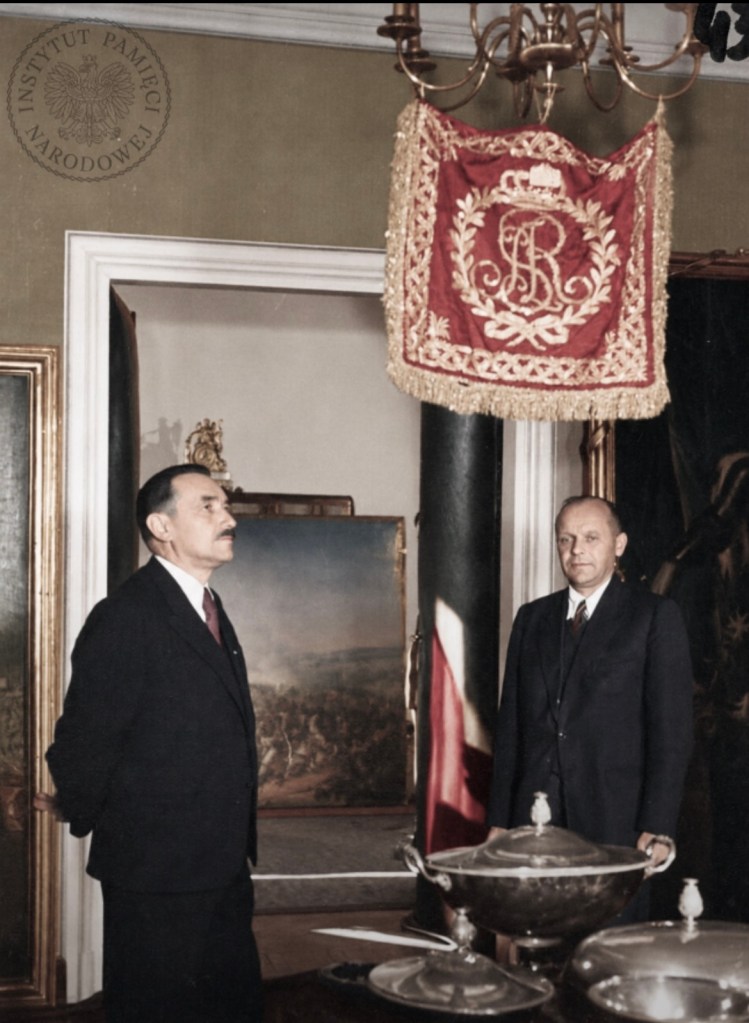
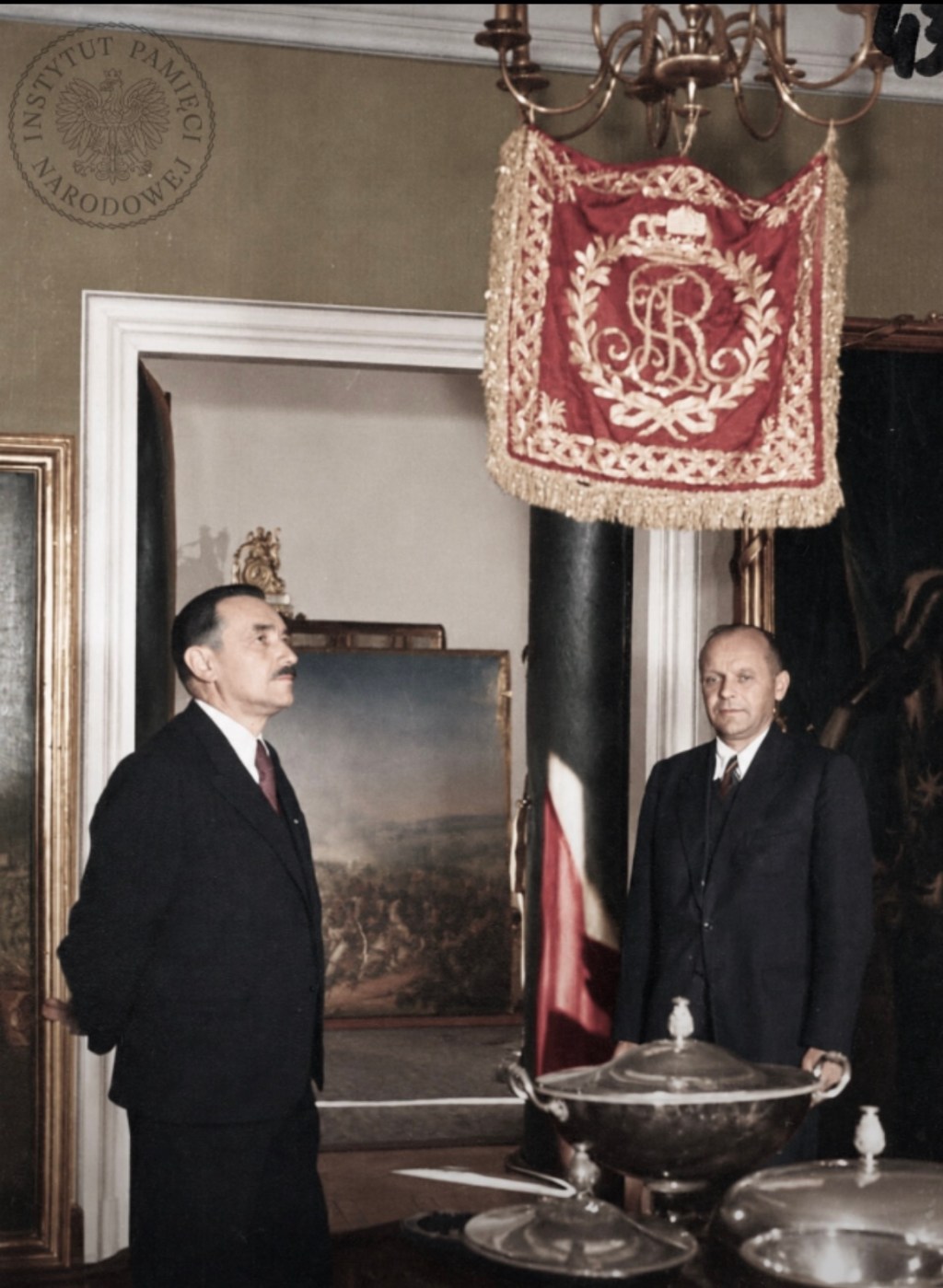
Named after Bolesław Bierut, the communist leader who headed the post-war regime, the decree transferred ownership of land within Warsaw’s pre-war administrative boundaries to the municipality of Warsaw. Although the authorities presented the measure as necessary for the reconstruction of a capital devastated by the Second World War, its consequences for private property owners and their families were profound.
A city rebuilt, but at what cost?
Warsaw had suffered catastrophic destruction during the Second World War, culminating in the systematic destruction that followed the Warsaw Uprising of 1944. Entire neighbourhoods lay in ruins, and the reconstruction of the capital was an urgent national priority.
However, the Bierut Decree went far beyond the physical reconstruction of the city. By transferring land ownership to the municipality, it deprived many former owners of their property rights and enabled the communist authorities to reshape Warsaw’s urban landscape according to the political and economic priorities of the new regime.
The consequences extended beyond the loss of land and buildings. Families were deprived of inherited assets, businesses lost their premises, and generations of owners were denied the opportunity to recover property that had once represented their livelihoods, family histories and security.
For many, this was not simply a financial loss. It was the loss of a home, a legacy and a fundamental right.
An injustice that continues to affect families
The fall of communism in 1989 brought freedom and democratic government to Poland, but it did not automatically resolve every injustice inherited from the communist era.
Claims concerning properties affected by the Bierut Decree have involved complex legal proceedings, administrative decisions and decades of uncertainty. Some former owners and their heirs have pursued restitution or compensation, while others have encountered significant obstacles in establishing their rights.
Importantly, the legal position is more complex than a simple claim that the original decree remains fully operative today. Although its effects continue to shape property disputes, subsequent legislation and legal decisions have changed the framework governing restitution claims. The availability of a remedy depends on the individual property, its legal history and the applicable law.
Nevertheless, the wider question remains: how should a democratic state address the legacy of property taken under an authoritarian regime?
Historical memory and the pursuit of justice
For Polish Sue, an organisation dedicated to history, remembrance and education, the Bierut Decree is an important reminder that the consequences of totalitarianism did not end with the Second World War.
The communist takeover brought profound changes to Polish society, including restrictions on civil liberties, political persecution and the extensive nationalisation of private property. Understanding these events is essential to understanding the experiences of those who lived under communist rule and the challenges faced by their descendants.
Historical remembrance must encompass not only military sacrifice and political repression, but also the personal stories of ordinary families whose lives were transformed by state actions. Behind every property claim may lie a story of displacement, interrupted family traditions and a struggle to have past wrongs acknowledged.
For Polish communities in the United Kingdom and around the world, preserving these stories is part of a broader responsibility to ensure that younger generations understand Poland’s difficult history.
Justice, remembrance and responsibility
The history of the Bierut Decree raises questions that remain relevant today: how can a democratic society reconcile the urgent needs of post-war reconstruction with the rights of individuals? How should historical injustices be addressed when decades have passed and the original victims are no longer alive? And what responsibility does the state have towards the heirs of those who lost their property?
There are no simple answers, particularly after so many years of legal and social change. However, the importance of historical truth, fair legal procedures and respect for property rights remains undeniable.
On the anniversary of the decree’s introduction, Polish Sue remembers the individuals and families affected by this chapter of Poland’s history. Their experiences remind us that the legacy of communism is not confined to history books. It continues to influence lives, family histories and debates about justice.
Remembering the past is not merely an act of commemoration. It is a commitment to truth, dignity and the principle that historical injustices deserve to be acknowledged and addressed.
Polish Sue — preserving Polish history, honouring the past and educating future generations.
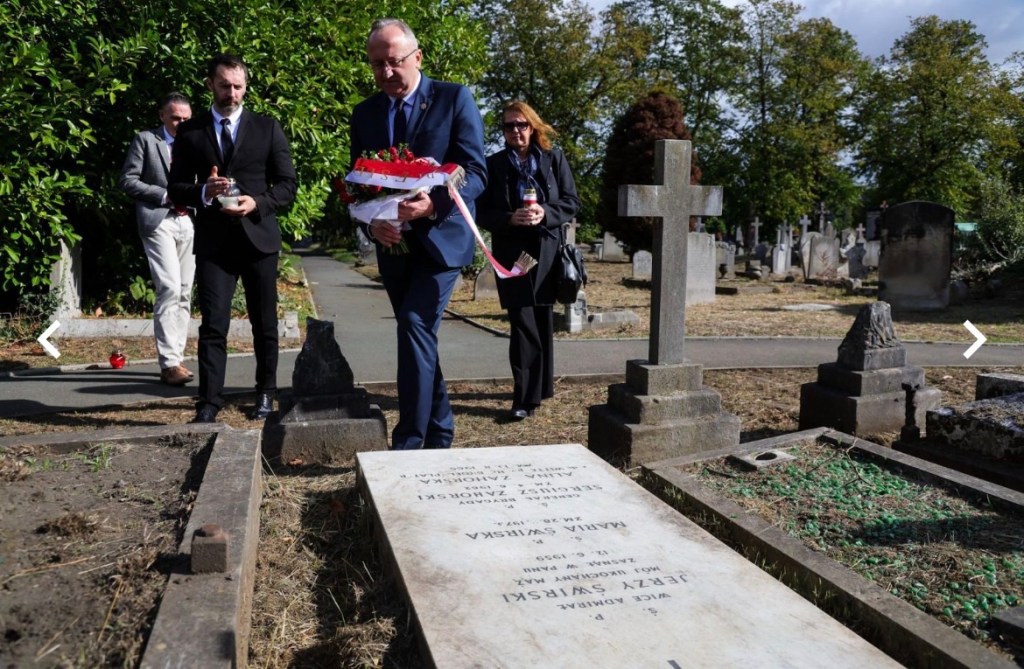
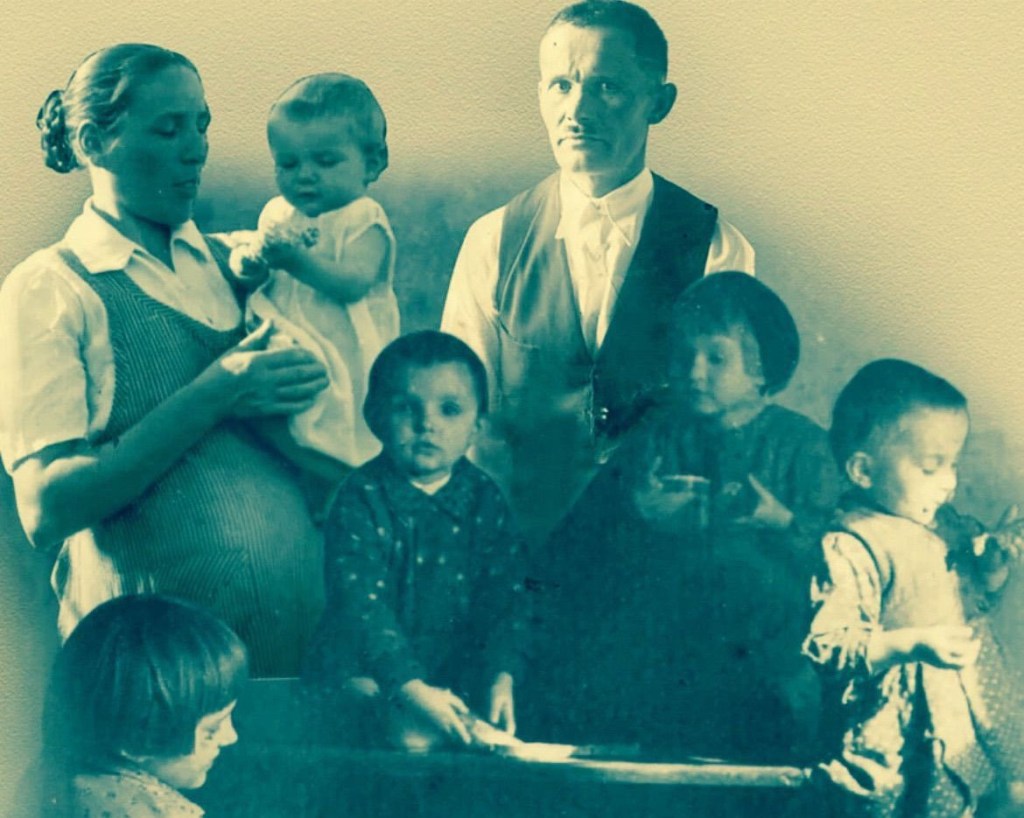
Photo: IPN


Leave a Reply