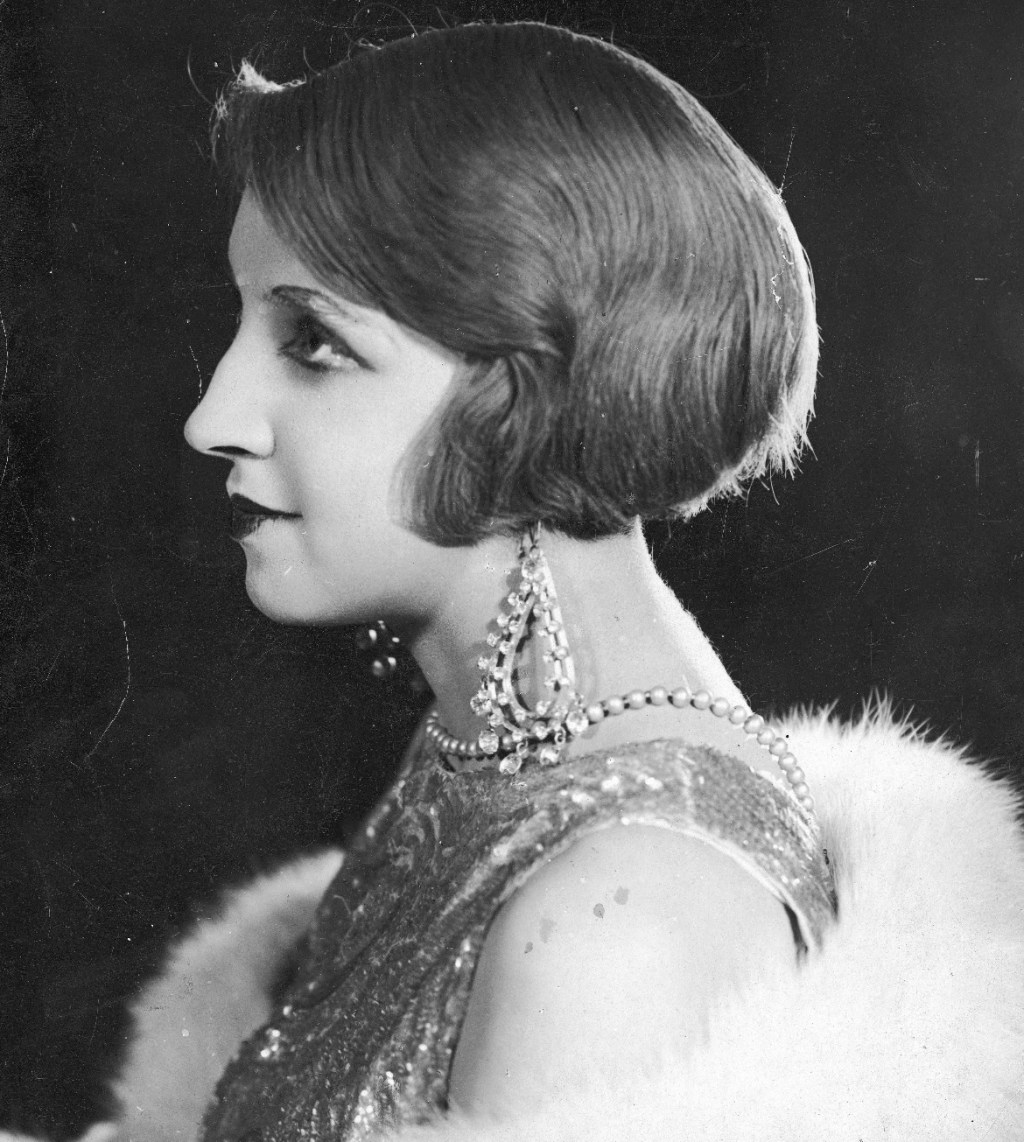
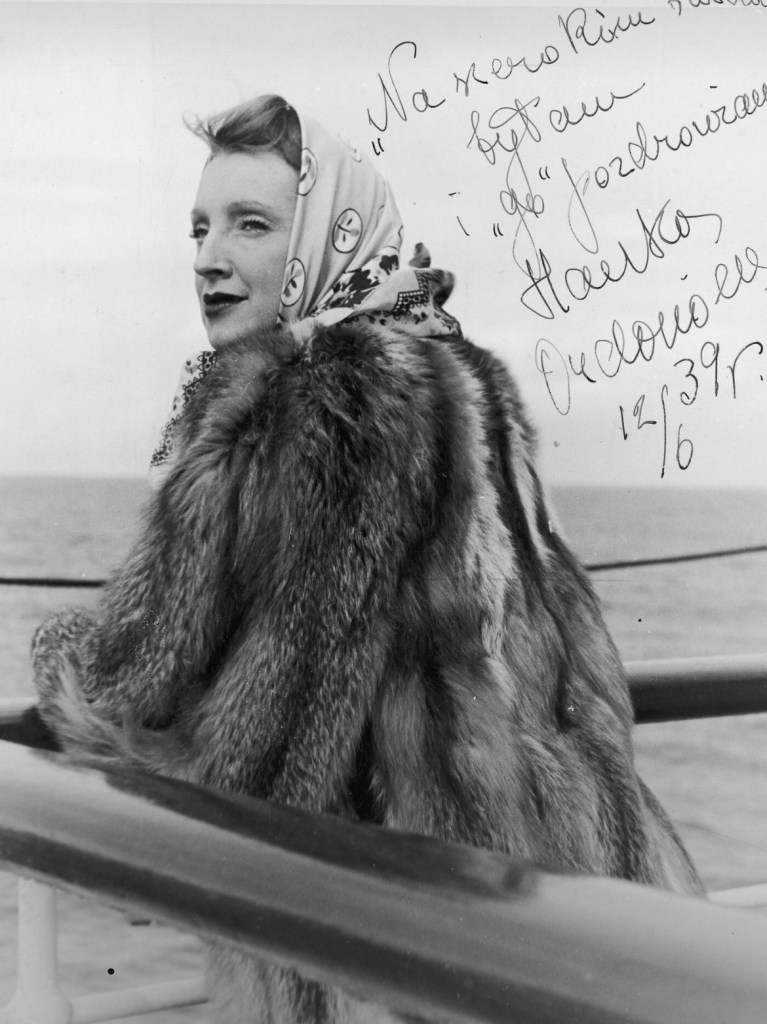
8 September marks the 76th anniversary of the death of Hanka Ordonówna — one of the greatest stars of pre-war Poland. She captivated audiences with her voice, elegance and extraordinary stage presence. Yet behind the glamorous image of the celebrated actress and singer was a woman whose life was marked by imprisonment, Soviet repression, war, exile and profound personal sacrifice.
Her story was far more dramatic than any role she ever played.
From the dazzling stages of pre-war Warsaw to a Soviet prison, and from the horrors of deportation to the rescue of Polish children — Hanka Ordonówna lived a life that became a testament to courage and compassion.
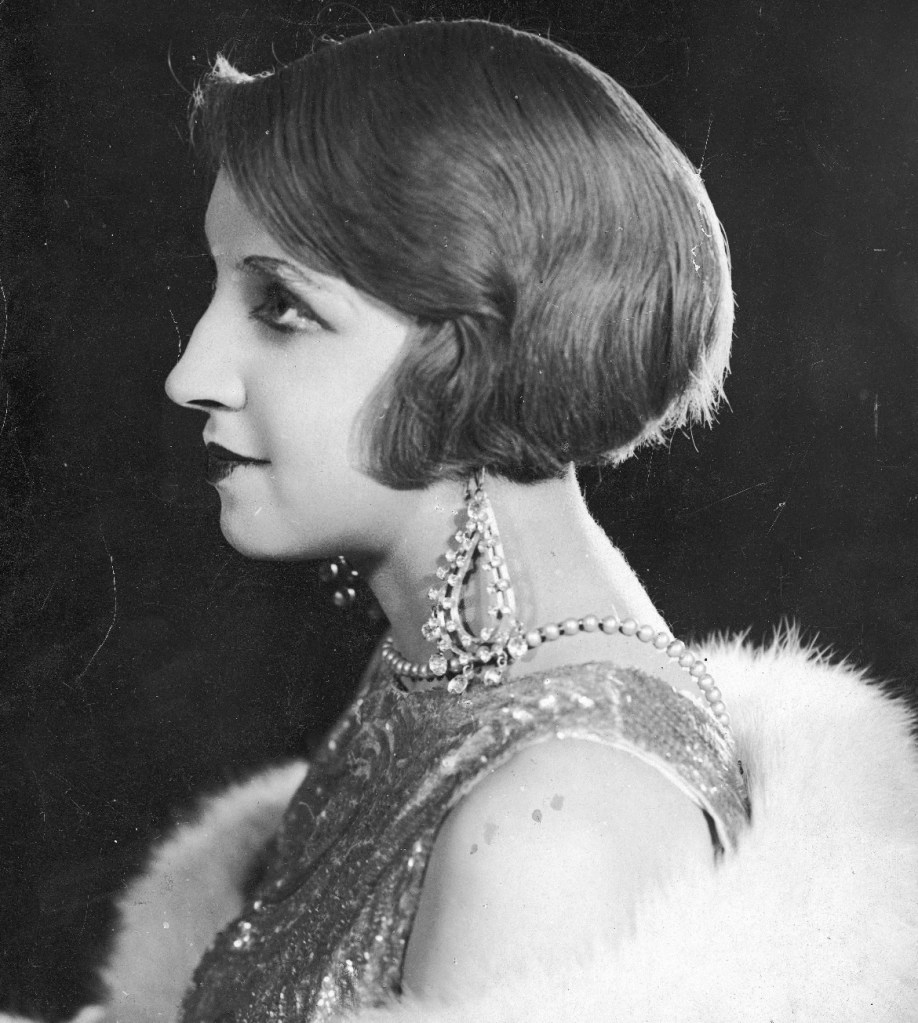
Born Maria Anna Pietruszyńska in Warsaw in 1902, she began performing at a very young age. She eventually became known by her stage name, Hanka Ordonówna, and rose to prominence in the vibrant artistic world of interwar Poland. Her distinctive voice and unconventional personality made her one of the most recognisable figures of Polish popular culture.
She was not simply a performer. Ordonówna became an icon.
Her marriage to Count Michał Tyszkiewicz, an aristocrat from one of Lithuania’s prominent noble families, caused a sensation in Polish society. The glamorous actress and the aristocrat seemed an unlikely match, and their relationship attracted considerable attention.
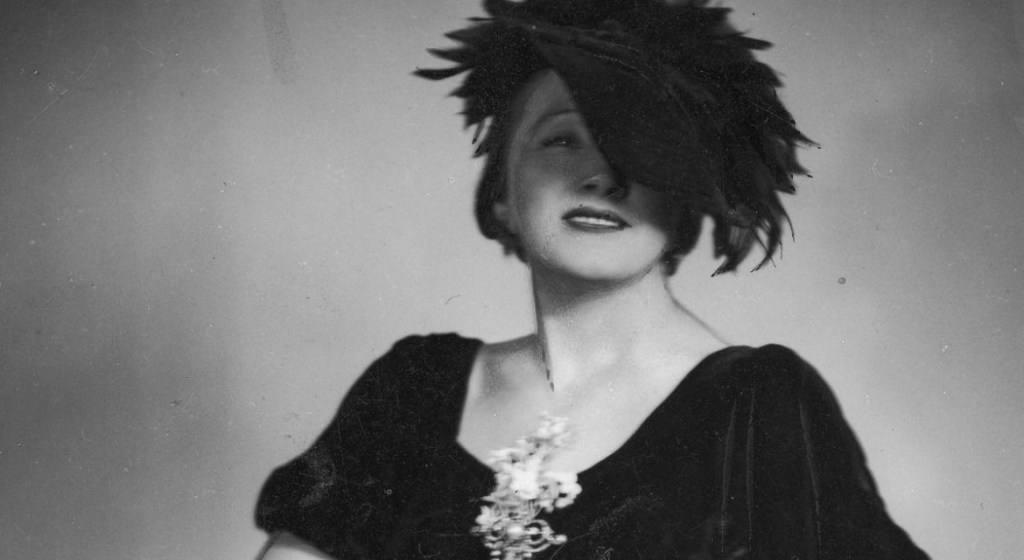
But the world of theatres, cafés and elegant Warsaw salons would soon disappear.
War changed everything
When Germany and the Soviet Union invaded Poland in 1939, the life Ordonówna had known came to an abrupt end.
She was arrested by the Soviet authorities and imprisoned. Like countless Polish citizens, she became a victim of the Soviet system of repression. Her health deteriorated severely, and the experience left a lasting mark on her.
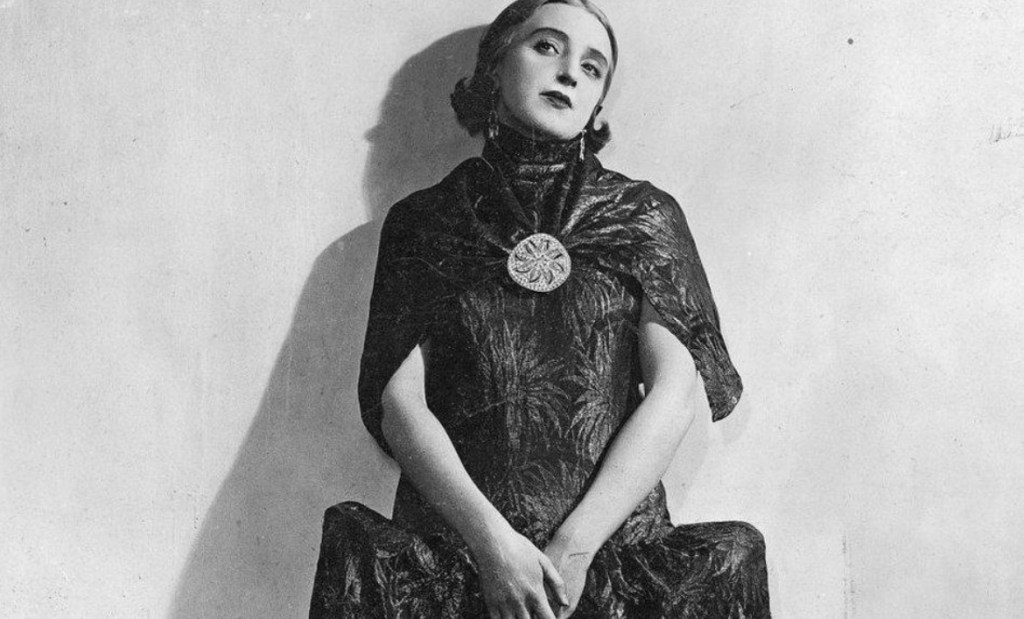
Yet imprisonment did not break her determination.
Following the Sikorski–Mayski agreement and the release of many Polish prisoners and deportees from Soviet captivity, Ordonówna found herself in a completely different role. She became involved in helping Polish civilians who had been deported deep into the Soviet Union — particularly children who had been separated from their families and deprived of their homes.
This was the beginning of perhaps the most important chapter of her life.
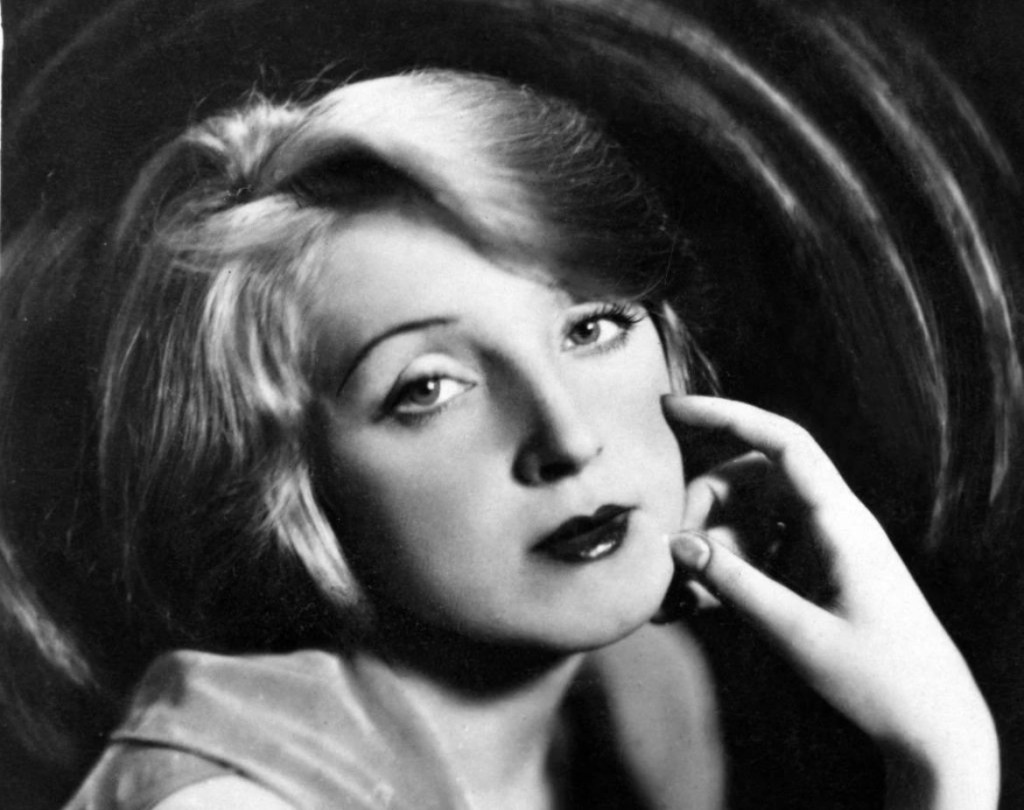
The children came first
For Ordonówna, the children were no longer an abstract symbol of wartime suffering. They were real — hungry, frightened and often orphaned.
She devoted herself to helping them.
As Polish civilians were evacuated from the Soviet Union with the Anders Army, thousands of children made the extraordinary journey southwards. They travelled through Central Asia and Persia, eventually reaching places where Polish communities and relief organisations could provide shelter and care.
Ordonówna followed their fate and worked tirelessly on their behalf.
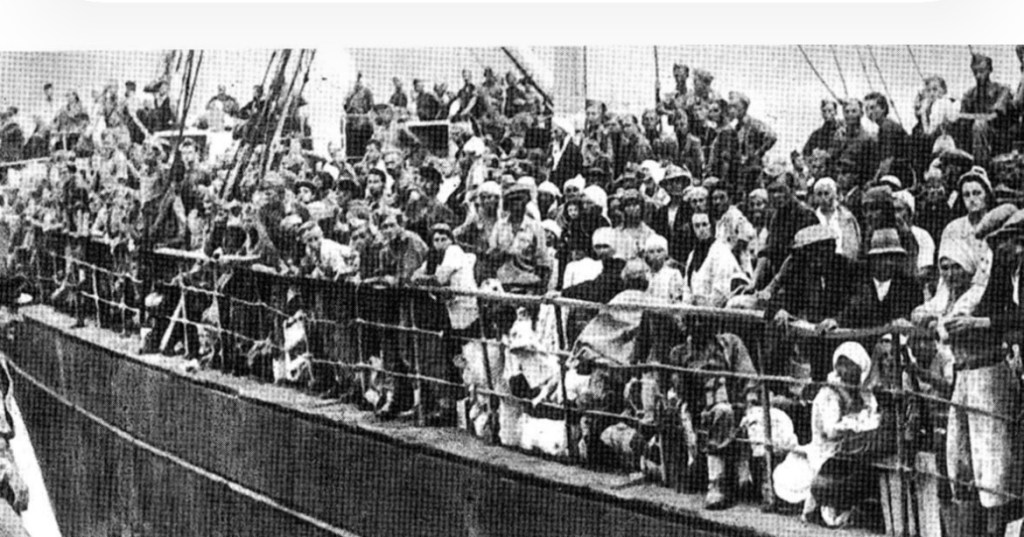
She helped organise care, performances and fundraising, using her fame not for herself but for those who had lost almost everything. She understood that saving a child meant more than simply providing food. These children needed safety, education, dignity and the knowledge that they had not been forgotten.
Her artistic talent became a tool of service.
The woman who had once performed before packed theatres now used her voice and reputation to help those who had no voice of their own.
A life sacrificed to others
The war destroyed Ordonówna’s health. She suffered from tuberculosis and other serious health problems, yet continued to work and travel.
Her husband, Michał Tyszkiewicz, remained an important figure in her life and supported her through the extraordinary hardships they endured together.
Eventually, they settled in Lebanon.
Far from the Warsaw stages where she had once been adored, Ordonówna spent her final years in exile.
She died in Beirut on 8 September 1950, aged only 48.
She was buried at the Mar Maroun cemetery in Beirut.
Her death marked the end of the life of one of the most remarkable women of twentieth-century Polish culture — but not the end of her story.
More than a star
It is easy to remember Hanka Ordonówna through the photographs: the elegant woman, the famous actress, the singer whose name became synonymous with the golden age of Polish entertainment.
But those photographs tell only half the story.
The deeper legacy of Ordonówna lies in what she did when fame could no longer protect her.
She experienced Soviet imprisonment. She witnessed the suffering of deported Poles. She battled illness and exile. And, despite her own suffering, she devoted herself to children whose lives had been shattered by war.
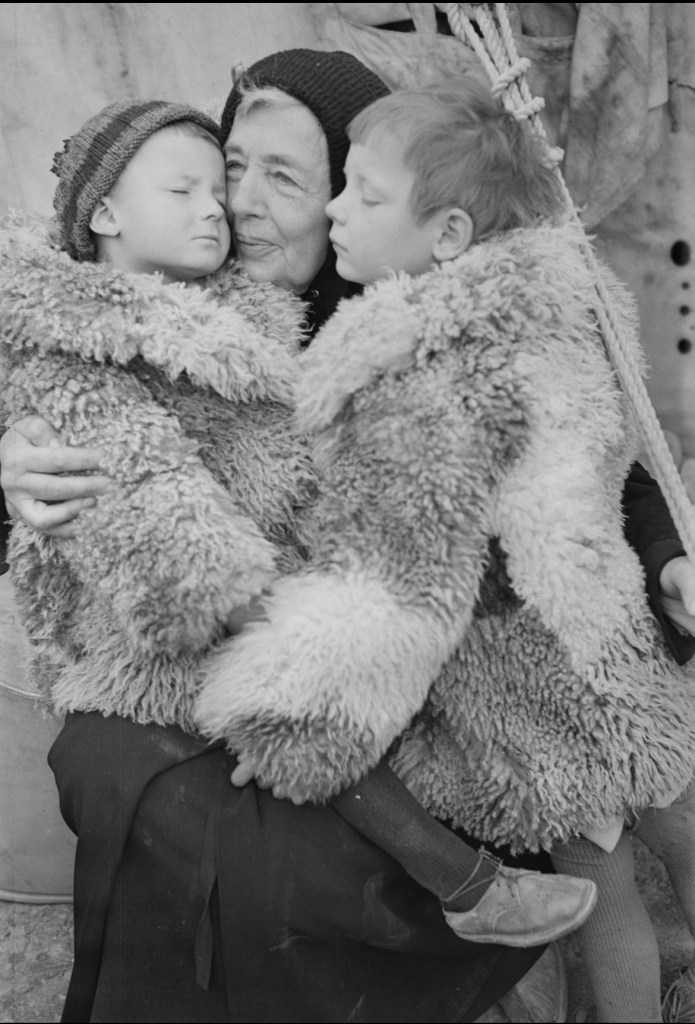
Her story reminds us that history is not made only by generals, politicians and soldiers.
Sometimes it is also made by artists who refuse to remain on the sidelines.
Hanka Ordonówna entered Polish history as a star. She left it as a woman who chose to serve others.
That is why, 76 years after her death, her name deserves to be remembered not merely as a symbol of pre-war Polish culture, but as a symbol of courage, compassion and the determination to save the most vulnerable.
Polish Sue remembers Hanka Ordonówna.
🇵🇱 A voice that once entertained Poland became a voice for those who had lost everything.
Text: Iwona Golińska.
Photo: NAC – Archives, public domain.

 Polish Sue
Leave a comment