They could not take away what these men and women had accomplished during the war.
But they could try to take away their right to their own history.
And that is precisely what was done for decades in communist Poland.
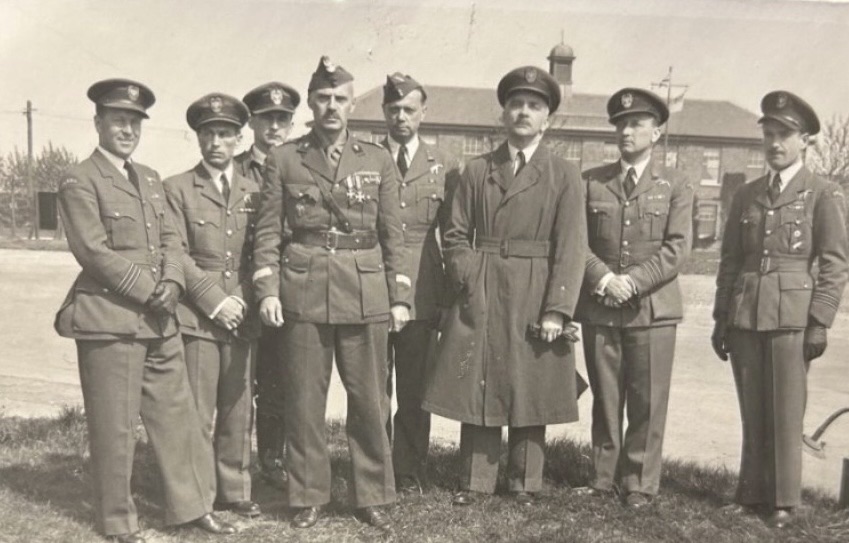
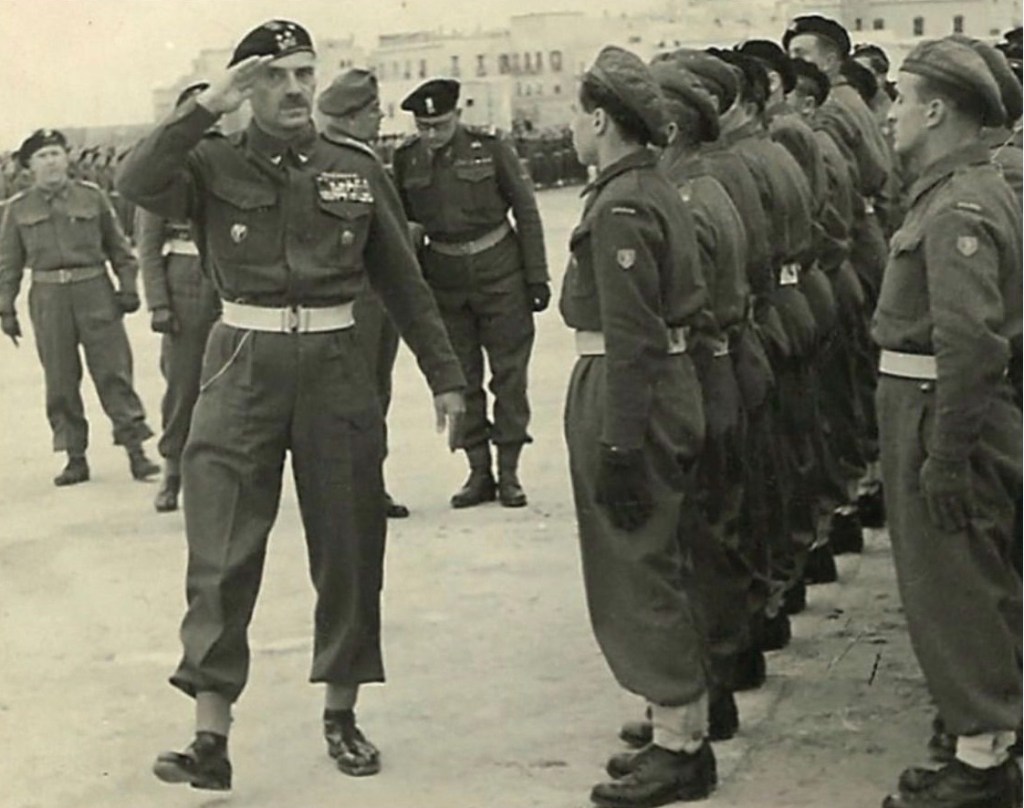
After the end of the Second World War, thousands of Polish soldiers returned home. Among them were soldiers of the Home Army, members of the Polish Armed Forces in the West, RAF airmen, sailors, soldiers of General Anders’s Army, and participants in battles on many fronts.
They had fought for a free Poland.
But the Poland to which they returned was no longer free.
“A politically hostile element”
For the communist authorities, the soldiers of the Polish Armed Forces in the West were particularly inconvenient.
The authorities regarded them as potentially politically hostile—people connected with the Polish government-in-exile, the émigré community, and the Western world. Some were placed under surveillance or subjected to repression, while their wartime biographies became grounds for suspicion.
In its latest research, the Institute of National Remembrance describes their situation directly as “a politically hostile element.” The documentation reveals the scale of the repression, surveillance, and propaganda directed against this group. (Institute of National Remembrance)
An airman who had fought in the RAF.
A sailor who had served under the Polish flag alongside the Allies.
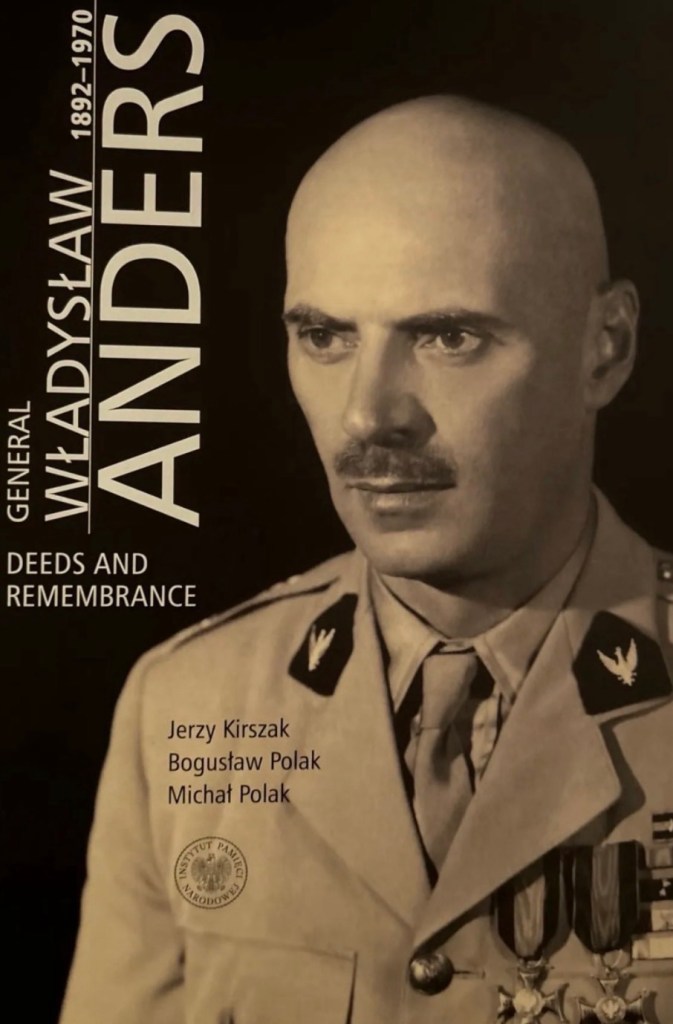
A soldier of General Anders.
A man who had passed through Siberia, the Middle East, Africa, or Italy.
After returning to Poland, he could suddenly become, in the eyes of the state, a suspicious person.
First erase them. Then appropriate them.
The communist system used two mechanisms.
Some people were erased from public memory.
Others were incorporated into a state-controlled veterans’ system.
For nearly four decades, ZBoWiD was the only official representative of veterans in Poland. According to Institute of National Remembrance materials, the organization included both people associated with the communist movement and Home Army soldiers, while its leadership structures remained under the strong influence of individuals connected with the security apparatus. (Institute of National Remembrance)
This led to an absurd and tragic situation:
victims and their persecutors could find themselves in the same veterans’ organization.
A Home Army soldier might be forced to function within a structure in which people who had previously fought against the independence underground stood beside him.
Even language mattered
The authorities did not merely decide whom people were allowed to commemorate.
They also decided how these people were to be described.
The Institute of National Remembrance points out that, for decades, Home Army soldiers within ZBoWiD were placed in a category called the “Resistance Movement,” together with the People’s Guard and the People’s Army. In veterans’ documents, their actual service in the Home Army was replaced by this vague general classification. (Institute of National Remembrance)
This was not accidental.
Whoever controls the words can try to control memory.
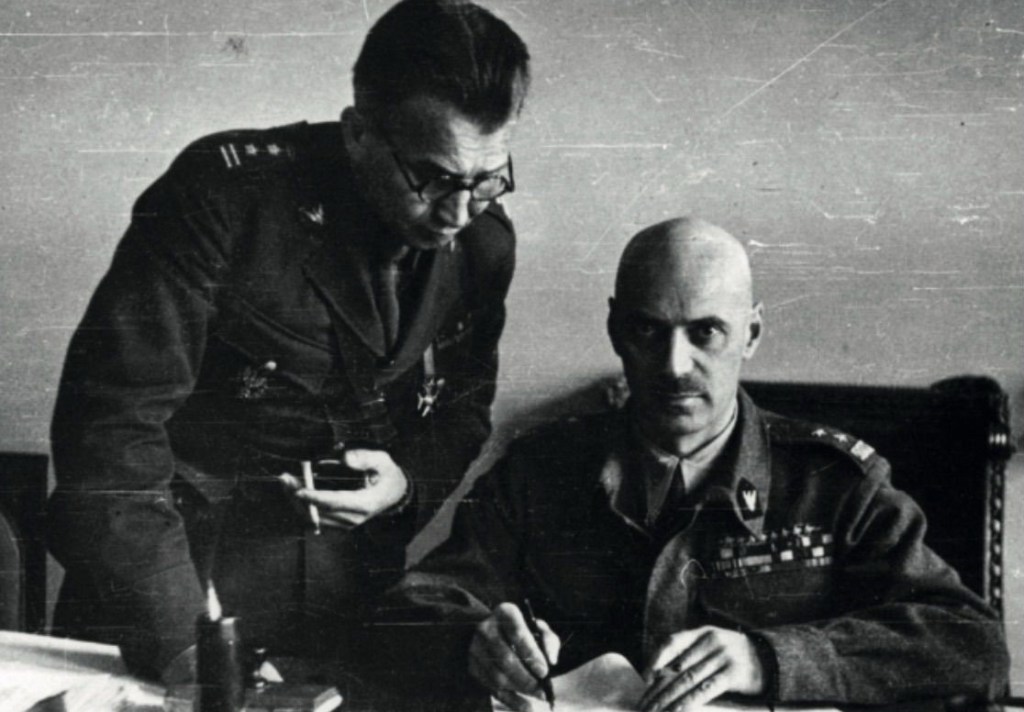
Then came the “heroes of the system”
The state needed its own narrative about the war.
It needed its own heroes.
It needed uniforms, medals, banners, and ceremonies designed to show that the communist authorities were the true heirs of Poland’s tradition of fighting for freedom.
A veteran possessed enormous symbolic value.
That is why, instead of allowing him to tell the full truth about his life, the system tried to use his presence to build its own legitimacy.
This is why we can speak of the “theft of veterans.”
It was not about stealing their medals.
It was not even solely about taking away their privileges.
It was about trying to steal their history.
And then history returned
After 1989, efforts began to restore the rightful place of Home Army soldiers, members of the Polish Armed Forces in the West, the post-war independence underground, and victims of repression.
The 1991 Veterans Act created new categories of eligible persons, including soldiers of the post-war independence underground and victims of Stalinist-era repression. (Office for War Veterans and Victims of Oppression)
But the damage caused over decades could not simply be undone.
An award can be restored.
A monument can be erected.
A plaque can be unveiled.
But the lost years of life, the silences, the fear, and the family histories that children and grandchildren were never allowed to learn cannot be recovered.
That is why we must remember
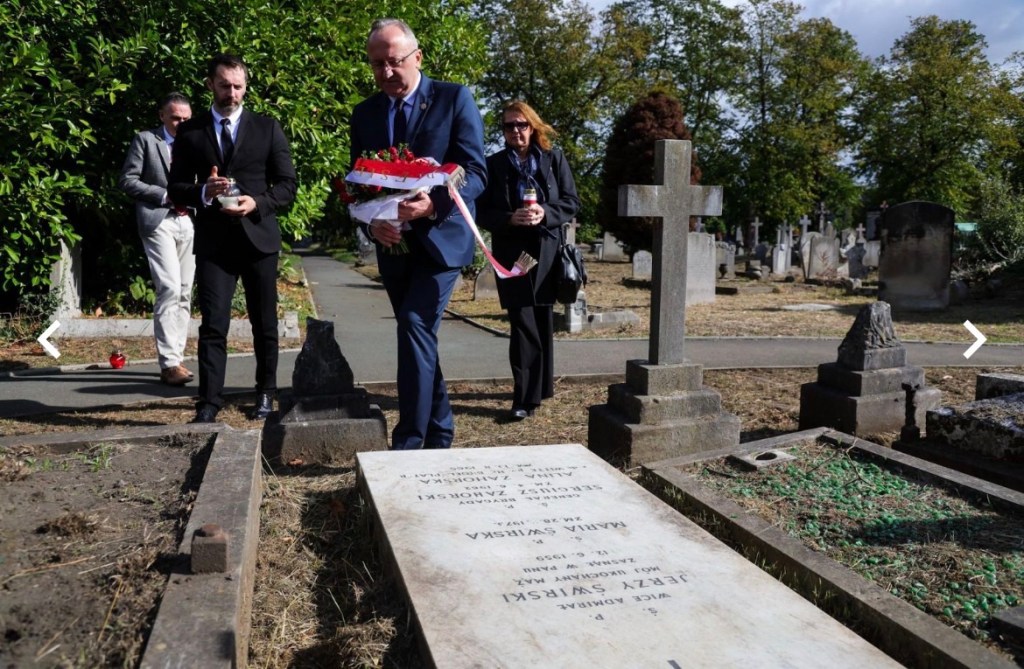
Today, as we meet the last witnesses of those events, we have a special responsibility.
Let us not allow their history to be “stolen” again.
Let a Polish RAF airman be remembered as a Polish RAF airman.
Let a soldier of General Anders be remembered as a soldier of Anders’s Army.
Let a Home Army soldier be called a Home Army soldier.
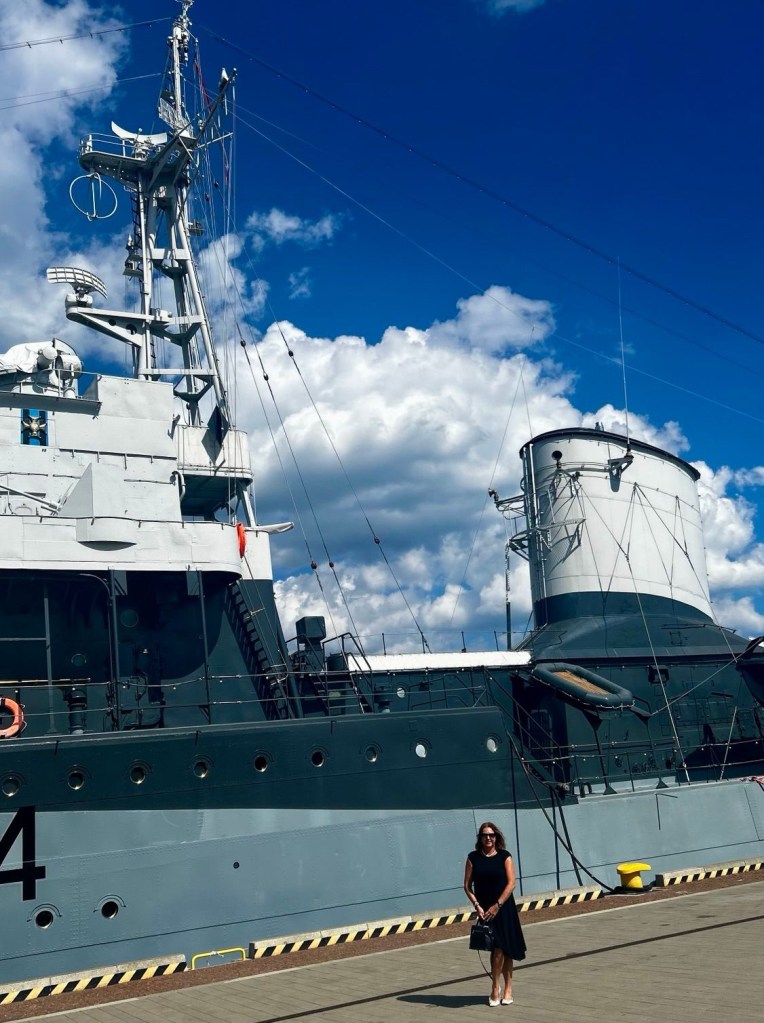
Let a sailor of the Polish Navy be remembered under the Polish flag.
Let us not rewrite their biographies to serve the needs of any ideology.
Historical memory should belong to no party, no system, and no government.
It belongs to those who lived through that history—and to the generations that follow, whose duty is to preserve it.
That is why Polish Sue will continue to recall the stories of Polish soldiers, airmen, and sailors whose lives were deliberately silenced for years.
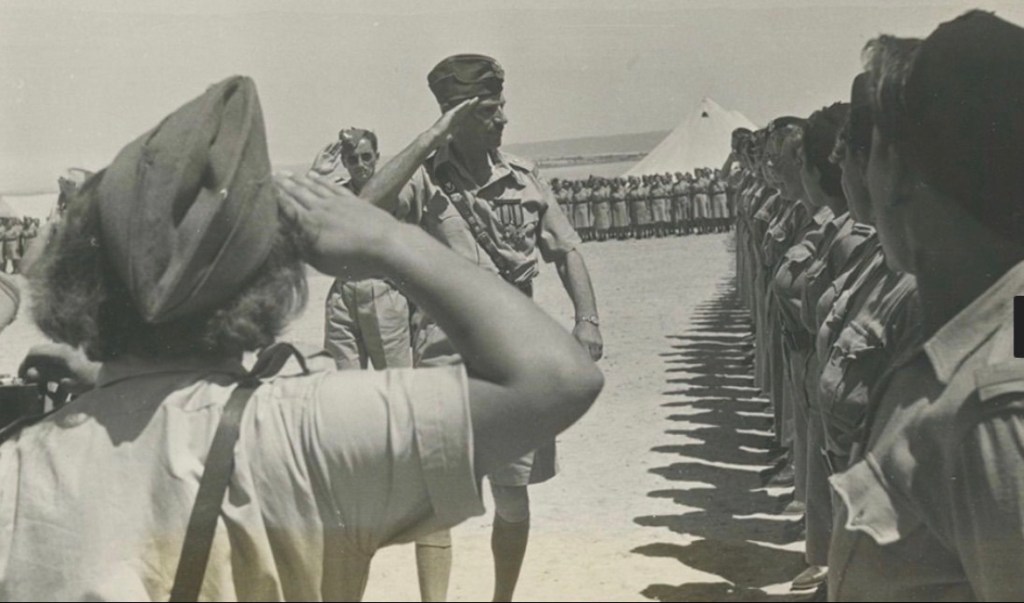
CAN VETERANS’ HISTORY BE STOLEN TODAY, TOO?
In the past, the communists tried to “steal” Polish veterans, stripping them of the right to their own history.
Some were erased from memory.
Others were portrayed in a way that aligned with the official narrative.
Still others were targeted for co-optation into the system so their authority could be exploited.
Can history be appropriated in a more subtle way today?
Not by erasing names.
Not by banning ceremonies.
But rather by individuals or groups—whose actual values may conflict with that legacy—aligning themselves with the veterans and what they stood for?
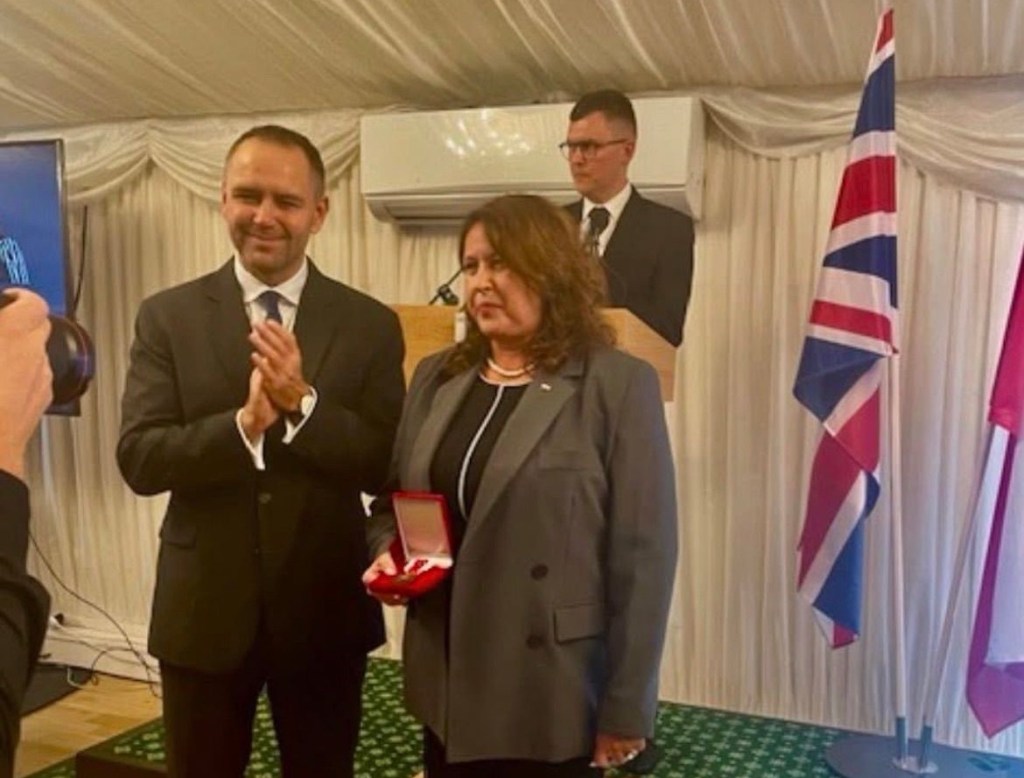
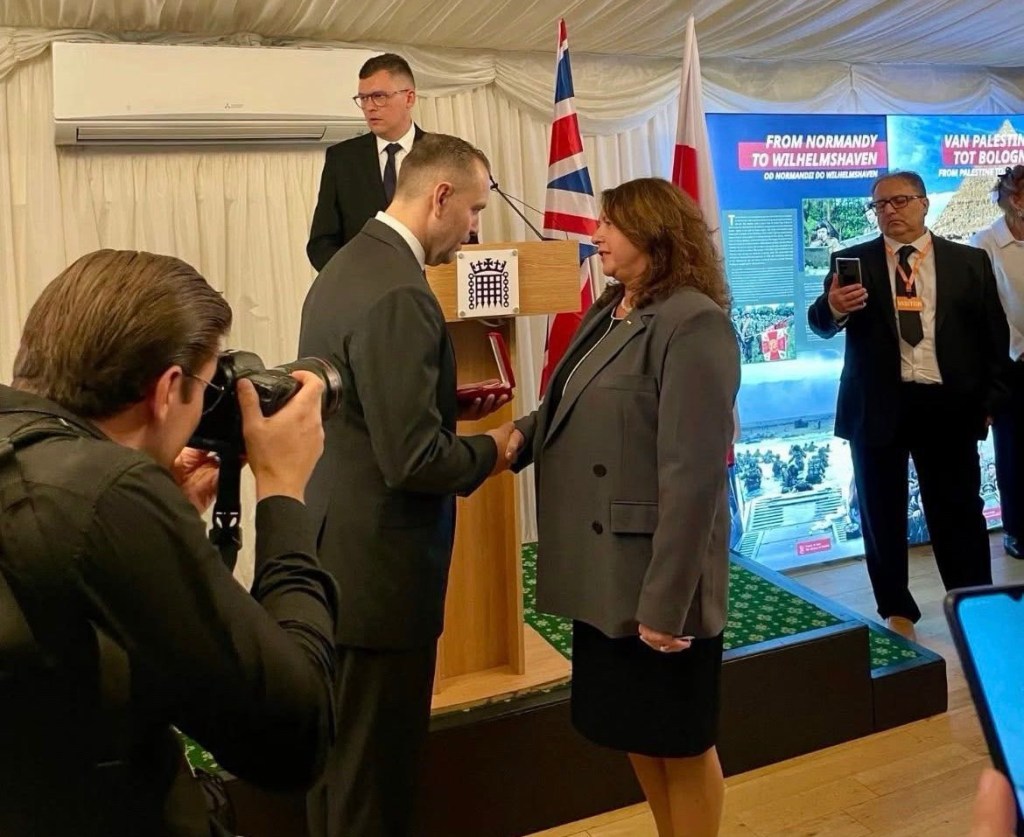
A photo with a veteran is a beautiful thing.
Intergenerational meetings are necessary.
Passing history on to young people is our duty.
But let us remember one thing:
a photo with a hero does not automatically grant a claim to their legacy.
One must understand that legacy.
One must respect the values for which that person fought.
One must know their true life story.
And above all—one must be careful to ensure that the authority of a person who sacrificed their life for Poland and freedom does not become a tool to build the credibility of those who do not understand that history or who seek to exploit it for their own ends.
Veterans do not belong to any single group.
But their history cannot simply belong to anyone who wishes to use it, either.
That is why our task is not merely to publish photos with veterans.
Our task is to safeguard the truth about who they were, what they fought for, and the values they represented.
For history can be stolen even when one appears to be paying tribute to it.
Let us not allow it to be stolen a second time!
Text: Iwona Golińska, President of Polish Sue Association and The Secretary of The Comeetee for Polonia and Polish Diaspora Abroad by the President of The Republic of Poland.
Sources: IPN, Office for War Veterans and Victims of Oppression.


Leave a Reply