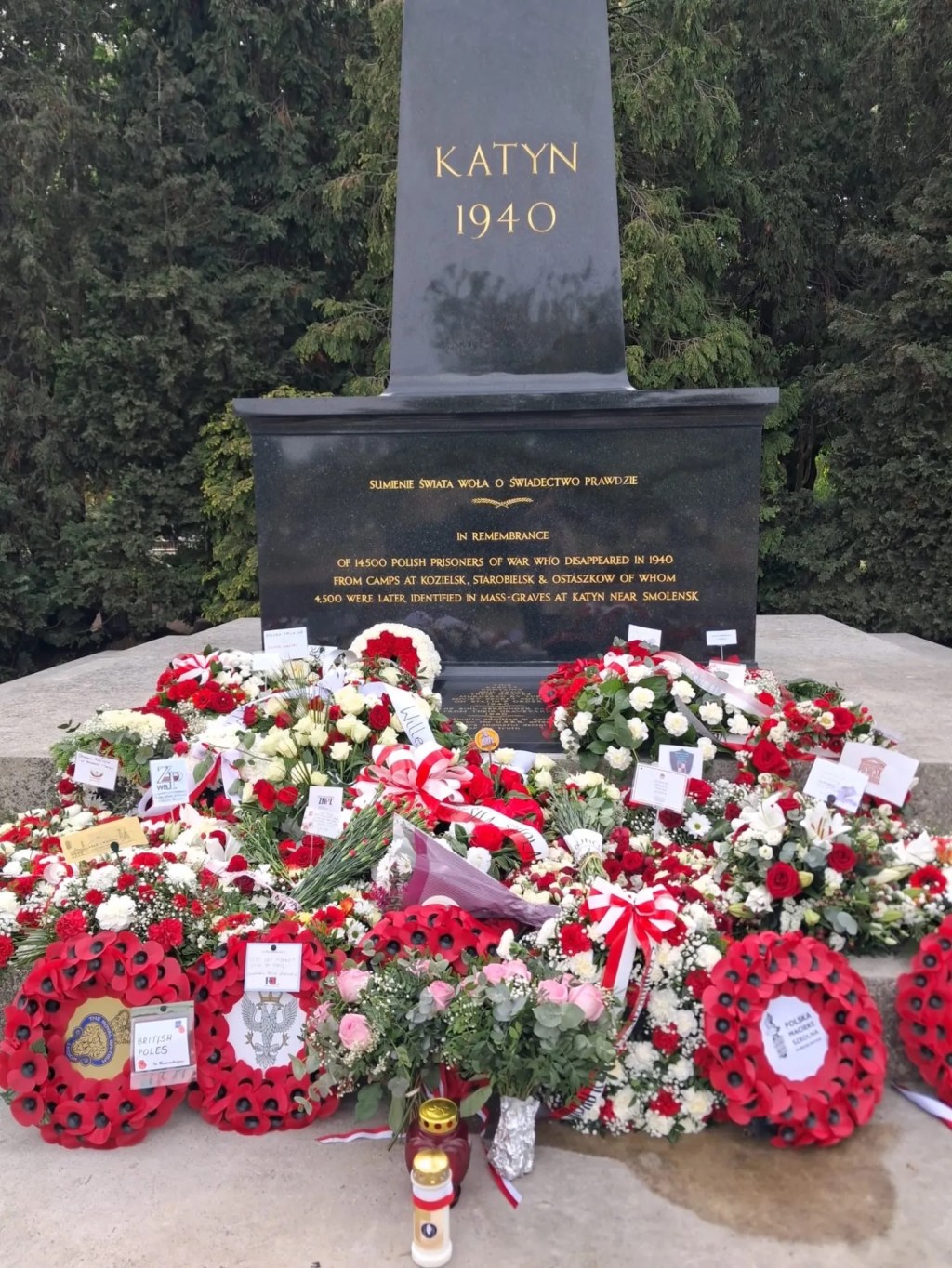
Fifty years ago today, on 18 September 1976, a monument was unveiled at Gunnersbury Cemetery in London that became one of the most important symbols of the Polish community’s determination to preserve the truth about the Katyń massacre.
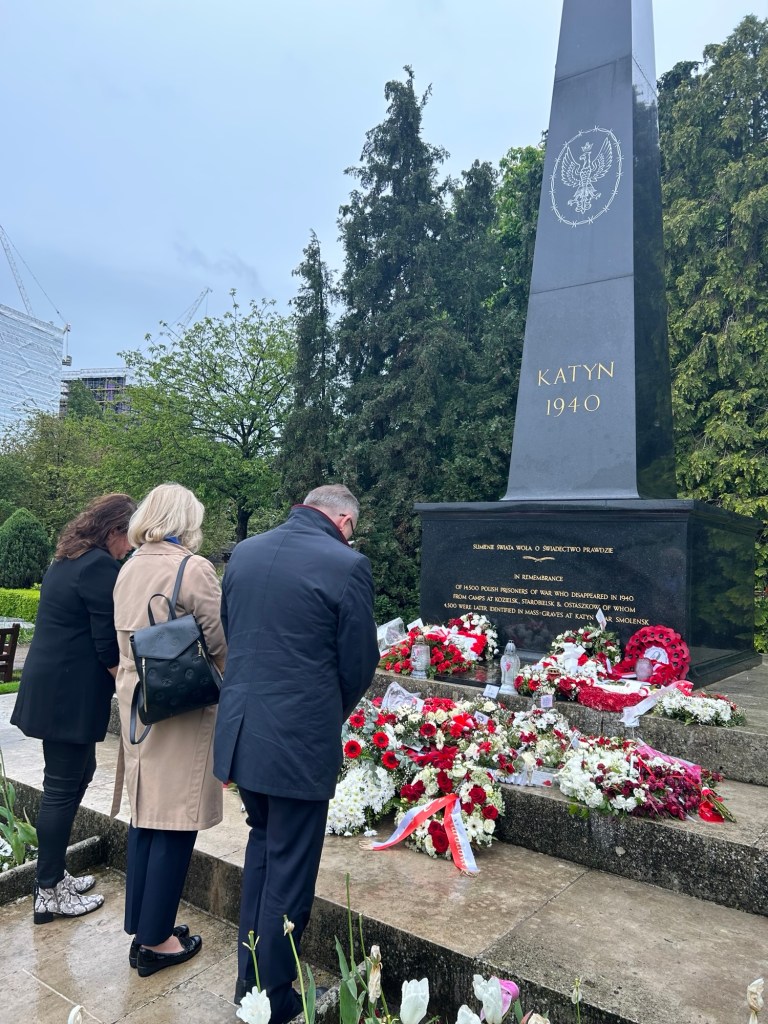
Today, Polish Sue remembers this historic anniversary and pays tribute to all those who fought for the right to remember the victims and to speak the truth about the Soviet crimes.
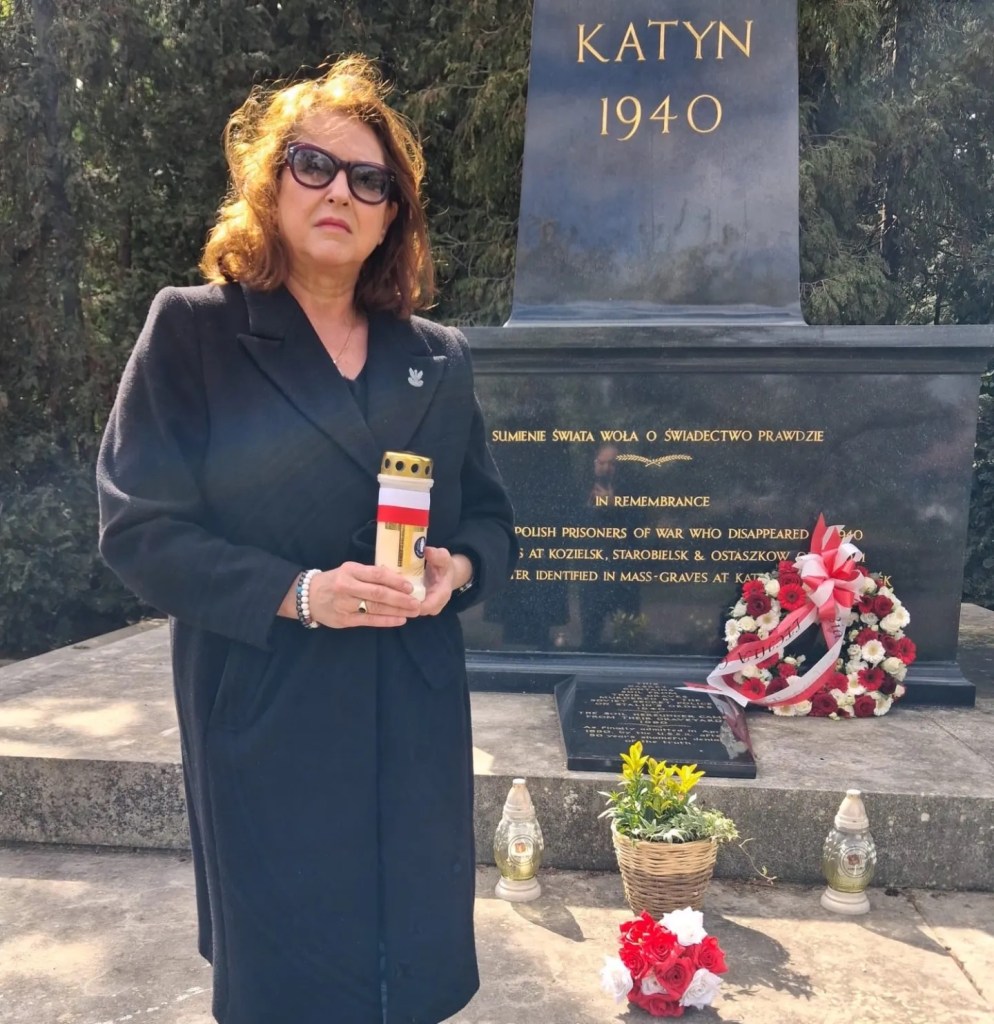
The Katyń Memorial at Gunnersbury was the first monument in Western Europe commemorating the Polish victims murdered at Katyń and other sites of Soviet repression. Its unveiling was the culmination of years of effort by the Polish community in Britain.
A monument built against silence
The story of the Gunnersbury monument is inseparable from the history of the Polish post-war exile.
For decades after the Second World War, the truth about Katyń was suppressed and distorted by Soviet propaganda.
For the Polish community in Britain, however, remembering the murdered was not simply a matter of preserving history. It was a moral responsibility.
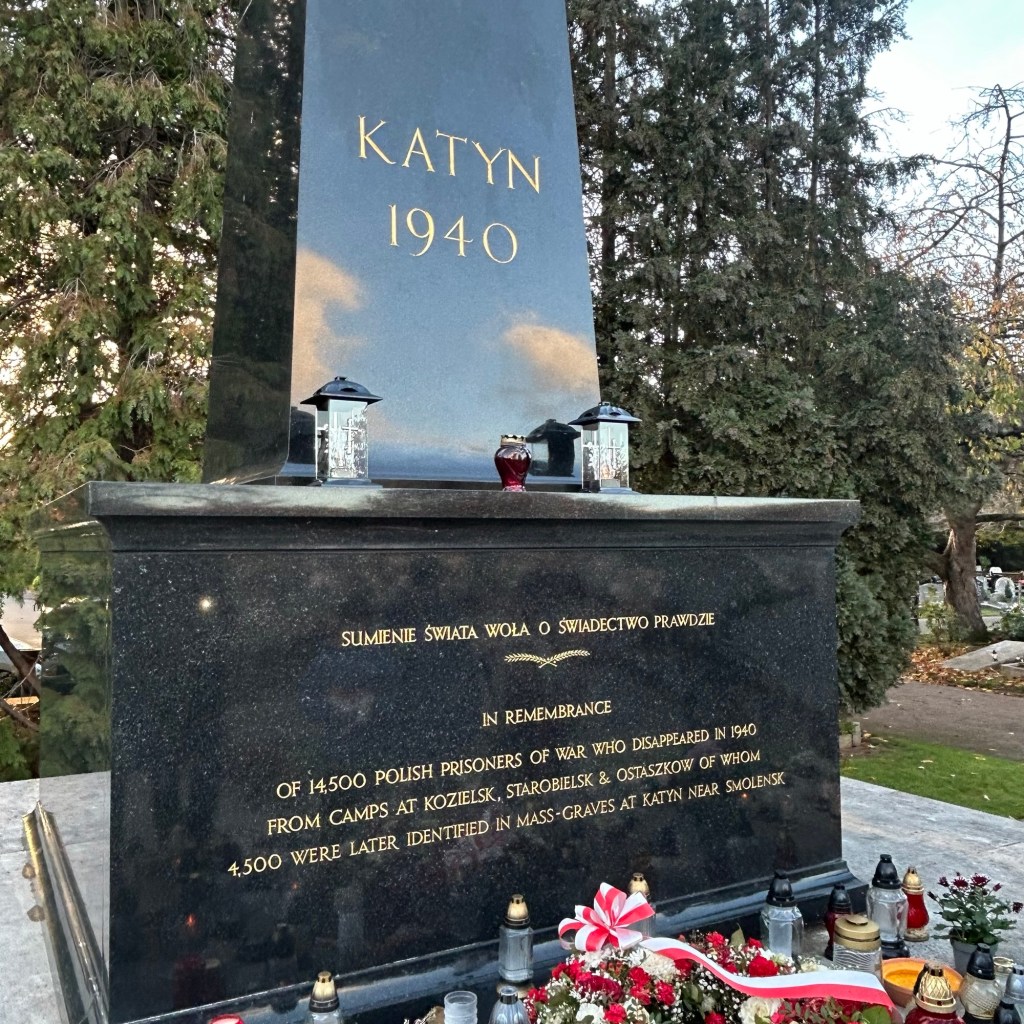
Efforts to create a public memorial in London encountered serious political obstacles. The Soviet authorities and the communist Polish authorities opposed the project, while British governments were reluctant to support a monument whose inscription explicitly attributed responsibility for the massacre to the Soviet authorities.
An earlier proposal for a monument in central London was blocked, and the organisers eventually turned to Gunnersbury Cemetery. The Polish community persisted, raising funds and securing the necessary arrangements for the construction of the memorial.
Their determination prevailed.
18 September 1976
On 18 September 1976, the monument was finally unveiled.
The ceremony attracted thousands of people. The Institute of National Remembrance records the attendance of approximately 10,000 people, while other historical sources give figures of around 8,000. Among those present were members of the Polish community, veterans and survivors of the Soviet prisoner-of-war camps.
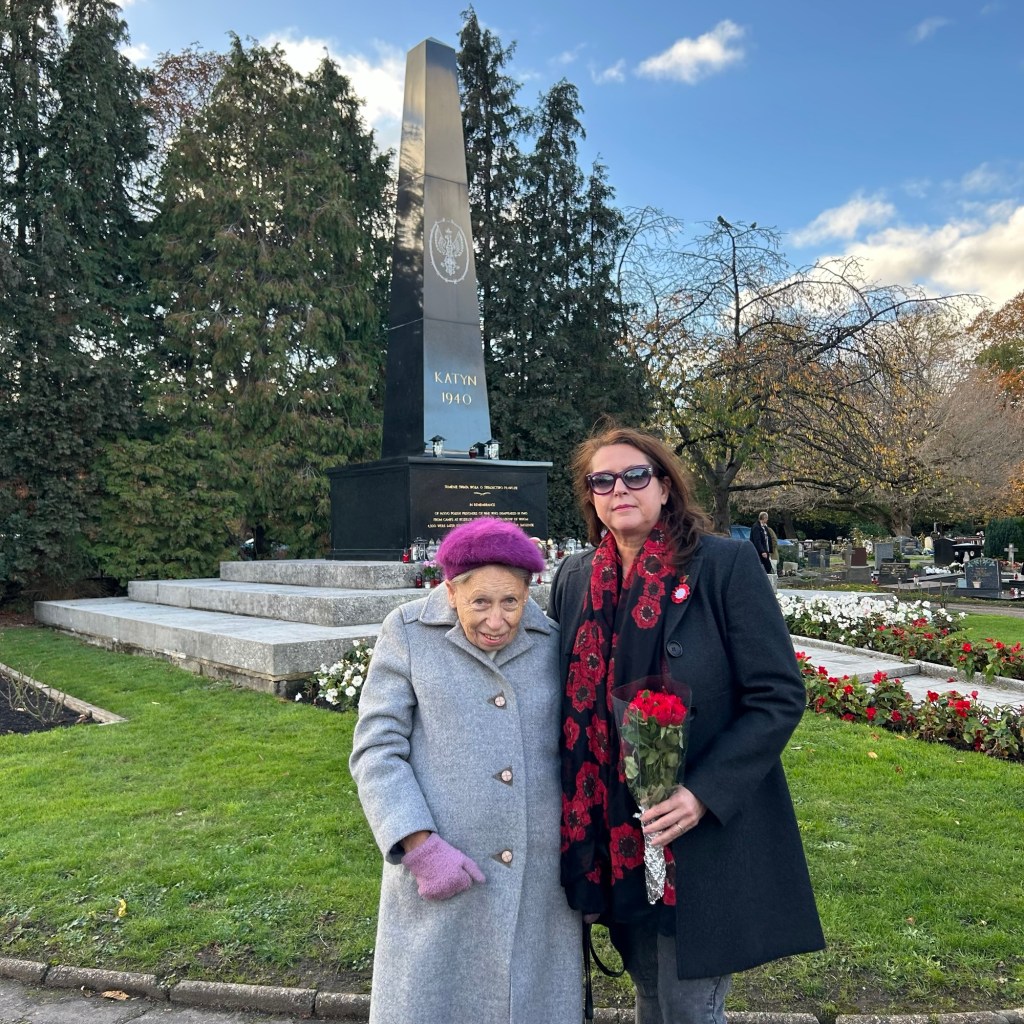
The monument was unveiled by Maria Chełmecka, widow of Tadeusz Chełmecki, a Polish Border Guard commissioner murdered in Soviet captivity at Tver. The memorial was consecrated by Bishop Władysław Rubin.
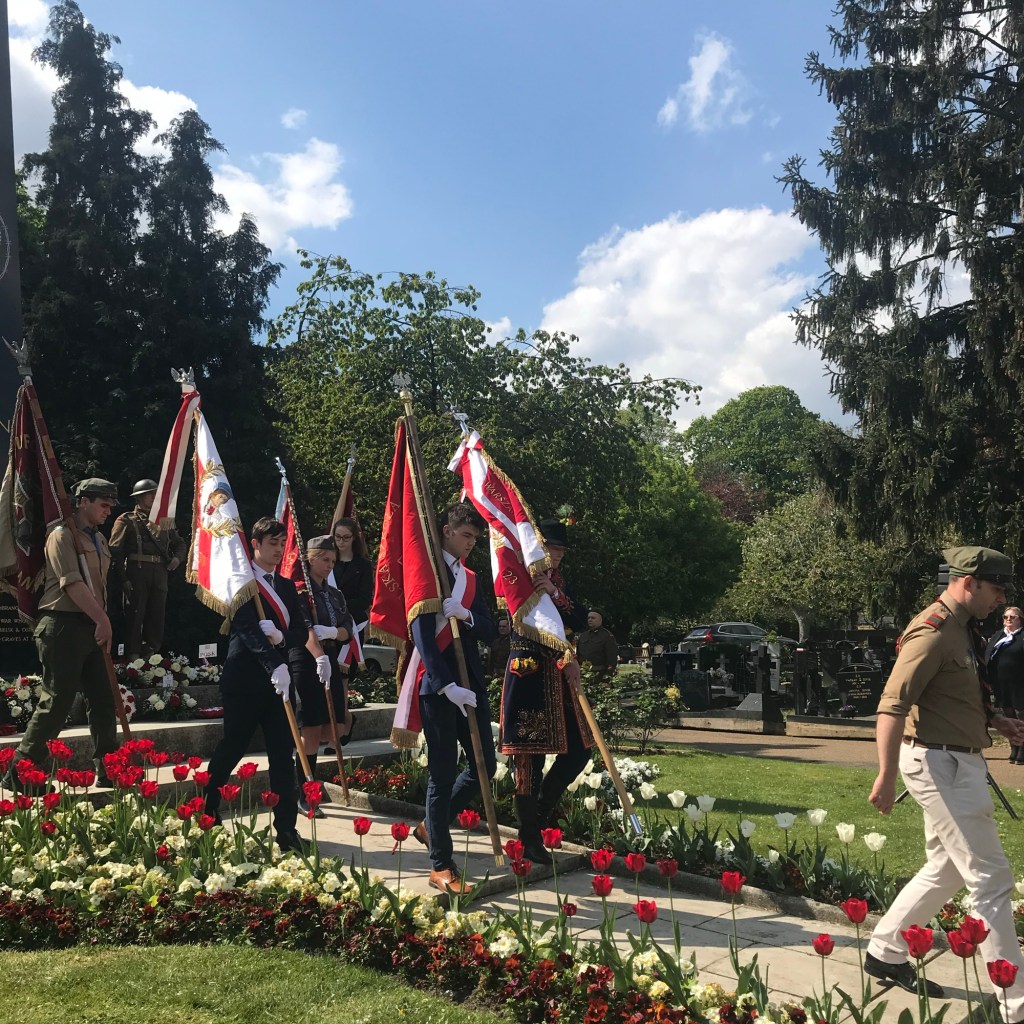
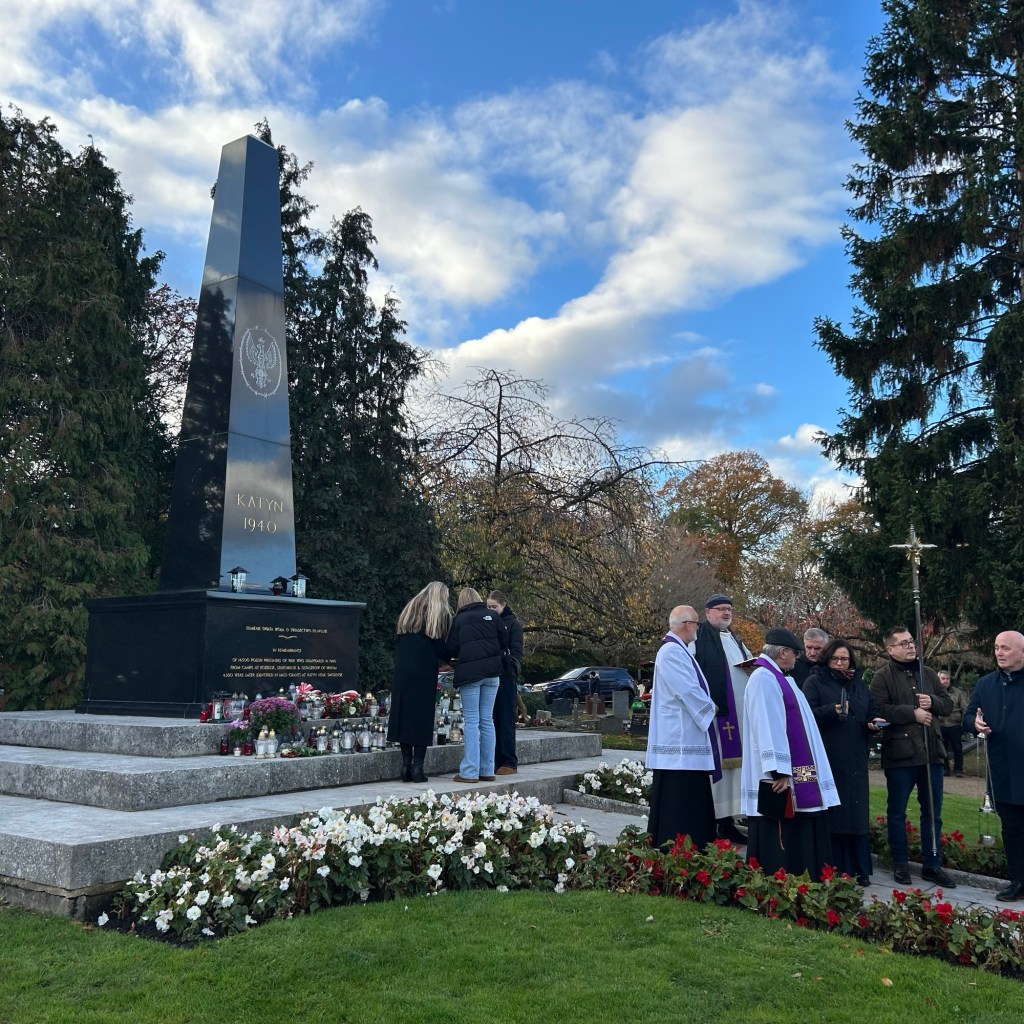
The black obelisk, approximately 6.5 metres high, carries the Polish national emblem surrounded by barbed wire and the inscription “KATYŃ 1940.” It stands today as a powerful reminder of those who were murdered and of the struggle to preserve historical truth.
A difficult truth during the Cold War
The unveiling took place in the midst of the Cold War and remained deeply controversial.
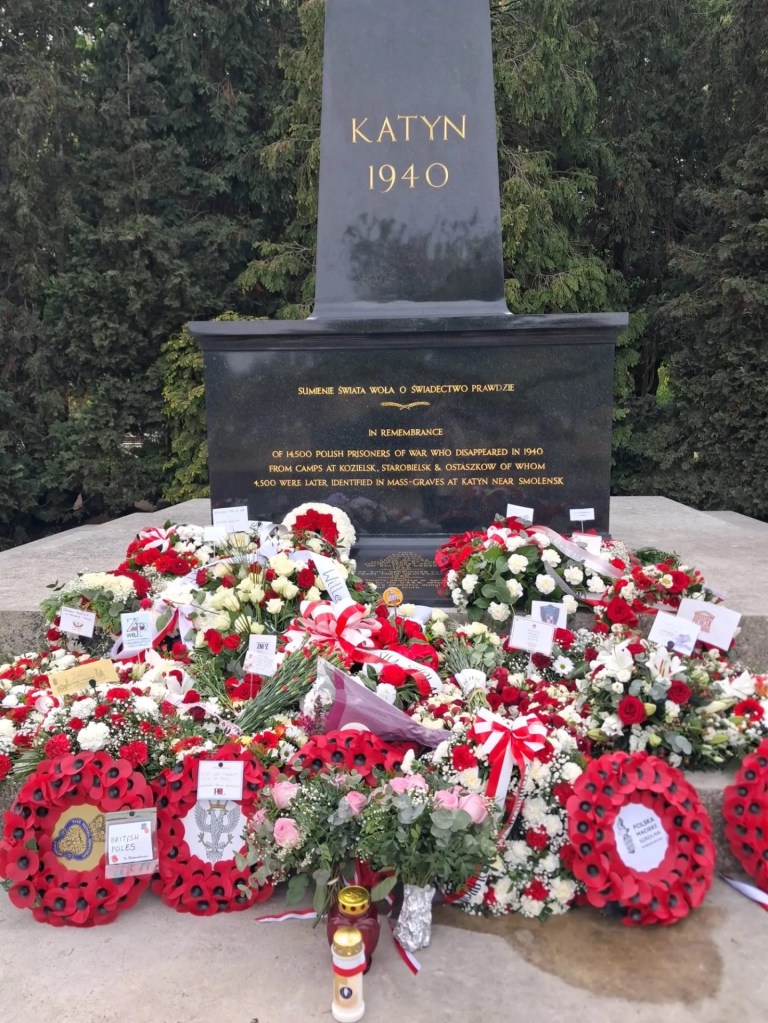
The British Government did not officially attend the ceremony. In a statement to Parliament on 11 October 1976, Foreign Secretary Anthony Crosland explained that the Government had decided against official representation because the memorial explicitly attributed responsibility for the Katyń massacre in a way that successive British governments had, at that time, declined to endorse officially.
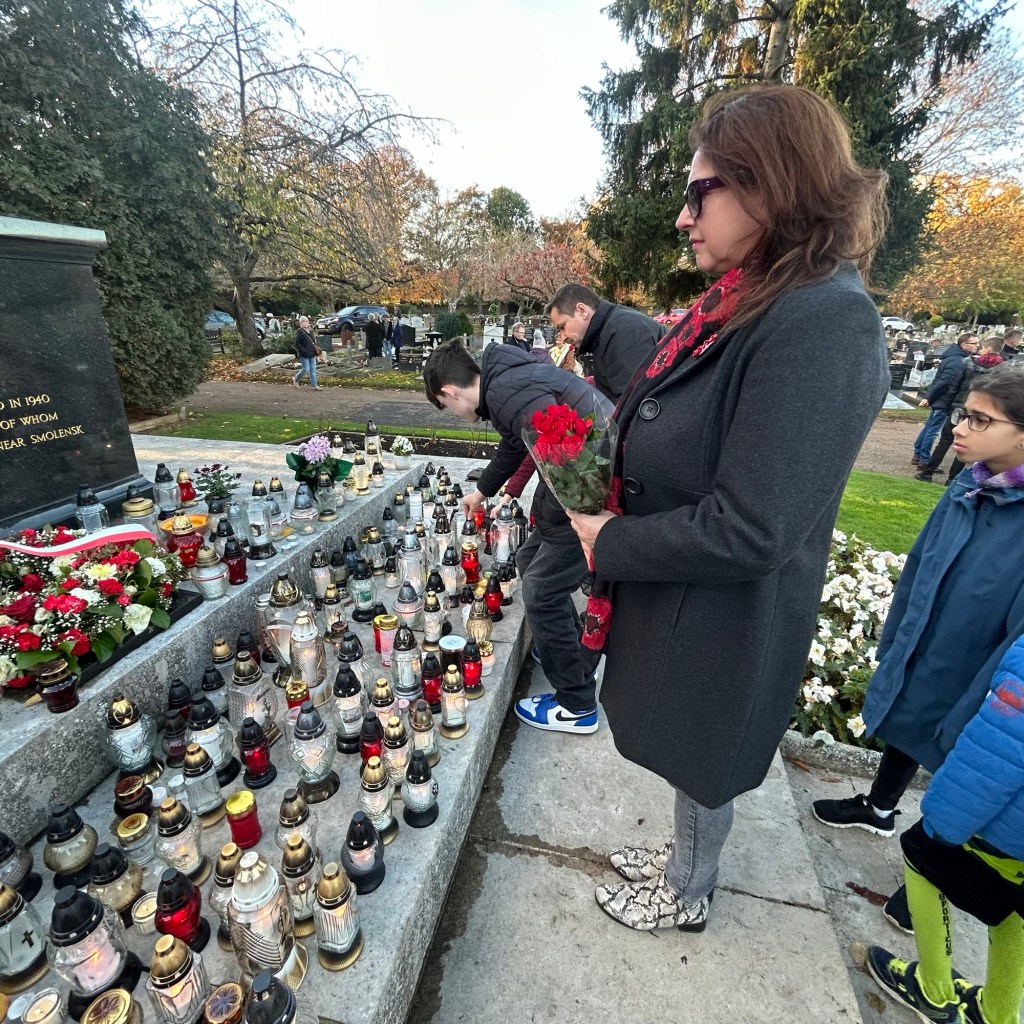
The absence of official British representation did not diminish the significance of the gathering.
Instead, thousands of people came to Gunnersbury to demonstrate that the memory of the murdered would not disappear.
The monument therefore became more than stone and inscription.
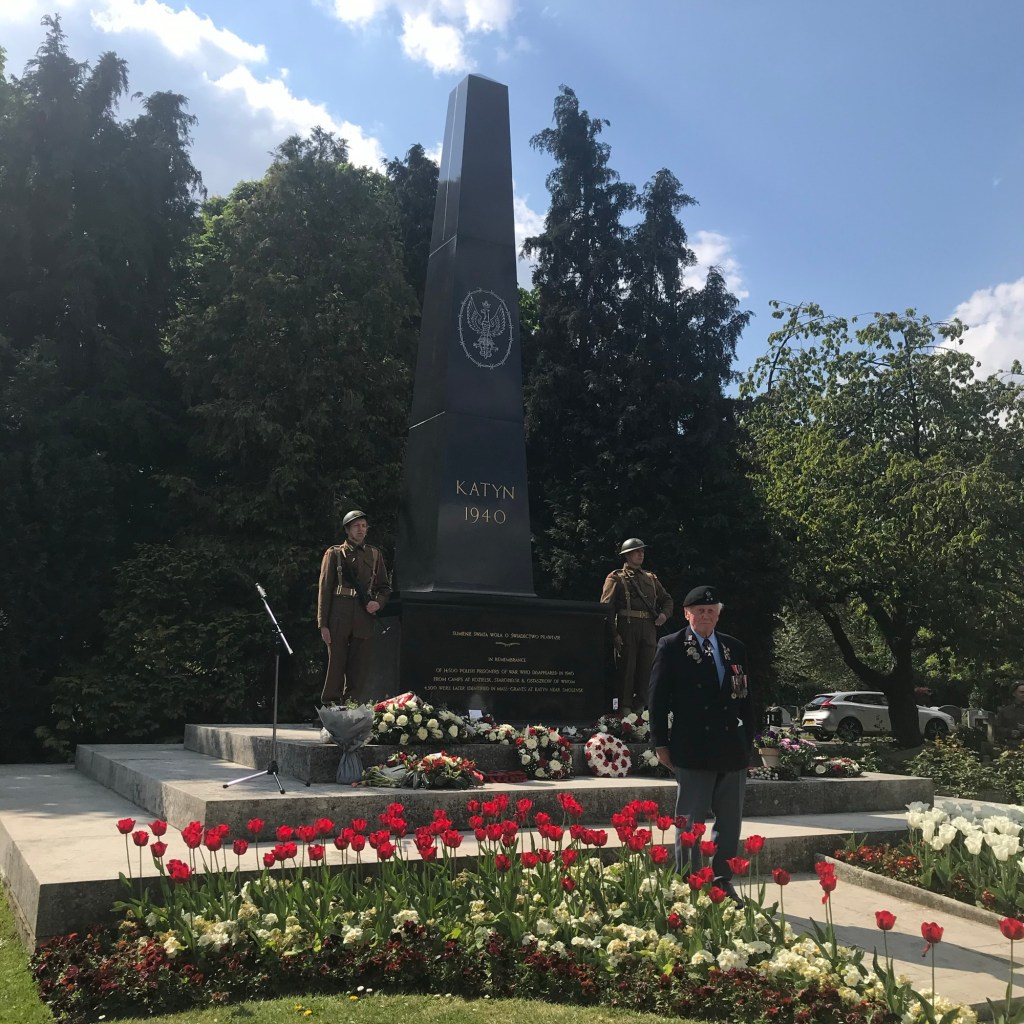
It became a statement of remembrance.
A statement of historical conscience.
And a statement that silence could not erase the truth.
Remembering more than 22,000 victims
The Katyń massacre formed part of a wider Soviet campaign of repression against Polish citizens.
Following the Soviet invasion of eastern Poland in September 1939, thousands of Polish prisoners of war and members of Poland’s political, military and intellectual elite were held in camps including Kozelsk, Starobelsk and Ostashkov.
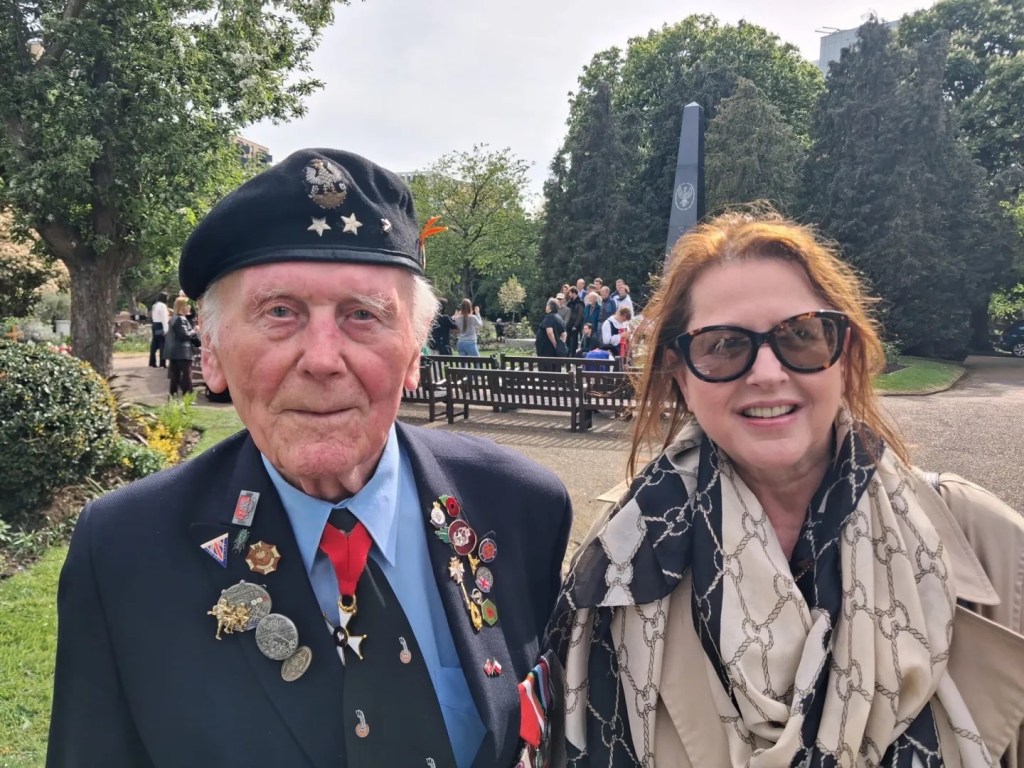
In the spring of 1940, following the decision of the Soviet leadership of 5 March 1940, the NKVD carried out mass executions.
Approximately 22,000 Polish citizens were murdered in Katyń and other locations, including officers of the Polish Army, police officers, Border Guard personnel and members of Poland’s intellectual and civic elite.
Their deaths were followed by decades of Soviet disinformation and denial.
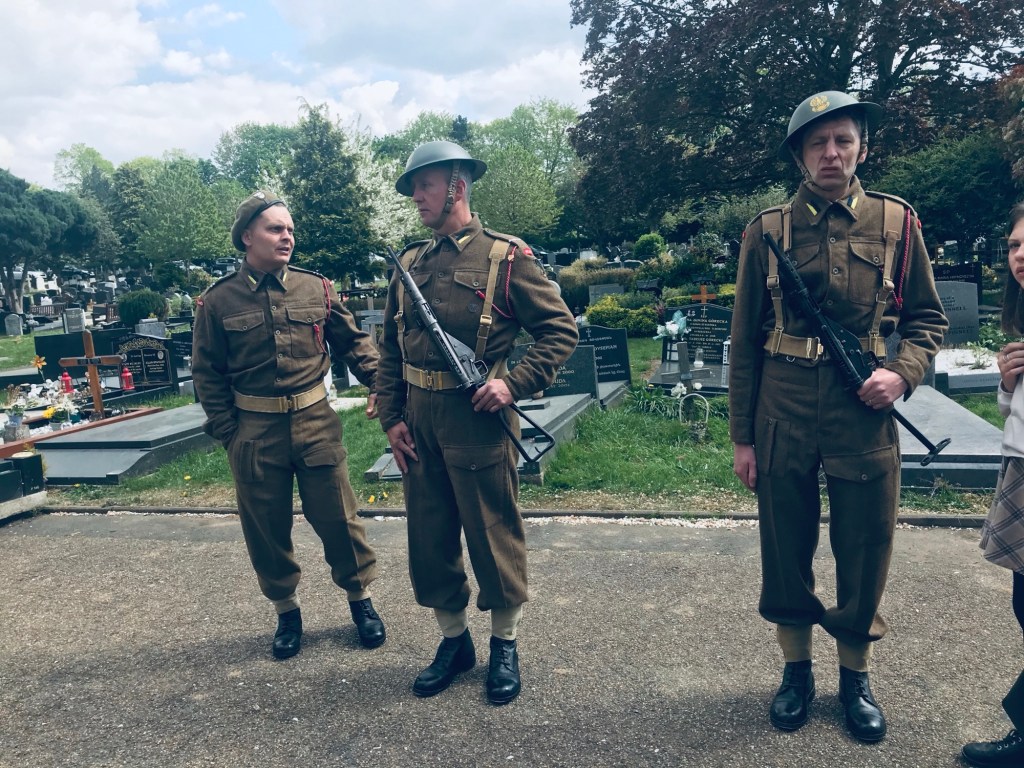
“The powerful voice of the silenced choirs”
The responsibility of later generations is not simply to remember names and dates, but to listen to the evidence left behind by the victims.
As President of Poland Karol Nawrocki has said in connection with the Katyń Museum, the surviving objects of the victims—buttons, prayer books, personal possessions and other traces of their lives—constitute a powerful testimony from those who were denied the opportunity to speak for themselves.
They are, in the words associated with Zbigniew Herbert, “the powerful voice of the silenced choirs.”
That voice continues to reach us.
And the Gunnersbury monument is one of the places where that voice has been preserved for half a century.
Polish Sue and the duty of remembrance
For Polish Sue, the 50th anniversary of the Gunnersbury Katyń Memorial has particular significance.
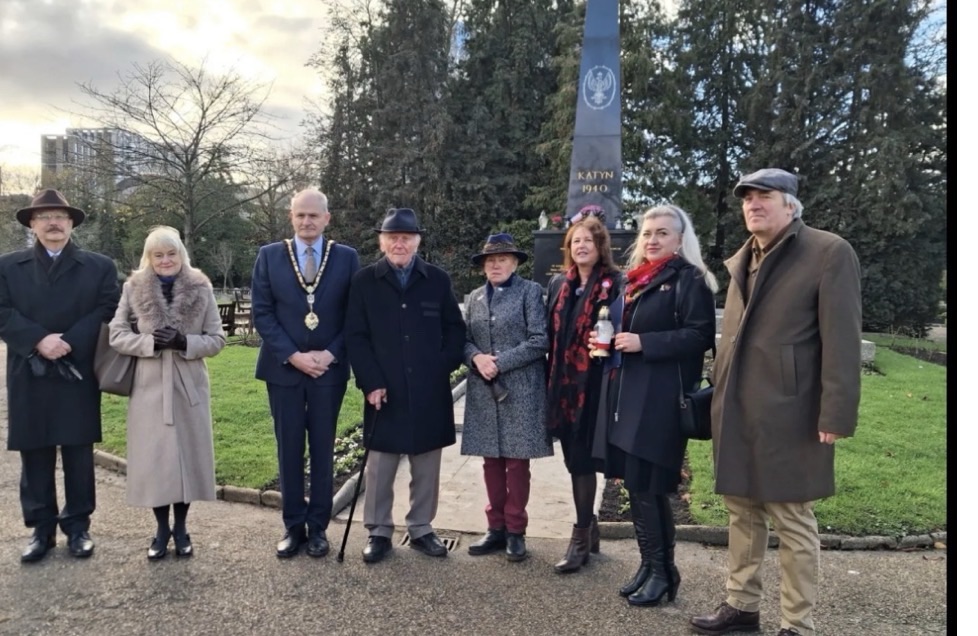
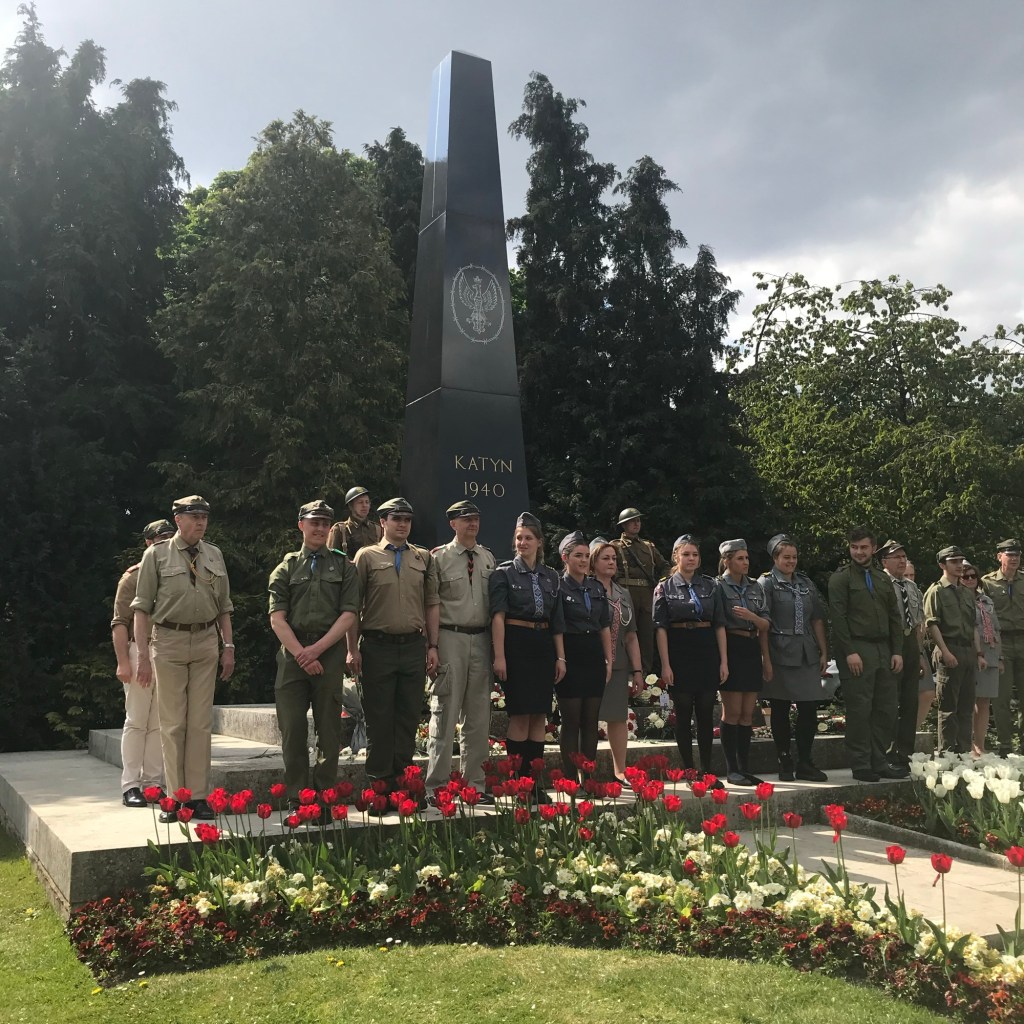
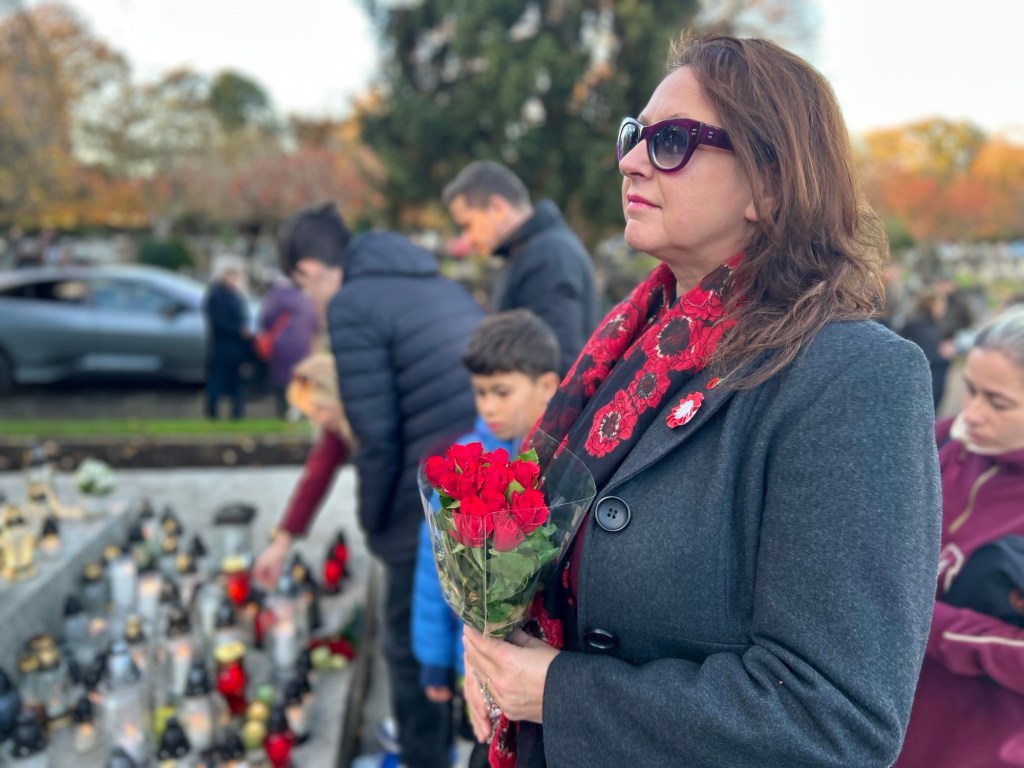
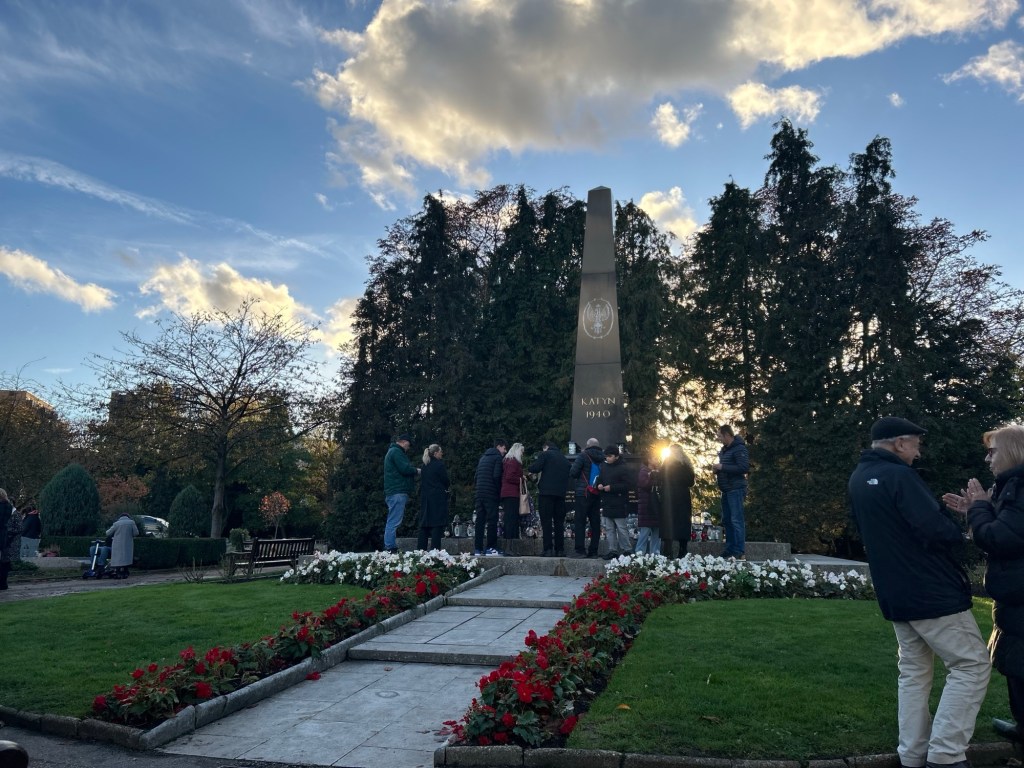
In November 2025, Polish Sue organised a commemoration marking the 85th anniversary of the Katyń massacre at the memorial. The ceremony brought together representatives of the Polish and British communities, local authorities, veterans, Polish organisations and representatives of the Katyń Families.
Link to this event is here:
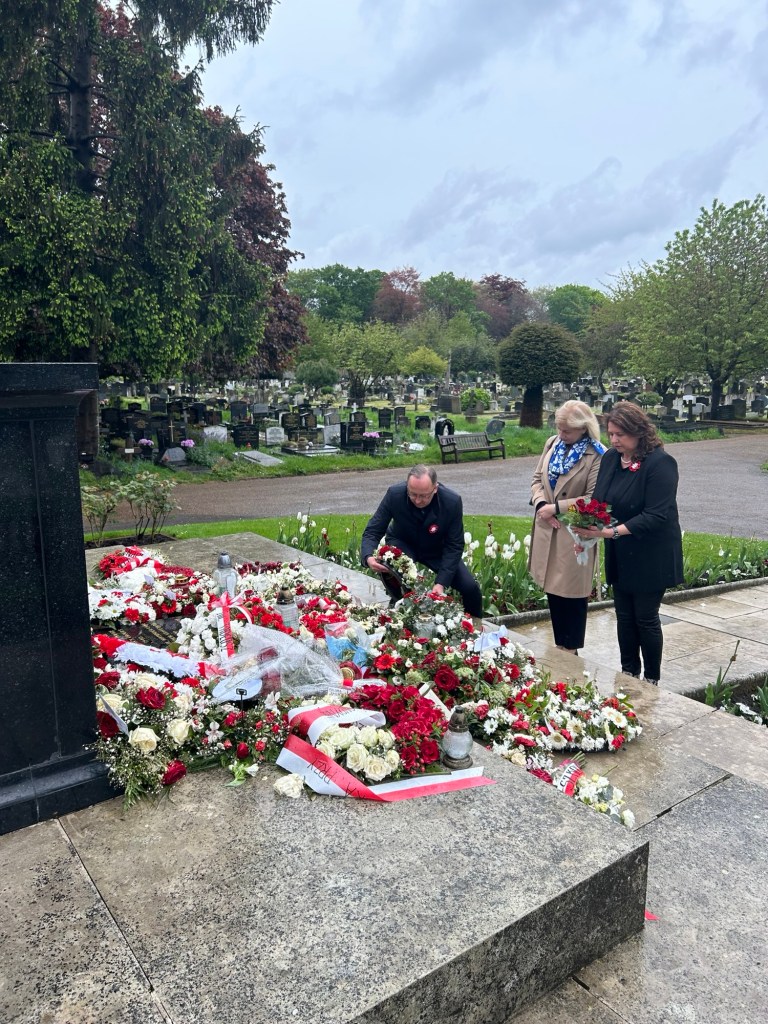
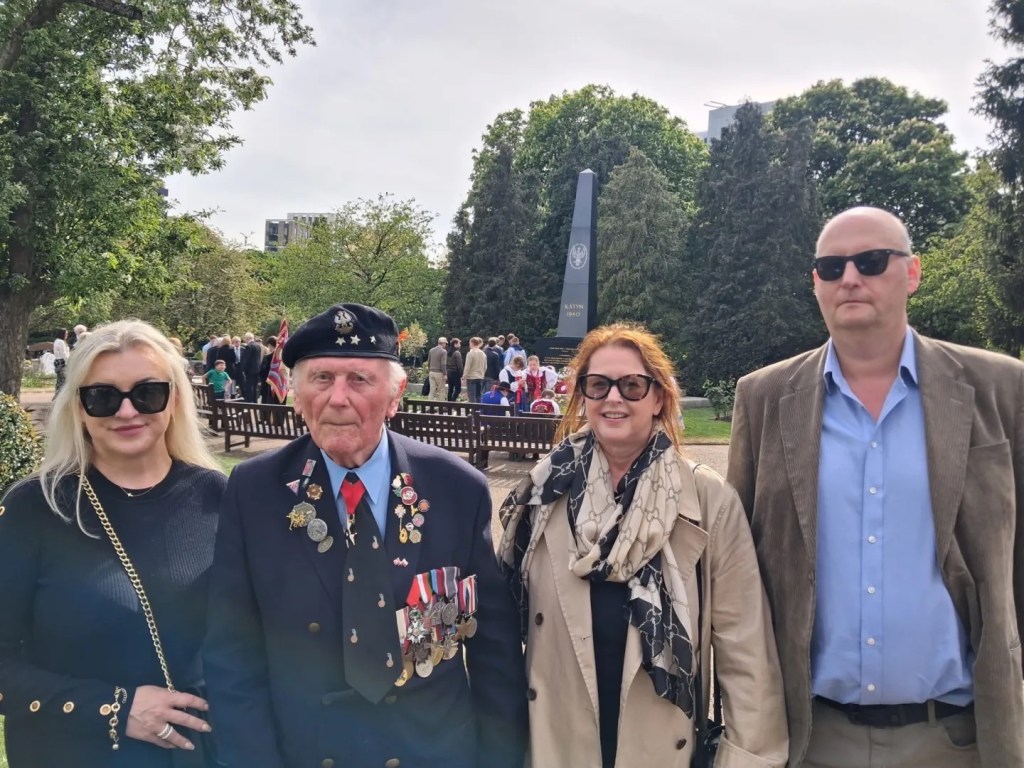
On 13 April, the Day of Remembrance of the Victims of the Katyń Massacre established by the Polish Parliament, Polish Sue has also paid tribute at Gunnersbury to the Polish officers and citizens murdered by the NKVD.
These ceremonies form part of the same tradition established by the Polish community decades ago.
A tradition based on three simple responsibilities:
Remember. Tell the truth. Pass the memory on.
50 years later – the memory continues
Today, half a century after the unveiling, the Katyń Memorial still stands at Gunnersbury.
The people who gathered there in 1976 could not know how many generations would eventually stand before the same monument.
But they understood something essential:
Memory must be protected.
The monument reminds us that historical truth cannot depend on political convenience, and that the passage of time must never become an excuse for forgetting.
For the Polish community in Britain, Gunnersbury remains a place of remembrance, dignity and historical responsibility.
Fifty years have passed.
The voices of those who were murdered have not disappeared.
We remember. We honour their memory. And we will continue to tell the story.
🇵🇱 KATYŃ 1940 – PAMIĘTAMY.
Polish Sue Association
London, 18 September 2026
Text / Photos: Polish Sue

 Polish Sue
Leave a comment