“Never in the field of human conflict was so much owed by so many to so few.”
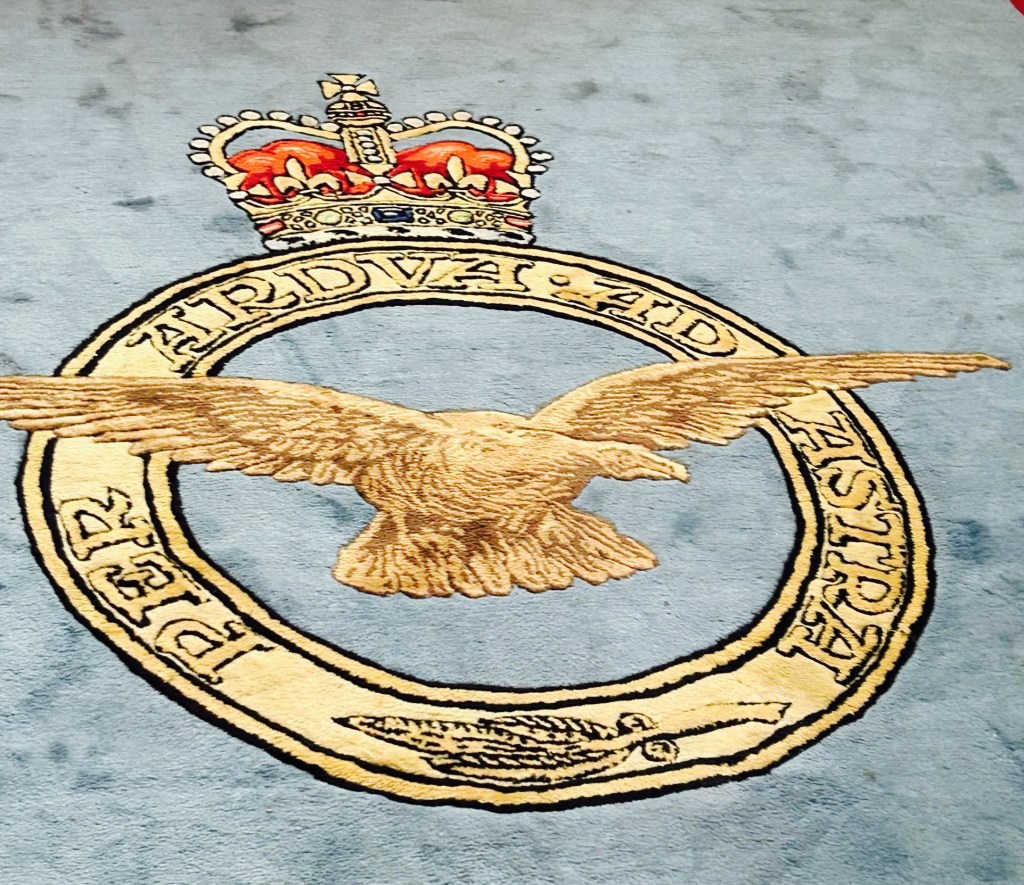
With these immortal words, Winston Churchill paid tribute to the pilots of the Royal Air Force who defended Britain during the Battle of Britain. Since then, those who fought in the skies over Britain have been remembered as “The Few.”
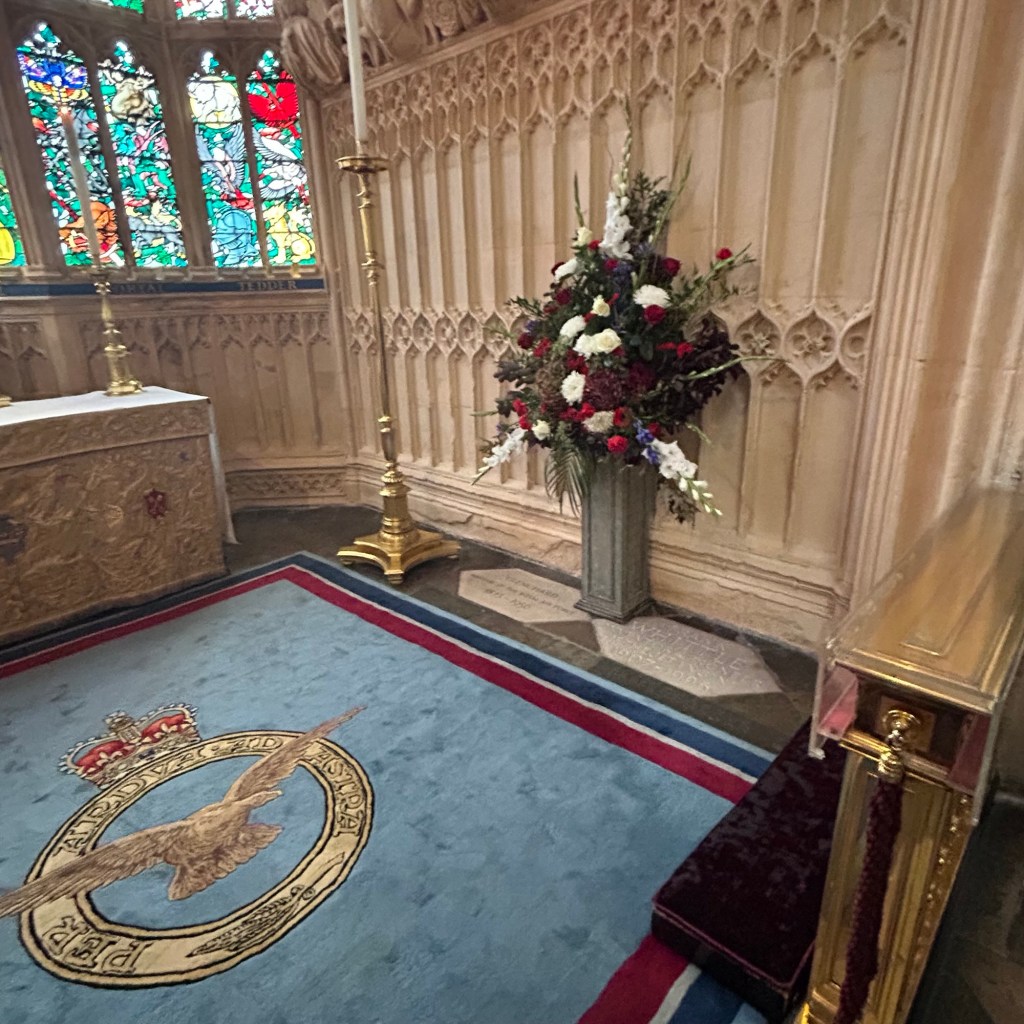
Among them were hundreds of Polish airmen who, having already fought for their homeland against Nazi Germany, continued the struggle in Britain. Their contribution to the Battle of Britain was extraordinary — and their story remains an important part of the shared history of Poland and the United Kingdom.
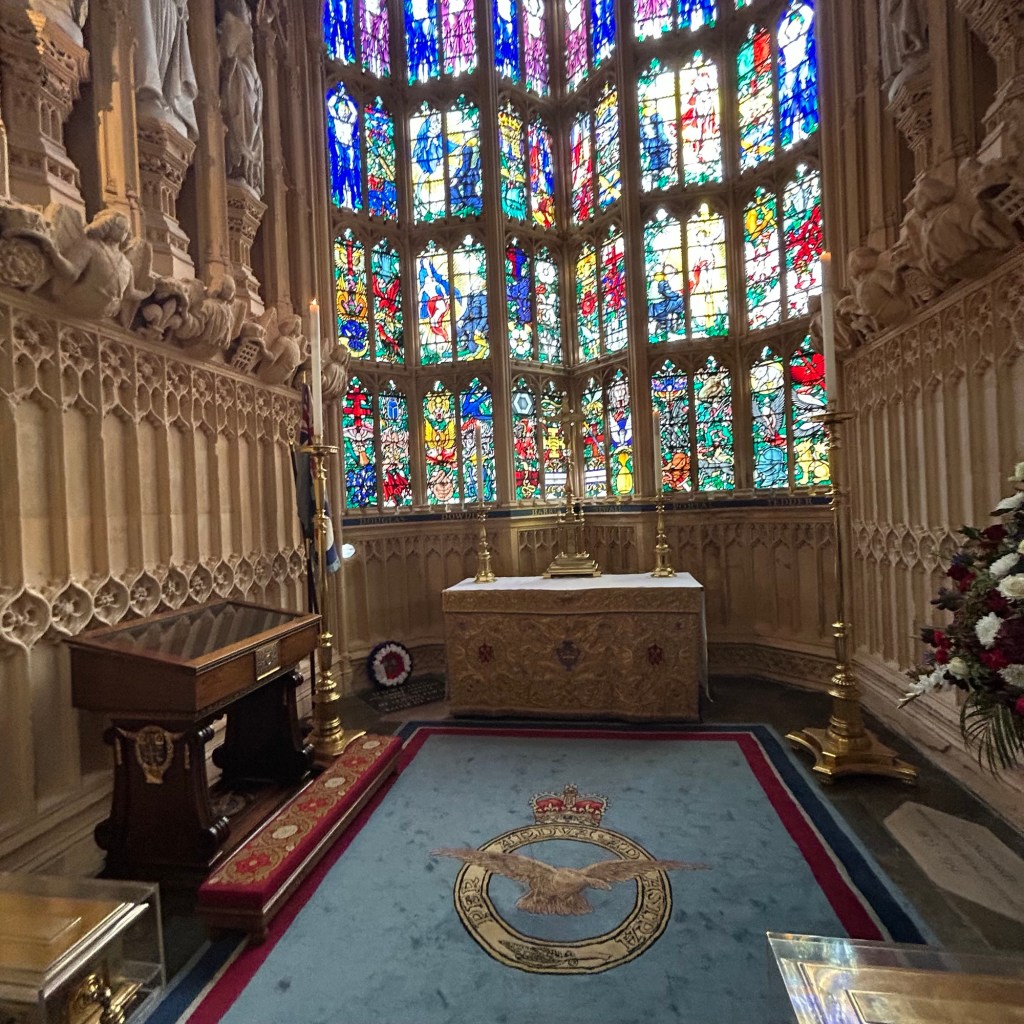
15 September 1940 — a decisive day
On 15 September 1940, the Luftwaffe launched its largest concentrated daylight attack on London and south-east England up to that point. The German intention was to draw the RAF into a decisive confrontation and destroy Britain’s ability to defend itself.
Instead, the RAF met the attack with overwhelming determination.
Fighter Command committed a large proportion of its available strength. Spitfires and Hurricanes rose from airfields across southern England, engaging German bombers and their fighter escorts in a vast aerial battle.
The RAF’s success that day demonstrated that the Luftwaffe had not achieved air superiority — a crucial factor in Hitler’s plans for an invasion of Britain.
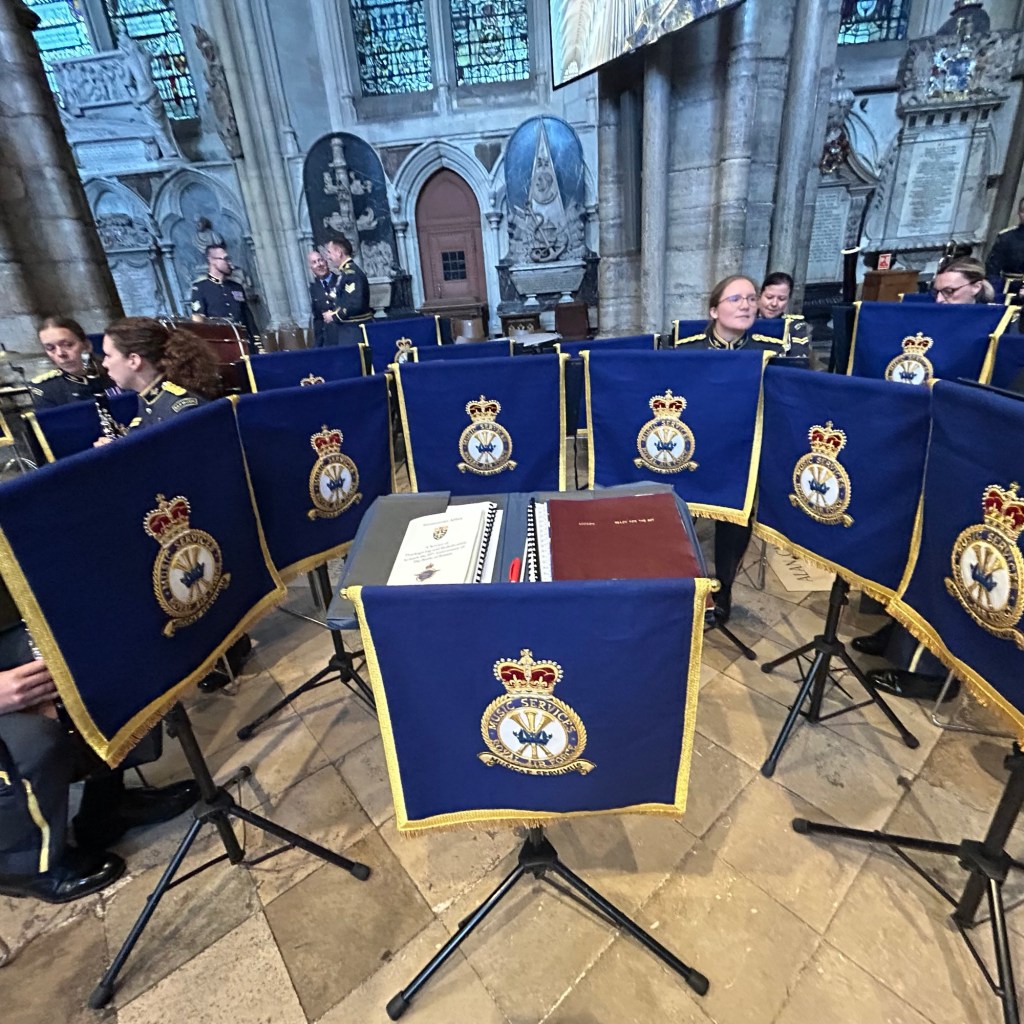
The date subsequently became known as Battle of Britain Day, commemorated every year on 15 September.
But behind the famous British victory was an international force of men who had come to Britain from across Europe and the Commonwealth.
And among the most remarkable were the Poles.
Poland had already been fighting
When the Battle of Britain began, Poland had already been at war with Germany for almost a year.
The Polish campaign of September 1939 had been followed by the fall of France in 1940. Polish soldiers and airmen who escaped occupied Europe made their way to Britain, determined to continue fighting.
They arrived carrying not only their experience but also the memory of a country that had been brutally occupied.
The Polish pilots were therefore not simply volunteers joining a new war. For many of them, the Battle of Britain was another stage in the same fight for the freedom of Poland and Europe.
They joined the RAF and formed two famous Polish squadrons:
- No. 302 Squadron “City of Poznań ”
- No. 303 Squadron “Kościuszko”
No. 303 Squadron became particularly renowned for its effectiveness and fighting spirit.
Flying Hurricanes, the Polish pilots engaged German aircraft over Britain, often under extraordinarily difficult conditions. Their combat experience, determination and aggressive tactics made them highly valued members of Fighter Command.
Squadron 303 — the Polish legend
No. 303 Squadron was formed at RAF Northolt in July 1940.
Its pilots came from Poland’s pre-war military aviation tradition and included men who had fought during the German invasion of Poland and subsequently in France.
The squadron entered combat during the Battle of Britain and quickly established an impressive record.
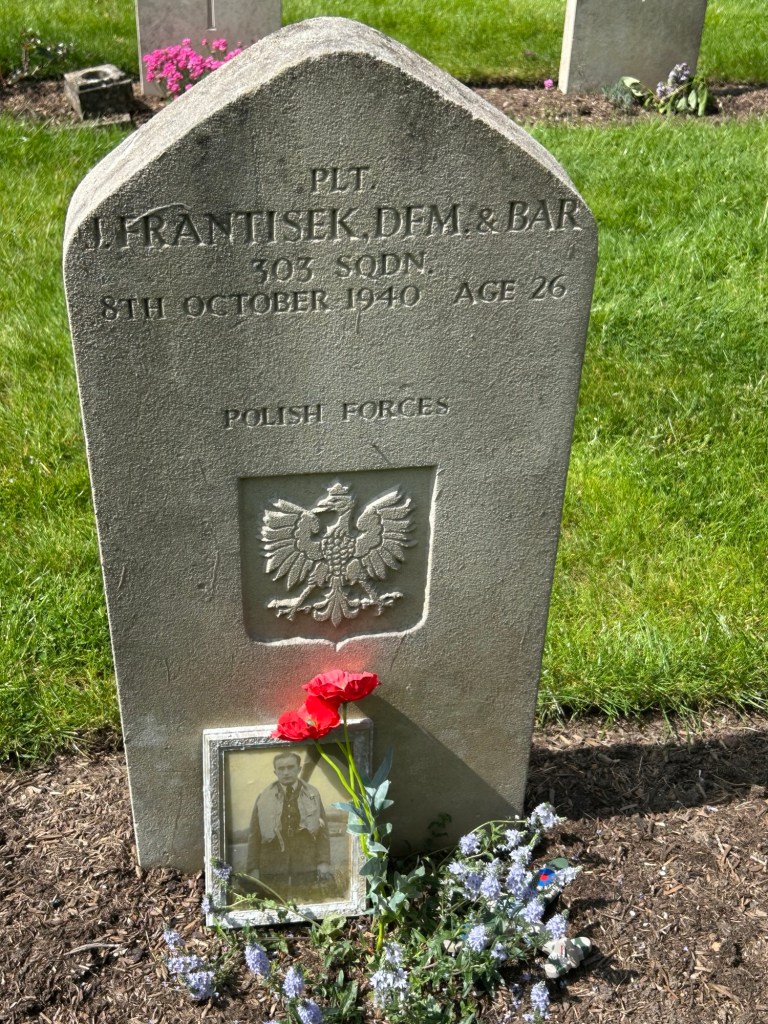
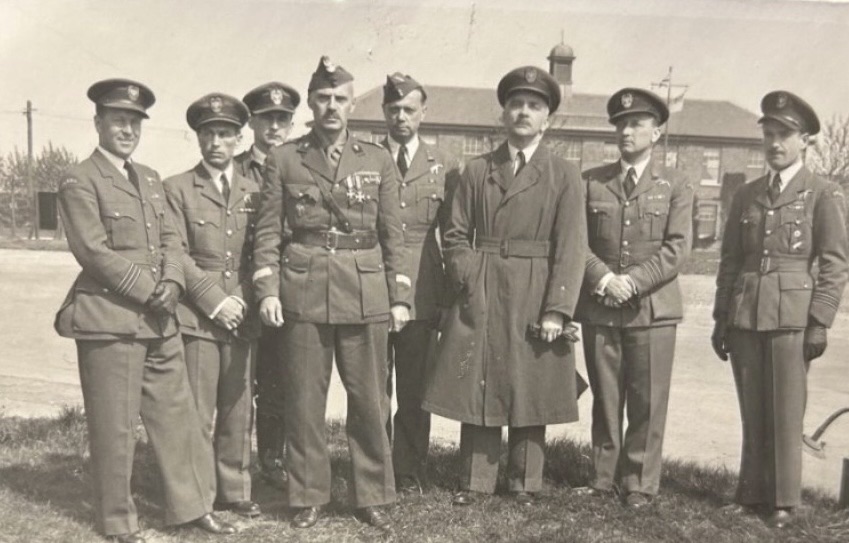
Among its most famous pilots was Squadron Leader Zdzisław Krasnodębski, its first commanding officer, alongside outstanding Polish aces such as Jan Zumbach, Witold Urbanowicz, Stanisław Skalski and Josef František.
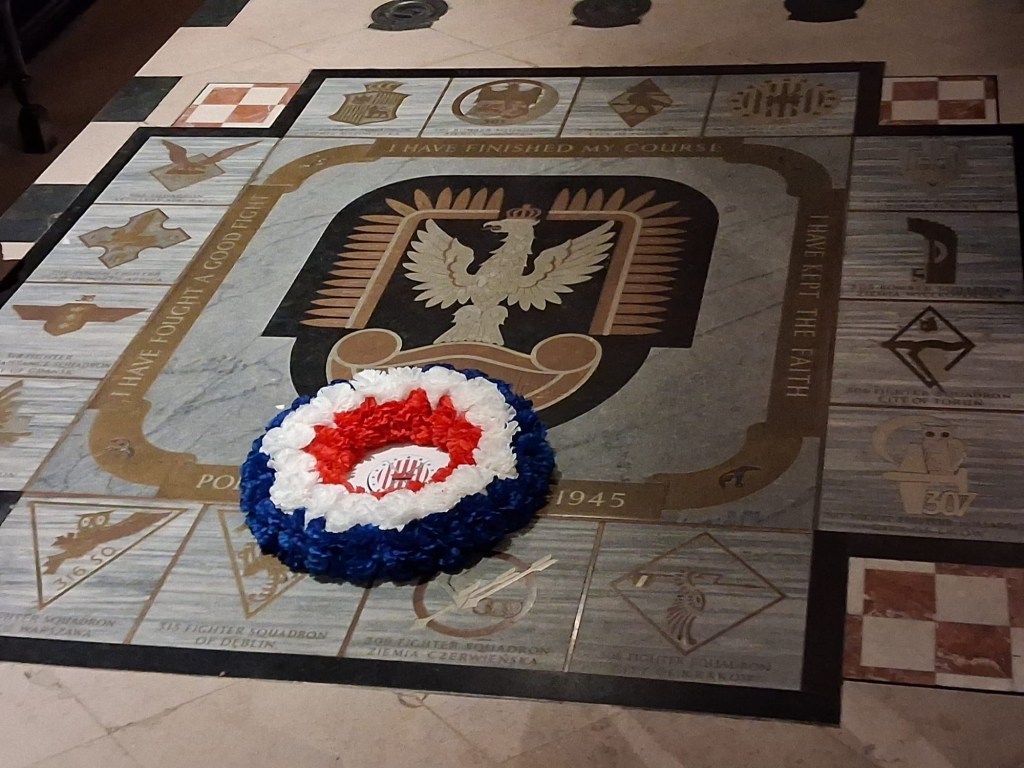
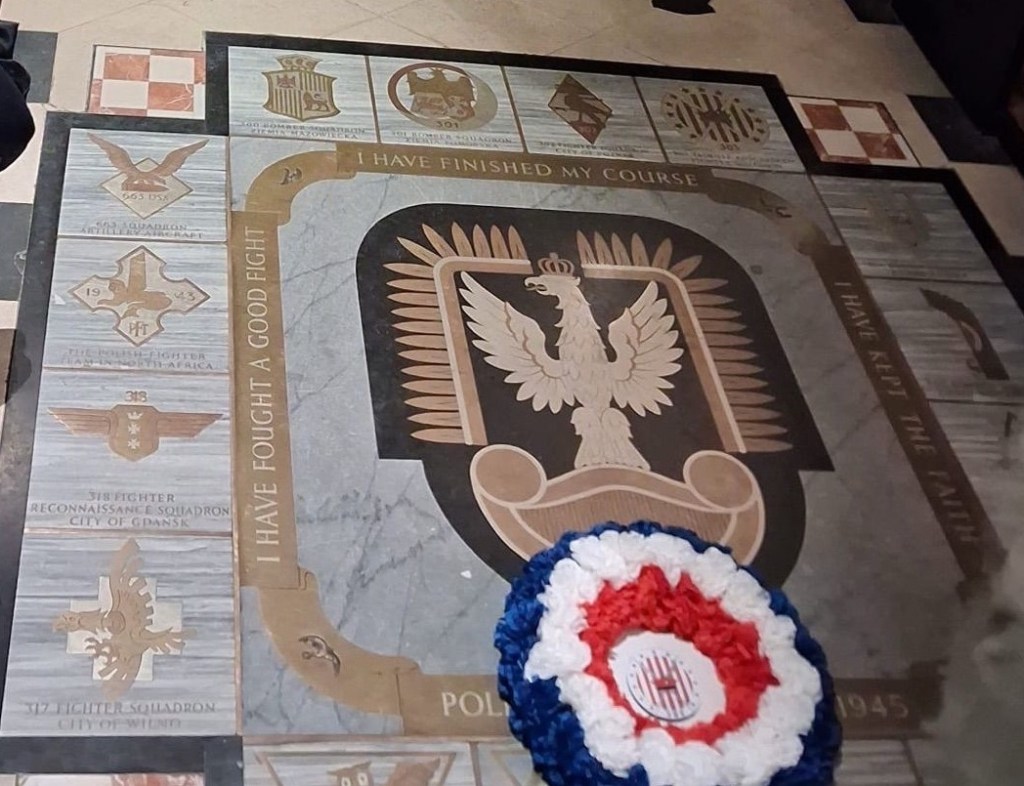
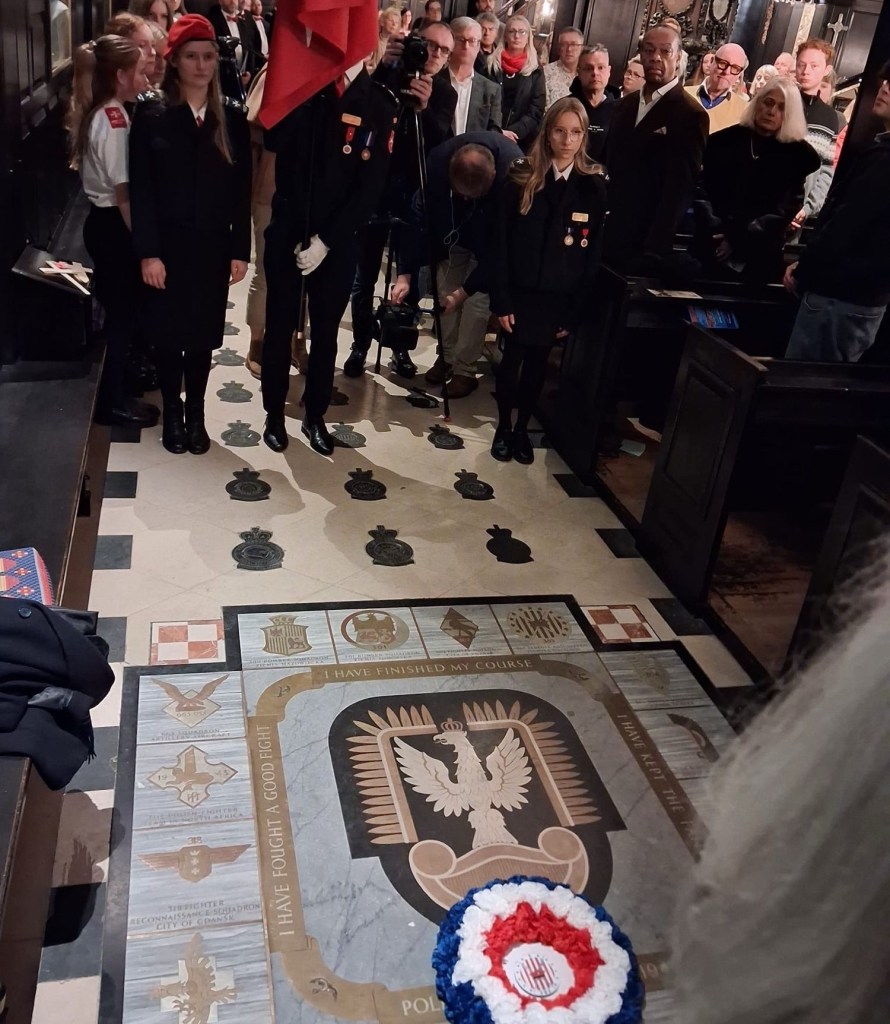
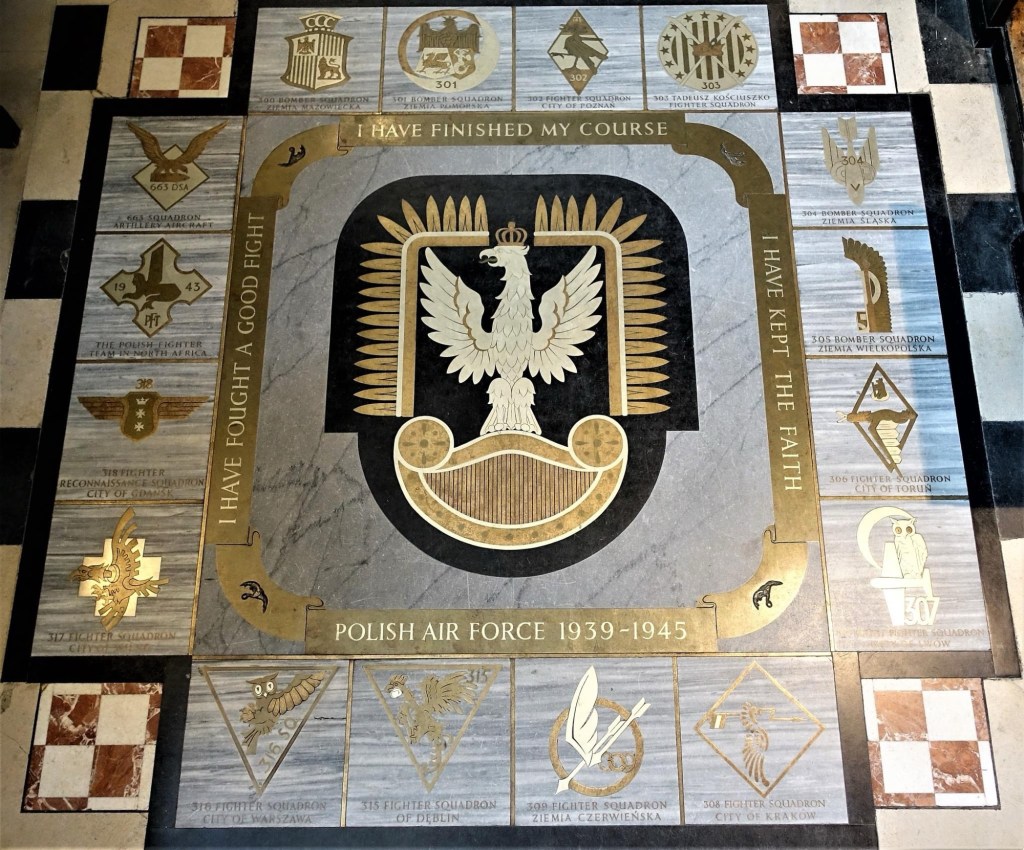
František, a Czech pilot flying with the Polish squadron, became one of the leading individual aces of the Battle.
The success of No. 303 Squadron was not accidental. Its pilots brought with them valuable combat experience from the Polish and French campaigns. They were already familiar with German tactics and had a profound personal motivation to defeat the Luftwaffe.
Their contribution was soon recognised by their British comrades.
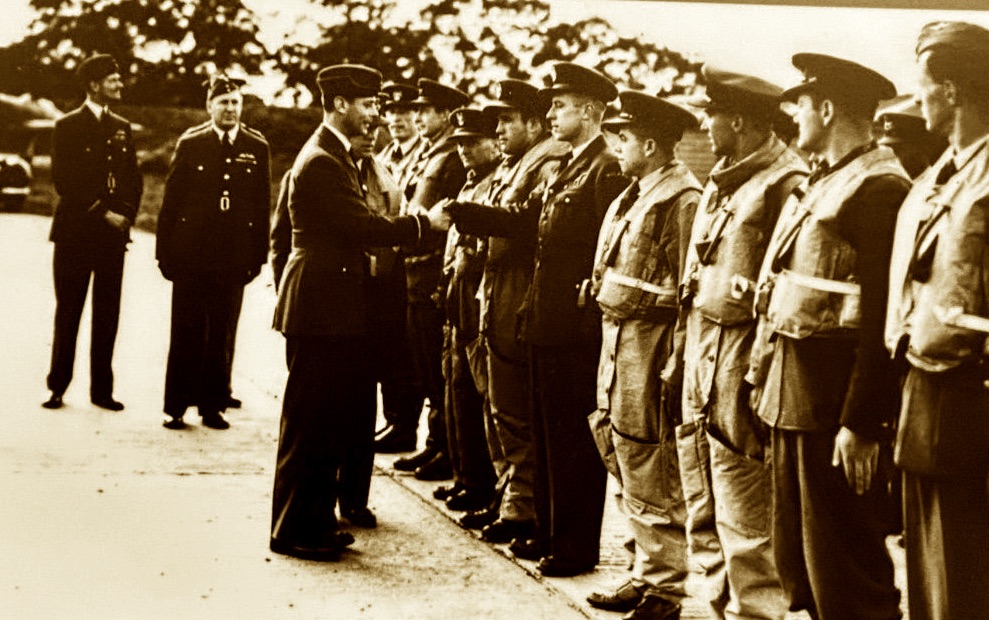
The numbers tell only part of the story
Polish airmen represented a significant proportion of the foreign pilots who served in Fighter Command during the Battle of Britain.
Around 145 Polish pilots took part in the battle, serving in Polish and British squadrons. Polish pilots were credited with more than 200 enemy aircraft destroyed, with additional aircraft damaged — although exact figures vary according to historical methodology and subsequent reassessment.
The numbers, however, do not fully convey what their participation meant.
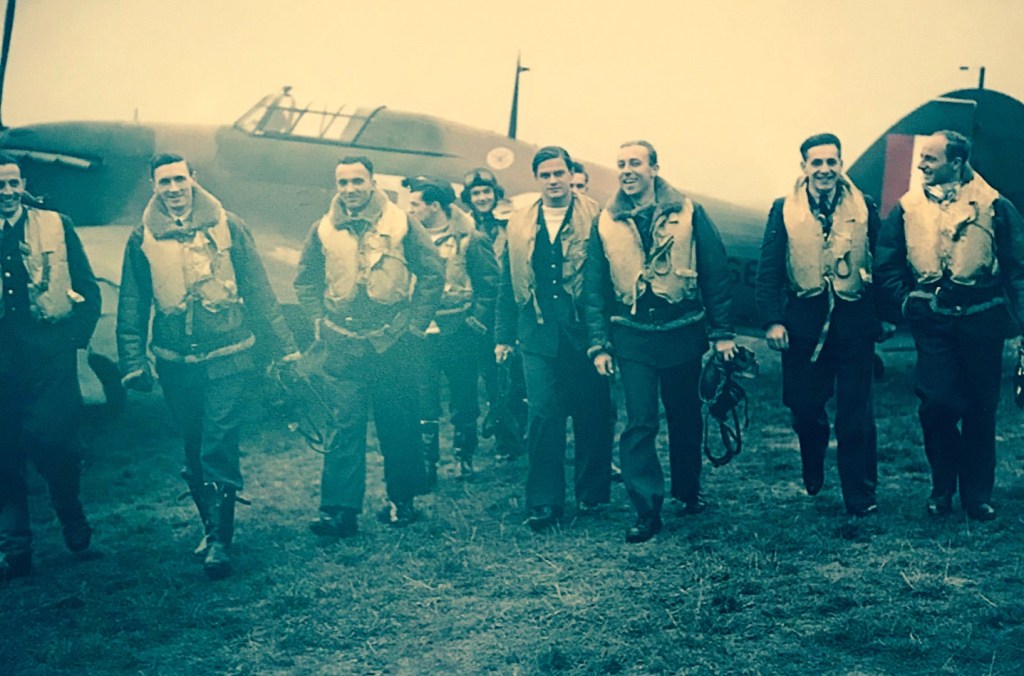
Poland was the first country to be invaded by Nazi Germany in the Second World War. Its airmen had lost their homeland, their bases and many of their comrades.
Yet they continued fighting.
They defended British cities, airfields and civilians while knowing that their own country remained under occupation.
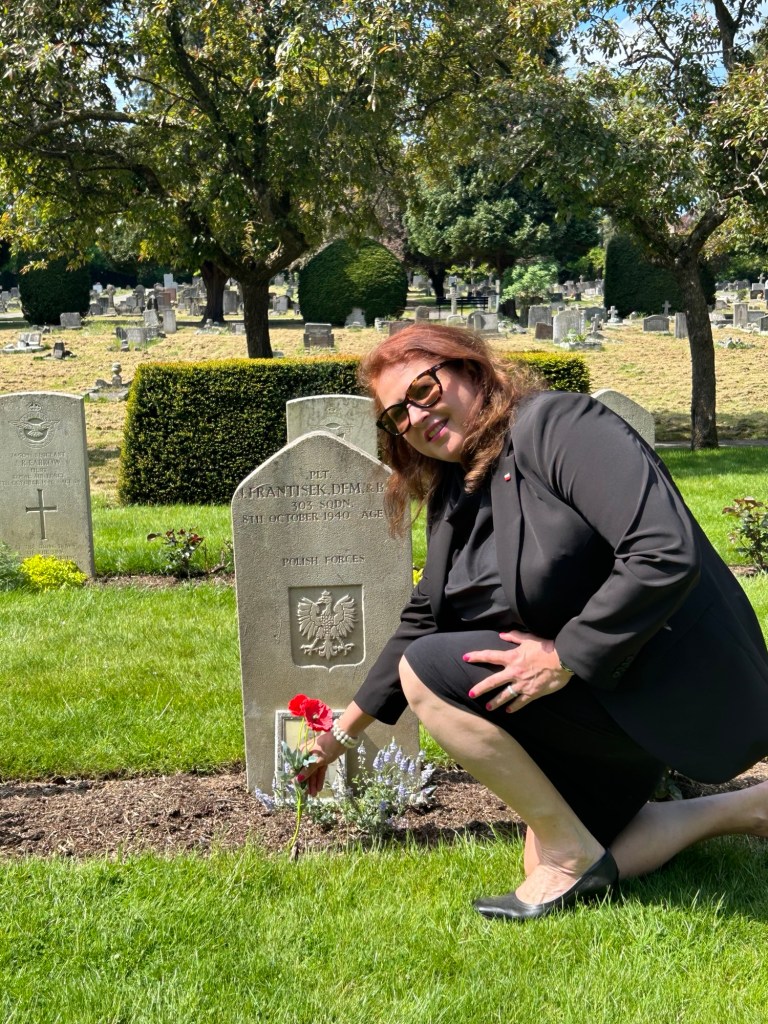
“The Few” — and the many
Churchill’s famous speech referred to the pilots as “The Few”, but the victory in the Battle of Britain depended upon thousands of people.
There were the pilots in their Hurricanes and Spitfires.
There were also the ground crews who worked tirelessly to keep aircraft operational, often repairing machines between sorties. There were radar operators, controllers, mechanics, intelligence officers, observers, ambulance drivers, administrative staff and countless civilians.
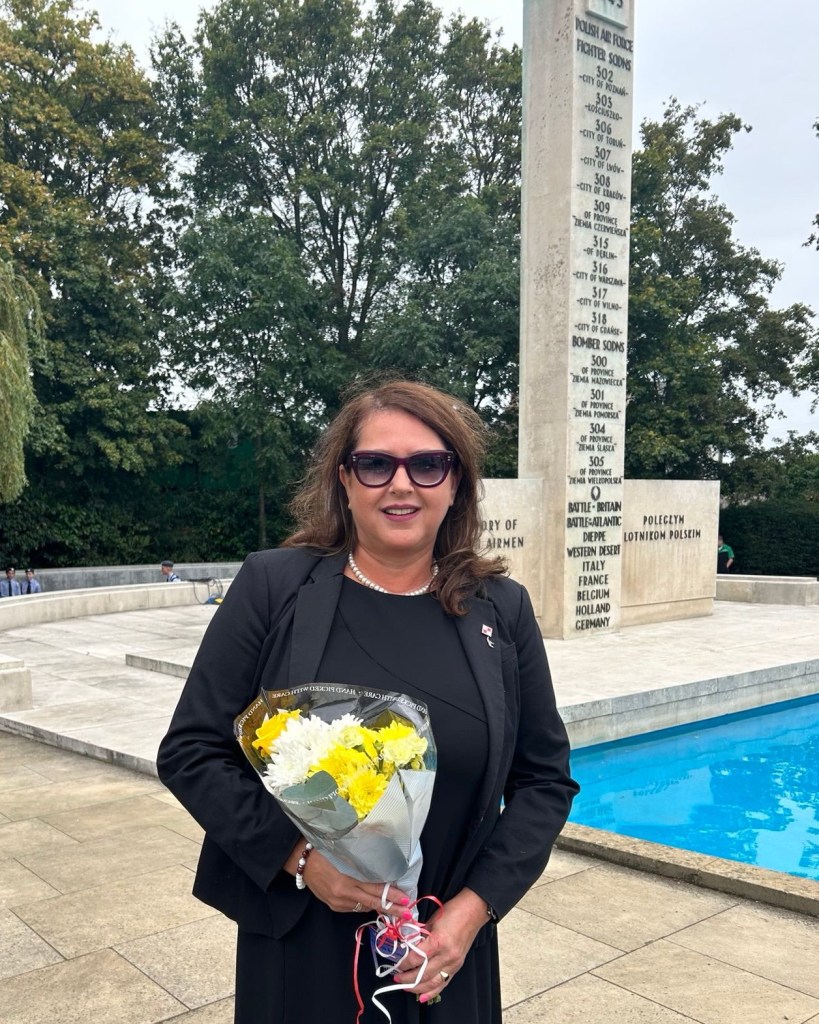
The Polish contribution extended far beyond the cockpit.
Polish ground personnel served with RAF units, while Polish engineers and technicians played an essential role in maintaining aircraft and supporting operations.
And there was another crucial Polish contribution — intelligence.
Before the Battle of Britain, Polish mathematicians and cryptologists had made a breakthrough of enormous importance by reconstructing the German Enigma machine and developing methods for reading German encrypted communications. Their work was transferred to their British and French allies and became an important foundation for the wider Allied codebreaking effort at Bletchley Park.
The Polish contribution to Britain’s wartime survival was therefore both in the air and behind the scenes.
A shared Polish-British story
The story of the Polish pilots is ultimately not only a Polish story.
It is a story of the extraordinary relationship between Poland and Britain during the Second World War.
Poland fought from the first day of the war until the very end. Polish servicemen served alongside British forces on land, at sea and in the air.
The Polish pilots who defended Britain in 1940 became part of Britain’s national story.
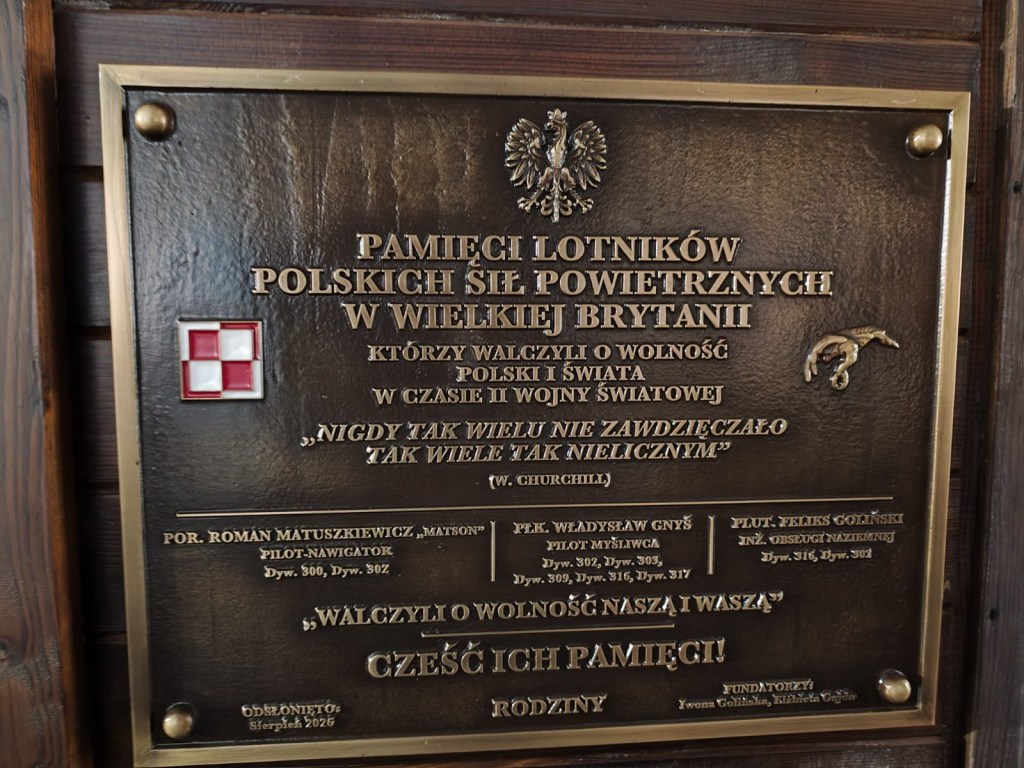
Their names can still be found across Britain — on memorials, in museums, on plaques and in the records of RAF stations from which they flew.
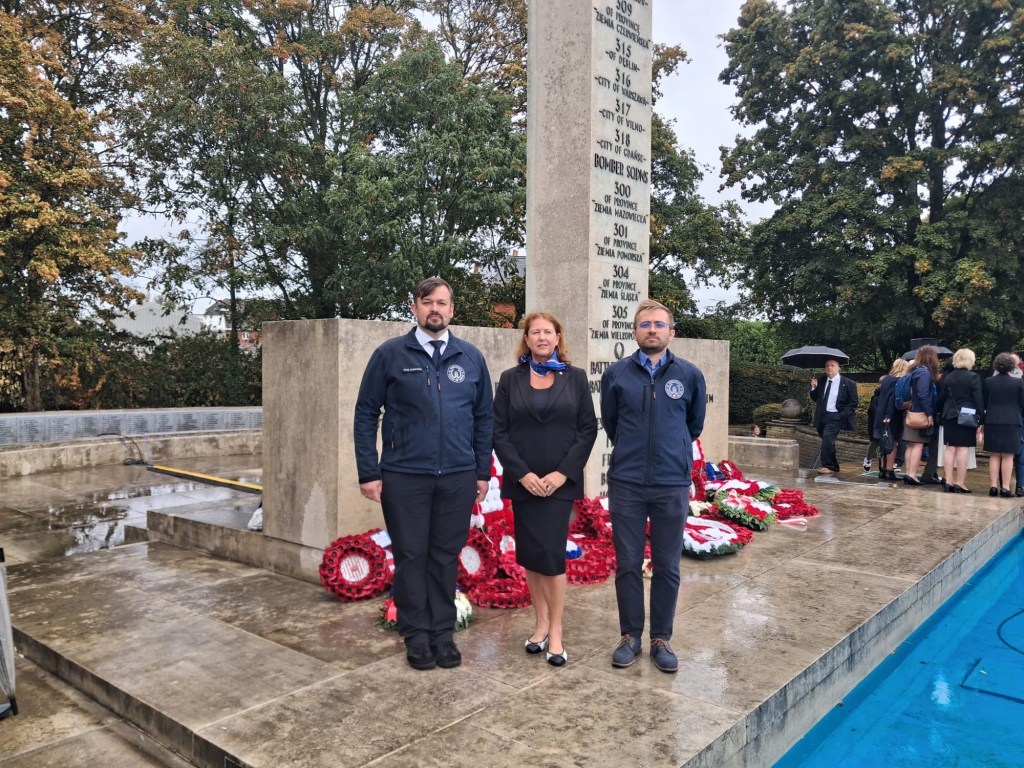
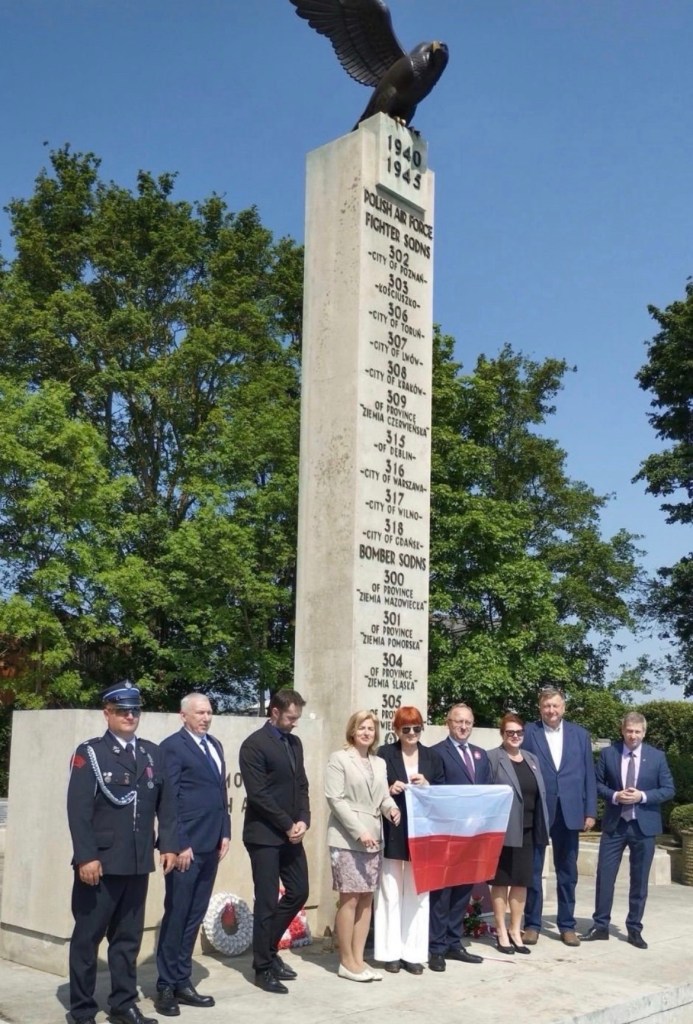
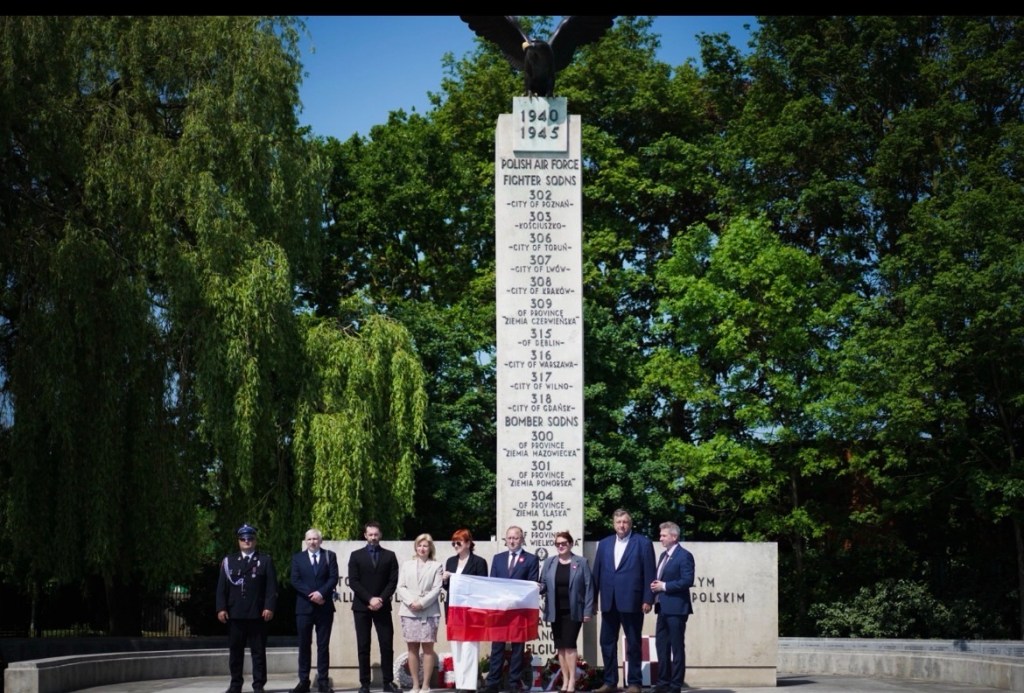
The Polish War Memorial at South Ruislip, west London, remains one of the most important places commemorating the Polish contribution to the Allied war effort. It honours Polish airmen who fought and died alongside their British allies.
And at RAF Northolt, where No. 303 Squadron made its legendary contribution, the memory of the Polish pilots remains particularly strong.
Remembering the Few
Today, Battle of Britain Day is an opportunity to remember all those who defended Britain in 1940.
But it is also an opportunity to remember that “The Few” were not exclusively British.
They came from Poland, Czechoslovakia, France, Belgium, New Zealand, Canada, Australia, South Africa and other countries.
The Polish pilots occupy a special place among them.
They had already lost their country to Nazi aggression. Britain became their temporary home and their new battlefield. They fought not only for Britain, but for the hope that one day Poland would also be free.
That freedom would not come in 1945. Poland would emerge from the war under Soviet domination, and many Polish veterans would never return to a genuinely independent homeland.
Yet they continued to serve.
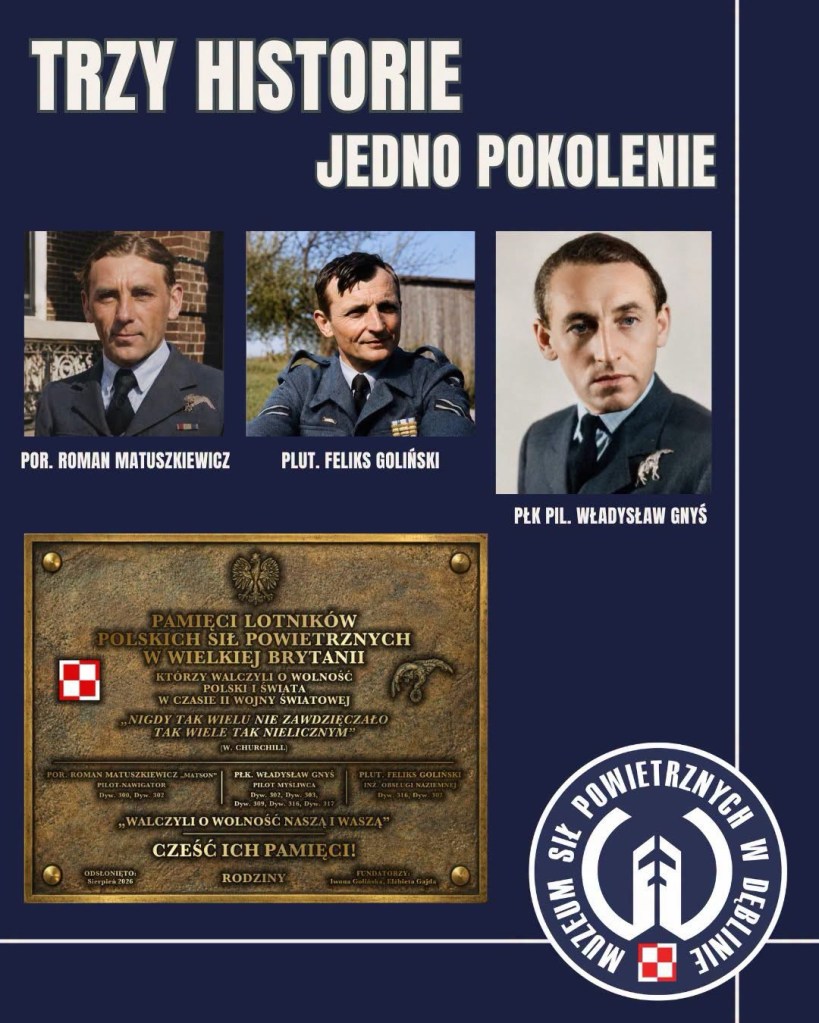
Never forgotten
On 15 September, as Britain remembers the Battle of Britain, we should remember the words of Churchill — but also the men behind them.
The Few included Poles.
They flew from British airfields.
They defended British skies.
They fought beside British pilots.
They died for a freedom that their own country would not regain for decades.
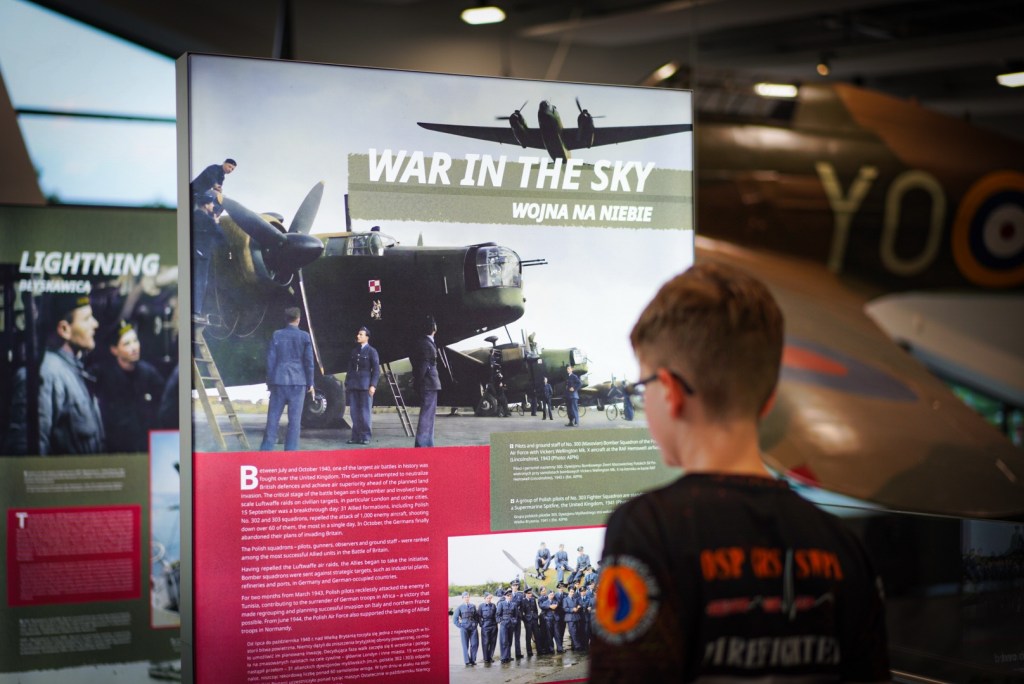
Their courage created a remarkable chapter in the shared history of Poland and Britain.
Today, we remember them with gratitude.
We remember the Few.
We remember the Polish Few.
And we remember that their fight was for freedom — “for our freedom and yours.”
Text / Pictures: Polish Sue

 Polish Sue
Leave a comment