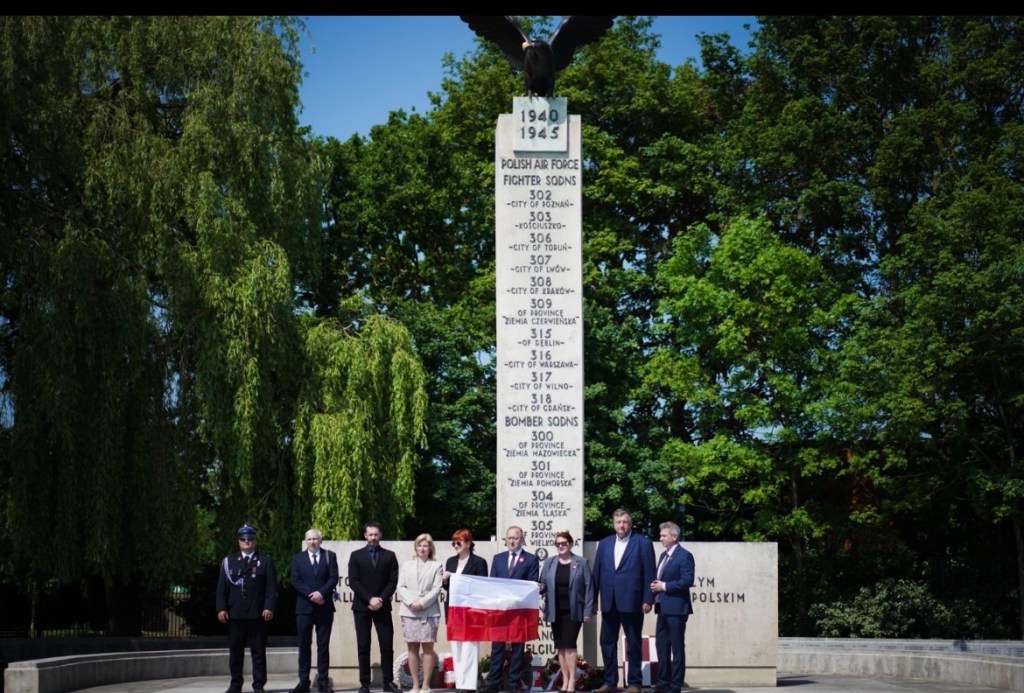
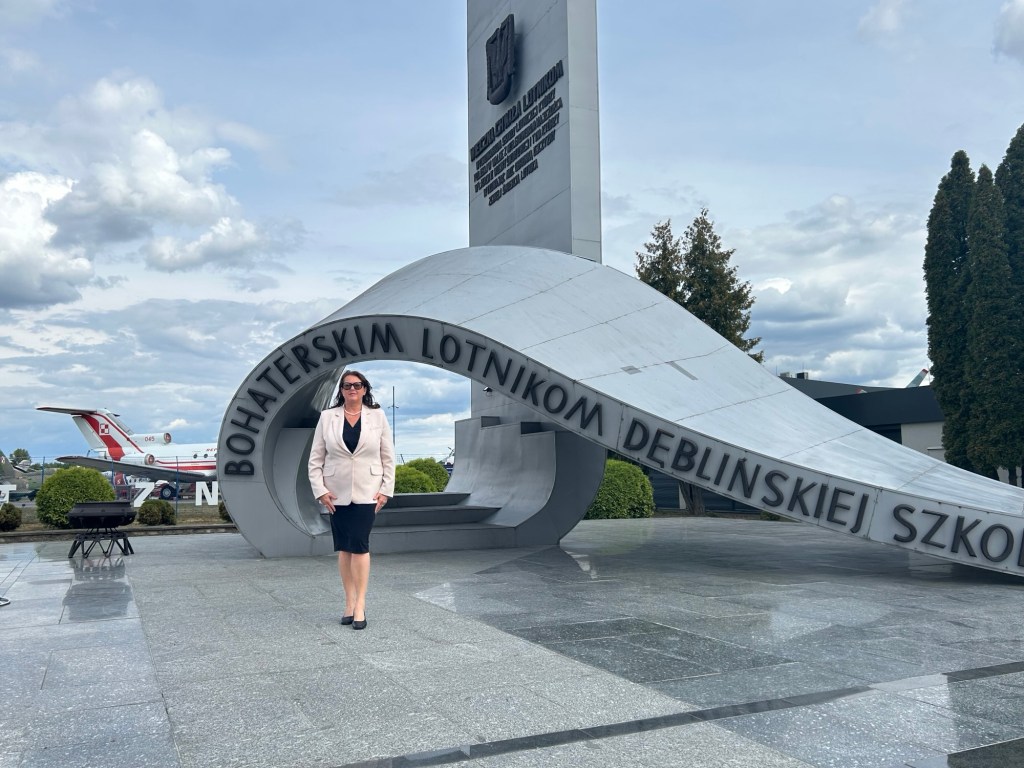
On 26 August 2026, the Polish Air Force Museum in Dęblin will host the unveiling of a commemorative plaque honouring three members of the Polish Air Force in the West: Second Lieutenant Roman Matuszkiewicz “Matson”, Colonel Pilot Władysław Gnyś, and Corporal Feliks Goliński.
Three very different wartime stories represent three different aspects of Polish service during the Second World War – a navigator, a fighter pilot, and a ground-service specialist.
Their stories are also part of a much greater chapter in Polish history: the story of thousands of Polish airmen and servicemen who, after the defeat of September 1939, made their way to the West and continued the fight alongside Britain.
🇬🇧 Britain – where Polish airmen took to the skies once again
After the fall of Poland in September 1939, Polish airmen refused to accept defeat. Many travelled through Romania, Hungary and France before reaching Britain.
For them, Britain was not simply a place of refuge.
It became a new battlefield.
They arrived determined to continue the struggle for a free Poland.
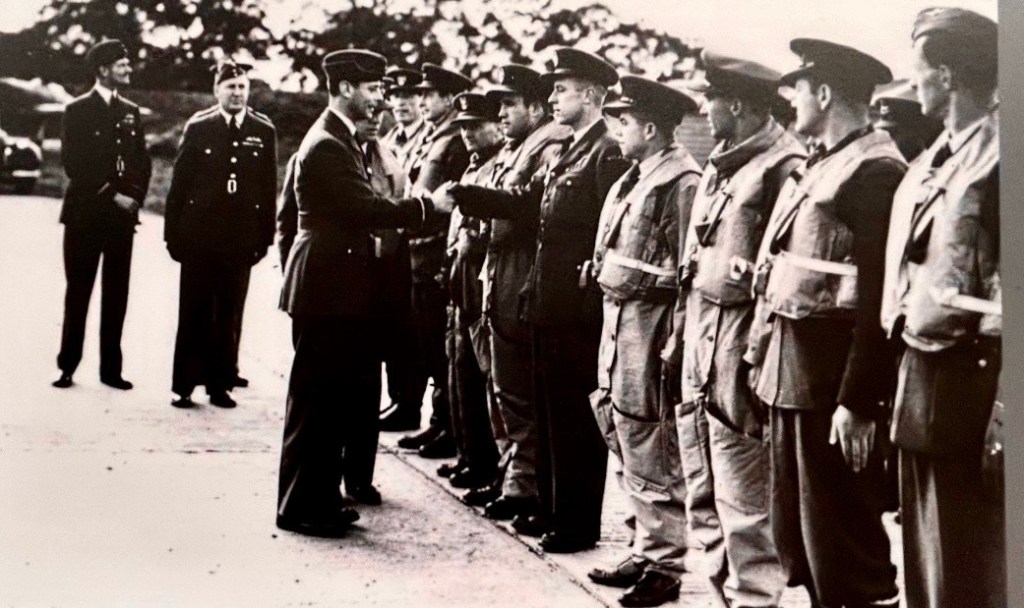
The Polish Air Force in the West operated alongside the Royal Air Force, and Polish pilots quickly became an important part of Britain’s air defence.
Their previous combat experience, determination and exceptional flying skills would soon prove invaluable.
✈️ The Battle of Britain – Polish wings over Britain
In the summer of 1940, Britain faced the German Luftwaffe in a battle that would determine the future of the country and potentially the course of the war.
Among those defending British skies were Polish pilots.
A total of 145 Polish pilots took part in the Battle of Britain. Two Polish fighter squadrons were formed:
No. 302 Polish Fighter Squadron “City of Dęblin”
and
No. 303 Polish Fighter Squadron “Kościuszko”.
Initially, British commanders had reservations about the Polish pilots. There were language difficulties, differences in training methods and unfamiliarity with British procedures.
But the Poles quickly demonstrated what they were capable of.
Many had already fought over Poland and France. They had experienced real combat.
They were not simply trained pilots.
They were battle-hardened airmen.
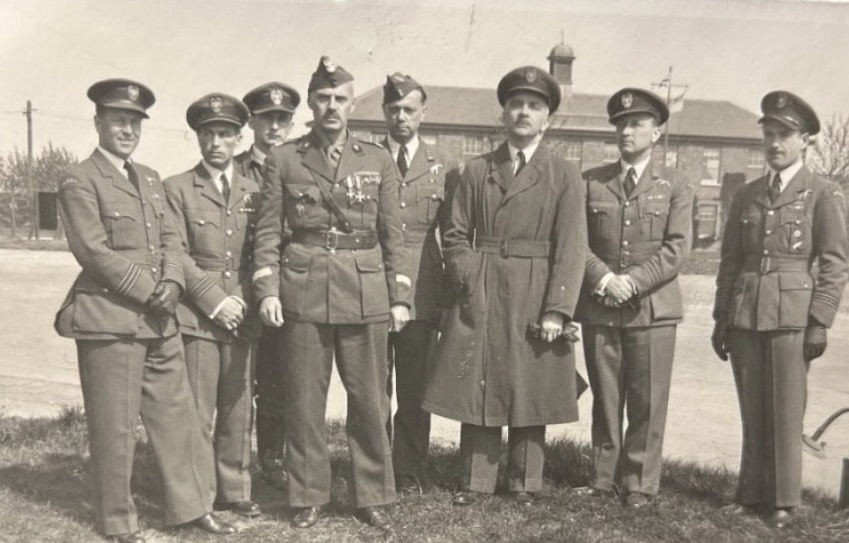
🔥 No. 303 Squadron – a legend born in combat
The most famous symbol of Polish participation in the Battle of Britain became No. 303 “Kościuszko” Squadron.
During just 42 days of combat, the squadron was credited with 126 German aircraft destroyed, making it one of the most successful fighter units of Fighter Command during the Battle of Britain.
Its achievements were not accidental.
Polish pilots had received rigorous training in Poland, particularly at the famous “School of Eaglets” in Dęblin.
Their training was demanding and selective. It developed not only flying skills but also discipline, accuracy, teamwork and the ability to operate under extreme pressure.
The experience of the 1939 campaign gave many Polish pilots something that some of their younger British colleagues did not yet possess:
first-hand experience of war.
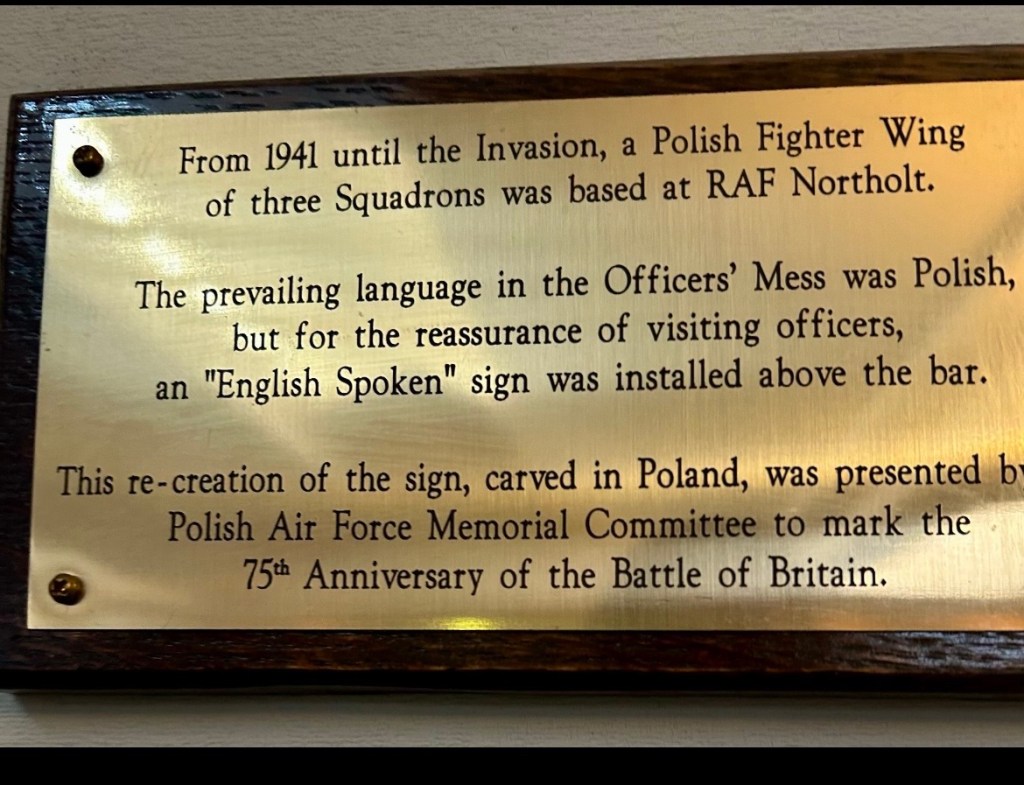
🇵🇱 The Polish contribution to Britain’s victory
The importance of Polish airmen was recognised by senior RAF commanders.
Their contribution to the defence of Britain was significant, and Polish squadrons became an essential part of Fighter Command’s efforts.
On 15 September 1940, the day traditionally regarded as one of the decisive moments of the Battle of Britain, the contribution of Polish pilots was particularly visible.
Polish airmen were not merely supporting Britain’s war effort.
They were an important part of it.
They fought for Britain while continuing to carry the hope of returning to a free Poland.
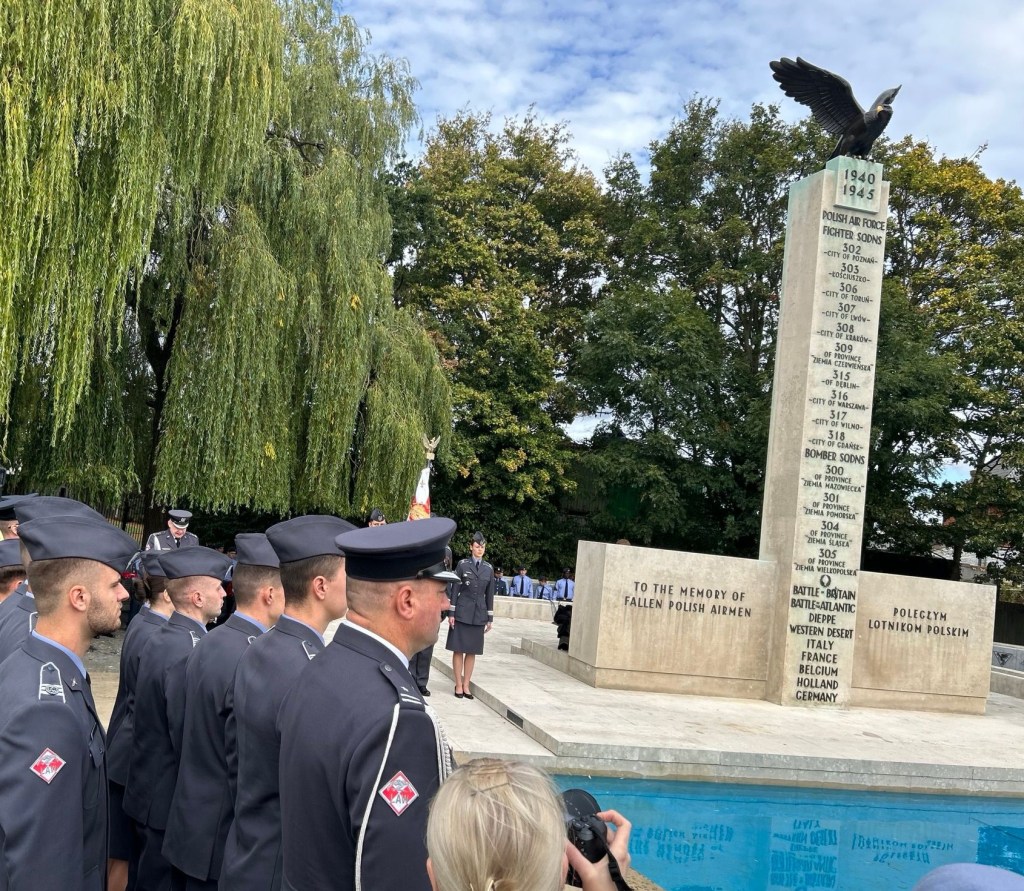
💣 The war did not end with the Battle of Britain
The story of Polish airmen in Britain did not end in 1940.
Poles continued to serve throughout the war in different branches and commands of the RAF.
The Polish Air Force operated fighter, bomber, reconnaissance and other units, supported by thousands of airmen and ground personnel.
Polish servicemen served with:
- Fighter Command
- Bomber Command
- Coastal Command
- transport and specialist units.
Polish bomber crews carried out extremely dangerous operations over occupied Europe.
For these men, every mission could be their last.
They flew long distances through heavily defended enemy territory, knowing that some aircraft would never return to base.
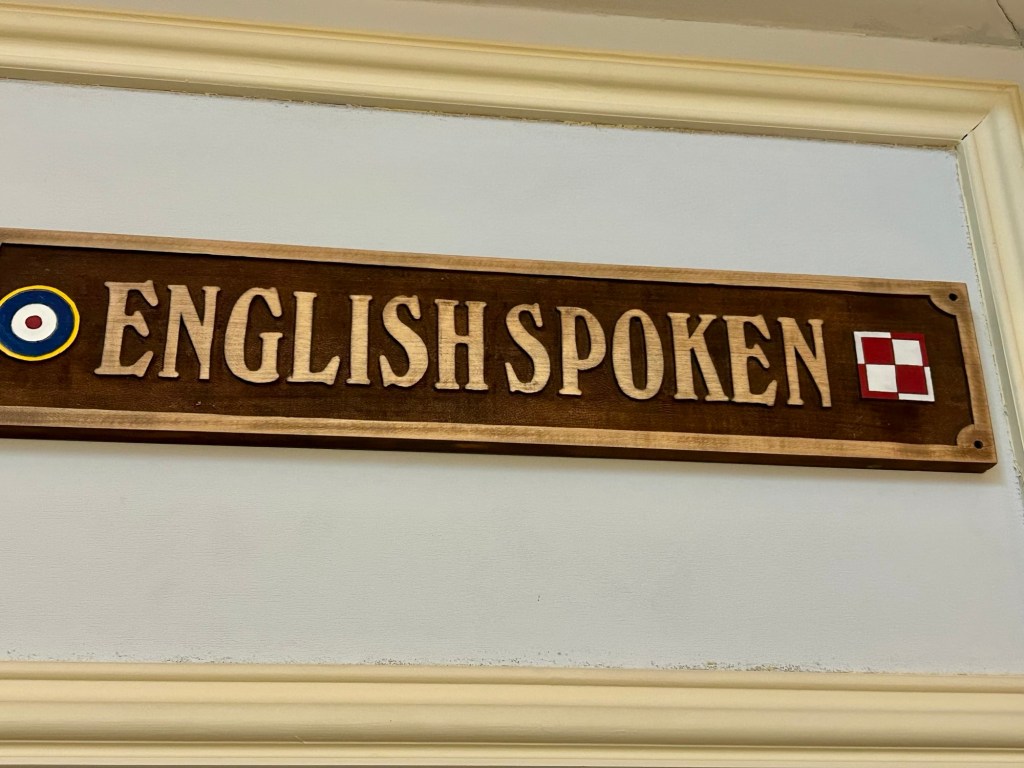
🧭 Roman Matuszkiewicz “Matson” – the navigator who guided Polish crews over occupied Europe
One of the three men commemorated on the Dęblin plaque is Second Lieutenant Roman Matuszkiewicz “Matson”.
Roman Matuszkiewicz was born on 13 May 1911 in Zarubińce, in the eastern territories of the former Polish Republic, in what is now Ukraine.
Before the war he served in the Polish Army.

After the outbreak of war, his path eventually led him to the Polish Air Force in the West.
In 1943 he began specialist navigator training. He flew initially in Avro Ansons and subsequently trained on Wellington, Halifax and Lancaster aircraft.
After completing his training, he was assigned to the famous No. 300 Polish Bomber Squadron “Ziemi Mazowieckiej”, the first Polish bomber unit formed in Britain.
As a member of a bomber crew, he flew extremely dangerous missions over German-occupied territory.
His surviving logbook documents 28 operational flights between 1 August and 11 October 1944, including both day and night missions over France, the Netherlands, Belgium and Germany.
His longest flight lasted almost ten hours.
Every one of these missions carried the possibility of death.
Polish bomber crews knew that not every aircraft would make it back to base.
For his service, Roman Matuszkiewicz was awarded, among other decorations, the Cross of Valour and two Air Force Medals, as well as campaign medals and stars.
After the war he settled in the United States.
He died on 10 April 2009 in Monroe, Connecticut, aged 98.
His grave was later recognised by the Institute of National Remembrance as the grave of a veteran who fought for the freedom and independence of Poland.
Roman Matuszkiewicz did not fight for fame.
He fought because he believed Poland had the right to be free.
🛩️ Colonel Pilot Władysław Gnyś – the first Polish and Allied aerial victor of the Second World War
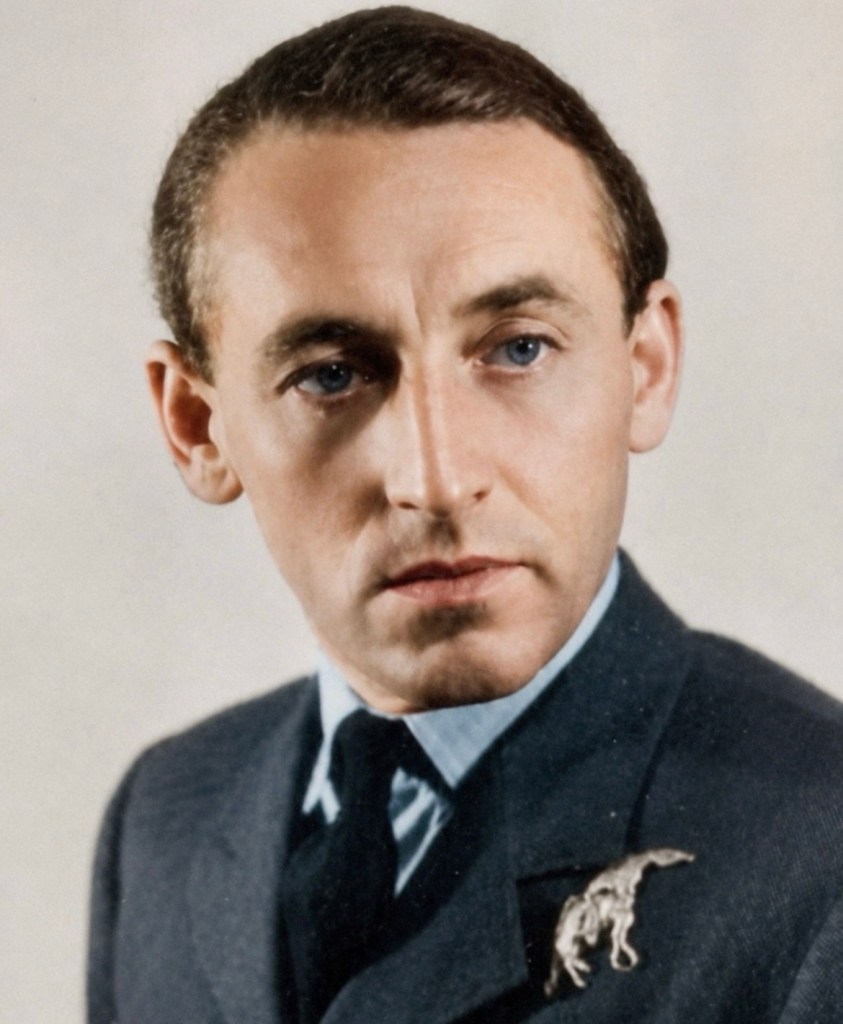
The second man commemorated on the plaque is Colonel Pilot Władysław Gnyś.
His name entered the history of Polish aviation on the very first day of the Second World War.
On the morning of 1 September 1939, Gnyś took off from Balice airfield together with his commander, Captain Mieczysław Medwecki.
German aircraft attacked Polish aviation units.
Medwecki was shot down.
Gnyś managed to evade the German fighter and continued his flight.
Near Olkusz, he attacked German Dornier Do 17 bombers.
Two German aircraft were brought down near Żurada.
Władysław Gnyś is widely recognised as the first Polish and Allied pilot to achieve an aerial victory against a German aircraft during the Second World War.
But his war had only just begun.
After the September campaign, he made his way through Romania to France, where he also fought with French aviation.
Following the fall of France, he reached Britain.
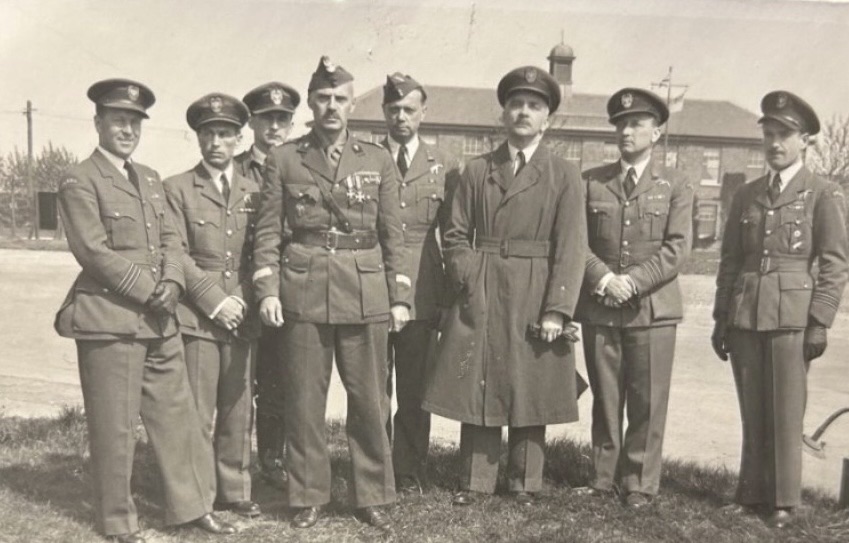
There he served, among other units, with No. 302 “Poznański” Squadron, followed by No. 316 and No. 309 Squadrons.
In 1944 he became commander of No. 317 “Wileński” Squadron.
On 27 August 1944, during a mission over France, his aircraft was hit by German anti-aircraft fire.
Gnyś was forced to make an emergency landing.
After leaving the wrecked aircraft, he was shot at and seriously wounded. German forces took him to hospital, but the hospital was soon liberated by French resistance fighters.
The wounded pilot was subsequently handed over to Allied forces.
After the war, Władysław Gnyś emigrated to Canada.
He died on 28 February 2000 in Beamsville.
Among his decorations were the Silver Cross of the Order of Virtuti Militari, the Cross of Valour, awarded three times, and Air Force Medals.
His story has particular significance for Dęblin – the place where generations of Polish pilots were trained before going on to defend the skies of Poland, France and Britain.
🔧 Corporal Feliks Goliński – the quiet hero of Polish aviation
Not every hero sat in the cockpit.
And not every hero returned from a mission as an aerial victor.
Feliks Goliński, born on 2 May 1905, represents another essential side of the history of the Polish Air Force – the enormous contribution of ground personnel.
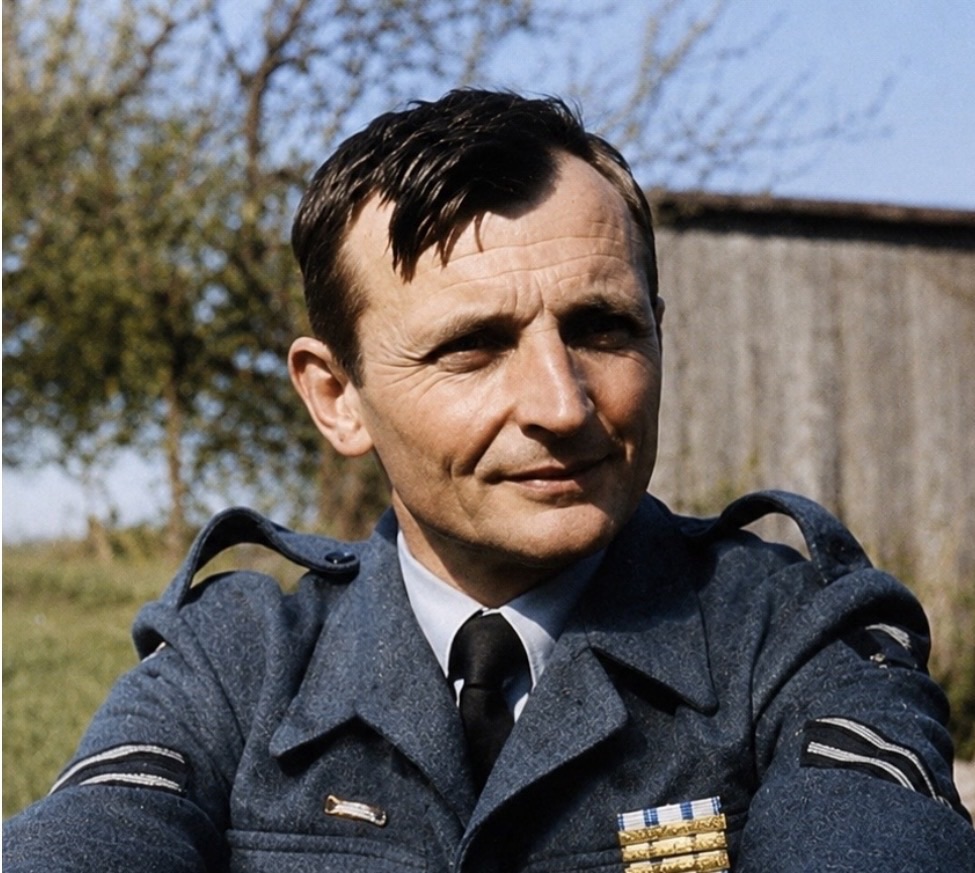
A mechanical engineer by profession, his technical expertise became extremely valuable to Polish aviation after the outbreak of war.
He served with No. 302 “Poznański” Squadron and No. 316 “Warszawski” Squadron as a specialist in ground personnel.
People like Feliks Goliński made it possible for Polish Hurricanes and Spitfires to take to the skies every day.
Mechanics and engineers often worked in the shadow of the pilots.
Their names rarely appeared in newspapers.
Yet the lives of the crews depended on them.
Every aircraft had to be inspected, repaired, refuelled and prepared for its next flight.
A mechanical failure could mean the death of a pilot.
The ground crews therefore carried an enormous responsibility for the success of every operation.
Feliks Goliński served during the Battle of Britain and was awarded the Air Force Medal three times, together with campaign medals and stars.
He died in London on 28 May 1983.
Today, his story has a special significance for the Goliński family.
His memory is passed from one generation to another, reminding us that heroism does not always look the same.
Sometimes a hero sits in the cockpit.
Sometimes he stands beside an aircraft for hours, repairing its engine so that someone else can fly into battle the following day.
🇵🇱 Three stories – one generation
Roman Matuszkiewicz, Władysław Gnyś and Feliks Goliński represent three different faces of Polish wartime service.
Gnyś – the fighter pilot who, on 1 September 1939, became the first Polish and Allied aerial victor of the war.
Matuszkiewicz – the navigator of No. 300 Bomber Squadron who, during 28 missions, guided Polish bomber crews over occupied Europe.
Goliński – the mechanic and ground-service engineer whose work enabled Polish pilots to take to the skies and return safely to base.
Their paths were different.
Their goal was the same – a free Poland.
🕯️ Why the unveiling of the plaque in Dęblin matters
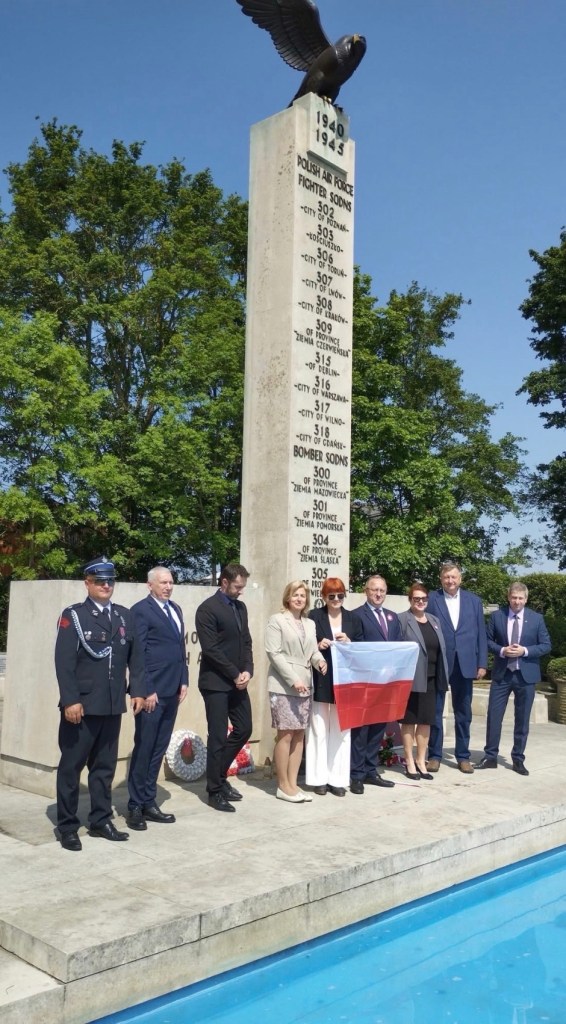
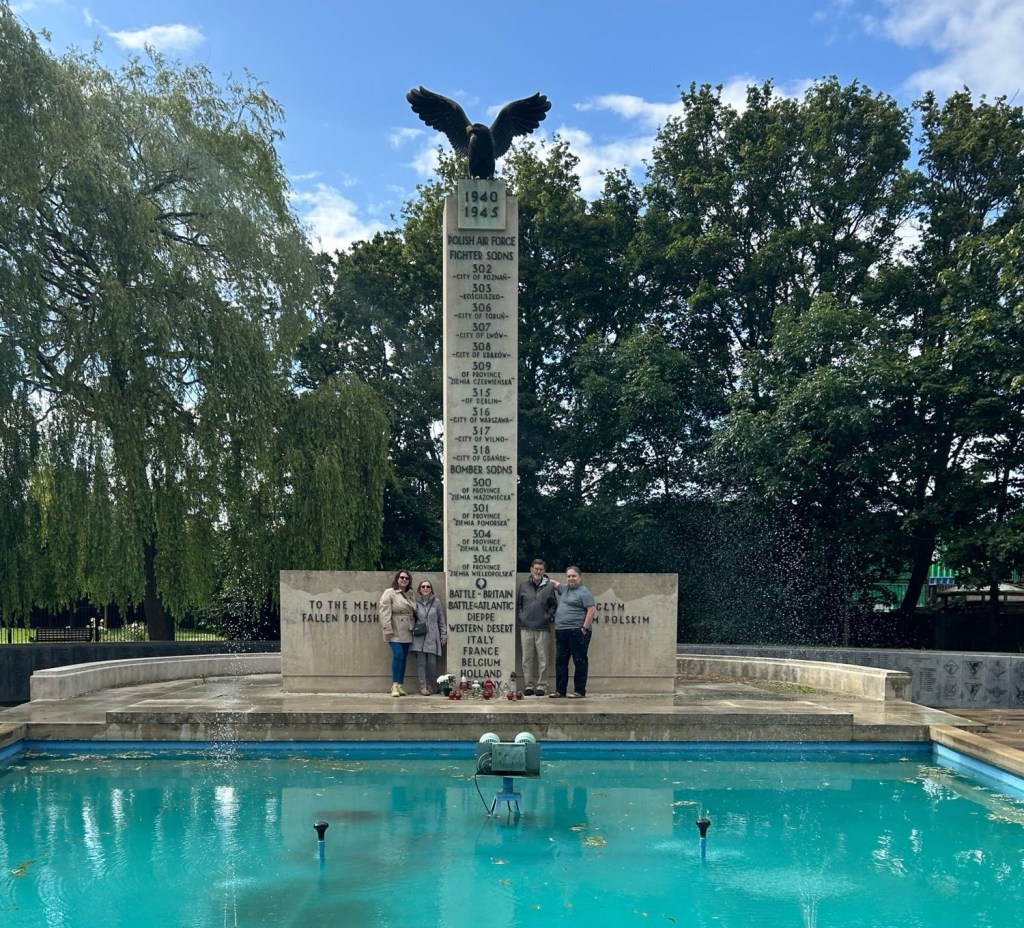
The plaque to be unveiled on 26 August 2026 at the Polish Air Force Museum in Dęblin is more than a family memorial.
It is a symbol of remembrance of an entire generation of Polish airmen and servicemen of the Polish Armed Forces in the West who, after 1939, continued the fight far from their homeland.
Dęblin – the “School of Eaglets” – is a particularly meaningful place for such a memorial.
This is where Polish pilots were trained.
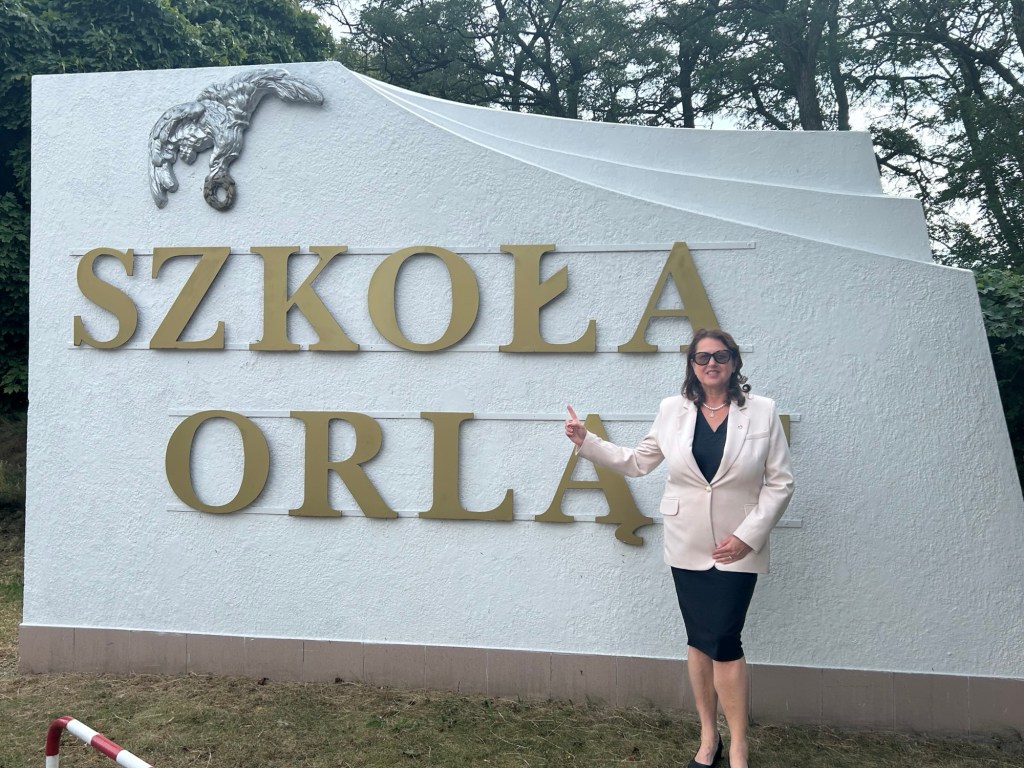
From here, generations of young men went out into the world and later fought over Poland, France, Belgium, the Netherlands, Germany and Britain.
Their wartime journeys took them thousands of miles from their families.
Yet they never stopped being Polish soldiers.
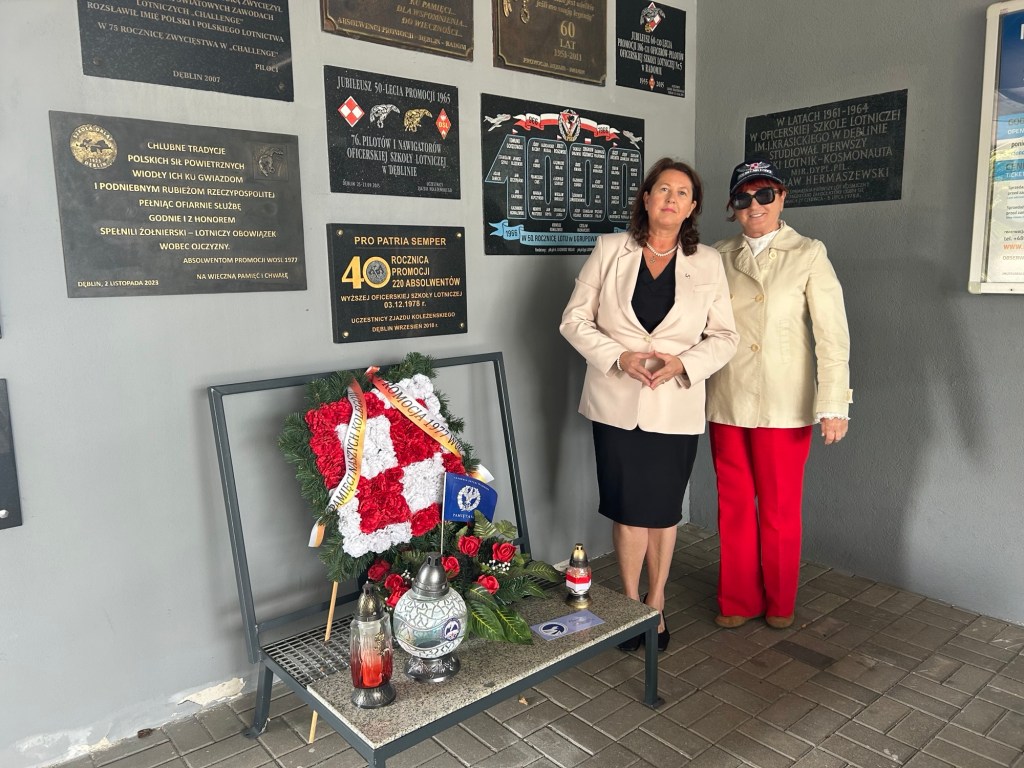
🕯️ Remembrance is our duty
On 26 August 2026, we will bow our heads in remembrance of their history.
Not only the history of great aerial victories, but also the history of daily sacrifice, fear, separation, longing for their homeland and the enormous responsibility carried by young Polish men who found themselves thousands of miles from their homes.
Roman Matuszkiewicz “Matson”.
Władysław Gnyś.
Feliks Goliński.
Three names. Three lives. One Poland.
We honour their memory. 🇵🇱
Glory to the Heroes!
May their memory live on for generations.
📅 26 August 2026
🕛 12:00
📍 Polish Air Force Museum in Dęblin, 1 Lotników Polskich Street
The ceremony is hosted by Monika Żmuda, Director of the Polish Air Force Museum in Dęblin, and the plaque is funded by the pilots’ family members, Iwona Golińska and Elżbieta Gajda.
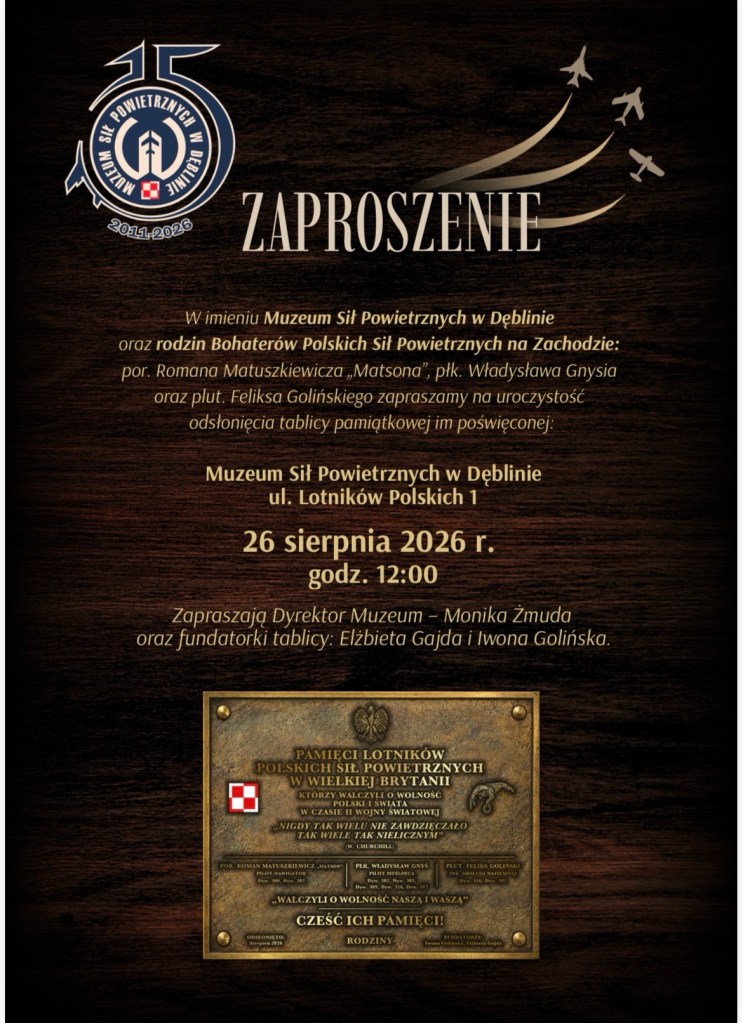
More information on the event – on the link :
https://www.facebook.com/share/1JZZ76d9vk/?mibextid=wwXIfr
Based on materials from the Polish Air Force Museum in Dęblin, the Institute of National Remembrance, and family and archival documentation.
Text: Iwona Golińska.
Photo: Polish Sue.



Leave a Reply