There are stories that must never disappear from our collective memory. They are the stories of men who, after Poland lost its freedom in 1939, refused to give up. They continued to fight — on land, at sea and in the air — believing that Poland would one day be free again.
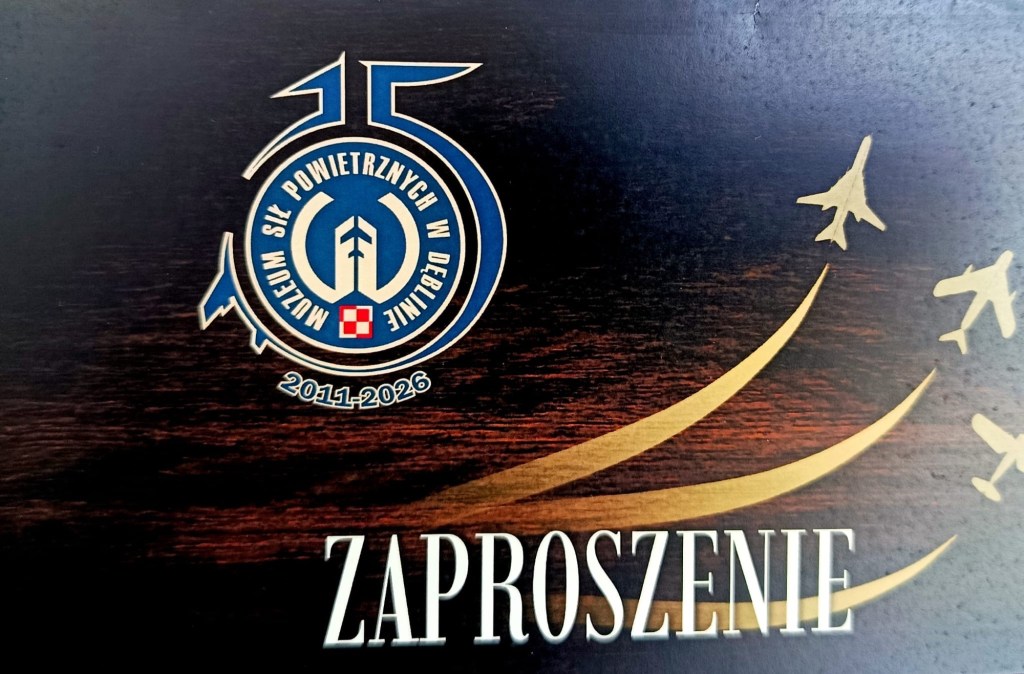
On 26 August 2026 at 12:00 noon, the Polish Air Force Museum in Dęblin will host the unveiling of a memorial plaque dedicated to three members of the Polish Air Force who served with the Polish Armed Forces in the West:
Lt. Roman Matuszkiewicz “Matson”, Col. Władysław Gnyś, and Cpl. Feliks Goliński.
Their wartime experiences were different, but they shared one purpose: to serve Poland and fight for freedom against Nazi Germany.
Their stories also remind us that the success of the Polish Air Force was not achieved by pilots alone. Navigators, engineers, mechanics and ground crews played an equally vital role. Behind every aircraft that took to the skies stood a team of people whose skill and dedication could mean the difference between life and death.
Lieutenant Roman Matuszkiewicz “Matson” – Navigator of 300 Polish Bomber Squadron
Roman Matuszkiewicz was born on 13 May 1911 in Zarubińce in the eastern territories of the former Polish Republic, today in Ukraine.
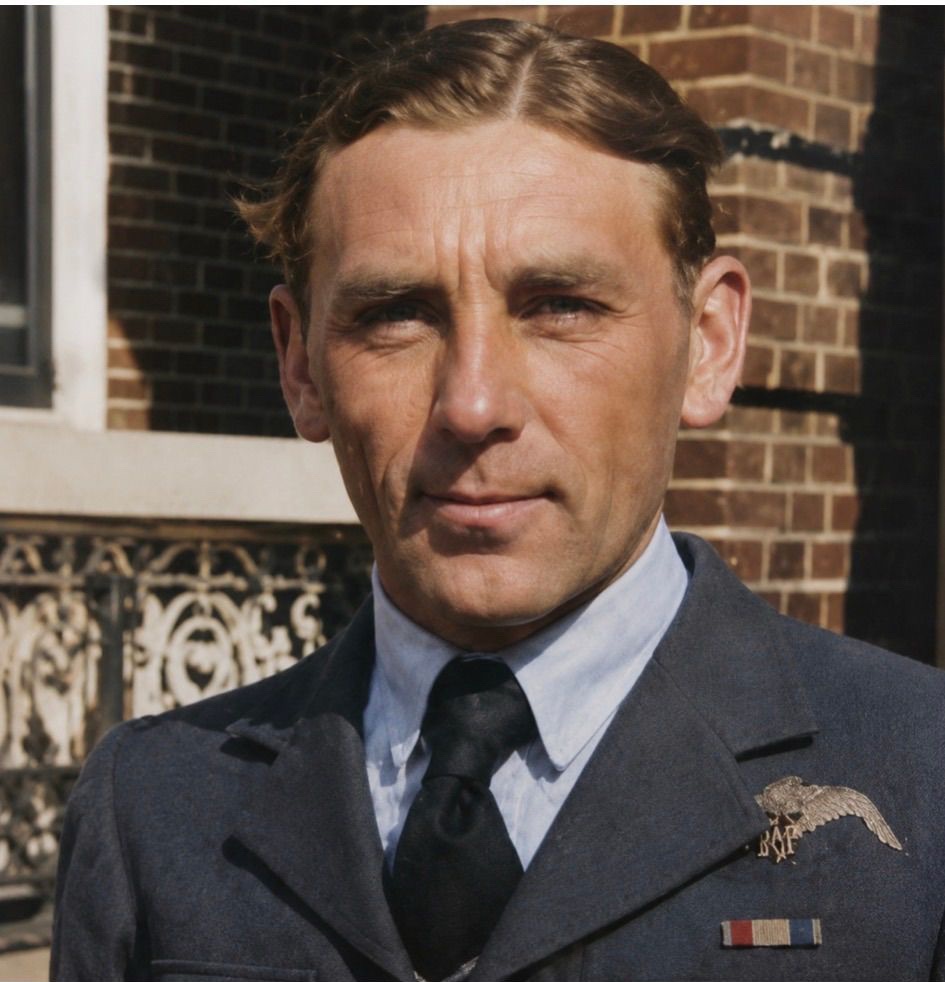
Before the war, he served in the Polish Army. After the German and Soviet invasions of Poland in 1939, he eventually made his way to the West and joined the Polish Air Force.
He trained as an air navigator, flying training aircraft including the Avro Anson before progressing to Wellington, Halifax and Lancaster bombers.
He was eventually assigned to the famous No. 300 Polish Bomber Squadron “Ziemi Mazowieckiej”, the first Polish bomber squadron formed in Britain.
As a navigator, Matuszkiewicz took part in dangerous operational missions over German-occupied Europe. His surviving flight log records 28 operational sorties between 1 August and 11 October 1944, including both day and night missions over France, Belgium, the Netherlands and Germany.
Every mission carried the possibility of death. Polish bomber crews knew that not every aircraft would return to its base.
For his service, Roman Matuszkiewicz was awarded, among other decorations, the Cross of Valour and two Air Medals, as well as campaign medals.
After the war, he settled in the United States. He died on 10 April 2009 in Monroe, Connecticut, at the age of 98.
His wartime service was later formally recognised by the Institute of National Remembrance (IPN), and his grave was entered into the Polish Register of Veterans’ Graves.
Roman Matuszkiewicz did not fight for fame. He fought because he believed that Poland had the right to be free.
More on Roman Matuszkiewicz on the link below:
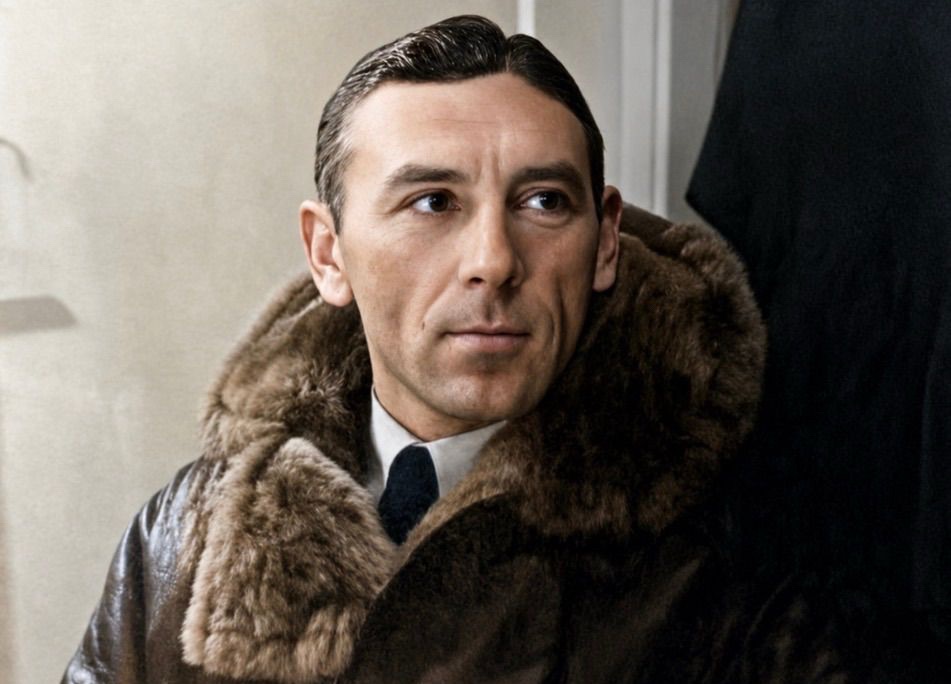
Colonel Władysław Gnyś – the first Polish and Allied fighter pilot to claim an aerial victory of the Second World War
The story of Władysław Gnyś is one of the most remarkable chapters in the history of Polish military aviation.
Born on 24 August 1910 in Sarnów, Gnyś joined the Polish military in 1931 and qualified as a pilot. He later became a flying instructor and was associated with the Polish Air Force training establishment at Dęblin.
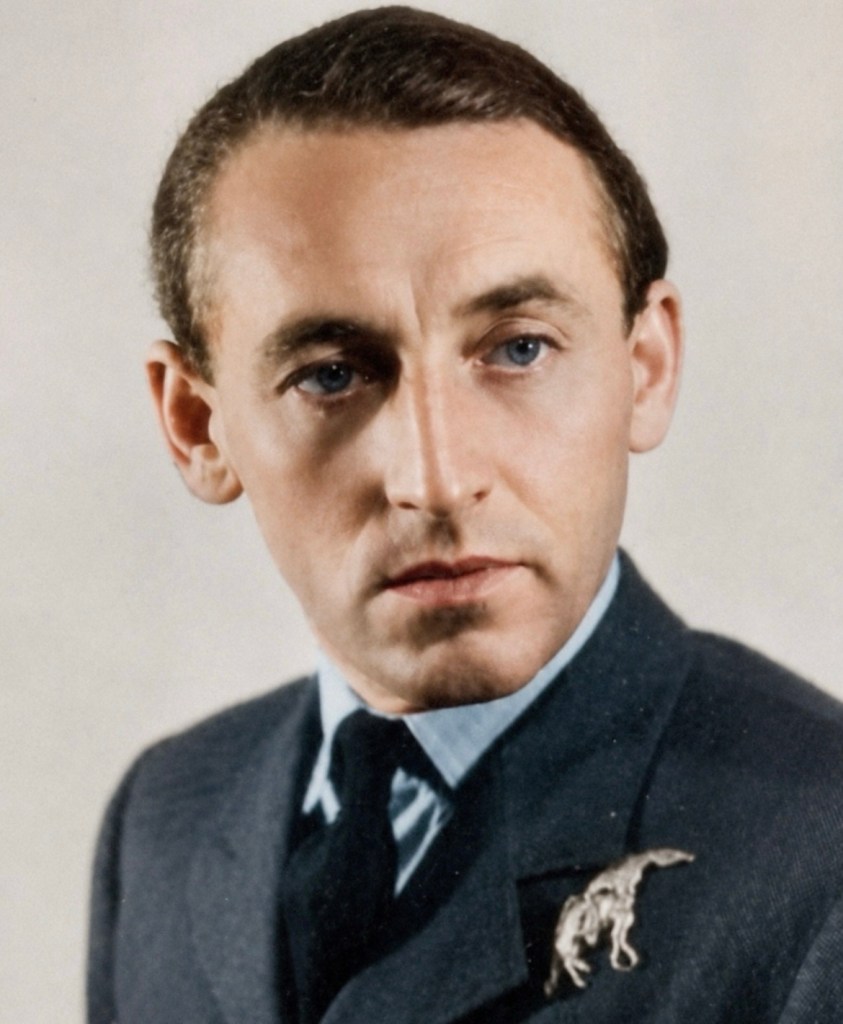
In 1939 he was serving with the 121st Fighter Squadron of the 2nd Air Regiment in Kraków.
1 September 1939
On the morning of the first day of the Second World War, Gnyś took off from the airfield at Balice with his commanding officer, Capt. Mieczysław Medwecki.
German aircraft attacked the Polish formation. Medwecki was shot down, while Gnyś managed to evade the German fighter and continued his mission.
Near Olkusz, he attacked German Dornier Do 17 bombers. Two German aircraft were brought down in the area of Żurada.
Władysław Gnyś is widely recognised as the first Polish and Allied pilot to achieve an aerial victory against a German aircraft during the Second World War.
But his war was only beginning.
After the September Campaign, Gnyś made his way through Romania to France, where he continued fighting with French aviation units. Following the fall of France, he escaped to Britain and joined the 302 Polish Fighter Squadron “Poznański”.
He subsequently served with the 316 and 309 Polish Squadrons and in 1944 became commanding officer of the 317 Squadron “Wileński”.
On 27 August 1944, during an operation over France, his aircraft was hit by German anti-aircraft fire. Gnyś was forced to make an emergency landing. He was seriously wounded and captured, but was later liberated when French Resistance fighters freed the hospital in which he was being held.
After the war, Władysław Gnyś settled in Canada. He died on 28 February 2000 in Beamsville, Ontario.
His decorations included the Silver Cross of the Order of Virtuti Militari, the Cross of Valour awarded three times, and Air Medals.
His story has a particular significance for Dęblin — the home of the famous “School of Eaglets”, where generations of Polish military pilots were trained.
Corporal Feliks Goliński – one of the quiet heroes behind the Polish squadrons
Not every hero of the Polish Air Force sat in the cockpit.
Feliks Goliński, born on 2 May 1905, represents another essential part of the story of the Polish Air Force in Britain — the men and women who worked behind the scenes to keep the aircraft flying.
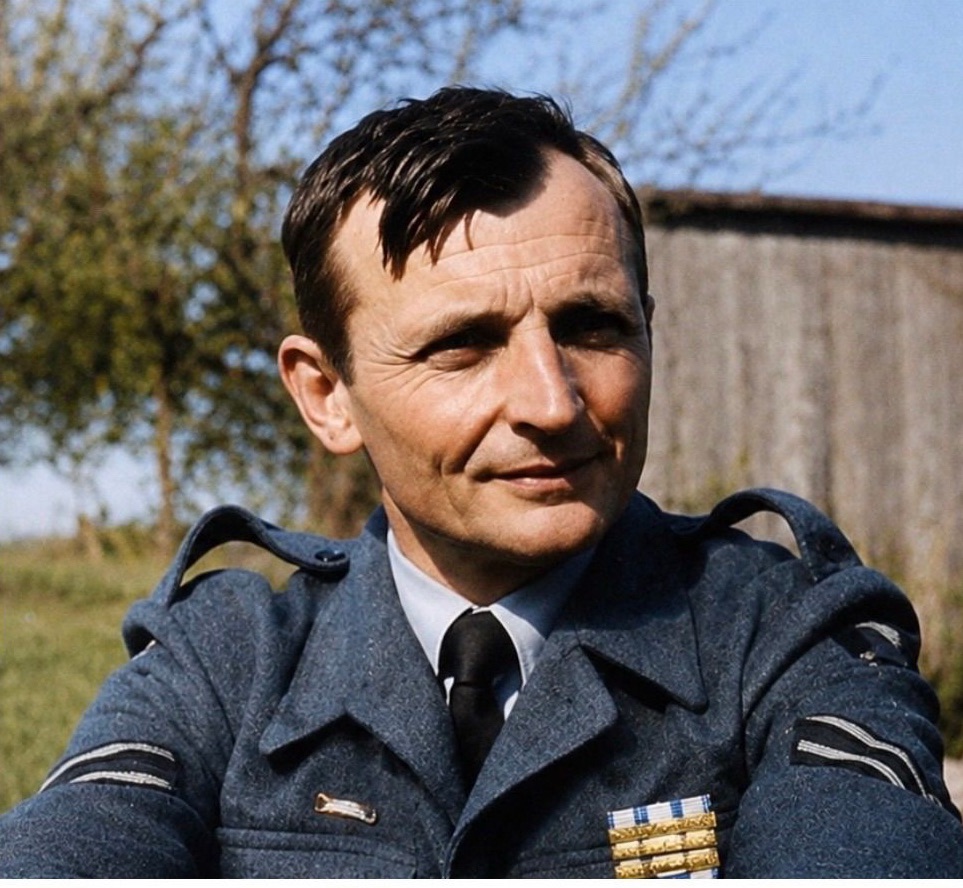
An engineer and mechanical specialist, Goliński served with the 302 “Poznański” Fighter Squadron and 316 “Warszawski” Fighter Squadron as a member of the ground personnel.
Their work was absolutely essential.
Every Hurricane and Spitfire had to be inspected, repaired, refuelled and prepared for its next mission. Mechanics and engineers worked long hours, often under enormous pressure. A mechanical failure could cost a pilot his life.
During the Battle of Britain, and throughout the subsequent years of the war, men such as Feliks Goliński made it possible for Polish pilots to take to the skies again and again.
He was awarded the Air Medal three times for his service as well as Star of French Campaign as well as other campaign medals.
Feliks Goliński died on 28 May 1983.
His story reminds us that heroism does not always take place in the cockpit.
Sometimes the hero is the pilot in the sky. Sometimes he is the engineer standing beside the aircraft, working through the night to make sure that another man can fly into battle the following morning.
More on Feliks Goliński – on the link below:
🇵🇱 Three lives – one purpose
Roman Matuszkiewicz, Władysław Gnyś and Feliks Goliński represent three different faces of Polish wartime service.
Władysław Gnyś — the fighter pilot who, on 1 September 1939, entered history as the first Polish and Allied pilot to claim an aerial victory in the Second World War.
Roman Matuszkiewicz — the navigator of 300 Polish Bomber Squadron who flew 28 operational missions over occupied Europe.
Feliks Goliński — the engineer and ground crew specialist whose work helped Polish fighter pilots take to the skies and return safely to their bases.
Their roles were different.
Their journeys were different.
But their goal was the same:
A free and independent Poland. 🇵🇱
The memorial plaque being unveiled at the Polish Air Force Museum in Dęblin on 26 August 2026 is therefore more than a family memorial.
It is a tribute to an entire generation of Polish servicemen who, after the defeat of Poland in 1939, continued the struggle far from their homeland.
Dęblin — the home of the “School of Eaglets” — is a fitting place for such a memorial.
It was here that generations of Polish pilots were trained. Many of them would later fight over Poland, France, Belgium, the Netherlands, Germany and Britain.
🕯️ Lest We Forget
On 26 August, we will remember not only the victories, but also the sacrifice, courage, fear, separation from loved ones and longing for a homeland that these young Polish men carried with them throughout the war.
Roman Matuszkiewicz “Matson”. Władysław Gnyś. Feliks Goliński.
Three names. Three lives. One Poland.
May their memory live on for generations.
🇵🇱 Honour to the Heroes.
We Will Remember Them.
📅 26 August 2026
🕛 12:00 noon
📍 Polish Air Force Museum in Dęblin, 1 Lotników Polskich Street
The ceremony is hosted by Monika Żmuda, Director of the Polish Air Force Museum in Dęblin, together with the founders of the memorial plaque Iwona Golińska and Elżbieta Gajda.
Their stories belong not only to their families, but to Poland — and to all of us who believe that freedom must be remembered, honoured and protected. 🇵🇱✈️
Text: Polish Sue
Photos: Wikipedia, Goliński Family Archives ( pictures coloured by Polish Sue).



Leave a comment