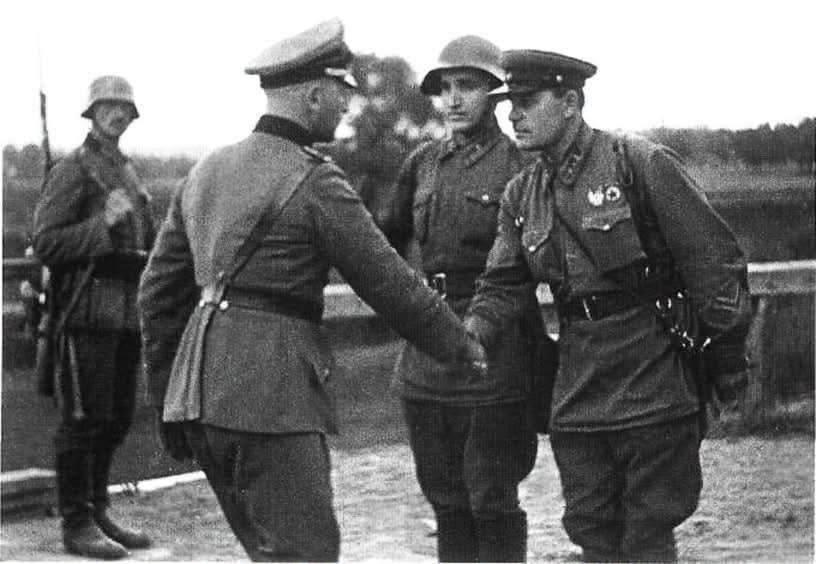
On that day, in accordance with the secret arrangements of the Molotov–Ribbentrop Pact, the Red Army entered the territory of the Republic of Poland, which had already been attacked by Germany on 1 September.
For millions of Poles, this marked the beginning of another period of terror, repression, deportation and the loss of their homes.
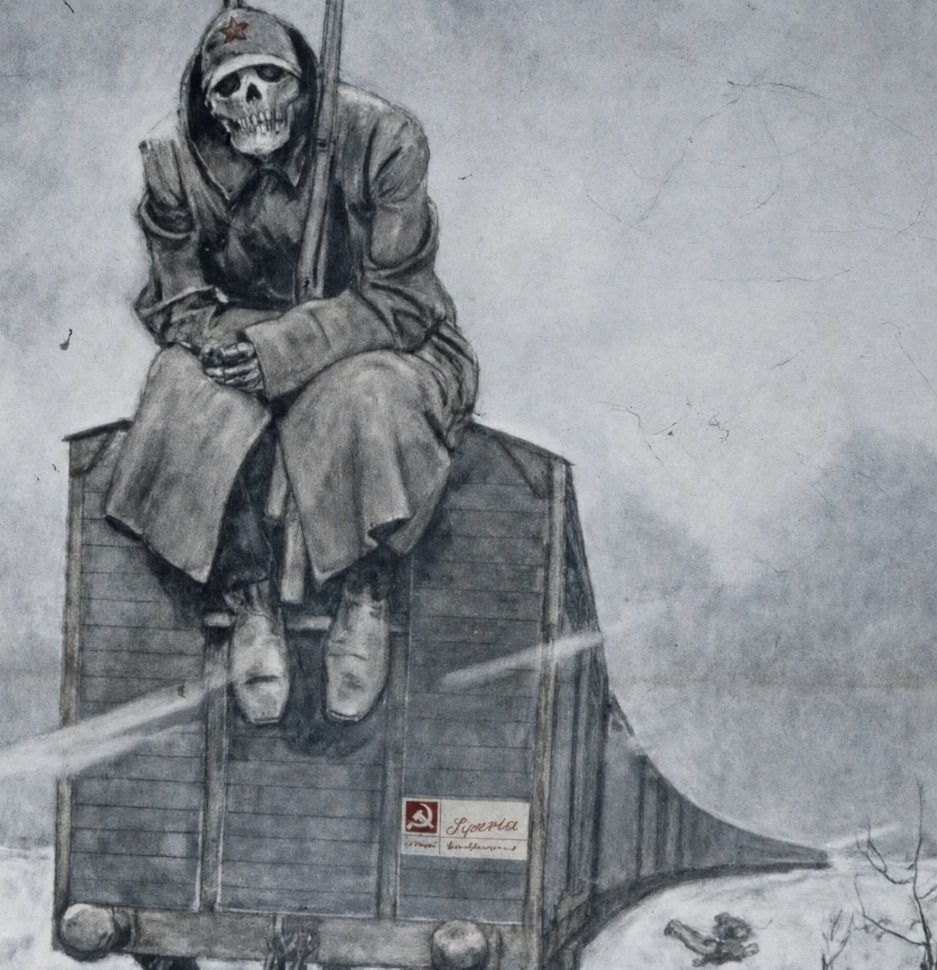
Imagine that one day an armed force storms into your home.
You are ordered to leave immediately the place where you have lived, raised your children and built your family’s life and possessions.
You have only a matter of minutes to pack. You do not know where you are being taken. You do not know what will happen to your home. You do not know whether you will ever see it again.
This was the fate of hundreds of thousands of Polish citizens deported by the Soviet authorities.
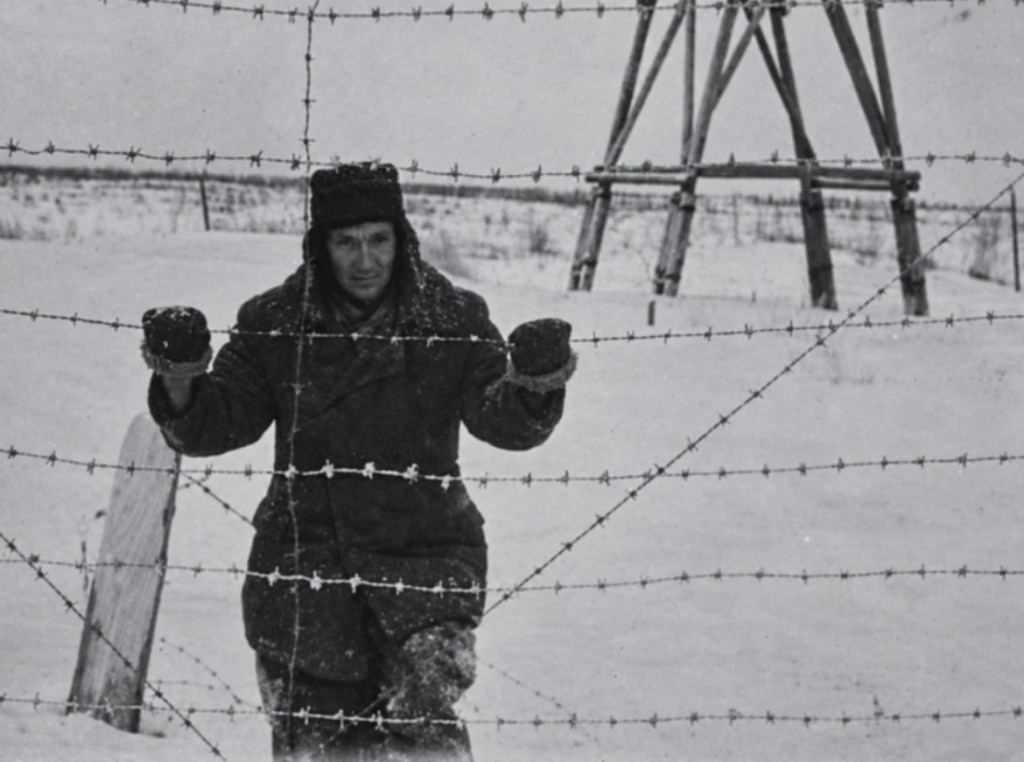
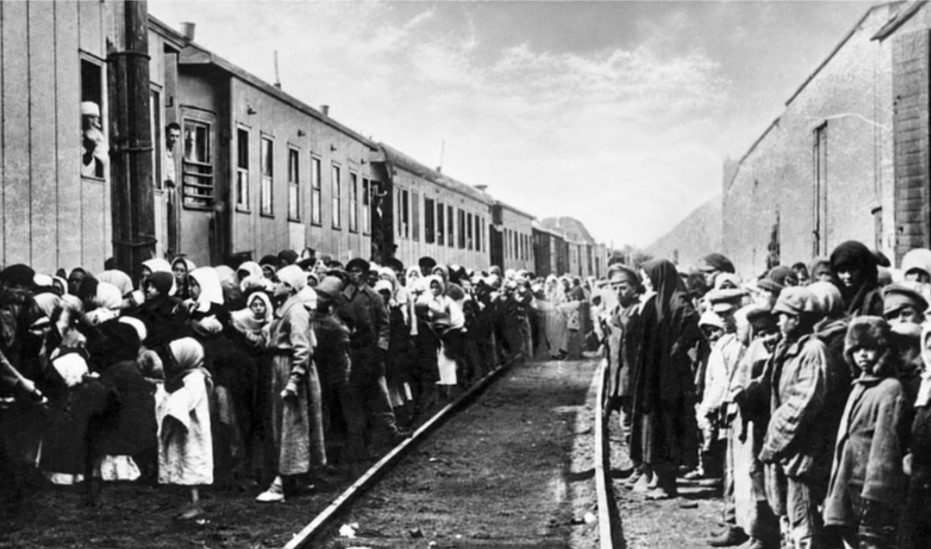
At gunpoint, entire families were driven to railway stations. They were forced into overcrowded cattle wagons and transported thousands of miles deep into the Soviet Union. During the weeks-long journeys, there was often a lack of water, food and basic sanitary conditions.
In exile, they faced hunger, disease, freezing temperatures, forced labour and conditions that for many meant death.
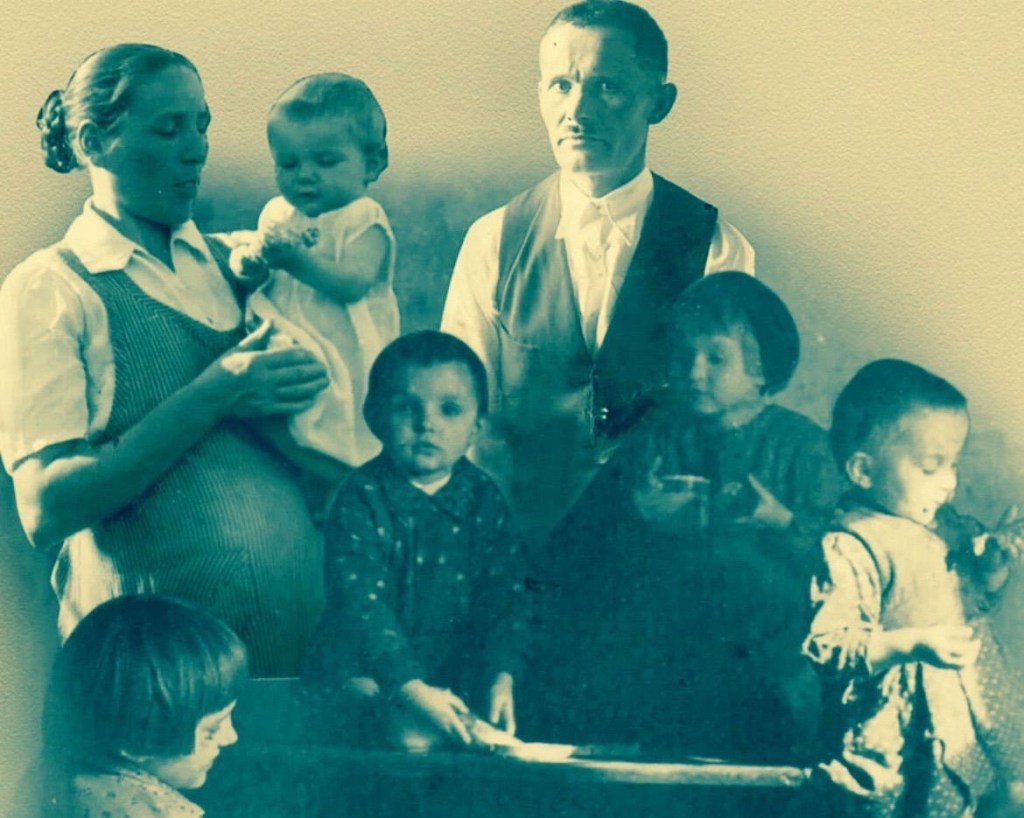
Behind every deportee, however, there was a real person and a real story.
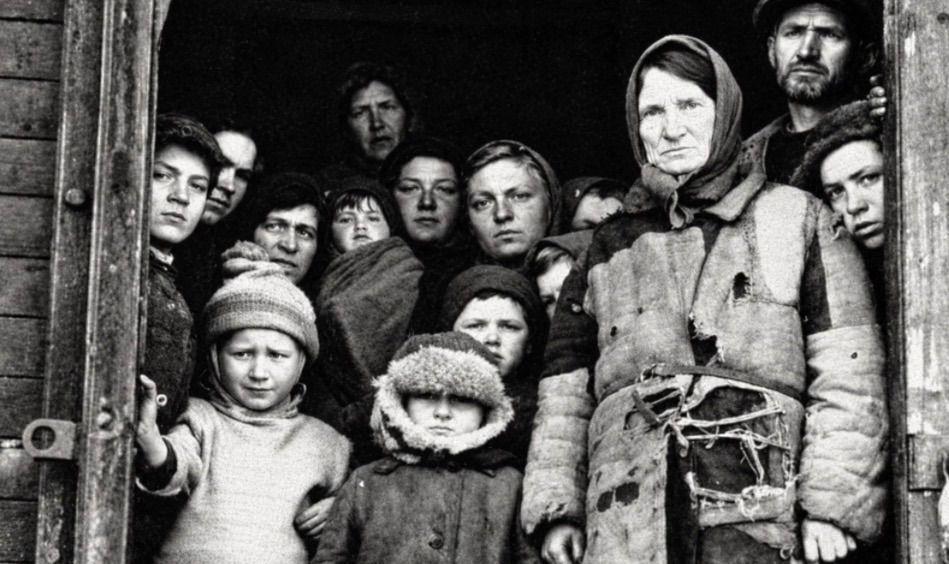
A father, desperately trying to decide what to take in order to give his family a chance of survival.
A mother, trying to calm her terrified children.
A child, unable to understand why they had to leave their home.
An elderly person, taking one final look at the place to which their entire life was tied.
Their testimonies allow us, even if only to a small degree, to understand the enormous fear, helplessness and despair they experienced.
We Will Not Forget
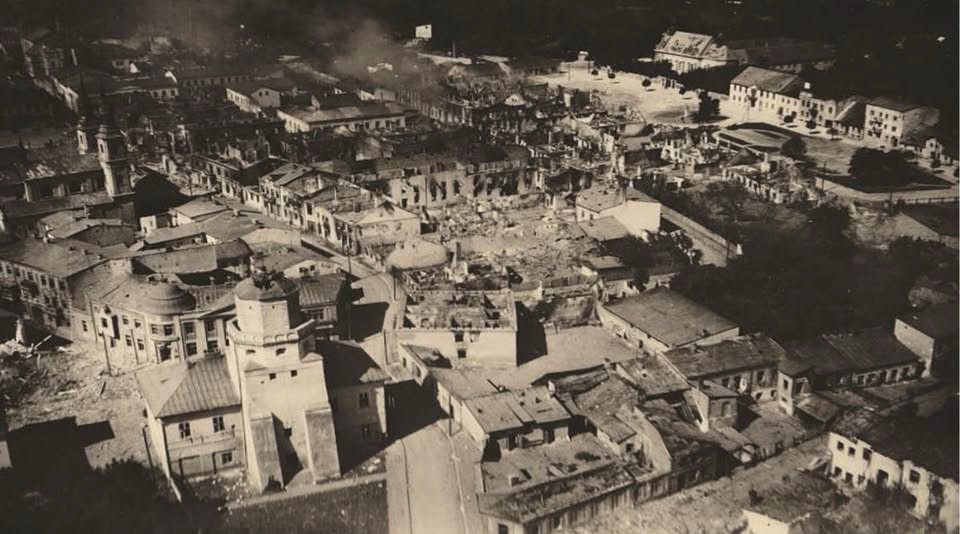
The Soviet aggression of 17 September 1939 marked the beginning of another chapter in the tragedy of the Second Polish Republic. In the territories occupied by the Soviet Union, repression, arrests, executions, confiscation of property, forced resettlement and deportations began.
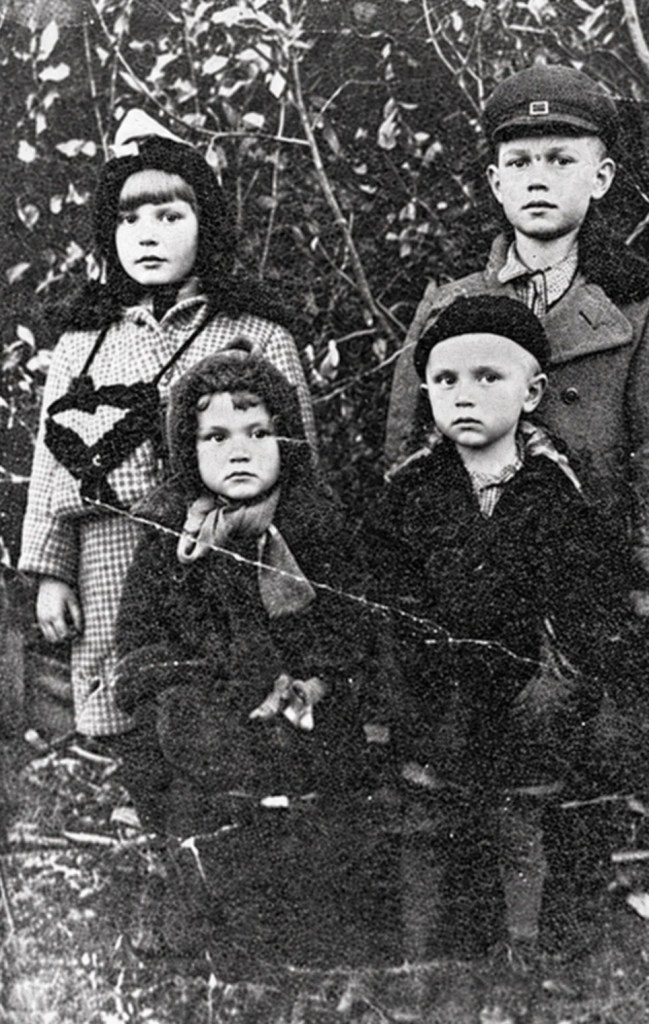
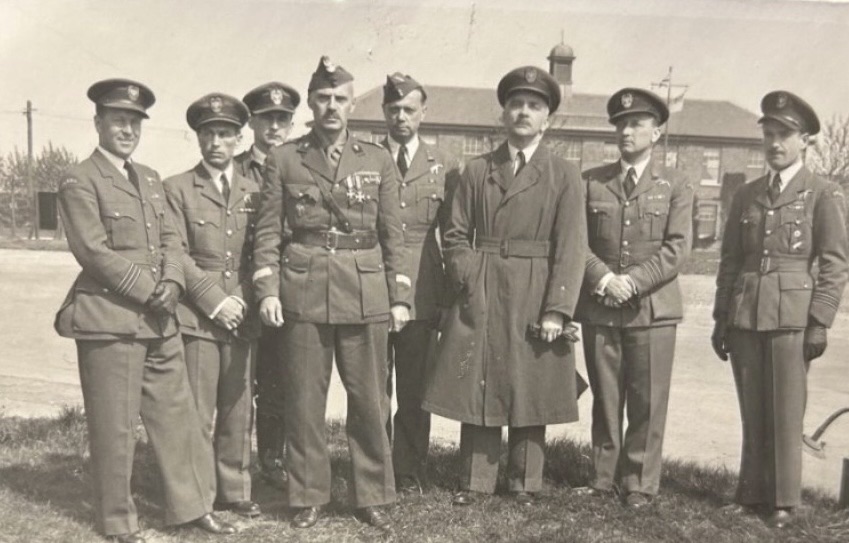
Among the victims of Soviet terror were soldiers, civil servants, teachers, clergy, intellectuals, farmers, women, children and the elderly.
Many did not survive the journey into exile. Many died in Siberia and Kazakhstan. Many never returned to their homeland.
Their homes were taken from them, families were torn apart, and their lives were placed under the control of the Soviet system of terror.
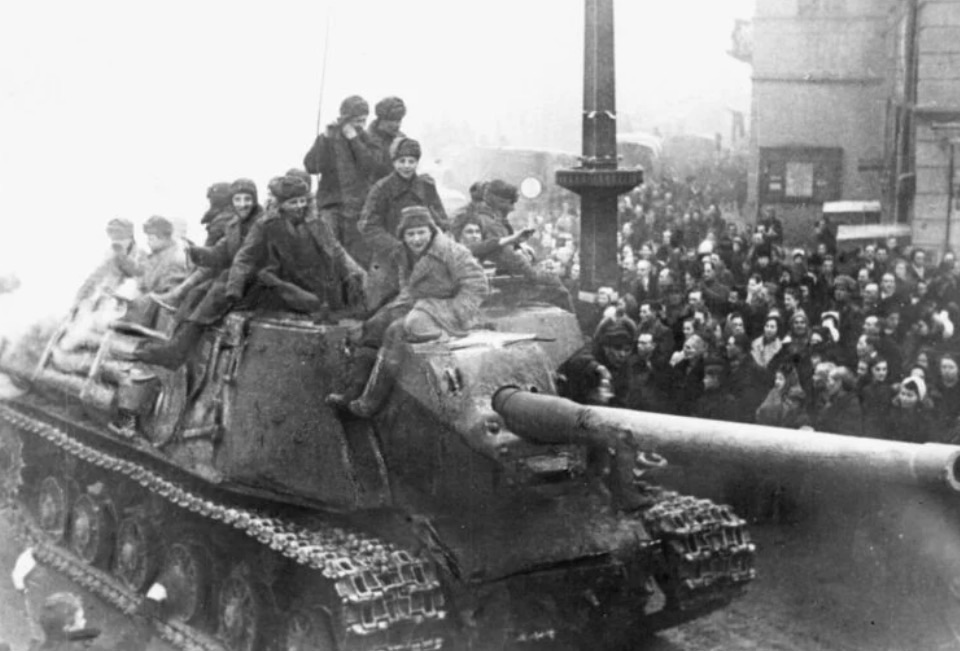
For decades, the memory of these victims in Poland was suppressed and subjected to political control. Soviet propaganda portrayed the Red Army’s entry into Poland as “liberation”, while the experience of countless Polish families was one of aggression, repression and subjugation.
That is why 17 September is a day to remember the victims of Soviet aggression and repression.
AGGRESSION, NOT LIBERATION.
We remember those who lost their homes.
We remember the deported.
We remember those who were murdered.
We remember those who died in exile.
We remember the families torn apart by Soviet terror.
Because a nation that remembers its history does not allow the voices of its victims to be silenced.
17 SEPTEMBER 1939 – WE REMEMBER.
🇵🇱 Honour and remembrance to the victims of Soviet aggression.
🇵🇱 Remembering is our duty.
Text: Polish Sue

 Polish Sue
Leave a comment