Warsaw was fighting. Its people were dying. The Home Army was calling for help. And just across the Vistula, the Red Army waited.
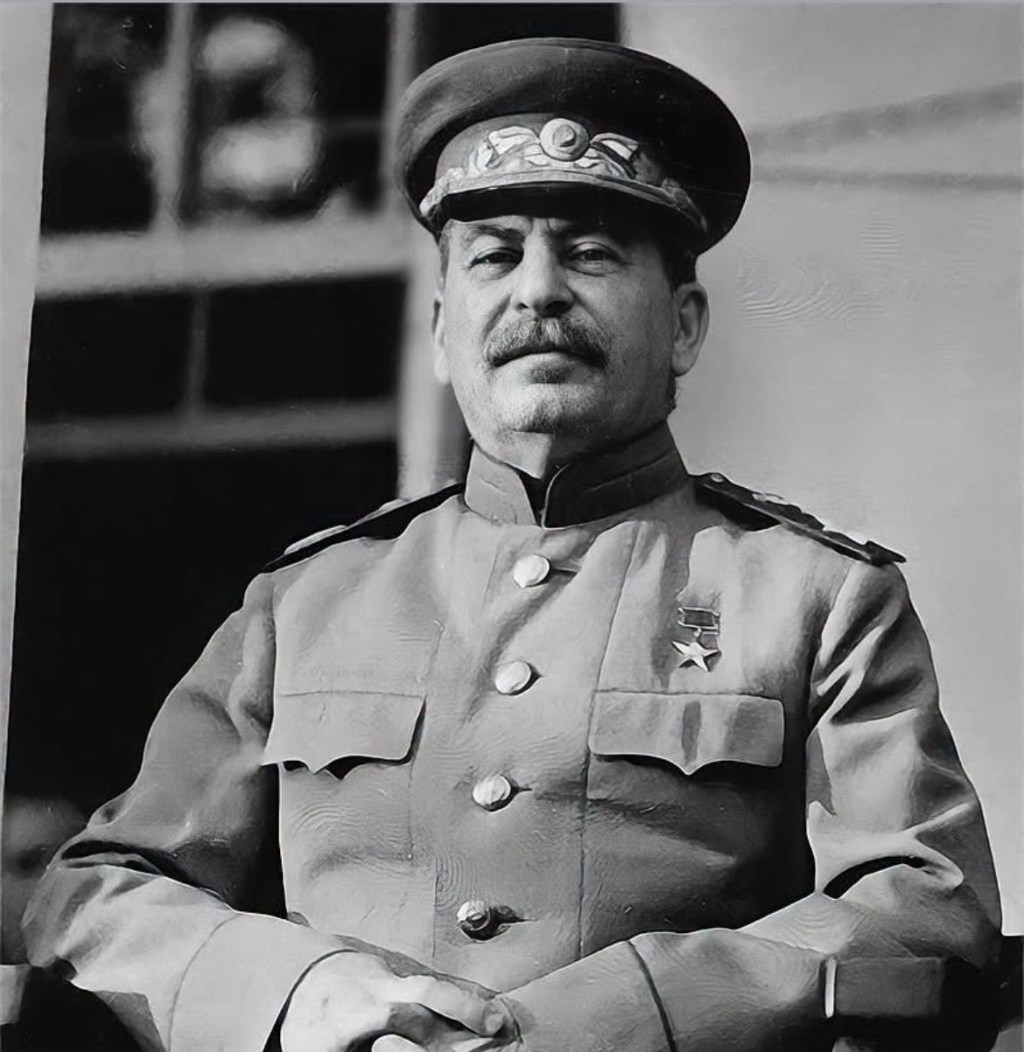
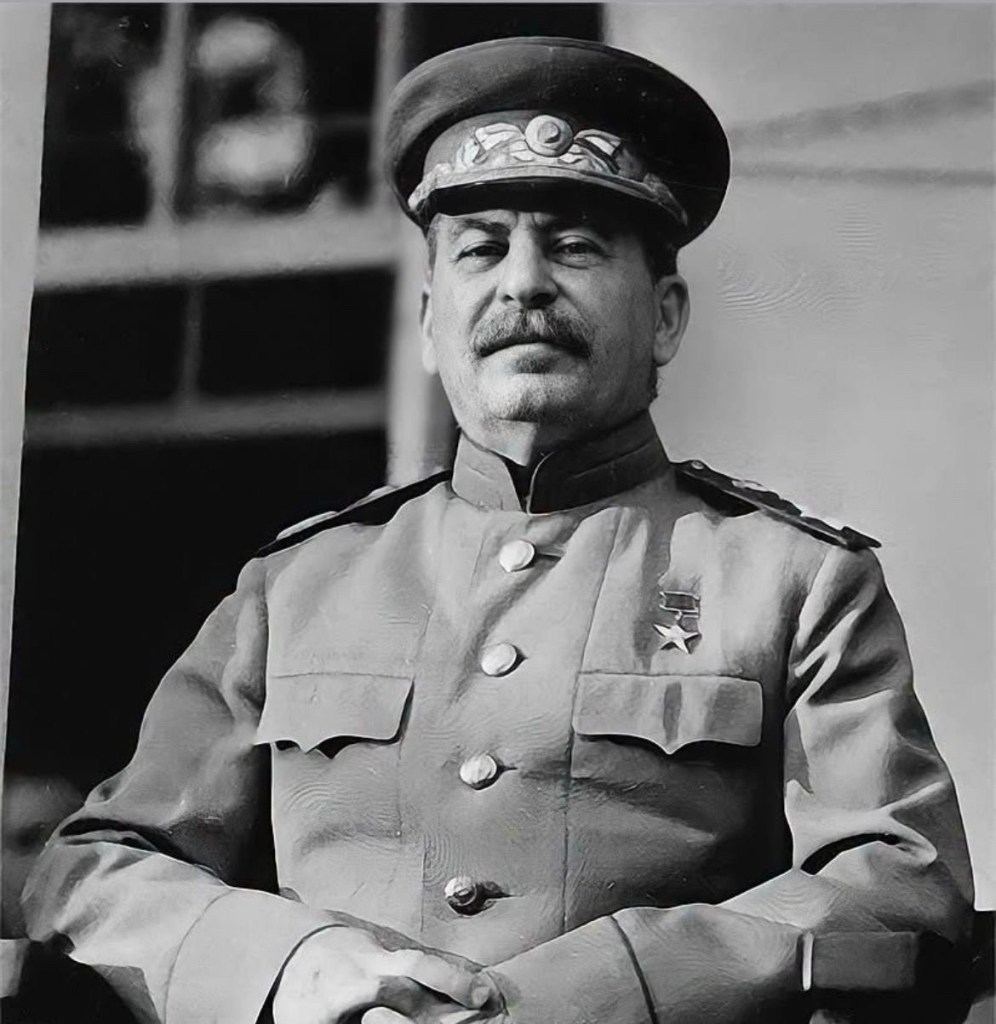
On 12 August 1944, British Prime Minister Winston Churchill once again appealed to Soviet leader Joseph Stalin to help the Polish insurgents fighting in Warsaw.
Stalin’s response was chilling.
He dismissed the uprising as a “thoughtless, pathetic brawl” and made clear that the Soviet military command had no intention of becoming involved.
For the people of Warsaw, this was not a “brawl”.
It was a fight for the survival of their city and for the future of an independent Poland.
“WHERE ARE OUR ALLIED FRIENDS?”
On 11 August 1944, the Daily Mirror published an article entitled “Warsaw Tragedy”, describing the desperate situation in the Polish capital.
The newspaper reported that the “third battle of Warsaw” was raging.
The question being asked by the people of the city was simple and heartbreaking:
“Where are our Allied friends?”
The Warsaw Uprising had begun on 1 August 1944, when the Polish Home Army (Armia Krajowa) rose against German occupation.
The objective was clear: to liberate Warsaw before the arrival of the Soviet forces and demonstrate that the Polish Underground State remained the legitimate Polish authority.
The uprising was expected to last only a few days.
Instead, the Polish resistance fought for 63 days.
WHY WAS STALIN SO UNWILLING TO HELP?
The answer lies not only on the battlefield, but in Stalin’s political ambitions.
The Home Army represented an independent Polish military and political force loyal to the Polish Government-in-Exile in London.
A successful uprising could have allowed an independent Polish authority to emerge in Warsaw before the Red Army entered the capital.
That threatened Stalin’s plans.
Moscow was preparing to impose a communist government on Poland through the Polish Committee of National Liberation (PKWN).
A liberated Warsaw controlled by the Home Army would have been a powerful symbol that Poland had its own political authority and its own armed forces — independent of Moscow.
For Stalin, that was unacceptable.
THE RED ARMY WAS AT THE GATES
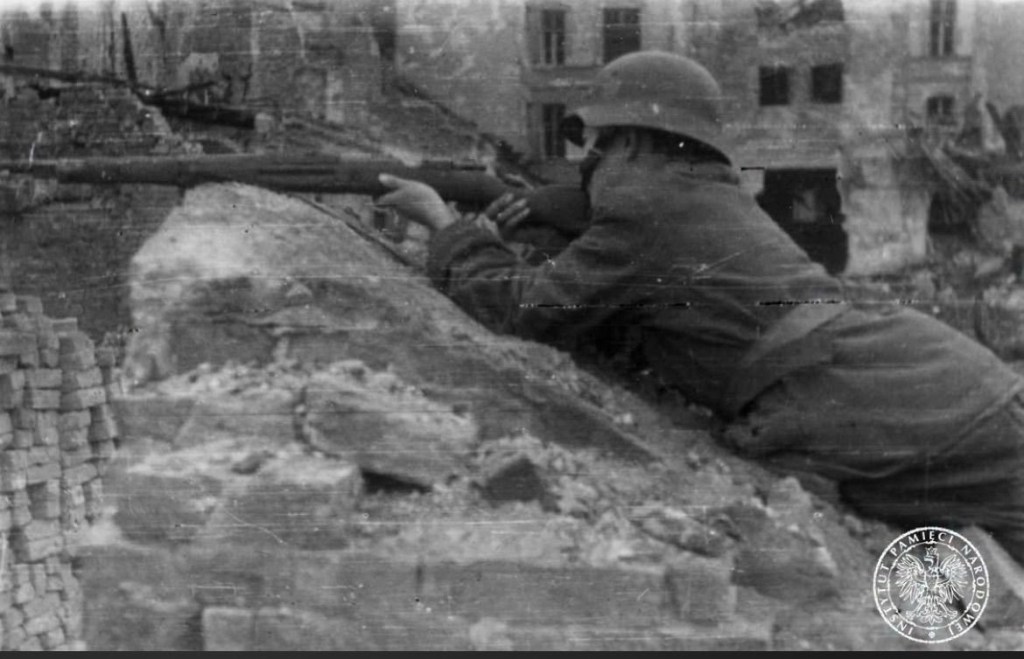
By the summer of 1944, Soviet forces had advanced to the outskirts of Warsaw.
Yet when the uprising began, the Soviet offensive stopped.
The Red Army did not launch the decisive assault on Warsaw that the insurgents desperately needed.
Instead, the Germans were given time.
Time to regroup.
Time to bring in reinforcements.
Time to destroy the Polish resistance.
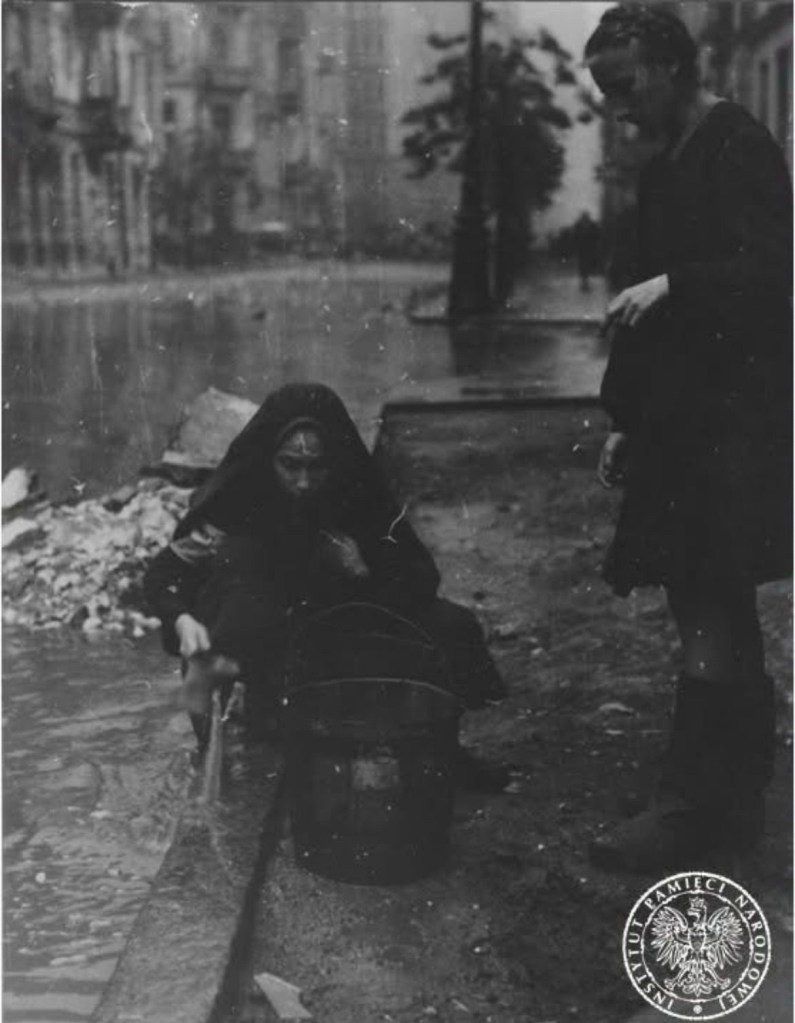
Inside Warsaw, the Home Army fought with courage but with desperately limited supplies.
The insurgents lacked sufficient ammunition, weapons, food and heavy equipment.
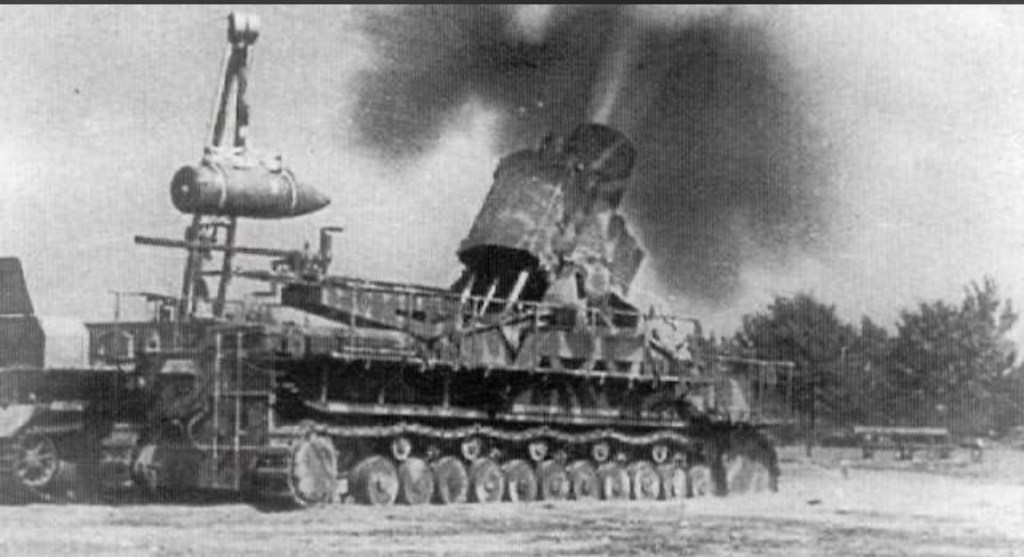
They were fighting one of the most powerful military machines in Europe.
And they were fighting largely alone.
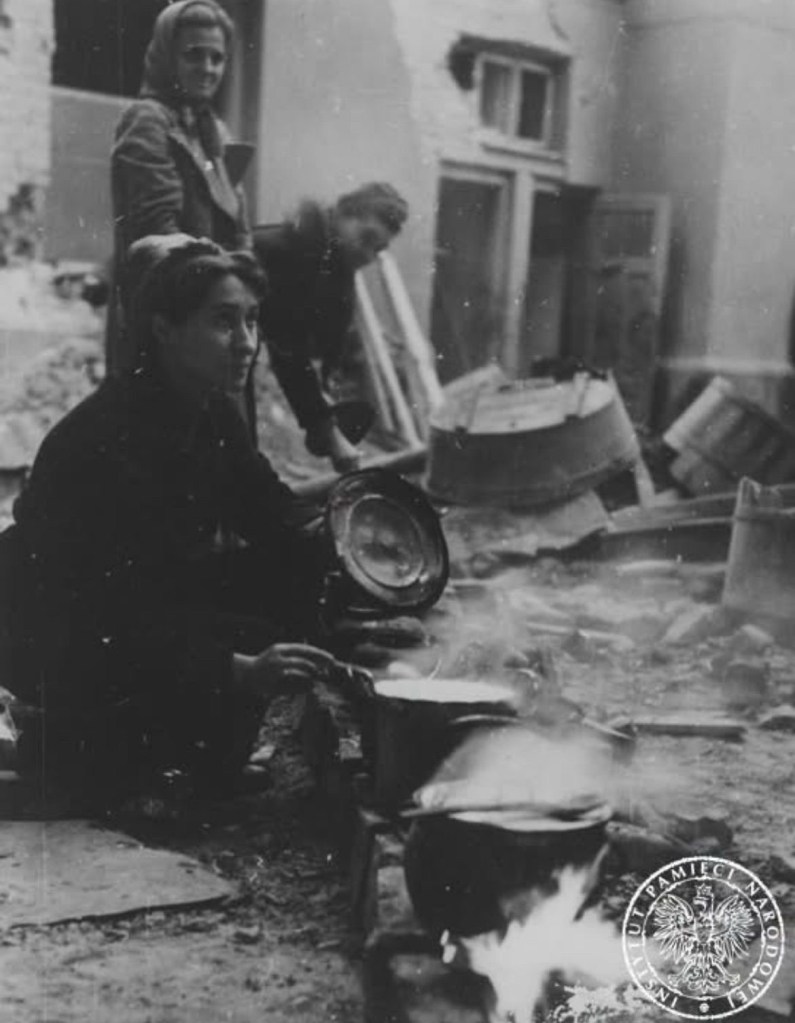
Photo: IPN Archives
THE WEST TRIED TO SAVE WARSAW
Britain and the United States attempted to provide assistance through massive air drops.
Allied aircraft flew from bases in Italy, carrying weapons, ammunition, food and medical supplies.
The missions were extraordinarily dangerous.
The aircraft had to fly hundreds of miles over enemy territory, reach Warsaw and then make the long journey back to Italy.
There was a way to make the operation dramatically more effective.
If the Soviet Union allowed Allied aircraft to land at airfields under Soviet control, the planes could carry much larger quantities of supplies and reduce the enormous distances involved.
The Western Allies therefore asked Moscow for permission.
Moscow said NO.
“TROUBLEMAKERS”
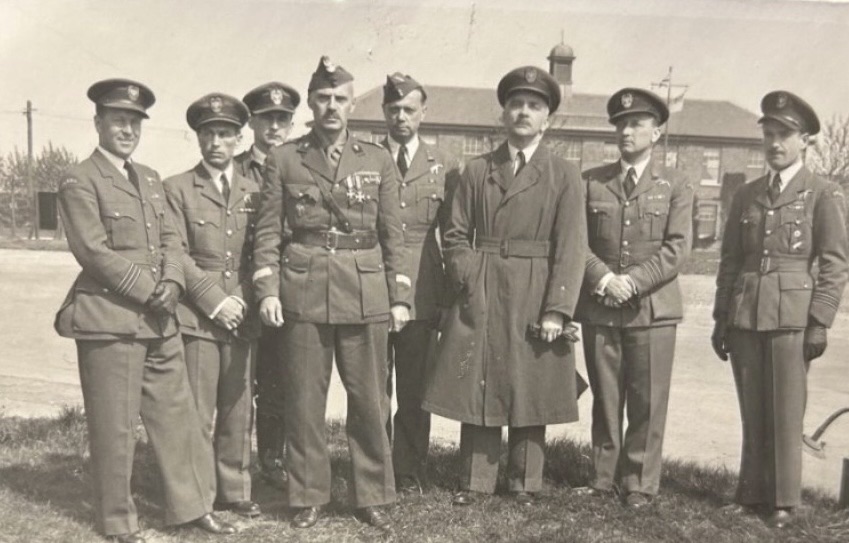
The British ambassador was summoned by Soviet Deputy Foreign Minister Andrei Vyshinsky.
The Soviet position was blunt: Moscow would not permit Allied aircraft to use Soviet airfields to support the Warsaw insurgents.
The Soviet authorities portrayed the uprising as the work of “troublemakers” and claimed that the Soviet government could not contribute to their activities.
The words were revealing.
While Polish men and women were fighting and dying in the streets of Warsaw, the Soviet leadership refused to facilitate a greater flow of Allied assistance.
63 DAYS OF HEROISM
The Warsaw Uprising finally ended on 2 October 1944.
After 63 days of fighting, the insurgents were forced to surrender.
The human cost was catastrophic.
Tens of thousands of Home Army soldiers were killed.
Approximately 150,000–180,000 civilians also lost their lives.
And then came another act of destruction.
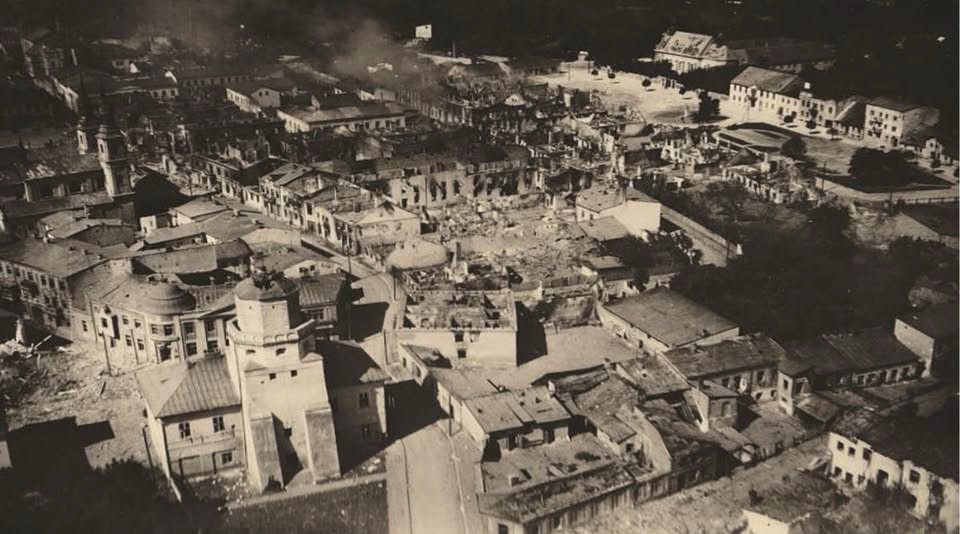
The Germans systematically demolished Warsaw.
Buildings were blown up.
Historic monuments were destroyed.
Homes were burned.
An entire capital was deliberately turned into ruins.
But one thing could not be destroyed.
The memory of Warsaw.
WARSAW REMEMBERS
Today, 82 years later, we know that the Warsaw Uprising was not a meaningless “brawl”.
It was one of the most extraordinary acts of resistance in occupied Europe.
It was a struggle for freedom, dignity and the right of the Polish nation to determine its own future.
The insurgents knew the odds were against them.
They fought anyway.
They fought because they believed that Poland should be free.
And their sacrifice became part of the history of a nation that refused to disappear.
Warsaw fought.
Warsaw suffered.
Warsaw survived.
Warsaw remembers.
Honour and Glory to the Heroes of the Warsaw Uprising.
We Remember.
Based on historical materials and documentation, including materials of the Warsaw Rising Museum and Institute of National Remembrance.
For more information about the Rising 44 we recommend to listen to Iwona Golinska of Polish Sue and Aleksandra Duda of Warsaw Rising Museum interview, on the link below:
https://youtu.be/xxj9qVsYflI?is=ux-y6eglPt_gTC6-
Text: POLISH SUE – Remembering Polish History in Britain and beyond.
Source / Photos: Institute of National Remembrance


Leave a comment