
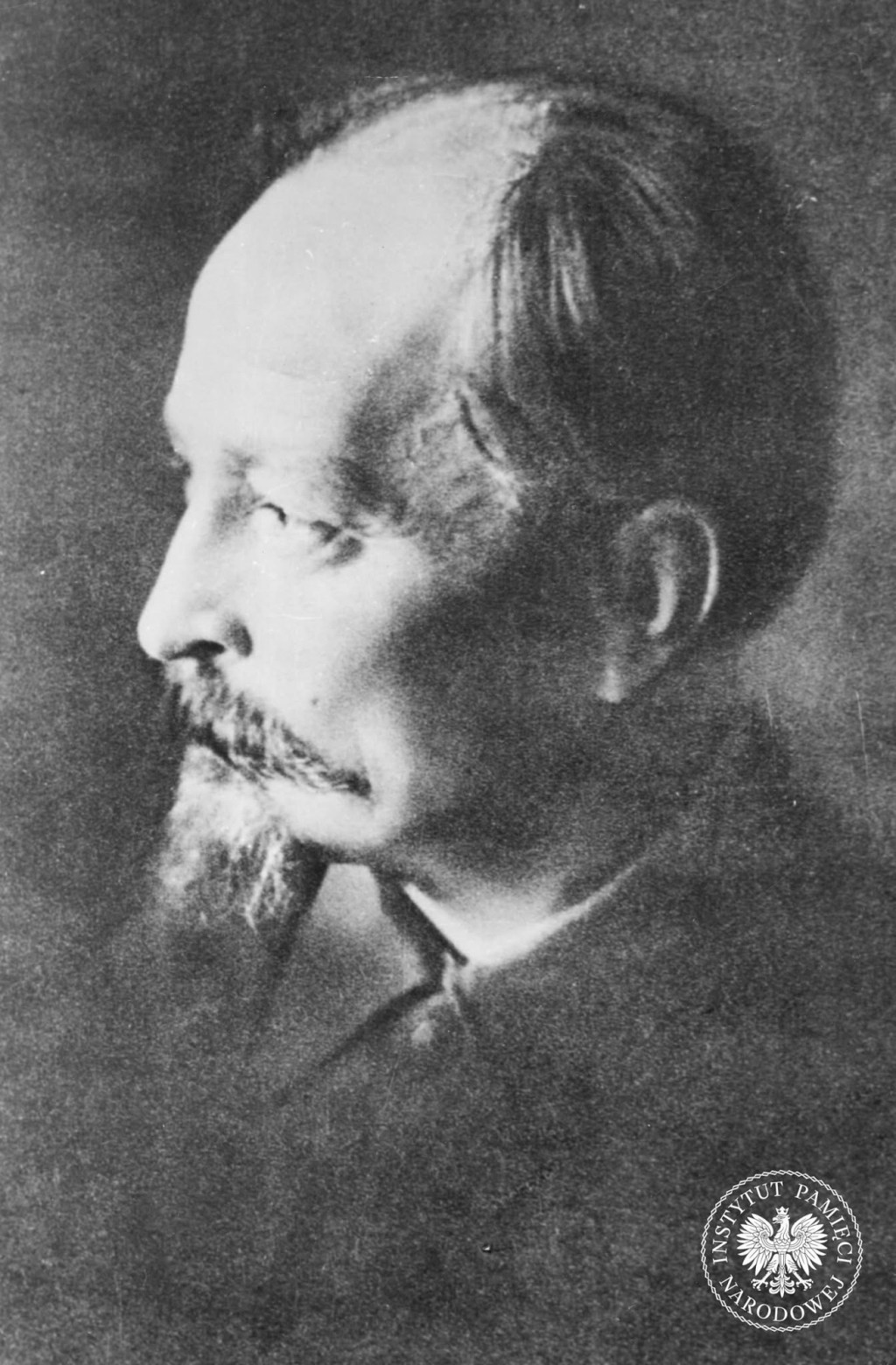
The decision by the Russian authorities to appoint Felix Dzerzhinsky as the patron of the Federal Security Service (FSB) Academy is not merely symbolic—it is a clear political signal.
The founder of the Soviet terror apparatus is once again being elevated as a model figure for modern security services. This move is widely associated with the policies of Vladimir Putin, who for years has been shaping a historical narrative rooted in Soviet power and its institutions.
🟥 Architect of the Red Terror
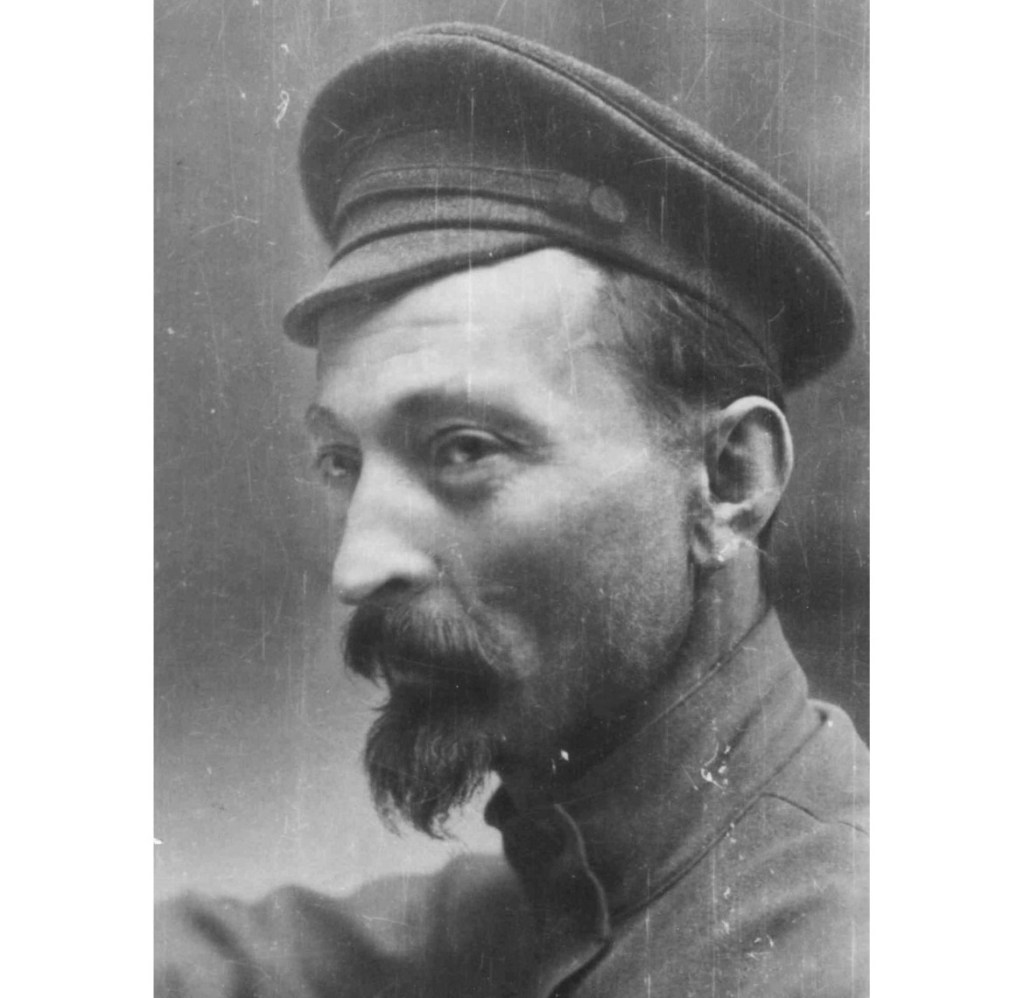
Felix Dzerzhinsky was one of the key architects of the repressive system that emerged after the Bolshevik Revolution. As the founder of the Cheka—the first Soviet political police—he was responsible for building a state terror apparatus that affected millions.
His actions included mass executions of political opponents, the creation of forced labour camps (the foundation of the Gulag system) and the brutal suppression of any form of social resistance.
Historians agree that these actions laid the foundations of the Soviet totalitarian state.
🟥 Dzerzhinsky and Poland – the Forgotten Truth
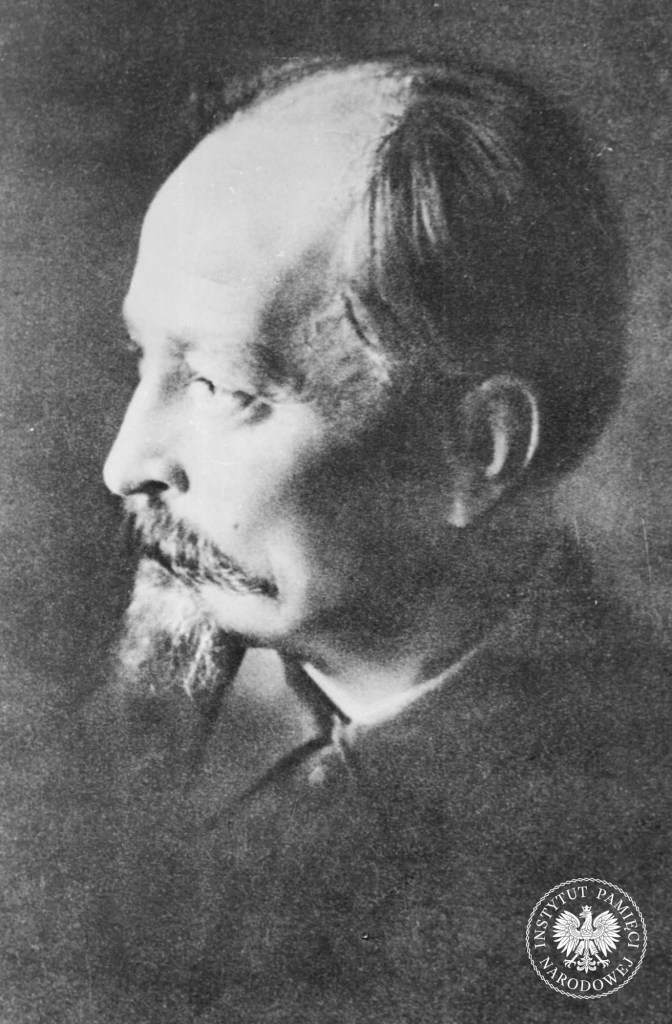
During the communist era in Poland, Dzerzhinsky was portrayed as a “hero of the revolution” and a Pole who achieved international prominence. However, his role in actions directed against independent Poland was largely ignored.
He was associated with the Provisional Polish Revolutionary Committee—a Bolshevik body established in 1920 that was intended to take power in Poland in the event of a Red Army victory. Poland’s success in the Polish–Soviet War prevented this scenario.
🟥 The Warsaw Monument – A Symbol of Communism’s Collapse
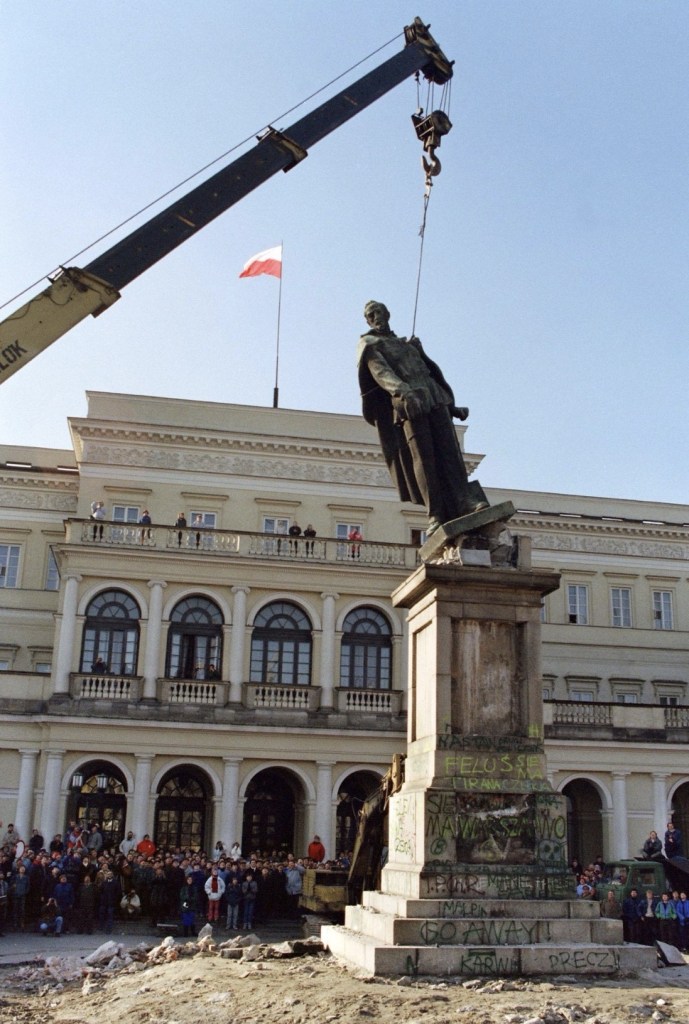
For decades, a statue of Dzerzhinsky stood in Warsaw’s Bank Square as a central symbol of communist propaganda. It was not just a monument, but a tool of ideological messaging.
One of the most tragic episodes connected to it was the case of Emil Barchański, a high school student involved in anti-communist protest actions in 1982. His death remains unexplained to this day.
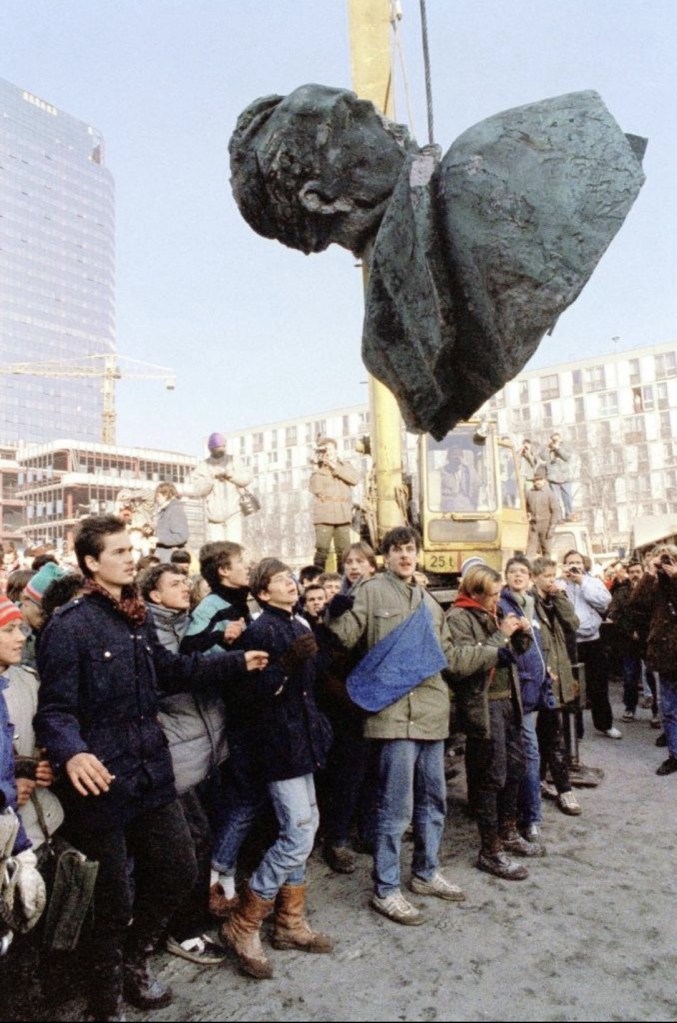
On 17 November 1989, the monument was removed. During its dismantling, it broke into pieces—an event widely seen as a symbolic end to the communist era in Poland.
🟥 Contemporary Russia and Historical Policy
The decision to honour Dzerzhinsky is part of a broader process of restoring Soviet-era narratives in Russia. We are witnessing:
the revival of symbols and figures linked to state repression, the reinterpretation of Soviet history through the lens of a “strong state”, the marginalisation of the victims of totalitarianism.
In this context, Dzerzhinsky is no longer presented as a perpetrator, but as a symbol of “order” and “state security”.
🟥 Conclusions
The rehabilitation of Felix Dzerzhinsky is not just about history—it is a component of a broader political strategy in which the past is used to legitimise present-day power.
For Poland and the countries of Central and Eastern Europe, it is a warning signal: the struggle for historical truth remains ongoing.
Text: Polish Sue
Photo: IPN, Wikipedia
Source: IPN



Leave a Reply