
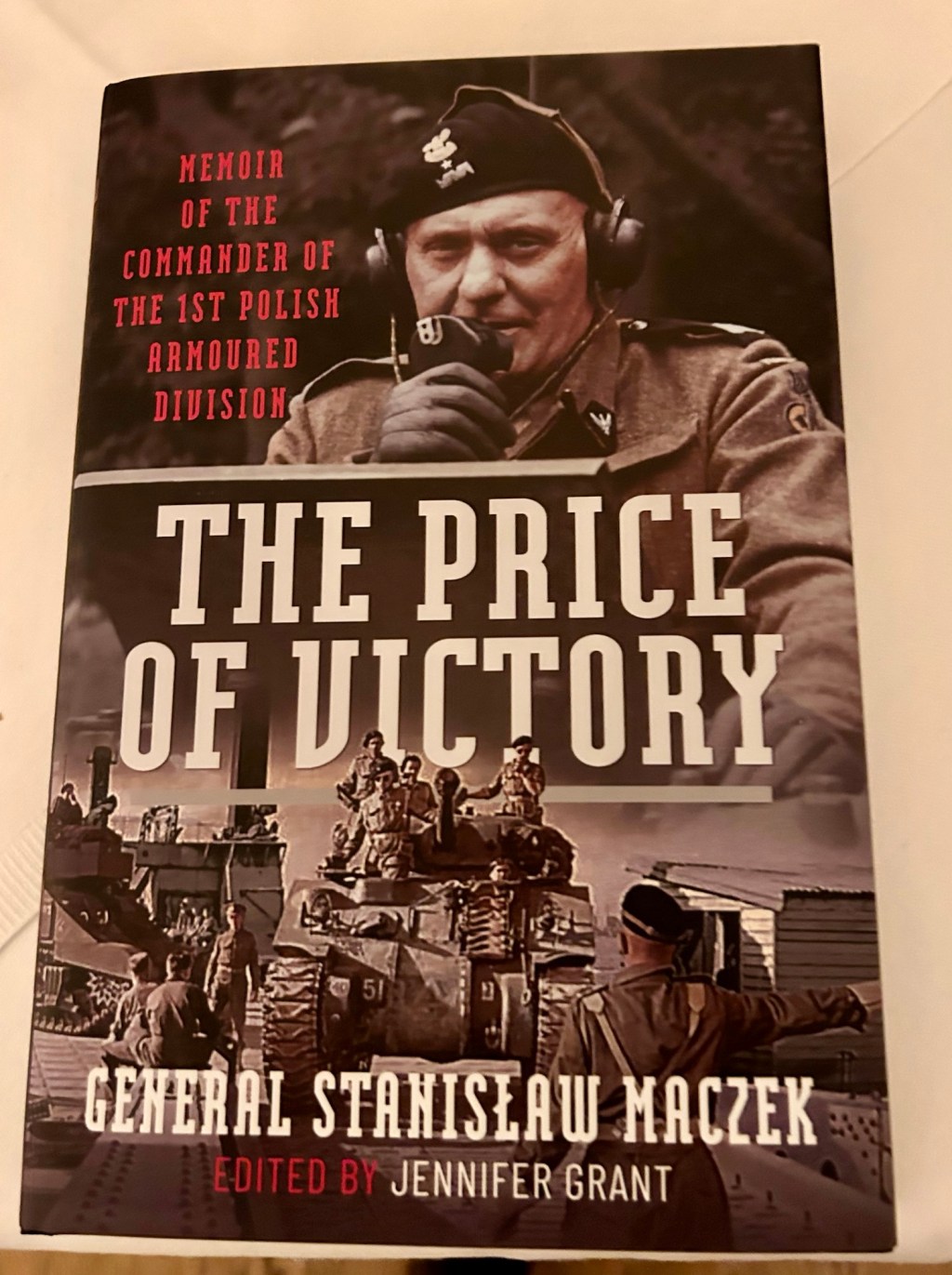
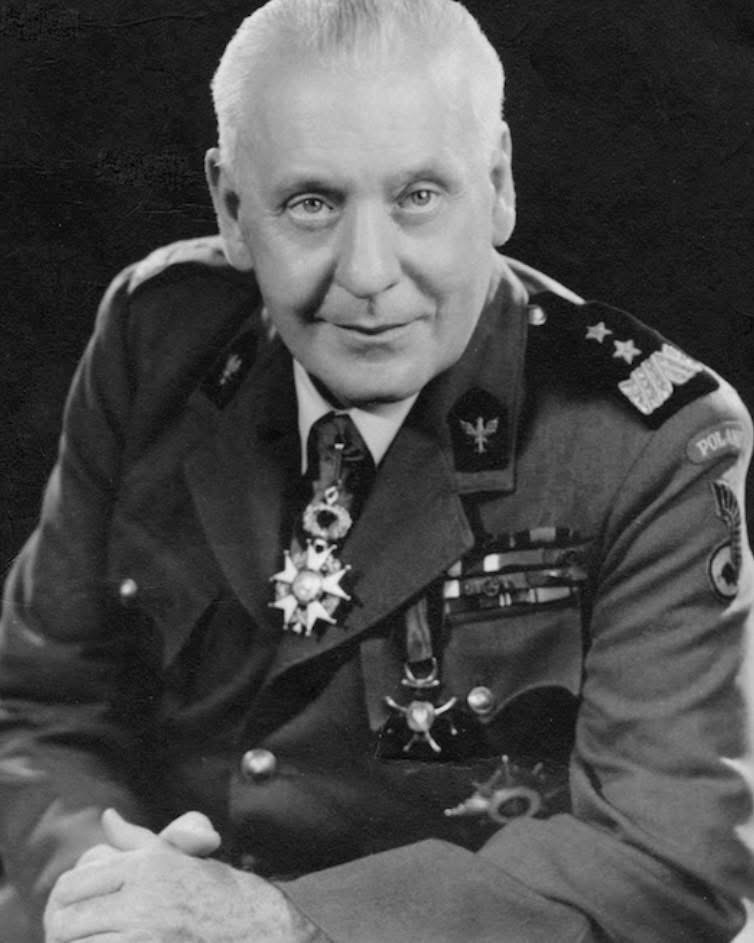
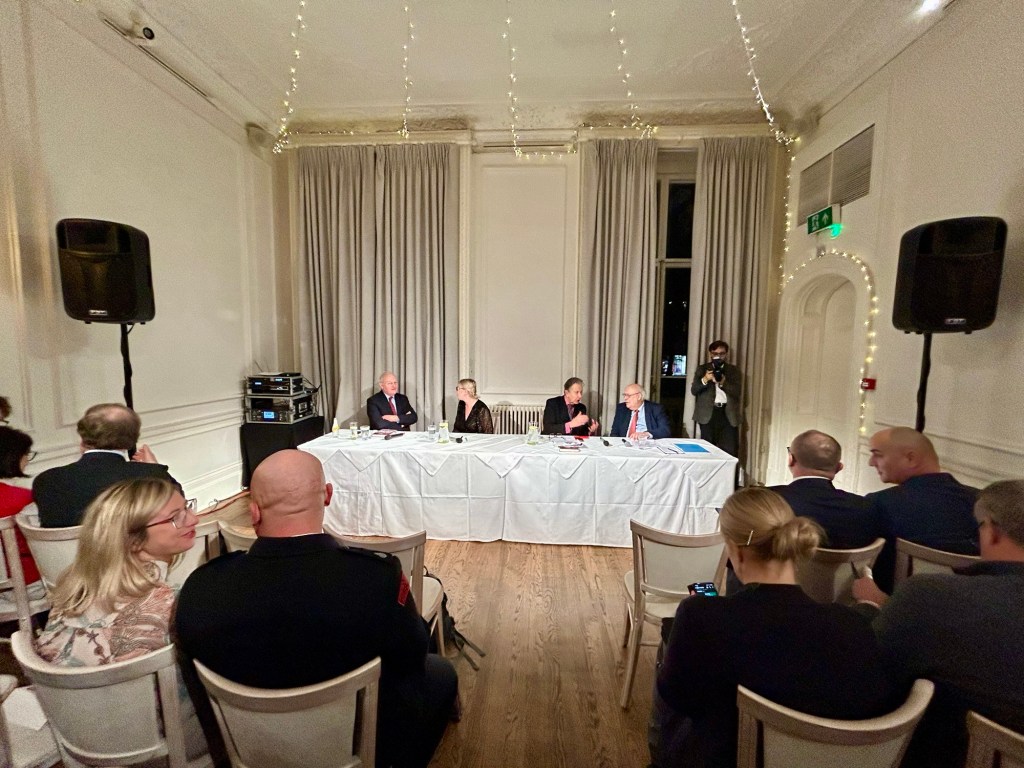
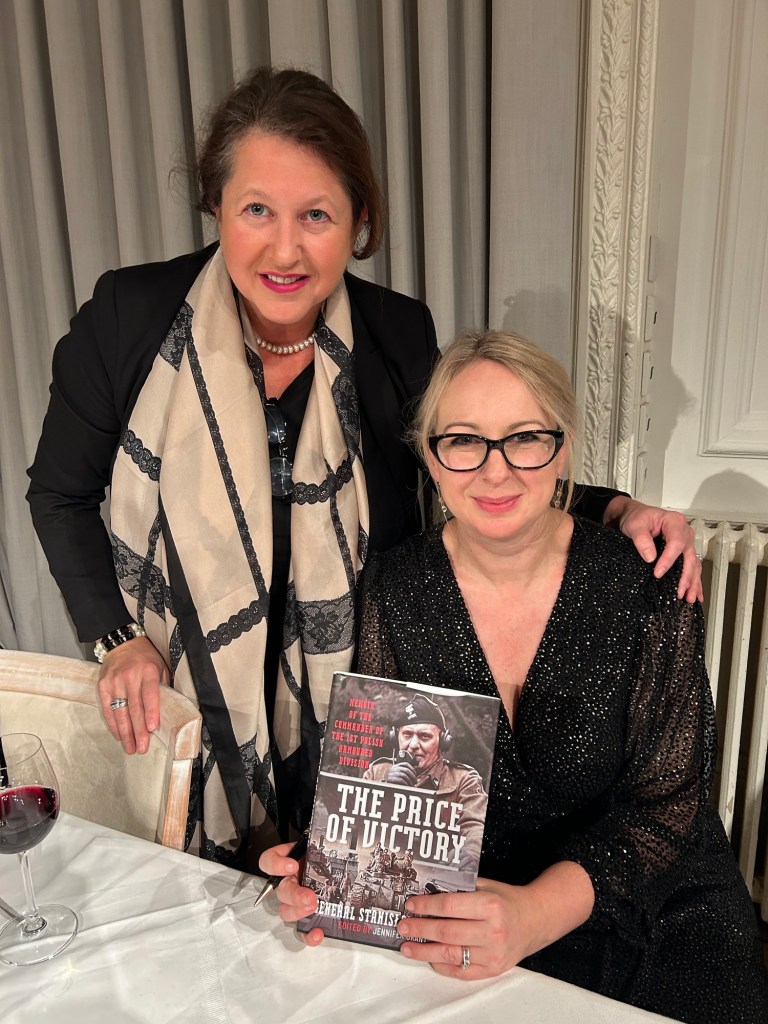
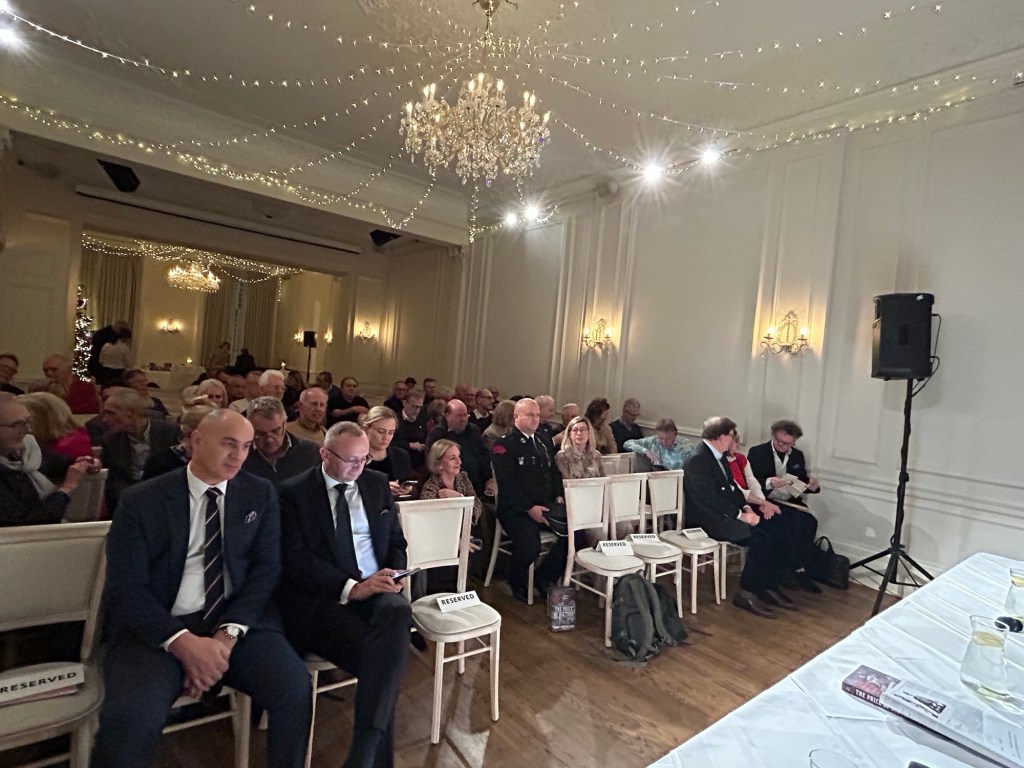
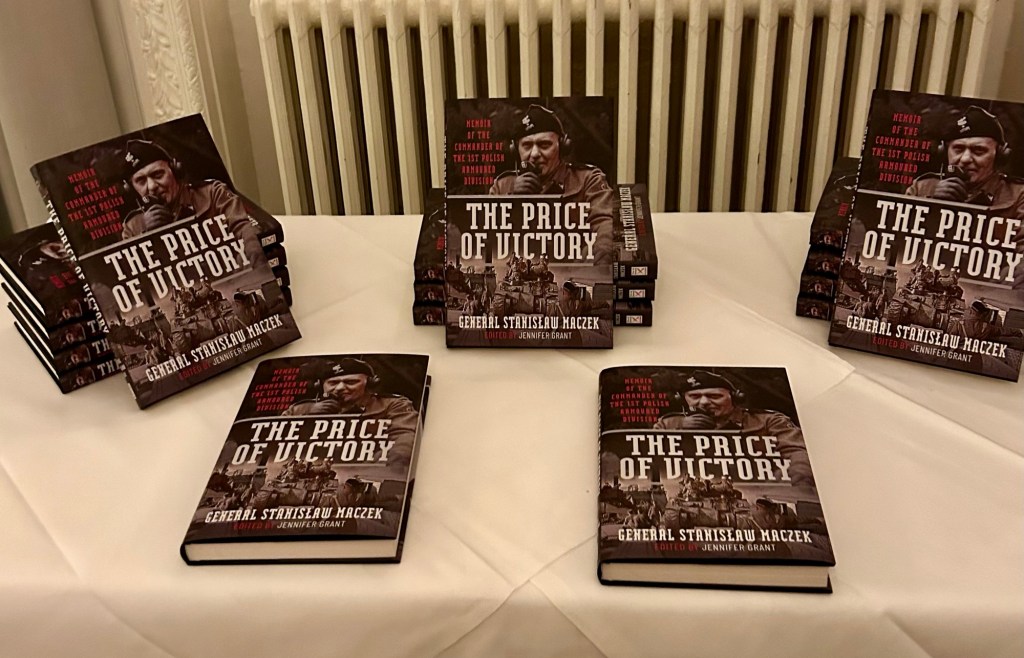
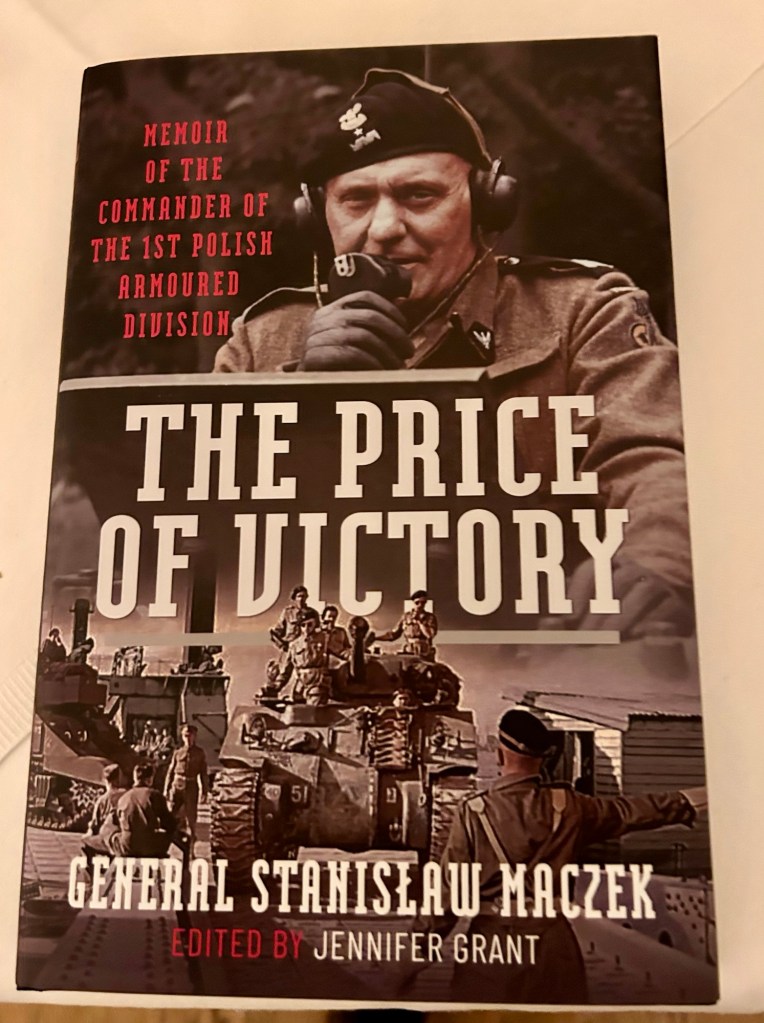
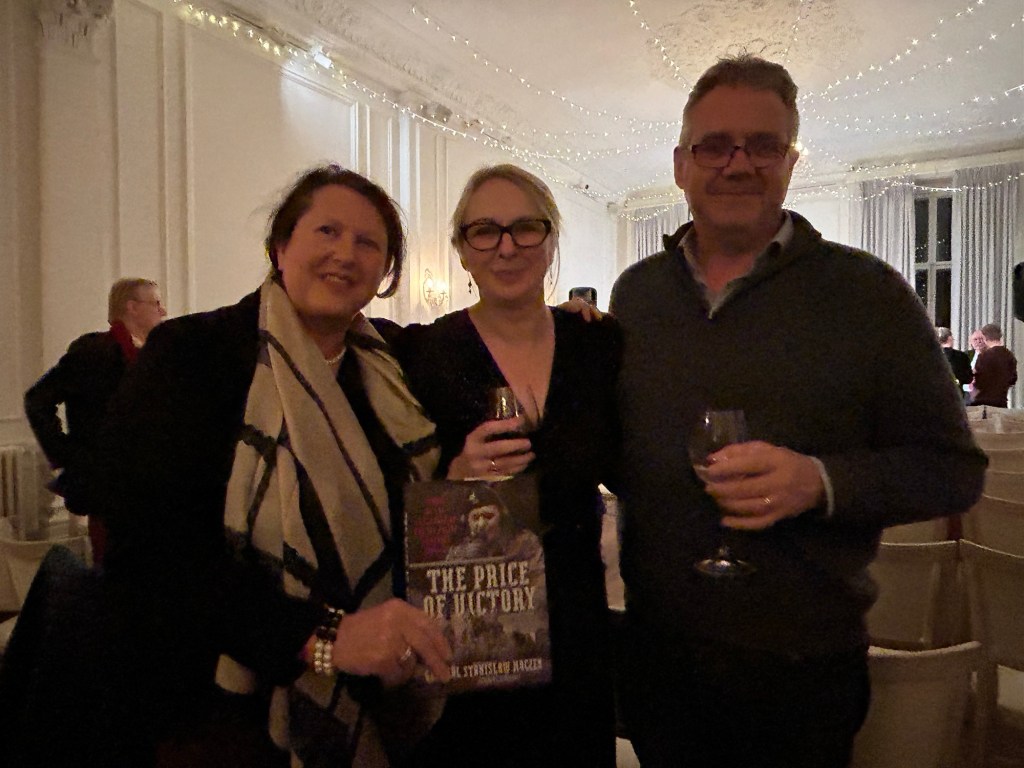
December 11, 2024 is the round anniversary of the death of the legendary commander Stanisław Maczek. On this occasion, we took part in the event at the Polish Hearth Club in London (Ognisko Polskie) to commemorate the famous general and heroic commander, and discuss his role and importance in history. The canvas to this discussion was his memoir entitled: “The Price of Victory – the memoir of the commander of the 1st Polish Armoured Division – General Stanislaw Maczek”.
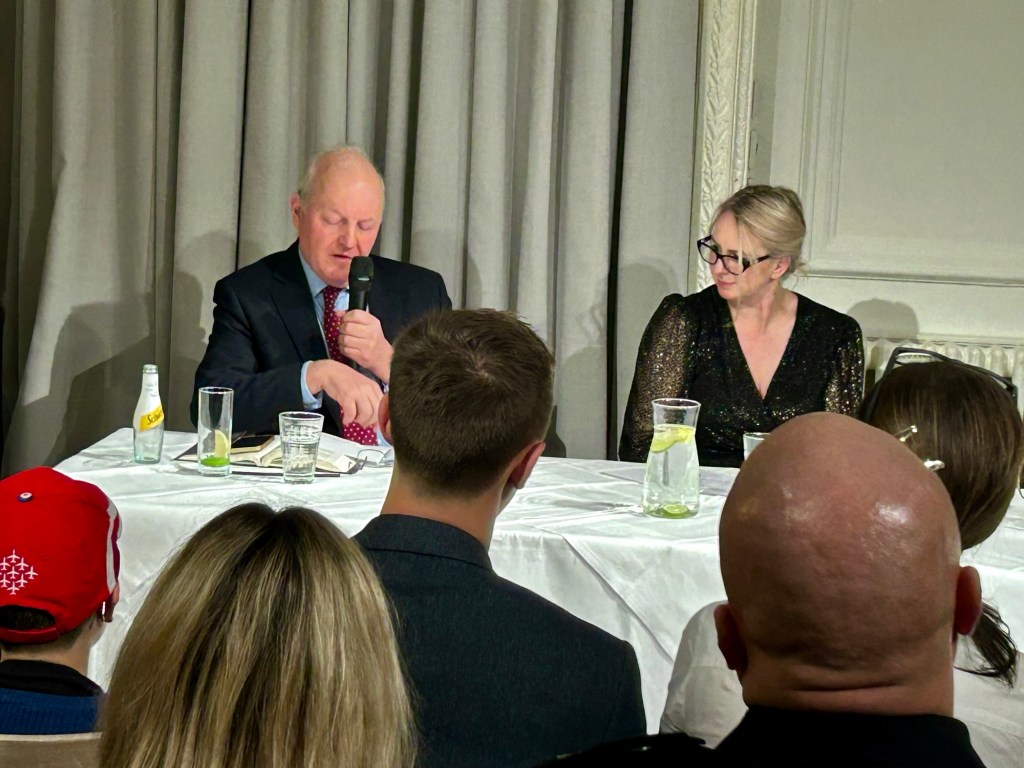
The discussion panel was moderated by the editor of the book, Jenny Grant, who made the discourse with Justin Maciejewski – director of The National Army Museum, Paul Latawski – historian and Allan Mallinson – ex-military and journalist from the “Spectator” magazine, exploring General Maczek’s life and history.
“The Price of Victory – the memoir of the commander of the 1st Polish Armoured Division – General Stanislaw Maczek” is the shocking memoirs of Maczek.
These memories reflect the zeal, dedication, and disappointment of Polish soldiers fighting alongside the Allies during World War II.
Stanisław Maczek, a fully “polonized“ descendant of Croatian highlanders, was supposed to become a philosopher and a Polish philologist. Instead, the educated philosopher and lover of Polish literature devoted himself to military service, becoming part of the Polish armored forces.
The meeting was attended by the Polish Ambassador in London His Excellency Prof. Piotr Wilczek who gave a short introduction to the life and achievements of General Maczek.
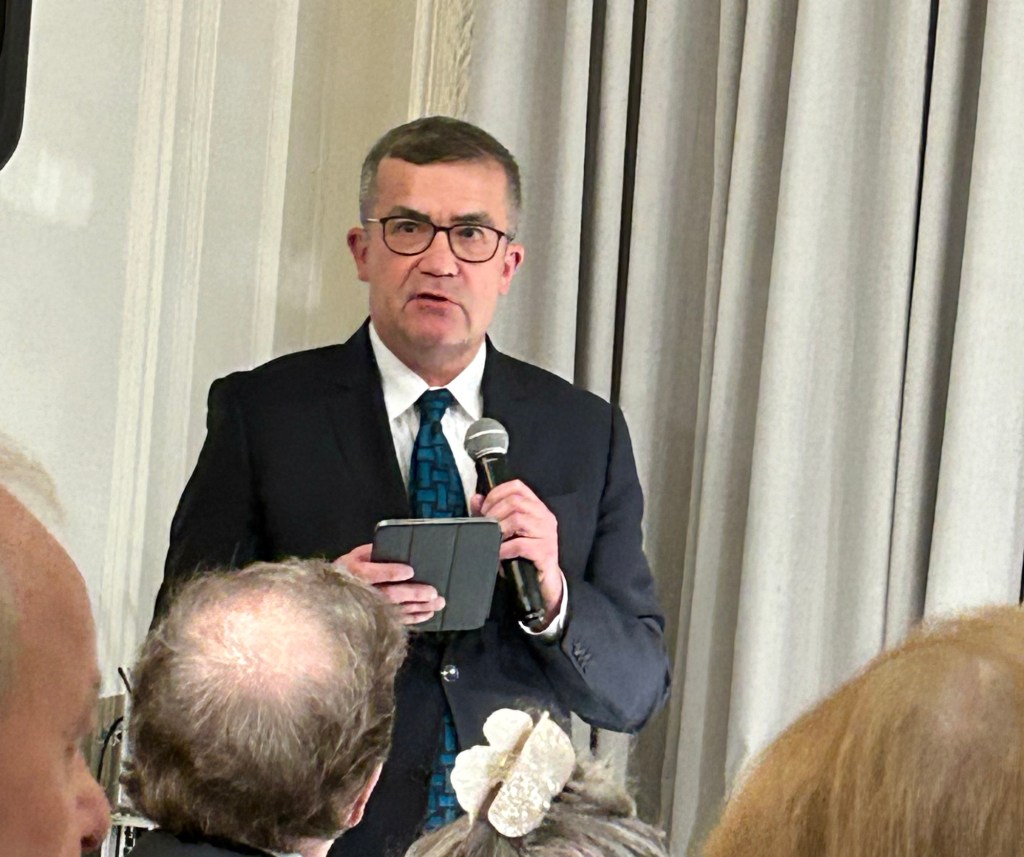
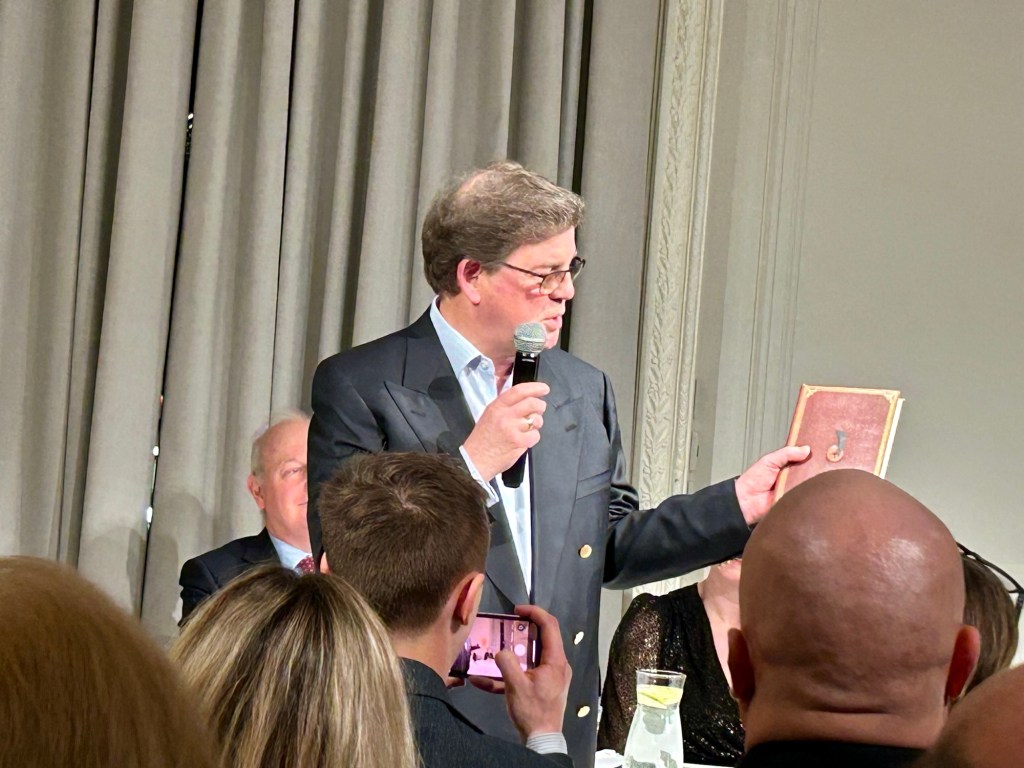
A special letter from granddaughter of General Maczek was also read in the meeting. Finally, the first publisher of the memoirs of General Stanisław Maczek, and his family friend, gave some insights into the first publication of the book in the 1950’s in Edinburgh.
Who was General Stanisław Maczek?
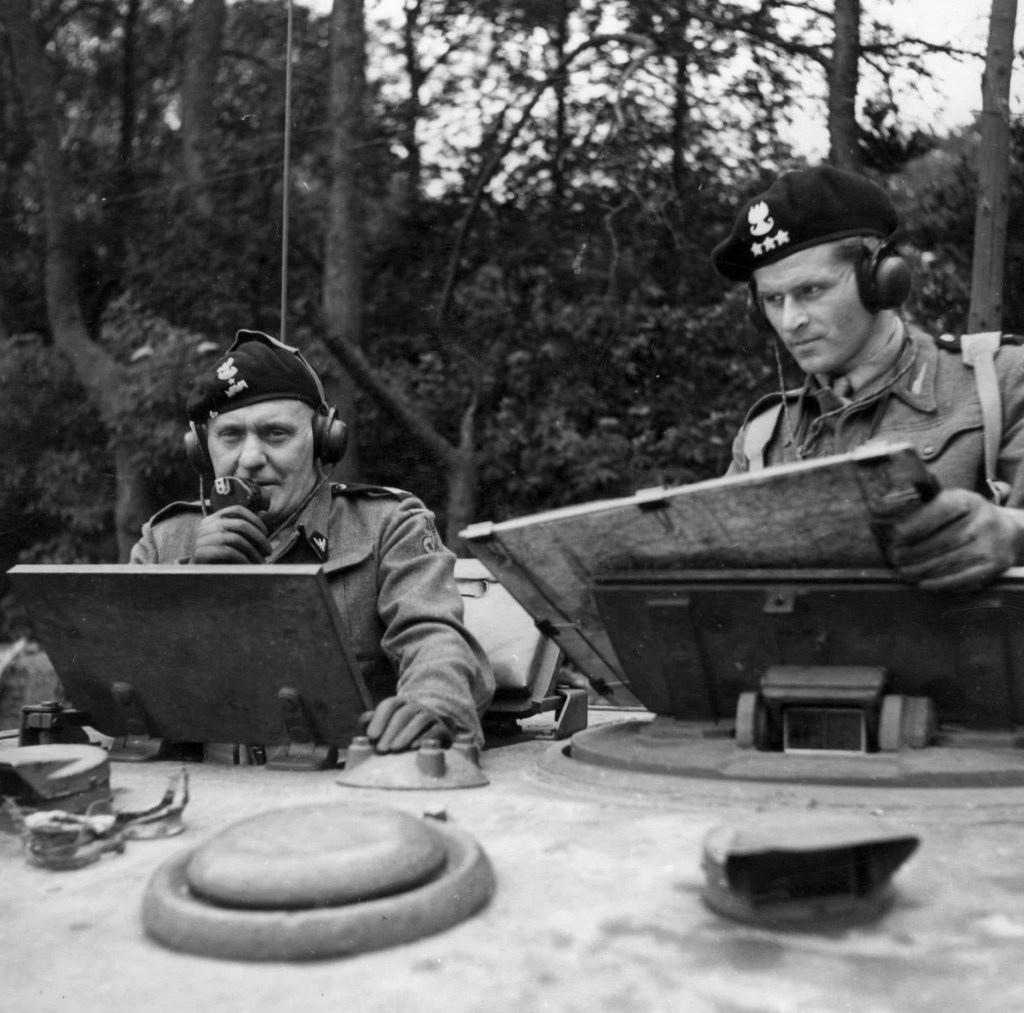
General Maczek was one of the mains contributors to Polish military successes, who became famous primarily as the commander of the 1st Armored Division during World War II. He was a symbol of courage of the Polish army fighting alongside the Allies.
He was born on March 31, 1892 in Szczerc near Lviv (now in Ukraine). He studied philosophy and literature at the University of Lviv, but interrupted his studies to enlist in the army. He served in the Austro-Hungarian army during the First Civil War. After Poland regained independence, he joined the Polish Army.
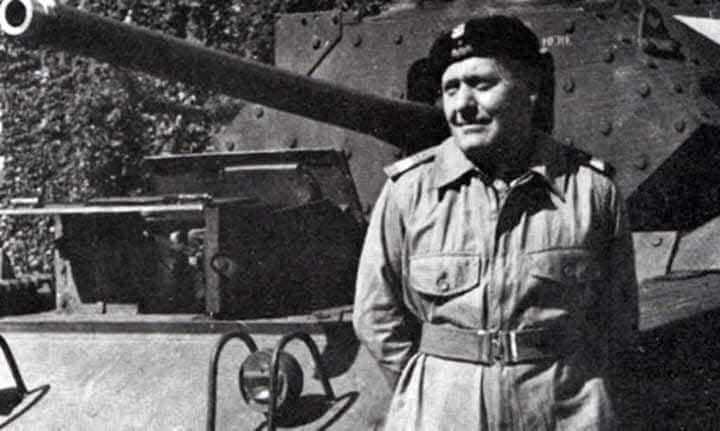
“News about the army on November 11, 1918, found him on the mountain front in the Alps. He put on his skis and went down to Trento. In civilian clothes, I reached Kraków via Vienna. Formally, this meant desertion, but it was considered that his place was in Poland, which had been removed by independence. On November 14, 1918, he joined the Polish Army”.
(IPN)
He fought in the Polish-Bolshevik War, where he became famous as the commander of an assault company.
“In June 1919, as the first officer in the history of the Polish Army, he was promoted to the rank of captain in the battlefield by Józef Piłsudski.” (IPN)
At the beginning of the war (1939), he commanded the 10th Motorized Cavalry Brigade, fighting against the Germans during the September Battle. Soldiers under his command fought against German armored units in battles in Lesser Poland and Galicia.
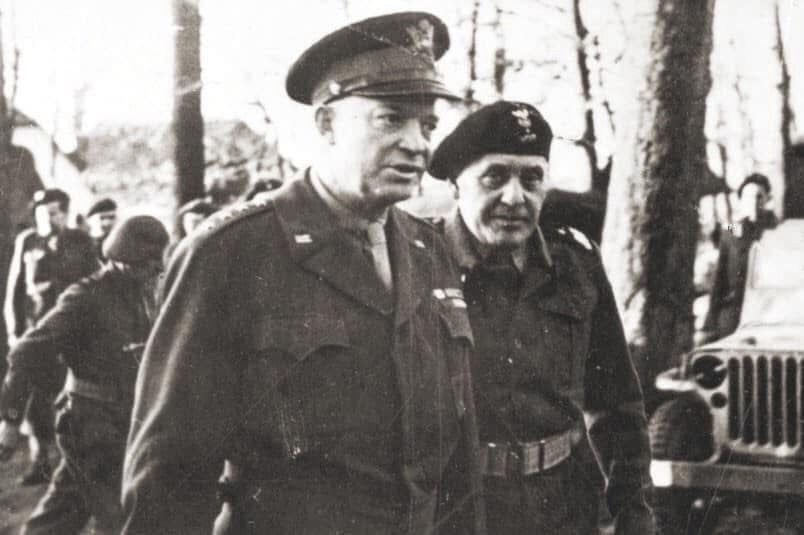
After Poland’s defeat, he made his way through Hungary to France and later to Great Britain. In 1942, he took command of the 1st Armoured Division, which in 1944 played a key role in the liberation of France, Belgium and the Netherlands. He distinguished himself in the Battle of the Falaise Pocket in Normandy and in the liberation of Breda in the Netherlands, among other places.
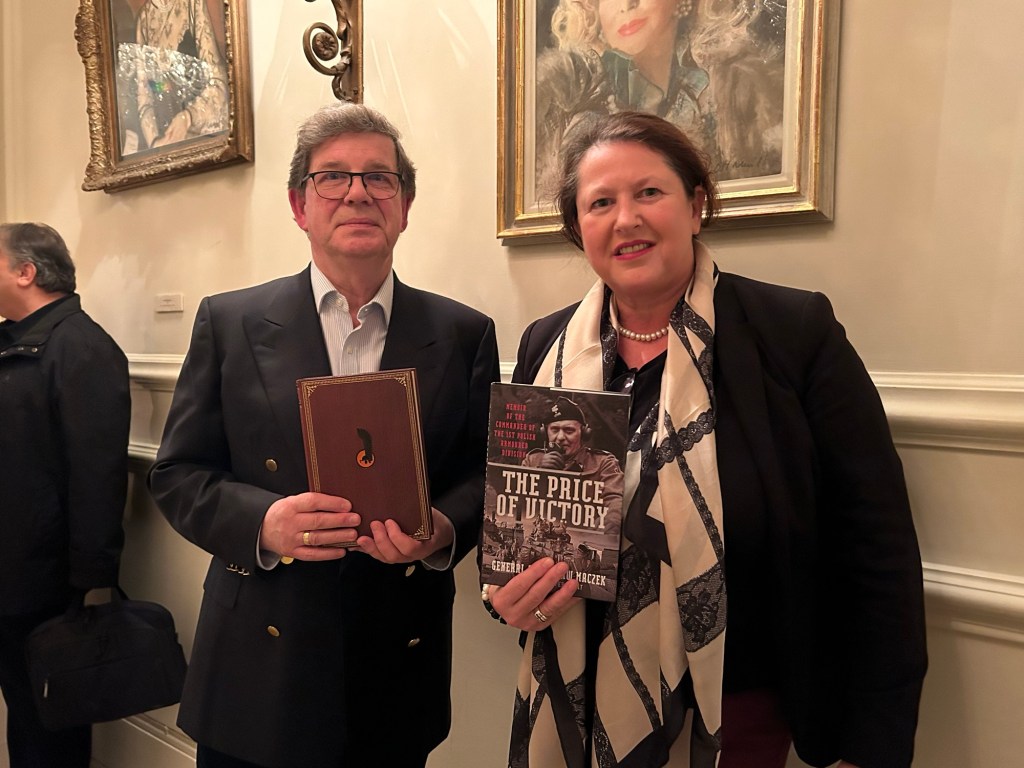
After two years of training, his division landed in France. In heavy fighting with the Germans, it gained new experience and won another glorious victory. In the area of the Mont Ormel ridge and the city of Falaise, it trapped the German 7th Army. The armoured unit destroyed dozens of German tanks and hundreds of soldiers were taken prisoner. For the next months, they pursued the enemy through France, liberating Belgium and the Netherlands. Maczek’s soldiers are still remembered in the Dutch city of Breda. Thanks to the flanking maneuver carried out by the division, the city avoided destruction and loss of civilian life. In the spring of 1945, they entered the territory of the Reich. On April 12, 1945, the 1st Polish Armored Division liberated Stalag VI-C, a POW camp in Oberlangen, Germany.
At that time, 1,721 female soldiers who had fought in the Warsaw Uprising were imprisoned there. Polish POWs were liberated by a Polish unit! On May 4, 1945, the crew of the Kriegsmarine base in Wilhelmshaven capitulated to General Maczek.
After the war, General Maczek remained in exile in Great Britain. As a former Allied officer, he did not obtain British citizenship and worked as a bartender in Edinburgh for many years. He could not return to communist Poland, which stripped him of his citizenship.
On September 26, 1946, the Provisional Government of National Unity – at the request of Deputy Prime Minister Stanisław Mikołajczyk – stripped him of his Polish citizenship. He lived off the British minimum pension for Allied soldiers. He became a salesman and then a barman in the restaurant of the Learmouth Hotel in Edinburgh, owned by one of the non-commissioned officers of his division. He lived in Edinburgh for over 40 years and died there on December 11, 1994, at the age of 102.
In accordance with his will, he was buried in the cemetery of the 1st Armoured Division soldiers in Breda, the Netherlands.
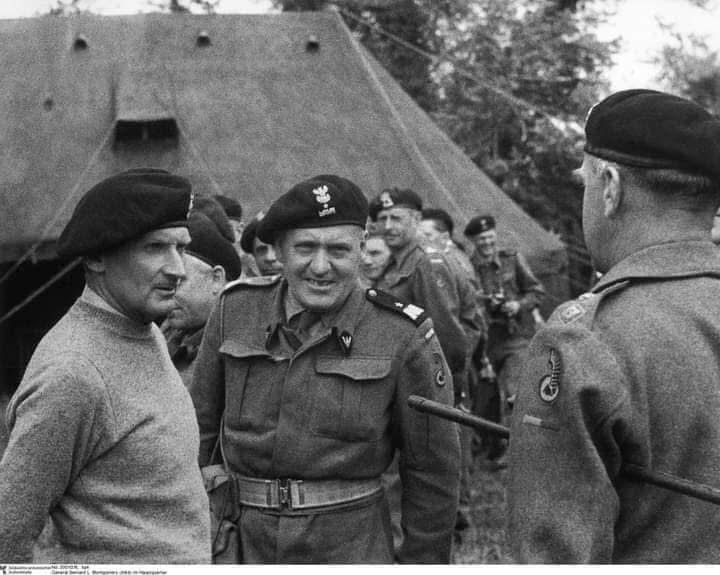
General Stanisław Maczek is considered one of the most outstanding commanders of World War II. Appreciated for his care for his soldiers, tactical genius and respect for the civilian population. In many cities liberated by the 1st Armoured Division, his name is commemorated to this day with monuments and commemorative plaques.
Today, he is a symbol of honour and the fight for freedom, and his life reminds us of the difficult fate of Polish soldiers fighting abroad.
We thank the panel for the wonderful discussion – and for introducing to the figure of the General. We would like to thank Jenny Grant, the editor of the book, who kindly signed the book for us,
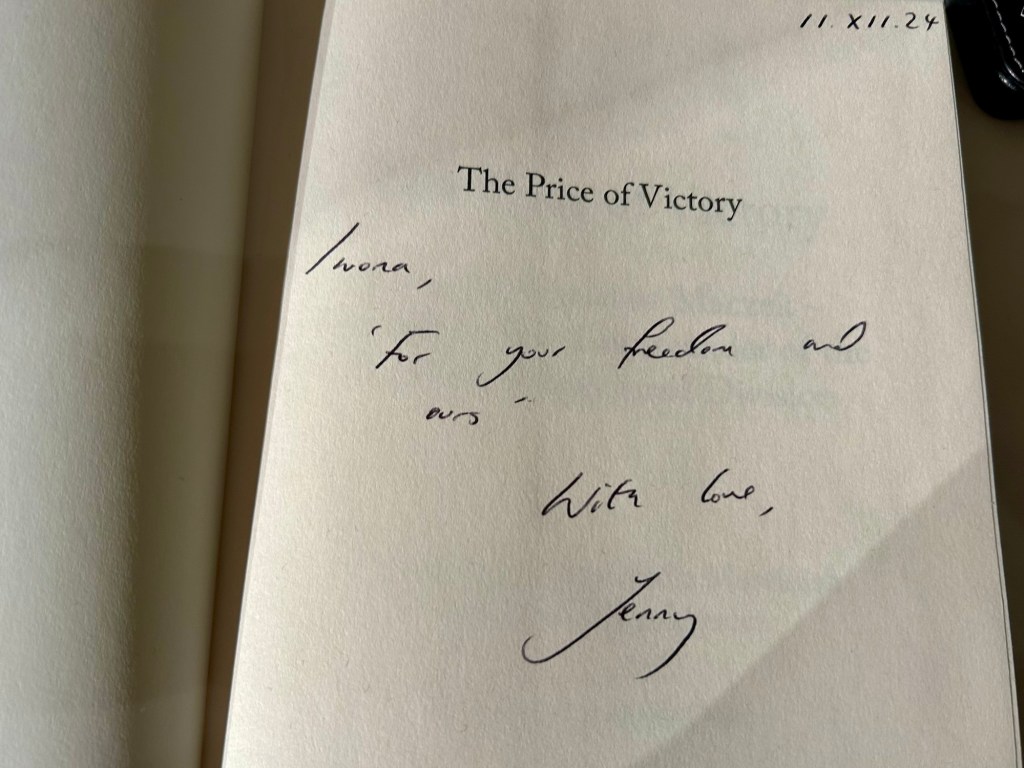
as well as Justin Maciejewski – director of the National Army Museum, Paul Latawski and Allan Mallison. We would like to additionally thank Ognisko Polskie for organising this event and inviting us.
Source: Institute of National Remembrance (IPN)
Text: Iwona Golińska
Photos: POLISH SUE, WIKIPEDIA
Pl
Z okazji 30. rocznicy śmierci dowódcy 1. Polskiej Dywizji Pancernej – Stanisława Maczka Polish Sue wzięła udział w spotkaniu i dyskusji panelowej na temat poruszających wspomnień generała Maczka.
11 grudnia 2024 roku minęła właśnie okrągła rocznica śmierci legendarnego dowódcy Stanisława Maczka – z tej okazji wzięliśmy udział w spotkaniu poświęconym temu bohaterskiemu dowódcy, które odbyło się w Ognisku Polskim w Londynie, zatytułowanym “Cena zwycięstwa – wspomnienia dowódcy 1. Polskiej Dywizji Pancernej – generała Stanisława Maczka”.
Panel dyskusyjny prowadzony był przez redaktorkę książki, Jenny Grant, która podjęła dyskusję z Justinem Maciejewskim – dyrektorem The National Army Museum, Paulem Latawskim – historykiem i Allanem Mallinsonem – byłym wojskowym a obecnie dziennikarzem magazynu Spectator.
“Cena zwycięstwa – wspomnienia dowódcy 1. Polskiej Dywizji Pancernej – generała Stanisława Maczka” to wstrząsające wspomnienia generała.
Wspomnienia te oddają zapał, poświęcenie i zawiedzione nadzieje polskich żołnierzy, którzy walczyli u boku aliantów podczas II wojny światowej.
Stanisław Maczek, całkowicie spolonizowany potomek chorwackich górali, miał zostać filozofem i polonistą. Zamiast tego filozof z wykształcenia i miłośnik literatury polskiej poświęcił się służbie wojskowej, stając się ojcem polskich sił pancernych.
W spotkaniu wziął udział Ambasador RP w Londynie Jego Ekscelencja Prof. Piotr Wilczek, który wygłosił krótkie wprowadzenie do życia i osiągnięć generała Maczka. Podczas spotkania odczytano również specjalny list od wnuczki generała Maczka. Na koniec pierwszy wydawca wspomnień generała Stanisława Maczka i przyjaciel jego rodziny podzielili się swoimi spostrzeżeniami na temat pierwszej publikacji książki w latach 50. w Edynburgu.
Kim był Gen. Stanisław Maczek ?
Generał Stanisław Maczek (1892–1994) był wybitnym polskim dowódcą wojskowym, który zasłynął przede wszystkim jako dowódca 1. Dywizji Pancernej w czasie II wojny światowej. Był symbolem odwagi, lojalności i skuteczności polskiego wojska walczącego u boku aliantów.
Urodził się 31 marca 1892 r. w Szczercu pod Lwowem (obecnie na Ukrainie). Studiował filozofię i literaturę na Uniwersytecie Lwowskim, jednak przerwał naukę, aby zaciągnąć się do wojska. Służył w armii austro-węgierskiej podczas I wojny światowej. Po odzyskaniu przez Polskę niepodległości wstąpił do Wojska Polskiego.
Wieści o wojsku 11 listopada 1918 r. zastały go na froncie górskim w Alpach. Założył narty i zjechał do Trydentu. W cywilnym ubraniu dotarł do Krakowa przez Wiedeń. Formalnie oznaczało to dezercję, ale sam uznał, że jego miejsce jest w Polsce, która miała odzyskać niepodległość. 14 listopada 1918 r. wstąpił do Wojska Polskiego.
Walczył w wojnie polsko-bolszewickiej, gdzie zasłynął jako dowódca kompanii szturmowej.
W czerwcu 1919 roku jako pierwszy w historii oficer Wojska Polskiego został awansowany na polu bitwy do stopnia kapitana przez Józefa Piłsudskiego.
Na początku wojny (1939) dowodził 10. Brygadą Kawalerii Zmotoryzowanej, walczącą z Niemcami podczas kampanii wrześniowej.
Podlegli mu żołnierze z powodzeniem walczyli z niemieckimi oddziałami pancernymi w bitwach w Małopolsce i Galicji.
Po klęsce Polski przedostał się przez Węgry do Francji, a później do Wielkiej Brytanii. W 1942 r. stanął na czele 1. Dywizji Pancernej, która w 1944 r. odegrała kluczową rolę w wyzwalaniu Francji, Belgii i Holandii. Szczególnie zasłużył się w bitwie pod Falaise w Normandii oraz w wyzwoleniu m.in. Bredy w Holandii.
Po dwóch latach szkolenia jego dywizja wylądowała we Francji. W ciężkich walkach z Niemcami zdobyła nowe doświadczenie i odniosła kolejne chwalebne zwycięstwo. W rejonie grzbietu Mont Ormel i miasta Falaise schwytała w pułapkę niemiecką 7. Armię. Jednostka pancerna zniszczyła dziesiątki niemieckich czołgów, a setki żołnierzy dostało się do niewoli. Przez kolejne miesiące ścigali wroga przez Francję, wyzwalając Belgię i Holandię. Żołnierze Maczka do dziś wspominani są w holenderskim mieście Breda. Dzięki manewrowi oskrzydlającemu przeprowadzonemu przez dywizję miasto uniknęło zniszczenia i utraty życia cywilnego. Wiosną 1945 roku wkroczyli na terytorium Rzeszy. 12 kwietnia 1945 roku 1. Polska Dywizja Pancerna wyzwoliła Stalag VI-C, obóz jeniecki w Oberlangen w Niemczech. W tym czasie uwięziono tam 1721 kobiet-żołnierzy, które walczyły w Powstaniu Warszawskim. Polscy jeńcy wojenni zostali wyzwoleni przez polską jednostkę! 4 maja 1945 roku załoga bazy Kriegsmarine w Wilhelmshaven skapitulowała przed generałem Maczkiem”.
Po wojnie generał Maczek pozostał na emigracji w Wielkiej Brytanii.Jako były oficer aliancki, nie uzyskał obywatelstwa brytyjskiego i przez wiele lat pracował jako barman w Edynburgu. Nie mógł powrócić do komunistycznej Polski, która odebrała mu obywatelstwo.
26 września 1946 roku Tymczasowy Rząd Jedności Narodowej – na wniosek wicepremiera Stanisława Mikołajczyka – pozbawił go obywatelstwa polskiego. Żył z brytyjskiej minimalnej emerytury dla żołnierzy alianckich. Został sprzedawcą, a następnie barmanem w restauracji hotelu Learmouth w Edynburgu, należącego do jednego z podoficerów jego dywizji. Mieszkał w Edynburgu przez ponad 40 lat i zmarł tam dokładnie 11 grudnia w 1994 roku w wieku 102 lat”.
Zgodnie z jego wolą pochowano go na cmentarzu żołnierzy 1. Dywizji Pancernej w Bredzie, w Holandii.
Generał Stanisław Maczek jest uznawany za jednego z najwybitniejszych dowódców II wojny światowej. Ceniony za troskę o swoich żołnierzy, geniusz taktyczny i szacunek dla ludności cywilnej. W wielu miastach wyzwolonych przez 1. Dywizję Pancerną do dziś upamiętnia się jego imię pomnikami i tablicami pamiątkowymi.
Współcześnie jest symbolem honoru i walki o wolność, a jego życie przypomina o trudnym losie polskich żołnierzy walczących na obczyźnie.
Dziękujemy za wspaniałą dyskusję panelowi – oraz przybliżenie nam postaci Generała. Szczególnie dziękujemy Jenny Grant, autorce książki, za autograf dla nas, jak również Justinowi Maciejewskiemu, Paulowi Latawskiemu i Allanowi Mallisonowi. Ognisku Polskiemu dziękujemy za organizacje i zaproszenie nas.
Źródło : IPN
Teks : IWONA Golińska
Photos : POLISH SUE, WIKIPEDIA




Leave a comment