By Iwona Golińska
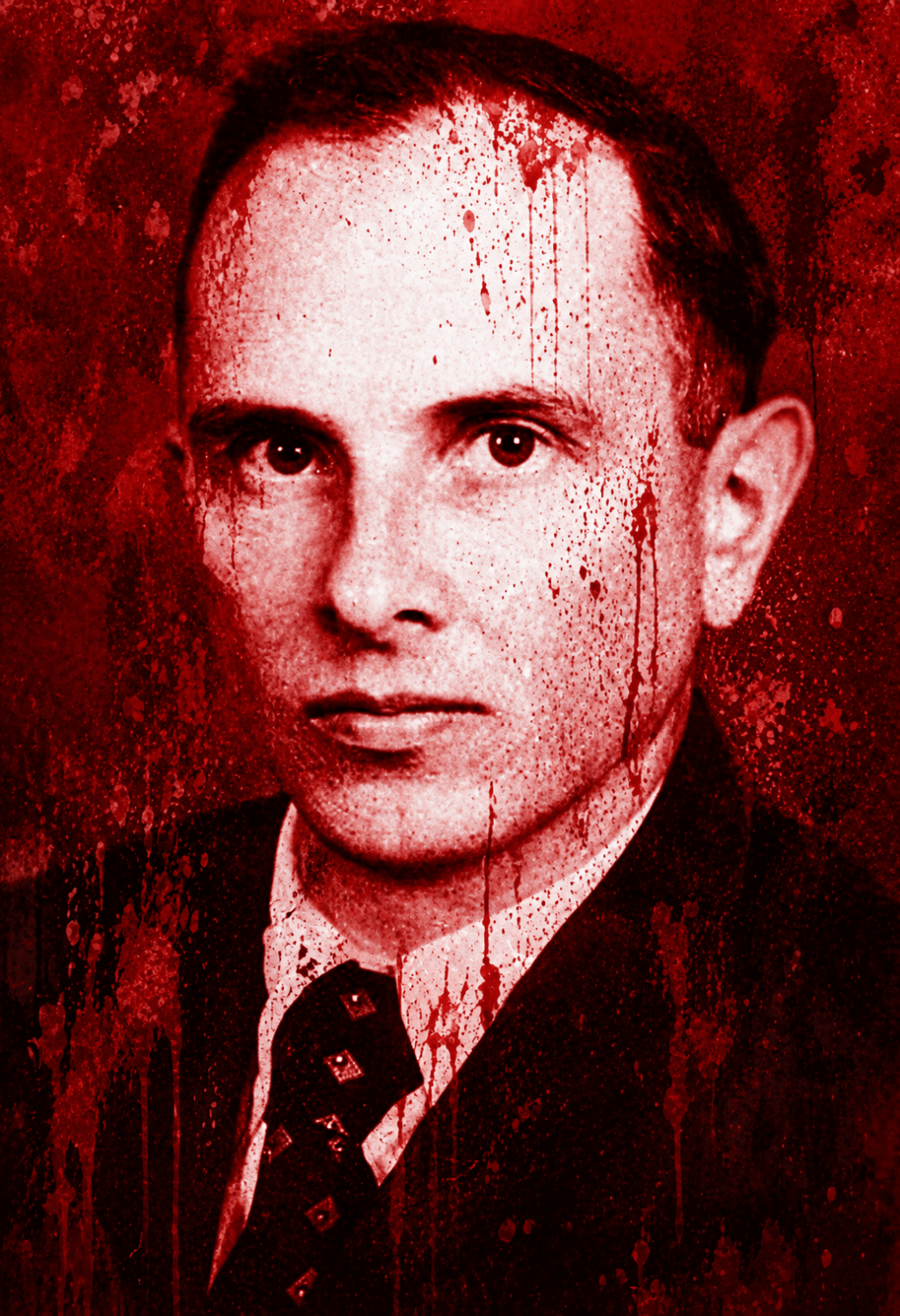
Stepan Bandera remains one of the most controversial figures in twentieth-century European history. To some, he is remembered as a symbol of the Ukrainian struggle for independence. To others—particularly in Poland—he represents an ideology of radical nationalism that culminated in one of the most horrific crimes committed against civilians during the Second World War: the Volhynia Massacre.
In 1936, while standing trial in Lwów for terrorist activities, Bandera declared:
“Our idea, as we understand it, is so great that when it comes to its realisation, not hundreds, but millions of victims must be sacrificed in order to achieve it.”
These chilling words foreshadowed the tragic events that unfolded only a few years later. Contemporary Polish newspapers warned that Bandera and his followers posed a grave danger. Observers noted that members of the Organization of Ukrainian Nationalists (OUN) greeted one another in court with the Nazi “Hitler salute,” reflecting the extremist ideology they embraced.
Born in 1909, Bandera came of age during a period of political upheaval following the collapse of empires and unsuccessful attempts to establish an independent Ukrainian state. Frustration among many young Ukrainian nationalists led to increasing radicalisation. Rejecting peaceful political engagement, Bandera became a leading member of the Ukrainian Military Organization (UVO), which later formed part of the Organization of Ukrainian Nationalists (OUN). Influenced by Dmytro Dontsov’s doctrine of integral nationalism, he believed that violence and terror were legitimate means of achieving a nationally homogeneous Ukrainian state.
The victims of nationalist violence were not limited to representatives of the Polish authorities. Ukrainians who opposed extremist methods, advocated dialogue, or rejected terrorism also became targets. Bandera openly promoted the use of violence as a political instrument and considered himself entitled to decide who should live or die in pursuit of his political goals.
Germany’s invasion of Poland in September 1939 dramatically changed the political landscape. Released from prison, Bandera sought cooperation with Nazi Germany, believing that the Third Reich would support the creation of an independent Ukrainian state. When Germany invaded the Soviet Union in June 1941, Bandera’s supporters proclaimed a Ukrainian government in Lwów. OUN proclamations concluded with expressions of loyalty to both Bandera and Adolf Hitler. During this period, German forces and local collaborators carried out brutal anti-Jewish pogroms in the city.
Although Bandera was later detained by the Germans after acting without Berlin’s approval, he continued to support cooperation with the Nazi regime. Historical records indicate that he maintained contacts with German authorities and argued that Ukrainian nationalists had been shaped by principles similar to National Socialism.
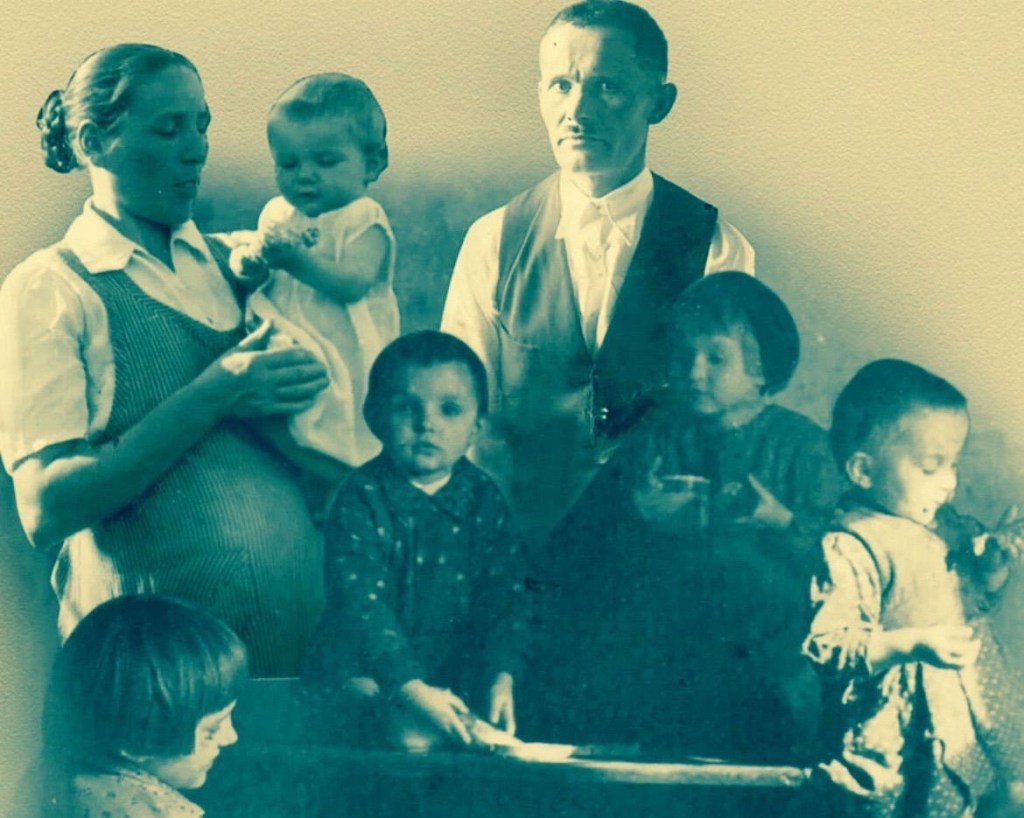
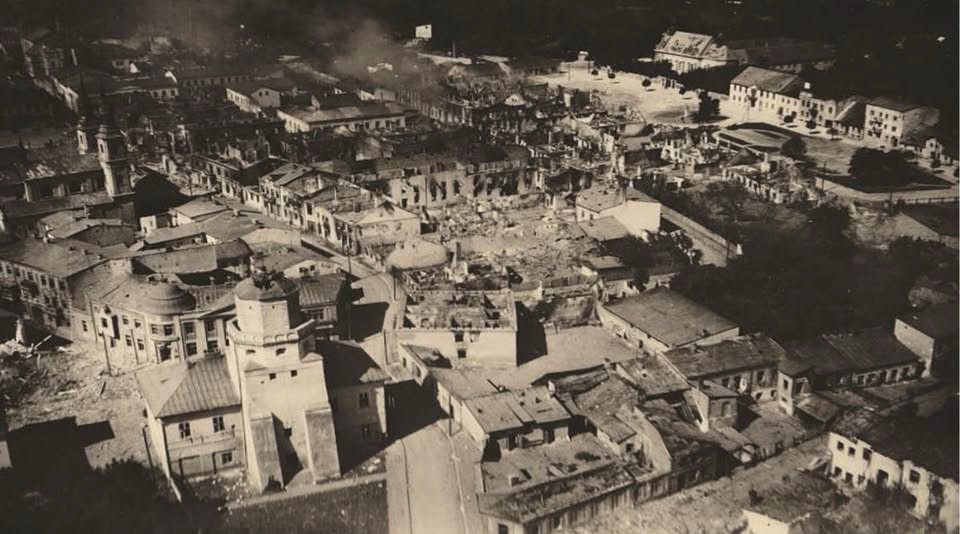
The most tragic consequence of Bandera’s ideology came in 1943–1944 during the Volhynia Massacre. Units of the Ukrainian Insurgent Army (UPA), closely linked to the Bandera faction of the OUN, carried out a systematic campaign of ethnic cleansing against the Polish civilian population in Volhynia and Eastern Galicia. Tens of thousands of Polish men, women and children were murdered. Ukrainians who refused to participate or attempted to protect their Polish neighbours also became victims of nationalist violence.
After the war, Bandera lived in exile until he was assassinated by a KGB agent in Munich in 1959. His death contributed to the creation of a martyr narrative among sections of the Ukrainian nationalist movement. In recent decades, this has fuelled continuing historical and political debates regarding his legacy. His imprisonment in the Sachsenhausen concentration camp has often been cited by supporters seeking to minimise or deny his ideological responsibility for crimes committed by the OUN-B and UPA.
For Poland, however, the historical record remains inseparable from the suffering of the victims of the Volhynia Genocide. Remembering these events is not about fostering hostility between nations but about preserving historical truth, honouring innocent victims, and ensuring that extremist ideologies which glorify violence are never forgotten or repeated.
At Polish Sue, we remain committed to promoting historical memory, supporting research based on documented evidence, and commemorating all those who suffered under totalitarianism and nationalist extremism. Only through truth, remembrance, and honest dialogue can genuine reconciliation be achieved.
We Remember. We Honour. We Educate.
You can read more on the link :
Source: Institute of National Remembrance.


Leave a comment