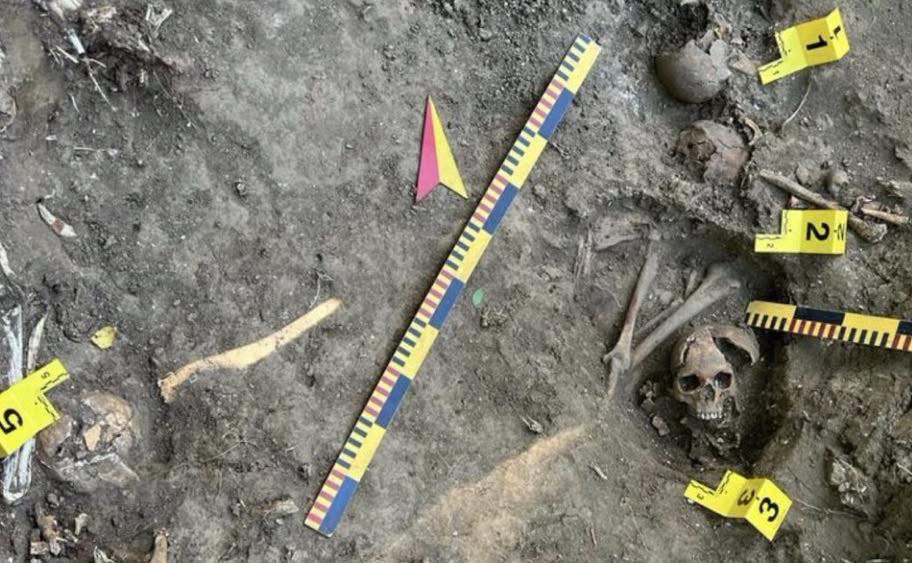
Photo: Remains of Polish civilians murdered during the Volhynia massacres. Source: IPN
The history of the Second World War remains one of the most painful chapters in the history of Central and Eastern Europe.
Among its many tragedies, the genocide committed against the Polish population in Volhynia and Eastern Galicia by Ukrainian nationalist formations remains a subject that demands both remembrance and historical truth.
The mass murders carried out by units associated with the Organization of Ukrainian Nationalists (OUN) and the Ukrainian Insurgent Army (UPA) did not emerge spontaneously.
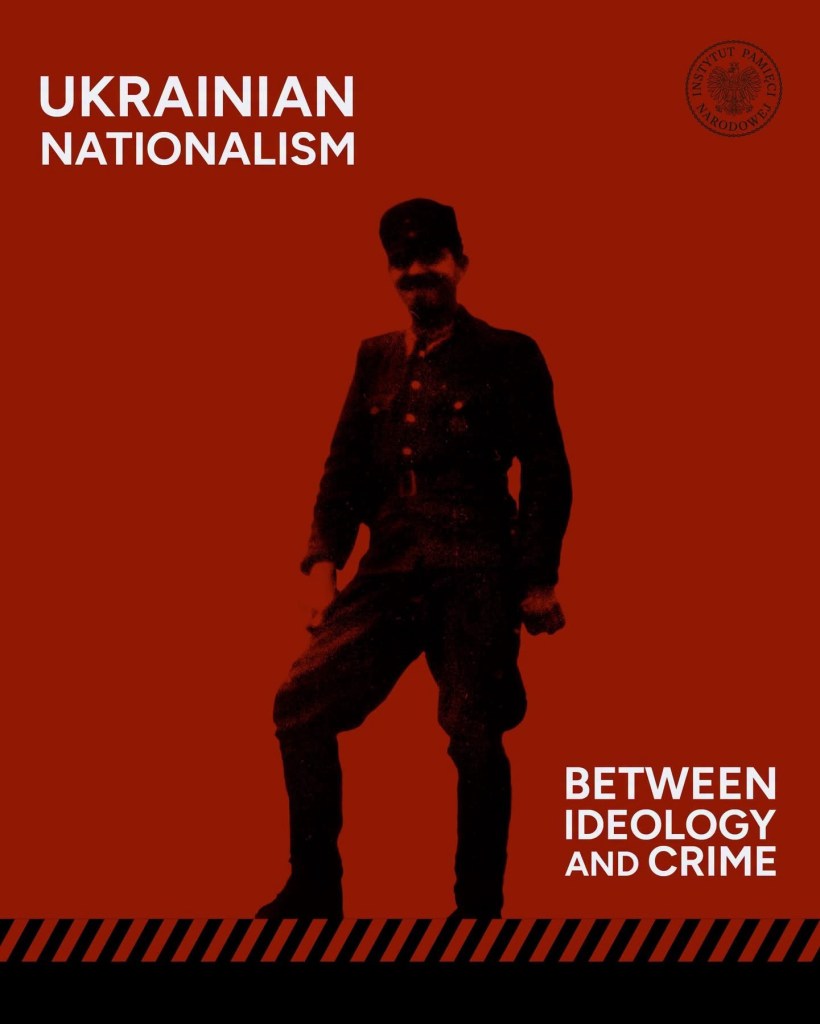
Historians have long pointed to the ideological foundations that developed over decades and promoted ethnic exclusivity, radical nationalism, and hostility toward those considered obstacles to the creation of an ethnically homogeneous Ukrainian state.
The writings and political manifestos of leading nationalist ideologues frequently employed language advocating struggle, revenge, ruthlessness, and the subordination of other nationalities.
Such ideas contributed to an atmosphere in which violence against civilian populations could be justified as a political objective.
The consequences were catastrophic. During the years 1943–1945, tens of thousands of Polish civilians—men, women, and children—were murdered in a campaign that many historians and institutions, including the Polish state, recognize as genocide. Entire villages were destroyed, centuries-old communities were erased, and survivors were forced to flee their homes.
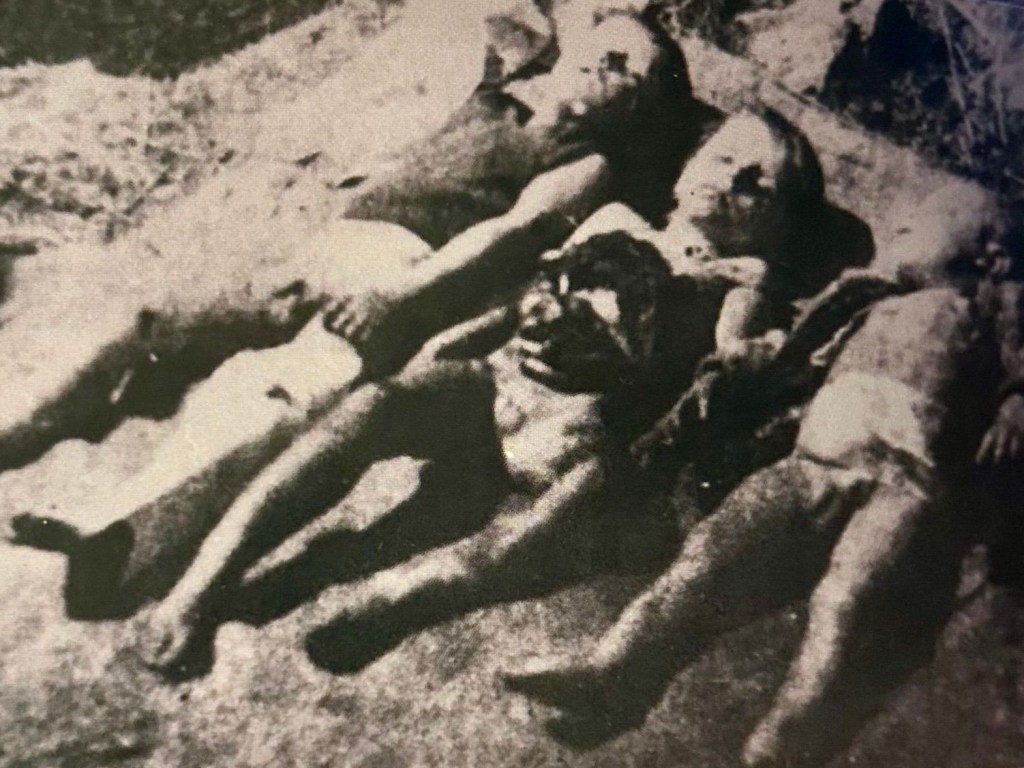
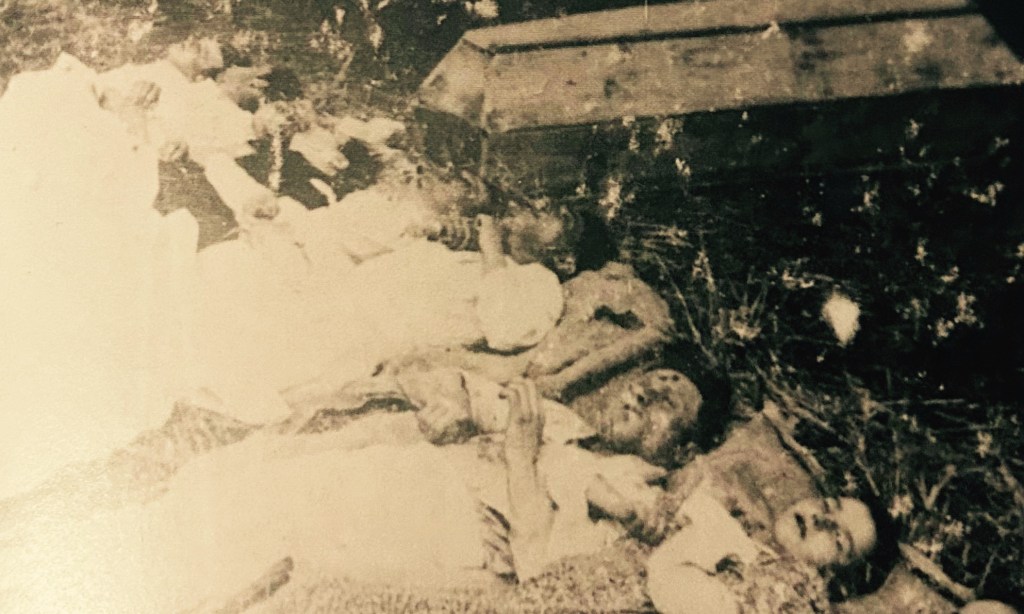
Visible in the photo are the sons of Piotr Mękal and his wife Aniela
née Gwiazdowska: Janusz (3 years old) and Mirosław (2 years old).
In the center, with his belly ripped open, is Stanisława Stefaniak (6 years old).
Photo: AIPN.
Remembering these events is not an act directed against any contemporary nation.
Rather, it is a commitment to historical truth and respect for the victims. Honest historical research requires examining not only the crimes themselves but also the ideological doctrines that inspired them.
Today, as new generations seek to understand the complex history of the region, it is essential that discussions are based on documented evidence, scholarly research, and respect for all victims. History cannot be changed, but it can be studied honestly so that the lessons of the past help prevent similar tragedies in the future.
The memory of the victims of Volhynia and Eastern Galicia deserves preservation, while the study of radical nationalist ideologies serves as a reminder of the dangers posed by hatred, intolerance, and the rejection of fundamental moral principles.
Only through truth, remembrance, and dialogue can genuine reconciliation be achieved.
Text: Polish Sue
Photo: IPN



Leave a comment