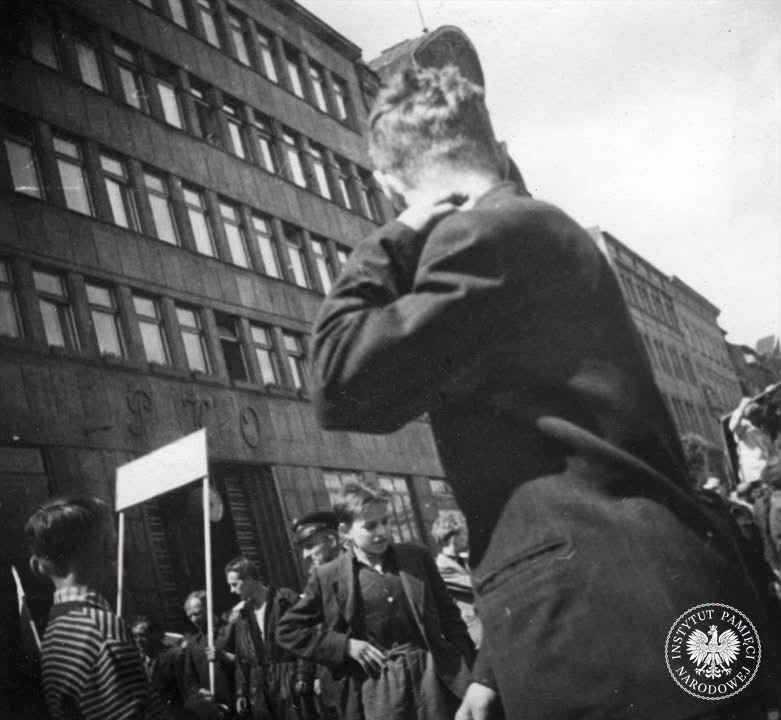
On 28 June 1956, the city of Poznań became the birthplace of the first great uprising against communist rule in post-war Poland. What began as a workers’ protest over wages, food shortages and unfair working conditions quickly transformed into a nationwide symbol of the struggle for freedom, dignity and national independence.
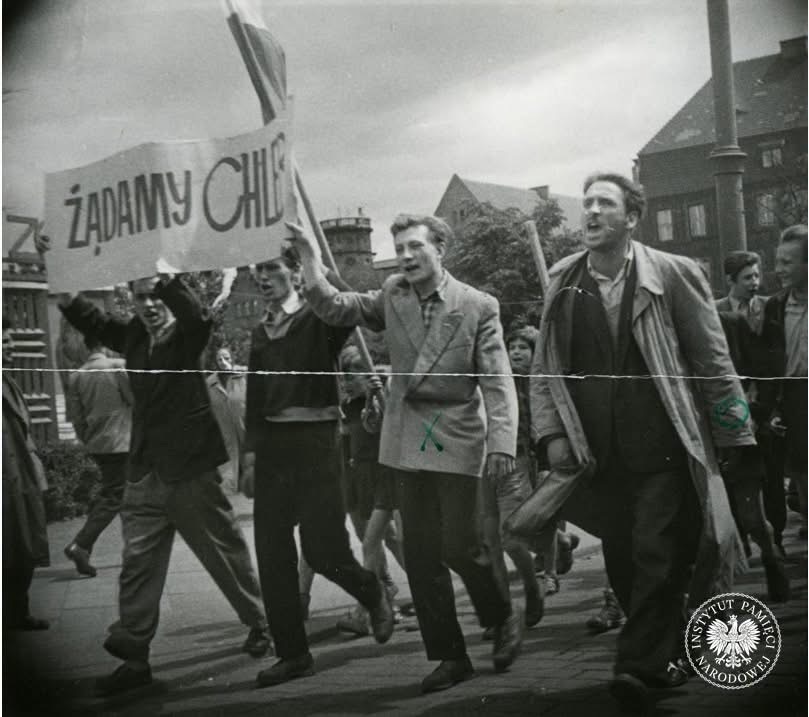
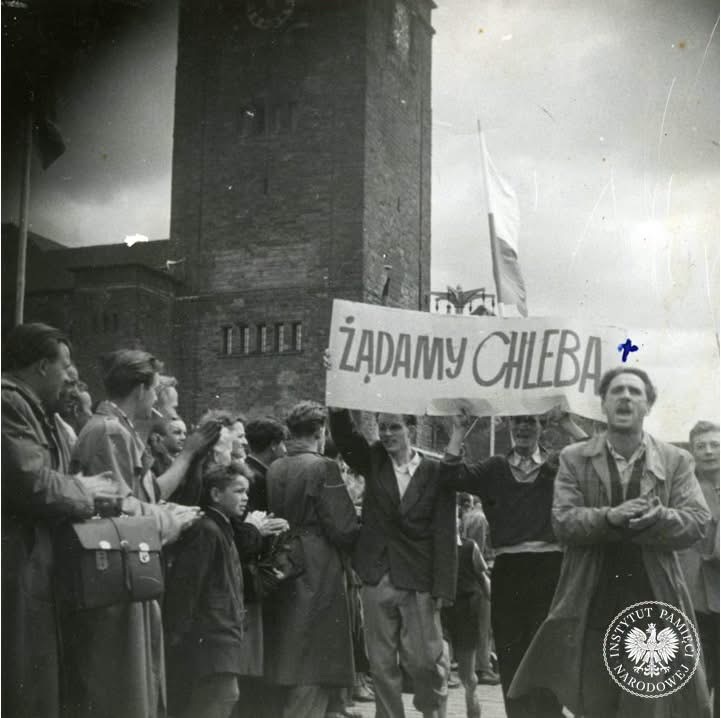
Thousands of workers from the Cegielski Works and other factories marched through the streets carrying banners and chanting powerful slogans:
“We want bread!”
“We are hungry!”
“Away with workforce exploitation!”
“We want a free Poland!”
“Freedom!”
“Away with Bolshevism!”
“We demand free elections under UN control!”
“Away with the Russians!”
These were not merely economic demands. They reflected the deep frustration of a nation living under a communist regime imposed after the Second World War. The Polish United Workers’ Party claimed to represent workers while systematically denying them fair wages, decent working conditions and basic human rights.
The authorities responded with overwhelming force. Tanks rolled into the streets of Poznań, and soldiers opened fire on civilians. According to the findings of the Institute of National Remembrance, 58 people lost their lives, hundreds were wounded, and many more were arrested and persecuted. Among the victims was 13-year-old Romek Strzałkowski, whose death became one of the enduring symbols of communist brutality.
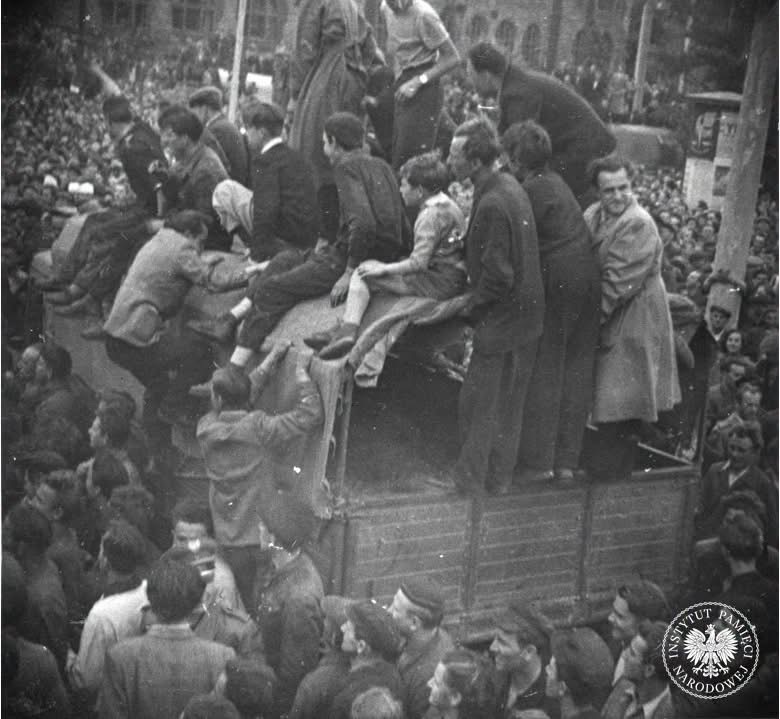
Although the uprising was crushed, it marked a turning point in Poland’s post-war history. Poznań June shattered the myth that communist rule enjoyed the support of the working class. It revealed that the regime could maintain power only through violence and intimidation.
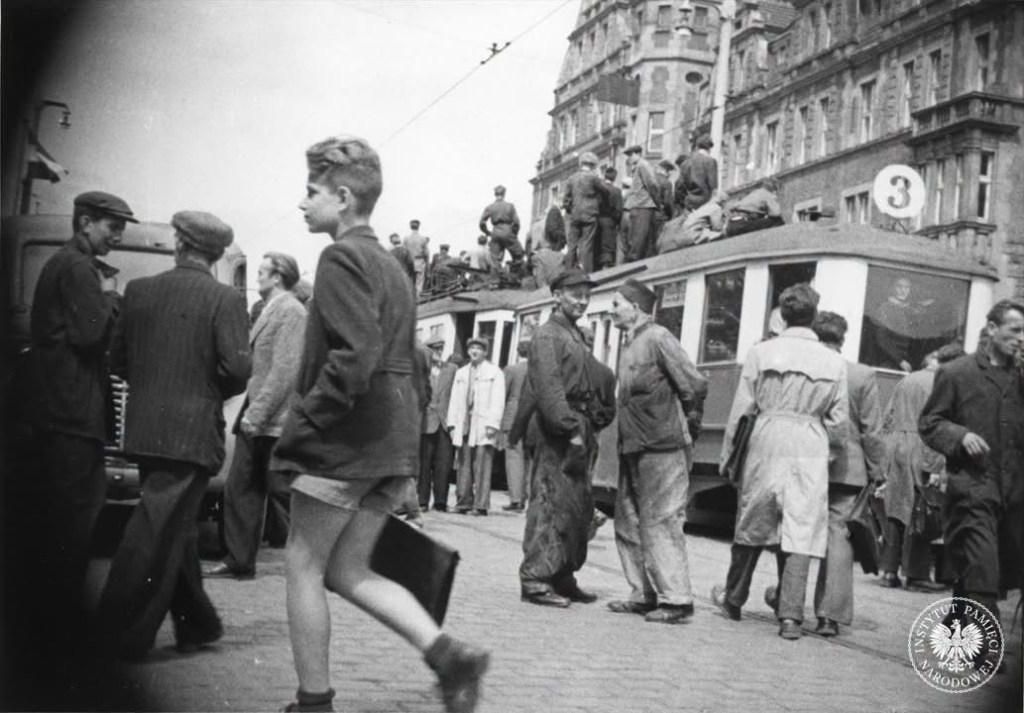
The spirit of Poznań did not die in 1956. The sacrifices made by the workers inspired later generations to continue the fight for freedom. The student protests of 1968, the workers’ uprisings on the Baltic Coast in 1970, the demonstrations of 1976, the birth of the Solidarity movement in 1980, and the resistance during Martial Law in 1981 all formed part of the same struggle.
Each protest built upon the experience of those that came before. Workers and intellectuals learned to cooperate, society became increasingly united, and the communist authorities found it ever more difficult to silence the growing opposition. By 1980, nearly ten million Poles had joined Solidarity, creating the largest independent trade union in the communist world.
Within a decade, the communist system in Poland collapsed. The courage shown by the people of Poznań in June 1956 had helped set in motion the chain of events that ultimately restored Poland’s freedom and sovereignty.
Today, seventy years later, Poznań June remains a lasting reminder that the desire for liberty cannot be extinguished by force. It teaches that even when a struggle begins over bread, wages or working conditions, it can become a fight for something far greater—the right to live in freedom, truth and dignity.
As we commemorate the heroes of Poznań June 1956, we honour all those who stood against tyranny and remember that the freedoms enjoyed today were won through extraordinary courage and sacrifice.
Glory to the Heroes of Poznań June 1956. We remember.
Text: Polish Sue.
Source: Institute of National Remembrance.
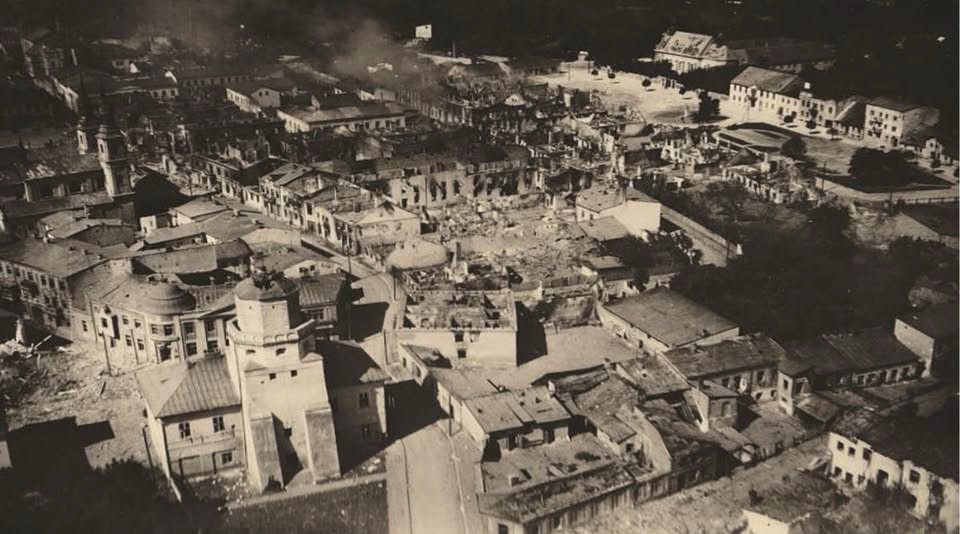
Photo: Institute of National Remembrance.



Leave a comment