
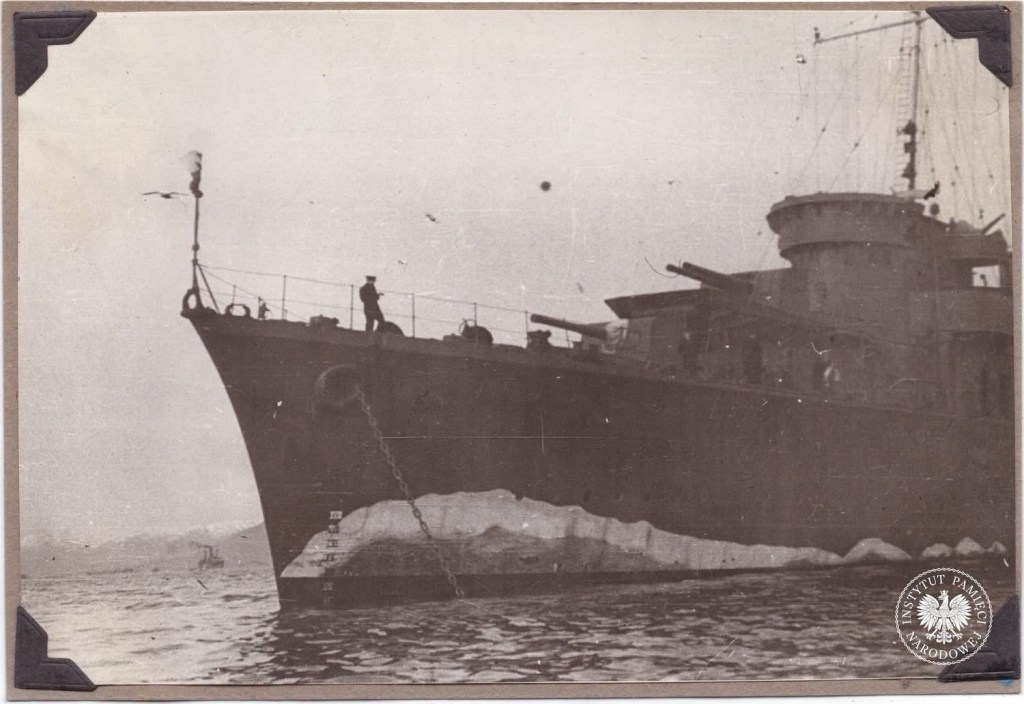
Twenty years ago, on 28 June 2006, a historic ceremony took place in Gdynia, Poland, marking the signing of a partnership agreement between two legendary Second World War destroyers: the Polish ORP Błyskawica and the Canadian HMCS Haida. The partnership was formally completed on 22 September 2007 during a second ceremony in Hamilton, Ontario, Canada.
It was a fitting alliance between two ships whose wartime records have become the stuff of naval legend.
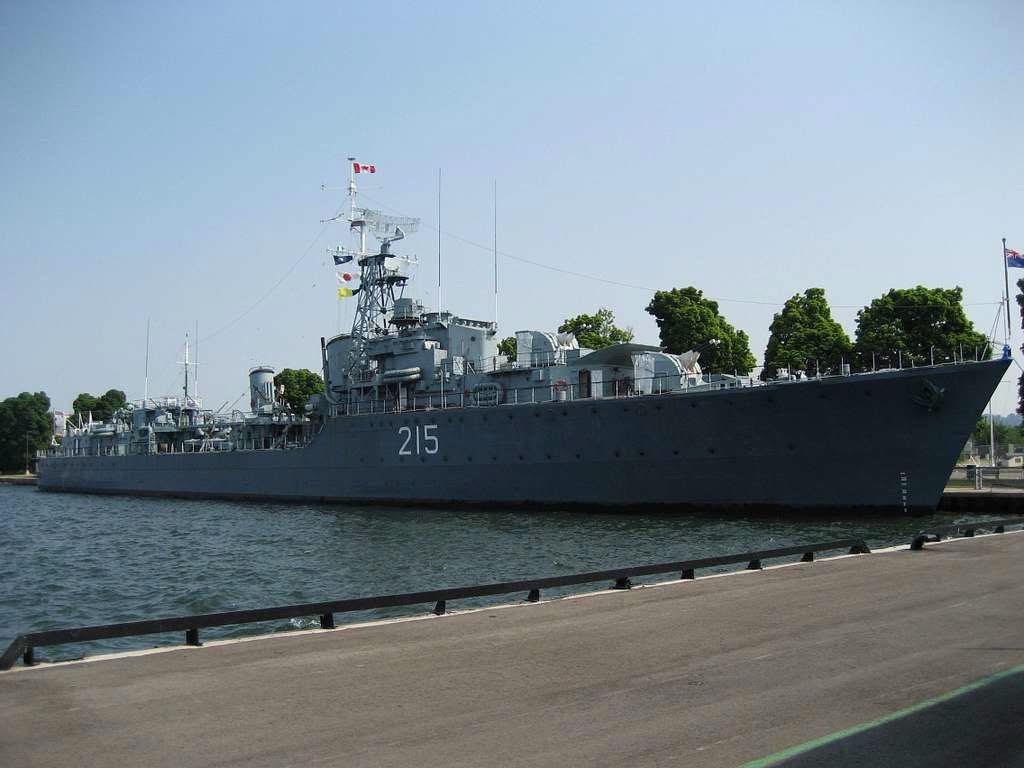
Today, ORP Błyskawica is the oldest preserved destroyer in the world, while HMCS Haida is the last surviving Tribal-class destroyer. Both now serve as museum ships—Błyskawica in Gdynia and Haida in Hamilton—preserving the shared naval heritage of Poland, Canada, and the Allied victory in the Second World War.
Fighting Together in the Atlantic
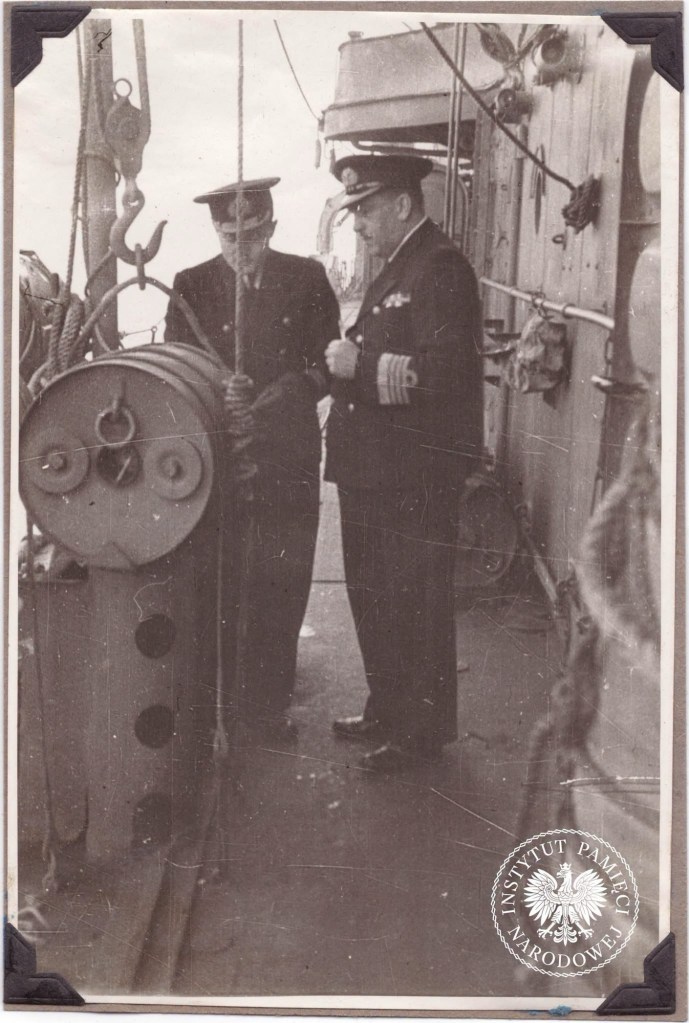
From May to September 1944, Błyskawica and Haida served side by side as part of the 10th Destroyer Flotilla. Operating in the English Channel and Bay of Biscay, they participated in numerous offensive patrols against German naval forces.
One of their most successful actions came in July 1944, when the two destroyers intercepted a German convoy near Lorient, Brittany. During the engagement they destroyed two German submarine chasers, sank a merchant vessel, and set two additional cargo ships ablaze.
Their cooperation demonstrated the close relationship between Allied navies and the important contribution made by the Polish Navy in exile alongside the Royal Navy and the Royal Canadian Navy.
ORP Błyskawica – Poland’s Legendary Destroyer
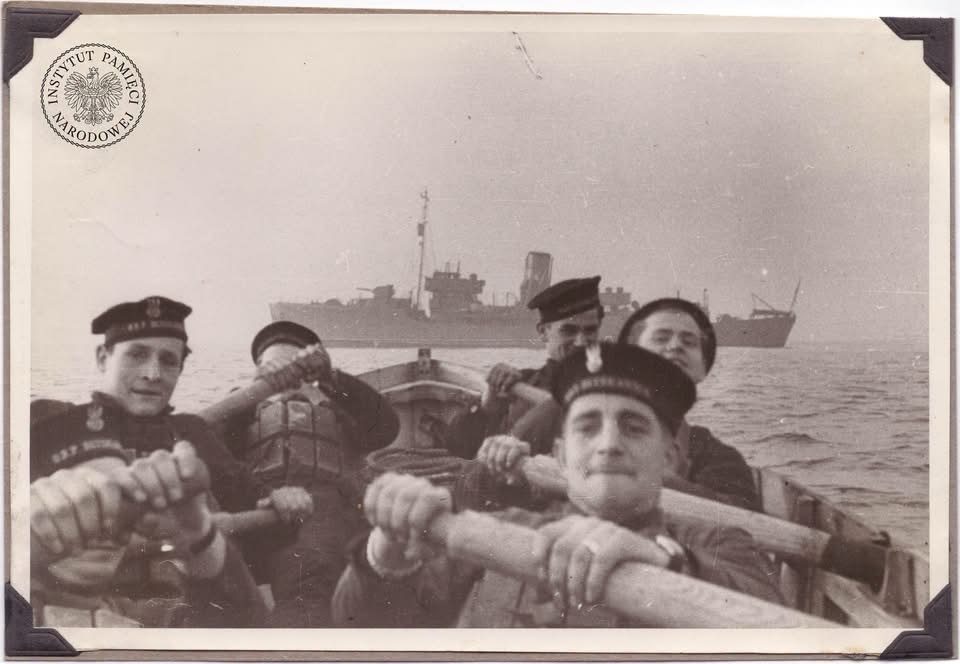
Built on the Isle of Wight in 1935–1936, ORP Błyskawica, together with her sister ship ORP Grom, was among the fastest and most powerfully armed destroyers of her era.
She remains unique in naval history as the only Allied warship to serve throughout the entire Second World War and is also the only vessel of the Polish Navy ever awarded the Virtuti Militari, Poland’s highest military decoration for bravery.
Only hours before Germany invaded Poland on 1 September 1939, Błyskawica departed the Baltic under Operation Peking, sailing alongside ORP Grom and ORP Burza. Escorted by British destroyers HMS Wallace and HMS Wanderer, the Polish ships safely reached Britain, where they immediately joined the Allied war effort.
On 7 September 1939, Błyskawica probably became the first Polish destroyer to attack a German submarine.
During the war she fought in the Norwegian Campaign, participated in the Dunkirk evacuation, escorted Atlantic convoys, operated in the Mediterranean, and took part in countless patrols across European waters. During her wartime service she damaged or probably sank three submarines, shot down four (possibly as many as seven) enemy aircraft, and, together with Allied ships, destroyed numerous German destroyers and merchant vessels.
Saving Cowes
Perhaps Błyskawica’s most famous action came during the night of 4–5 May 1942.
While undergoing repairs in dry dock at Cowes on the Isle of Wight, her commanding officer, Commander Wojciech Francki, ignored orders to remove every round of ammunition from the ship before repairs began. His decision would prove critical.
When the Luftwaffe launched a devastating air raid against Cowes, the Polish crew rushed to battle stations. For nearly two hours they fired continuously, cooling the overheated gun barrels with water pumped directly from the river.
The intensity of the anti-aircraft barrage forced German bombers to remain at higher altitudes, greatly reducing the accuracy of their bombing. The crew also laid a smoke screen across the harbour, making it difficult for enemy pilots to identify their targets.
After the raid, Polish sailors came ashore to extinguish fires and assist the wounded.
Apart from local anti-aircraft units and a small number of Free French soldiers, Błyskawica’s crew formed the principal defence of the town that night. Their courage saved Cowes from catastrophic destruction—a feat still remembered with gratitude on the Isle of Wight.
HMCS Haida – Canada’s Fightingest Ship
Launched in August 1942, HMCS Haida quickly established an extraordinary combat record.
Nicknamed “The Fightingest Ship in the Royal Canadian Navy,” Haida destroyed—either independently or alongside Allied vessels—fourteen enemy ships, more than any other Canadian warship. She also became the most highly decorated ship in Canadian naval history.
Serving primarily as an escort and screening destroyer, Haida played a significant role in the Battle of the Atlantic, protecting vital Allied shipping lanes against German submarines and surface raiders.
Together with her sister ship HMCS Huron, she also participated in one of the Royal Canadian Navy’s final combat operations of the war between 29 April and 2 May 1945, successfully evading German submarine torpedo attacks.
After the war, Haida served with distinction during the Korean War before eventually being retired.
Although scheduled for scrapping, public support led to the formation of a preservation committee. For nearly forty years she served as a popular attraction in Toronto, famously firing ceremonial salutes during performances of Tchaikovsky’s 1812 Overture by the Toronto Symphony Orchestra.
Following extensive restoration, Haida found her permanent home in Hamilton, Ontario, where she remains one of Canada’s finest naval museums.
A Shared Commander
One of the lesser-known links between these two famous destroyers is Commander Konrad Namieśniowski, who commanded ORP Błyskawica during the period when she served alongside Haida.
After the war he settled in Britain before emigrating to Canada in 1949. Between 1954 and 1961, he served in the Royal Canadian Navy with the rank of Captain, further strengthening the remarkable connection between Poland and Canada.
Preserving a Shared Legacy
The partnership between HMCS Haida and ORP Błyskawica represents far more than a ceremonial agreement. It symbolises the enduring friendship forged in war between Polish and Canadian sailors who fought together for freedom.
Today, these museum ships continue to educate new generations about courage, sacrifice, and Allied cooperation during the Second World War.
Whether visiting Hamilton or Gdynia, stepping aboard either destroyer offers a unique opportunity to experience one of the most remarkable stories in naval history—and to remember the men who served aboard these legendary ships.
by: Iwona Golińska. Polish Sue.
Source: Institute of National Remembrance.




Leave a comment