
On 11 July, Poland observes the National Day of Remembrance for Poles – Victims of the Genocide Committed by the OUN and UPA in the Eastern Territories of the Second Polish Republic. Established by an Act of the Polish Parliament on 4 June 2025, this national day honours the memory of more than one hundred thousand Polish citizens who were murdered during one of the darkest chapters of the Second World War.
The date commemorates the anniversary of “Bloody Sunday” – 11 July 1943 – when units of the Organization of Ukrainian Nationalists (OUN), the Ukrainian Insurgent Army (UPA) and associated nationalist formations carried out coordinated attacks on approximately one hundred Polish villages across Volhynia. Many of the attacks took place while families were attending Sunday Mass.
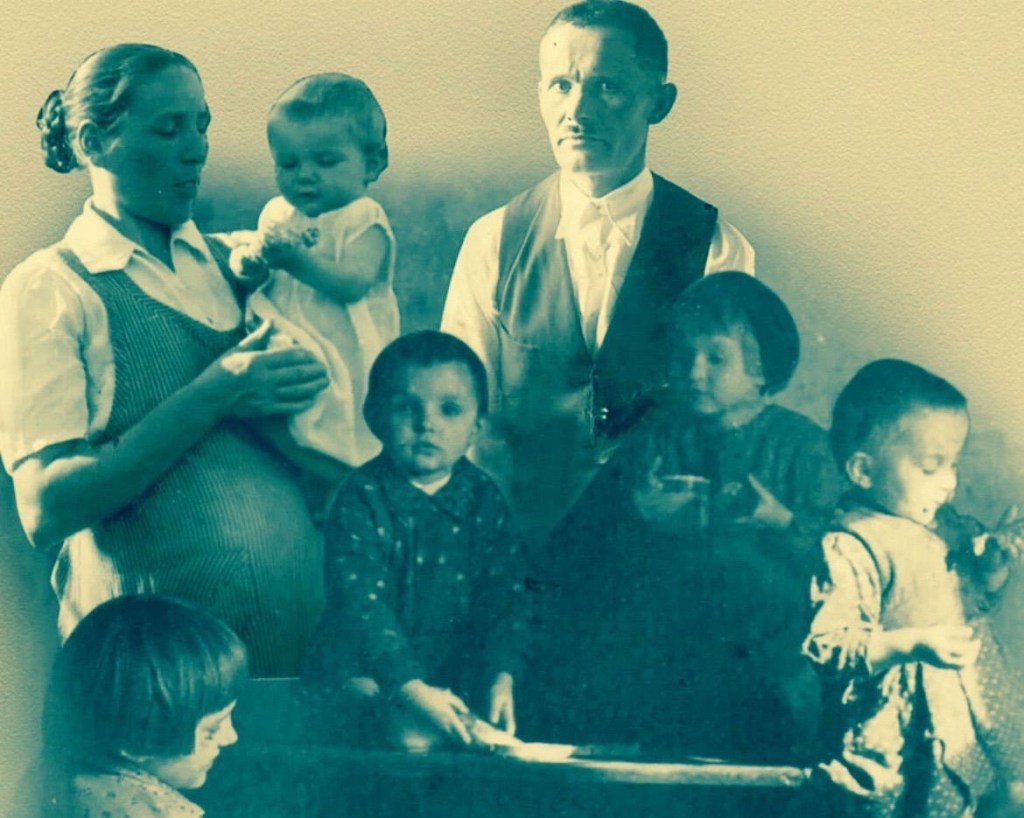
The victims were overwhelmingly civilians. Men, women, children and the elderly were murdered solely because they were Polish. Entire villages were burned to the ground, churches were attacked, homes were destroyed and generations of families were wiped out. Those who survived were often forced to flee their ancestral homes, leaving behind everything they had known.
According to the Polish Parliament, between 1939 and 1946 Ukrainian nationalist organisations committed acts of genocide against the Polish population living in the eastern provinces of the Second Polish Republic, including Volhynia, Eastern Galicia, Polesie, as well as areas that today form part of south-eastern Poland. Recent estimates by Polish historians indicate that more than 120,000 Polish citizens may have lost their lives.
For Poland, these crimes constitute genocide and are recognised as such in Polish law. This designation reflects the scale, intent and systematic nature of the massacres directed against the Polish civilian population.
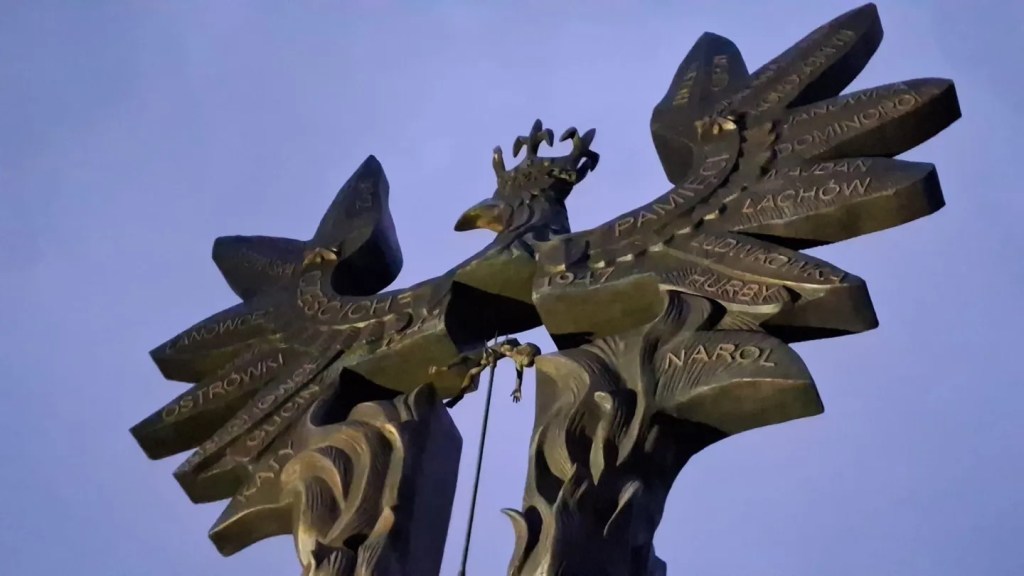
More than eighty years later, however, this remains one of the most sensitive issues in Polish–Ukrainian relations. While Poland officially recognises these crimes as genocide, Ukraine has not officially recognised them as genocide, and historical interpretations continue to differ. Furthermore, some figures associated with the OUN and UPA continue to be honoured in parts of Ukraine as national heroes for their role in the struggle for Ukrainian independence. For many Poles, whose families suffered unimaginable losses, this remains deeply painful.
Reconciliation between nations requires honesty. It cannot be built upon silence, selective memory or the omission of historical facts. Acknowledging the suffering of innocent civilians does not diminish the suffering endured by others during the Second World War. On the contrary, it strengthens our shared commitment to human dignity, justice and historical truth.
The National Day of Remembrance is not a day of hatred. It is a day of reflection, prayer and respect for innocent victims. It reminds us that nationalism, ethnic hatred and intolerance can lead to unimaginable atrocities if left unchecked.
For the Polish diaspora around the world, preserving the memory of the victims is an important part of safeguarding our national heritage. Many descendants of survivors continue to carry family memories of the Eastern Borderlands, ensuring that the stories of those who perished are never forgotten.
We Paid Tribute to the Victims of the Volhynia Genocide at Domostawa – link below:
Editorial Note from Polish Sue
At Polish Sue, we believe that remembering history is both a responsibility and a duty owed to those who can no longer speak for themselves.
More than eight decades after the Volhynia massacres, many victims still lie in unidentified or unmarked graves. Thousands of families have never had the opportunity to recover the remains of their loved ones or provide them with a dignified Christian burial.
We support continued historical research, unrestricted archaeological and exhumation work, and the respectful commemoration of every victim, regardless of where they are buried. Historical truth should never become a casualty of politics.
We also hope that Poland and Ukraine will continue a sincere dialogue based on documented historical evidence. Genuine reconciliation is possible only when the suffering of all innocent victims is acknowledged with honesty, compassion and respect.
On 11 July, we invite our readers to pause for a moment of remembrance. Light a candle, attend a memorial service, say a prayer, or simply remember the innocent men, women and children whose lives were taken because of their nationality.
Their names may not all be known.
Their graves may not all have been found.
But their memory lives on.
Truth. Memory. Justice.
Lest We Forget.
Text / Photos: POLISH SUE



Leave a Reply