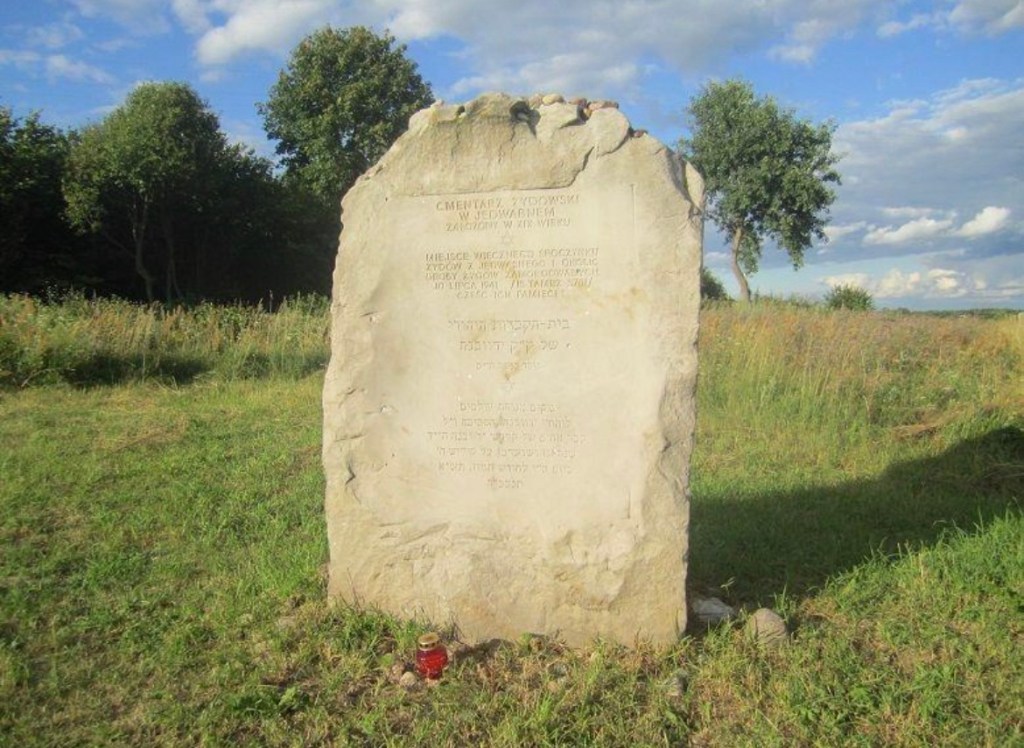
Every year, Poland commemorates the victims of the massacre in Jedwabne, a tragedy that took place on 10 July 1941 during the German occupation of Poland.
The events in Jedwabne remain among the most painful and controversial chapters of the history of the Second World War. Hundreds of Jewish residents of the town were murdered, with many victims locked inside a barn that was subsequently set on fire.
For decades, the circumstances surrounding the massacre were the subject of intense historical debate. Following an extensive investigation, Poland’s Institute of National Remembrance (IPN) concluded that the crime was carried out under German occupation, inspired and supervised by German authorities, with the participation of a group of local Polish residents. Germany, as the occupying power, exercised complete control over the territory and created the conditions in which such crimes occurred.
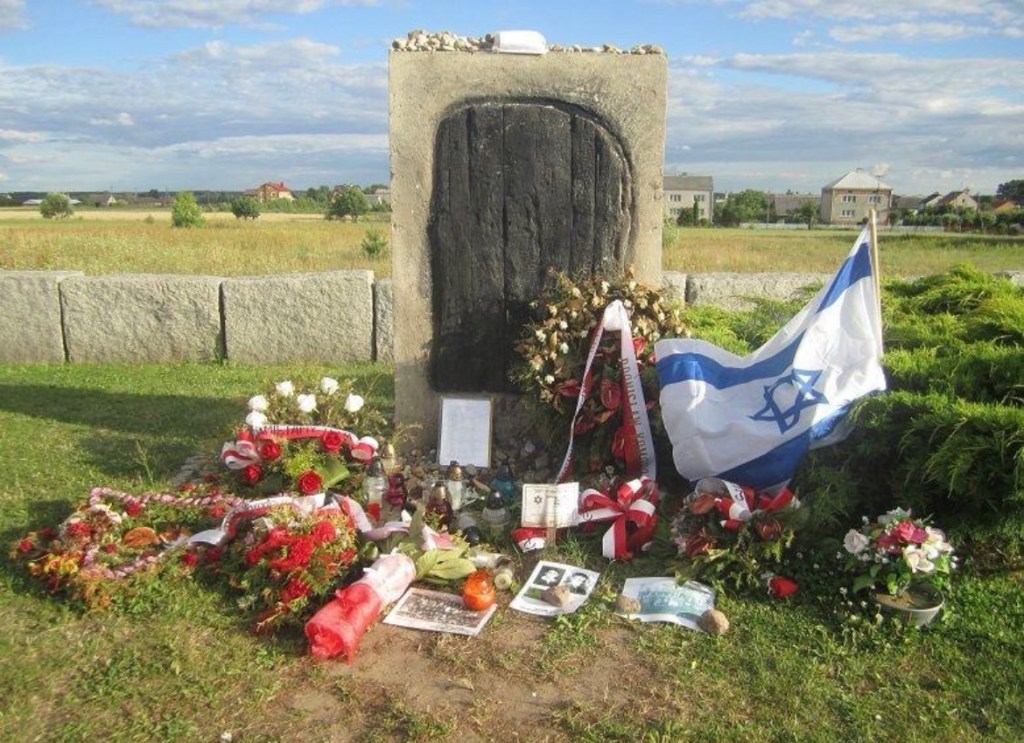
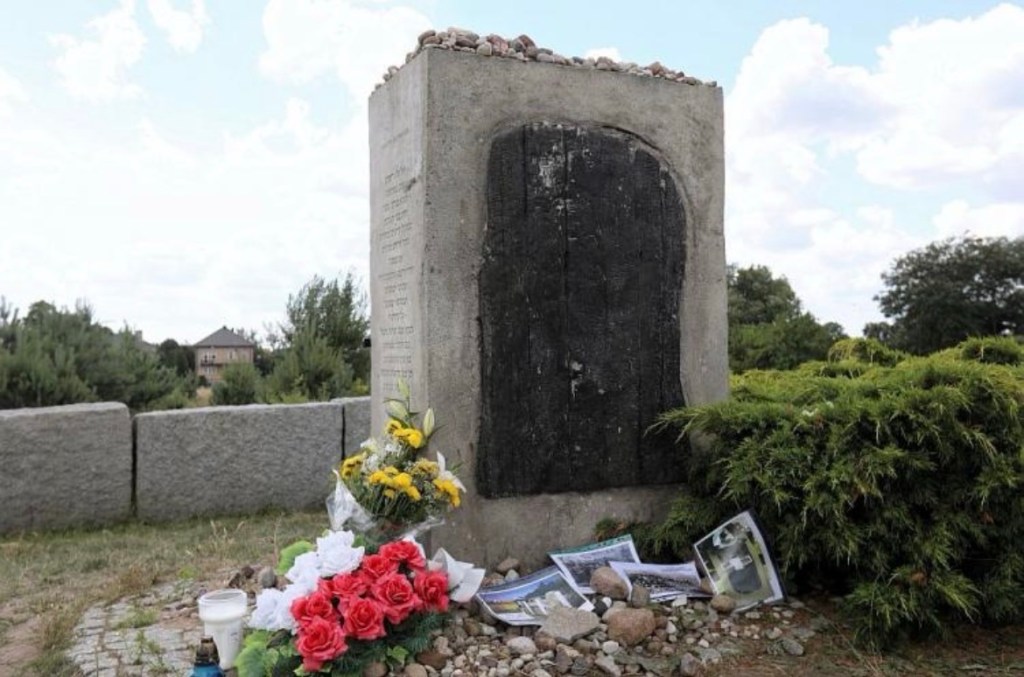
The memorial stands near the site where the massacre took place and bears inscriptions in Polish, Hebrew, and Yiddish, honouring the Jews of Jedwabne and the surrounding area who were murdered there. It was unveiled in 2001, on the 60th anniversary of the massacre, replacing an earlier monument. Photo: Wikimedia
The exact number of victims has never been fully established. Current historical research estimates that approximately 340 Jewish men, women and children were murdered in Jedwabne. A full archaeological investigation was not completed because the exhumation was halted out of respect for Jewish religious law.
The massacre took place only weeks after Nazi Germany launched Operation Barbarossa, invading territories that had previously been occupied by the Soviet Union. As German forces advanced, anti-Jewish persecution intensified rapidly across the region. Similar atrocities occurred in a number of towns under German occupation, reflecting the brutal policies of Nazi Germany towards the Jewish population.
Today, the Jedwabne Memorial stands as a place of reflection and remembrance. Annual commemorations bring together representatives of the Polish state, Jewish organisations, religious leaders and local residents to honour the innocent victims.
Remembering Jedwabne is not only about confronting a painful chapter of history. It is about recognising the devastating consequences of hatred, antisemitism and totalitarian rule. It is also a reminder that historical truth must be pursued with honesty, supported by evidence and respectful scholarship.
Editorial Note
At Polish Sue, we believe that every innocent victim of the Second World War deserves to be remembered with dignity and respect.
The tragedy of Jedwabne reminds us that Nazi Germany’s occupation brought terror, persecution and death to millions of people across occupied Europe. It also reminds us that difficult chapters of history must be studied honestly and without political distortion.
Only through careful historical research, open dialogue and respect for documented evidence can future generations understand the complexity of the past and honour those who lost their lives.
May the victims of Jedwabne rest in peace, and may their memory endure for generations to come.
Text: Polish Sue
Photo: Wikimedia



Leave a comment