Bletchley Park, 25 July 2026
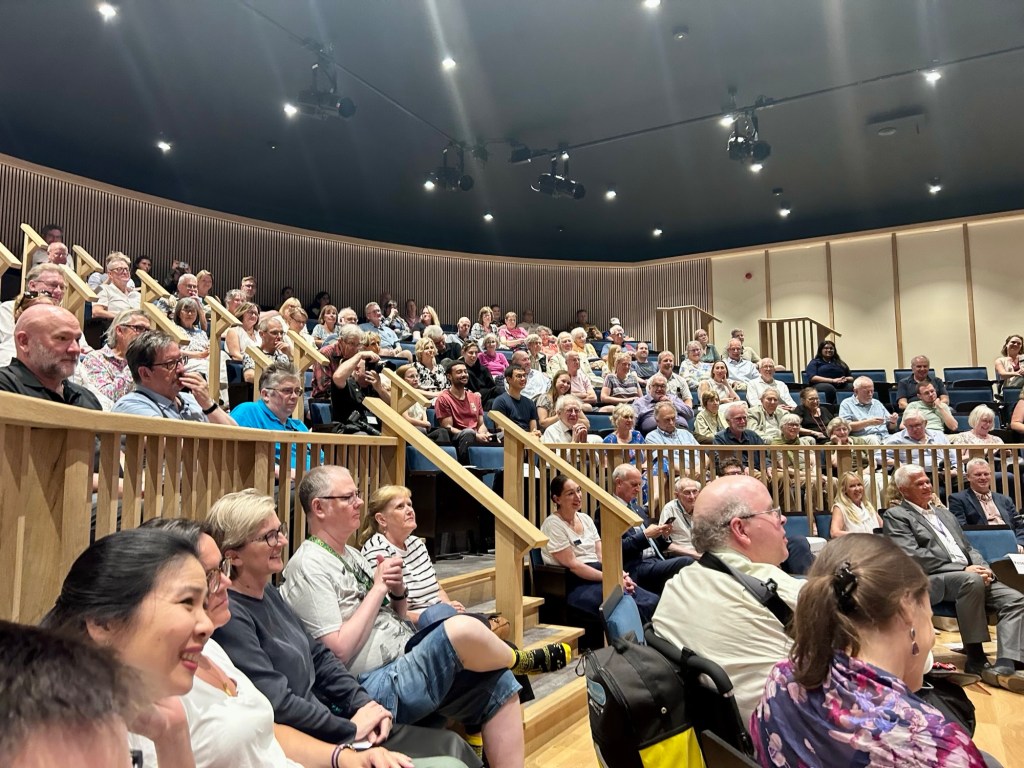
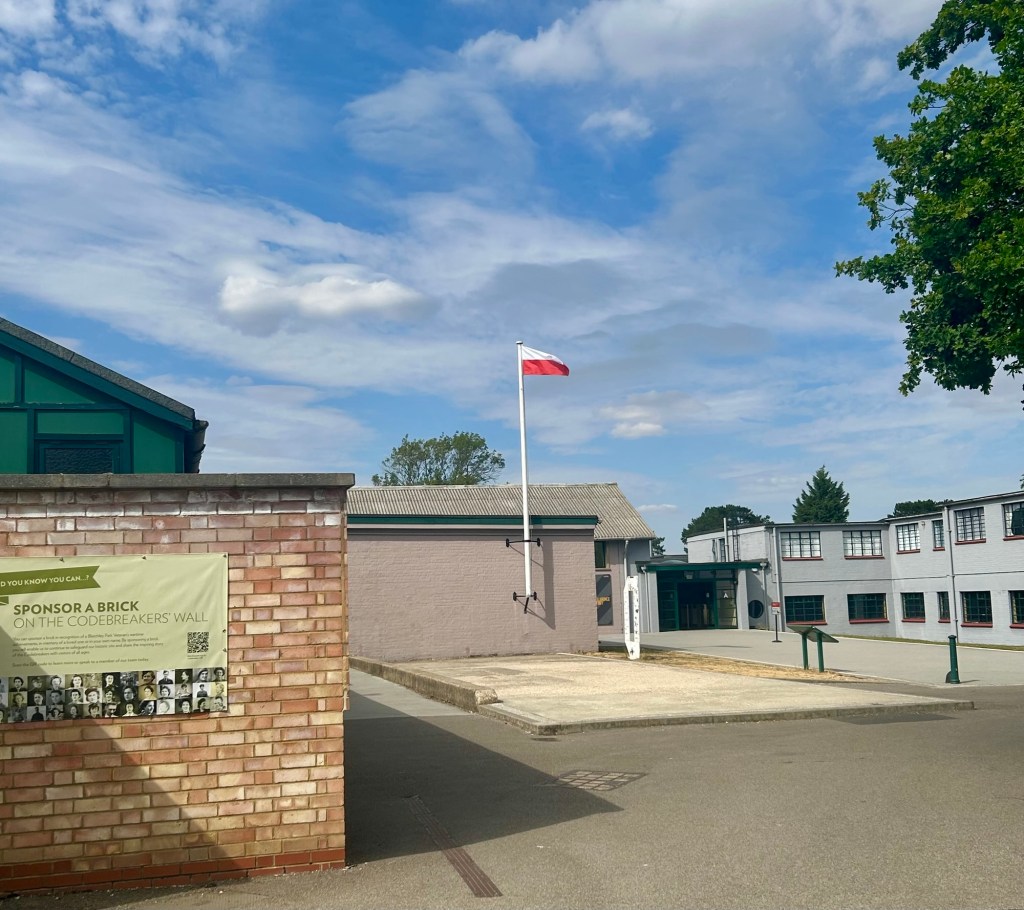
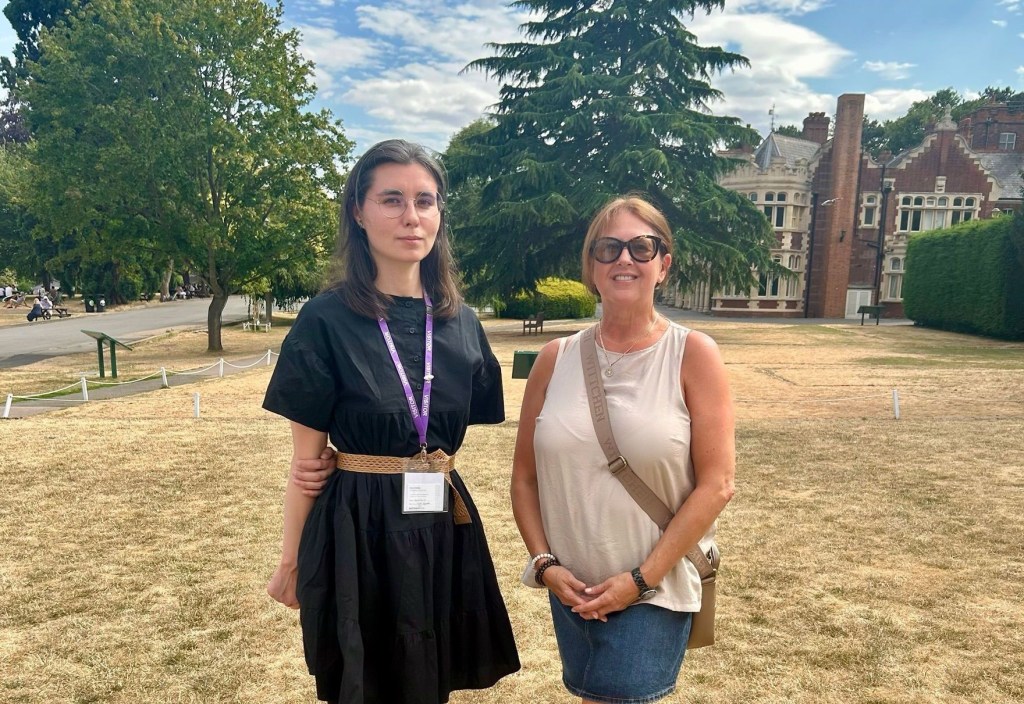
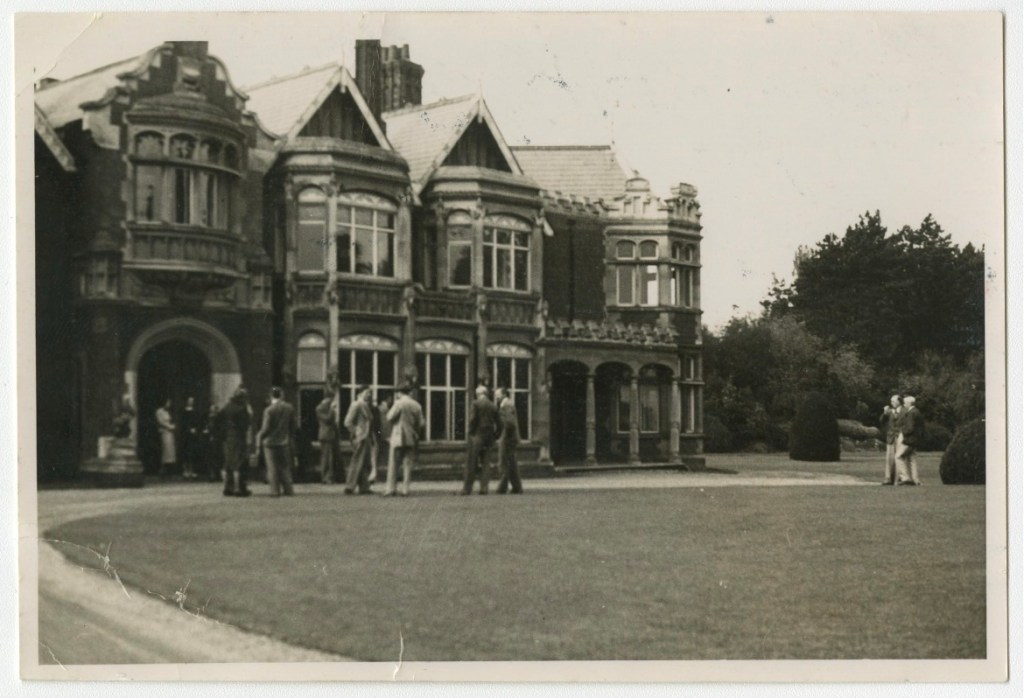
The inaugural Polish Codebreaking Festival at Bletchley Park was a remarkable celebration of one of the greatest, yet often overlooked, achievements of the Second World War.
Polish Sue Association’s President Iwona Golińska was honoured to attend this inspiring event, which highlighted the extraordinary contribution of Polish cryptologists whose groundbreaking work laid the foundations for the Allied success in breaking the German Enigma cipher.
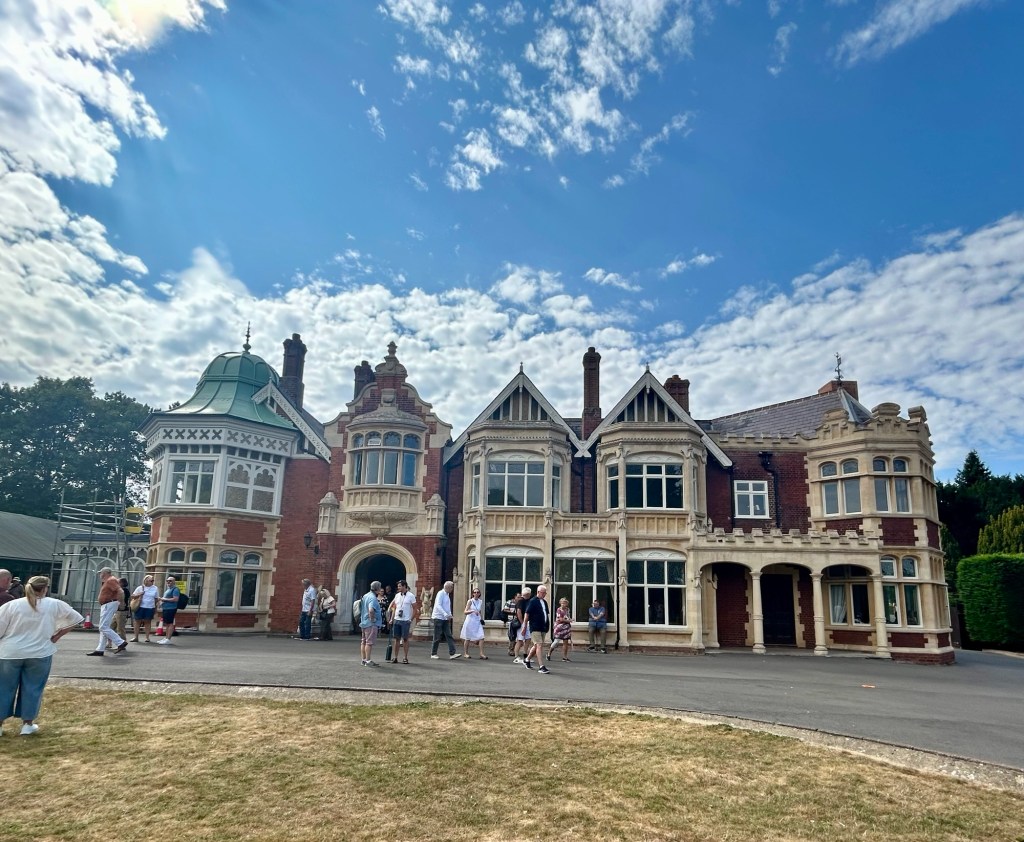
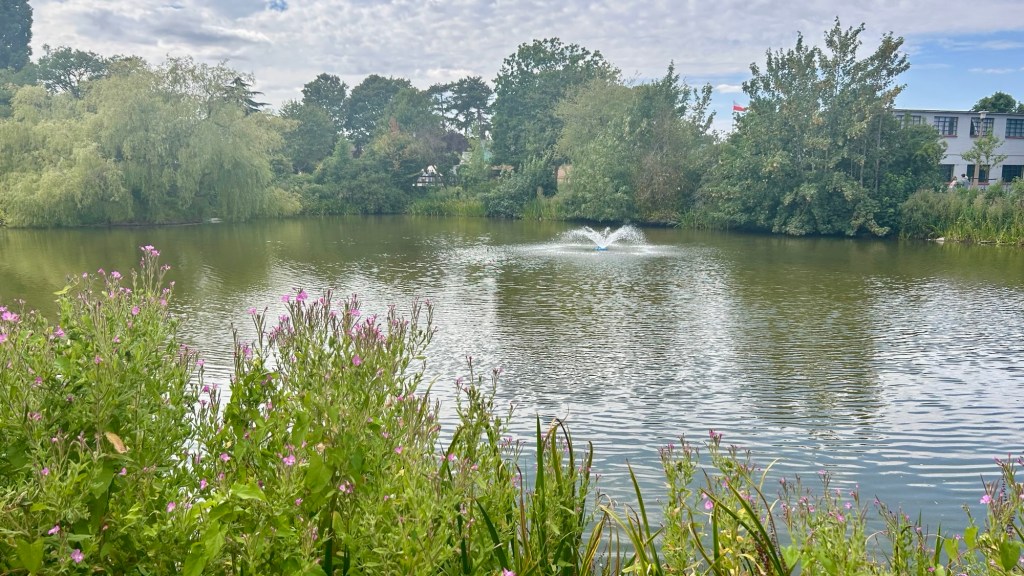
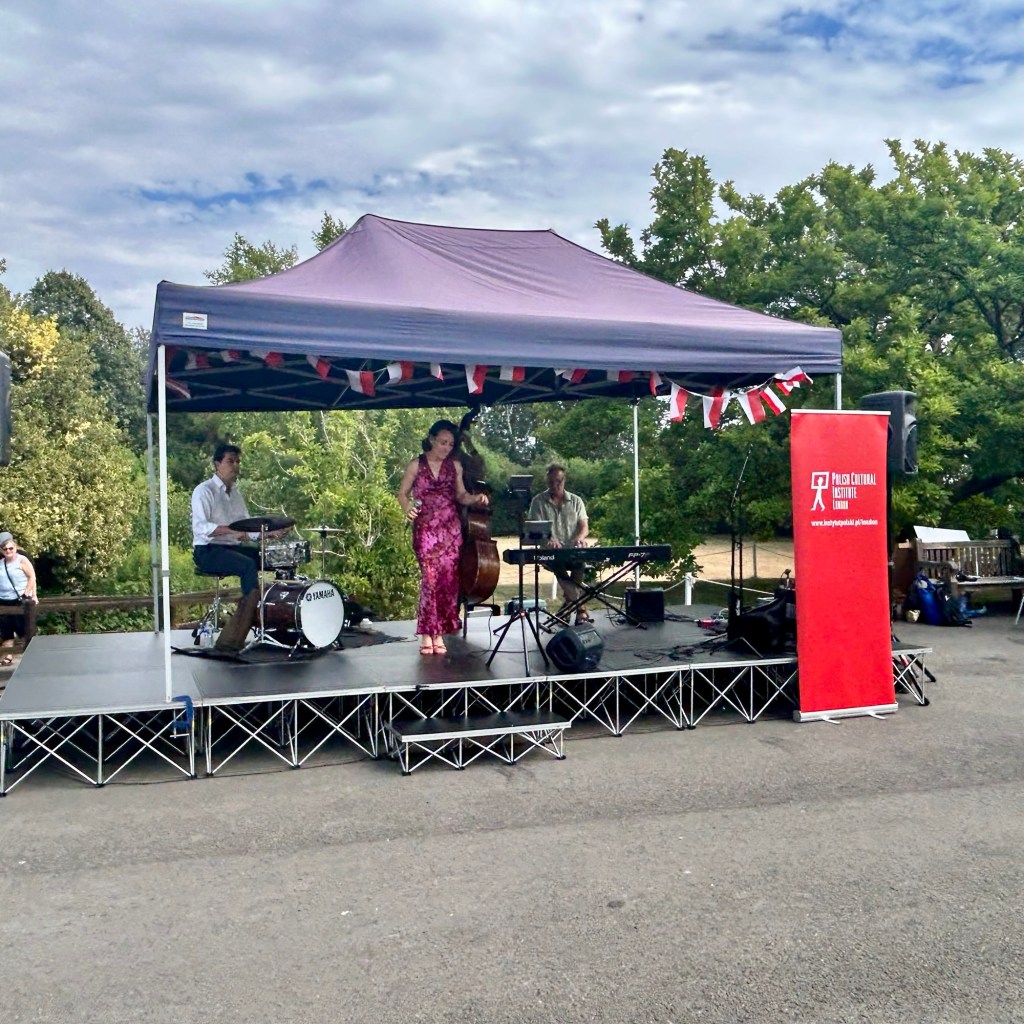
Organised by the Polish Cultural Institute in London, the Embassy of the Republic of Poland in London, and Centrum Szyfrów ENIGMA in partnership with Bletchley Park, the festival brought together historians, researchers, families and visitors eager to learn more about this remarkable chapter of British-Polish cooperation.
The Polish Embassy in London was represented by Consul General – Renata Kowalska and Consul Anna Tarnowska – Waszak.
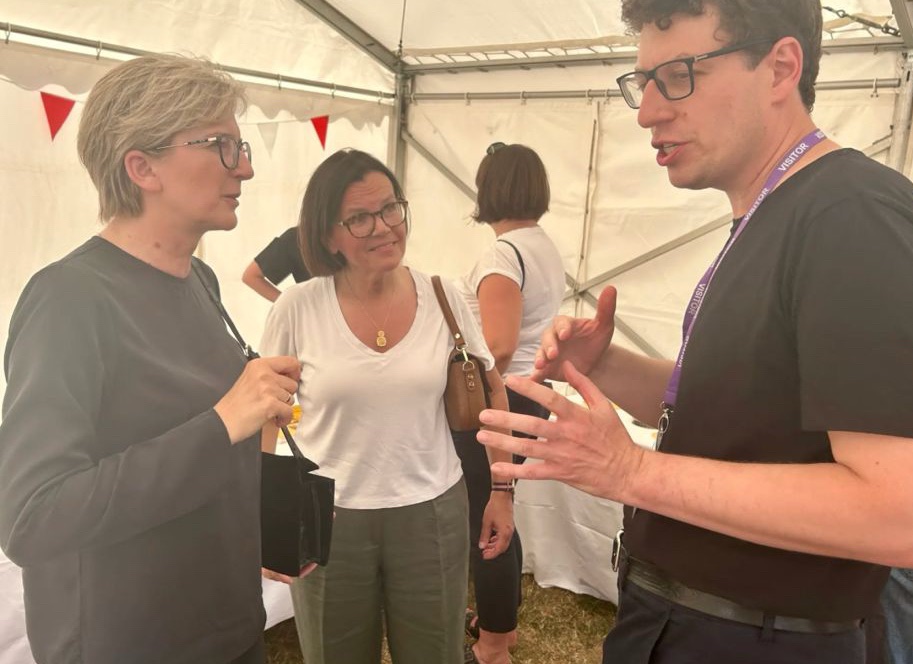
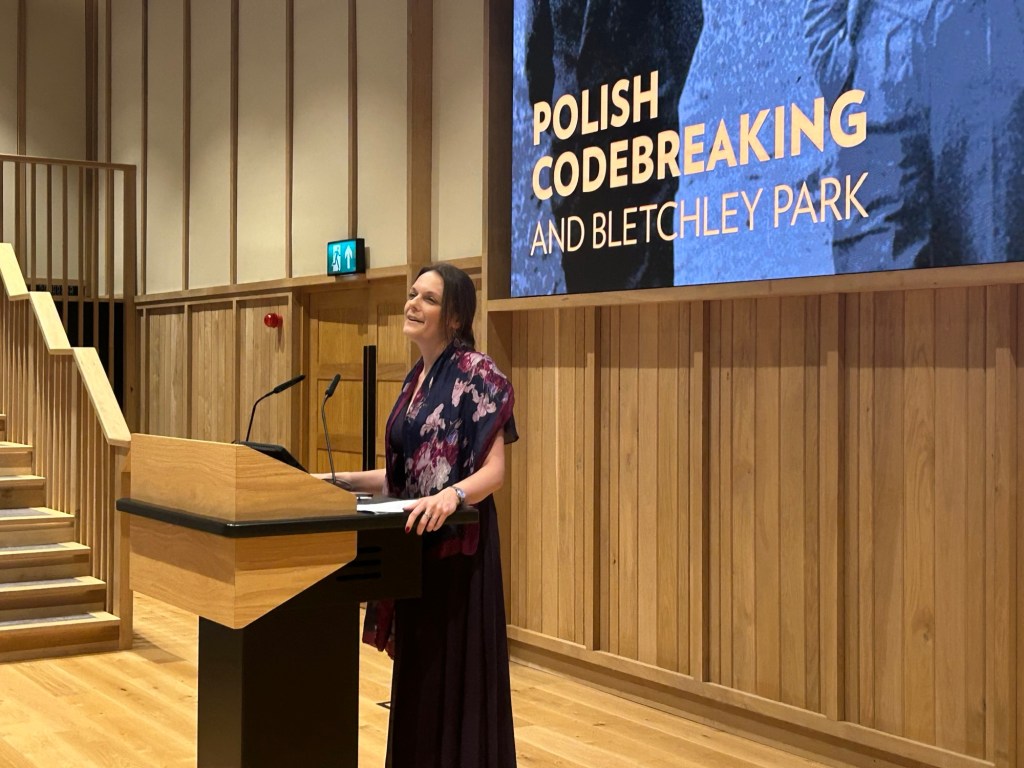
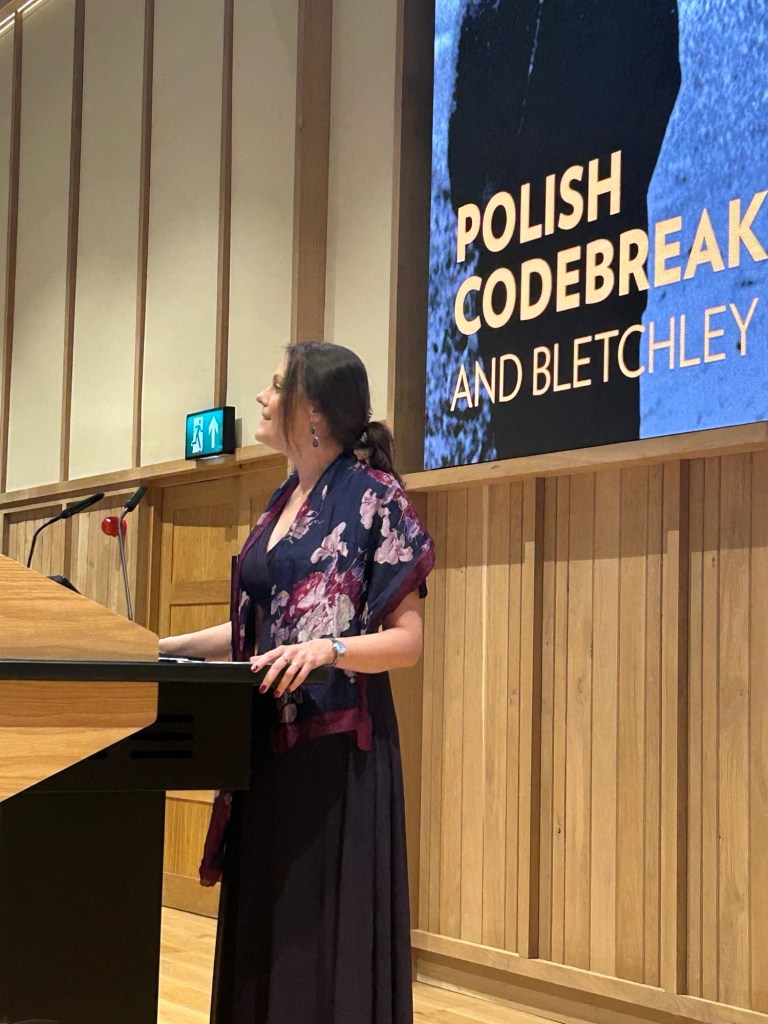
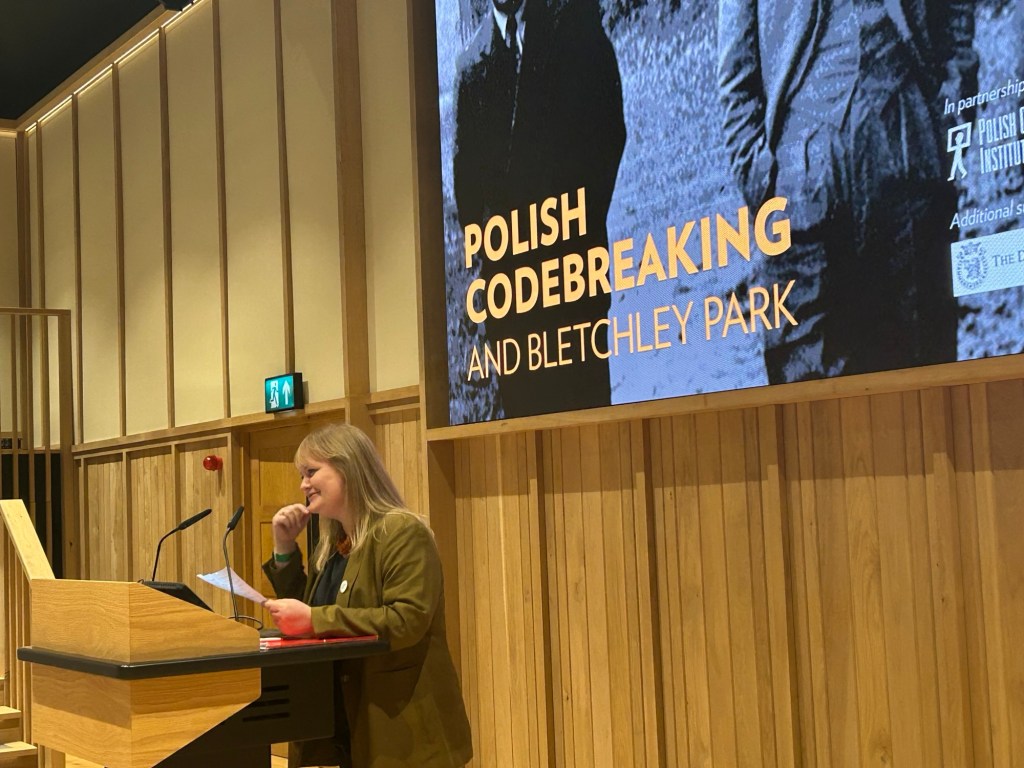
The afternoon’s highlight was the special event “Polish Codebreaking and Bletchley Park – Rediscovering a British-Polish WW2 Story.” The programme featured outstanding speakers including Dr Marek Grajek, renowned historian of cryptology, Sir Dermot Turing, historian and nephew of Alan Turing, and Dr David Kenyon, historian at Bletchley Park.
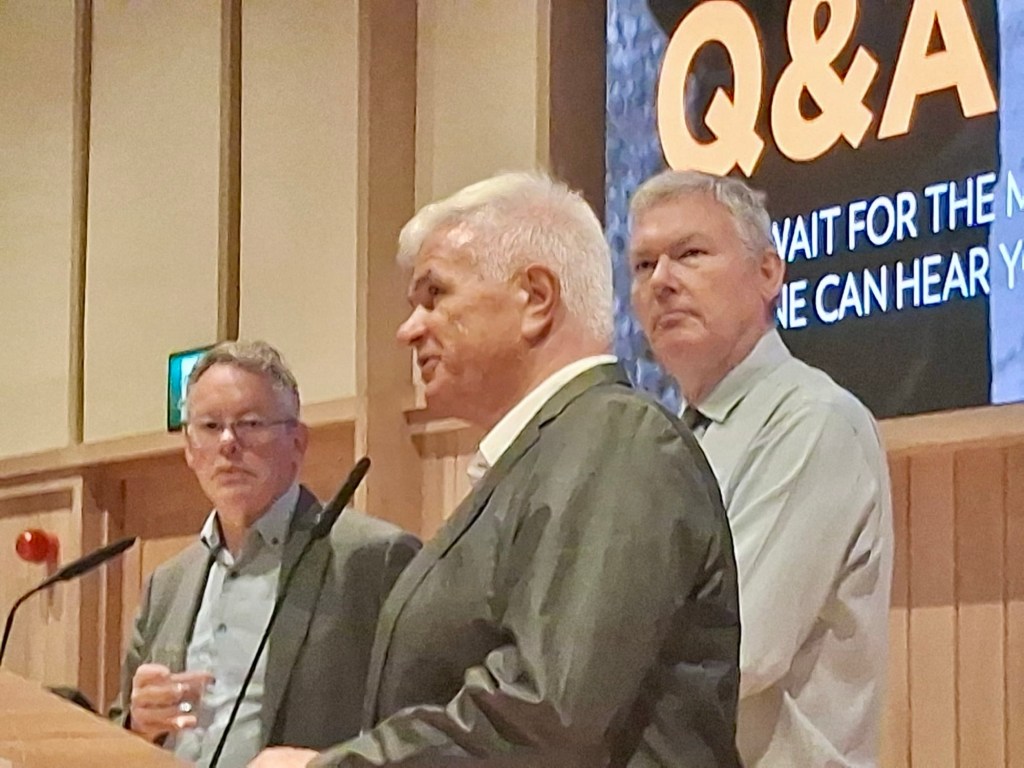
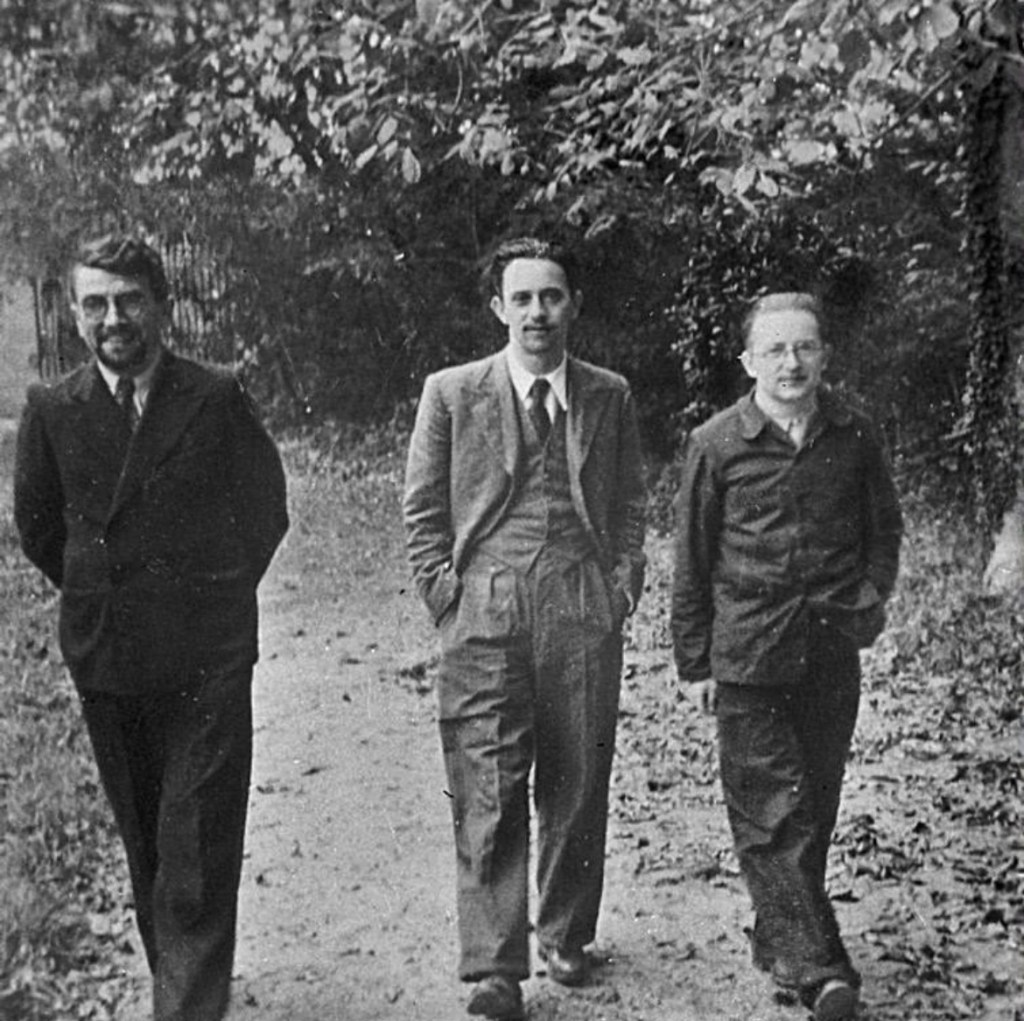
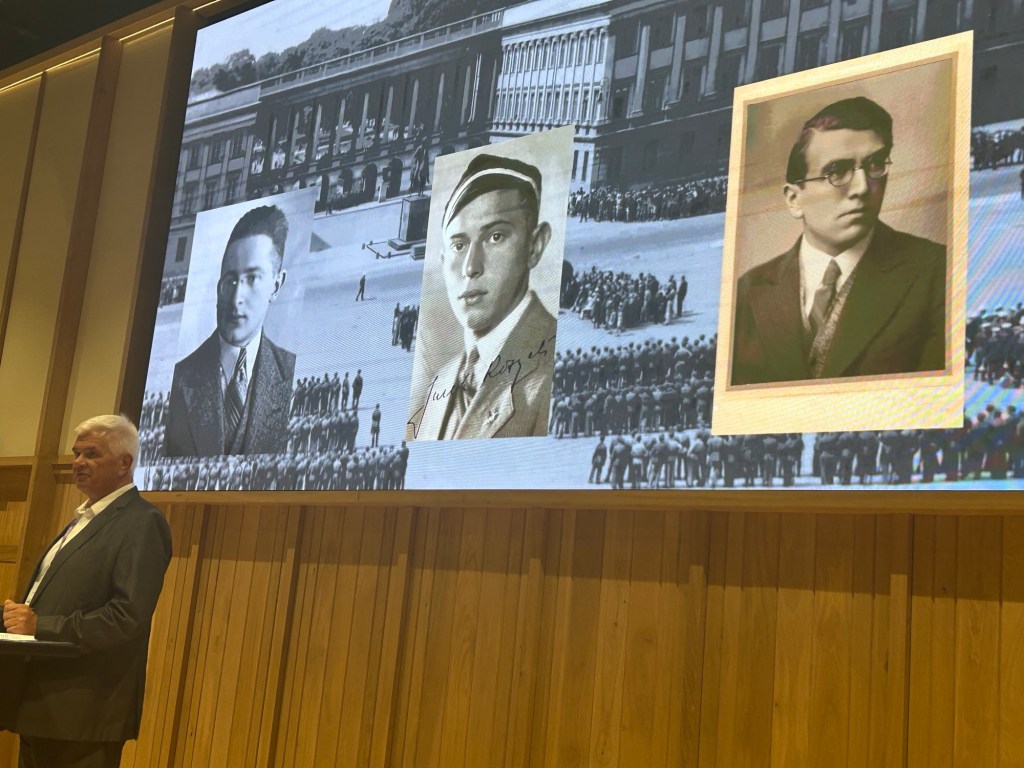
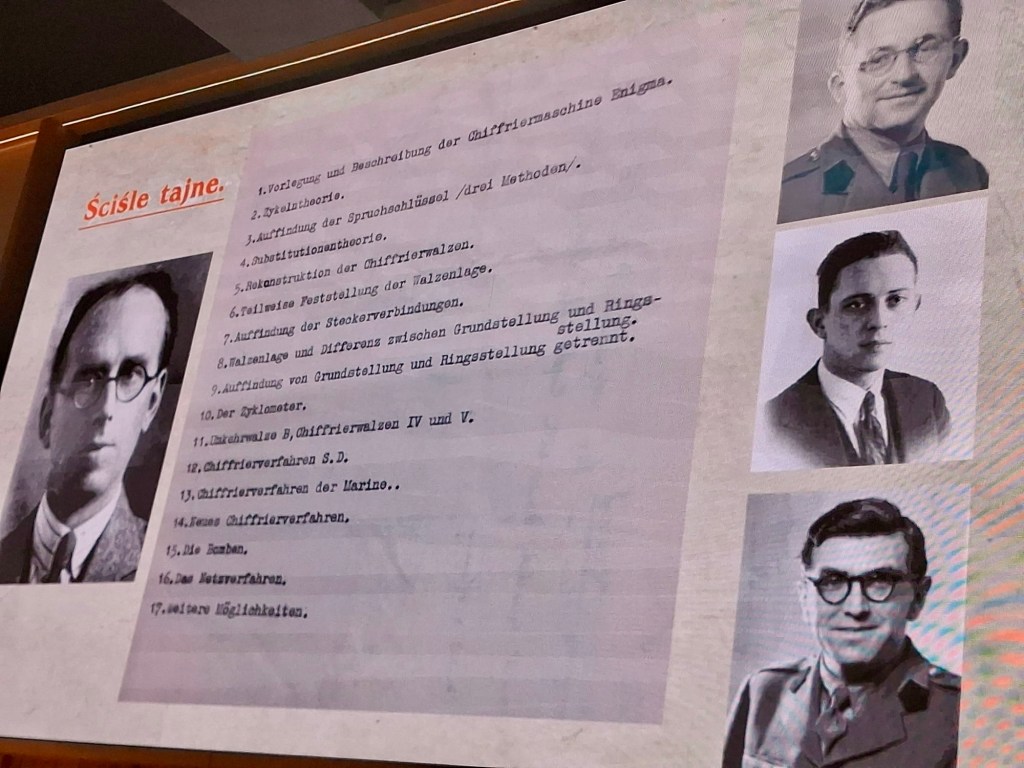
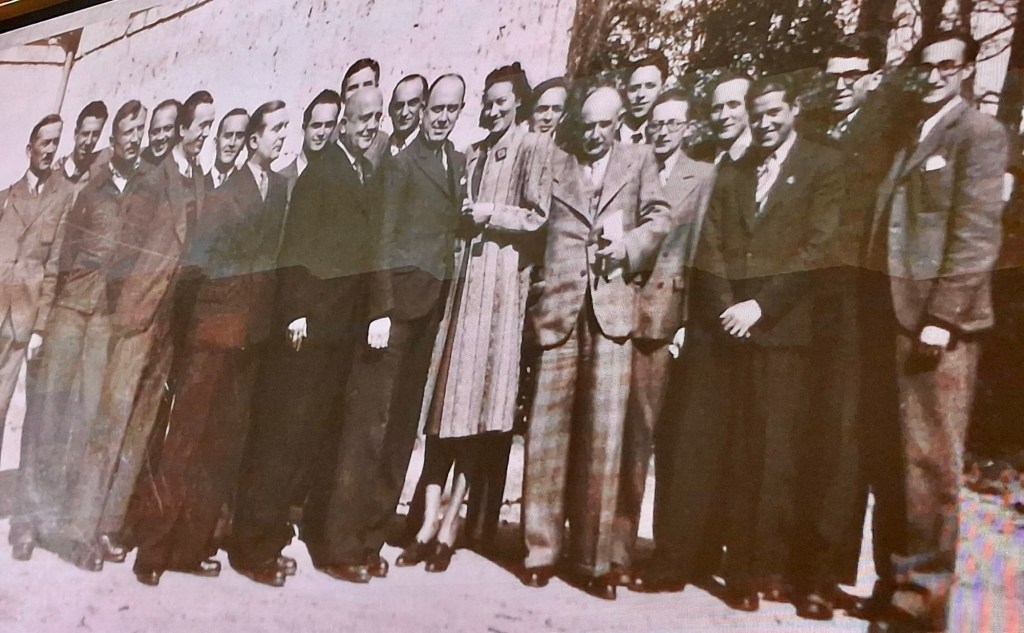
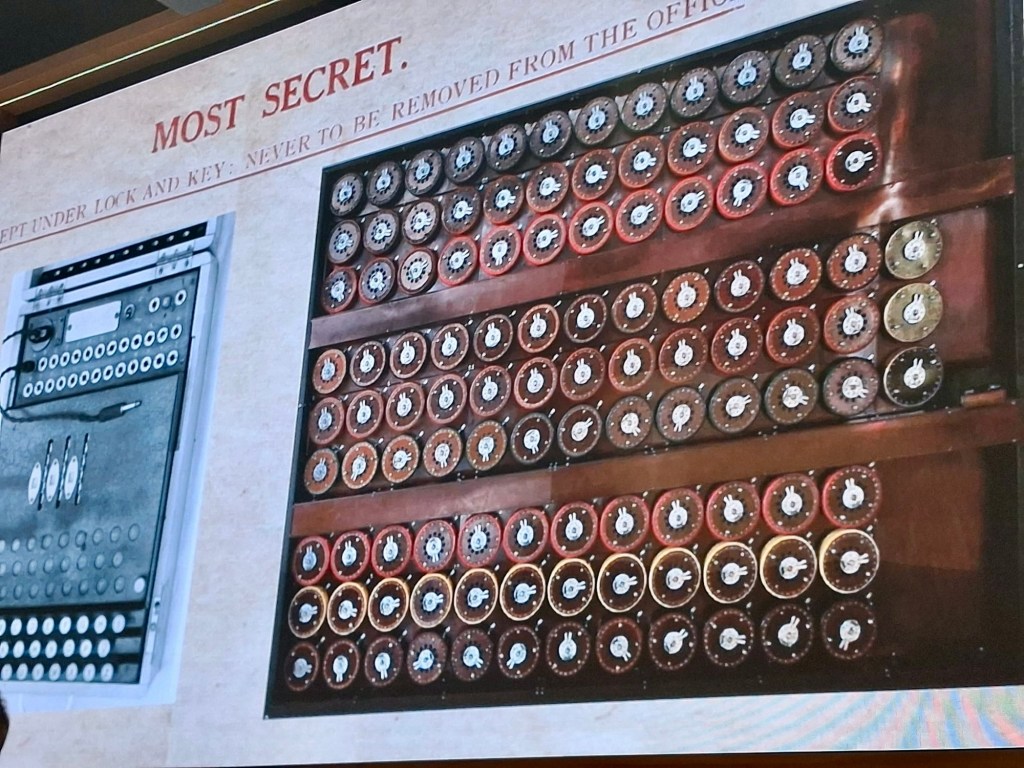
Dr Marek Grajek opened the event with an engaging lecture exploring the origins of Polish cryptology and the pioneering work carried out before the outbreak of the Second World War. He demonstrated how the brilliant Polish mathematicians Marian Rejewski, Jerzy Różycki and Henryk Zygalski achieved what many believed impossible—breaking the Enigma cipher years before the war began.
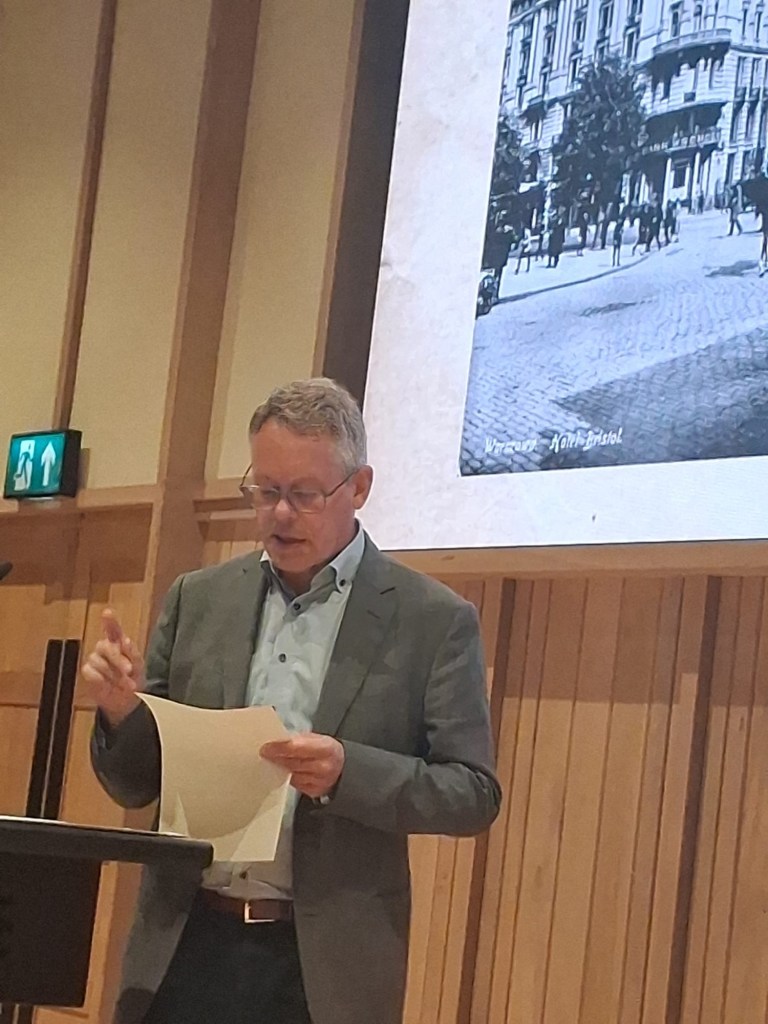
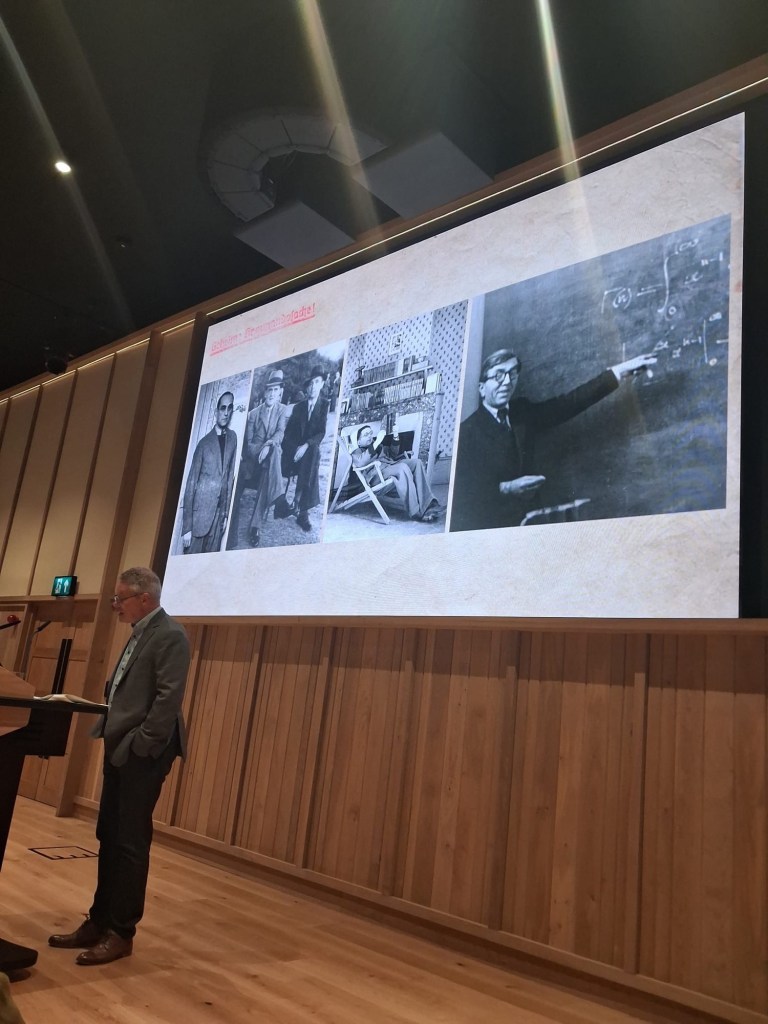
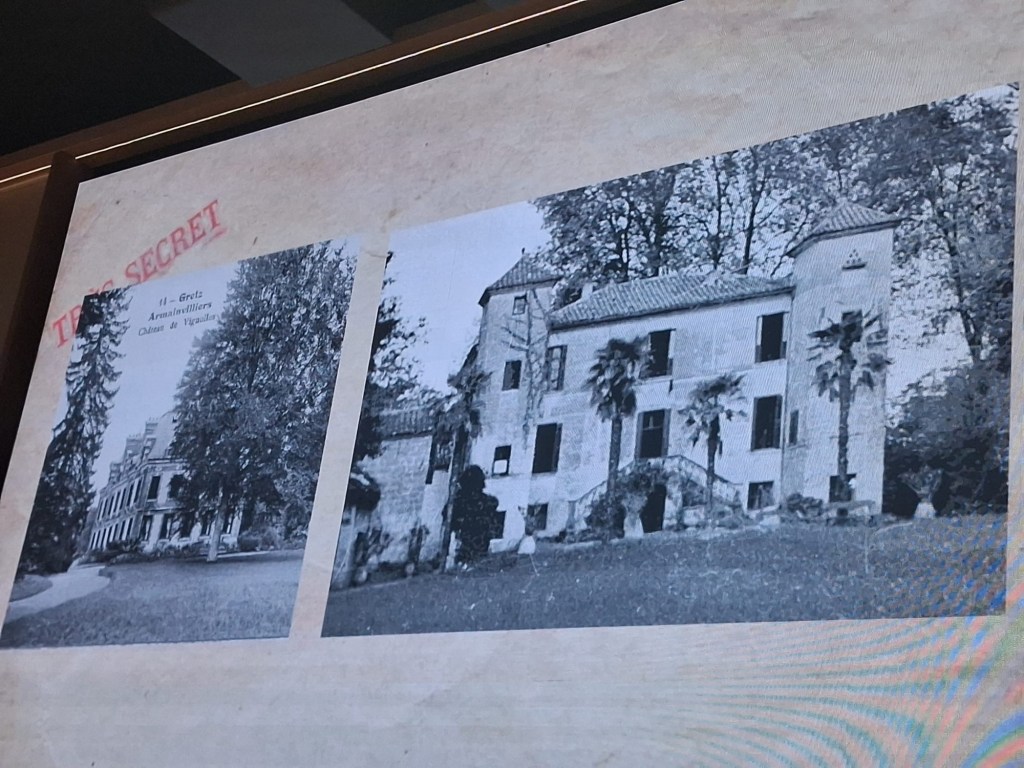
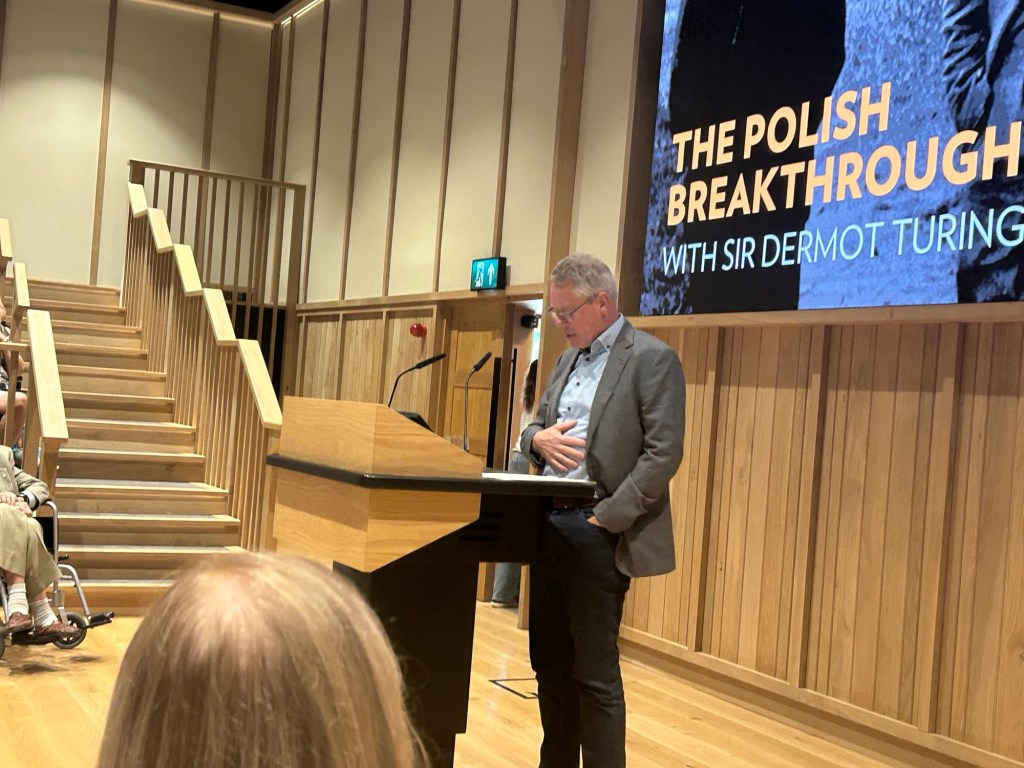
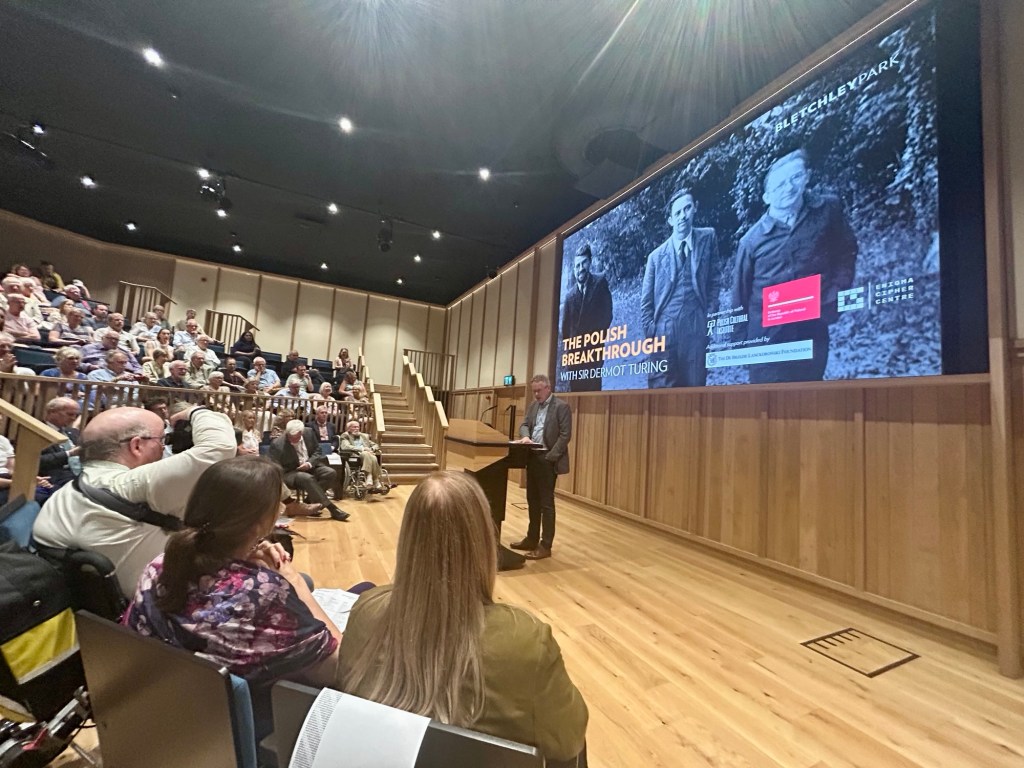
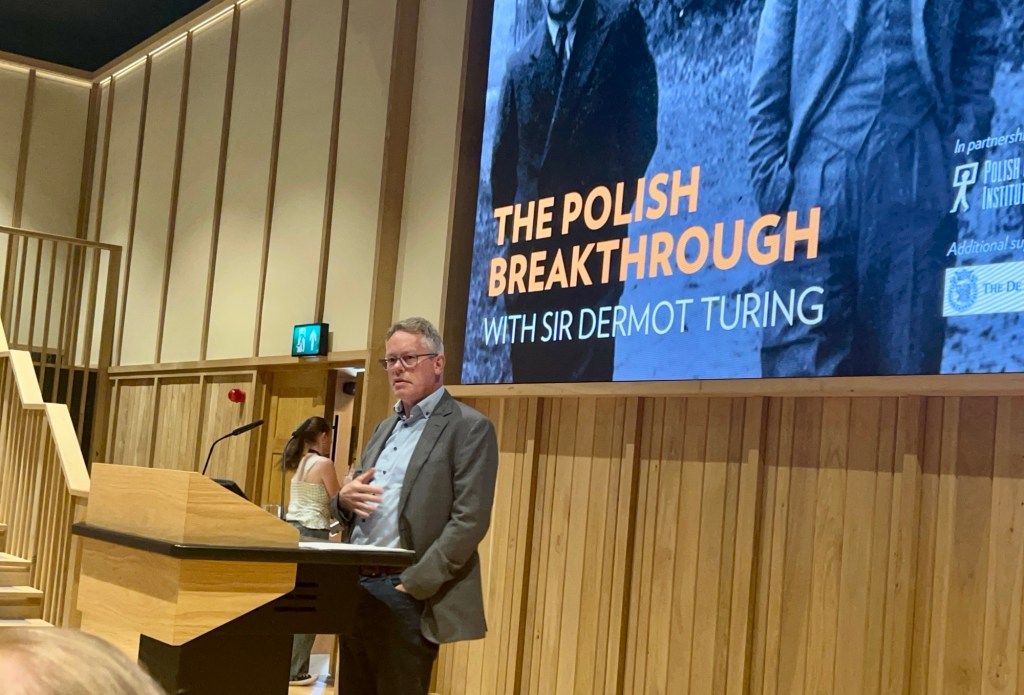
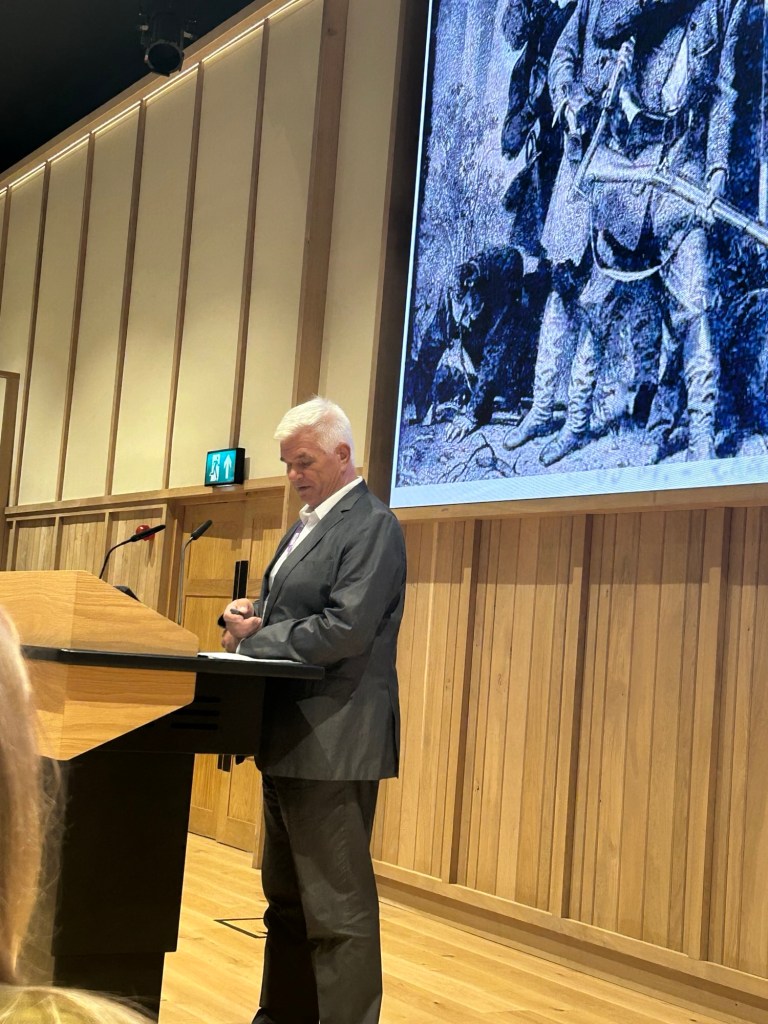
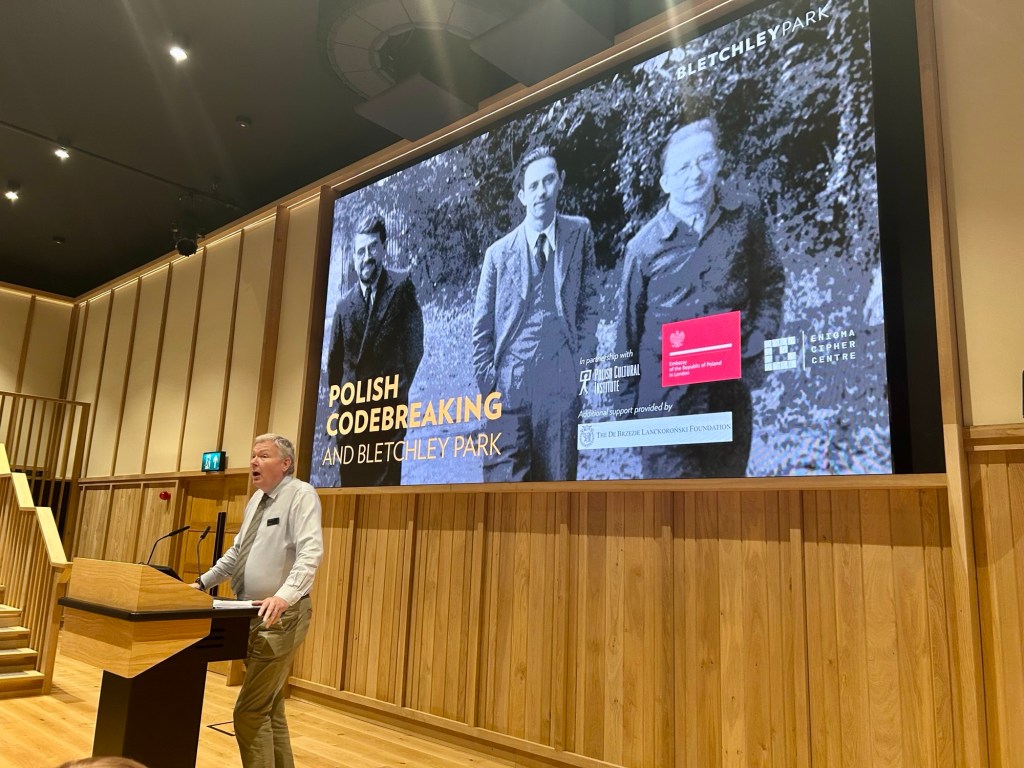
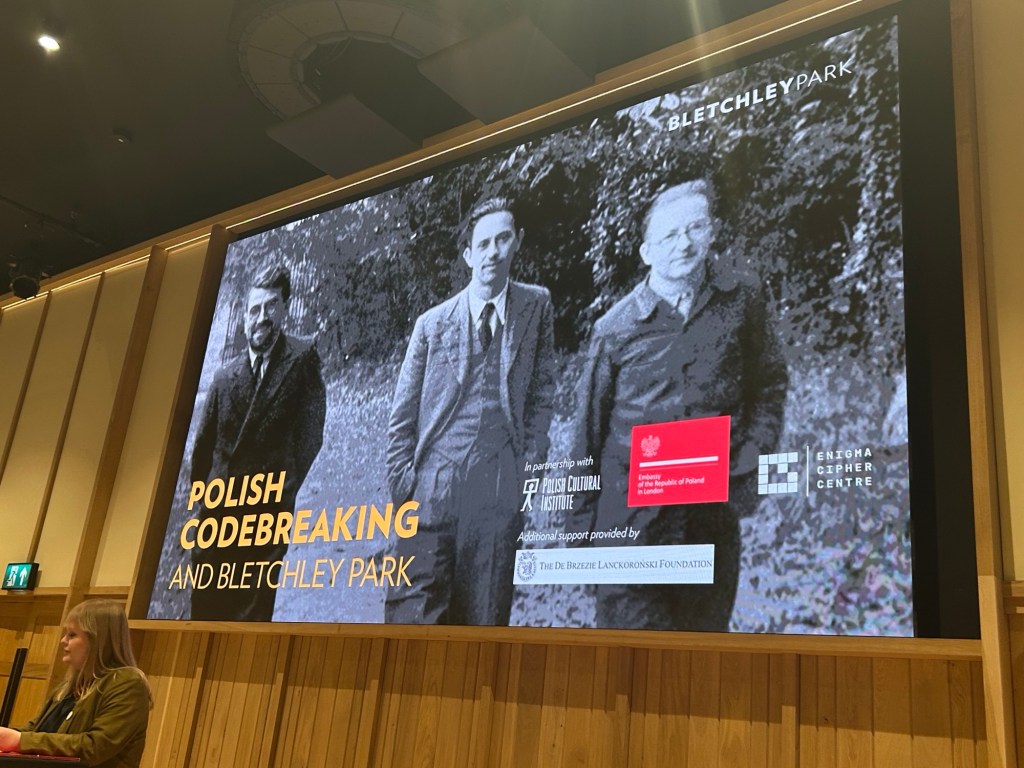
Sir Dermot Turing followed with a fascinating presentation on the Polish breakthrough and its immense significance for Britain’s wartime intelligence efforts.
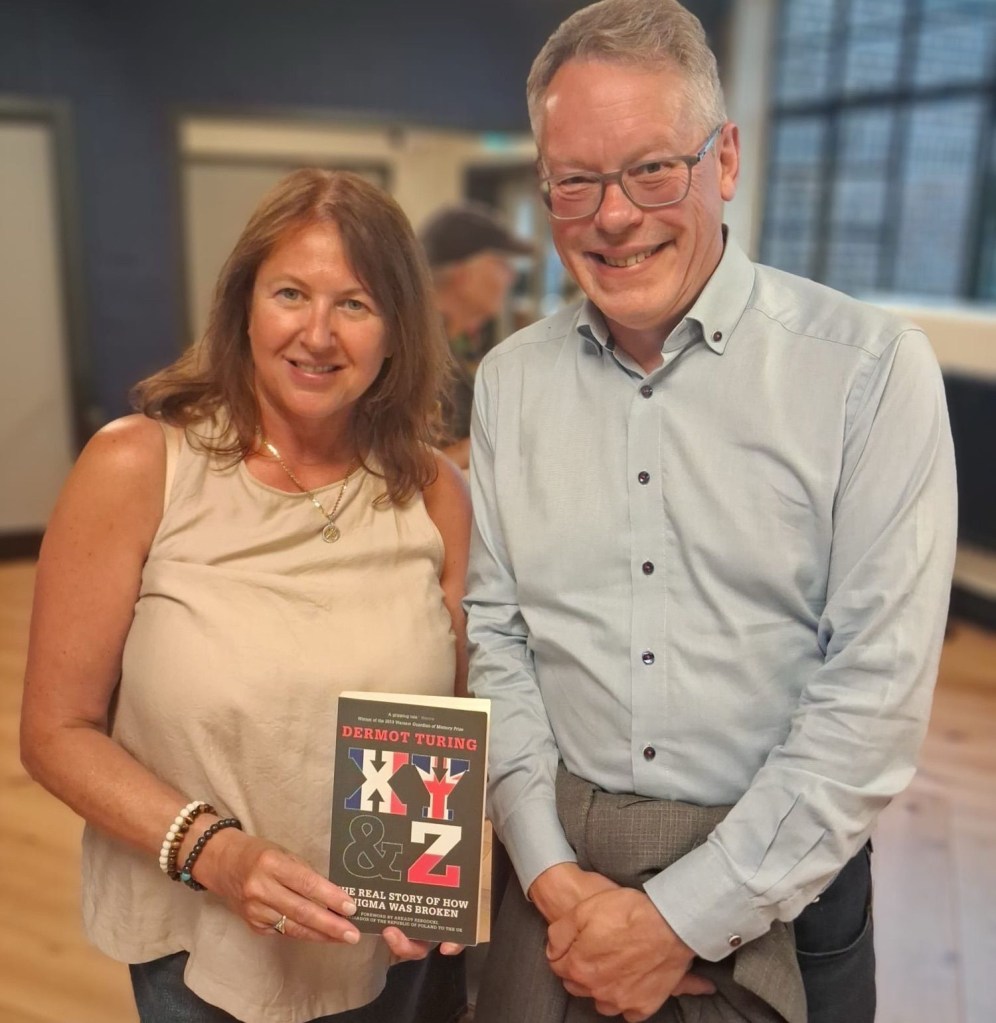
His lecture emphasised that the achievements of Bletchley Park would not have been possible without the knowledge and methods passed on by Polish cryptologists during the historic meeting in the Pyry Forest near Warsaw in July 1939.
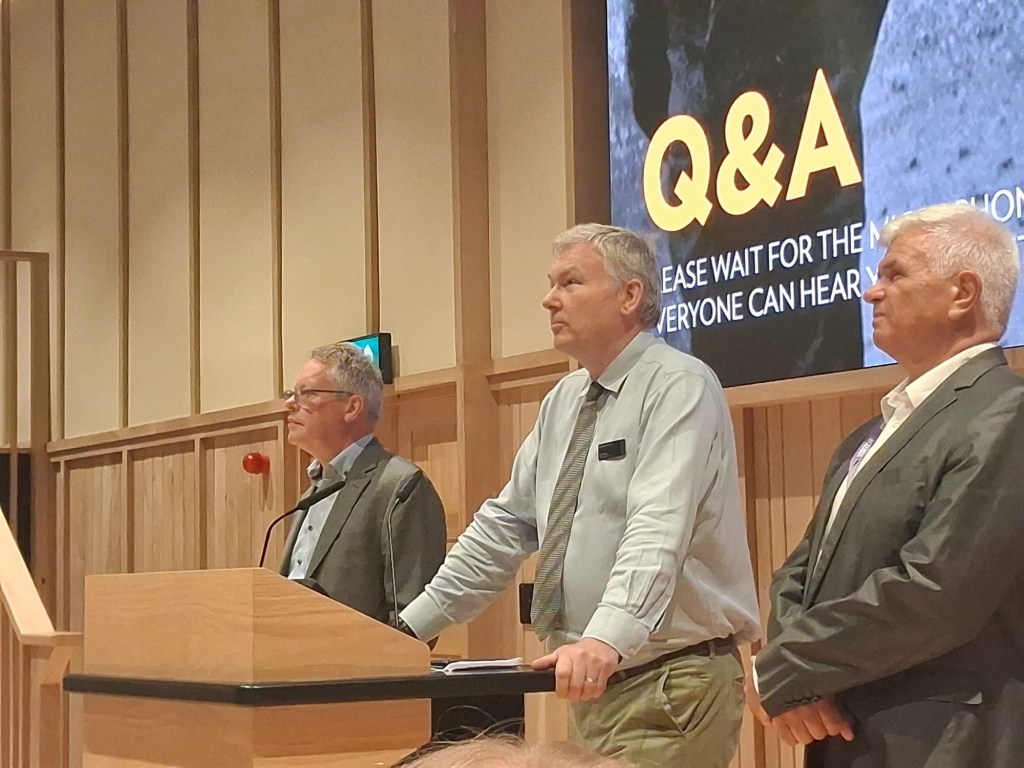
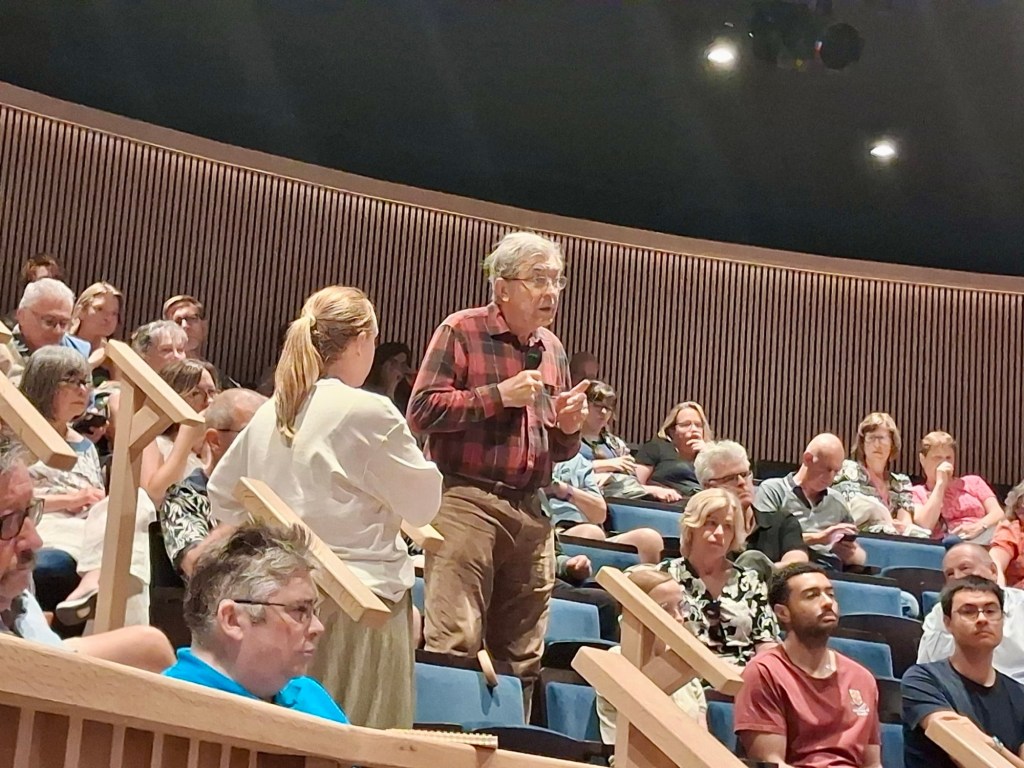
The panel discussion, moderated by experts from both Britain and Poland, reflected on the unique alliance forged between the two nations at a time of growing international tension. The speakers examined not only the mathematical brilliance behind the Polish breakthrough but also the courage and determination of those who chose to share their greatest secret with their future allies.
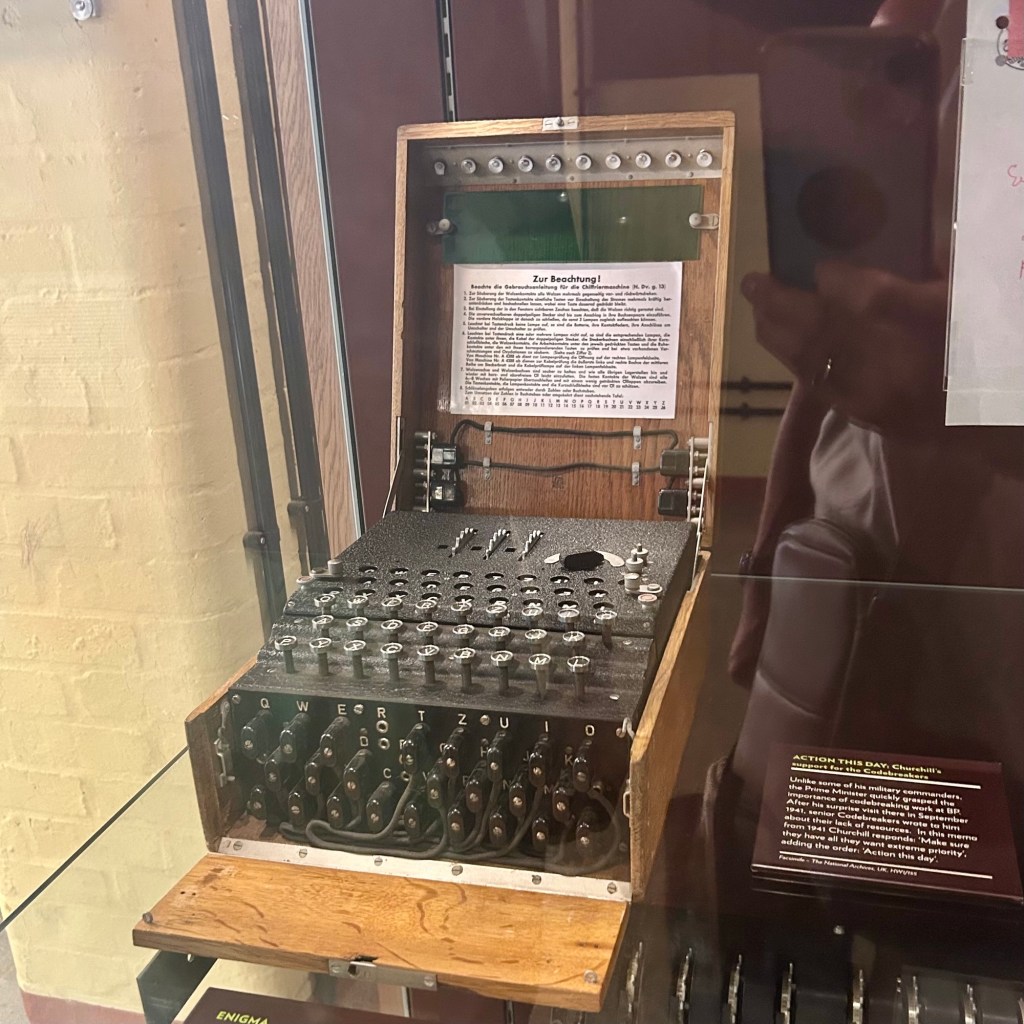
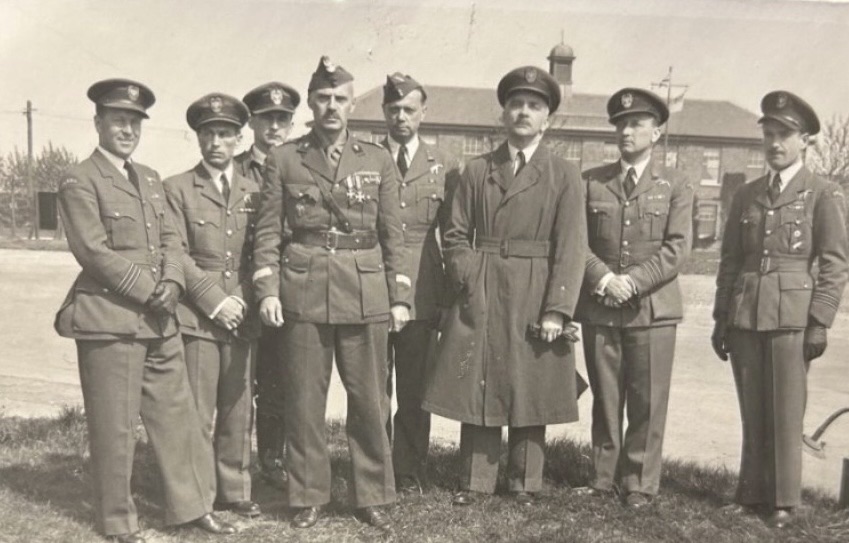
One of the most meaningful moments for Polish Sue was the opportunity to meet Mr Jan Danilewicz, the son of Leonard Danilewicz, one of the remarkable yet often forgotten figures behind Poland’s cryptological success. Leonard Danilewicz, together with his brother Ludomir Danilewicz, co-owned the AVA Radio Manufacturing Company (Wytwórnia Radiotechniczna AVA), which worked closely with the Polish Cipher Bureau and manufactured the Enigma replicas that enabled Polish cryptologists to conduct their groundbreaking research.
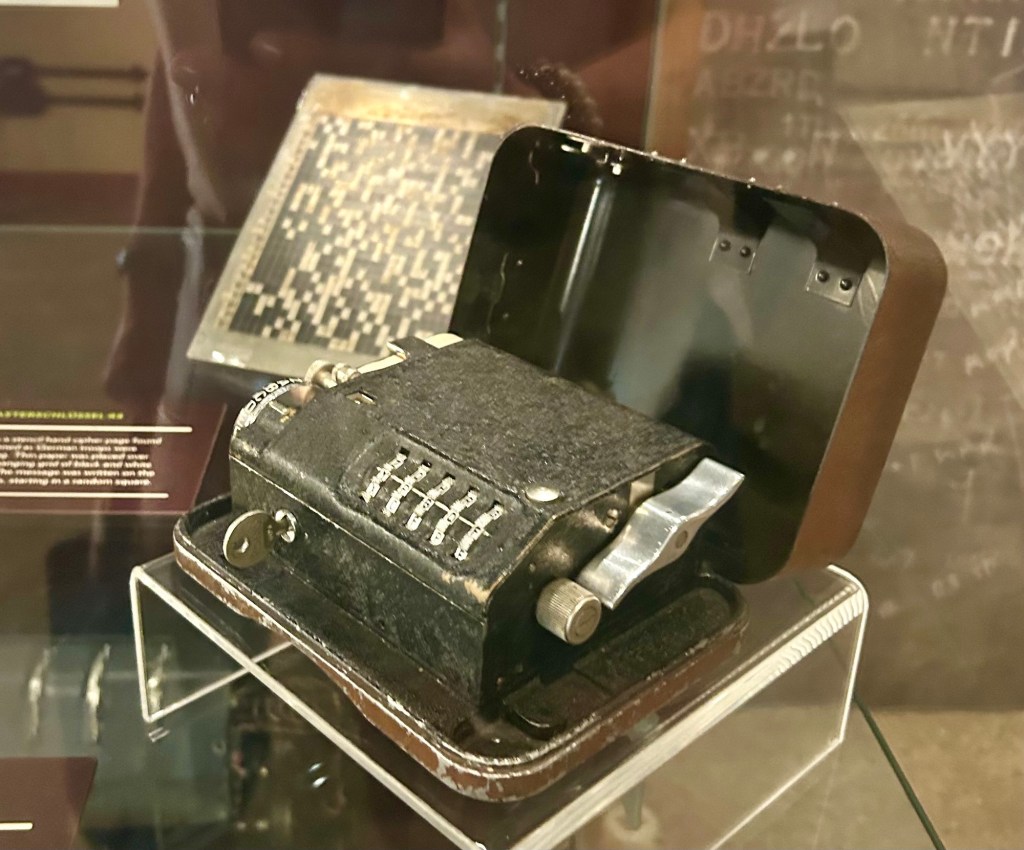
The Danilewicz brothers also played a key role in the construction of the LACIDA cipher machine, developed for the Polish military. The machine’s name was derived from the surnames of its creators: Gwido Langer, Maksymilian Ciężki, and Ludomir Danilewicz. Although the machine itself had operational limitations, it stands as an important example of Poland’s innovation and determination in the field of military cryptography.
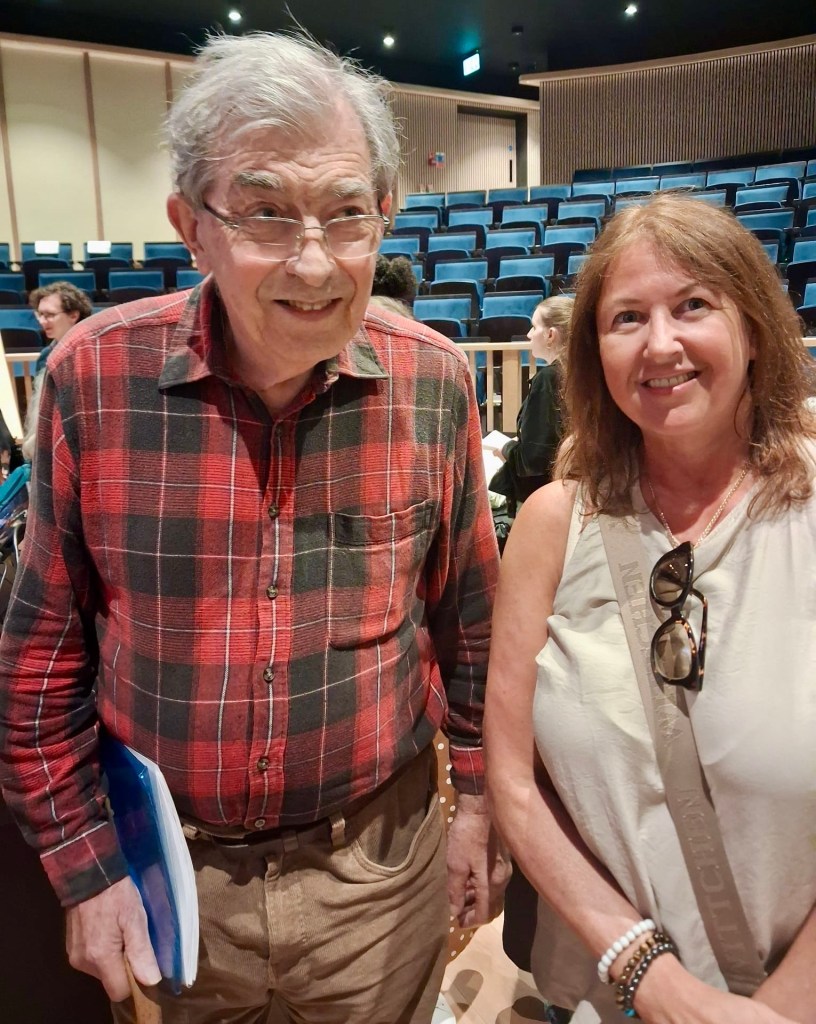
Meeting Mr Jan Danilewicz was a powerful reminder that the history of Polish codebreaking extends beyond the three famous mathematicians. Behind their success stood talented engineers, technicians and manufacturers whose contributions were indispensable but have often remained in the shadows. Through conversations at Bletchley Park, we moved one step closer to ensuring that the truth about their achievements reaches a wider audience. They, too, deserve recognition as forgotten heroes whose work helped shape the outcome of the Second World War.
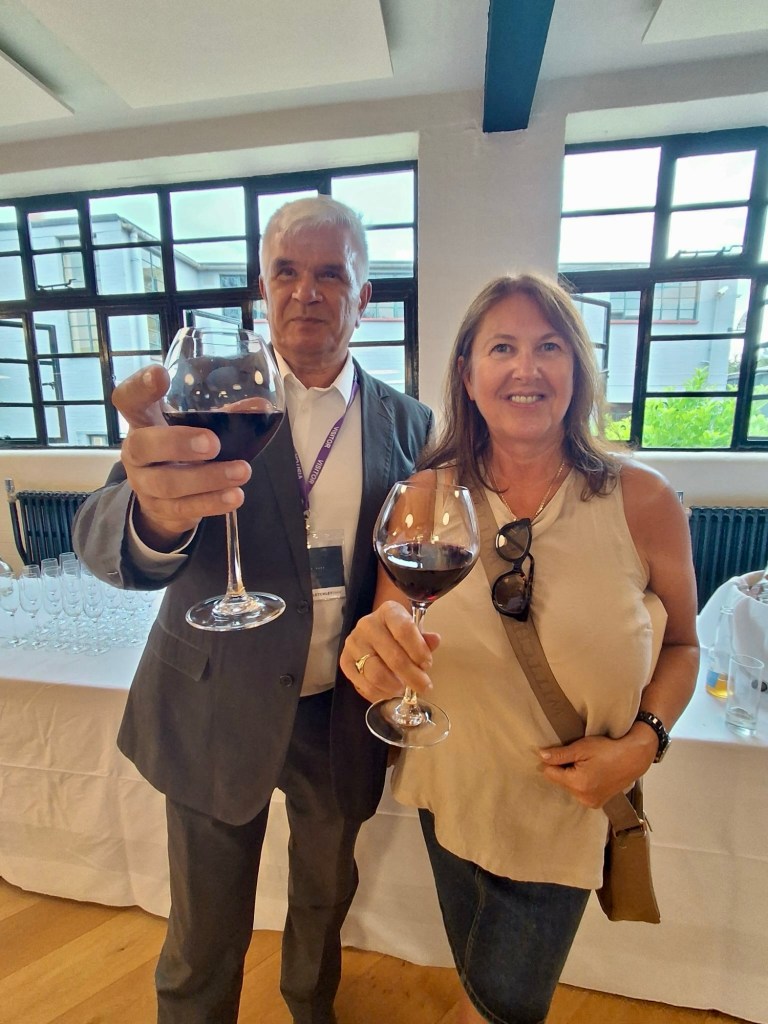
Following an engaging audience question-and-answer session, guests attended a drinks reception, providing an opportunity for further discussion and reflection on the enduring legacy of wartime cooperation between Poland and the United Kingdom.
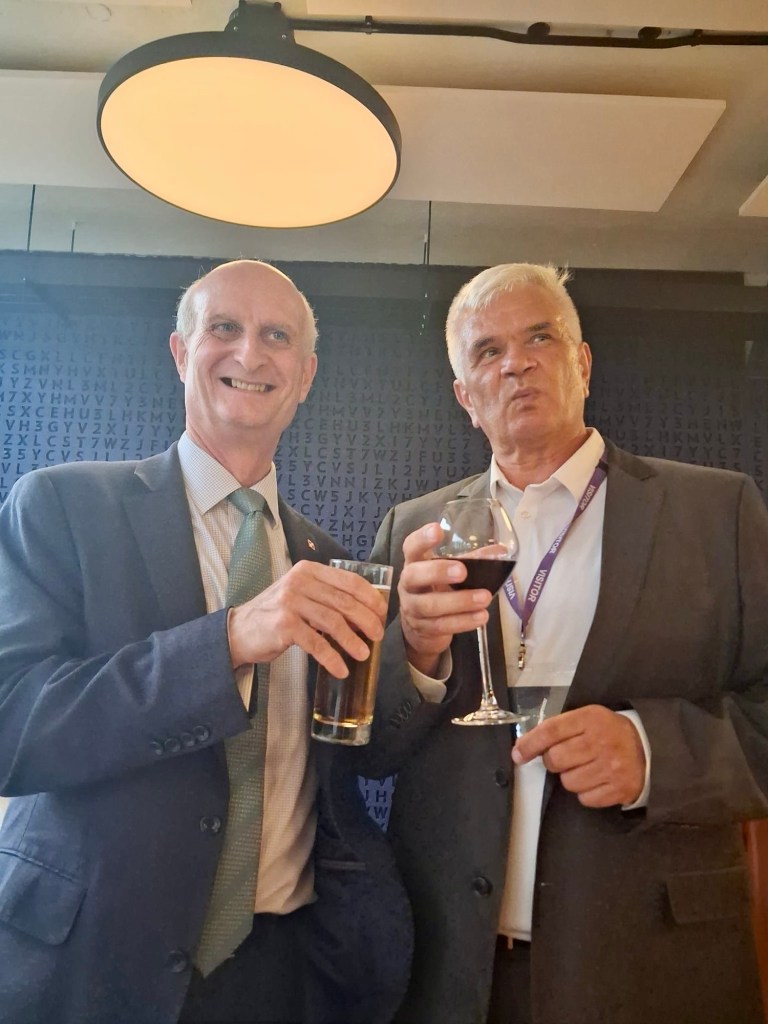
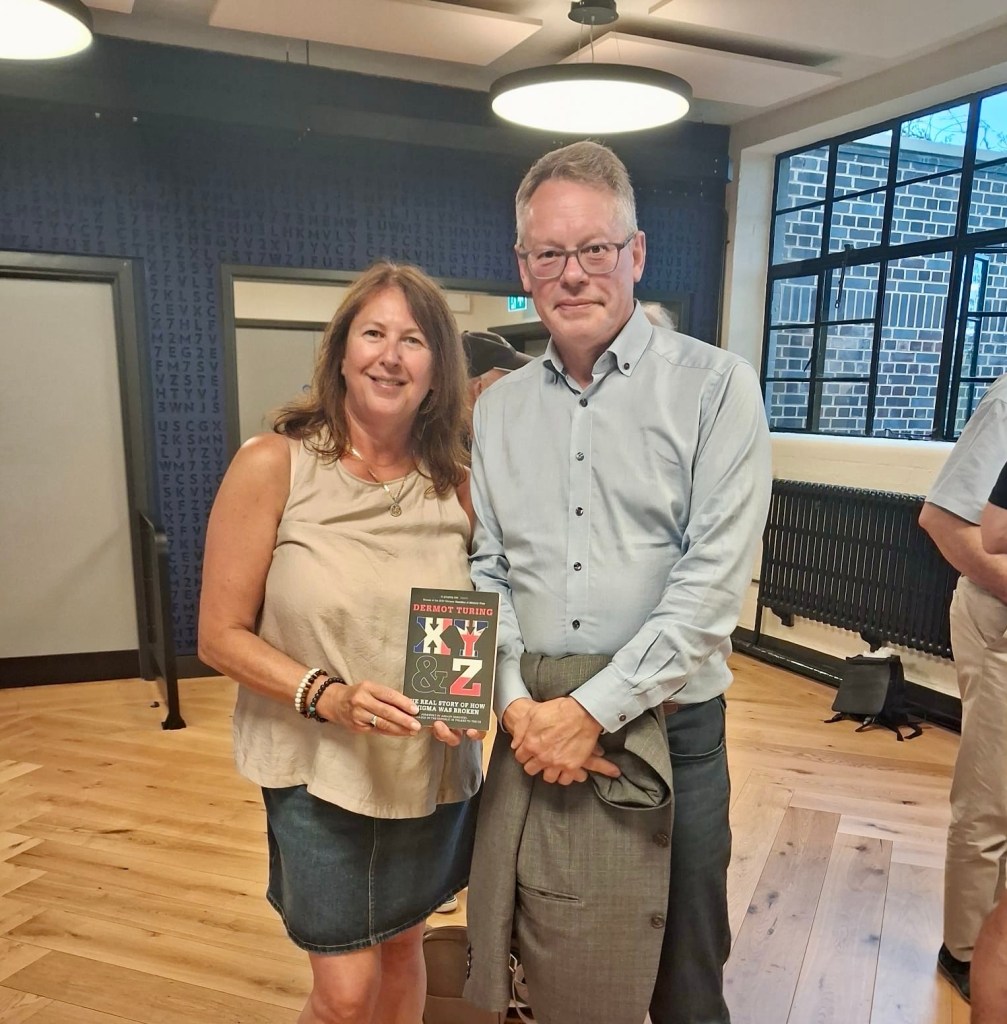
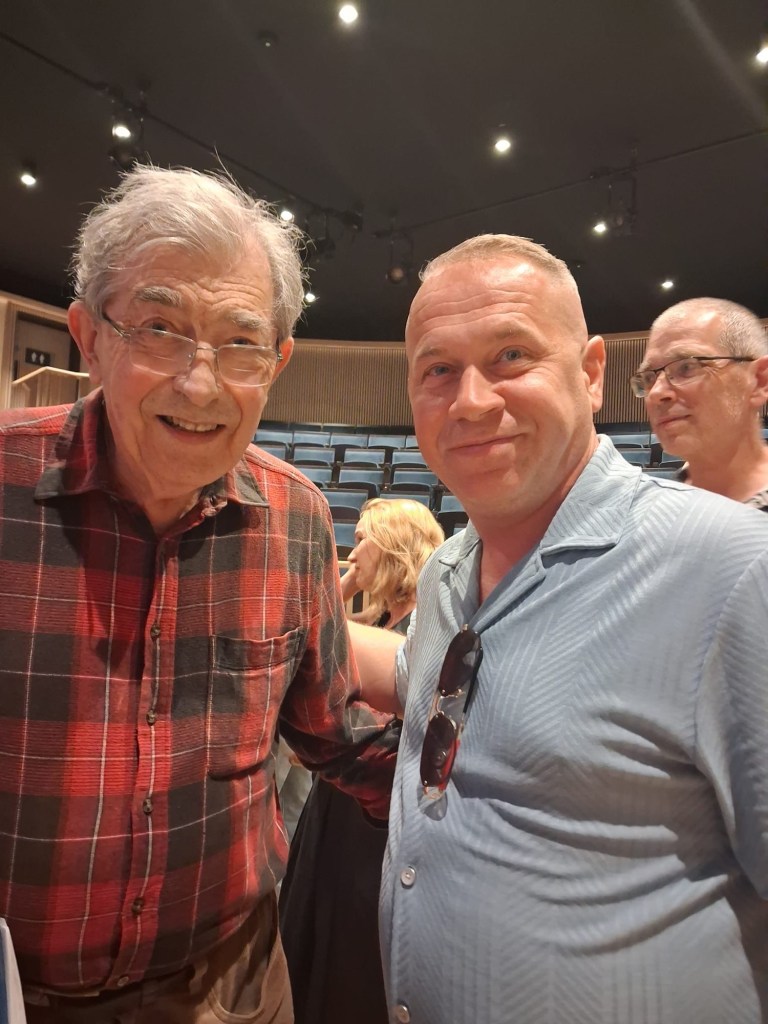
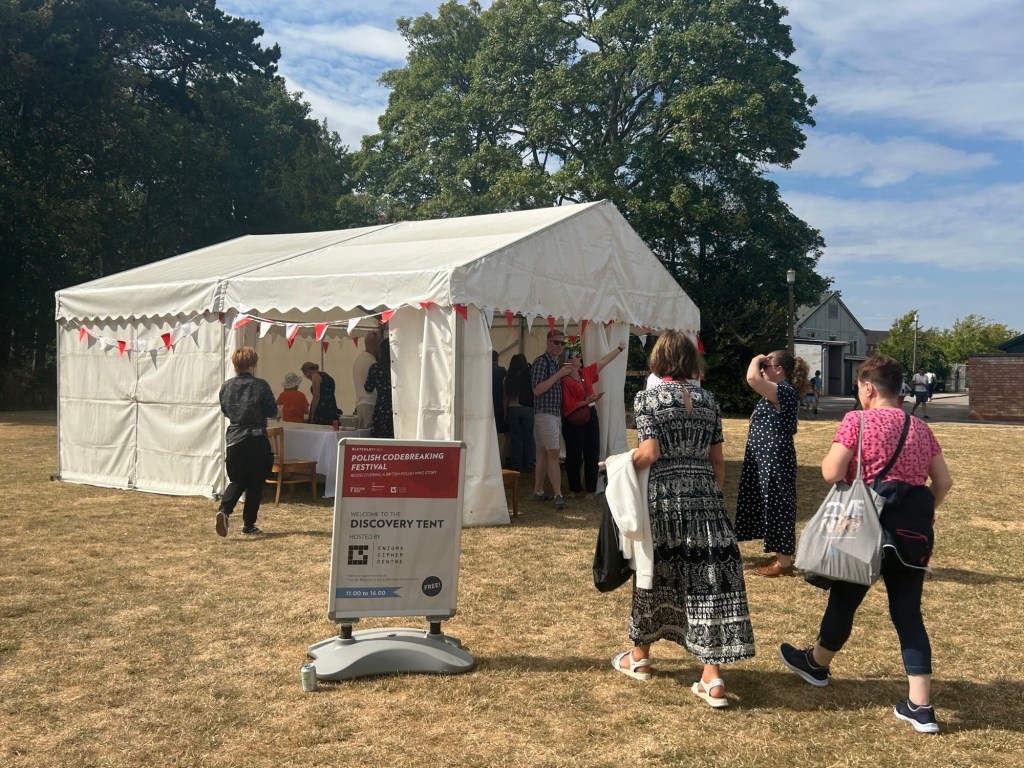
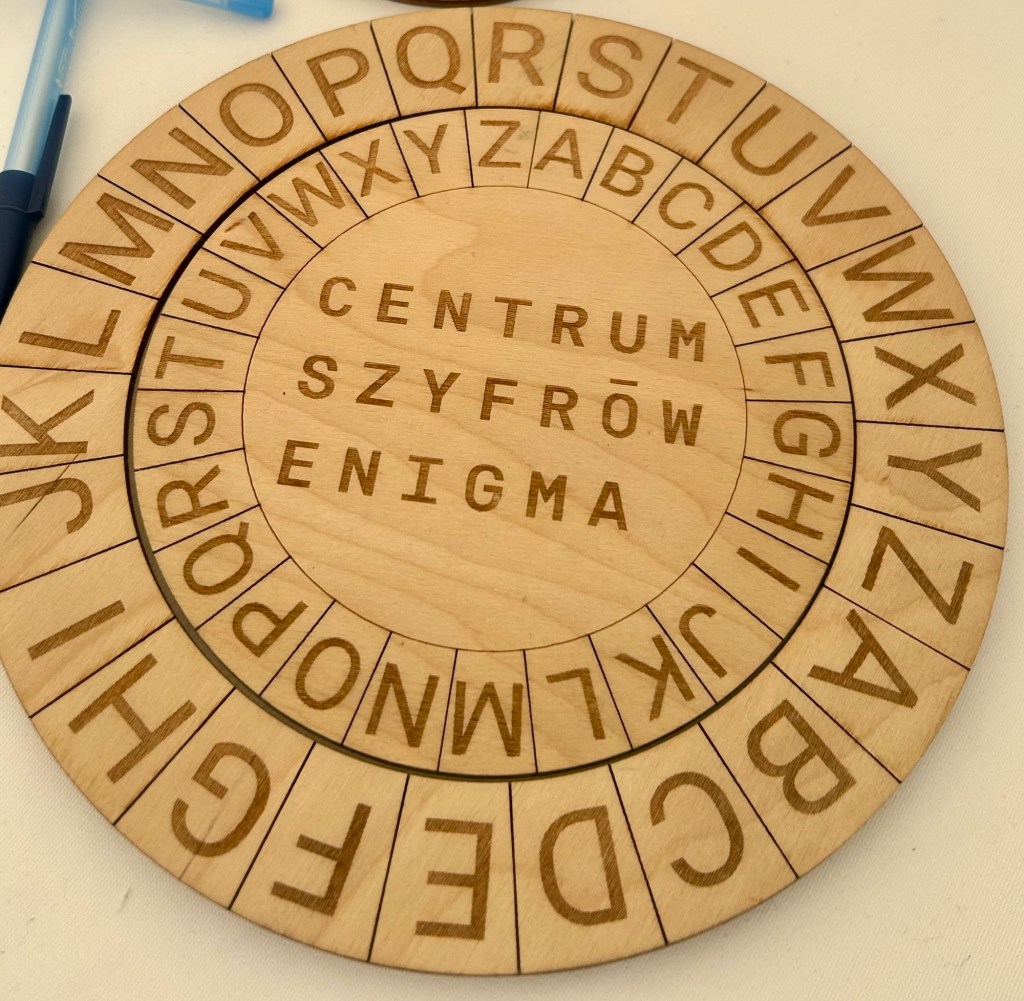
Beyond the evening programme, the first Polish Codebreaking Festival offered an exciting range of activities throughout the day. Visitors enjoyed inspiring talks, interactive workshops, live demonstrations and family-friendly activities that brought the fascinating world of wartime cryptology to life.
The festival successfully introduced new generations to the remarkable story of the Polish Codebreakers and their decisive contribution to Allied victory.
For Polish Sue, attending this historic inaugural festival was both an honour and a reminder of the importance of preserving historical truth.
The achievements of the Polish cryptologists represent one of the finest examples of intellectual courage, international cooperation and shared values between Poland and Britain.
Their work saved countless lives and helped shorten the Second World War. More than eighty years later, their story continues to inspire, reminding us that some of history’s greatest victories began not on the battlefield, but with brilliant minds, determination and trust between allies.
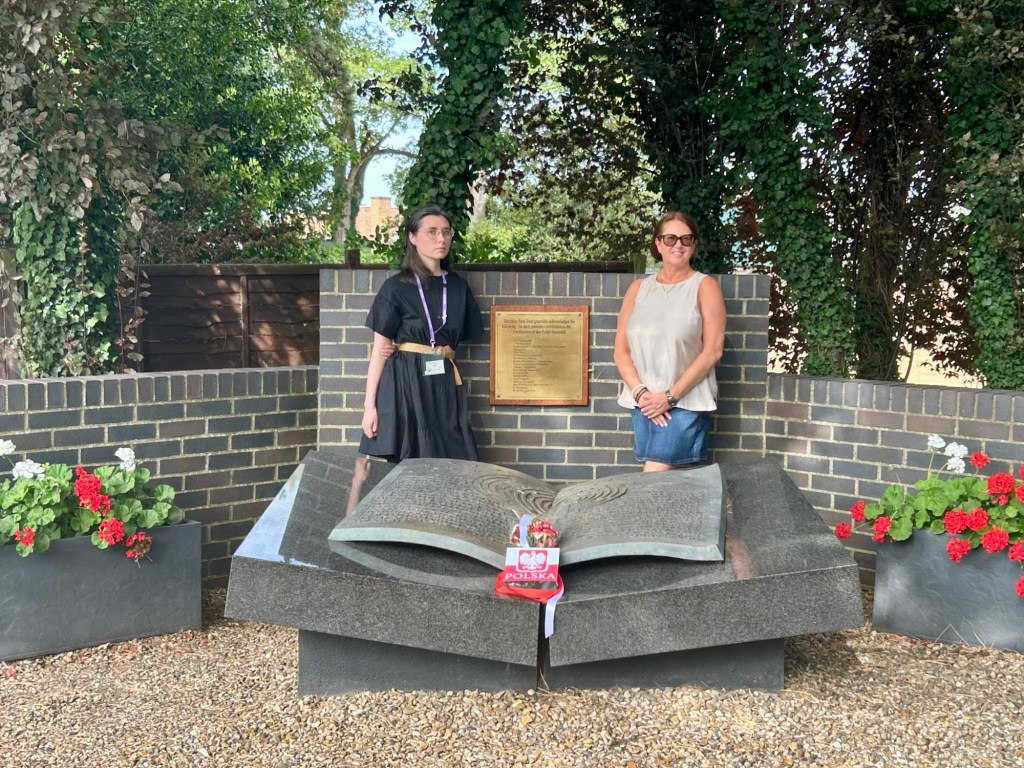
Polish Sue extends its sincere thanks to Bletchley Park, the Polish Cultural Institute in London, the Embassy of the Republic of Poland in London, and Centrum Szyfrów ENIGMA for organising such an outstanding event and for ensuring that the legacy of the Polish Codebreakers continues to be shared with audiences from around the world.
Text : Polish Sue
Photos: Polish Sue


Leave a comment