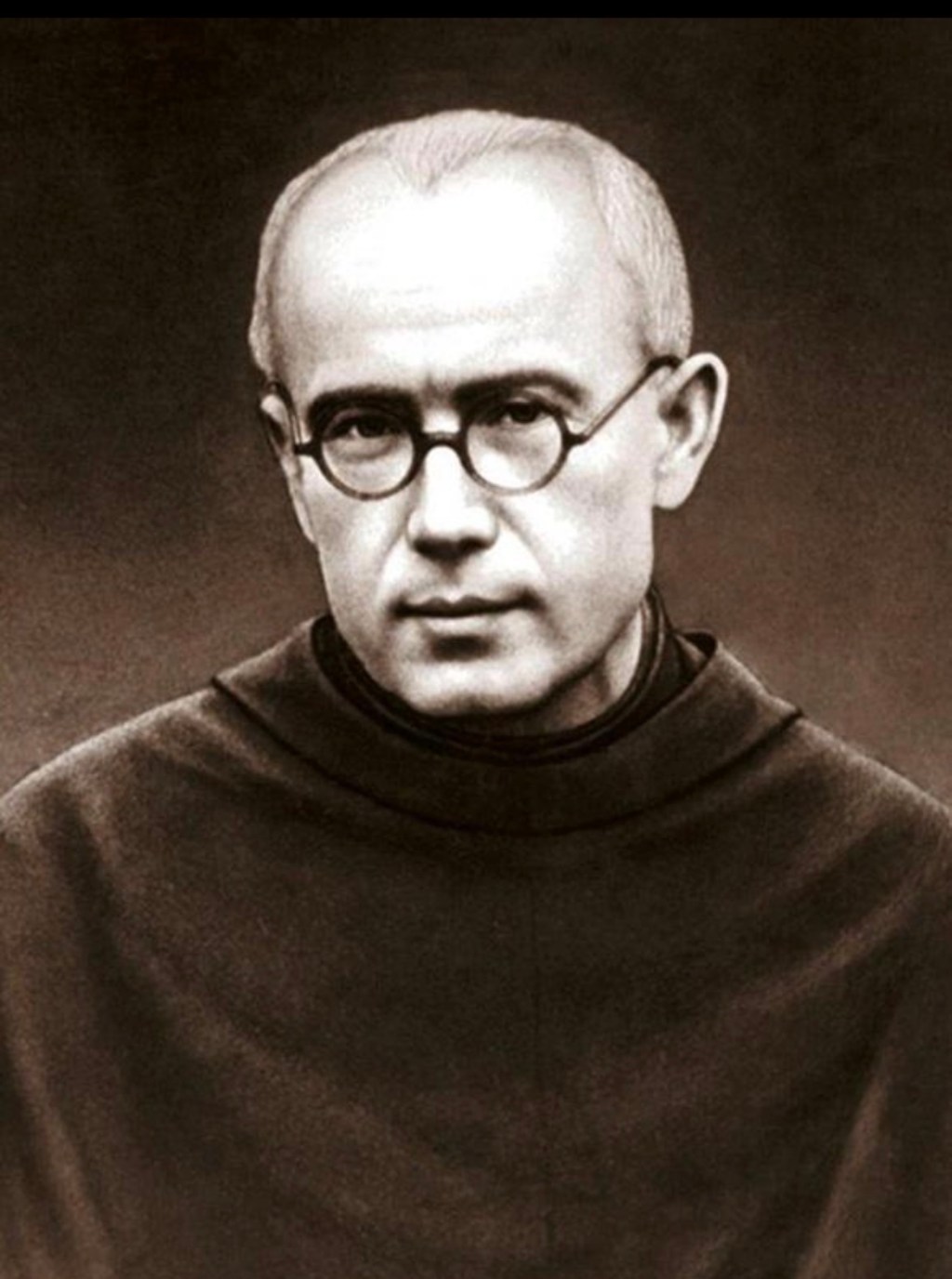
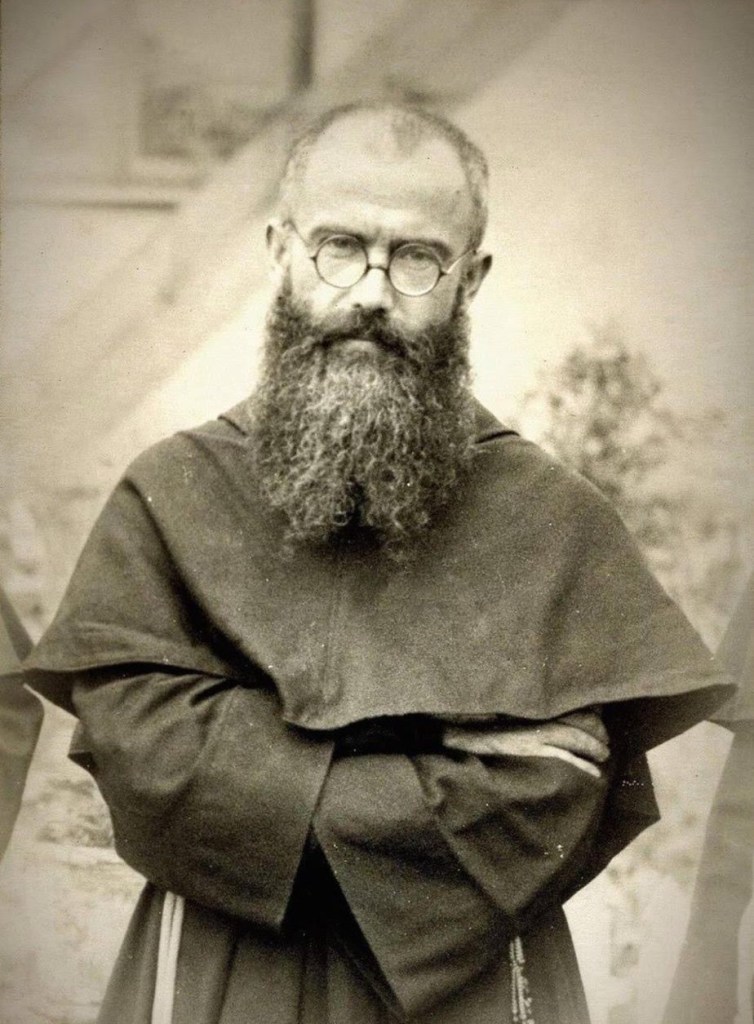
29 July 1941 remains one of the most powerful symbols of courage, self-sacrifice, and love for another human being. On this day, in the German Nazi concentration and extermination camp Auschwitz, Polish Franciscan friar Fr. Maximilian Maria Kolbe voluntarily offered his life in exchange for that of another prisoner, Franciszek Gajowniczek.
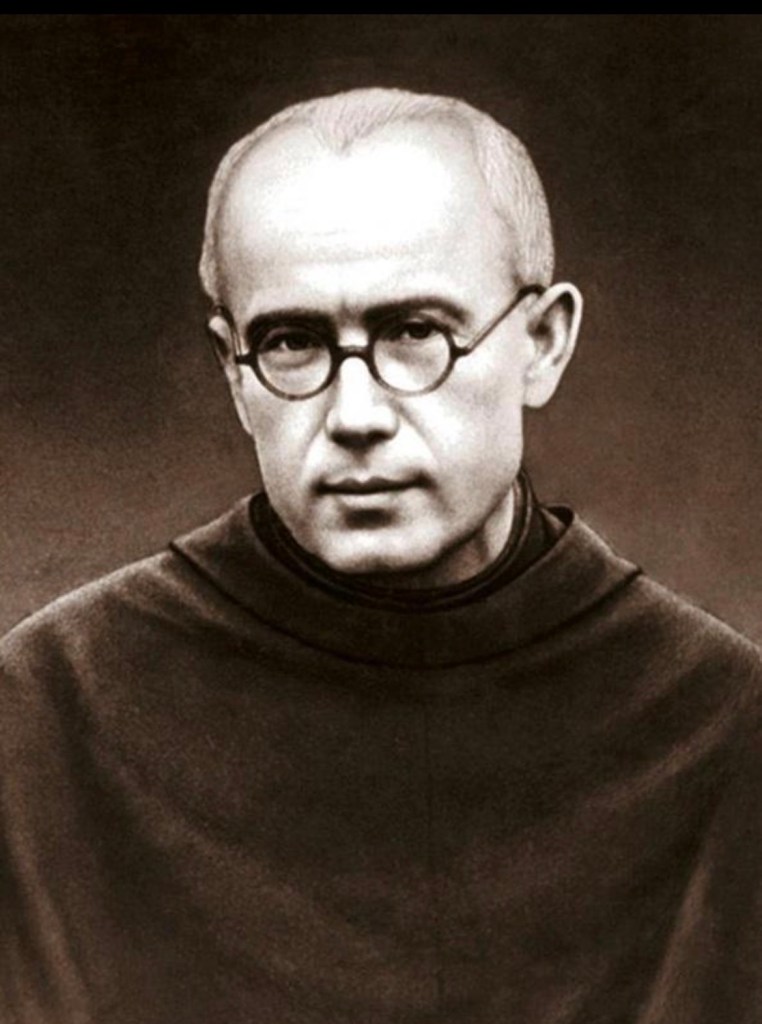
Following the escape of one prisoner, the German camp authorities imposed collective punishment and selected ten men to die of starvation. Among them was Polish Army Sergeant Franciszek Gajowniczek. Upon hearing his number, he cried out in despair for his wife and children.
At that moment, Fr. Maximilian Maria Kolbe stepped forward and calmly asked the camp commandant to allow him to take Gajowniczek’s place.
It was an extraordinary act of courage and compassion—one man willingly giving his own life so that another could live.
The Germans accepted his request.
Together with the other condemned prisoners, Fr. Kolbe was taken to the starvation bunker in Block 11. Witnesses later recalled that instead of cries of despair, prayers and hymns could be heard coming from the cell. Until the very end, Fr. Kolbe comforted and encouraged the other prisoners, bringing hope into one of the darkest places created by human cruelty.
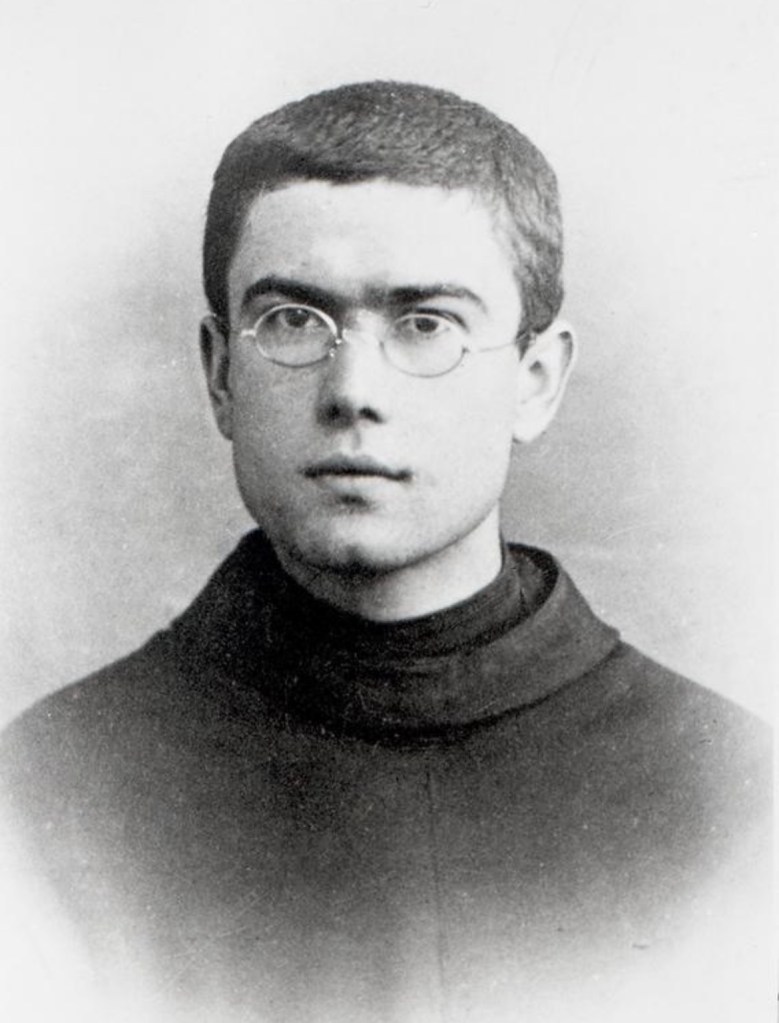
After two weeks, when he was still alive, the Germans killed him with a lethal injection of phenol on 14 August 1941, the eve of the Feast of the Assumption of the Blessed Virgin Mary.
Franciszek Gajowniczek survived Auschwitz and the war. Throughout the rest of his life, he never ceased to speak about the man who had sacrificed everything to save him.
In 1982, Pope St. John Paul II canonised Maximilian Maria Kolbe, declaring him a martyr and describing him as “the patron saint of our difficult century.” Today, he is recognised around the world as one of the greatest examples of Christian charity and one of Poland’s most remarkable wartime heroes.
His story reminds us that even in the face of unimaginable evil, humanity, faith and selfless love can prevail. His sacrifice remains a timeless lesson that true heroism is measured not by power, but by the willingness to give oneself for others.
For Poles, the life of St. Maximilian Maria Kolbe also represents the courage and sacrifice of countless Polish men and women who resisted German Nazi terror during the Second World War. Preserving their memory is both our responsibility and our privilege.
At Polish Sue, we believe that safeguarding historical truth is essential to strengthening the identity of future generations, particularly among Polish communities living abroad. Through educational projects, exhibitions, commemorative events and historical initiatives, we strive to ensure that the stories of Poland’s heroes continue to inspire young people who may otherwise never encounter this history in their everyday education.
The legacy of St. Maximilian Maria Kolbe belongs not only to Poland but to the entire world. His extraordinary sacrifice continues to remind us that love, courage and compassion can overcome even the greatest darkness.
Honour and glory to this remarkable hero. We remember.
Text:
Polish Sue


Leave a comment